Socjologia to nauka systematycznie zajmująca się badaniem całego życia społecznego człowieka. Badane są chociażby społeczne reguły, procesy i kultury, które łączą lub dzielą ludzi. W tym dziale zatem proponujemy wszelkie fachowe podręczniki, poradniki i publikacje właśnie z dziedziny socjologii. Czytając nasze lektury zapoznasz się z podstawami psychologii, dzięki którym zrozumiesz istotę kształtowania konkretnych postaw, emocji i cech osobowości ludzkich, zgłębisz podstawy takich nauk jak: filozofia czy logika. Poza tym bedziesz mógł udoskonalić posiadane kompetencje interpersonalne, które przydadzą ci się zarówno w życiu zawodowym, jak i prywatnym.
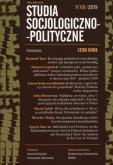
Czasopismo "Studia Socjologiczno-Polityczne". "Seria Nowa" bezpośrednio nawiązuje do Studiów Socjologiczno-Politycznych założonych w 1957 roku przez Juliana Hochfelda i wydawanych do roku 1968. Jest to tradycyjny półrocznik naukowy otwarty na różne nurty teorii społecznej, wpisujący się w program socjologii i politologii zaangażowanej, odwołujący się do idei wolności, równości, solidarności i sprawiedliwości i łączący diagnozy rzeczywistości społecznej z projektami zmian. W centrum zainteresowania czasopisma znajduje się zjawisko władzy politycznej, która spaja różnego rodzaju wspólnoty, w tym najważniejszą z nich - państwo. Inne wielkie tematy żywo interesujące redakcję to demokracja, kondycja obywatelstwa i społeczeństwa obywatelskiego. Kwestie państwa, demokracji, obywatelstwa, społeczeństwa obywatelskiego rozpatrywane są zarówno w porządku normatywnym, jak i deskryptywnym.
Prymat w czasopiśmie ma problematyka funkcjonowania polskiego systemu politycznego, ale redakcja zabiega też o studia komparatystyczne oraz o teoretyczne analizy procesów globalnych, jak również o równowagę artykułów o charakterze teoretycznym i artykułów referujących badania empiryczne.
Autorzy postanowili przyjrzeć się działalności organizacji nauczycielskich w XIX w, w okresie, kiedy normą w państwach konstytucyjnych stawały się skupiające obywateli stowarzyszenia, w tym te reprezentujące nauczycieli szkół elementarnych. Postawili sobie za cel naszkicowanie głównych linii ich rozwoju i działalności w krajach Europy Środkowej, które w XIX w.w większości wchodziły w skład wielonarodowej monarchii Habsburgów. Dla prześledzenia ewolucji i stałego progresu działalności towarzystw nauczycielskich jako podstawowy obszar badawczy wybrano terytorium Śląska Austriackiego. Chociaż teren ten w okresie swego istnienia (1742-1918) nie był największą jednostką administracyjną wchodzącą w skład naddunajskiej monarchii, to był dogodną przestrzenią do obserwacji wszystkich najważniejszych problemów epoki, począwszy od forsownych procesów industrializacji i urbanizacji, szybkiego wzrostu demograficznego, skomplikowanych stosunków społecznych, religijnych i językowych, które skutkowały gorącymi animozjami wyznaniowymi, a przede wszystkim narodowymi i politycznymi.
Fragment wstępu
Małgorzata Święcicka jest uznaną i cenioną socjolingwistką. Jej prace cechują: solidna podstawa materiałowa, jasność naukowego wywodu, a przede wszystkim – świadomość metodologiczna. Tak jest także w przypadku monografii Miasto i jego mieszkańcy. Język – obraz – stereotyp. Składają się na nią artykuły wcześniej już opublikowane, ale rozproszone w rozmaitych źródłach, teraz zaś zebrane, poprzedzone wstępem stanowiącym swoiste credo autorki, a zakończone nie tylko wnioskami, ale i nakreśleniem perspektyw badawczych dla naukowców zajmujących się problematyką miasta – zwłaszcza miejskich odmian polszczyzny i językowego obrazu miast. Na szczególne podkreślenie zasługuje bogactwo literatury przedmiotu przywoływanej w każdym artykule.
Książka pokazuje dwa ważne zjawiska, obecne zawsze tam, gdzie pojawia sią próba włączania we wspólne działanie osób niepełnosprawnych. Są to samowykluczenie i samomarginalizacja. To one (jako następstwo wcześniejszych doświadczeń osób niepełnosprawnych) nie pozwalają im często na jakąkolwiek aktywność. Nie pozwalają uwierzyć w siebie, w innych, w życzliwość grupy. Ten aspekt zaprezentowanych w pracy wyników mówi bardzo dużo nie tylko o niepełnosprawnych mężczyznach, uczestnikach badań, ale także o nas samych pozbawionych pokory i narracyjnej wyobraźni. Książka Macieja Jabłońskiego jest przykładem pedagogicznych badań zaangażowanych. Znakomicie ugruntowana teoretyczne, przywołująca najnowsze, interdyscyplinarne teorie jakości życia stawia prawdziwie ważne pytania badawcze.
In its fourth edition, Strategic Writing emphasizes the goal-oriented mission of high-quality public relations and media writing with clear, concise instructions for more than 40 types of documents. This multidisciplinary text covers writing for public relations, advertising, sales and marketing, and business communication. In addition, it includes concise chapters on topics such as diversity, ethics and the legal aspects of strategic writing. Featuring a spiral binding, examples for each document and a user-friendly "recipe" approach, Strategic Writing is ideal for undergraduate PR or advertising writing classes that take an interdisciplinary approach. This new edition devotes new attention throughout to social media and writing in the digital realm, and features new and updated online resources for students and instructors.
Using an engaging narrative, this textbook demonstrates how social processes are inherently interconnected by uniquely applying underlying and unifying principles throughout the text. With its comprehensive coverage of classic and contemporary research—illustrated with real-world examples from many disciplines, including medicine, law, and education—Social Psychology 4th Edition connects theory and application, providing undergraduate students with a deeper and more holistic understanding of the factors that influence social behaviors.
New to the 4th Edition:
Each chapter now features 1-2 "culture" boxes, focusing on cross-cultural research on social psychological phenomena.
Each chapter now features 1-2 "hot topic" boxes, where we highlight cutting edge and emerging findings.
Many references updated throughout, with over 700 new references.
A more comprehensive and user-friendly set of online supplementary resources will accompany the new edition.
New co-author Heather Claypool of Miami University of Ohio.
SPIS TREŚCI
ANNA POBÓG-LENARTOWICZ, Wprowadzenie
Część I. Obcy w klasztorze
MARIA STARNAWSKA, Mistrzowie i neofici. Uczniowie św. Romualda i eremici słowiańscy w eremie Pięciu Braci Pustelników
ANNA POBÓG-LENARTOWICZ, Wpływy zewnętrzne na reformy przeprowadzane w klasztorach kanoników regularnych na Śląsku w średniowieczu
ALEKSANDRA FILIPEK-MISIAK, Obcy nie (zawsze) znaczy zły - czyli o przybyszach w konwencie wedle Catalogus abbatum Saganensium Ludolfa z Żagania
JOANNA HELUSZKA, Związki kanoniczek regularnych z kanonikami regularnymi z wrocławskiej wyspy Piasek w średniowieczu
KATARZYNA SZAWAN, Opieka Stolicy Apostolskiej nad klasztorem klarysek w Strzelinie
Część II. Żydzi w społeczeństwie średniowiecznej Polski i ich wizerunek w historiografii
JURGEN HEYDE, Samorząd żydowski a władze nieżydowskie w średniowieczu
HANNA WĘGRZYNEK, Polityka a początki historiografii żydowskiej dotyczącej dziejów Żydów w średniowieczu
W tomie zgromadzono 26 studiów z zakresu socjologii i nauk politycznych, które koncentrują się wokół problematyki władzy, państwa i narodu. Obok tekstów o charakterze eseistycznym w księdze zamieszczono liczne studia empiryczne nad funkcjonowaniem współczesnych systemów politycznych.
Pojemny tytuł tomu, od razu sugerujący możliwy układ relacji i kombinacji pomiędzy trzema terminami, spełnia rolę kalejdoskopu interdyscyplinarnego środowiska badaczy respektujących — zawsze na swój sposób — perspektywę antropologiczną i komunikacyjną w badaniu mediów, dzięki którym, i poprzez które, trwają, zmieniają się oraz rozpowszechniają się treści kultury. Metafora kalejdoskopu dobrze oddaje różnorodność zgromadzonej tematyki, różnorodność perspektyw interpretacyjnych i przyjmowanych koncepcji kultury oraz teorii mediów zdolnych do opisu in statu nascendi dziejących się wydarzeń i zjawisk, które choć zaangażowanym w nie podmiotom kultury jawią się jako zupełnie nowe, mają swoje zapomniane źródła — domieszka perspektywy historycznej wydaje się więc niezbędna dla zrozumienia współczesności. Umożliwia ona dojrzenie ogółu w szczególe, wzorów i przekonań kulturowych w drobnych, i wydawałoby się, marginalnych niekiedy sferach naszego codziennego życia zapośredniczonego przez media i przez media kształtowanego. Zdradza ponadto temperament poznawczy oraz krytyczny samych badaczy, albowiem refleksja antropologiczna nie może się obejść bez autorskiej sygnatury.
W książce dokonano krytycznej analizy rozwiązań prawnych w obszarze partycypacji mieszkańców. Analiza ta – w ocenie autorów – miała wykazać silne i słabe strony przyjętych rozwiązań prawnych, a także pozwolić na dokonanie oceny ich jakości we wszystkich trzech miastach tworzących Trójmiasto, czyli w Gdańsku, Gdyni i Sopocie. Nie sposób tego dokonać bez – przynajmniej syntetycznego – przedstawienia praktyki stosowania poszczególnych mechanizmów partycypacyjnych. Podstawową tezą przyjętą w pracy jest progresywny charakter rozwiązań stosowanych w Trójmieście, choć nie wolny od niedoskonałości wynikających zarówno z ograniczeń ustawowych, jak i nie zawsze pełnej woli politycznej wzmocnienia realnej władzy mieszkańców, co wiązałoby się z osłabieniem pozycji Prezydentów Miast i Rad Miast.
Książka otwiera nowe pola oglądu fenomenu kapitału społecznego szkoły, opisane przez Autorkę przez pryzmat doświadczeń biograficznych nauczycieli – zupełnie nowej perspektywy poznawania procesów wewnątrzszkolnych, przejawiających się na różnych poziomach funkcjonowania szkoły i rozwoju kariery zawodowej nauczycieli. Kategoria kapitału społecznego jest w ostatnich kilkudziesięciu latach pojęciem używanym ( o ile nie nadużywanym) w różnych kontekstach teoretycznych i badawczych, w wieli dyscyplinach naukowych, w rozmaitych rodzajach dyskursu. Jest przy tym przedmiotem silnych kontrowersji: badacze trafnie rozpoznają pułapki takiego stanu rzeczy w postaci definicyjnego „rozmycia” kategorii.
Tematem książki są emigracyjne losy rodziny polskiej w Niemczech. W części teoretycznej autorka prezentuje charakterystykę zjawiska migracji, omawia istotę, strukturę, cechy i funkcje rodziny oraz przedstawia migracje z Polski do Niemiec w latach osiemdziesiątych XX wieku. W części badawczej za pomocą metody badań jakościowych i techniki wywiadu dokonuje biograficzno-narracyjnego opisu, analizy i interpretacji treści relacji reprezentantów drugiego pokolenia migrantów, którzy wyjechali z Polski do Niemiec, a następnie założyli własne rodziny. Eksplikacja badawcza prowadzona jest z uwzględnieniem optyki migracyjnej i rodzinnej. Intencją zaprezentowanych analiz i interpretacji jest przedstawienie osób migrujących jako członków systemu rodzinnego w kontekście „dotykających” ich rodzinnych doświadczeń, tematów i znaczeń.
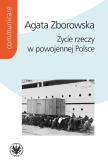
W książce zilustrowane są rola i znaczenie przedmiotów w okresie powojennego niedoboru. Autorka analizuje zróżnicowane materiały (oficjalne dokumenty, pamiętniki i wspomnienia, beletrystykę, filmy, fotografie, plakaty), które traktuje jako źródło wiedzy o sposobach funkcjonowania przedmiotów oraz wyobrażeniach na ich temat. Przedstawia trzy studia przypadku zorganizowane wokół kategorii przedmiotów znalezionych, gościnnych i nowych, które oświetlają z różnych perspektyw relacje między przedmiotami i podmiotami.Życie rzeczy w powojennej Polsce to opowieść o kilku latach po drugiej wojnie światowej z perspektywy codziennych przedmiotów nie tylko tych rzeczywistych, ale również wyobrażonych. O poszukiwaniach ukrytego skarbu, o gościnnych przedmiotach na Ziemiach Odzyskanych, o szabrze wprawiającym rzeczy w nieustanny ruch z rąk do rąk, o zachodnich darach płynących do Polski, wreszcie o wizjach nowych przedmiotów kształtujących nowy socjalistyczny porządek. To również opowieść o długu zaciągniętym u poprzednich właścicieli przejmowanych przedmiotów, który staje się nieusuwalną częścią polskiej tożsamości.Nie jest to jednak historia rzeczy, ale próba dotarcia do historii w rzeczach nie rekonstrukcja biografii konkretnych przedmiotów, ale poszukiwanie zastygłych w nich pragnień i fantazji polskiej kultury. Jakie emocje i pragnienia rzeczy pobudzały? W jaki sposób nadawano im nowe znaczenia? W jaki sposób przedmioty były używane do organizowania i przekształcania emocji niepewności, obaw, ale i nadziei? Jaką rolę widziała w nich nowa władza i jak wykorzystywała je do budowy nowego porządku?
Rewolucja technologiczna zapoczątkowana przez internet oraz rozwiązania sieciowe wytworzyły nowe narzędzia komunikowania w postaci mediów społecznościowych. Ich użyteczność została zauważona w wielu dziedzinach życia zawodowego. Jako nowe rozwiązania komunikacyjne oraz największe publicznie dostępne agregaty danych osobowych media społecznościowe zostały zauważone również przez dziennikarzy. Celem publikacji jest analiza sposobu wykorzystywania mediów społecznościowych przez dziennikarzy w Polsce, Rosji i Szwecji. Praca ma charakter empiryczny i powstała na podstawie ankiet oraz wywiadów pogłębionych. Dane zostały zaczerpnięte z międzynarodowego projektu badawczego „Zmiana w dziennikarstwie. Kultura dziennikarska w Polsce, Rosji i Szwecji”, którego autor był uczestnikiem. Badania nad mediami społecznościowymi w pracy dziennikarzy pozwoliły wskazać różnice i podobieństwa w wykorzystywaniu tych narzędzi przez reprezentantów zawodu z trzech krajów.
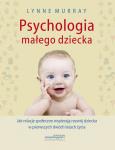
Profesor psychologii Lynne Murray jest uznaną brytyjską badaczką wczesnego rozwoju dzieci. Jej książka Psychologia małego dziecka to znakomite źródło wiedzy zarówno dla rodziców (a także babć, dziadków oraz innych opiekunów), jak i dla specjalistów pracujących z dziećmi i rodzinami. Wyjątkowość tego przewodnika po różnych obszarach rozwoju dziecka w pierwszych dwóch latach życia polega na tym, że wszystkie przedstawione wnioski płynące ze współczesnych badań naukowych autorka ilustruje wynikami szczegółowej obserwacji zachowania i interakcji społecznych konkretnych dzieci. Bogaty materiał zdjęciowy pomaga dostrzec niezwykłą wrażliwość dziecka na otoczenie społeczne i umożliwia odczytanie istotnego znaczenia wielu dziecięcych zachowań często uznawanych za przypadkowe. A przede wszystkim unaocznia ogromny wkład dziecka we własny rozwój i doniosłą rolę rodziców we wspieraniu jego rozwoju.
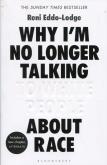
In 2014, award-winning journalist Reni Eddo-Lodge wrote about her frustration with the way that discussions of race and racism in Britain were being led by those who weren't affected by it. She posted a piece on her blog, entitled: 'Why I'm No Longer Talking to White People About Race' that led to this book.
Exploring issues from eradicated black history to the political purpose of white dominance, whitewashed feminism to the inextricable link between class and race, Reni Eddo-Lodge offers a timely and essential new framework for how to see, acknowledge and counter racism. It is a searing, illuminating, absolutely necessary exploration of what it is to be a person of colour in Britain today.
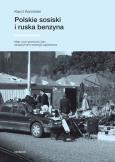
Karol Kamiński – doktor nauk społecznych w zakresie socjologii, absolwent Studiów Wschodnich UW. Publikował m.in. w „Polish Sociological Review”, „Roczniku Polsko-Niemieckim” oraz w lokalnych periodykach, występował na licznych konferencjach o zasięgu międzynarodowym i ogólnopolskim. Interesuje się m.in. socjologią migracji, miasta, młodzieży oraz antropologią. Jako badacz podejmuje tematykę uczniów klas mundurowych, przekraczania granicy, handlu bazarowego czy też rycerzy drohickich. Obecnie zajmuje się badaniami marketingowymi. Miłośnik podróży i poznawania nowych miejsc przez kulinarny kod kulturowy.
Praca Karola Kamińskiego jest złożoną analizą socjologiczną prawnych, społecznych i ekonomicznych aspektów funkcjonowania polsko-rosyjskiego porozumienia o małym ruchu granicznym. Opisano tu umowę między organizacjami politycznymi o bardzo odmiennej tradycji prawnej, podpisaną w sytuacji kiedy prawodawstwo polskie było już powiązane systemowo z prawodawstwem Unii Europejskiej. Opracowanie to zdaje relacje z procesów i powiązań transgranicznych i transnarodowych, pozostających pod wpływem bardzo dynamicznie zmieniających się uwarunkowań zewnętrznych – także w kontekście znaczących konfliktów politycznych w tej części Europy (kryzys krymski). Autor charakteryzuje również przemiany polityczne w regionie, które przyczyniły się do zawieszenia polsko-rosyjskiej umowy o małym ruchu granicznym w lipcu 2016 roku.
Z recenzji dra hab. Dariusza Wojakowskiego, prof. UR
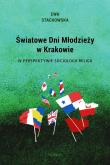
Ewa Stachowska – doktor socjologii, pracownik w Instytucie Profilaktyki Społecznej i Resocjalizacji Uniwersytetu Warszawskiego. Obszary zainteresowań: socjologia religii i kultury, relacje między religią a ekonomią, kulturą konsumpcyjną i mediami. Zajmuje się zmianami religijności i funkcjonowaniem organizacji religijnych w warunkach kultury konsumpcyjnej i rynku oraz marketingiem religijnym.
Autorka kilkudziesięciu artykułów z tego zakresu. Redaktorka książki Kościoły i wspólnoty chrześcijańskie w przestrzeni społecznej w Polsce i na świecie; współredaktorka publikacji: Brazil – Poland. Focus on Religion; tematycznych tomów kwartalnika „Przegląd Religioznawczy”: Religion and contemporary culture i Religion and religiosity in Polish context. Sekretarz naukowy Polskiego Towarzystwa Religioznawczego, sekretarz redakcji „Przeglądu Religioznawczego”.
„Jest to pierwsze w literaturze polskiej tego typu empiryczne opracowanie media eventu na przykładzie Światowych Dni Młodzieży, nie mające wielu odpowiedników w literaturze światowej. (…) Opracowanie „Światowe Dni Młodzieży …” wnosi wiele nowych ujęć zarówno do socjologii zachowań zbiorowych, jak i do socjologii religii. W pełni legitymizuje nową subdyscyplinę socjologiczną, a mianowicie, socjologię eventów, a zarazem stanowi pierwsze w Polsce studium empiryczne z zakresu tej dyscypliny (wcześniej badano jedynie eventy marketingowe). Może ono przyczynić się do przyspieszenia podejmowania badań nad innymi rodzajami eventów, w końcu do opracowania ogólnej teorii eventu. (…)
Autorka charakteryzuje się znaczną oryginalnością i swoistą świeżością w interpretacji osiągnięć klasyków socjologii i współczesnych socjologów religii. Autorka pracy o Światowych Dniach Młodzieży prezentuje typ solidnego badacza społecznego, który pozostaje w stałym kontakcie z literaturą światową i polską w dziedzinie, którą reprezentuje. Opublikowana książka przyczyni się z pewnością do zdynamizowania polskich badań socjologicznych nad eventami, a także do dalszego rozwoju polskiej socjologii religii”.
Z recenzji prof. zw. dr. hab. Janusza Mariańskiego
Sztuka wędrowania
„Chodzenie, w wersji idealnej, jest stanem, w którym umysł, ciało i świat spotykają się z sobą, jak gdyby były trzema prowadzącymi rozmowę postaciami, trzema dźwiękami niespodziewanie łączącymi się w akord” - pisała Rebecca Solnit w Zewie włóczęgi.
Spacery i mikropodróże pozwalają nam nie tylko oderwać się od codzienności, odpocząć i spojrzeć na problemy z innej perspektywy, ale także nauczyć się uważności, przyjrzeć się samemu sobie i duchowo zjednoczyć z takimi wędrowcami jak np. Henry David Thoreau czy Virginia Woolf.
Odpowiadają:
Jakub Kornhauser, Lechosław Herz, Filip Springer, Małgorzata Halber, Piotr Paziński, Andrzej Muszyński, Olga Drenda i Michał Zygmunt
Ponadto w numerze:
„Wolny Tybet”
Solidarna turystyka zamiast neokolonialnego wyzysku i banalnej rekreacji
Smutek i nadzieja Leszka Kołakowskiego
Fragment biografii i nieznany tekst w 10. rocznicę śmierci
Magdalena Tulli
„Walka o byt jest bardzo ekologiczna i nie wyraża się w niej miłosierdzie”
Ginące, odradzające się
Czy pogłoski o śmierci rzemiosła i znikaniu tradycyjnych zawodów są prawdziwe?
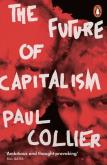
Deep new rifts are tearing apart the fabric of Britain and other Western societies: thriving cities versus the provinces, the highly skilled elite versus the less educated, wealthy versus developing countries. As these divides deepen, we have lost the sense of ethical obligation to others that was crucial to the rise of post-war social democracy. So far these rifts have been answered only by the revivalist ideologies of populism and socialism, leading to the seismic upheavals of Trump, Brexit and the return of the far right in Germany. We have heard many critiques of capitalism but no one has laid out a realistic way to fix it, until now.
In a passionate and polemical book, celebrated economist Paul Collier outlines brilliantly original and ethical ways of healing these rifts - economic, social and cultural - with the cool head of pragmatism, rather than the fervour of ideological revivalism. He reveals how he has personally lived across these three divides, moving from working-class Sheffield to hyper-competitive Oxford, and working between Britain and Africa, and acknowledges some of the failings of his profession.
Drawing on his own solutions as well as ideas from some of the world's most distinguished social scientists, he shows us how to save capitalism from itself - and free ourselves from the intellectual baggage of the 20th century.
Ten produkt jest zapowiedzią. Realizacja Twojego zamówienia ulegnie przez to wydłużeniu do czasu premiery tej pozycji. Czy chcesz dodać ten produkt do koszyka?