Polecamy całą serię najlepszych książek psychologicznych. Znajdziecie tu najciekawsze i najbardziej popularne poradniki i podręczniki. Setki tytułów, do których chętnie się wraca. Polecamy szczególnie książkę psychiatry Viktora Frankla, która opisuje jego traumatyczne przeżycia z obozów koncentracyjnych podczas II wojny światowej oraz podstawy jego metody leczenia zaburzeń psychicznych. To jedna z najbardziej wpływowych książek w literaturze psychiatrycznej. Ponadto proponujemy również słynną książkę autorstwa Cialdini Robert B.To znakomita książka z dziedziny psychologii społecznej, prezentująca techniki wywierania wpływ na ludzi.
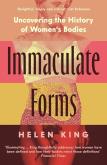
Throughout history, religious scholars, medical men and - occasionally - women themselves, have moulded thought on what 'makes' a woman. She has been called the weaker sex, the fairer sex, the purer sex, among many other monikers. Often, she has been defined simply as 'Not A Man'.
Today, we are more aware than ever of the complex relationship between our bodies and our identities. But contrary to what some may believe, what makes a woman is a question that has always been open-ended.
Immaculate Forms examines all the ways in which medicine and religion have played a gatekeeping role over women's organs. It explores how the womb was seen as both the most miraculous organ in the body and as a sewer; uncovers breasts' legacies as maternal or sexual organs - or both; probes the mystery of the disappearing hymen, and asks, did the clitoris need to be discovered at all?
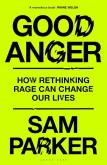
DISCOVER HOW A MISUNDERSTOOD EMOTION CAN OFFER YOU CLARITY, PURPOSE AND STRENGTH
We are used to complaining there is too much anger in the world. But what about the cost of having too little? And what if, instead of fearing anger, we learned to use it wisely?
In Good Anger, journalist Sam Parker investigates how one of our most complex emotions became a taboo and the cost that suppressing it has on our mental and physical health, relationships and society. He argues that, rather than trip us up or fill us with shame, anger can be turned into a life-enhancing source of bravery, purpose and self-respect.
Drawing on insights from psychology, ancient philosophy and emotional science, Parker looks at the gendered expectations around anger, how repressed rage shows up in our bodies, and the crucial role processing anger plays in treating depression and anxiety. We learn how understanding anger can improve every facet of our lives, from love to creativity to professional success.
This provocative and seemingly counterintuitive book is for people-pleasers, conflict avoiders and self-improvers. It reminds us that embracing our emotions – even the ones that scare or confuse us – can help us become stronger, happier people.
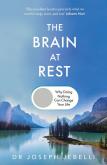
Want to know how to solve tough problems, be more creative and protect your health, all with zero effort? This is the surprising science of the brain at rest, a 'stealth help' book for readers of Why We Sleep.
We are constantly told to make the most of our time. Stop procrastinating. Optimise. To be happy, creative and successful requires discipline and focus. The most important thing is to be efficient with every precious hour. But when we let our brains rest, and our minds wander, something magical happens: the brain’s ’default network’ switches on, and suddenly we are able to think in completely new ways.
Blending science and personal stories with practical tips, Dr Joseph Jebelli reveals how neuroscience is solving the mystery of the brain at rest, with profound implications for intelligence, creativity and even life expectancy.
If we dare to break the taboo surrounding rest, we will find that long baths, walks in nature, meditation and simple daydreaming are the key to a happier, healthier – and ironically, more productive – life.
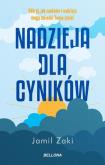
Nadzieja dla cyników to książka, która zmienia sposób myślenia o nadziei i zaufaniu w świecie pełnym wątpliwości. Zaki, ceniony psycholog i badacz, oferuje głęboki wgląd w mechanizmy ludzkiego zachowania, pokazując, że nawet najbardziej cyniczne osoby mogą znaleźć drogę do otwartości, empatii i optymizmu. W książce autor opiera się na solidnych badaniach naukowych, opowiadając historie z życia codziennego, które udowadniają, że nadzieja to coś więcej niż tylko naiwność. To narzędzie, które pozwala budować silniejsze relacje, bardziej zrównoważone społeczeństwa i głębsze poczucie sensu w naszym życiu. Zaki zachęca do porzucenia przekonania, że cynizm jest sposobem na przetrwanie w trudnych czasach, i udowadnia, że otwartość na nadzieję może prowadzić do prawdziwej przemiany. Zainwestuj w swoją przyszłość emocjonalną i intelektualną przekonaj się, jak nauka może pomóc Ci odnaleźć nadzieję w najciemniejszych chwilach!
Pracujesz w zespole lub masz kontakt z klientami czy partnerami biznesowymi? Jesteś w związku albo szukasz partnera? Masz dzieci? Każdego dnia w różnych sytuacjach spotykasz się z ludźmi - ich słowa mówią wiele, ale mowa ciała dostarczy ci jeszcze więcej informacji. Dzięki tej książce nic się przed tobą nie ukryje - nawet to, czego twoi rozmówcy woleliby nie zdradzać. Dowiedz się: - jak uzyskać podstawowe informacje przy krótkim kontakcie,- na co zwracać uwagę,- jak płeć, kontekst i kultura wpływają na zrozumienie komunikatów,- jak wyciągać prawidłowe wnioski,- jak panować nad własnym ciałem, by nie powiedzieć więcej, niż rzeczywiście chcesz ujawnić. Poznaj techniki wykorzystywane przez najlepszych śledczych i detektywów!
Osoby podejmujące aktywność fizyczną szukają często dodatkowych motywacji, wsparcia czy doświadczeń podejmując decyzje by dołączyć do trenującej grupy. Mają jednak obawy utraty indywidualnego podejścia, treningu w zatłoczonej sali, wielu spoglądających oczu i oceniających nieznajomych członków grupy. Z drugiej strony obawiają się treningu w samotności, jego monotonii, braku motywacji, braku dodatkowego wsparcia partnerów treningowych czy wyższych kosztów treningów personalnych w stosunku do zajęć grupowych.
Trening w małych grupach przynosi korzyści płynące z treningu grupowego jednocześnie nie tracąc zalet treningu personalnego. Większa motywacja, wzajemne wsparcie w grupie, możliwość współpracy z partnerem treningowym lub zdrowa rywalizacja motywująca do regularności i większego zaangażowania a jednocześnie indywidualne podejście trenera. Personalizacja doboru form, metod i środków treningowych pod indywidualne potrzeby i możliwości ćwiczącego, to wszystko kryje się pod hasłem treningu personalnego w małych grupach.
Niniejsza publikacja zawiera zestaw niezbędnych informacji tworząc swego rodzaju kompendium treningowe dla trenerów personalnych, instruktorów, nauczycieli, fizjoterapeutów, szkoleniowców jak i pasjonatów aktywności fizycznej ćwiczących i prowadzących treningi w małych grupach. Nie ma konieczności wyboru mniejszego zła pomiędzy treningiem w samotności a w zatłoczonej sali. Można czerpać korzyści, budować relacje, dawać satysfakcje, dbać o samorozwój, dostrzegać nowe możliwości i realizować stawiane sobie, jako indywidualna jednostka będąca jednocześnie członkiem zgranej grupy, tym samym wybierając to co najlepsze w treningach grupowych i indywidualnych z trenerem osobistym.
Książka zawiera 12 gotowych programów treningowych zawierających dynamiczne rozgrzewki i odpowiednie do danych programów wyciszające części końcowe. Dodatkowo znajdziemy rozdział poświęcony ćwiczeniom, zawierający ich ponad 70 z opisem wykonania i możliwymi wariantami dobranymi pod rożne grupy określone cele oraz możliwości ćwiczących osób. To wszystko co jest potrzebne trenerom personalnym do przygotowania planów, prowadzenia małych grup treningowych pomagając w osiągnięciu założonych celów.
An Austrian housewife sits in her loft intent on her drawings of birds and insects.
The loft is a retreat where she can work undisturbed. It is also a retreat from her dull and dissatisfied husband, a man who sighs unhappily even when she sneezes. Their grown-up children are living independent lives and the house is very quiet. Her dreams are filled with domestic drudgery.
Then one day, a package arrives containing extracts from the narrator's diary, written twenty years before. Back then she had been sent away to a remote cottage in a bid to 'cure' her from unexplained sudden deafness. More mysterious packages containing old diary entries arrive. Who is sending them? And what did happened all those years ago in the forest?
'A thrilling novel... What gives this book its tremendous power? First the voice is charming, with a skittish beauty throughout... But there is also disarming honesty, and a lack of vanity, which appeals as only truth can’ John Self, Guardian
TRANSLATED BY AMANDA PRANTERA
Atomic Habits and Psychology of Money meets Investing 101 and Personal Finance 101 as financial superstar Bernadette Joy breaks down how using her CRUSH program can help you get out of debt, save money, build wealth, and live a more financially comfortable life.
Get ready to Crush Your Money Goals and turn to the power of habits to make lasting financial changes!
When it comes to building financial health, adopting good money habits that will last (and dropping bad ones) can insure financial freedom. In Crush Your Money Goals, you will find information on the psychology behind why habits work to achieve goals, and twenty-five simple habits to adopt, and which to drop, to help you invest properly, budget, save, climb out of debt, and so much more.
Join expert money coach Bernadette Joy as she guides you through her C.R.U.S.H. approach to financial wellness, a program she’s been using for years to help her followers get in financial shape. With C.R.U.S.H., you will learn to:
-Curate Your Accounts
-Reverse into Independence
-Understand Your (Net) Worth
-Spend Intentionally
-Heal Your Money Wounds
Each letter covers 5 easy-to-implement habits you will use to take control of your finances. From trying the $1 rule and facing your financial fears to holding a digital detox and decluttering your calendar, Crush Your Money Goals will have you saving money in no time! By changing your patterns with better habits, you’ll be on your way to making financial changes not just for today, but for tomorrow!
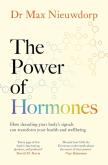
Hormones are the messengers that drive every process in our body. They shape how we grow, fight disease and digest food; why we struggle to sleep, lose weight and manage stress – and so much more. When our hormones are imbalanced this can wreak havoc on our health, and yet we know so little about them.
In this eye-opening book, international hormones expert Dr Max Nieuwdorp reveals the crucial role that hormones play from our early years through to old age, exploring how they influence our daily habits, moods, relationships and even decisions. Combining cutting-edge science with fascinating human stories, this book will transform the way we understand our bodies. It will also provide a new blueprint for rebalancing our hormones for better health.
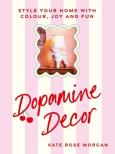
Embrace colorful, maximalist style and create the home that makes you happy with Dopamine Decor, a lushly photographed ode to joyful interiors from design expert and social media star Kate Rose Morgan.
Find your color confidence with Dopamine Decor, an aspirational yet practical guide to vibrant, maximalist style. Throughout this playful, joy-filled book, design expert and proud color lover Kate Rose Morgan (@kate_rose_morgan) teaches readers of all kinds how to channel the aesthetic that makes them happy, to create the homes of their dreams. Inside you'll find:
Guidelines for finding your comfort color and design vision.
Ways to connect with your "inner child" as you hone your aesthetic and find joy.
Practical guidance on paint, DIY projects, and achieving balance.
Tips for both homeowners and renters on how to brighten up any space.
Budget-friendly ideas for introducing playfulness into your home.
Inspirational images from dozens of colorful homes around the world.
Personal stories from Kate's own colorful home transformation.
O brave new world, that has such people in't.
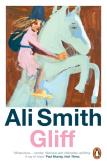
Once upon a time not very far from now, two children come home to find a line of wet red paint encircling the outside of their house.
What does it mean?
It’s a truism of our time that it’ll be the next generation who’ll sort out our increasingly toxic world.
What would that actually be like?
In a state turned hostile, a world of insiders and outsiders, what things of the past can sustain them and what shape can resistance take?
And what’s a horse got to do with any of this?
Gliff is a novel about how we make meaning and how we are made meaningless. With a nod to the traditions of dystopian fiction, a glance at the Kafkaesque, and a new take on the notion of classic, it's a moving and electrifying read, a vital and prescient tale of the versatility and variety deep-rooted in language, in nature and in human nature.
Transform Your Relationships with Family, Friends and Foes
‘An important, profound yet approachable book that could help make the world a far saner and more vibrant place’ OLIVER BURKEMAN, author of Four Thousand Weeks
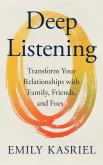
Why do so many conversations leave us feeling unheard and disconnected? Drawing on her celebrated experience as a former BBC journalist, accredited executive coach and mediator, in Deep Listening Emily Kasriel argues that it’s because we’ve forgotten how to truly listen.
Distracted by our own agenda, we so often hear without understanding, impatiently waiting for our turn to speak. In this exploration of transformational listening, Kasriel shows how shifting from surface level exchanges to deep listening can enrich our relationships as friends, parents and partners, enhance our effectiveness as leaders and strengthen the fabric of our communities.
Grounded in scientific studies, new research and powerful stories from legendary listeners in politics, business and the arts, Kasriel unveils her simple yet transformative eightstep approach. With Deep Listening as your guide, you’ll find inspiration and practical guidance on how we can better listen to each other, even when we fiercely disagree.
At once a practical guide and a heartfelt manifesto, this groundbreaking book challenges us to rethink our approach to listening and, in doing so, transform our lives from the inside out. Whether readers seek to strengthen their empathy, boost their performance at work or foster genuine understanding across cultural, political and generational divides, Deep Listening provides the tools and inspiration to unlock the power of lasting, meaningful connections.
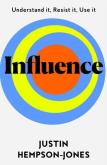
One of the government’s former behavioural scientists reveals how you can do what you want, whilst everybody tries to influence you into doing what they want.
Influence makes you think what you think and do as you do. You use it to change the thoughts and behaviours of others – just as others use it change yours.
We have been perfecting our influence for millions of years, but in the last 20 years digital technologies have revolutionised how influence works. We are now connected to old school friends and niche interest groups – but unwittingly also to organised criminals, terrorists and hostile states who infiltrate our societies. The course of history is being shaped: elections have been hijacked, lies spread about pandemics and the rapidly heating climate, and information has become as important as bullets and bombs to winning wars. More than ever, influence has become the crucial currency for commercial and political gain: If you don’t understand it, you will likely become its victim.
Written by a former government behavioural scientist working at the cutting edge of this field, Influence is a groundbreaking guide to the chaotic and murky world we live in. Through examining five key factors we are taken on a tour from the past to our real-world present, to build a picture of the major role influence plays in everyday life.
Influence provides a simple personal plan illustrating how you can use influence to achieve your goals – whether gaining that promotion, getting your friends to a music festival, or your children to eat their greens. But by understanding the nature of influence, you will also see how it is changing in the information age, enabling dangerous adversaries to gain power, leaving our societies in peril. Most importantly, by using the tools of influence you will be empowered to play your part in protecting us – it will be down to you and everyone you know.
Influence is a fascinating guide to how you can help by understanding it, using it and resisting it.
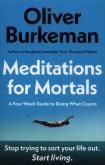
Stop trying to sort your life out. Start living.
Our lives can feel defined by the struggle with overwhelm, endless decisions and striving to be productive. Wouldn’t it be good to stop doing all that? What if we could find freedom – and get more of the important things done – by embracing our limitations, and by letting things happen instead of forcing them?
Meditations for Mortals begins with the reality in which we actually find ourselves, not with fantasies of an ideal existence. Reflecting on ideas from philosophy, religion, psychology and self-help, it offers us a powerful and practical new way to do what counts: a guiding outlook Oliver Burkeman calls ‘imperfectionism’.
This book is a profound and liberating crash course in living more fully. It overturns much familiar advice and opens a gateway to a saner, freer and more enchantment-filled life.
One day at a time.
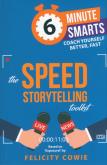
Getting media coverage helps you stand out as a business. But how come it always seems to be your competitor, not you, who gets the headlines?
Former BBC journalist Felicity Cowie has the insider secrets you need to build great relationships with the media so that you become the go-to authority in your field. Discover how to set your business apart and secure outstanding coverage, consistently, in just 6 minutes!
Felicity Cowie is a media relations coach who has helped some of the world’s leading organisations gain extensive news coverage. Having been pitched at least 100,000 story ideas as a journalist, she has an insider’s view on what breaks through and why.
Pokolenie Z stało się pierwszym pokoleniem w historii, które dorastało z urządzeniem w kieszeni odwracającym uwagę od otoczenia, a wciągającym do alternatywnego wszechświata, który był ekscytujący, uzależniający, niestabilny i – jak się okazało – niewłaściwy dla dzieci i młodzieży. Dlaczego tak chętnie dzielimy się na przeświadczone o własnej prawości wrogie grupy?Dlaczego jedni ludzie mają lewicowe poglądy, inni – konserwatywne, a jeszcze inni zostają libertarianami?Dlaczego niektórzy tak ochoczo podchwytują skandaliczne kłamstwa i teorie spiskowe? Celna diagnoza problemów, z którymi mierzy się współczesne społeczeństwo, a także próba znalezienia drogi wyjścia z tego kryzysu. W ostatnich czasach coś złego dzieje się na uniwersytetach. Wykładom na uczelniach towarzyszą buczenie i gwizdy. Studenci i profesorowie mówią, że czują się, jakby stąpali po cienkim lodzie i boją się wypowiadać szczerze. Wzrasta liczba samobójstw i ludzi cierpiących na lęki i depresję.
An experimental work that pushes the limits of what we know about the world and ourselves, Virginia Woolf's To the Lighthouse is one of the most beautifully crafted of all novels written in the English language.
To the Lighthouse, considered by many to be Virginia Woolf's finest novel, is a remarkably original work, showing the thoughts and actions of the members of a family and their guests on two separate occasions, ten years apart. The setting is Mr and Mrs Ramsay's house on a Scottish island, where they traditionally take their summer holidays, overlooking a bay with a lighthouse.
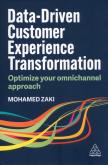
We are living in an experience-driven economy, where the customer's experience is paramount and even beloved brands risk losing market share due to a single negative customer experience.
In our technology-led, omnichannel environment, one of the biggest risks for brands is a lack of consistency in their customer experience across digital, physical and social channels. Data-driven Customer Experience Transformation provides insights and frameworks for creating delightful customer experiences across all three channels, by leveraging data and the latest technologies. Using cutting-edge research from the Cambridge Service Alliance, at the University of Cambridge, this book explores the importance of omnichannel customer-centricity across all sectors and takes you on a journey from setting your strategy, through designing and managing your customer experiences in real-time. It explores how AI can be used to identify opportunities and predict engagement, as well as how to use data to understand customer loyalty, forge stronger customer relationships and drive growth.
By combining academic rigour with real-world examples from leading companies such as Microsoft, KFC and Emirates Airline, this book is the ultimate guide to designing and implementing an exceptional data-driven customer experience across all channels, whether you work in B2B, B2C or public services.
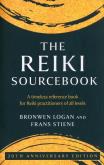
Twenty years ago, The Reiki Sourcebook revolutionized the Reiki community with its comprehensive coverage of the history, practice, and philosophy of the system of Reiki. It meticulously tracks every significant aspect from the system s inception in early 1900s Japan to the West and back to Japan. This anniversary edition celebrates the depth of research and clarity that this book has brought to the Reiki community. With an introduction for beginners and a chronological history that answers questions like Where did the attunement process come from? and Which hand positions are correct?, these pages explain and illustrate techniques from both Japan and the West. This is the definitive manual for anyone with a particular interest in the system of Reiki, Japanese healing practices, or a more general interest in complementary health. Reiki authors and teachers Bronwen Logan and Frans Stiene, co-founders of the International House of Reiki, have worked with the system of Reiki and conducted research on its Japanese origins across Europe, Asia, North America, Australia, and Japan. Bronwen, who now resides in the Blue Mountains near Sydney, Australia, has since launched her own initiative, Reiki with Bronwen, to further explore and teach the practice. Frans has returned to his roots and teaches from his hometown of Haarlem in the Netherlands. Together, they continue to share their extensive knowledge and experience with Reiki practitioners worldwide.
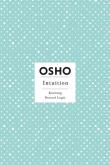
Discover your own deep well of wisdom in Intuition: Knowing Beyond Logic—from one of the greatest spiritual teachers of the twentieth century.
Intuition deals with the difference between the intellectual, logical mind and the more encompassing realm of spirit. Logic is how the mind knows reality, intuition is how the spirit experiences reality. Osho’s discussion of these matters is wonderfully lucid, occasionally funny, and thoroughly engrossing.
All people have a natural capacity for intuition, but often social conditioning and formal education work against it. People are taught to ignore their instincts rather than to understand and use them as a foundation for individual growth and development—and in the process they undermine the very roots of the innate wisdom that is meant to flower into intuition.
In this volume, Osho pinpoints exactly what intuition is and gives guidelines for how to identify its functioning in others and ourselves. You will learn to distinguish between genuine intuitive insight and the “wishful thinking” that can often lead to mistaken choices and unwanted consequences. Includes many specific exercises and meditations designed to nourish and support each individual’s natural intuitive gifts.
Osho challenges readers to examine and break free of the conditioned belief systems and prejudices that limit their capacity to enjoy life in all its richness. He has been described by the Sunday Times of London as one of the “1000 Makers of the 20th Century” and by Sunday Mid-Day (India) as one of the ten people—along with Gandhi, Nehru, and Buddha—who have changed the destiny of India. Since his death in 1990, the influence of his teachings continues to expand, reaching seekers of all ages in virtually every country of the world.
Ten produkt jest zapowiedzią. Realizacja Twojego zamówienia ulegnie przez to wydłużeniu do czasu premiery tej pozycji. Czy chcesz dodać ten produkt do koszyka?