Światowa polityka. Wielkie skandale. Potężni influencerzy.Impulsywnie, bez doradców, nie zawsze na trzeźwo. Tak za pomocą twittera komunikują się dziś ze światem władcy atomowych imperiów, politycy i dziennikarze. Do poważnego międzynarodowego kryzysu może doprowadzić jeden wpis przy porannej kawie. A wszystko to w 280 znakach.Przywódca Korei Północnej Kim Dzong Un właśnie stwierdził, że guzik nuklearny jest cały czas na jego biurku. Czy ktoś z jego wyczerpanych i przymierających głodem współpracowników mógłby go poinformować, że ja też mam nuklearny guzik, tyle że dużo większy i o większej sile? I mój guzik działa!Donald TrumpZastanawiam się, jak wygląda specjalne miejsce w piekle dla tych, którzy optowali za brexitem, mimo że nie było choćby szkicu planu, jak go bezpiecznie przeprowadzić.Donald TuskUczyńmy naszą planetę znów wielką.Emmanuel MacronHelooo Ministerstwo Współpracy Gospodarczej i Rozwoju, ministrze Muller, rzeczniku rządu i Kanclerz Merkel. Cieszy mnie niezmiernie, że w Niemczech edukacja jest priorytetem. Czy zwiększycie finansowanie w ramach Globalnego Partnerstwa na rzecz Edukacji do 50 milionów euro rocznie? Proszę pomóżcie nam z tym, danke!RihannaMam przyjemność otworzyć w Muzeum Nauki wystawę Wiek Informacji. Mam nadzieję, że spodoba się odwiedzającym. Elżbieta R.królowa ElżbietaPojawienie się mediów społecznościowych to bez wątpienia największa rewolucja w wielowiekowej historii dyplomacji. Pasjonująca książka Łukasza Walewskiego doskonale uchwyciła fenomen przełomu, który dokonuje się na naszych oczach. To pozycja obowiązkowa nie tylko dla zainteresowanych polityką, stosunkami międzynarodowymi czy social media, ale dla wszystkich próbujących zrozumieć dzisiejszy świat.
Poza własnością to książka o polityce mieszkaniowej w Polsce. Badania Habitat for Humanity z 2015 roku pokazują, że kwestia mieszkaniowa to dla Polek i Polaków jeden z trzech najważniejszych problemów społecznych i bodaj największy mankament polskiej transformacji. Przez wiele lat temat mieszkalnictwa nie był traktowany przez rządzących jako istotny problem społeczny wymagający interwencji. Brakujących mieszkań miał dostarczyć wolny rynek. A mówiąc wprost – rozwiązaniem miało być kupno mieszkania na własność, w większości przypadków na wieloletni kredyt hipoteczny. Czy na pewno jest to jedyne rozwiązanie? Otóż nie. Joanna Erbel – socjolożka, działaczka miejska i ekspertka od spraw mieszkaniowych – na podstawie wielu dobrych i sprawdzonych przykładów z całego świata podsuwa nam na tacy gotową receptę. Alternatywą dla własności mieszkaniowej jest stabilny najem. Budowanie na wynajem każe stawiać sobie pytania, jak będzie wyglądać nasza przyszłość: jak projektować, żeby odpowiadać na zmiany klimatyczne? Jak budować dla starzejącego się społeczeństwa? Oraz ile powinno kosztować mieszkanie, żeby comiesięczne opłaty były do uniesienia przez ludzi zarabiających przeciętnie? Poza własnością to książka o wizji lepszej przyszłości dla mieszkalnictwa. Projektów łamiących schematy nie brakuje: Nowe Żerniki we Wrocławiu i mieszkania senioralne w Stargardzie Szczecińskim pokazują, że zarówno metropolie, jak i mniejsze miasta mogą być źródłem nowatorskich rozwiązań. W istocie bowiem rzecz nie dotyczy mieszkań, tylko tego, jak będziemy mieszkać w naszych miastach. I o tym właśnie jest książka Joanny Erbel – o konkretnym wymiarze przyszłości, nad którą możemy odzyskać wpływ – napisał o książce Edwin Bendyk z „POLITYKI”.
"Satanizm coraz częściej żąda poszanowania dla siebie takich samych praw jak inne religie, kreując wzorce życia w XXI stuleciu. Popkultura i antykultura stały się moreną czołową, powoli wciskającą magię, satanizm i okultyzm do życia codziennego; sztuki, mody i gier komputerowych.
Konsekwentna obecność patologii w mediach skutecznie przyzwyczaja odbiorców do „inności”
z wolna podmieniając dawną normalność na nową i lepszą. Dawne definicje miłości, wiary
i rodziny zostają podmienione przez nowe paradygmaty. Popkultura i lansowane przez nią wzorce; hedonizm, egoizm, akceptacja dla pornografii, nieskrępowanego seksu czy kaleczenia ciała – to nie element luzackiej mody, tylko taktyka salami, powolnego wciągania zachodniej cywilizacji na złą stronę mocy.
Każdy z przytoczonych i udokumentowanych przykładów uzupełniony jest świadectwem nawróconego muzyka. Ku przestrodze, bo Słowo Boże napomina: : „Unikajcie wszystkiego, co ma choćby pozór zła” – 1 Tes 5, 21-22.
Satanizm, okultyzm i muzyka
Skaryfikacje i moda na masochizm
Pakty z diabłem w muzyce
Nowa definicja „miłości” w show-biznesie i pornografizacja życia
Seksoholiczny Rock and Roll
Charles Manson – dlaczego z przestępcy robi się ikonę pop kultury?
Black metal – demoniczny dotyk muzyki
Rastafarianie: duchowość, która zamieniła hostię na marihuanę
Techno – muzyczne parady na skraju przepaści
Prince i nieokiełznany erotyzm
Mroczna twarz Demisa Roussosa
Snoop Dogg vel. Snoop Lion w parze z demonem hedonizmu
Jesus Christ Superstar: antychrześcijańska rock opera
Kolejna książka Grzegorza Kasjaniuka, nawróconego dziennikarza muzycznego, który środowisko estradowe zna jak mało kto w Polsce. Przez lata prowadził audycje promujące muzykę trash-metalową, zatem wie doskonale, jak toczą się losy muzyków dokonujących w życiu mrocznych wyborów. Bo wbrew deklaracjom Rolling Stonesów, muzyka to nie jest tylko rock’n’roll, tylko sposób na życie, dla wielu również sposób wyboru życia wiecznego."
Czy to prawda, że trud jest wpisany w każde małżeństwo? Czy w relacjach damsko-męskich sprawdza się powiedzenie, że najlepszą obroną jest atak? Jak do siebie mówić, żeby się nie ranić?
Sprawdź, co w tej kwestii radzi niekwestionowany autorytet w dziedzinie relacji małżeńskich i komunikacji, szczęśliwy mąż, ojciec i dziadek, czyli Jacek Pulikowski. Dzięki swoim licznym konferencjom pomógł już wielu parom odkryć nową jakość ich związku.
Teraz chce pomóc również Tobie!
W tej książce podpowie Ci:
- Jaki jest najlepszy fundament dla każdego małżeństwa?
- Czy można oczekiwać, że współmałżonek się dla nas zmieni?
- Jaki jest najlepszy sposób, żeby dać dzieciom poczucie bezpieczeństwa?
- Co wspólnego ze szczęśliwym małżeństwem ma gramatyka?
- Jak unikać wyniszczających kłótni?
- Co pozwala osiągnąć pełne szczęście w wymiarze seksualnym?
- Dlaczego antykoncepcja nie jest rozwiązaniem?
Nie znajdziesz tu podręcznikowych regułek, lecz mnóstwo przydatnych rad, które zrodziły się w czasie wielu lat pracy z małżeństwami.
Czujesz, że Twój związek potrzebuje przewodnika? Postaw na książkę, która zrewolucjonizuje Twoje relacje!
Mamy rok 2019, w którym toczy się akcja filmów Łowca androidów i Akira. Producent gier komputerowych z mało istotnego kraju w środku Europy na najważniejszych dla branży targach ogłasza datę premiery swojego nowego tytułu i angażuje jednego z najbardziej rozpoznawalnych hollywoodzkich aktorów. Kluczowej postaci w grze swej twarzy i głosu użyczy Keanu Reeves.
Na grę czekają na całym świecie dziesiątki milionów ludzi, zarówno nastolatków, jak i weteranów RPG, którzy doskonale znają jej pierwowzór sprzed 30 lat. Nowy projekt, który tak rozpala wyobraźnię graczy od Los Angeles po Tokio, będzie osadzony w świecie alternatywnej przyszłości opisywanej dotychczas przez tysiące autorów, a nazwę tego podgatunku ma w swoim tytule: Cyberpunk 2077.
Wszystko zaczęło się jednak znacznie wcześniej, bo już na początku lat 80. w kanadyjskim Vancouver.
Książka, którą trzymasz w ręku, opowiada kompletną historię cyberpunka. Ta historia swój wielki finał znajdzie tu, w Polsce, wraz z premierą gry, na którą czeka cały świat.
Refleksja humanistyczna w planowaniu przestrzennym, pod redakcją naukową Aleksandry Wójtowicz i Jacka Paulinka
Refleksja humanistyczna w planowaniu przestrzennym to jeden z trzech tomów trylogii, przygotowanych w ramach grantu NPRH MNiSW Literaturoznawstwo architektoniczne (nr 0176/NPRH4/H2a/83/2016).
Zaakcentowana jest tu rola badań multidyscyplinarnych, gdzie istotna jest równorzędność analiz, podejmujących ten sam temat i prowadzonych przez przedstawicieli różnych dziedzin niezależnie od siebie. Kolejny tom zawiera bowiem ilustrację wyłaniania się modelu transdyscyplinarnego, na drodze prac interdyscyplinarnych.
Zgodnie z tą myślą książka pokonferencyjna stanowi ciekawy dokument połączenia różnych warsztatów badawczych. Zbiór tekstów jest ilustracją samoistnie utworzonego „szlaku myślowego”, prowadzącego przez przestrzeń Warszawy, z dwukrotnym spojrzeniem w kierunku Łodzi.
Kolejne rozdziały zawierają teksty następujących autorów: Aleksandry Wójtowicz (literaturoznawstwo), Igora Piotrowskiego (kulturoznawstwo), Agnieszki Karpowicz (kulturoznawstwo), Bolesława Stelmacha (architektura), Jana Macieja Chmielewskiego (architektura i urbanistyka), Ryszarda Mączewskiego (varasavianistyka), Marty Koszowy-Krajewskiej (literaturoznawstwo), Hanny Krajewskiej (archiwistyka), Jarosława Skrzyńskiego (projekcje wideomappingu 3D), Anny Kronenberg (kulturoznawstwo), Jacka Kaczmarka i Karoliny Piotrowskiej (geografia), Bohdana Jałowieckiego (socjologia), Barbary Lewickiej i Marka S. Szczepańskiego (socjologia), Mieczysława Miazgi (socjologia).
Z recenzji prof. dr. hab. Arkadiusza Bagłajewskiego
Tom Refleksja humanistyczna w planowaniu przestrzennym to interesująco pomyślany efekt spotkania przedstawicieli różnych dyscyplin naukowych […]. Zaproponowane ujęcie multidyscyplinarne umożliwia wszakże utrzymanie wysokiej jakości badań, przynależących do porządków metodologicznych różnych dyscyplin, choć zarazem jest też w jakimś stopniu realizacją postulatu negocjowania słownika pojęciowego wiodącego do przyszłego ujęcia transdyscyplinarnego. […] Warto więc podkreślić, że przestrzeń nie jest już ujmowana wyłącznie jako komponent świata przedstawionego utworu, lecz jako reprezentacja przestrzeni pozatekstowej (chciałoby się napisać: „realnej”), doświadczanej na różne sposoby i opisywanej w różnorodnym instrumentarium wielu dyscyplin, jakkolwiek, istnieją pojęcia, rzeklibyśmy „wspólne”, co nie znaczy, że rozumiane tak samo […] Impulsy i pomysły badawcze są więc wieloaspektowe i prowadzone w różnorodnych porządkach metodologicznych. To duże osiągnięcie i równie duża zaleta poznawcza recenzowanego tomu.
Z recenzji prof. dr hab. Ewy Paczoskiej
Książka na pewno znajdzie swoich czytelników wśród historyków (przede wszystkim tych zajmujących się dziejami Warszawy), architektów, socjologów, literaturoznawców, badaczy kultury, ale także miejskich aktywistów, szukających nowych form dla swojego działania. Co ważne, analizy szczegółowe dokonywane w kolejnych tekstach, nawet jeśli zaczynają się od miejskiej „ciekawostki”, to zawsze przekraczają jej poziom. Zwraca uwagę wysoka teoretyczna świadomość redaktorów i autorów książki. Efektem ich działania jest nie tylko zbiór „przypadków”, lecz także próba określenia wspólnych wyborów metodologicznych, wykorzystujących propozycje najnowszej humanistyki.
Kolejny tom z cyklu publikacji prezentujących refleksje i wyniki badań nad powiązaniami i współzależnościami zjawisk społeczno-politycznych z działaniami z zakresu kultury i sztuki. Motywem przewodnim monografii zbiorowej redaktorzy uczynili kwestie reakcji środowisk kulturotwórczych i artystycznych na zjawiska migracji i uchodźstwa w XX i XXI wieku. Kwerenda poprzedzająca powstanie książki wykazała, że istnieje potrzeba rozwijania badań w tym obszarze. Efektem tego jest zbiór ośmiu artykułów naukowych, których autorzy poprzez film, literaturę i muzykę przyglądają się wieloaspektowym mechanizmom migracji i uchodźstwa.
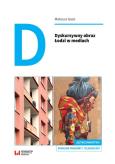
Publikacja zawiera odpowiedź na pytanie, czy media wzmacniają i/lub wyciszają stereotypy o Łodzi. Przystępując do badania, określono następujące problemy poznawcze: co pisze się o Łodzi, jak się pisze oraz czy to, jak się pisze, podlega refleksji samych dziennikarzy, a zatem, czy możliwe jest zbadanie metadyskursu. Już na etapie wyboru tematu czy selekcji materiału dziennikarz dokonuje subiektywnego przedstawienia wybranych elementów Łodzi. Z lingwistycznego punktu widzenia istotny jest proces, podczas którego na bazie zebranych materiałów i opinii dziennikarz tworzy tekst, nadając mu konkretną strukturę językową. Dobiera odpowiednie środki językowe, by osiągnąć określone wcześniej intencje.
Celem monografii jest analiza wizerunku Łodzi w różnych typach mediów (prasa, internet, telewizja). Źródła dobrano tak, by wychwycić różnice między wizerunkiem Łodzi w mediach o zasięgu ogólnopolskim a wizerunkiem w mediach o zasięgu lokalnym.
Ze Wstępu
Niezwykle ciekawym dopełnieniem analiz jest rozdział poświęcony metadyskursowi na temat wizerunku Łodzi w mediach. Jest to próba zarejestrowania i zdemaskowania praktyk dziennikarskich, które wpływają na opinię publiczną poprzez kreowanie określonej wizji Łodzi. Rozdział ten świadczy o dociekliwości badawczej Autora, który podjął trud wielostronnego oglądu badanego materiału.
Z recenzji dr hab. Magdaleny Trysińskiej (UW)
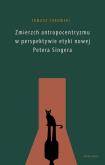
Przede wszystkim zamiarem moim było napisać książkę, którą sam chciałbym przeczytać, co nie oznacza, że roszczę sobie prawo do obiektywności. Jakiś czas temu zetknąłem się z filozofią moralną obszaru anglojęzycznego. Moją szczególną uwagę przykuł Peter Singer, uważany za twórcę nowej orientacji etycznej, którą sam nazywa etyką stosowaną, czy też praktyczną (applied ethics, practical ethics). W jego mniemaniu jest ona swoistą filozofią życia, w której zasady moralne są drogowskazem postępowania w świecie codzienności. Przyjmuje on, że metodą uprawiania takiej etyki może być utylitaryzm w swej formule preferencyjnej. Tu jednak pojawiły się problemy związane właśnie z aplikacją zasad moralnych do rozwiązań natury praktycznej, co kazało na nowo postawić pytanie: czym w końcu jest etyka stosowana i jaki jest sens jej zasad? Sądzę, że w tej książce udało mi się znaleźć odpowiedź. Postanowiłem wbrew obiegowej opinii zinterpretować propozycję Singera jako krytykę metafizycznej (silnie obecnościowej) koncepcji człowieka. Innymi słowy uważam, że filozofia moralna autora Animal Liberation jest spójna, a z jej metodologii wynika stosowalność tylko wówczas, gdy odczytamy ją jako radykalną krytykę (zmierzch) tradycyjnej antropologii. To nowe spojrzenie na nową etykę jest opowieścią zawartą w tej książce. To narracja o naszych wyborach moralnych, które zawsze mają charakter jakiegoś filozoficznego namysłu. Osobiście uważam (wbrew Singerowi), że filozofia nie jest sprawą życia i śmierci, tylko czymś o wiele poważniejszym.
Od autora
Zmierzch etyki antropocentrycznej jest zjawiskiem zauważalnym na horyzoncie pewnej nieadekwatności etyki tradycyjnej do życia, nadużywającej abstrakcyjnego absolutyzmu, który to jest źródłem niezbyt uświadamianej sobie przez zwolenników tradycyjnej etyki pewnej hipokryzji, spychanej w nieświadomość niekonsekwencji. Etyka póki co jest zbyt ogólna i abstrakcyjna, jeśli jest stosowana, to w postaci zinstytucjonalizowanych kodeksów. W tym kontekście wartość naukowa książki Turowskiego o Singerze jest głównie teoretyczna i metodologiczna w odniesieniu do etyki praktycznej, ważna w obszarze szeroko rozumianej bioetyki. To krytyczna analiza próby przeorientowania etyki forsującej nowy paradygmat aksjologiczny i metodologiczny odpowiadający nowym czasom i przyszłości. W rezultacie otrzymujemy ważny przyczynek do poszukiwania teorii etyki praktycznej.
Uznanie budzi rzetelność i otwartość Autora w referowaniu zarówno stanowiska Singera, jak i obrońców etyki tradycyjnej, zrozumiały język argumentacji stron sporu. Nie można pominąć też uznania dla erudycji Autora zarówno w obszarze klasycznej filozofii i etyki, jak i w nurtach etyki współczesnej oraz metaetyki.
Z recenzji Ryszarda Wiśniewskiego, prof. UJD
Tomasz Turowski - ur. w Poznaniu, absolwent filozofii UAM. Główne zainteresowania filozoficzne dotyczyły klasycznej filozofii niemieckiej, hermeneutyki współczesnej, ze szczególnym uwzględnieniem propozycji Martina Heideggera oraz wartościującej filozofii życia Fryderyka Nietzschego. Zasadniczo zainteresowaniom tym jest wierny do dziś. Od 2000 roku pracownik Zakładu Etyki Uniwersytetu Zielonogórskiego. W swych obecnych badaniach koncentruje się na metaetyce i współczesnej filozofii anglosaskiej, ze szczególnym uwzględnieniem bioetyki oraz relacji między animal welfare a animal rights. Bada etyczne (teoretyczne i filozoficzne) aspekty praw zwierząt. Opracowuje własną koncepcję moralnego statusu istot pozaludzkich, czemu poświęcone są jego publikacje.
Jedzenie przyszłości
W obliczu postępującej katastrofy klimatycznej oraz rosnącej liczby ludności temat jedzenia wydaje się jednym z najważniejszych wyzwań współczesności. Z jednej strony marnujemy 1/3 światowej produkcji żywności, a z drugiej – co trzeci człowiek na Ziemi cierpi z powodu głodu bądź niedożywienia. W związku z tym kwestia tego, co pojawia się na naszych talerzach, nie może pozostawać sprawą indywidualnego wyboru, lecz, siłą rzeczy, stanowi część ogromnej sieci produkcji i dystrybucji żywności, która wymaga znacznych korekt.
W Temacie Miesiąca:
Czy z naszych stołów znikną kawa, wino i kakao? Kiedy zjemy burgera z in vitro? Jak rozbudzić w sobie czułość dla jedzenia?
Odpowiadają: Zbigniew M. Karaczun, Ewa Kopczyńska, Krzysztof Kornas i Marta Sapała
Ponadto w numerze:
Ostatni Żyd w Afganistanie
Niezwykła historia Zablona Simontowa
Lekcje z Amazonii
Rozmowa z misjonarką w Peru
Nie urodzić się wcale
Antynatalizm i jego argumenty
Literatura
Gitkiewicz, Hund, Springer i Bonowicz o Bargielskiej
Prawdziwe historie potrafią zdumiewać bardziej niż fikcjaGary Small przez trzydzieści lat wybitnej kariery psychiatrycznej widział już wszystko. Teraz uchyla drzwi swojego gabinetu, by podzielić się opowieściami o najbardziej intrygujących pacjentach.Spod kozetki to historie nierzadko zabawne, czasami tragiczne, ale zawsze interesujące najbardziej frapujących przypadków: kobiety stawającej nago w centrum miasta na głowie czy mężczyzny przeświadczonego, że jego penis się kurczy. Nie zabraknie też histerycznej ślepoty, psychotycznych ataków miłosnych fantazji, mdlejących uczennic czy prób autoamputacji.To wyjątkowa okazja utrzymana w duchu bestsellerowych publikacji Olivera Sacksa do przyjrzenia się niezwykłym wyskokom naszego mózgu.Niezwykle rzetelnie, a jednocześnie lekko i błyskotliwie napisana książka harwardzkiego psychiatry. Nie unikając autoironii i dystansu do samego siebie autor z precyzją, szacunkiem i realizmem opisuje swoje doświadczenia w pracy z pacjentami. Gary Small jest w tej książce niczym doktor House psychiatrii szuka, diagnozuje, nie poddaje się i pomaga. Jego opowieści fascynują i jednocześnie sprawiają, że otwieramy się na wiedzę i odważamy się porzucić mity i lęki, które narosły wokół psychiatrii, chorób psychicznych i psychoterapii. Polecam.dr Joanna Heidtman, psycholog, konsultant i coach
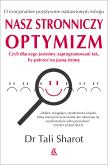
O irracjonalnie pozytywnie nastawionym mózgu „Mądra, wciągająca i przełomowa książka, którą musi przeczytać każdy, kto interesuje się wyobrażaniem sobie przyszłości”.DAVID EAGELMAN Psycholodzy od dawna mieli świadomość, że większość ludzi ma często irracjonalnie pozytywne spojrzenie na świat. W rzeczywistości optymizm może być podstawą naszej egzystencji. Dr Tali Sharot (autorka przełomowego bestsellera Nasz wpływowy i uległy umysł) –jedna z najbardziej innowacyjnych badaczek neuronauki naszych czasów –w tej fascynującej wyprawie pokazuje nam, jak różnią się mózgi optymistów i pesymistów, dlaczego najgorzej wychodzi nam przewidywanie, co może nas uszczęśliwić i jak nasze optymistyczne złudzenia wpływają na nasze finansowe, zawodowe i emocjonalne decyzje. W tej przełomowej, wyczerpującej, a jednocześnie jakże przystępnej i przyjemnej w czytaniu książce profesor Tali Sharot rzuca nowe światło na to, jak praca mózgu tworzy nasze nadzieje i marzenia. „Co za uczta! Czarująca, wciągająca i przystępna książka napisana przez naukowca, który wie jak pięknie opowiadać opowieści”. RICHARD TALLER „Absolutnie oryginalna i pełna odkrywczych badań, ta pięknie napisana książka ożywia psychologię”.SIMON BARON-COHEN Dr TALI SHAROT jest profesorem nadzwyczajnym neurobiologii poznawczej. Jest założycielką i dyrektorem laboratorium badawczego Affective Brain Lab na University College w Londynie. Jej prace poświęcone tematyce podejmowania decyzji, emocji i wywierania wpływu były publikowane w „Nature”, „Science”, „Nature Neuroscience”, „Psychological Science” i wielu innych czasopismach naukowych. Zanim została neurologiem, przez kilka lat pracowała w branży finansowej oraz wypełniła swój obowiązek obywatelski, służąc w Siłach Powietrznych Izraela.
Autentyczny employer branding, na który stać Cię już dziśFirmy inwestują potężne środki w reklamę i marketing, ale z jakiegoś powodu zbyt mało uwagi poświęcają komunikacji z pracownikami i kandydatami do pracy. Albo robią to nieudolnie, udając na rynku kogoś, kim nie są. W efekcie, zamiast budować wizerunek solidnego pracodawcy, tworzą jego protezę.A przecież autentyczny employer branding ma dziś ogromny potencjał i wcale nie musi być drogi. Jakość komunikacji wypracowana przez pracodawcę wpływa nie tylko na skuteczność rekrutacji i poziom retencji, ale również na markę produktów i usług. Klienci bowiem chcą kupować od organizacji, w których absolutnie wszystkich traktuje się należycie. I w których candidate experience i employee experience to coś więcej niż tylko mądre terminy w HR-owych prezentacjach.Wybierz się w podróż do świata, w którym Zyta Machnicka czołowa postać employer brandingu w Polsce żyje od lat. To świat lepszych pracodawców, czyli firm, które małymi krokami wdrażają wielkie zmiany w swojej komunikacji z pracownikami i kandydatami. To świat dobrych praktyk, obserwacji i przemyśleń na temat aktualnych wyzwań na rynku pracy. Wreszcie: to przestrzeń na autentyczny employer branding, z domieszką design thinking, pozwalający pokazać firmę taką, jaką jest naprawdę. Podczas tej podróży nauczysz się przyciągać i zatrzymywać właściwych ludzi. I osiągać w biznesie to, co jeszcze wczoraj wydawało się nie do osiągnięcia.
Aby żyć pełnią radosnego, szczęśliwego życia, trzeba pamiętać o wielu ważnych sprawach: zdrowym odżywianiu, pozytywnym myśleniu, przyjaznych i rozwijających relacjach z innymi ludźmi, dobrej formie, produktywnej i zarazem satysfakcjonującej pracy - oraz o bezliku innych. Ten natłok może sprawić, że gdy skoncentrujemy się na jednej kwestii, stracimy z oczu inne. Uniemożliwia to dokonanie prawdziwej zmiany w życiu: nawet jeśli uda się osiągnąć wymarzoną sylwetkę czy sukces w pracy, może się okazać, że równocześnie ucierpiały na tym relacje z ukochaną osobą albo pojawiły się kłopoty ze zdrowiem. Konieczne jest więc przyjęcie innego, holistycznego podejścia do siebie.
Ta książka przekona Cię, że możesz zaprogramować i przeprowadzić wyjątkowo skuteczną transformację swojego życia właśnie dzięki holistycznemu podejściu do... pojedynczego dnia. Dowiesz się, w jaki sposób osiągnąć doskonałą kontrolę nad wszystkimi ważnymi aspektami życia, począwszy od przejęcia pełnej kontroli nad jednym dniem swojego życia. Jeśli tylko masz dość odwagi, aby po raz pierwszy przeżyć jeden dzień świadomie i krok po kroku dokonywać optymalnych wyborów, już wkrótce znajdziesz się na drodze do życia pełnego koloru, witalności, zadowolenia i przyjemności. W tej metodzie bowiem nie chodzi o ograniczanie się i odmawianie sobie miłych rzeczy: dzięki holistycznej filozofii optymalizacji w pełni wykorzystasz każdą chwilę!
Dowiedz się, jak w dniu pod kontrolą:
obudzić się i przygotować do działania
zaplanować zdrowe posiłki i uzupełnić je o ważne składniki
wykorzystać czas, który spędzasz w samochodzie
efektywnie pracować
zadbać o formę, zabawić się i zadbać o najbliższych,
zasypiać, aby zapewnić sobie pełną regenerację i odpoczynek
Nie ma rzeczy ważniejszych ponad ten jeden dzień!
O autorze
Aubrey Marcus jest założycielem i dyrektorem generalnym Onnit, szybko rozwijającej się spółki promującej styl życia oparty na holistycznej filozofii zdrowia zwanej Total Human Optimization. Marcus jest obecnie gospodarzem podcastu motywacyjnego Aubrey Marcus Podcast, w ramach którego przeprowadza inspirujące rozmowy o sporcie, biznesie, nauce, związkach i duchowości. Obecnie mieszka z ukochaną towarzyszką życia w Austin w Teksasie.
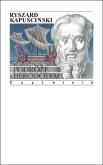
Ryszard Kapuściński wysoko cenił dzieło Herodota i to właśnie on zauważył, że „[...]zawsze mówi się o nim jako o historyku, o tym, czy było dokładnie tak, jak on pisał, czy może inaczej. Nikt nie zwrócił jednak uwagi, że Herodot był przede wszystkim pierwszym, wspaniałym reporterem....". Podróże z Herodotem są pochwałą Ryszarda Kapuścińskiego dla zasług starożytnego historyka i podróżnika, ale też autoportretem samego autora Szachinszacha, ogarniętego pasją podróżowania i poznawania świata.
Książka zawiera obszerną analizę porównawczą wyzwań prawnych i społecznych wynikających z rozprzestrzeniania się różnych form pracy prekaryjnej w Europie, z różnymi obowiązującymi modelami społecznymi i rosnącą liczbą pracowników gig-economy. Publikacja nie tylko prezentuje rozważania teoretyczne dotyczące fundamentów koncepcji pracy prekaryjnej w Europie, ale także oferuje nieoceniony wgląd w potencjalne metody walki z tym zjawiskiem poprzez regulację rynku pracy, zarówno na szczeblu unijnym, jak i krajowym.
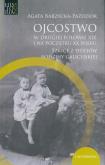
Książka porusza temat ojców i ojcostwa w drugiej połowie XIX i na początku XX wieku w rodzinie galicyjskiej, z wyższych i średnich warstw społecznych, żyjącej przeważnie w mieście i miasteczku. Autorka podejmuje w niej problem roli i miejsca mężczyzny w życiu rodzinnym zarówno w wymiarze postulatywnym, jak i realiów życia prywatnego. Obok pytań o męskość, starokawalerstwo czy sposób wychowania chłopca, omówiono kwestię władzy ojcowskiej – w sensie legislacyjnymi i obyczajowym, z uwzględnieniem sprawy granic prywatności i prawa państwa do ingerowania w życie rodzinne. W oparciu o analizę pamiętników, wspomnień i listów książka przedstawia istniejące modele ojcostwa w kontekście m.in. relacji rodzinnych, metod wychowawczych, stosunku do kary. Wieloaspektowo przybliża obszary realizowania obowiązków ojcowskich, począwszy od przygotowań na przyjście dziecka na świat, edukację – w tym religijną i patriotyczną – aż do wkroczenia potomka w dorosłość, dekonstruując stereotypowe wyobrażenie o ówczesnym ojcostwie.
Dzieło […] doskonale się mieści w „historii życia”, atrakcyjnej poznawczo i dynamicznie rozwijającej się subdyscyplinie nauk historycznych. […] dobrze się stało, że nadszedł czas na poważne badania nad ojcostwem, męskością, męskim charakterem, rolą mężczyzny w wychowaniu dzieci zarówno religijnym jak i patriotycznym, na badania relacji między mężem a żoną z kulturowej perspektywy. O tym wszystkim opowiada Barzycka w interesująco przeprowadzonej narracji.
z recenzji prof. Andrzeja Chwalby
Koniec XIX i początek XX stulecia to czas intensywnej modernizacji społecznej. Wiemy […] z analizy demografii historycznej, że wtedy zaczyna się mniej więcej zjawisko transformacji demograficznej. O ile potrafimy opisać je liczbowo, o tyle brakuje nam studiów jakościowych. Ta książka wypełnia w sposób istotny tę lukę.
z recenzji prof. Krzysztofa Zamorskiego
Agata Barzycka-Paździor – absolwentka Wydziału Historycznego Uniwersytetu Jagiellońskiego, doktor nauk humanistycznych, stypendystka Funduszu im. Florentyny Kogutowskiej, od ponad dziesięciu lat redaktorka w krakowskim zakładzie Polskiego Słownika Biograficznego Instytut Historii Polskiej Akademii Nauk, na łamach którego opublikowała wiele biogramów postaci z okresu XIX i XX wieku.
Ten produkt jest zapowiedzią. Realizacja Twojego zamówienia ulegnie przez to wydłużeniu do czasu premiery tej pozycji. Czy chcesz dodać ten produkt do koszyka?