Książka jest próbą ujawnienia tych założeń filozoficznych, na których - wbrew usilnie deklarowanemu zerwaniu z wszelkimi ogólnymi przesądzeniami metafizycznymi - wspiera się formacja intelektualna określana mianem postmodernizmu. Autorka stara się wykazać, iż charakterystyczne dla tej formacji rozstrzygnięcia związane są z mniej lub bardziej ukrytą akceptacją tzw.materialistycznej hipotezy metafizycznej.
Monografia zawiera ciekawą i oryginalną próbę całościowego uchwycenia specyfiki myśli Alasdaira MacIntyre’a, szczególnie w perspektywie filozofii edukacji. Autor podjął się ambitnego zadania i urzeczywistnił postawiony sobie cel. Na szczególną pochwałę zasługuje dążenie do ukazania spójnej, integralnej wizji edukacji. Praca prezentuje wysoki poziom merytoryczny, a przeprowadzone badania poszerzają wiedzę w zakresie filozofii edukacji.
dr hab. Jan Rutkowski, Uniwersytet Warszawski
Książka pana dr. Pawła Kaźmierczaka zasługuje na pochwałę, ponieważ praca rekonstrukcyjna w przypadku myśliciela, jakim jest Alasdair MacIntyre, wymagała precyzji i pracowitości. Autor jest świadomy interdyscyplinarnego charakteru rozważań MacIntyre’a, dynamiki zmian poglądów szkocko-amerykańskiego intelektualisty. Prezentacja poglądów jest ciekawa i odważna, a ich rekonstrukcja i dyskusja poprawne. Jestem przekonana, że książka stanowi okazję do głębokiej refleksji nad ideami fundującymi współczesną edukację. Przy akceptacji poczynionych przez Autora założeń metodologicznych – praca jest wewnętrznie, treściowo, spójna.
dr hab. Wanda Kamińska, prof. nadzw. Akademii Pomorskiej w Słupsku
Nisargadatta (1897-1981) urodził się w ubogiej rodzinie. Dzieciństwo i własną młodość spędził, pomagając w pracy na roli. Po śmierci ojca, mając 18 lat, przeniósł się w poszukiwaniu źródeł utrzymania do Bombaju, gdzie z czasem otworzył sklepik, ożenił się i miał czworo dzieci. W wieku 34 lat spotkał swojego nauczyciela Sri Siddharameswara, którego nauki stosował równolegle z wypełnianiem zwykłych obowiązków codziennego życia. Po trzech latach nastąpił w jego świadomości zasadniczy i nagły przełom: "Porzuciłem swoje ludzkie wcielenie, pozwalając mu troszczyć się samo o siebie aż do jego naturalnego końca". Od tej pory przyjmował w swoim skromnym mieszkaniu na przedmieściach Bombaju wielu poszukujących, odpowiadając na ich pytania o istotę i sens życia.
rzytomowa monografia stanowi kompleksowe opracowanie kategorii wolności, jaką posługiwali się w doktrynach polityczno-prawnych przedstawiciele zachodniego kręgu cywilizacyjnego od czasów antycznych aż do współczesności. W prezentowanej publikacji omówiono koncepcje myślicieli starożytnych (Platona, Arystotelesa, stoików, Cycerona, św. Augustyna), założenia chrześcijańskich filozofów średniowiecza (św. Tomasza, Wiliama z Ockham), a także najwybitniejsze teorie renesansu (Machiavellego, utopii renesansowych, reformacji, szkoły z Salamanki). Ukazano też polską renesansową myśl polityczną – przynoszącą odrodzenie antycznej tradycji, wyrażającą się zarówno w traktatach z zakresu dyskursu republikańskiego XVI wieku, jak i w rozwiniętej formie u Andrzeja Maksymiliana Fredry. Ponadto w monografii znajdują się interpretacje założeń Tomasza Hobbesa, Algernona Sidneya, Johna Locke’a oraz studium myśli Monteskiusza z omówieniem teorii podziału władzy, a w szczególności trójpodziału władzy z perspektywy konstytucjonalizmu.
Przegląd zaprezentowanych stanowisk pozwala dostrzec skalę rozbieżności w postrzeganiu pojęcia wolności nie tylko w różnych epokach, lecz także pomiędzy reprezentantami głównych doktryn politycznych. Bogactwo przywołanych koncepcji wskazuje jednoznacznie na interdyscyplinarną specyfikę badania kategorii wolności. Ukazanie spektrum ich różnorodności przez pryzmat analizy naukowej wydaje się więc niezbędnym fundamentem umożliwiającym kompleksowe i wielopoziomowe zrozumienie idei wolności.
Stefan Buijsman – 24-letni filozof matematyki – jest jak Sheldon Cooper z Teorii wielkiego podrywu. Robi wszystko trochę szybciej niż inni, nic więc dziwnego, że został doktorem w wieku 20 lat. A przecież w szkole niemiłosiernie się nudził i uważał, że algorytmy, różniczki i całki są kompletnie niepotrzebne w codziennym życiu.
Dziś Stefan:
? zna teorię grafów i wie, dlaczego Netflix dokładnie rozpoznaje jego gust filmowy
? poznał statystykę i rozumie, że nie zawsze idealnie oddaje ona rzeczywistość, nie dziwi go więc, że wybory prezydenckie wbrew sondażom wygrał Donald Trump
? zna działanie algorytmów Google’a, więc wie, jak manipulują naszą wiedzą o świecie.
Bądź jak Stefan! Uwierz, że każdy człowiek przychodzi na świat z umiejętnościami matematycznymi. Przeczytaj tę książkę i pozwól, by matematyka przestała być źródłem frustracji, a stała się fascynującą przygodą!
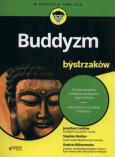
undamentalne założenia buddyzmu i jego historia
Niezmienne znaczenie Dalajlamy
Przewodnik po bogatej historii buddyzmu i jego współczesnej praktyce
Co to znaczy być buddystą? Jakie są fundamentalne założenia tej religii? Jaka jest jej historia? Czy poszukujesz prawdy, czy zgłębiasz wiedzę o religiach, czy po prostu jesteś ciekaw, dlaczego buddyzm jest tak często praktykowany - dzięki temu przyjaznemu podręcznikowi poznasz ważne terminy, koncepcje i przyjrzysz się pochodzeniu tej fascynującej starożytnej praktyki. Przy okazji dowiesz się sporo o codziennych rytuałach, świętach, medytacji i wielu innych zagadnieniach.
W książce:
Filozofia buddyzmu i jego źródła
Praktyka mądrości i współczucia
Życie i nauki historycznego Buddy
Techniki medytacji
Buddyjska postawa wobec życia i śmierci
Czterech mistrzów buddyjskich
Wykorzystanie teorii buddyjskich w rozwiązywaniu codziennych problemów
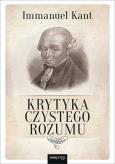
Krytyka czystego rozumu Immanuela Kanta jest uważana za jedną z najważniejszych nowożytnych prac filozoficznych. Zagadnieniem, które spaja wywód, jest pytanie o podstawy wiedzy, w szczególności o to, w jaki sposób możliwe jest poznanie płynące z czystego rozumu i jakie są granice ludzkiego poznania. Koncepcje ujęte w tym dziele na zawsze zmieniły rozumienie takich pojęć jak Bóg, absolut czy istota, a równocześnie silnie wpłynęły na podstawy nauki, zwłaszcza matematyki, fizyki czy biologii.
Przemyślenia zawarte w Krytyce czystego rozumu są bezprecedensowe. Dotychczas dochodzenie do istoty rzeczy opierało się na założeniu, że istnieje przeciwieństwo między podmiotem a przedmiotem. Niemiecki filozof to zmienił - położył nacisk na warunki, w jakich umysł poznaje rzeczy i docieka prawdy. Okazało się, że między racjonalizmem a empiryzmem nie ma sprzeczności. Wcześniej uważano, że doświadczenie umożliwia pojęcia. Kant stwierdził, że to pojęcia umożliwiają doświadczenie. Zabieg ten znacznie później nazwano przewrotem kopernikańskim w filozofii.
Książka filozofa z Królewca spotkała się z różnymi reakcjami: część myślicieli zawzięcie ją krytykowała, inni czerpali z niej pełnymi garściami. Stała się jednym z podstawowych dzieł niemieckiego idealizmu filozoficznego, jednak w 1827 roku z powodów religijnych trafiła na indeks ksiąg zakazanych. Późniejsi autorzy często korzystali z koncepcji Kanta, takich jak filozoficzne uzasadnienie nauki, analiza granic poznania zmysłowego czy funkcjonowanie rozumu w świecie.
Oddajemy do rąk Czytelnika najważniejsze dzieło Kanta w przepięknym przekładzie Piotra Chmielowskiego. Mimo upływu lat i być może nieco archaicznego języka jest to rzecz nadzwyczaj aktualna. Wiele wskazuje na to, że wkrótce ludzkość stanie wobec konieczności ponownego określenia, czym jest myśl, czym jest ogląd i pogląd, a także jakie są granice ludzkiego poznania. Krytyka czystego rozumu to lektura wymagająca, skłania do zastanowienia się i podjęcia trudu dociekania. Niezmiennie inspiruje, mobilizuje i wskazuje ścieżkę do poznania prawdy.
Myśli bez treści są czcze, oglądy bez pojęć są ślepe. Stąd równie konieczną jest rzeczą czynić pojęcia swoje zmysłowymi, jak oglądy swoje czynić rozsądkowymi.
O autorze
Immanuel Kant — niemiecki filozof, profesor logiki i metafizyki na Uniwersytecie Albrechta w Królewcu, jeden z najwybitniejszych umysłów epoki oświecenia. Jego prace miały ogromny wpływ na filozofię zachodnią. Największym dokonaniem Kanta była rewizja dotychczasowych koncepcji w dziedzinie epistemologii (teorii poznania). Piotr Chmielowski — historyk literatury, encyklopedysta, profesor Uniwersytetu Lwowskiego, tłumacz. Stworzył naukowe podstawy metod badawczych historii literatury i opisał zasady krytyki literackiej.
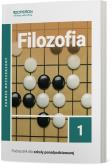
Podręcznik jest przeznaczony dla uczniów 1 klasy liceów ogólnokształcących i techników. Zakres rozszerzony oznacza, że publikacja zawiera treści pozwalające zrealizować podstawę programową oraz przygotować się do matury z filozofii.
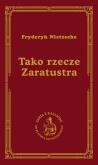
Dwie pierwsze książki z naszej nowej serii:seria z Kalliope czyli od Platona do Nietzschego to cykl pięknie wydanych klasycznych dzieł wybitnych filozofów od czasów greckich aż po początki wieku XX. Wszystkie książki oprawione są w płótno ze złoceniami. Kolekcjonerskie wydania. Zaczynamy od Platona i Fryderyka Nietzschego (1844-1900) – jeden z najważniejszych filozofów niemieckich, także filolog, poeta. Człowiek, którego poglądy znacząco wpłynęły na całą późniejszą filozofię, myślenie o człowieku, kulturze, religii. Głosił upadek cywilizacji zachodniej, opartej na myśli greckiej, sokratejskiej i etyce chrześcijańskiej. Tej apollińskiej postawie przeciwstawiał dionizyjską, witalną (połączoną z ideą woli mocy i pojęciem nadczłowieka). Krytykował chrześcijaństwo, ale jednocześnie podziwiał Chrystusa. Jego myśl doczekała się setek interpretacji i omówień. Nie sposób sobie wyobrazić współczesną filozofię bez przemyślenia jego wpływu, wpływu intelektualnego jego idei. „Tako rzecze Zaratustra” jest uznawana za sztandarową, najważniejszą książkę Nietzschego. Przedstawia w niej najpełniej swoją koncepcję nadczłowieka. Jak pisze Z. Kuderowicz dzieło hodowli nadczłowieka ma, zdaniem Nietzschego, wypełnić pustkę jaką spowodowała „śmierć Boga”. „Pomarli bogowie wszyscy” - głosi Zaratustra – niechże więc wolą naszą nadczłowiek żyje”. Wobec nihilizmu, który kwestionuje wszelki porządek wartości u podstaw świata i rodzi pesymizm, znajduje Nietzsche ratunek w przyznaniu elicie twórczej najwyższego znaczenia, roli nadczłowieka ustanawiającego hierarchie wartości.
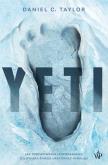
CO ZROBIĘ Z YETI, KIEDY JUŻ GO ZNAJDĘ? POWINIENEM UMIEŚCIĆ GO W ZOO, UGOŚCIĆ W SWOIM DOMU, A MOŻE ZAMKNĄĆ W MUZEUM?
Daniel C. Taylor przez niemal 60 lat badań zadawał sobie te pytania. Doprowadziły go do wyjaśnienia zagadki legendarnego człowieka śniegu.
Badacz znalazł odpowiedź w dolinie Barun – najbardziej dzikiej dżungli Nepalu, miejscu, gdzie w duchu idei Thoreau człowiek żyje w harmonii z naturą, korzystając z jej darów i otaczając ochroną. Dzięki determinacji i zaangażowaniu Taylora, w Himalajach utworzono kilka parków narodowych i krajobrazowych, wytyczono także największy w Azji obszar chroniony.
Poszukiwania Yeti dały początek nowym sposobom dbania o najbardziej zagrożone rejony naszej planety, a jednocześnie przyniosły rozwiązanie odwiecznego dylematu: kim (lub czym) tak naprawdę jest Yeti – fascynującym zwierzęciem człekopodobnym czy może symbolem czegoś głębszego, co drzemie w każdym z nas?
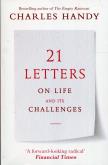
Charles Handy is one of the giants of contemporary thought. His books on management – including Understanding Organizations and Gods of Management – have changed the way we view business. His work on broader issues and trends – such as Beyond Certainty and The Second Curve – has changed the way we view society.
In his new book, Handy builds on a life's work to glimpse into the future and see what challenges and opportunities the next generation faces. How will people cope with change in a world where the old certainties no longer apply? What goals will and should they set themselves? How will they find purpose and fulfilment in their lives? Clear-eyed and optimistic by turns, he sets out the questions that everyone needs to ask themselves, and points us in the direction of the answers.
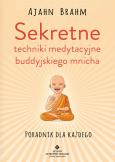
Głębokie stany medytacji (jhany) są niezwykle rzadko opisywane i nauczane, w związku z czym ta książka doskonale uzupełnia wszystkie pozostałe informacje, jakie można znaleźć w publikacjach poświęconych medytacjom. Oferuje jednocześnie coś, czego nie zaproponował nikt przed nią. Autor pisze o różnych stanach psychicznych i wizualizacjach z precyzją i wnikliwością, czerpiąc z własnych bogatych doświadczeń. Jest systematyczny i krok po kroku obala mity związane z medytacją oraz wyjaśnia, co tak naprawdę podczas niej zachodzi. Przekonasz się również, jak przydatne są jego spostrzeżenia dotyczące problemów, z jakimi spotykają się medytujący i co należy zrobić, aby je rozwiązać. Czas na skuteczną medytację!
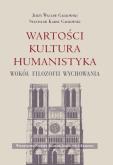
Książka stanowi ciekawy i oryginalny wkład we współczesną refleksję nad wychowaniem. Podejmuje ważny problem: „Jak wychowywać dziś”, jak skutecznie wprowadzać nowe pokolenie w kulturę, jednocześnie ucząc je krytycznego myślenia; jak socjalizować, a zarazem pomagać w wyrabianiu autonomii. [...] Chodzi więc o takie kształcenie, którego celem jest nie tyle przekazywanie wiedzy, co przygotowanie do mądrego życia, samodoskonalenia, osobowego rozwoju polegającego na umiejętności cieszenia się tym, co piękne i wartościowe, jednym słowem – do spełnienia się w naszym człowieczeństwie.
Należy podkreślić, że dodatkowym walorem książki jest to, iż jest ona dziełem Autorów reprezentujących dwa pokolenia, które łączą „wspólne korzenie ideowe”. To rzadki wypadek, a w filozofii chyba wyjątkowy, dzięki czemu Czytelnik może się zapoznać ze spójną, międzypokoleniową refleksją, odwołującą się do jednolitej aksjologicznej bazy i proponującą jednobrzmiące wnioski.
Z recenzji dra hab. Przemysława Paczkowskiego, prof. UR
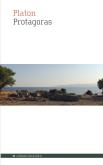
Protagoras"" jest (prawdopodobnie) wczesnym dziełem starożytnego greckiego filozofa Platona (427""347 p.n.e.), dość niekonwencjonalnym na tle jego późniejszych dialogów. Oto Sokrates wdaje się w dyskusję o cnocie z sofistą Protagorasem i wcale nie góruje nad rozmówcą. Oryginalna dramaturgia tego starcia obejmuje tak spektakularne momenty jak ""gra na czas? Sokratesa, który najwyraźniej traci wątek, i jak ostateczne zawieszenie dysputy do następnej okazji. Wszystko to nadaje dialogowi urok żywej i barwnej literatury zamiast rozpisanego na pytania i odpowiedzi suchego przeprowadzania z góry przyjętej tezy. Rozmowa odbyła się prawdopodobnie około 432 r. p.n.e., gdy Protagoras dobiegał sześćdziesiątki. Sokrates był młodszy od niego o pokolenie. Dialog Platona powstał, jak się przypuszcza, choć opinie są rozbieżne, w okresie bliskim jego pierwszej wyprawy na Sycylię (388 p.n.e.), a więc w końcowej fazie wczesnej twórczości. Mimo że od śmierci Sokratesa (399 p.n.e.) upłynęła wtedy już cała dekada, jego obraz jako osoby dramatu u Platona dopiero powstaje. Tym bardziej fascynująca jest obserwacja kształtowania się tego procesu, kiedy ów górujący później nad słabszymi intelektualnie porte-parole Platona usiłuje całkiem po ludzku sprostać wybitnemu umysłowi Protagorasa. Kunszt literacki autora uwidacznia się tu w całej świeżości.
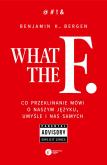
Jak to się stało, że Wacek przestał być tylko jednym z wielu imion? Dlaczego gówno jest wulgarne, a kupka tylko dziecinna? I dlaczego, chcąc kogoś obrazić, prostujemy środkowy palec?Niemal wszyscy przeklinamy po zbyt wielu drinkach, kopnięciu się w palec albo przyłapani na gorącym uczynku. Przekleństwa można wypikać, zastąpić gwiazdką, ocenzurować lecz są tak pociągające, że nie potrafimy przestać ich używać. Benjamin Bergen, językoznawca i kognitywista, tłumaczy, co przeklinanie mówi nam o naszym języku i umyśle. Przekonuje, że brzydkie słowa są pożyteczne. Mogą śmieszyć, wyzwalać albo pobudzać emocjonalnie. Dowodzi, że oferują nam możliwość spojrzenia z nowej perspektywy na to, jak mózg przetwarza język i dlaczego języki świata tak różnią się od siebie.Błyskotliwe jak diabli i zajebiście śmieszne, What the F. jest obowiązkową lekturą dla wszystkich, którzy chcą się dowiedzieć, jak i dlaczego przeklinamy.Fascynująca podróż na styku etymologii, nauronauk i kultury. - ""Discover""Bergenowi udaje się nas przekonać, że warto docenić społeczną rolę ""brzydkich"" słów. - ""Science""""Zachwycający wgląd w świat wulgaryzmów"" - New York Times Book ReviewW książce What the F, liście miłosnym do wulgaryzmów, kognitywiście Benjaminowi K. Bergenowi udaje się przekonać mnie, że warto docenić społeczną rolę brzydkich słów zarówno w szerszym kontekście, jak i w niuansach - Science""Fascynująca podróż na styku etymologii, neuronauk i kultury"" - Discover
The story of philosophy is an epic tale: an exploration of the ideas, views and teachings of some of the most creative minds known to humanity. But since the long-popular classic, Bertrand Russell's History of Western Philosophy, first published in 1945, there has been no comprehensive and entertaining, single-volume history of this great intellectual journey.
With his characteristic clarity and elegance A. C. Grayling takes the reader from the world-views and moralities before the age of the Buddha, Confucius, and Socrates, through Christianity's dominance of the European mind, to the Renaissance and Enlightenment, and on to Mill, Nietzsche, Sartre, and philosophy today. And, since the story of philosophy is incomplete without mention of the great philosophical traditions of India, China and the Persian-Arabic world, he gives a comparative survey of them too.
Accessible for students and eye-opening for philosophy readers, he covers epistemology, metaphysics, ethics, aesthetics, logic, the philosophy of mind, the philosophy of language, political philosophy and the history of debates in these areas of enquiry, through the ideas of the celebrated philosophers as well as less well-known influential thinkers. He also asks what we have learnt from this body of thought, and what progress is still to be made.
The first authoritative and accessible one-volume history of philosophy for decades, remarkable for its range and accessibility, this is a landmark work.
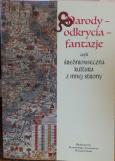
Narody-odkrycia-fantazje czyli średniowieczna kultura z innej strony. Materiały Seminariów Mediewistycznych im. Alicji Karłowskiej Kamzowej z lat 2013-2015
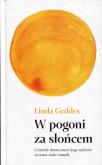
Naszą biologię zaprogramowało Słońce. Dostęp do jego światła stanowi kluczowy warunek szczęśliwego i satysfakcjonującego życia. To właśnie światło słoneczne wpływa na cykle snu i czuwania, układ odpornościowy i zdrowie psychiczne.
W pogoni za słońcem to pełna ciekawostek, zaskakujących wniosków i cennych wskazówek książka, która zabierze nas w fascynującą podróż po najnowszych odkryciach nauki. Wraz z Lindą Geddes – wielokrotnie nagradzaną pisarką i dziennikarką popularnonaukową magazynu „New Scientist” – przeniesiemy się do starożytności, by wziąć udział w ceremoniach towarzyszących przesileniom słonecznym, i trafimy na Międzynarodową Stację Kosmiczną, gdzie prowadzi się badania nad snem. Poznamy nieoczekiwane korzyści zdrowotne płynące z ekspozycji na światło słoneczne, dowiemy się, jak walczyć z jet lagiem, i przekonamy się, co ciekawego o śnie wiedzą amisze, a o czym my w ogóle nie mamy pojęcia.
Coraz więcej czasu spędzamy w półmroku biur, a wieczorami wpatrujemy się w jasno świecące ekrany. Grozi nam utrata czegoś niezwykle cennego – związku z naszą życiodajną gwiazdą.
Pogłębiający się deficyt światła słonecznego może mieć poważne konsekwencje, które dopiero teraz zaczynamy pojmować.
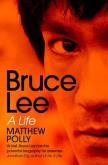
More than forty years after Bruce Lee’s sudden death at age 32, journalist and author Matthew Polly has written the definitive account of Lee’s life. It’s also one of the only accounts; incredibly, there has never been an authoritative biography of Lee. Following a decade of research that included conducting more than one hundred interviews with Lee’s family, friends, business associates and even the mistress in whose bed Lee died, Polly has constructed a complex, humane portrait of the icon.
There are his early years as a child star in Hong Kong cinema; his actor father’s struggles with opium addiction and how that turned Bruce into a troublemaking teenager who was kicked out of high school and eventually sent to America to shape up; his beginnings as a martial arts teacher, eventually becoming personal instructor to movie stars like Steve McQueen; his struggles as an Asian-American actor in Hollywood and frustration seeing role after role he auditioned for go to white actors in eye makeup; his eventual triumph as a leading man; his challenges juggling a sky-rocketing career with his duties as a father and husband; and his shocking end that to this day is still shrouded in mystery.
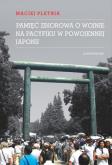
Niniejsza książka dotyczy wpływu pamięci zbiorowej o wojnie na Pacyfiku na współczesną japońską tożsamość zbiorową. Autor stara się znaleźć odpowiedź na pytanie, jaka jest rola owej pamięci w budowaniu współczesnej tożsamości Japończyków.
Zastosowana w pracy metodologia czerpie z dorobku antropologii symbolicznej oraz socjologii kulturowej. Zarówno dzięki wykorzystaniu licznych materiałów źródłowych, jak i profesjonalnemu i kompleksowemu podejściu teoretycznemu stanowi ona nowatorskie ujęcie kwestii pamięci zbiorowej we współczesnej Japonii.
Obszerna praca (…) Macieja Pletni jest rezultatem analiz i interpretacji japońskich źródeł medialnych, muzealnych i edukacyjnych dotyczących przedstawiania historii wojen prowadzonych przez Japonię w XX w. Wykorzystano w niej bogatą anglojęzyczną literaturę przedmiotu oraz opracowania metodologiczne z zakresu kulturoznawstwa (…). Stanowi ona poważne osiągnięcie badawcze, na które składa się przede wszystkim analiza i interpretacja programów i podręczników do historii współczesnej Japonii, muzeów historii oraz publikacji prasowych dokumentujących pamięć zbiorową o wojnie prowadzonej przez armię japońską przeciw Chinom i Stanom Zjednoczonym na Pacyfiku. Wyniki oryginalnych badań są poprzedzone profesjonalnym studium metodologicznym z zakresu kulturoznawstwa, w tym zwłaszcza teorii pamięci zbiorowej.
prof. zw. dr hab. Mikołaj Melanowicz, Uniwersytet Warszawski
Maciej Pletnia (ur. 1984) – doktor nauk humanistycznych, absolwent Uniwersytetu Jagiellońskiego. Związany z Wydziałem Studiów Międzynarodowych i Politycznych. Jako stypendysta japońskiego Ministerstwa Edukacji (Monbukagakusho) studiował na Uniwersytecie Tokijskim. Jego zainteresowania badawcze koncentrują się na kwestiach pamięci zbiorowej, nacjonalizmu we współczesnej Japonii oraz na znaczeniu pamięci o wojnie na Pacyfiku dla stosunków międzynarodowych w regionie Azji Wschodniej.
Ten produkt jest zapowiedzią. Realizacja Twojego zamówienia ulegnie przez to wydłużeniu do czasu premiery tej pozycji. Czy chcesz dodać ten produkt do koszyka?