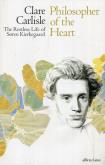
Soren Kierkegaard, one of the most passionate and challenging of modern philosophers, is now celebrated as the father of existentialism - yet his contemporaries described him as a philosopher of the heart. Over about a decade in the 1840s and 1850s, writings poured from his pen analysing love and suffering, courage and anxiety, religious longing and defiance, and forging a new philosophical style rooted in the inward drama of being human.
As Christianity seemed to sleepwalk through a changing world, Kierkegaard dazzlingly revealed its spiritual power while exposing the poverty of official religion. His restless creativity was spurred on by his own failures: his relationship with the young woman whom he promised to marry, then left to devote himself to writing, haunted him throughout his life.
Though tormented by the pressures of celebrity, he deliberately lived amidst the crowds in Copenhagen, known by everyone but, he felt, understood by no one. When he collapsed exhausted at the age of 42, he was still pursuing the question of existence: how to be a human being in this world?
Clare Carlisle's innovative and moving biography writes Kierkegaard's remarkable life as far as possible from his own perspective, conveying what it was like to be this Socrates of Christendom - as he put it, living life forwards yet only understanding it backwards.
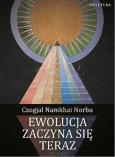
EWOLUCJA ZACZYNA SIĘ TERAZ to esencja dzogczen, najwyższej, najbardziej bezpośredniej ścieżki buddyzmu tybetańskiego prowadzącej do samowyzwolenia. Dzogczen, chociaż wywodzi się z wadżrajany, nie należy do żadnej tradycji. Zgodnie z nauczaniem Czogjala Namkhai Norbu, każdy może je praktykować, niezależnie od pochodzenia oraz wiary, ponieważ każdy może odkryć naturę swego umysłu. Jest to potencjał zawarty w każdym z nas.
EWOLUCJA ZACZYNA SIĘ TERAZ ukazuje w prostych sentencjach, aforyzmach i instrukcjach jak można urzeczywistnić ten potencjał i uwolnić się od mechanicznych zachowań życia codziennego sprawiających, że błąkamy się po omacku w mrokach niewiedzy, nie znając swej prawdziwej natury.
„Prawdziwy pokój może zapanować między ludźmi jedynie wtedy, gdy każdy dokona ewolucji wewnętrznej. Dzięki naukom dzogczen możemy całkowicie uwolnić się od napięć, a w rezultacie nie odczuwać ciężaru życia, cieszyć się nim i być szczęśliwi. Z tej właśnie przyczyny nauki dzogczen są ważne dla każdego, a nie tylko dla małej grupy osób zainteresowanych duchowością.
Dzogczen można postrzegać jako system filozoficzny, religię bądź ścieżkę duchową, ale nie sposób zamknąć go w jednej z tych kategorii. Najważniejsze to zrozumieć, że dzogczen nie stanowi jakiejś szkoły czy tradycji, tylko jest naszą prawdziwą naturą, potencjałem posiadanym przez każdego z nas. Jest to bardzo stara wiedza, przekazywana i nauczana od wieków. Sposób, w jaki naucza metody odkrywania tego potencjału i wcielenia go w życie, nosi nazwę nauk dzogczen. Możemy podążać za nimi i poznawać sposoby odkrywania swojej prawdziwej natury: Całkowitej (czen) Doskonałości (dzog). Mamy tu do czynienia z bardzo wysokimi naukami, choć to, co wysokie, niekoniecznie musi być skomplikowane. Dzogczen może być bardzo proste. Czemu? Ponieważ przede wszystkim bazuje na doświadczeniu, a dopiero w dalszej kolejności na nauce i uczeniu. Nauczyciel tłumaczy niewiele, jedynie wprowadza nas w bezpośrednie odkrywanie naszego prawdziwego stanu, a kiedy już go odkryjemy, posiadamy tę wiedzę. Z równie praktycznego punktu widzenia jest to coś niezmiernie pożytecznego, bo gdy znamy naszą prawdziwą kondycję, możemy pokonywać problemy i konflikty. Poznajemy lepiej także samych siebie. Taka jest właśnie korzyść z nauk.” (fragmenty książki)
„Przywiązanie to korzeń, z którego wyrastają wszystkie emocje i cała samsara. Rozumieli to mahasiddhowie pokroju Sarahy i Tilopy, którzy poświęcili wiele lat swego życia przekształcaniu nieczystych wizji w czyste. Dzięki temu zrozumieli, że problemem nie są same wizje, a przywiązanie do nich. Tekst Rozstawanie się z Czterema Przywiązaniami zawiera nauki pochodzące ze szkoły śakja i uchodzi za jeden z najważniejszych napisanych przez Sacziena Kungę Njingpo, pierwszego z wielkich mistrzów-założycieli zakonu śakjapa. W czasach młodości Saczien Kunga Njingpo udał się na indywidualne odosobnienie z praktyką Mańdziuśriego. Objawił się mu wtedy sam Mańdziuśri, który przekazał mu cztery zasady sprzyjające uwalnianiu się od czterech przywiązań. Składały się one z czterech wersów:
Jeśli przywiązujesz się do tego życia, nie możesz mówić o sobie, że jesteś autentycznie uduchowionym praktykującym.
Jeśli przywiązujesz się do samsary, nie możesz mówić o sobie, że wiesz, co to wyrzeczenie.
Jeśli przywiązujesz się do swoich własnych interesów, nie możesz mówić o sobie, że masz bodhiczittę.
Jeśli lgniesz do czegoś, nie wiesz, czym jest właściwy pogląd.
Praktykujący dzogczen powinien zintegrować nauki o Rozstawaniu się z Czterema Przywiązaniami. Nie szukamy antidotum na przywiązanie, jak to robi ktoś praktykujący hinajanę. Nie posługujemy się jakąś metodą transformacji przywiązania, jak to robi ktoś praktykujący wadżrajanę. Po prostu obserwujemy swoje myśli, a one znikają. Nasze myśli wiążą się z umysłem tak jak fale z oceanem. Przyglądamy się więc falom myśli, które z początku bywają gwałtowne, ale z czasem słabną. Myśli nad nami panują. Oto źródło wszystkich problemów. Ale praktykując dzogczen, panujemy nad swymi myślami i nie mamy żadnego problemu.” (fragmenty książki)
Szkic o Caravaggiu jest w pewnym sensie detektywistyczny, dlatego że ukazuje rzecz, o której dotychczas historycy sztuki nie pisali: o prawdopodobieństwie pewnych związków Caravaggia z filozofią Giordana Bruna, heretyka spalonego na Campo dei Fiori...
Tibetan yoga is the hidden treasure at the heart of the Tibetan Tantric Buddhist tradition: a spiritual and physical practice in pursuit of an expanded experience of the human body and its energetic and cognitive potential.
Ian A. Baker progressively introduces the core principles and practices of Tibetan yoga in this pioneering overview. In addition to meditations, visualizations and practices for the breath and body, these include elements rather less familiar to yoga initiates in the West, including sexual yoga; dream yoga or lucid dreaming; and yoga practices enhanced by psychoactive plant or mineral substances. Such techniques facilitate the individual’s journey towards transcendence of the human self and suffering, and ultimately to Buddhist enlightenment.
Baker draws on contemporary scientific research and contemplative and humanitarian traditions to enable the reader to understand these practices. Tibetan Yoga includes contemporary ethnographic photography and works of Himalayan art that have never been published before, as well as illustrations of yogic practice and theory from historical books of instruction. It will appeal to students and practitioners of Tibetan Buddhism, as well as anyone interested in mind–body medicine, Tantric art and the ethnography and cultural traditions of the Himalayas.
Na nudę, odpoczynek i dobrą zabawęZeszyty z serii ""Geniusz w rodzinie"" sprawdzą się w każdej sytuacji. Każda publikacja z tej serii zawiera niemal 50 łamigłówek, zagadek i zadań, przy których trzeba ruszyć głową. Z tą książką myślenie nie boli, a staje się pasjonującą przygodą. Nie wierzycie? Przekonajcie się sami! ""Geniusz w rodzinie"" stanowi doskonałe wsparcie procesu edukacji. Obszerny zbiór ciekawych zadań o różnym poziomie trudności kształtuje wiadomości i umiejętności poznawcze oraz uczy radzenia sobie z trudnościami. To prawdziwa szkoła logicznego myślenia.
Gdy Jonathanowi Safranowi Foerowi urodził się syn, chciał się dowiedzieć, jak powinien go karmić i czym naprawdę jest mięso. Skąd pochodzi? Jak się je produkuje? Jak traktowane są zwierzęta i czy to ważne? Jak zjadanie zwierząt wpływa na gospodarkę, społeczeństwo i środowisko? Wyniki tego śledztwa sprawiły, że stanął twarzą w twarz z rzeczywistością, której jako obywatel nie mógł zignorować, a jako pisarz nie mógł przemilczeć.
...
Jeśli znajdą się osoby, których nie przekona sugestywny sposób, w jaki Foer opisuje okropieństwa przemysłowej hodowli zwierząt i oskarża odpowiedzialnych za nią ludzi, to znaczy, że są nieczułe albo głuche na głos rozsądku. Albo i jedno, i drugie.
J.M. Coetzee
Dzięki tej książce zostałam wegańską aktywistką.
Natalie Portman
Najlepsi dziennikarze (Michael Pollan, Eric Schlosser) i aktywiści praw zwierząt (Peter Singer, Temple Grandin) – a także Jezus, Gandhi, Pitagoras, Arystoteles, John Locke i Immanuel Kant – zmagali się z pytaniem o to, czy zabijanie zwierząt na mięso jest etyczne. Dzięki tej niezwykle dociekliwej książce Foer dołącza do nich. […] Zjadanie zwierząt jednak nie nawołuje do przejścia na wegetarianizm. Ta książka to apel o świadomość i odpowiedzialność.
Susan Salter Reynolds, „Los Angeles Times”
Zjadanie zwierząt jest wyjątkowe, ponieważ wegetarianin Foer pozwala farmerom i aktywistom mówić we własnym imieniu. Do zjadaczy mięsa odnosi się z dużą empatią, a jego poczucie humoru słodzi gorzką rzeczywistość.
O, „The Ophra Magazine”
Zjadanie zwierząt to porządna dziennikarska robota z literackim nerwem.
Jessica Roy, „Salon”
Foer przekonuje, że ludzi określają ich wyrzeczenia. Wegetarianizm wymaga rezygnacji z przyjemności prawdziwych i niezastępowalnych niczym innym. Autor ma na tyle dużo odwagi, że nie wstydzi się wymagać tego poświęcenia od swoich czytelników.
Elizabeth Kolbert, „The New Yorker”
To, że za każdym razem, gdy jem befsztyk, zastanawiam się nad tym, czy nie jestem hipokrytą, to wielki sukces autora. W książce pisze: „Musimy odnaleźć miejsce na mięso w debacie publicznej, tak samo jak znaleźliśmy je na naszych talerzach”. Po lekturze tej książki, trudno się z nim nie zgodzić.
Geoff Nicholson, „San Francisco Chronicle”
Książka jest próbą rekonstrukcji zasadniczego zrębu myśli o kulturze, jaki wyłania się z pism Immanuela Kanta. Celem jest wydobycie problemów związanych z kulturą i zogniskowanych wokół kluczowych pojęć: podmiotu, wolności, moralności, prawodawstwa, wartości estetycznych, sztuki, religii.
What do you and an ancient philosopher have in common? It turns out much more than you might think…
Aristotle was an extraordinary thinker yet he was preoccupied by an ordinary question: how to be happy. In this handbook to his timeless teachings, Professor Edith Hall shows how ancient thinking is precisely what we need today, even if you don’t know your Odyssey from your Iliad. In ten practical lessons you can learn how to make good decisions, how to ace an interview, how to choose a partner and how to face death. This is advice that won’t go out of fashion.
Spotkanie Wschodu i Zachodu, które weszło do światowego kanonu literatury!
Tao fizyki (1975) wkrótce po publikacji stało się światowym bestsellerem i sztandarową książką ruchu New Age. Capra jako jeden z pierwszych wskazał religijno-światopoglądowe konsekwencje fizyki XX wieku, odkrywając jej zbieżność z tradycją filozoficzną Wschodu, gnozą i myśleniem magicznym. Przedstawił całkiem nową wizję rzeczywistości, wskazując konieczność fundamentalnej reorganizacji naszego życia.
„Fizycy nie potrzebują mistycyzmu, mistycy zaś nie potrzebują fizyki, ale ludzkość potrzebuje jednego i drugiego” – oto niezmienne przesłanie Capry.
Książka wciąż nie traci na aktualności, czego dowodzi niniejsze nowe wydanie polskie. Oparte jest na piątej edycji amerykańskiej przygotowanej z okazji 35 rocznicy ukazania się książki, ze specjalnym wstępem autora i poszerzonym posłowiem oraz wzbogaconej nowym materiałem ilustracyjnym.
Psychologia zła zabiera czytelnika w trudną podróż, której celem jest zrozumienie zła w jego ekstremalnej postaci.Jeszcze przed zakończeniem drugiej wojny światowej psychiatrzy i psycholodzy podejmowali próby przybliżenia sposobu myślenia przywódców Trzeciej Rzeszy. Gdy bitewny kurz opadł i alianci przystąpili do osądzenia zbrodniarzy wojennych w międzynarodowym procesie w Norymberdze, psychiatra Douglas Kelley oraz psycholog Gustave Gilbert podjęli próbę zrozumienia sposobu postrzegania rzeczywistości przez nazistów. W tym celu posługiwali się m.in. wywiadami psychiatrycznymi i testami na inteligencję. Nigdy wcześniej ani później tak szczegółowemu badaniu nie poddano tak wielu zbrodniarzy, którzy doprowadzili do ludobójstwa na masową skalę.Autor książki korzysta ze swojego doświadczenia zdobytego podczas wielu lat praktyki naukowej w dziedzinie psychiatrii oraz postępów, jakie dokonały się w medycynie, psychologii i neurobiologii od czasu zakończenia drugiej wojny światowej. Jeszcze raz analizuje informacje pozyskane w Norymberdze, żeby z bliska przyjrzeć się czterem zbrodniarzom wojennym: Robertowi Leyowi, Hermannowi Gringowi, Juliusowi Streicherowi oraz Rudolfowi Hessowi. Prezentuje świeże spojrzenie na naturę zła i współczesne próby jego zrozumienia.
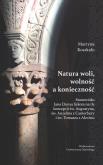
Przedmiotem monografii jest analiza koncepcji woli, wolności i konieczności, zawartych w pismach Jana Dunsa Szkota. Koncepcja Dunsa została przedstawiona na tle rozważań dwóch myślicieli, których poglądy wywarły duży wpływ na koncepcje Szkota - św. Augustyna (wola jako samodzielna władza zdolna do autodeterminacji) i św. Anzelma z Canterbury (affectiones w woli). Z kolei odniesienie do poglądów Akwinaty jest podyktowane następującymi racjami: po pierwsze, poglądy św. Tomasza były dla Szkota punktem bezpośredniego odniesienia, szczególnie w dyskusji nad problemem doskonałości woli w stosunku do intelektu, po drugie – zarówno Akwinata jak i Szkot reprezentują stanowiska umiarkowane w dyskusji nad relacją wola/intelekt w etyce, a jednak są odmienne. Skontrastowanie tych stanowisk pozwoliło uwyraźnić specyfikę poglądów Szkota.
Two of Ruskin's most powerful essays: 'Traffic' and 'The Roots of Honour'
Introducing Little Black Classics: 80 books for Penguin's 80th birthday. Little Black Classics celebrate the huge range and diversity of Penguin Classics, with books from around the world and across many centuries. They take us from a balloon ride over Victorian London to a garden of blossom in Japan, from Tierra del Fuego to 16th century California and the Russian steppe. Here are stories lyrical and savage; poems epic and intimate; essays satirical and inspirational; and ideas that have shaped the lives of millions.
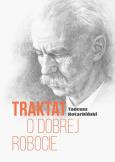
Ponowne wydanie klasycznego dzieła Tadeusza Kotarbińskiego – filozofa, pedagoga, twórcy etyki niezależnej, myśliciela zaangażowanego w sprawy społeczne, jednego z założycieli i pierwszego rektora Uniwersytetu Łódzkiego, a także patrona nagrody za najwybitniejszą pracę naukową z dziedziny humanistyki.
„Ponieważ w rzeczywistości wszystko się wiąże ze wszystkim, przeto i w opracowywaniu jakiegokolwiek tworzywa do jakichkolwiek celów, chcąc robić dobrze, trzeba uwzględniać najrozmaitsze zależności. Więc przy obmyślaniu działań, przy racjonalizacji planowania za pomocą dociekań badawczych, im lepiej się to robi, tym rozmaitsze i bogatsze zależności jest się zmuszonym włączać do kręgu własnego znawstwa.”
Z Traktatu o dobrej robocie
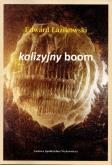
Ta książka daje możliwość poznania autentycznie nowej koncepcji
ujmowania istnienia świata. Odkrywa jego niedostrzeżoną dotąd zasadę strukturalną. Pokazuje uniwersalny model budowy każdego rodzaju bytu jaki się pojawia. Takie słowa jak: ruch, kolizje, ślady, otwartość, nieskończoność, innienie, sztuka i dzieło sztuki – były tymi najważniejszymi, wokół których krążąca myśl stworzyła narrację. Ja, autor – niemal całe życie zajmowałem się twórczością artystyczną w różnych jej dziedzinach (rysunek, performance, instalacja, malarstwo, fotografia). Łączyło się to z jej prezentacją w galeriach i w wolnej przestrzeni, a nawet w szczerym polu. Nie bez związku z tym uprawiam też teorię, która dotyczy nie tylko sztuki.
Oddajemy do rąk Czytelników zbiór ćwiczeń poświęconych poprawności językowej - książkę pomyślaną z jednej strony jako dydaktyczna pomoc dla nauczycieli podejmujących na lekcjach wskazaną problematykę, z drugiej zaś - jako niewielkich rozmiarów poradnik adresowany do osób, które chciałyby podjąć wysiłek indywidualnej pracy nad zwiększeniem kompetencji językowych. W szczególności mamy na myśli uczniów, studentów, dziennikarzy, redaktorów, korektorów, pracowników agencji reklamowych i copywriterskich, jakkolwiek publikację tę kierujemy do wszystkich miłośników polszczyzny.
Ze Wstępu
„Niezaprzeczalnym walorem książki jest uwzględnienie najnowszych zmian zachodzących we współczesnej polszczyźnie. Należy docenić pracę młodych naukowców, którzy podjęli trud przygotowania nowego i oryginalnego zestawu ćwiczeń odsłaniających złożoność polskiego systemu językowego oraz jego czytelny dynamizm, a jednocześni e pokazali krótkotrwałość obowiązujących kodyfikacji.”
Z recenzji prof. dr. hab. Leszka Tymiakina
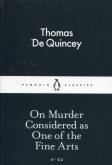
'People begin to see that something more goes to the composition of a fine murder than two blockheads to kill and be killed - a knife - a purse - and a dark lane...'
In this provocative and blackly funny essay, Thomas de Quincey considers murder in a purely aesthetic light and explains how practically every philosopher over the past two hundred years has been murdered - 'insomuch, that if a man calls himself a philosopher, and never had his life attempted, rest assured there is nothing in him'.
Introducing Little Black Classics: 80 books for Penguin's 80th birthday. Little Black Classics celebrate the huge range and diversity of Penguin Classics, with books from around the world and across many centuries. They take us from a balloon ride over Victorian London to a garden of blossom in Japan, from Tierra del Fuego to 16th-century California and the Russian steppe. Here are stories lyrical and savage; poems epic and intimate; essays satirical and inspirational; and ideas that have shaped the lives of millions.
Thomas de Quincey (1785-1859). Thomas de Quincey's Confessions and an English Opium-Eater and Other Writings is available in Penguin Classics.
Główny problem monografii mieści się w pytaniu o charakter i miejsce koncepcji creatio ex nihilo w filozofii św. Tomasza z Akwinu oraz w poznaniu metafizykalnym. Podstawę przeprowadzonych badań stanowią zasadniczo pisma św. Tomasza z Akwinu, w szczególności Summa contra gentiles, przy szerokim uwzględnieniu stanu badań (literatury przedmiotu). Autor stawia tezę, którą w pracy uzasadnia, że w metafizyce św. Tomasza z Akwinu występuje koncepcja creatio ex nihilo oraz pełni zasadniczą rolę w metafizycznym wyjaśnieniu rzeczywistości. […]
Monografia stanowi oryginalną próbę przedstawienia koncepcji creatio ex nihilo w realistycznym nurcie filozofii i nie ma odpowiednika w literaturze polskiej. Oparta jest na analizie źródeł (tekstów Tomasza z Akwinu) oraz dobrej znajomości literatury przedmiotu. Ukazuje teorię „stworzenia z niczego” jako sposób ostatecznego wyjaśnienia rzeczywistości. Przeprowadzone w pracy analizy mają wartość nie tylko historyczną, ale także merytoryczną w dziedzinie metafizyki. Zwracają bowiem uwagę na wypracowanie przez św. Tomasza filozoficznej (metafizycznej) teorii „stworzenia z niczego” oraz jej niezbywalne miejsce i rolę w filozoficznym tłumaczeniu świata (bytu).
W połowie XVIII wieku w Europie , wraz z pojawieniem się pierwszych rozpraw - estetycznych manifestów Johanna Joachima Winckelmanna, zaczęła się kształtować nowa postawa wobec sztuki, która znalazła swój wyraz w niezwykłym, dotąd niespotykanym uwielbieniu piękna artystycznego oraz absolutyzacji sfery artystycznej. Zjawisko to, bardzo różnorodne, określono mianem „religii sztuki”: przenikało ono kulturę artystyczną i estetyczne teorie całego XIX stulecia, jego najzupełniej zaskakujące przejawy można odnaleźć w literaturze oraz tekstach poświęconych sztuce jeszcze w XX wieku, jak choćby w dziełach Jamesa Joyce'a czy w teoriach Klee, Schonberga. „Religia sztuki”, była nie tylko bezwarunkową adoracją sztuki dla niej samej, nieograniczonym podziwem dla piękna czystej formy, realizacją mitu doskonałego, w pełni autonomicznego języka artystycznego. Dla wielu autorów, piszących o sztuce w XIX wieku, koncepcja „religii sztuki” była także ostatnią rękojmią i nadzieją ocalenia takiej wizji świata, w której religia odbudowuje swoje znaczenie, a nowoczesna nauka, marginalizująca zarówno doświadczenie religijne, jak i poznawanie świata poprzez sztukę wejdzie w wielkie przymierze z twórczością artystyczną, przynosząc syntezę i doskonałe pojednanie wszelkich aspektów poznania świata i przeczucia Nieskończoności. O tych wszystkich fascynujących odsłonach fenomenu „religii sztuki” w kulturze artystycznej Anglii i krajów niemieckich XIX wieku opowiada niniejsza publikacja.
Egzystencjalne problemy, z którymi spotyka się człowiek w swoim życiu oscylują wokół odwiecznych tematów związanych z ludzkim istnieniem, a więc zagadnień dotyczących sensu życia, jego przygodności, wynikającej ze stałej obecności w naszym życiu śmierci, wolności i łączącej się z nią odpowiedzialności, samotności człowieka w świecie oraz roli czasu (zwłaszcza wagi czasu przyszłego) w życiu jednostki. Wymagają one od nas osobistego ustosunkowania się do tych kwestii z perspektywy konkretnego, własnego życiowego doświadczenia. Rodzące się niejednokrotnie w tych obszarach psychologiczne napięcia mogą przybierać u ludzi różną postać, ale współczesny ciężar ludzkiego życia wiąże je jednak coraz częściej z egzystencjalnym wymiarem depresji, którego główne aspekty wyrażają się przede wszystkim w formie poczucia egzystencjalnej pustki, bezradności, winy, izolacji oraz egzystencjalnej rozpaczy.
Książka przeznaczona jest dla studentów psychologii, psychologów, pedagogów, prawników i lekarzy oraz tych wszystkich, którzy w toku codziennej pracy nieustannie spotykają się z dramatem ludzkiego istnienia.
Ten produkt jest zapowiedzią. Realizacja Twojego zamówienia ulegnie przez to wydłużeniu do czasu premiery tej pozycji. Czy chcesz dodać ten produkt do koszyka?