Tom 2 klasycznego już 3-tomowego dzieła o charakterze podręcznikowym. Jest uporządkowaną i bogatą w informacje prezentacją historii marksizmu. Autor śledzi źródła konstytutywnych pojęć marksizmu, ukazując wszystkie konteksty od starożytnych po współczesne. Zakorzenia myśl marksowską i marksistowską w europejskiej kulturze i filozofii, w zależności od potrzeb przechodzi od perspektywy ogólnej do interesujących szczegółów. Analizuje poszczególne odłamy i doktrynalne niuanse marksizmu.
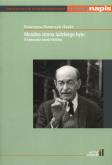
Księga stanowi zbiór najważniejszych tekstów Profesora Tomasza Gizberta-Studnickiego, wybranych i opracowanych przez najbliższych współpracowników autora. Część tekstów, wcześniej publikowanych tylko w językach obcych, została przetłumaczona na język polski specjalnie na potrzeby tego dzieła. Książka została podzielona na 5 części, obejmujących główne obszary zainteresowań Profesora: - prawo i język; - teoria norm; - metodologia prawoznawstwa i filozofia prawa; - wykładnia prawa, rozumowania i argumentacja prawnicza - w stronę dogmatyki prawa. Na publikację składają się zarówno starsze, klasyczne a trudniej dostępne artykuły, jak np. ""Język prawny a język prawniczy"" (1972), jak również najnowsze publikacje, w tym m.in. ""Metafizyka pozytywizmu prawniczego"" (2015). Zbiór prezentuje dorobek jednego z najciekawszych współczesnych polskich filozofów prawa, którego prace naukowe zyskały uznanie zarówno w kraju, jak i zagranicą granicą.
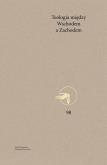
W staraniach o właściwe ujęcie Boskiej transcendencji teologia katolicka coraz bardziej tęsknym okiem spogląda na apofatyzm chrześcijańskiego Wschodu. Czy tamtejsza teologia może przynieść rozwiązania bolączek trapiących chrześcijański Zachód? Czy prawdą jest potoczna opinia o Wschodzie, że zachował w teologii wymiar tajemnicy, ale zbyt często pogrążał się w irracjonalizmie, oraz o Zachodzie, że choć dba o umiejętność uzasadniania wiary, to jednak w zamian zakuł ją w kajdany racjonalizmu? Na te pytania próbują odpowiedzieć autorzy prezentowanego tomu. Zgodnie z odpowiedzią, jaka wyłania się z ich refleksji, nie ma czystego „Wschodu”, tak jak i czystego „Zachodu”. Kluczowym słowem tytułu monografii jest w związku z tym „między”.
Na pracę Teologia między Wschodem a Zachodem składa się czternaście artykułów napisanych przez teologów i filozofów reprezentujących różne terytoria geograficzne, dyscypliny teologiczne i szkoły filozoficzne. Wydaje się, że dopiero to mozaikowe podejście do tematu pogranicza wschodniej i zachodniej myśli chrześcijańskiej zapewnia obiektywny ogląd problematyki.
Fragment wprowadzenia ks. dr. Marka Dobrzenieckiego
"Wschód i Zachód, Bizancjum i Renesans, jak noc i dzień, jak anioł i człowiek, jak rozum i wiara, jak taoistyczne yin i yang, jak niebo i ziemia, jak kuzańska "coincidentia oppositorum", dalekie i bliskie, skłócone i nawzajem się potrzebujące, czy spotkają się kiedyś w Zwiastowaniu?"
Fragment artykułu ks. bp. prof. Michała Janochy
Trzytomowa monografia stanowi kompleksowe opracowanie kategorii wolności, jaką posługiwali się w doktrynach polityczno-prawnych przedstawiciele zachodniego kręgu cywilizacyjnego od czasów starożytnych aż do współczesności. Tom trzeci zawiera analizy myśli politycznej od końca XIX wieku do dziś. Przedstawiono w nim koncepcje Fryderyka Nietzschego, Włodzimierza Lenina i Lwa Trockiego, a także interpretacje różnorodnych aspektów wolności w założeniach hiszpańskiej myśli tradycjonalistycznej (karlistowskiej), niemieckich konserwatystów rewolucyjnych oraz w doktrynie narodowego socjalizmu. W publikacji znajdują się również opracowania dotyczące myśli liberalizmu (Ludwig von Mises, Friedrich August von Hayek, Milton Friedman, Isaiah Berlin, James M. Buchanan, John Rawls i Ronald Dworkin), socjalizmu (historia i idee Praskiej Wiosny, ruch Nowej Lewicy), katolickiej nauki społecznej (Jan Paweł II), libertarianizmu (Robert Nozick), republikanizmu (Quentin Skinner), feminizmu i komunitarianizmu. Ponadto zamieszczono tu przekrojowe studium na temat znaczenia pojęcia wolności we współczesnej demokracji oraz dwa artykuły poświęcone metodologii i typologii kategorii wolności.Przegląd zaprezentowanych stanowisk pozwala dostrzec skalę rozbieżności w postrzeganiu pojęcia wolności nie tylko w różnych epokach, lecz także pomiędzy reprezentantami głównych doktryn politycznych. Bogactwo przywołanych koncepcji wskazuje jednoznacznie na interdyscyplinarną specyfikę badania kategorii wolności. Ukazanie spektrum ich różnorodności przez pryzmat analizy naukowej wydaje się więc niezbędnym fundamentem umożliwiającym kompleksowe i wielopoziomowe zrozumienie idei wolności.
Autor niniejszej książki wprowadza czytelnika w universum teoretyczno - problemowe, obejmujące swym zakresem fundamentalne zagadnienia etyki ogólnej, jak i szczegółowej Tadeusza Ślipki. Etyka ta została osadzona na gruncie antropologiczno - aksjologicznym, przesyconym chrześcijańskim humanizmem, wchodzącym w polemikę z tymi stanowiskami etycznymi, które cechował daleko posunięty partykularyzm, prowadzący do niebezpiecznego relatywizmu etyczno - moralnego.Rekonstruowany w niej system nawiązuje jednoznacznie do korpusu prawd absolutnych i nadprzyrodzonych. Cechuje go otwartość na płynącą ze świata rzeczywistość, aktualne milieu problemy i wyzwania. Z tego też względu książka ukonkretnia i uszczegółowia problematykę osoby-w-świecie, bytu wolnego, ale zarazem zdeterminowanego celem ostatecznym. Prezentowany w niej proces konkretyzacji poszczególnych zagadnień jest równoznaczny z zejściem na poziom empirii świata doświadczalnego jak i zmysłowego, co stwarza niewątpliwe implikacje odzwierciedlone w całości przedstawionego w niej projektu badawczego. W publikacji tej czytelnik ma do czynienia z klasycznym przykładem synergii, sprzężenia całości z poszczególnymi częściami, jak i części z całością.Elementem centralnym owego ordo jest oczywiście podmiot moralny osoby rozpatrywany łącznie z zaistniałymi, jak też projektowanymi aktami. To wszystko zaś jest ściśle powiązane z konstytucją bytową człowieka, z jej istotą i naturą.
Książka przedstawia całość dorobku intelektualnego Włodzimierza Sołowjowa (1853-1900), powszechnie uważanego za pierwszego profesjonalnego filozofa rosyjskiego. Różnorodna i wielowątkowa twórczość Sołowjowa, obejmująca swoim zakresem metafizykę, teorię poznania, teologię, etykę, estetykę, filozofię społeczną a podejmująca również - w świetnych tekstach publicystycznych - palące zagadnienia społeczne, polityczne i kulturalne, ujęta została jako konsekwentna całość.
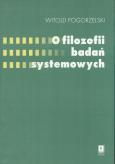
Książkę otwiera rozdział przedstawiający kluczową zasadę badań systemowych - wybór, jako każdorazowo wybór najlepszego na miarę egzekwowanej wolności i uprawianej praktyki. Drugi rozdział agituje Czytelnika i Słuchacza na rzecz przystępowania do "stronnictwa optymalistów" - zwolenników badań systemowych. Trzeci, obszerny rozdział podzielony został na trzynaście opowieści, a każda osnuta jest wokół haseł wymienionych w jej tytule. Te opowieści, jak pęk płaskich łuków przez środki krzywizny, wyznaczają miejsca szczególne: centralne kategorie światopoglądu analityka systemów i pojęcia bazowe, które są scharakteryzowane w czwartym rozdziale i zestawione w przejrzyste schematy w rozdziale ostatnim, który kończy explicite wyartykułowany paradygmat badań systemowych. Książkę zamyka indeks rzeczowy.
Abby Johnson robiła zawrotną karierę. Miała wysokie stanowisko i bardzo dobrą pensję. I pracę inną niż wszystkie. Na co dzień zajmowała się aborcją.
Co takiego wydarzyło się w życiu Abby, że po pięciu latach pracy na stanowisku dyrektora w klinice Planned Parenthood opuściła swoje stanowisko? Co tak bardzo przeraziło ją, że przeszła na drugą stronę i dzisiaj walczy o życie nienarodzonych? Z jakimi praktykami miała do czynienia?
Poznaj autentyczną historię kobiety, która wyszła z samego jądra ciemności. Myślisz, że wiesz wszystko na temat przemysłu aborcyjnego? Oto przerażająca prawda, której nie dowiesz się z innych książek, prasy czy portali internetowych.
Na podstawie prawdziwej historii Abby Johnson powstał film „Nieplanowane”
Już od pierwszych stron lektury tej książki włosy na głowie stają dęba, a na skórze pojawia się gęsia skórka. To uczucie nie mija do ostatniego słowa.
Dorota Łosiewicz, dziennikarka „Sieci” i TVP
Czynność - to kwiat myśli; radość i cierpienie stanowią natomiast jej owoc
James Allen
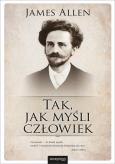
W 1902 roku James Allen postanowił, że zajmie się pisaniem książek. Miał do tego naturalne predyspozycje: pisał w sposób klarowny, przekonujący, skłaniający do przemyśleń. Jedno z jego najwybitniejszych dzieł, Tak, jak myśli człowiek, inspirowane było wersetem z anglojęzycznej Biblii króla Jakuba: "Tak, jak myśli człowiek w głębi duszy, taką jest osobą". Po latach okazało się, że książka mocno wpłynęła na wielu współczesnych pisarzy i myślicieli, a nawet na twórców kultury masowej.
Tak, jak myśli człowiek po raz pierwszy wydano w 1903 roku. Sam Allen określił tę książkę jako taką, która ma pomóc czytelnikom w radzeniu sobie z potęgą własnych myśli. Z założenia miała być bardzo prosta, aby każdy mógł łatwo zrozumieć jej przesłanie i zastosować w praktyce opisane metody. Książka ma niewielkie rozmiary, jednak dała podwaliny pod współczesną naukę o technikach samorozwoju. Allen pokazuje, jak ważna jest cierpliwa i konsekwentna praca nad własnymi myślami oraz że dzięki niej można przepracować swoje życie i dojść do sukcesu. Tak, jak myśli człowiek nie jest jednak wyczerpującym traktatem. To refleksyjny, głęboki tekst, owoc medytacji i przemyśleń, który ma inspirować i zachęcać do mądrej pracy nad sobą.
Samokontrola jest siłą; Właściwa Myśl jest panowaniem, Spokój jest władzą
James Allen
Człowiek zaczyna być człowiekiem wtedy, gdy przestaje jęczeć i przeklinać, aby zacząć szukać prawdy, która rządzi jego życiem
James Allen
O autorze
James Allen (1864 – 1912) — angielski pisarz, autor książek i pasjonat filozofii. Jeden z twórców podstaw branży związanej z rozwojem osobistym. Pracował jako sekretarz dyrektora dużej firmy przemysłowej, po sukcesie swojej pierwszej książki zajął się pisarstwem i filozofowaniem. Jego dzieła do dziś są źródłem inspiracji dla wielu autorów poradników motywacyjnych. Uznaje się je za klasykę samopomocy psychologicznej.
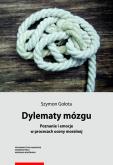
Przestrzenie wiedzy zarezerwowane dotąd dla humanistów są współcześnie coraz odważniej eksplorowane przez przedstawicieli neuronauki. Do śmiałych przedsięwzięć tego typu należy odkrywanie procesów, jakie zachodzą w mózgu człowieka podczas odróżniania dobra od zła.
Monografia ks. dr. Szymona Gołoty, psychologa z Katedry Neuropsychologii Klinicznej Collegium Medicum im. Ludwika Rydygiera w Bydgoszczy Uniwersytetu Mikołaja Kopernika w Toruniu, podejmuje właśnie to zagadnienie. Autor pokazuje, jak bogata wiedza filozoficzna, biologiczna i psychologiczna na temat procesów oceniania moralnego kształtuje się w dwa odrębne nurty – racjonalistyczny i emotywistyczny. Ponadto podejmuje polemikę z modelem łączącym rozumowanie i emocje na zasadach konfliktu. Wreszcie proponuje własny, oparty na kooperacji, hipotetyczny model relacji pomiędzy procesami rozumowania i emocji w ocenie moralnej.
Książka nie tylko porządkuje wiedzę na temat procesów oceny moralnej, ale także wskazuje nowe możliwości i kierunki dalszych badań. Ostatecznie sugeruje własne rozwiązanie problemu procesów poznania i emocji w ocenie moralnej. Proponuje, by procesy racjonalne i emocjonalne procesy oceny moralnej opisać w ramach kooperacyjnego modelu sądów moralnych.
Najnowsza wzbudzająca silne emocje i dyskusje książka autorki międzynarodowego przełomowego bestsellera Oszustwa pamięci, laureatki Mądrej Książki Roku 2018.
W swoim arcydziele Zło –jak powstaje w nasJulia Shaw genialnie naświetla panoramę ciemnej strony człowieczeństwa. Naukowe podstawy analizowania umysłów sadystów, zbrodniarzy winnych ludobójstwa, różnych świrów i maniaków, a także nowa rola technologii w promowaniu zła –są zaprezentowane w totalnie porywający sposób... Książka służy zrozumieniu wielu rodzajów zła wokół nas (czasami też w nas) oraz monumentalnego zła powszechnej apatii i bezczynności w sytuacjach, gdy powinniśmy się ruszyć, odezwać i podjąć mądre, skuteczne działania.
PHILIP ZIMBARDO, autor książki Efekt Lucyfera
Co takiego ma w sobie zło, że jest dla nas tak fascynujące? Od pasjonowania się seryjnymi mordercami po przemoc w popkulturze –wszystko wydaje się świadczyć, że nieodparcie pociągają nas historie o potwornych czynach i ludziach, którzy je popełniają.
Ale dr Julia Shaw –światowej sławy psycholog sądowy i ekspertka kryminologii –dowodzi, że zło jest zawsze subiektywne. To, co jeden uważa za normalne, inni uznają za odrażające.
Autorka zastrzega, żeby nie spodziewać się w tej książce opisów głośnych spraw ani słynnych przestępców. To jest książka o każdym z nas, ma pomóc nam zrozumieć własne myśli i skłonności, zrozumieć, dlaczego robimy sobie nawzajem okropne rzeczy. Temu zrozumieniu służy nauka –przytoczone tu teorie i eksperymenty. Może wszyscy jesteśmy źli, a może nikt z nas.
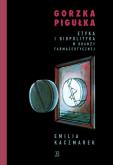
Czy producenci leków wymyślają nowe choroby? Czy nauka może działać dla zysku? Co odróżnia konflikty interesów od korupcji? Autorka przedstawia te i inne kontrowersyjne praktyki w branży farmaceutycznej. Pisze o nagannych formach komercjalizacji wiedzy, lobbingu firm farmaceutycznych oraz marketingu produktów zdrowotnych. Równolegle analizuje biopolityczne aspekty tych praktyk i poddaje je pogłębionej ocenie etycznej.
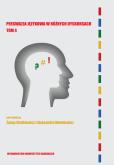
Oddajemy do rąk Czytelnika kolejny, czwarty tom z cyklu Perswazja językowa w różnych dyskursach, powstały pod auspicjami Katedry Pragmatyki Komunikacji i Akwizycji Języka Instytutu Rusycystyki i Studiów Wschodnich Uniwersytetu Gdańskiego oraz Pracowni Badań nad Perswazją Językową afiliowanej przy Wydziale Filologicznym Uniwersytetu Gdańskiego.
Dynamiczne zmiany zachodzące w paradygmacie nowej sytuacji socjokulturowej i mocno stechnicyzowanych nowoczesnych mediów masowych implikują złożoną refleksję o aspektach sztuki komunikacji perswazyjnej i pozwalają na nowo odczytać znane słowa Hansa Georga Gadamera: „Kto ma język, ten «ma» świat”. Wielowymiarowość podejścia do pragmatykonu mechanizmów oddziaływania językowego, opierającego się na idei rozumienia mowy jako narzędzia inicjującego działalność kognitywną i behawioralną człowieka, skłoniła do refleksji nad komunikacją sugestywną i manipulacyjną przedstawicieli różnych dziedzin naukowych i szkół badawczych – lingwistów, medioznawców, literaturoznawców, psychologów, politologów, socjologów, historyków sztuki i pedagogów – z ośrodków polskich i zagranicznych.
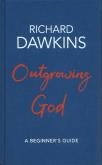
Should we believe in God? In this new book, written for a new generation, the brilliant science writer and author of The God Delusion, explains why we shouldn’t.
Should we believe in God? Do we need God in order to explain the existence of the universe? Do we need God in order to be good? In twelve chapters that address some of the most profound questions human beings confront, Dawkins marshals science, philosophy and comparative religion to interrogate the hypocrisies of all the religious systems and explain to readers of all ages how life emerged without a Creator, how evolution works and how our world came into being.
For anyone hoping to grapple with the meaning of life and what to believe, Outgrowing God is a challenging, thrilling and revelatory read.
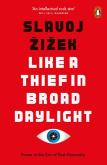
In recent years, techno-scientific progress has started to utterly transform our world - changing it almost beyond recognition. In this extraordinary new book, renowned philosopher Slavoj Zizek turns to look at the brave new world of Big Tech, revealing how, with each new wave of innovation, we find ourselves moving closer and closer to a bizarrely literal realisation of Marx's prediction that 'all that is solid melts into air.' With the automation of work, the virtualisation of money, the dissipation of class communities and the rise of immaterial, intellectual labour, the global capitalist edifice is beginning to crumble, more quickly than ever before-and it is now on the verge of vanishing entirely.
But what will come next? Against a backdrop of constant socio-technological upheaval, how could any kind of authentic change take place? In such a context, Zizek argues, there can be no great social triumph - because lasting revolution has already come into the scene, like a thief in broad daylight, stealing into sight right before our very eyes. What we must do now is wake up and see it.
Urgent as ever, Like a Thief in Broad Daylight illuminates the new dangers as well as the radical possibilities thrown up by today's technological and scientific advances, and their electrifying implications for us all.
Filozofia człowieka i jego rola dla społeczności, wspólnotowości a także dla całego rodu ludzkiego stanowi żywotny gwarant dla filozofii prawa i organizowania się systemu państwa. Spoiwem, tworzywem łączącym te dwie materie przedmiotu poznania jest sfera racjonalizmu i sfera kondycji emocjonalno-wolitywnej jednostki. Ukierunkowanie na myślenie optymistyczne, odważne i kreatywne ogarniające także głęboką wiarę w zasady i potencjały rozwojowe osoby ,uznającej rozwój swojego środowiska wewnętrznego i zewnętrznego za wyraz sięgania do ideałów i realizowania wartości. Ażeby zrozumieć stan harmonii człowieka z otoczeniem poprzez domaganie się urzeczywistnienia potrzeb wyższego rzędu jako duchowych uwzględniających akceptację wartości indywidualnych oraz grupowych należy przyjąć paradygmat wielopoziomowości i wielopłaszczyznowości do ukazania tejże relacyjności. Takie podejście metodologiczne pozwoli zobrazować dynamizm zmiany obrazu samoświadomości, samopotwierdzania i samowychowania jednostki w stronę integralnego rozwoju osobowościowego będącego stanem dojrzałości intelektualnej, emocjonalnej i uczuciowo-wolitywnej na rzecz dobra wspólnego.
Katarzyna Szewczyk-Haake w swych interpretacjach eksponuje fundamenty postawy etycznej, jaką ewokują dzieła Józefa Wittlina. Badaczka opisuje z wyczuciem i znawstwem składniki duchowej autobiografii człowieka poddanego niełatwym, lecz wyrazistym wyborom moralnym. Niewątpliwą zasługą prezentowanego w książce podejścia jest ukazanie siły dykcji artystycznej oraz przejrzystości aksjologicznego wymiaru utworów pisarza, a jednocześnie oświetlenie ich uniwersalizmu. Dzięki temu dowiadujemy się, w jaki sposób ważne dla Wittlina idee żyją w zmieniającym się czasie historycznym.
Autor w książce skupia się na wieloznaczności terminu „egzystencjalizm” oraz bada niespokojne granice literatury i filozofii, ich wzajemne przenikanie się i oddziaływanie. Wykazuje, że egzystencjalizm nie był tylko zjawiskiem zachodnioeuropejskim, ale zaistniał w literaturze na polskim gruncie Pokolenia ’56. Wątki egzystencjalne analizuje w debiutanckich tekstach prozatorskich takich pisarzy, jak Stanisław Czycz, Ireneusz Iredyński, Stanisław Stanuch i Eugeniusz Kabatc.
Najnowsza książka brytyjskiego filozofa Tima Crane’a to kamień milowy w dyskusji o wierze i ateizmie. Autor stawia sobie za cel zrozumienie fenomenu religii z punktu widzenia ateisty, czyni to jednak w zupełnie innym duchu niż wyznawcy „nowego ateizmu” – jak Richard Dawkins czy Daniel Dennet – którzy sprowadzają wiarę do ułudy ludzkiej wyobraźni. Wierzący nie rozpoznają siebie w stworzonym przez nich karykaturalnym obrazie. Tymczasem Crane jest świadom, że ani religia, ani ateizm nie przestaną być obecne w życiu ludzi, dlatego dialog jest konieczny. I to dialog na poziomie intelektualnym, poznawczym. Jego książka wskazuje filozoficzne obszary, gdzie ateista może spotkać się z wierzącym. Sens wiary jest pierwszą książką Tima Crane’a przełożoną na język polski.
W gorączce współczesnych debat i dyskusji coraz więcej osób stawia sobie pytanie: czy transhumanizm jest tylko chwilową, ale opłacalną, naukową modą, czy też istotnym nurtem medyczno-filozoficznym głoszącym odważną tezę – ewolucja biologiczna wygenerowała niedoskonałą formę homo sapiens, którą teraz możemy poprawić.
Dzisiejsza biotechnologia stwarza już szansę ulepszenia biologiczno-umysłowej kondycji człowieka, bo medycyna i genetyka pozwalają na coraz poważniejsze ingerencje w ludzki organizm. Jest w tym pragnieniu ufność na otwarcie drogi do powstania nowej populacji – ludzi ulepszonych, bo wyzwolonych z biologicznych, genetycznych i psychicznych niedoskonałości. Czy jednak jest to nowa nadzieja ludzkości, czy też początek przerażającej ideologii proklamującej pojawienie się postczłowieka? Takich pytań nie można bagatelizować.
Cieszy więc, że z inicjatywy Piotra Duchlińskiego i ks. Grzegorza Hołuba powstała książka Ulepszanie moralne człowieka. Perspektywa filozoficzna, w której podjęto jeden z ważnych obecnie problemów etycznych – możliwości ulepszenia człowieka na poziomie moralnym. Autorzy zebranych w książce tekstów starają się ocenić transhumanistyczne idee przede wszystkim z punktu widzenia filozoficznego, odważnie szukając odpowiedzi na trudne pytanie: czy transhumanizm – popularny dziś, zarówno w naukach empirycznych, jak i humanistycznych, nurt refleksji nad przyszłością ludzkiej populacji – jest godziwą i słuszną próbą wypracowania nowych form biologicznej i świadomościowej kondycji człowieka? Ludzie nauki, a szczególnie filozofowie, nie mogą przejść obojętnie zarówno wobec mocnych tez transhumanizmu, jak i biomedycznych eksperymentów podejmowanych obecnie w wielu laboratoriach na całym świecie. Idea „człowieka ulepszonego” domaga się poważnej debaty nad zasadnością i etyczną godziwością możliwych, ale jednocześnie kontrowersyjnych skutków prac technologicznych.
ks. dr hab. Jacek Grzybowski, prof. UKSW
Zasadnicze pytanie, jakie stawiają sobie autorzy książki, brzmi następująco: czy możliwe jest ulepszenie moralne człowieka oraz czy proponowane działania są słuszne, czy może powodują one dokładnie odwrotne efekty? Drugim, może mniej wyraźnie sformułowanym, jest pytanie: na ile mogą być przydatne/szkodliwe rozważania i propozycje tak zwanego posthumanizmu.
Rekomenduję wydanie książki, bo jej autorzy podają wiele cennych informacji i sposobów argumentowania, a tematyka w niej poruszona będzie z pewnością często podejmowana w bliższej i dalszej przyszłości. Materiał zgromadzony w książce może się okazać rodzajem wprowadzenia w zagadnienia, które dla wielu są zupełnie nieznane.
ks. prof. dr hab. Ryszard Moń
Ten produkt jest zapowiedzią. Realizacja Twojego zamówienia ulegnie przez to wydłużeniu do czasu premiery tej pozycji. Czy chcesz dodać ten produkt do koszyka?