W tej strefie proponujemy bardzo szeroką ofertę z dziedziny psychologii oraz dziedzin powiązanych: astronomii i astrofizyki, ekologii, filozofii, kultury, podróżnictwa, religii, socjologii, sztuki. Szczególnie polecamy z tej kategorii bestseller pt. Księga Urantii. Księga Urantii podaje jasną i zwięzłą integracją nauki, filozofii i religii. Ci, którzy ją czytali i zgłębiali, wierzą, że Księga Urantii może wnieść bardzo wiele wartości do religijnej i filozoficznej myśli ludzi tego świata.
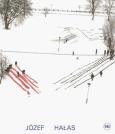
The first monograph in English on a major Polish painter.
Józef Halas (1927-2015) is one of the major Polish painters of his generation. Active in Wroclaw from 1949 until his death, first as a student and then as an artist and teacher, he left a unique body of work that, like many of those built largely during the Cold War, remained long unrecognized in Western Europe and North America. The Mountain series, which occupied most of his activity during the 1960s, marks both a strong connection with nature and a distance from the landscape painting tradition. The following series, Oppositions, Partitions, Verticals, Obliques, Levels and Interiors, constitute the pinnacle of his production and testify to a poetics of contradiction which is embodied in multiple and successful ways. The Pocket Gouaches, begun in the late 1970s, reveal an artist who has always remained open to experimentation. For a decade, the history of art has fortunately opened its field of investigation, modernity has become plural and its actors have become more numerous. There is no doubt that Józef Halas must now be counted as one of the important players in this global history. This monograph, with texts by Michel Gauthier, curator at the Centre Pompidou, Magdalena Howorus-Czajka, professor at the University of Gdansk, and Marjolaine Lévy, art critic, aims to contribute to the knowledge of Halas’s work beyond Poland and by placing it in an international context.
Object Logos contains a carefully curated selection of logos, trademarks and symbols from around the world formed of objects such as scissors, musical instruments, sports kit, tools, keys and stationery.
Jezus żyje! I wciąż działa, uzdrawiając i uwalniając wszystkich, którzy przychodzą do Niego z wiarą. Jak rozpoznać źródło cierpienia, które dotyka ciało i ducha? Jak otworzyć się na dar uzdrowienia duchowego i fizycznego? Jaką rolę pełni modlitwa wdzięczności i przebaczenia? Jak zaakceptować swoją historię i samego siebie? W nowej, długo wyczekiwanej książce o. JÓZEF WITKO – franciszkanin, rekolekcjonista i kapłan od wielu lat posługujący modlitwą o uzdrowienie – dzieli się swoim świadectwem wiary. Współczesny człowiek cierpi z powodu chorób fizycznych i psychicznych, zranień serca i braku przebaczenia, kłopotów finansowych, samotności, nałogów, trudności w relacjach społecznych, małżeńskich i rodzinnych. Przytłoczony tymi problemami pochyla się coraz bardziej ku ziemi, zapominając o Bogu, który czuwa nad jego życiem. Co zrobić, aby BOŻA ŁASKA MOGŁA NAS DOTKNĄĆ I PRZEMIENIĆ ? Trzeba na nowo zaufać Bogu, nauczyć się Go uwielbiać i dziękować Mu, pomimo bólu, w sytuacjach trudnych i na pozór beznadziejnych. Trzeba uwierzyć, że poznawanie Boga i doświadczenie Jego miłości jest pierwszym etapem uzdrowienia i uwolnienia, jest drogą do spotkania z Tym, który PRAWDZIWIE USZCZĘŚLIWIA. W książce znajdziesz wiele ŚWIADECTW i historii, które pomogą ci uwierzyć w Bożą moc i Jego działanie w życiu każdego człowieka.
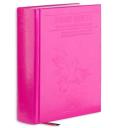
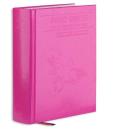
Najnowszy przekład Pismo Święte z komentarzem opracowane przez Zespół Biblistów Polskich z inicjatywy Towarzystwa Świętego Pawła stworzono tak, aby jak najlepiej oddać po polsku sens oryginalnego tekstu biblijnego. Zostało zredagowane z maksymalną wiernością oryginalnemu tekstowi, z uwzględnieniem współczesnych badań nad Pismem Świętym.Wygodne pomoce Nowy przekład Pisma Świętego zawiera liczne komentarze, przypisy, wprowadzenia do poszczególnych ksiąg, teksty paralelne, tablice chronologiczne, mapy, a także słownik terminów biblijnych. Te pomoce pomogą Ci zrozumieć tekst biblijny, a także dostrzec główne myśli i przesłanie w nim zawarte.Łatwa interpretacja Twórcy nowego przekładu Pisma Świętego zadbali o to, aby tekst był zgodny z zasadami współczesnego literackiego języka polskiego. W przypisach i komentarzach nie znajdziesz specjalistycznego języka teologicznego - wszystko po to, aby tekst był jak najbardziej przystępny dla czytelnika.Przejrzysty układ graficzny Układ graficzny Pisma Świętego jest nowoczesny i przejrzysty, abyś mógł sprawniej i wygodniej z niego korzystać. Przypisy oraz odnośniki do innych miejsc w Biblii umieszczono na marginesach stron. Abyś szybko znalazł wybrane miejsce w Piśmie świętym, w dolnych rogach stron zamieszczono skrócone nazwy ksiąg wraz z zakresami tekstu biblijnego.12 lat pracy specjalistów Opracowanie nowego tłumaczenia z języków: hebrajskiego, aramejskiego i greckiego trwało 12 lat. W projekcie wzięło udział ok. 90 osób - biblistów, redaktorów, polonistów, językoznawców i innych. Nowe tłumaczenie wzbogaca różnorodność dostępnych przykładów, co pozwala zrozumieć Pismo Święte z różnych perspektyw.Wygodne wydanie z paginatorami w różowej oprawie To Pismo Święte w twardej, różowej oprawie o wymiarach 16 cm x 22 cm doskonale sprawdzi się podczas domowego użytkowania. Na froncie umieszczono delikatne tłoczenia gołębicy i napisów. Czcionka 10,5 pkt jest czytelna i przejrzysta. Dla jeszcze większej wygody, to wydanie zawiera paginatory - specjalne zakładki na marginesach ułatwiające wyszukiwanie fragmentów. Na naszej stronie znajdziesz również praktyczne oprawy do Pisma Świętego. Duży wybór wzorów i kolorów pozwoli Ci znaleźć oprawę dopasowaną do Twoich upodobań.
Przewodnik żeglarski po Morzu Jońskim, niezbędny dla wszystkich planujących rejs w tamte rejony. Poprowadzi Was w najciekawsze, warte zobaczenia miejsca oraz podsunie konkretne rady dotyczące trasy żeglugi. Dzięki niemu zyskacie informacje o najważniejszych portach, marinach i kotwicowiskach. Liczne kolorowe zdjęcia, mapy poglądowe oraz plany portów pomogą w nawigacji, a dodatkowe wskazówki poprowadzą na interesujące piesze wycieczki po wybrzeżu.
Japan's contemporary architecture has long been among the most inventive in the world, recognized for sustainability and infinite creativity. No fewer than eight Japanese architects have won the Pritzker Prize.Since Osaka World Expo ’70 highlighted contemporary forms, Japan has been a key player in global architecture. Tadao Ando's geometry put Japanese building on the map, bridging East and West. After his concrete buildings, figures like Kengo Kuma, Shigeru Ban, and Kazuyo Sejima pioneered a more sustainable approach. Younger generations have taken new directions, in harmony with nature, traditional building, and an endless search for forms.Presenting the latest in Japanese building, this book links this unique creativity to Japan's high population density, modern economy, long history, and continual disasters in the form of earthquakes. Accepting ambiguity, constant change, and catastrophe is a key to understanding how Japanese architecture differs from that of Europe or America.Derived from the XL-sized book, this affordable edition highlights 39 architects and 55 exceptional projects by Japanese masters—from Tadao Ando’s Shanghai Poly Theater, Shigeru Ban’s concert hall La Seine Musical, SANAA’s Grace Farms, Fumihiko Maki’s 4 World Trade Center to Takashi Suo’s much smaller sustainable dental clinic. An elaborate essay traces the building scene from the Metabolists to today, showing how the interaction of past, present, and future has earned contemporary Japanese architecture worldwide recognition.
Książka ta powstała z potrzeby serca i wdzięczności dla św. Jana Pawła II. Tytuł publikacji Jan Paweł II - dziedzictwo przyszłości wyraźnie wskazuje, że jego bogate dziedzictwo nie jest tylko śladem czy jakimś reliktem przeszłości, ale ma ogromny wpływ na przyszłość naszego pokolenia i nowych pokoleń, którym chcemy przekazać życiodajne źródło jego myśli do odnajdywania fundamentów prawdziwego ludzkiego szczęścia. Przekazując Państwu myśli zawarte w tej książce, chcę się wpisać w pokorze, szacunku i wdzięczności dla Jana Pawła II w to żywe dziedzictwo, przechodzące w sztafecie pokoleń z przeszłości przełomu wieków, przez naszą niespokojną teraźniejszość, w niepewną przyszłość, z niegasnącym źródłem nadziei.
Mam nadzieję i tego życzę Wszystkim, którzy sięgną po tę książkę, żeby zawarte w niej myśli wpisywały się w realizację duchowego testamentu Jana Pawła II: "nie lękajcie się", pokazując i wskazując różne aspekty tego wspaniałego i ciągle aktualnego przesłania nadziei Jana Pawła II dla współczesnego i przyszłego świata. Tak postrzegam osobę, życie i dzieło św. Jana Pawła II. W duchu wdzięczności i odpowiedzialności za doświadczone i otrzymane dobro, chcę je przekazać, w takim skromnym wymiarze tej publikacji, następnym pokoleniom jako dziedzictwo przyszłości.
Z książki tej dowiemy się, co w Polsce jest ciekawe i interesujące. Wiadomości dotyczą położenia, hydrologii, klimatu czy demografii naszego kraju. Znajdziemy tu obiekty najstarsze, największe, najmniejsze, najwyższe, najdłuższe, najgłębsze, najwyżej i najniżej położone oraz wiele innych. Będą to osobliwości przyrody i perły architektury. Zapraszamy do lektury!
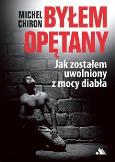
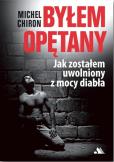
Jak zostałem uwolniony z mocy diabła Michel Chiron, pedagog z Instytutu Medyczno-Edukacyjnego w Cher, doświadczył demonicznego opętania. Jego świadectwo, zebrane i spisane przez dziennikarza Thomasa Oswalda, jest niezwykłe przynajmniej z kilku zasadniczych powodów. Michel opisuje swoje przeżycia niezwykle jasno, trzeźwo, z wyjątkową precyzją i przekonującą dokładnością, wykluczającą wszelkie podejrzenia o zburzenia psychiczne. Jego świadectwo zostało potwierdzone przez księdza egzorcystę, który przyczynił się do jego uwolnienia, oraz duchownych i świeckich, z którymi się kontaktował. To niezwykłe świadectwo także dlatego, że demaskuje uznawane za zwyczajne, powszechne i nieszkodliwe praktyki ezoteryczne i spirytystyczne, których niebezpieczeństwa zazwyczaj nie jesteśmy świadomi. Historia codziennych zmagań z diabolicznymi doświadczeniami, cierpieniami, walka o wyzwolenie i duchowa podróż Michela potwierdza, że uzdrowienie jest zawsze możliwe.
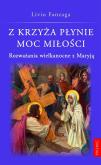
Książka dla tych, którzy chcą duchowo przeżyć czas Wielkiego Postu i przygotować się do Zmartwychwstania Pańskiego, razem z Maryją podążać pod krzyż. Rozważania pozwalające zajrzeć w głąb własnej duszy, przyjrzeć się swojemu życiu, odnowić wiarę. Męka Jezusa jest w rzeczywistości największym darem miłości, jaki Bóg daje ludzkości, przychodząc, aby dzielić skrajne cierpienie, upokorzenie, samotność tych, którzy są niesprawiedliwie oskarżeni... ale przynosząc w tym prawdziwym "piekle" bólu nadzieję, która nigdy nie zawodzi, zmartwychwstanie i odnowione życie, które jest oferowane wszystkim na wieczność.
Jak zostałem uwolniony z mocy diabła Michel Chiron, pedagog z Instytutu Medyczno-Edukacyjnego w Cher, doświadczył demonicznego opętania. Jego świadectwo, zebrane i spisane przez dziennikarza Thomasa Oswalda, jest niezwykłe przynajmniej z kilku zasadniczych powodów. Michel opisuje swoje przeżycia niezwykle jasno, trzeźwo, z wyjątkową precyzją i przekonującą dokładnością, wykluczającą wszelkie podejrzenia o zburzenia psychiczne. Jego świadectwo zostało potwierdzone przez księdza egzorcystę, który przyczynił się do jego uwolnienia, oraz duchownych i świeckich, z którymi się kontaktował. To niezwykłe świadectwo także dlatego, że demaskuje uznawane za zwyczajne, powszechne i nieszkodliwe praktyki ezoteryczne i spirytystyczne, których niebezpieczeństwa zazwyczaj nie jesteśmy świadomi. Historia codziennych zmagań z diabolicznymi doświadczeniami, cierpieniami, walka o wyzwolenie i duchowa podróż Michela potwierdza, że uzdrowienie jest zawsze możliwe.
Joanna Karpowicz rozpoczęła swój malarski cykl z Anubisem w roku 2011. Egipskie bóstwo o głowie szakala, psychopomp o rodowodzie starożytnym pojawia się na płótnach Karpowicz w kontekstach współczesnych. Postać Anubisa nie jest personifikacją śmierci. Jest przewodnikiem dusz, „akuszerem odchodzących”, w ujęciu Jungowskim: „End of Life Doula”. Jest tym, który towarzyszy nam w przejściu między jednym światem a drugim. Spotykamy go na końcu swojej drogi, ale dostrzec możemy w ciągu całego życia - w miejscach gdzie granica, pomiędzy dwoma światami jest szczególnie cienka - w “Thin Places”.
“Anubis.Thin Places” to 222 wysokiej jakości reprodukcji wybranych prac malarskich i krótkich form komiksowych autorstwa Karpowicz, realizowanych w latach 2021 - 2023. Artbook ma twardą oprawę, format: 29 x 22 cm i liczy w sumie 240 stron. Czytelnicy znajdą w albumie prace prezentowane na wystawach, jak i nie pokazywane publicznie. Całość zaprojektował Jarek Obważanek (Dymkołamacze). Przedmowę do albumu napisała Małgorzata Czyńska, znajdziecie tu również teksty napisane przez Gaję Grzegorzewską, Łukasza Orbitowskiego, Belę Komoszyńską i Nikodema Rozbickiego.
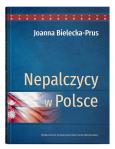
Książka Nepalczycy w Polsce Joanny Bieleckiej-Prus jest pionierskim dziełem, przedstawiającym nierozpoznane dotąd niszowe ścieżki migracyjne i ich kontekst społeczny.Jest to nie tylko monografia wybranej migranckiej społeczności, ale i kompleksowa analiza współczesnych procesów migracyjnych widzianych przez pryzmat jednej grupy migranckiej w wybranym kraju. Autorce udało się uchwycić proces tworzenia się nowej migranckiej społeczności w Polsce i zaprezentować wielostronny obraz powstawania ścieżki migracyjnej prowadzącej z Nepalu do Polski. Z recenzji prof. Anny Horolets
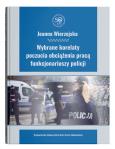
Przekazana mi do recenzji wydawniczej monografia jest niewątpliwie interesującym studium badawczym, poświęconym osobowym i społecznym kontekstom pracy funkcjonariuszy polskiej policji. Dotyczy problematyki mało znanej w akademickich środowiskach pedagogicznych, a jak sądzę również mało rozpoznanej w środowiskach policyjnych (szczególnie wśród kierownictwa policyjnych służb mundurowych). Dlatego też jest niewątpliwie wartościową próbą przybliżenia czytelnikom problematyki bardzo ważnej z naukowego i społecznego punktu widzenia. [] W recenzowanej pracy znajdujemy bardzo wiele interesujących - z poznawczego i praktycznego punktu widzenia - informacji dotyczących uzyskanych wyników badań. Dowiadujemy się o zagrożeniach osobowych i zawodowych funkcjonariuszy policji, ich kondycji psychicznej i psychologicznej, relacjach z otoczeniem społecznym i zawodowym, a także poziomie ich wypalenia zawodowego i stresu. Zebrane przez Autorkę w wyniku badań informacje są cenne i mogą posłużyć do pogłębionej oceny nie tylko uwarunkowań zachowań i postaw społecznych respondentów, ale również do uśrednionej oceny w tym zakresie całej formacji polskiej policji. Recenzowana książka dostarcza niewątpliwie ciekawej lektury Czytelnikom ze środowisk naukowych i akademickich, a przede wszystkim policyjnych. Z recenzji prof. dr. hab. Marka Konopczyńskiego
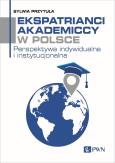
Książka łączy problematykę ekspatriacji z tematyką zarządzania uczelniami wyższymi i odnosi się do kontekstu polskiego.Publikacja ma charakter teoretyczno-praktyczny. W części teoretycznej przedstawiono wnikliwą analizę dorobku naukowego z ostatnich 40 lat na temat ekspatriantów akademickich. Walorem praktycznym są badania empiryczne: wywiady z 50 ekspatriantami akademickimi z różnych krajów i dyscyplin oraz wywiady z 20 kluczowymi informatorami polskich uczelni odpowiedzialnych za politykę internacjonalizacji. Wartością opracowania są opinie i rekomendacje dla udoskonalenia procesu umiędzynarodowienia polskich uniwersytetów, wynikające z doświadczeń indywidualnych naukowców zagranicznych i z perspektywy decydentów uczelni.***Publikacja wypełnia lukę badawczą w zakresie poznania zjawiska ekspatriacji akademickiej w Polsce, zarówno na poziomie indywidualnym, jak i instytucjonalnym. Bardzo bogaty, systematyczny przegląd literatury światowej, starannie zaprojektowane i przeprowadzone pod względem metodycznym i merytorycznym autorskie badania, dojrzały wywód naukowy, trafnie formułowane wnioski to istotne walory tej pracy. Książka z pewnością znajdzie Czytelników wśród osób decydujących o kierunkach umiędzynarodowienia szkolnictwa wyższego w Polsce, a także wśród władz uczelni oraz osób bezpośrednio nadzorujących działania, wpisujące się w jeden z głównych celów reformy szkolnictwa wyższego w Polsce z 2018 roku, którym było zwiększenie umiędzynarodowienia uczelni we wszystkich obszarach ich działalności.Z recenzji dra hab. Krzysztofa Lei, prof. Uniwersytetu Gdańskiego***Książka jest interesującą pozycją. Może zaciekawić zarówno przedstawicieli świata nauki, jak i osoby zajmujące się zarządzaniem uczelniami czy też kształtowaniem systemu nauki i szkolnictwa wyższego.Z recenzji prof. dr hab. Beaty Glinki, Uniwersytet Warszawski
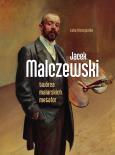
Spuścizna Jacka Malczewskiego (1854-1929) od lat przyciąga miłośników sztuki i intryguje badaczy: historyków sztuki, filozofów, a także literaturoznawców. Autorka prezentuje artystę na naszkicowanym z rozmachem tle epoki, opowiada o jego życiu osobistym, twórczych poszukiwaniach i malarskich inspiracjach, rozszyfrowuje złożoną symbolikę jego dzieł, pozostając przy tym czytelnikowi pole do własnej interpretacji bogatych w metafory płócien.
Rekonstrukcja doświadczenia uczestnictwa w kulturze utrwalonego w dwudziestowiecznej literaturze dokumentu osobistego stała się podstawą do refleksji teoretycznej nad kulturą relacyjną i wyzwaniami dla edukacji kulturalnej. Zgodnie z imperatywem nowej humanistyki autorka wykorzystuje wnioski z badań do zakreślenia pola praktycznej użyteczności, definiując edukację kulturalną oraz wskazując możliwości jej wykorzystania w formacji osobowej, a także w kształtowaniu procesu kultury. Wskazaną w niniejszym opracowaniu propozycją możliwą do realizacji w ramach edukacji kulturalnej jest kształcenie zdolności do wyrażania wdzięczności. Jak wskazuje autorka, w tym procesie formacyjnym skuteczną rolę może odgrywać literatura. Walorem pracy jest również przedstawiona w części analitycznej dialogiczna rekonstrukcja środowiska redaktorów tworzących najważniejsze czasopisma i wydawnictwa tj.: Jerzego Giedroycia, Józefa Sadzika, Jerzego Turowicza, Zygmunta Mycielskiego, Barbary Toruńczyk. Ludzi zawodowo pracujących w sferze kultury polskiej, którzy nad rynkową konkurencyjność i polityczne czy też światopoglądowe podziały przedkładali środowiskową życzliwość. W części badawczej istotnym odniesieniem dialogicznych rekonstrukcji stały się również doświadczenia twórcze zrekonstruowane na postawie korespondencji Thomasa Mertona i Czesława Miłosza, Józefa Czapskiego i Zygmunta Mycielskiego, Józefa Czapskiego i Janusza Marciniaka oraz Josifa Brodskiego i Czesława Miłosza. Pozwoliły one na wydobycie walorów relacyjności w procesie twórczym, jak i ujawniły cenną kategorię wdzięczności, którą autorka proponuje uznać za tkankę łączną kultury relacyjnej, istotną w projektowaniu edukacji kulturalnej.
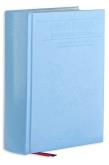
Pismo Święte z komentarzem opracowane przez Zespół Biblistów Polskich z inicjatywy Towarzystwa Świętego Pawła stworzono tak, aby jak najlepiej oddać po polsku sens oryginalnego tekstu biblijnego. Zostało zredagowane z maksymalną wiernością oryginalnemu tekstowi, z uwzględnieniem współczesnych badań nad Pismem Świętym.Wygodne pomoce Nowy przekład Pisma Świętego zawiera liczne komentarze, przypisy, wprowadzenia do poszczególnych ksiąg, teksty paralelne, tablice chronologiczne, mapy, a także słownik terminów biblijnych. Te pomoce pomogą Ci zrozumieć tekst biblijny, a także dostrzec główne myśli i przesłanie w nim zawarte.Łatwa interpretacja Twórcy nowego przekładu Pisma Świętego zadbali o to, aby tekst był zgodny z zasadami współczesnego literackiego języka polskiego. W przypisach i komentarzach nie znajdziesz specjalistycznego języka teologicznego - wszystko po to, aby tekst był jak najbardziej przystępny dla czytelnika.Przejrzysty układ graficzny Układ graficzny Pisma Świętego jest nowoczesny i przejrzysty, abyś mógł sprawniej i wygodniej z niego korzystać. Przypisy oraz odnośniki do innych miejsc w Biblii umieszczono na marginesach stron. Abyś szybko znalazł wybrane miejsce w Piśmie świętym, w dolnych rogach stron zamieszczono skrócone nazwy ksiąg wraz z zakresami tekstu biblijnego.12 lat pracy specjalistów Opracowanie nowego tłumaczenia z języków: hebrajskiego, aramejskiego i greckiego trwało 12 lat. W projekcie wzięło udział ok. 90 osób - biblistów, redaktorów, polonistów, językoznawców i innych. Nowe tłumaczenie wzbogaca różnorodność dostępnych przykładów, co pozwala zrozumieć Pismo Święte z różnych perspektyw.Błękitna oprawa i paginatory To wydanie Pisma Świętego wykończono twardą oprawą w spokojnym, błękitnym kolorze, który przywodzi na myśl wyciszenie i skupienie potrzebne do modlitwy. Delikatne tłoczenia w postaci gołębicy oraz napisów czynią ją gustowną i stylową. Wymiary 16 cm x 22 cm oraz czcionka 10,5 pkt sprawiają, że Pismo wygodnie i łatwo się czyta. Dodatkowe udogodnienie to paginatory - specjalne zakładki na marginesach ułatwiające wyszukiwanie fragmentów. W naszym sklepie znajdziesz również praktyczne oprawy z suwakiem do Pisma Świętego. Duży wybór wzorów i kolorów pozwoli Ci znaleźć oprawę idealną dla Ciebie.
Pismo Święte ST i NT - kolor różowy, format standard oprawa twarda skóropodobna Najnowszy przekład Pisma Świętego z komentarzem opracowany przez Zespół Biblistów Polskich z inicjatywy Towarzystwa Świętego Pawła.Pismo Święte dla całej rodziny - pierwszy przekład w trzecim tysiącleciu. Idea i cechy najnowszego przekładu Pisma Świętego: Maksymalna wierność tekstowi oryginalnemu, z uwzględnieniem w tłumaczeniu zasad współczesnego literackiego języka polskiego. Dbałość o to, aby jak najlepiej oddać po polsku sens oryginalnego tekstu biblijnego. Uwzględnienie w tłumaczeniu i komentarzach do tekstu biblijnego współczesnych badań nad Pismem Świętym. Unikanie w przypisach i komentarzach specjalistycznego języka teologicznego. Umieszczenie przed każdą księgą, a także przed zbiorami ksiąg (np. Ewangelie) zwięzłych wprowadzeń, pozwalających czytelnikowi uchwycić kontekst powstania danej księgi lub zbioru ksiąg, a także istotę zawartej w nich treści. Nowoczesny i przejrzysty układ graficzny pozwalający sprawniej korzystać z Pisma Świętego, tzn.: - paginatory ułatwiające poruszanie się po księdze Pisma Świętego (uwaga: ze względów technicznych są tylko 54 paginatory), - przypisy z informacjami koniecznymi do zrozumienia tekstu biblijnego, umieszczone na zewnętrznych marginesach stron, - komentarze do poszczególnych fragmentów, na które podzielony jest tekst biblijny, ukazujące główne myśli oraz przesłanie w nich zawarte, - odnośniki do innych miejsc w Biblii, umieszczone na wewnętrznych marginesach stron, - skrócone nazwy ksiąg wraz z zakresami tekstu biblijnego, umieszczone w dolnych rogach stron, ułatwiające szukanie wybranego miejsca w Piśmie Świętym. - słownik wyjaśniający 186 terminów biblijnych, tablice chronologiczne i mapy, które przybliżają kontekst historyczny i geograficzny wydarzeń biblijnych. Wielkość czcionki 10,5 pkt. Dodatkowe informacje: Realizacja projektu trwała 12 lat. Wzięło w nim udział ok. 90 osób (m.in. biblistów, redaktorów, polonistów, językoznawców). Księgi Pisma Świętego zostały przetłumaczone z języków: hebrajskiego, aramejskiego i greckiego. Najnowsze tłumaczenie Pisma Świętego zawiera "Słowo wstępne" abp Józefa Michalika, Przewodniczącego Konferencji Episkopatu Polski, a także Imprimatur wydane przez bp Zygmunta Zimowskiego, Przewodniczącego Komisji Nauki Wiary Konferencji Episkopatu Polski. Celem nowego przekładu Pisma Świętego nie jest wyeliminowanie z użycia istniejących przekładów, ale wzbogacenie istniejącej już tradycji translatorskiej. Różnorodność przekładów pozwala widzieć Pismo Święte z różnej perspektywy, co w konsekwencji daje lepsze i głębsze rozumienie zawartego w nim orędzia zbawczego. W 1996 r. polscy Pauliści podjęli inicjatywę nowego tłumaczenia całego Pisma Świętego z języków oryginalnych i opatrzenia go całościowym komentarzem. Rozpoczęciu prac towarzyszyła aprobata władz kościelnych oraz błogosławieństwo papieża Jana Pawła II. Wielkie znaczenie dla pomyślnego zrealizowania tego projektu miała entuzjastyczna odpowiedź polskich biblistów, którzy widzieli potrzebę przygotowania nowego tłumaczenia Pisma Świętego. Pierwszym zwieńczeniem żmudnych prac było wydanie w 2005 r. Nowego Testamentu i Psalmów. Mniej więcej dwa i pół roku po wydaniu NT i Psalmów zostały zakończone prace nad całością Pisma Świętego, które Wydawca (Edycja Świętego Pawła) z wielką radością pragnie oddać do rąk wszystkim wierzącym w Chrystusa i wszystkim ludziom dobrej woli, poszukującym Prawdy.
„Malarstwo Jerzego Dudy Gracza to swoista opowieść o Polsce. Twórca pozostawił po sobie blisko trzy tysiące obrazów. Krzysztof Teodor Toeplitz pisał o twórczości artysty, że to świat głęboki i tragiczny. Świat, w którym człowiek nie może znaleźć wewnętrznej harmonii, miejsca i spokoju. Malarz wnikliwie i bezpośrednio przedstawia człowieka, pejzaż czy dany motyw, uciekając jednocześnie od jakiejkolwiek idealizacji. Budowane specyficznymi, wypracowanymi przez artystę środkami wyrazu kompozycje nie stronią od deformacji i groteski. Sprawiają wrażenie przedstawień w „krzywym zwierciadle”. Takie przetwarzanie realizmu pozwoliło niejako na sklasyfikowanie twórczości Dudy Gracza pomiędzy takimi kierunkami, jak surrealizm i symbolizm. Nostalgiczny charakter pejzaży w schyłkowym okresie twórczości artysty przywodzi na myśl silne związki z romantyzmem, nie jest to jednak bezpośrednia inspiracja. Jest to raczej wypadkowa wielu aspektów interesujących artystę, takich jak ukazywanie pierwotności krajobrazu polskiego, wraz z odczuwalną nostalgią faktu, iż z dnia na dzień jest on tracony. Jest to również nawiązanie do dawnych mistrzów oraz silna inspiracja naturą. W ten sposób powstawały dzieła hybrydalne, łączące w sobie realistyczne elementy z partiami silnej, mocnej deformacji i groteski. Artysta, scalając te dwa, poniekąd przeciwne sobie obszary, stworzył dzieła, do których trudno znaleźć bezpośrednie analogie w sztuce polskiej.”
Ten produkt jest zapowiedzią. Realizacja Twojego zamówienia ulegnie przez to wydłużeniu do czasu premiery tej pozycji. Czy chcesz dodać ten produkt do koszyka?