W tej strefie proponujemy bardzo szeroką ofertę z dziedziny psychologii oraz dziedzin powiązanych: astronomii i astrofizyki, ekologii, filozofii, kultury, podróżnictwa, religii, socjologii, sztuki. Szczególnie polecamy z tej kategorii bestseller pt. Księga Urantii. Księga Urantii podaje jasną i zwięzłą integracją nauki, filozofii i religii. Ci, którzy ją czytali i zgłębiali, wierzą, że Księga Urantii może wnieść bardzo wiele wartości do religijnej i filozoficznej myśli ludzi tego świata.
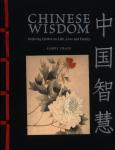
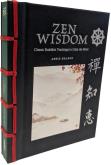
Ancient Chinese culture has a been a rich source of wisdom for many millennia: Chinese Wisdom provides a concise insight into the ideas of great Chinese thinkers, arranged thematically.
Living in the 5th century BCE, great teacher Confucius laid the foundations for an outlook and way of life that focused on correct behaviour, humaneness and respect for one’s elders, precepts that are deeply embedded across East Asian countries to this day.
His disciple, Meng Ke, outlined new ideas for rulers which provided the basis of Chinese political culture for many centuries afterwards. Laozi, the founder of Taoism and author of the Tao Te Ching, wrote about the Tao, or the Way – the correct way of living attainable to all and which links all things.
Sun Tzu’s Art of War provides advice on how to overcome and outwit an opponent (the basic tenets of which are often applied to business strategy today), while Zhu Xi taught the advantages of meditation as a method for self-knowledge and self-cultivation.
Beautifully produced in traditional Chinese binding, Chinese Wisdom offers more than 80 succinct quotes from Chinese thinkers through the ages, on topics as wide- ranging as filial piety, love, clear thinking, work, business, war and family.
Książkę Jak poznać Podlasie? napisało życie. Słowami namalowałem obrazy moich przeżyć, zachwytów, radości, refleksji i przemyśleń. Dzielę się tym, czego Podlasie nauczyło mnie na przestrzeni ostatnich 25 lat. Słowa momentami zdają się być zbyt ciasne, więc ich uzupełnieniem są fotografie, które tu znajdziecie. Nie chciałem pisać kolejnej książki o Podlasiu, która byłaby kalką czy interpretacją tego co już zostało opowiedziane czy wydane. Sięgnąłem w głąb serca i otworzyłem szeroko okna duszy, żeby podzielić się moją własną opowieścią o tym jak ja poznawałem Podlasie. Głęboko wierzę w to, że ta książka pomoże innym w odkrywaniu piękna tej krainy. Zapraszam do Krainy Ludzi Otwartych Serc i Otwartych Okiennic! Mikołaj Gospodarek Jeśli chciałbyś wiedzieć: gdzie na Podlasiu mieszka Leonardo da Vinci gdzie jest miasteczko, w którym na środku drogi stoi studnia gdzie nad Biebrzą, Bugiem i Narwią są najpiękniejsze zachody, a gdzie wschody słońca, i gdzie są ścieżki przyrodnicze jak się nie dać komarom w Puszczy Białowieskiej jak znaleźć źródła Biebrzy gdzie zjeść, żeby pokochać kartacze miłością czystą i do grobowej deski gdzie odespać zarwane noce jakie miasteczka odwiedzić do której cerkwi zajrzeć w której wsi się zatrzymać, żeby posłuchać śpiewnej mowy gdzie najlepiej słychać ciszę i widać milion gwiazd To z całą pewnością ta książka jest dla Ciebie. Z przewodnika Mikołaja Gospodarka dowiesz się takich rzeczy o Podlasiu, których nie wie o sobie nawet samo Podlasie. Zajrzyj, poczytaj i ruszaj w drogę! Po własną opowieść o Podlasiu
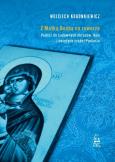
Co znajdziesz w tej książce? Ludzi, Matkę Boską, rower, Podlasie, siebie... Jednym słowem - wszystko! Tytuł "Z Matką Boską na rowerze. Podróż do cudownych obrazów, ikon i świętych źródeł Podlasia" sugeruje Ci, że to kolejny nudny przewodnik turystyczny? Jeżeli tak - jesteś w ogromnym błędzie! Wojciech Koronkiewicz, pisząc tę książkę, postawił sobie o wiele ambitniejszy cel. Pragnął dać czytelnikowi żywy, przemawiający do wyobraźni obraz ziemi podlaskiej, a przede wszystkim jej religijności. Religijności, która na przestrzeni wieków, ze względu na położenie geograficzne, stała się niezwykle interesującą i niepowtarzalną. Łączącą Wschód i Zachód, Rzym i Konstantynopol, katolicyzm i prawosławie. Jaki dokładnie jest tego efekt? W jaki sposób wpłynęło to na sposób myślenia mieszkańców tych ziem? Tego czytelnik ma dowiedzieć się właśnie z tej książki. Czy cel, jaki postawił sobie autor, został spełniony? Czytelnicy bez wahania twierdzą, że tak! W taki sposób o książce pisze Szymon Hołownia: "Koronkiewicz jak nikt umie odmalować ciepłe światło niespiesznych rozmów ludzi pogranicza. Ćwierć wieku temu zostawiłem je, wyjeżdżając w rozkrzyczany świat. Dobrze wiedzieć, że ono wciąż tam jest". Niezależnie więc od tego, czy pochodzisz z Podlasia i chcesz z rozmarzeniem tam wrócić, czy tereny te znane są Ci wyłącznie z opowieści, zachęcamy do lektury!
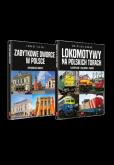
Pakiet dwóch książek :Lokomotywy na polskich torach :Od czasu konstrukcji pierwszej lokomotywy minęło ponad 200 lat. Mimo upływu czasu te majestatyczne pojazdy nadal zachwycają swoją masą i mocą. Dzięki nim od XIX wieku możliwy jest zarówno transport wielkich ładunków, jak i dalekie wyprawy turystyczne. Spośród kilkudziesięciu lokomotyw, przemierzających polskie tory, każda jest inna - każda wyjątkowa. Prezentowane w niniejszej książce pojazdy zostały starannie wybrane i podzielone na trzy grupy: lokomotywy elektryczne, spalinowe oraz parowe. Dzięki temu można rozeznać się w różnorodności tych pojazdów oraz z łatwością odnaleźć konkretny model. Książka Lokomotywy na polskich torach to pozycja zarówno dla wieloletnich hobbystów, jak osób, które dopiero zaczynają poznawać spiritus movens polskich składów kolejowych. Opis każdego z pojazdów uzupełniają kolorowe fotografie zachęcające do poznania historii i specyfikacji każdej lokomotywy.Zabytkowe dworce w Polsce : Wiele dworców kolejowych w Polsce to prawdziwe perły architektury, na których piękno nie zawsze zwracamy uwagę. A przecież każdy z nich ma swoją duszę i niepowtarzalny charakter, kształtowany pieczołowicie na przestrzeni lat. Wraz z dynamicznym rozwojem sieci kolejowej dworce zmieniły swój kształt - większość uległa rozbudowie, przystosowując się do zwielokrotnionej liczby podróżujących. Obecnie stanowią nie tylko miejsce odprawy pociągów i pasażerów, ale również atrakcyjne powierzchnie handlowe i nierzadko centra rozrywki. Książka Zabytkowe dworce w Polsce prezentuje 21 najpiękniejszych obiektów z całego kraju. Staranne opisy przybliżają historię każdego z nich, prezentując interesujące informacje architektoniczne, oraz zaskakujące ciekawostki. Wszystkie oprawione zostały wyjątkowymi fotografiami zarówno współczesnymi, jak i tymi sprzed lat, które oddają urok tych szczególnych budowli.
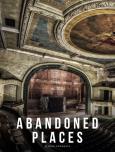
Steam trains half-buried in the desert, roller coasters entangled in trees, hulks of ships perched high and dry miles from water – images like these are bound to make us wonder: what happened here?
From forgotten railway stations to flooded shopping malls, from secret Cold War bunkers to radiation zones, Abandoned Places explores more than 100 fascinating lost worlds from all around the globe. Surveying the ruins of industrial sites and military bases, ghost towns, holiday resorts and airports, the book explains the story of how each place came to be abandoned – whether through natural or chemical disaster, war, economic collapse, or changing tastes and customs. Throughout, though, a picture emerges, not only of what has been lost, but of what remains. Left to the elements but ignored by humanity, these ramshackle settlements and dilapidated structures illuminate times and designs that we thought were long gone.
With 150 outstanding colour photographs exploring hauntingly beautiful locations, Abandoned Places is a brilliant and moving pictorial examination of worlds we have left behind.
“Zen is not effort. Effort is tension, effort is work, effort is to achieve something. Zen is not something to achieve. Just relax, relax so deeply that you become a revelation to yourself.” – Zen proverb
“Zen” is the Japanese pronunciation of Chinese chán, meaning “meditation”. Rather than representing a particular ethic or set of beliefs, Zen Buddhism – as practiced in Japan since the 12th century – is a discipline that seeks to reveal profound insight into the nature of things through thought, experience and meditation, passing on wisdom from master to disciple, rather than through reliance on formal doctrine and ideas.
Zen emphasizes rigorous self-restraint, the practice of meditation, and perceiving the true nature of reality through mindfulness. This insight can be expressed in daily life through acts of kindness towards others.
Beautifully produced in traditional Chinese binding, Zen Wisdom offers more than 80 succinct quotes from Zen masters such as Bankei Yōtaku, Matsuo Bashō, and the Buddha, on topics as wide-ranging as discovering purpose, maintaining concentration, mindfulness, tranquility, learning, kindness and finding joy.
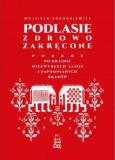
Jeśli kiedykolwiek w Twojej głowie pojawiły się myśli na temat Podlasia, masz ochotę na poznanie tego malowniczego obszaru Polski lub po prostu chcesz zetknąć się z inspirującymi ludźmi, tradycyjnymi smakami albo ciekawymi historiami, to ta książka jest dla Ciebie! Wojciech Maria Koronkiewicz zabierze Cię w niezapomnianą, niezwykłą podróż po fragmencie północno-wschodniej Polski.
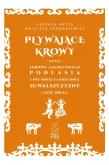
"Pływające krowy, czyli zdrowo zakręconego Podlasia i nie mniej zakręconej Suwalszczyzny część druga" autorstwa Wojciecha Koronkiewicza to kontynuacja fascynującej podróży po regionach Polski pełnej humoru, ciekawostek i niezwykłych historii. W tej książce autor zabiera czytelnika w kolejną wyprawę po Podlasiu i Suwalszczyźnie, odkrywając ich ukryte zakątki, tradycje i niezwykłe postacie. Koronkiewicz w swoim charakterystycznym stylu opowiada o kultowych miejscach, lokalnej kuchni, folklorze i ludziach, których spotyka na swojej drodze. Odkrywa tajemnice jezior, zagadki związane z pływającymi krowami oraz niezliczone anegdoty. Autor wciąga czytelnika w swoje przygody i sprawia, że czuje się on jak uczestnik tej niezwykłej podróży. Jego barwny język i poczucie humoru sprawiają, że lektura staje się prawdziwą przyjemnością. Książka "Pływające krowy, czyli zdrowo zakręconego Podlasia i nie mniej zakręconej Suwalszczyzny część druga" to idealna propozycja dla osób, które chcą poznać te regiony w nietypowy i zabawny sposób. Ta książka jest drugą częścią serii, która opisuje niezwykle urodziwy i tajemniczy region Polski, jakim jest właśnie Podlasie. Każdy tom jest kontynuacją tematu i skupia się na poznawaniu coraz to nowych miejsc oraz lokalnych historii.
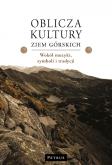
Oddajemy do rąk Czytelnika kolekcję tekstów naukowych, która łączy kilka wspólnych wątków. Pierwszym jest osadzenie w przemianach społecznych, politycznych i kulturowych XIX i XX wieku zarówno doświadczenia misji i charyzmatu Zgromadzenia Zmartwychwstańców, jak i twórczości artystycznej skłaniającej się ku mistyce. Drugim wątkiem jest poszukiwanie spotkania z Nadprzyrodzonym przez sztukę, trzecim – wyrażanie przez formę plastyczną istotnych wartości, jakimi żyły i żyją wspólnota Zmartwychwstańców oraz społeczeństwo XIX i XX wieku.
Na pierwszą część książki składają się teksty, które łączy jedna istotna wspólna nić. Jest nią historia, charyzmat, czyli szczególny, niepowtarzalny zestaw wartości właściwy dla wspólnoty zakonnej, oraz misja społeczna, duchowa, pasterska i kulturowa Zmartwychwstańców – zgromadzenia zakonnego, które powstało z klęsk, beznadziei, ale również z wysiłków i poszukiwania przez Polaków nadziei na przyszłość w XIX wieku. Koleje losu oraz dokonania tej wspólnoty – zarówno na polu kościelnym, jak i społecznym – są przedmiotem badań naukowych, ale aktywność Zmartwychwstańców w dziedzinie promocji sztuk plastycznych oraz inicjowania realizacji architektonicznych, malarskich, rzeźbiarskich i złotniczych pozostaje w cieniu. Zaprezentowane studia mają przełamać te tendencje i zainicjować badania nad artystycznym nurtem w posłudze zgromadzenia. Drugą część książki poświęcono zagadnieniom mistyki chrześcijańskiej jako jednemu z charyzmatów Zmartwychwstańców, a także aktywności ściśle powiązanej z człowieczeństwem.
Pragnienie doskonałości, wpisane w życie i duszę (psyche) ludzi różnych epok i kultur, mobilizowało ich nieustannie do poszukiwania tejże i jej definiowania m.in. jako Dobra, Piękna, Mądrości, Prawdy, a wreszcie – wszechogarniającej i absolutnie konsekwentnej Miłości. Dla tych Ludzi Światła ascetyczny trud jest tylko formą, drogą konieczną, acz bez znaczenia w trakcie docierania do tego, co najdoskonalsze, i do Tego, który jest samą doskonałością.
Na podstawie artykułów można sformułować pytania fundamentalne dla żyjących w erze postnowoczesnej, postmodernistycznej i posthumanistycznej: czy celem jest nieustanne przypominanie o fragmentaryczności współczesnego człowieka i niedojrzałości jego postawy nastawionej na branie zamiast dawania i dzielenia? Czy celem jest nieustanne przypominanie o upadku, grzechu, niemocy? Podkreślanie i wizualizowanie tego aspektu człowieczeństwa w każdym miejscu? Czy też przypominać należy także o wartościach pozytywnych, o Prawdzie, Dobru i mistycznej drodze, która uczy Miłości i rozbudza pragnienie Piękna, zarówno w jego wymiarze etycznym, duchowym, jak i estetycznym? Czyż te pytania w gruncie rzeczy nie sygnalizują orędzi Ciemności lub Światła?
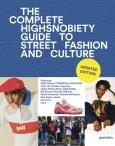
Born in cities like New York, Tokyo and Berlin, street fashion has grown from an underground subculture to a global influence. The creative collision of hip-hop, punk, skateboarding, and luxury brands has redefined the fashion landscape.
This updated edition of The Incomplete delves deeper into the evolution of streetwear, featuring iconic brands such as Supreme and COMME des GARÇONS. It explores the creative collaborations between designers like Pharrell Williams, Virgil Abloh, and Tom Sachs. Based in New York, Berlin, and Tokyo, Highsnobiety remains at the forefront of documenting these movements and their ongoing impact.
With fresh photography and expanded narratives, this edition highlights the latest trends and cultural crossovers shaping today's fashion world. Perfect for anyone interested in how street fashion continues to redefine global style.
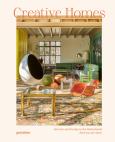
Creative Homes offers a captivating look into the residences of a diverse selection of creative professionals based in the Netherlands. Discover the personal and imaginative interiors of an array of talented professionals—location scouts, graphic designers, florists, architects, artists, and lighting designers. Each of the 20 featured homes is a treasure trove of creativity and inspiration, offering a glimpse into the unique lifestyles and aesthetics of these visionaries.
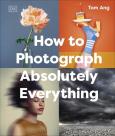
This practical guide from photography expert, Tom Ang, will help you achieve the best shot possible in every scenario – from creating a silhouette to impromptu still lifes.
In our online world, taking a good photograph has become an essential life skill.
Full of essential advice, hints, and tips, How to Photograph Absolutely Everything gives you straightforward step-by-step guidance on what equipment you will need, the best approach for each subject, how to think about composition and find the right light, and how to frame each shot effectively. Checklists allow you to focus on what is important, while “tricks of the trade” show you how to turn a good picture into an amazing one.
From cityscapes to landscapes, and tackling children’s parties to capturing the magic of seasonal celebrations, How to Photograph Absolutely Everything is the essential guide to improving your digital photography skills and getting the most out of your digital camera (or smartphone).
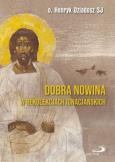
Rekolekcje ignacjańskie Święty Ignacy z Loyoli tak jak wszyscy ludzie szukał szczęścia na różnych drogach swojej życiowej historii. Kiedy został ranny podczas bitwy w Pampelunie, podczas leczenia Bóg obdarzył go łaską duchowej przemiany. Wtedy zaczął robić notatki z własnych rozważań, z których narodziły się Ćwiczenia duchowe, często nazywane rekolekcjami ignacjańskimi. Ich głównym celem jest głębsze poznanie siebie i miłości Boga objawionej w Jezusie Chrystusie.Pomocne rozważania Autor w niniejszym opracowaniu o rekolekcjach ignacjańskich kładzie nacisk na to, aby we wszystkich medytacjach i kontemplacjach odnajdywać Dobrą Nowinę, ponieważ Ćwiczenia duchowe są oparte przede wszystkim na Ewangelii. To doskonała propozycja dla każdego, kto pragnie wzrastać i rozwijać się w duchu ignacjańskim.
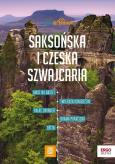
Saksońska i Czeska Szwajcaria. trek&travel. Wydanie 1 Niezwykła kraina na pograniczu niemieckiej Saksonii i Czech nosi niecodzienną nazwę: Saskiej i Czeskiej Szwajcarii. Tym mianem nazwano tereny, które rozciągają się na dwóch brzegach płynącej głębokim przełomem Łaby - ponad rzeką wyrastają oryginalne formacje skalne, tajemnicze labirynty piaskowcowych wież, baszt, gór stołowych i porośniętych bujnymi lasami płaskowyżów. Pomiędzy skały wdzierają się głębokie kaniony, którymi ku Łabie zmierzają jej dopływy, a całość tworzy scenerię już od ponad dwustu lat przyciągającą spragnionych wrażeń wędrowców. Oprócz skał i romantycznych widoków warte uwagi są także tutejsze miasteczka i mniejsze miejscowości z interesującymi zabytkami, nie sposób też pominąć znajdującej się w pobliżu stolicy Saksonii - Drezna.
Niniejsza publikacja to dosyć niecodzienny zbiór tekstów, wprowadzający Czytelników w wielowymiarową specyfikę Półwyspu Koreańskiego. Opracowania, podzielone na trzy główne obszary – polityka, społeczeństwo i kultura – ukazują różnorodne aspekty życia Koreańczyków, od wpływu konfucjanizmu na codzienne relacje społeczne, przez koreańską kulturę biznesową, aż po współczesne wyzwania polityki zagranicznej. Autorzy, wszyscy związani z Uniwersytetem Jagiellońskim, przedstawiają oryginalne podejścia badawcze i wielowątkowe interpretacje, co czyni tę publikację wartościową dla każdego, kto pragnie lepiej poznać ten fascynujący region świata. Dzięki różnorodności tekstów w niej zebranych książka wyróżnia się nowatorskim podejściem do badań nad Koreą, prezentując zarówno tematy klasyczne, jak i nowo podejmowane zagadnienia. Znajdą tu Państwo analizę obrazu koreańskich wierzeń we współczesnych serialach, refleksje nad kolektywizmem społecznym oraz nowe spojrzenie na kino Korei Północnej i jego rolę w budowaniu wizerunku Kim Ir Sena. Publikacja podejmuje również aktualne zagadnienia, takie jak walka o prawa kobiet w Korei Południowej, a także historyczne kontrowersje wokół niewolnictwa seksualnego praktykowanego przez japońską armię.
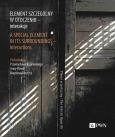
Książka Element szczególny w otoczeniu - interakcje (dwujęzyczna - j. polski i j. angielski) to zbiór ponad 150 fotografii, które powstały na terenach Skansenu Kolejowego w Chabówce w ramach pleneru artystycznego stanowiącego integralną część konferencji KRAJart, wzbogacony o skojarzone z nimi refleksje autorów, dające wyraz głębi wrażeń i przeżyć, jakie otwierają się przed tymi, którzy potrafią dostrzec interakcję pomiędzy człowiekiem, jego wytworami a otoczeniem. Ten składnik książki, ściśle powiązany z dyscypliną: sztuki plastyczne i konserwacja dzieł sztuki, stanowi wartość samą w sobie.Uczestnicy pleneru, kierując się inspiracją artystyczną, starali się odczytać i udokumentować unikatowe walory estetyczne związane z historycznymi obiektami zgromadzonymi w skansenie. I tak, odcienie zniszczonych ścian i przestrzeni wagonów w destrukcie to nie tylko obraz fizycznej degradacji, ale zastanowienie nad przemijaniem. Każdy strzęp farby, każda warstwa rdzy skrywała sekret, obrazy faktur były łącznikiem z przeszłością, a ściany wagonów stały się płótnem malarskim. Stare wagony, niegdyś pulsujące życiem centrum komunikacji, przypominały nam o ulotności i nietrwałości materii. Docenił to recenzent, prof. Myczkowski, pisząc: Fenomenalne ujęcie różnej skali, kolorystyki, faktury. Kadry i kompozycje "zardzewiałego świata" wprawić mogą i wprawiają w zamyślenie, ale też w tych najwyższej próby artystycznych ujęciach pozwalają na konstatację, że pozorny "chaos świata rdzy" jest po prostu malowniczy!Książka Element szczególny w otoczeniu - interakcje adresowana jest do studentów sztuk plastycznych, amatorów i znawców fotografii, których zainteresuje na pewno różnorodność w postrzeganiu i dokumentowaniu niekiedy tych samych eksponatów znajdujących się w skansenie, wynikająca z szerokiej gamy specjalności zawodowych reprezentowanych przez autorów zdjęć. Dla miłośników starych lokomotyw jest to podróż przez historię kolejnictwa, zatrzymaną w czasie i uwiecznioną w różnorakich obiektywach, a miłośnicy kinematografii rozpoznają zapewne na jednej z fotografii peron kolejowy znany z filmu "Lista Schindlera" Stevena Spielberga.
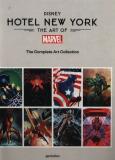
Containing one of the biggest collections of Marvel art in the world, Disney Hotel New York – The Art of Marvel in Disneyland Paris is a dream world for every Marvel fan. With walls covered by posters, comic book covers, and fine art, and rooms equipped with recognizable colors and objects from the Marvel Universe, one feels like a real Super Hero in this artful hotel.
This book takes a peek into the rooms of Disney Hotel New York – The Art of Marvel—where beds take the shape of Thor’s home city of Asgard or furniture is inspired by Spider-Man’s costume—and reveals their details along with the art showcased in them. Immerse yourself in these pages and explore this unique hotel for yourself, reveling in the wonderful artistry, design, and history of Marvel—all under one roof.
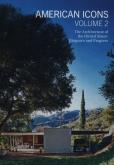
American architecture has long symbolized the nation’s progress and identity. As architectural innovation continues to redefine itself, exploring this legacy is essential. As modern design trends reshape U.S. skylines, American Icons Volume 2 provides an in-depth look at the evolution of American architecture, featuring 80 iconic projects and four insightful essays focusing on the International Style and midcentury modernism.
Enriched with stunning images and analysis, the book shows how American modernism, influenced by the Bauhaus movement, emphasised transparency, simplicity, and timeless elegance. An essential resource for architecture enthusiasts, it celebrates architectural achievements and inspires future design.
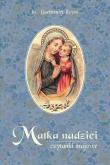
Brylant, czyli oszlifowany diament, zachwyca oczy swym pięknem. Dzieje się tak, gdyż każda jego powierzchnia inaczej odbija światło i w ten sposób lśni szczególnym blaskiem. Maryja Miriam zwykła, a zarazem niezwykła dziewczyna z Nazaretu jest jak diament odnaleziony przez Boga w spopielonej od grzechu ludzkości. Bóg niczym najwybitniejszy Rzemieślnik szlifował ten cenny klejnot. Za pomocą swojej łaski uczynił z Matki Chrystusa najśliczniejszy brylant w koronie stworzenia. Z którejkolwiek strony spojrzymy na Jej cnoty i dary zachwyci nas coraz to nowy błysk Bożego światła przeświecającego w cudownym klejnocie. Każda z Bożych łask zrealizowana w życiu Maryi, jest jak kolejny blask brylantu. Każdą z nich wysławiamy, nazywając Matkę Boga różnymi imionami. Są one ułożone w rozmaite litanie. Niniejsza publikacja autorstwa ks. dr. Bartłomieja Krzosa, to rozważania wezwań skierowanych do Maryi z Litanii zwanej Dominikańską. Mogą być one przydatne w pogłębieniu czci Matki Najświętszej u kapłanów i wiernych, którzy zwracają ku Niej swe serca w modlitwie. Zachęcając do tego gorąco, wyrażam podziękowanie autorowi. bp Krzysztof Nitkiewicz ze Wstępu
Ten produkt jest zapowiedzią. Realizacja Twojego zamówienia ulegnie przez to wydłużeniu do czasu premiery tej pozycji. Czy chcesz dodać ten produkt do koszyka?