W tej strefie proponujemy bardzo szeroką ofertę z dziedziny psychologii oraz dziedzin powiązanych: astronomii i astrofizyki, ekologii, filozofii, kultury, podróżnictwa, religii, socjologii, sztuki. Szczególnie polecamy z tej kategorii bestseller pt. Księga Urantii. Księga Urantii podaje jasną i zwięzłą integracją nauki, filozofii i religii. Ci, którzy ją czytali i zgłębiali, wierzą, że Księga Urantii może wnieść bardzo wiele wartości do religijnej i filozoficznej myśli ludzi tego świata.
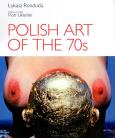
n the book by Łukasz Ronduda, Art Poland 70s., members of the avant-garde discuss the opening of the Polish avant-garde art movement of the 1970s, which resulted in a never before seen pluralization of attitudes and actions in Polish art.
Particular sections are presented by artists such as Marek Konieczny, Paweł Freisler, Ewa Partum, Zbigniew Warpechowski, Andrzej Partum, Krzysztof Zarębski, Natalia LL, Andrzej Lachowicz, Krzysztof Zarębski, KwieKulik, Zbigniew Dłubak, Jan Świdziński, Krzysztof Wodiczko, Henryk Gajewski, Anastazy Wiśniewski, Zygmunt Piotrowski, Paweł Kwiek, Jan S. Wojciechowski, Grzegorz Kowalski, Elżbieta and Emil Cieślar, Wiktor Gutt, Waldemar Raniszewski, art collectives like the Film Form Workshops (Józef Robakowski, Wojciech Bruszewski, Paweł Kwiek, Ryszard Waśko) and the Motion Academy.
Artists Piotr Uklański conceived the book to debunk the image of this art movement as one filled with cold black and white conceptual monstrosities, exposing it to be a reservoir of refined, revolutionary and humorous intellectual strategies that meld seamlessly with a fascination with beauty, aesthetics, erotica, fetishism, political visualism and fundamental existential questions. The artist’s design defends the visuality of the images presented in the album, in an attempt to give them an opportunity to generate new interpretations irrespective of the book’s text.
Obszerny, bogato ilustrowany katalog jest próbą ukazania niezwykłego zjawiska: równoczesnego rozkwitu sztuki współczesnej w Wielkiej Brytanii i w Polsce na przełomie lat 80./90. XX wieku, utożsamianego z Young British Artists i polską sztuką krytyczną. Ich przedstawiciele w bezpośredni sposób podejmowali podstawowe dla ludzi kwestie życie i śmierć, seks i przemoc, etyka i polityka tym samym wywołując w swoich krajach żywe i ważne dyskusje, również z udziałem mediów, co pozwoliło przekształcić sztukę współczesną w Wielkiej Brytanii i Polsce z dziedziny niszowej, wzbudzającej zainteresowanie tylko wtajemniczonych, w dziedzinę niemal kultury popularnej. Proces ten dokonywał się w czasie gwałtownych przemian ekonomicznych i społecznych w obu krajach: w Wielkiej Brytanii był to Big Bang, wywołany nagłą deregulacją rynków finansowych w 1986 roku, w Polsce zaś burzliwy proces transformacji ustrojowej po upadku komunizmu w 1989.Prezentację najważniejszych dzieł brytyjskiej i polskiej sztuki lat 90. uzupełniają dokonania artystów młodego pokolenia z Wielkiej Brytanii i Polski, którzy pojawili się po światowym kryzysie finansowym lat 2007/2008. W ten sposób postawione zostało pytanie: czy wybitni współcześni artyści nawiązują do spuścizny swoich poprzedników, czy ją odrzucają, a może najzwyczajniej ignorują? I czy tkwimy ciągle w długich latach dziewięćdziesiątych, czy też żyjemy już w nowych, nienazwanych jeszcze czasach?
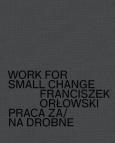
Praca za/na drobne to bogato ilustrowany album prac Franciszka Orłowskiego. To pierwsza tak obszerna prezentacja twórczości poznańskiego artysty.
Publikacja, wydana przez Centrum Sztuki Współczesnej Zamek Ujazdowski we współpracy z Galerią Miejską Arsenał w Poznaniu, powstała w ramach programu promocji polskich artystów. Jest próbą spojrzenia na twórczość Orłowskiego z szerszej, międzynarodowej perspektywy. Pomysłodawczynią i redaktorką publikacji jest Magdalena Radomska z Instytutu Historii Sztuki Uniwersytetu im. Adama Mickiewicza w Poznaniu.
Przewodnim motywem zarówno publikacji, jak i praktyki artystycznej Orłowskiego, jest pojęcie pracy w najszerszym znaczeniu. Artysta bada miejsce pracy we współczesnym kapitalistycznym społeczeństwie, naznaczonym kryzysem ekonomicznym – podejmuje problematykę prekaryzacji, pracy na czarno, emigracji zarobkowej, biedy i bezdomności. Ze społeczną wrażliwością podchodzi do tematyki klasowości, zadając pytania o własne usytuowanie jako artysty.
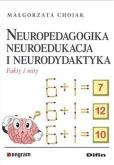
Neuropedagogika, neuroedukacja i neurodydaktyka... to przede wszystkim książka napisana przez pedagoga dla pedagogów. Stanowi próbę usystematyzowania wiedzy, obejmującej implikacje wyników badań nad mózgiem w działalności nauczyciela. Każdy z rozdziałów zawiera zarówno praktyczne wskazówki, jak i ich teoretyczne uzasadnienia, oparte na wynikach najnowszych badań z zakresu neurobiologii. Autorka odnosi się do popularnych w przedszkolach czy szkołach teorii, wskazując czy należy je rozumieć jako neuromity czy neurofakty.
Czytelnik ma okazję pogłębić wiedzę na temat Teorii Inteligencji Wielorakich, teorii stylów nauczania czy kinezjologii edukacyjnej, ale także w zakresie takich twierdzeń, jak:
- mózg jest plastyczny przez całe życie i uczy się powoli (praca domowa ma sens, ale jedna godzina terapii w tygodniu – już nie),
- płeć ma znaczenie,
- neurony lustrzane, czyli jak pasja rodzi pasję,
- mózg filtruje informacje (kluczem do sukcesu jest motywacja, a nie metody aktywizujące),
- nauczanie bezstresowe może być groźne dla życia,
- zgubna droga pełnej cyfryzacji edukacji, czyli jak nadmierny kontakt z mediami zmienia strukturę i funkcjonowanie mózgu.
Podsumowanie książki stanowi raport z pilotażowych badań neuropedagogicznych. Jego wyniki mogą stanowić odpowiedź na pytania, które obecnie zadaje sobie wielu pedagogów: jak pracować z tzw. medialnymi dziećmi, czy wykorzystywać nowe media czy raczej wrócić do przysłowiowych „kamyczków i patyczków”?
Autorka kieruje dla wszystkich osób, zainteresowanych działaniami edukacyjnymi, zaproszenie do tworzenia edukacji opartej na faktach (Evidence Based Education). Niniejsza publikacja stanowi próbę zainicjowania tego procesu, ponieważ jej celem jest zmobilizowanie czytelnika do dokonania oceny działań, podejmowanych w szkole, przedszkolu czy domu rodzinnym, w oparciu o założenia neurobiologii i pedagogiki.
A sizable biography of an outstanding Polish composer, organ virtuoso, conductor, teacher and social activist. The book follows him from the day he was born in Polish lands under Prussian rule, through his education in Berlin, experience and prizes gained in Europe and across the world, social and artistic work in Kraków, and until the last years spent in Poznań. The author uncovered new facts from Nowowiejski's life, explaining some misunderstandings and correcting mistakes of past biographers. The story is illustrated with archive photos, documents, manuscripts, posters and press clippings.Obszerna biografia wybitnego polskiego kompozytora, wirtuoza organów, dyrygenta, pedagoga i społecznika. Książka opisuje jego losy od dnia narodzin na terenie zaboru pruskiego, przez studia w Berlinie, zdobywanie doświadczenia i nagród w Europie i na świecie, pracę artystyczną i społeczną w Krakowie, aż po ostatnie lata życia w Poznaniu. Autorka przedstawia też nowe fakty z życia F. Nowowiejskiego, wyjaśnia nieporozumienia i koryguje błędy w dotychczasowej wiedzy o jego życiu. Opowieść ilustrują archiwalne zdjęcia, dokumenty, rękopisy, afisze i wycinki prasowe.
Książka Jezus-Chrystus. Życie Mistrza jest zapisem jednego z licznych wykładów, wygłoszonych przez Ramthę. W prosty i piękny sposób tłumaczy w niej, kim był Jezus, jakie było prawdziwe znaczenie jego życia i działalności oraz w jaki sposób każdy człowiek może urzeczywistnić w swoim własnym życiu to samo, co osiągnął Jezus.Ramtha jest oświeconym Mistrzem - Nauczycielem, który podczas swojego życia zrozumiał jak tworzymy rzeczywistość i odkrywamy niezwykłość w życiu, wykorzystując nieograniczony potencjał naszego umysłu. Jego posłanie niosące ze sobą nadzieję dla ludzkości, zmieniło wiele dróg życiowych, ale żadnej do takiego stopnia, jak Judy Zebry Knight.JZ Knight jest unikalnym, jedynym Kanałem Ramthy. Historycy i religioznawcy, którzy badali jej pracę i życie, nazywają ją Wielkim Amerykańskim Kanałem oraz widzą w niej jedną z najbardziej charyzmatycznych i przekonujących duchowych liderek współczesności.Tłumacz: Aleksandra Paprocka-Nath
Wzięłam za Patrona i Orędownika mego chwalebnego Świętego Józefa, polecam mu gorąco i odtąd poznałam, że w okolicznościach tyczących się czci mojej i mego zbawienia, ten wielki Święty przybywał mi z prędką i pożyteczną pomocą.
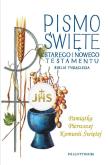
Tekst Pisma Świętego zatwierdzony do stosowania w liturgii przez Konferencję Episkopatu Polski. Polecamy bardzo praktyczne, podręczne pełne wydanie Biblii Tysiąclecia - Pisma Świętego Starego i Nowego Testamentu w oryginalnym formacie oazowym, twardej oprawie, z obwolutą i wklejką na I Komunię św.
Tekst Pisma Świętego zatwierdzony do stosowania w liturgii przez Konferencję Episkopatu Polski.
Polecamy bardzo praktyczne, podręczne pełne wydanie Biblii Tysiąclecia - Pisma Świętego Starego i Nowego Testamentu w oryginalnym formacie oazowym, twardej oprawie, z obwolutą i wklejką na I Komunię św.
Wzory: winogrono, kielich - wysyłane losowo.
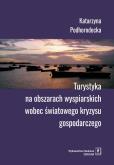
Rozwój turystyki na małych obszarach wyspiarskich stał się motorem rozwoju gospodarczego. Sytuacja tych obszarów podczas światowego kryzysu gospodarczego była zróżnicowana. Niektóre z nich, mimo dekoniunktury na rynku turystycznym, odnotowały lepsze wyniki tego sektora niż pozostałe. W monografii wskazano uwarunkowania tego sukcesu, a także model reakcji destynacji turystycznej na kryzys ekonomiczny. Przedstawione wnioski mogą zostać wykorzystane w tworzeniu polityki turystycznej na obszarach zależnych gospodarczo od turystyki i w konsekwencji przyczynić się do zwiększania wpływów z tej dziedziny gospodarki. Monografia jest polecana przedstawicielom nauki, biznesu i administracji zajmującym się turystyką.
Wyjaśniając zależności pomiędzy wybranymi zmiennymi determinującymi odporność na sytuacje kryzysowe w obszarze turystyki, Autorka wykorzystała wiele danych statystycznych dostępnych w międzynarodowych bazach, ukazujących nie tylko wielkość ruchu turystycznego, zatrudnienia w przemyśle turystycznym oraz wpływów z tytułu zagranicznej turystyki przyjazdowej, lecz także strukturę rynku turystycznego, stopień jego dywersyfikacji oraz uzależnienie od głównych rynków emisyjnych.
Z recenzji dr hab. Teresy Skalskiej
Praca ma logiczną strukturę, odpowiednio dobraną metodologię i prezentuje bardzo wysoki poziom naukowy.
Z recenzji prof. Tadeusza Siwka (Uniwersytet w Ostrawie)
Katarzyna Podhorodecka – adiunkt na Wydziale Geografii i Studiów Regionalnych Uniwersytetu Warszawskiego. Wiedzę i doświadczenie zdobywała także, pracując w Ministerstwie Gospodarki i Ministerstwie Sportu i Turystyki. Zajmuje się badaniami turystyki, w tym sprawami zagospodarowania turystycznego kraju, innowacyjnością oraz klastrami. Prowadziła wykłady na zagranicznych uniwersytetach (m.in.: w Hiszpanii, w Czechach, na Słowacji), odbyła staż dydaktyczny w University of North Florida w Stanach Zjednoczonych. Ma w dorobku 38 publikacji, w tym 15 artykułów naukowych w języku angielskim. Jest redaktorem statystycznym czasopisma naukowego „Miscellanea Geographica – Regional Studies on Development”.
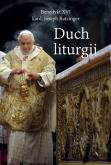
Co jest zgodne z duchem liturgii? Ksiądz i wierni razem zwróceni ku Panu czy ksiądz i wierni patrzący na siebie? Cisza modlitewna czy głośne recytacje? Muzyka sakralna czy piosenki do gitary? Uświęcony obrzęd czy atmosfera i spontaniczność? Zachowanie kanonu modlitwy czy swobodna twórczość? Święte obrazy czy puste ściany? Na ołtarzu krucyfiks czy tylko mikrofon? Przed Panem na klęczkach czy na stojąco?Książka Duch liturgii została przyjęta w świecie jako zarys odbudowy liturgii katolickiej i zaproszenie do szkoły modlitwy. Nie jest to więc książka tylko dla specjalistów; teologów czy liturgistów. Duch liturgii (tak bardzo różny od ducha czasu) to arcyciekawa książka o tym, co najważniejsze: o naszej modlitwie i o liturgii, która, jak przypomniał Sobór Watykański II, stanowi źródło i szczyt życia Kościoła.
Traktat Arystotelesa Peri hermeneias, zwany w polskiej tradycji Hermeneutyką, jest jednym z najważniejszych tekstów poświęconych logice i logicznym aspektom języka w dziejach filozofii europejskiej. Aż do końca średniowiecza był to jeden z podstawowych podręczników logiki, a wiele pojęć wprowadzonych w tym traktacie jest stosowanych do dzisiaj. Głównym tematem Hermeneutyki jest struktura prostych zdań oznajmujących oraz relacje logiczne zachodzące między nimi. Arystotelesa interesuje w szczególności pojęcie zdania sprzecznego, które odgrywa istotną rolę w jego teorii dyskusji dialektycznej. Inne poruszane tematy to koncepcja znaczenia (trójkąt semantyczny słowa myśli rzeczy), natura nazw i czasowników, różne typy orzekania oraz relacje między pojęciami modalnymi. Arystoteles omawia tu również słynny problem bitwy morskiej, czyli pytanie o to, czy założenie, iż zdania o przyszłości posiadają wartość logiczną, pociąga za sobą tezę determinizmu.Książka zawiera nowy polski przekład Hermeneutyki, wstęp omawiający najważniejsze pojęcia Arystotelesowskiej teorii języka oraz obszerny komentarz z objaśnieniami do tekstu. Do komentarza dołączony jest dodatek poświęcony teorii semantycznej Arystotelesa.
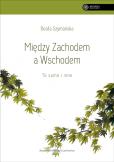
Monografia Między Zachodem a Wschodem. To samo i inne Beaty Szymańskiej dotyka zagadnienia uniwersalnego i towarzyszącego człowiekowi od niepamiętnych czasów – mierzy się bowiem z pytaniami o możliwość zrozumienia innych kultur, o to, co je łączy, a co je dzieli, a także o współistnienie Wschodu i Zachodu. Autorka w sposób erudycyjny i wieloaspektowy odnosi się do literatury i sztuk plastycznych, relacji natura?człowiek (ukazanej tutaj na tle pejzaży ogrodów chińskich i japońskich, a także ogrodu Claude’a Moneta), pojęcia pustki, problemu cierpienia czy znaczenia empatii, które przedstawia w porównawczym ujęciu, sięgając do przykładów pochodzących zarówno z kultury Zachodu, jak i Wschodu.
W ośmiu rozdziałach książki pisarka skupia się na wybranych aspektach kultury, które pozwalają jej wskazać i zanalizować kluczowe kwestie dla spotkania Wschodu z Zachodem, a także podobieństwa i różnice w rozumieniu tych dwóch kultur i systemów myślenia. W swoich rozważaniach autorka przywołuje bogactwo tekstów źródłowych (od haiku do poezji Bolesława Leśmiana) i obrazów (jak choćby słynny cykl Dziesięć obrazów z wołami mistrza Kuoana), zaś swoją analizę uzupełnia niezbędnymi odwołaniami do tradycji filozoficznych Wschodu i Zachodu oraz do literatury przedmiotu (obszerna bibliografia, zawarta na końcu tomu, niewątpliwie może służyć jako przewodnik dla wnikliwego czytelnika, który – zachęcony lekturą – zechce zgłębić bardziej szczegółowo omawiane w monografii zagadnienia).
Eseistyczna konwencja tomu i nowatorskie – syntetyzujące, lecz jednocześnie dotykające konkretu – ujęcie tematu, a także jednoczesna ponadczasowość i aktualność omawianych treści, sprawiają, że książka stanowi istotny wkład w dyskusję dotyczącą relacji między Wschodem i Zachodem, szczególnie między kulturą Japonii i Chin a europejskim światopoglądem. To wyjątkowe spojrzenie na sztukę, literaturę i filozofię wywodzące się z tradycji kulturowych Wschodu i Zachodu pozwali czytelnikowi lepiej zrozumieć świat, który – niczym ogród – go otacza.
„Sztuka stanowi swego rodzaju przekaz tego, co wymyka się filozofii. Rzeczą artysty jest oglądanie świata i postrzeganie go, mówiąc słowami zen, „takim, jaki on jest”, w jego zmienności i nietrwałości, a wytworem dzieła sztuki jest szczególnego rodzaju notatka, uchwycenie momentu, sprawozdanie z metaforycznie i dosłownie rozumianej podróży. Tak właśnie człowiek może doświadczać świata, tak kształtuje się jego relacja z przyrodą. Życie jest podróżą przez otaczającą nas rzeczywistość”.
[Fragment z rozdziału 1]
„Pisać o kulturze japońskiej (podobnie jak o każdej kulturze) w sposób ogólny, a zarazem skrótowy, jest rzeczą niemożliwą. Można jednak, jak sądzę, skupić się na wybranych problemach, na tyle ogólnych, aby poprzez ich analizę dało się wskazać na pewne kluczowe dla tej problematyki kwestie. Taką kwestią najbardziej ogólną jest ustalanie, co rozumie się przez kulturę danego kraju. Jak wiadomo, dysponujemy niezmierną ilością definicji kultury (rokrocznie ta liczba się zwiększa). Trudno byłoby więc tutaj przyjąć jakąś jedną, określoną definicję”.
[Fragment z rozdziału 8]
Beata Szymańska ? profesor filozofii i poetka. Jej działalność dydaktyczna i naukowa była realizowana na Uniwersytecie Jagiellońskim. Jej zainteresowania naukowe koncentrują się przede wszystkim na filozofii kultury i filozofii Wschodu. Opublikowała siedem książek o charakterze naukowym, monografie poświęcone problematyce filozoficznej i pięć książek popularnonaukowych, zredagowała też podręcznik. Drugim obszarem jej zainteresowań jest poezja. Opublikowała osiem tomików poetyckich i tom opowiadań. Jest członkiem m.in. Polskiego Towarzystwa Filozoficznego, Stowarzyszenia Pisarzy Polskich i PEN Clubu.
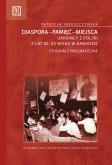
Temat badawczy można uznać za w pełni pionierski; jednocześnie książka Patrycji Trzeszczyńskiej wpisuje się w cykl badań zajmujących się emigracją obywateli polskich w latach PRL, zwłaszcza dwóch ostatnich dekadach funkcjonowania tzw. realnego socjalizmu, i dopełnia wiedzę o ówczesnych przemieszczeniach ludnościowych, ich tle i konsekwencjach. Odnaleźć tu można wiele wątków autoetnograficznych. Autorka nie unika tematów trudnych, pisze na przykład o problemach badawczych związanych z percepcją jej samej w niektórych środowiskach migrantów, postawach niechęci, budowaniu barier, i wykazuje się bardzo wysoką świadomością metodologiczną. Przeprowadzone badania to wysokiej próby nowoczesna etnografia, uwzględniająca najważniejsze trendy badawcze w antropologii i studiach migracyjnych ostatnich dekad. Książka stanowi istotny wkład w rozwój dyscypliny, którą reprezentuje autorka, a szerzej: interdyscyplinarnych/ multidyscyplinarnych studiów migracyjnych, wzbogaca wiedzę o procesach
migracyjnych w kontekście transkontynentalnym, w których punktem wyjścia jest Polska.
dr hab. Jacek Schmidt, prof. UAM
Książka imponuje wielością podjętych zagadnień, tropów, wielokrotnością „przesiewania” materiału empirycznego za pomocą zróżnicowanych narzędzi analitycznych. Patrycja Trzeszczyńska z wielką swobodą i pewnością siebie porusza się po terenie badawczym. Wynika to między innymi z czasu poświęconego badaniom oraz z jej gruntownego przygotowania do prowadzenia obserwacji społeczności kanadyjskich Ukraińców, dotychczasowej praktyki, w tym badań prowadzonych wśród polskich Ukraińców, sprawnego łączenia wiedzy antropologicznej z ukrainoznawczą. W rezultacie otrzymujemy pracę nie tylko przenikliwą, ale także dojrzałą, zakończoną interesującymi wnioskami.
dr hab. Jarosław Syrnyk, prof. UWr
Patrycja Trzeszczyńska – etnolożka i ukrainoznawczyni, adiunkt w Instytucie Etnologii i Antropologii Kulturowej UJ. Porusza się na styku studiów nad pamięcią i diasporą, antropologią etniczności i etnologią Europy Wschodniej. Zajmuje się pamięcią kulturową, światami mniejszości etnicznych, związkami pamięci, przestrzeni i narracji, regionalnymi politykami kreowania wizerunku grup i miejsc, zjawiskiem autoprezentacji i kulturowych ekspresji. Od wielu lat prowadzi badania wśród społeczności ukraińskiej w Polsce, w regionach, które Ukraińcy zamieszkiwali do 1947 r., a gdzie do dziś pozostało po nich dziedzictwo kulturowe, oraz na Ukrainie i w Kanadzie. Autorka książek Pamięć o nie-swojej przeszłości. Przypadek Bieszczadów (WUJ, Kraków 2016), Łemkowszczyzna zapamiętana. Opowieści o przeszłości i przestrzeni (WUJ, Kraków 2013) oraz artykułów poświęconych antropologicznym badaniom pamięci kulturowej. Stypendystka MNiSW, University of Toronto i University of Alberta (Edmonton, Kanada).
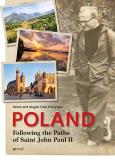
Historia niniejszego albumu zaczęła się podczas wyjazdu autorów do Rzymu na pogrzeb papieża Jana Pawła II. To przejmujące wydarzenie kiełkowało przez kilka lat, by zaowocować chęcią odkrywania szlaków, które przemierzał po ojczyźnie Karol Wojtyła.
Album został przetłumaczony przez autorkę na język angielski, by teraz także wszyscy zagraniczni turyści mogli podziwiać piękno polskich miast, gór i jezior oraz lepiej poznać Karola Wojtyłę i jego pasje.
W efekcie podróżowania śladami Jana Pawła II powstał wyjątkowy przewodnik po naszej ojczyźnie. Dzięki niemu także obcokrajowcy mogą spojrzeć na Polskę przez pryzmat miejsc, które ukochał papież Polak, będąc jeszcze chłopcem, a później klerykiem, księdzem, biskupem i w końcu kardynałem. Autorzy zachęcają, by wyruszyć na szlak i zachwycać się pięknem naszego kraju, tak jak kiedyś podziwiał je Karol Wojtyła, podróżując samotnie lub w gronie bliskich przyjaciół.
Turyści zza granicy mogą odkrywać najpiękniejsze zakątki Polski, pływając kajakiem, jeżdżąc na rowerze, spacerując po urokliwych miejscowościach, przemierzając górskie szlaki. Autorzy szczegółowo przedstawili dwadzieścia jeden tras o szczególnym znaczeniu dla Jana Pawła II. Zostały one dobrane z uwzględnieniem różnorodności geograficznej i krajobrazowej. Każda jest opatrzona poglądową mapką i oczywiście wyjątkowymi zdjęciami, dzięki którym można podziwiać piękno naszej ojczyzny także bez wychodzenia z domu. Ten album będzie na pewno oryginalnym upominkiem dla zagranicznych gości i doskonałą pamiątką z Polski.
Wadowice · Kraków · Tatry · Bieszczady · Beskidy · Pieniny · Gorce · Sudety
Małopolska · Dolny Śląsk · Mazury · Suwalszczyzna · Bory Tucholskie · Pojezierze Drawskie
Mirek i Magda Osip-Pokrywka tworzą zespół dziennikarsko-fotograficzny. Podróżują po świecie i publikują materiały o ciekawych miejscach, krajach i kulturach w magazynach podróżniczych, pismach popularnonaukowych i periodykach krajoznawczych. Są autorami kilku przewodników turystycznych po krajach europejskich, a także leksykonów zabytków architektury kresowej.
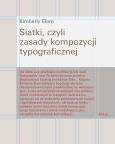
W Siatkach, czyli zasadach kompozycji typograficznej Kimberly Elam z przenikliwością analizuje najpowszechniejszy, a zarazem najbardziej wyrafinowany i rzadko właściwie rozumiany system organizacji wizualnej: siatki modułowe.
Siatki… rozwiewają nieporozumienia narosłe wokół projektowania za pomocą siatek modułowych. Publikacja ta z pewnością na stałe zagości w programach kursów poświęconych typografii.
—Be a Design Group
Młodym projektantom i studentom siatki modułowe wydają się skomplikowane, statyczne i sztywne. W Siatkach… Elam rzuca wyzwanie tym stereotypom, pokazując, w jaki sposób korzystać z tego systemu w praktyce.
—Speak Up
Kimberly Elam wykłada na Wydziale Projektowania Graficznego w Ringling College of Art and Design w Sarasocie na Florydzie. Jej książki są powszechnie używane w dydaktyce uniwersyteckiej, a także przez projektantów.
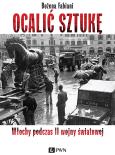
Druga wojna światowa zagroziła dziełom sztuki w całej Europie. W najnowszej książce Bożena Fabiani stawia sobie pytania: jak przetrwały włoskie dzieła? Kto i jak je ocalił? Jak chroniono je przed zniszczeniami wojennymi? Wszędzie działali ofiarnie cisi bohaterowie, którzy z narażeniem życia ukrywali, przewozili, zabezpieczali obrazy, rzeźby, freski. Żadne muzeum nie ocalało dzięki szczęściu, ale dzięki heroicznej pracy ludzi kochających sztukę. Książka zawiera opowieści o wojennych losach dzieł zilustrowane przez archiwalne fotografie oraz dygresje poświęcone artystom.Szczęśliwy kraj, myślałam, w którym stoją od wieków kamienne solidne domostwa i puchną nienaruszone archiwa. Kiedy ja ćwierć wieku po wojnie przemierzałam Warszawę w poszukiwaniu materiałów do pracy doktorskiej na temat imigracji francusko-włoskiej na dworze królewskim w XVII wieku, pytano mnie ironicznie, czy aby wiem, że była wojna. Przecież papiery spłonęły. Wydawało mi się, że chyba żadne miasto nie ucierpiało tak strasznie jak moja rodzinna Warszawa do końca życia nie zapomnę tej powojennej pustyni ruin, gór gruzów z wydeptanymi tylko ścieżkami, gdzie kiedyś biegły ulice. Italia jawiła mi się jako szczęśliwa kraina obfitująca niezmiennie w piękno, które w niej trwa nienaruszone przez zły los. Jakże się myliłam! Dziś nie mogę się nadziwić własnej ignorancji.Fragment tekstu
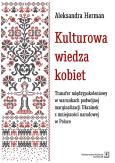
Aleksandra Herman– doktor socjologii. Adiunktka w Katedrze Socjologii i Antropologii Obyczajów i Prawa w Instytucie Stosowanych Nauk Społecznych Uniwersytetu Warszawskiego. Zajmuje się problematyką podtrzymywania zróżnicowania kulturowego w wielokulturowych środowiskach lokalnych, kobietami w kulturze i społeczeństwie oraz antropologią ciała. Z zamiłowania badaczka terenowa.
Badania – a co za tym idzie – praca dr Herman mają unikalny charakter. Autorka świadomie uczyniła swoimi informatorkami wyłącznie kobiety. Jest to bardzo ciekawy i trafny wybór perspektywy obrazowania transferu kulturowego, a nawet szerzej – spojrzenia na problemy mniejszości, między innymi dlatego, że był on dotąd pomijany, a co najmniej nie uwzględniany w dostatecznym stopniu.
[Z recenzji prof. dr hab. Małgorzaty Fuszary]
Autorka w swojej pracy analizuje skomplikowane, niejednoznaczne i trudno poddające się oglądowi obiektywnemu procesy wytwarzania tożsamości kulturowej. Rozległa wiedza Autorki, jej dojrzałość i samodzielność w dokonywaniu selekcji materiałów, szukaniu powiązań i związków logicznych oraz rozstrzygnięć znaczeniowych, a także wielka uważność i ostrożność w czynieniu sądów sprawia, że tekst czyta się z rosnącym zainteresowaniem, czytelnik zaś odkrywa nowe perspektywy widzenia problemu.
[Z recenzji dr hab. Doroty Misiejuk]
Ten produkt jest zapowiedzią. Realizacja Twojego zamówienia ulegnie przez to wydłużeniu do czasu premiery tej pozycji. Czy chcesz dodać ten produkt do koszyka?