W tej strefie proponujemy bardzo szeroką ofertę z dziedziny psychologii oraz dziedzin powiązanych: astronomii i astrofizyki, ekologii, filozofii, kultury, podróżnictwa, religii, socjologii, sztuki. Szczególnie polecamy z tej kategorii bestseller pt. Księga Urantii. Księga Urantii podaje jasną i zwięzłą integracją nauki, filozofii i religii. Ci, którzy ją czytali i zgłębiali, wierzą, że Księga Urantii może wnieść bardzo wiele wartości do religijnej i filozoficznej myśli ludzi tego świata.
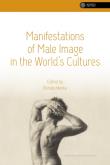
Manifestations of Male Image in the World’s Cultures is a very interesting book because it shows a single cultural phenomenon from a number of diverse perspectives. Methods used to analyze the titular male image range from Literary Studies and Cultural Studies to Media Studies. Thanks to the Authors’ broad experience in various fields of academic research, the volume presents this highly layered theme in a truly interdisciplinary way. I perceive the multiauthored – and therefore “polyphonic” – collection as a truly original attempt to build a framework of humanistic thought that is based on clear theoretical and methodological criteria. Moreover, its open character allows the use and merging of a number of humanistic methods, such as the aforementioned Literary or Cultural Studies, with other inspirations that, layer by layer, add the depth and provide further insight into the relationship between the “male image” and broadly understood cultural practices. Renata Iwicka holds M.A. in Japanese and Chinese Studies and PhD in Cultural Studies. The main area of academic interest includes demonology, history and culture of East Asia (mainly Korean Peninsula and Japan), mythology, and modern pop culture.
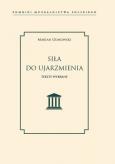
Marian Gumowski - wybitny numizmatyk, historyk, wieloletni pracownik Muzeum im. Czapskich w Krakowie, a następnie dyrektor Muzeum Wielkopolskiego w Poznaniu, pozostawił po sobie bogaty dorobek pisarski. Na potrzeby niniejszej publikacji wybrano teksty pochodzące z obu okresów jego działalności - krakowskiego i poznańskiego. Te pierwsze koncentrują się na dziedzinie najbliższej Gumowskiemu – numizmatyce i medalografii, i w jej kontekście prezentują poglądy znakomitego muzealnika na inne zagadnienia. Artykuły powstałe w drugim okresie, kiedy cieszył się już ugruntowaną pozycją w środowisku, przedstawiają jego zapatrywania na funkcję muzeów oraz rolę muzealnictwa z punktu widzenia osoby zarządzającej instytucją, a zatem mierzącej się z realnymi problemami określania jej kształtu, zadań i rozwoju. Tekstom Mariana Gumowskiego towarzyszą dwa obszerne eseje wstępne - Diany Błońskiej (prezentujący okres krakowski) oraz Kamili Kłudkiewicz (opisujący okres poznański).
"Jeżeli zatem chcemy uwidocznić sobie, jakby w panoramie, dzieje państwa, jego dobre i złe losy, wesołe i smutne
dni, czasy jego tryumfu i upadku, jeżeli to chcemy oglądać na źródłach współczesnych i trwałych, które ani sfałszowane, ani przez późniejsze dodatki zniekształcone być nie mogą — to nie zostaje nic innego, jak zbierać z gorliwością i ukochaniem dawne monety, te spiżowe kartki historii i układać je w porządku i przejrzyście w jeden zbiór, który dla miłośnika każdego będzie najlepszą historyczną księgą swego narodu".
"Publiczność chodząca do muzeum pragnie się uczyć, pragnie coś nowego zobaczyć, łaknie rozmaitości. Przychodzić
będzie tym chętniej i tym częściej, im tej rozmaitości i tej oświaty będzie więcej. Z tymi żądaniami należy się liczyć i na ich rzecz robić nieraz duże ustępstwa. Muzeum nie powinno nigdy cofać się przed opróżnieniem zupełnym
sali, przed innym niż dotąd rozwieszaniem obrazów lub ustawieniem gablot. Muzeum powinno drgać życiem i tym
przyciągać publiczność, gdyż jedynie wtedy potrafi osiągnąć swoje cele".
Marian Gumowski
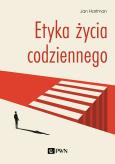
Jeśli sądzisz, że wybory moralne pojawiają się w Twoim życiu wyjątkowolub że moja moralność to moja sprawa,przeczytaj tę książkęEtyka bywa postrzegana jako dziedzina abstrakcyjna, która o zwykłych, życiowych sprawach niewiele ma do powiedzenia. Na co dzień unikamy języka moralności i myślenia w kategoriach etycznych. Bardziej obchodzi nas zgodność naszych czynów z prawem niż ich status moralny. Ponadto wolimy nikogo nie potępiać, a zamiast tego staramy się zrozumieć psychologiczne powody czyjegoś destrukcyjnego postępowania. Paradoksalnie zauważa Autor doszło do tego, że moralizowanie i ocenianie uchodzi dzisiaj niemalże za niemoralne.ETYKA ŻYCIA CODZIENNEGO pokazuje, że to wielki błąd. Analizując dziesiątki konkretnych, życiowych sytuacji, Jan Hartman udowadnia, że zdolność do trzeźwego moralnego osądu własnego i cudzego zachowania jest kluczowa zarówno dla funkcjonowania społeczeństwa, jak i osobistego rozwoju. Książka omawia niezwykle szeroki zakres tematów, od bardziej błahych jak jazda tramwajem na gapę, aż po niezwykle poważne jak aborcja. Choć Autor formułuje własne oceny, jego celem nie jest orzekać, jak należy postępować, lecz pokazać, jak poprawnie rozpoznać etyczny wymiar sytuacji, z którymi konfrontuje nas życie. Czyni to bez nadmiernego teoretyzowania i akademickich dyskusji, za to z dużą dawką zdrowego rozsądku, szczerości i życzliwości.Ta książka nie jest, jak widać, poradnikiem dobrego życia, lecz wprowadzeniem do umiejętności dokonywania analizy moralnej w realnych sytuacjach, jakie niesie życie. Tę umiejętność chciałbym czytelnikom przekazać, a raczej pokazać, i zachęcić ich do jej dalszego samodzielnego kształtowania. Będę oczywiście odwoływał się tu i ówdzie do teorii etycznych (filozoficznych), lecz zasadniczo moim zamiarem jest trzymać się jak najbliżej realiów życia osobistego i społecznego. Będziemy więc rozważać typowe i nietypowe, lecz realnie przytrafiające się ludziom sytuacje, zastanawiając się nad tym, jak należy się w nich i wobec nich zachować, aby było to moralnie dobre, a przynajmniej przyzwoite.Z tekstu
Kościół nie będzie istniał, dopóki nie spróbuje odpowiedzieć na pytanie o źródła Zagłady"", pisze Marcin Król w eseju Pakuję walizkę. Esej oraz zawarty także w tym tomie dziennik z czasu pandemii okazały się nieoczekiwanie ostatnimi tekstami filozofa stanowią świadectwo nie tylko jego wyjątkowej zdolności do żywego myślenia, ale też podjęcia głębokiego zobowiązania do owego myślenia. Myślenie, uczy nas Marcin Król, jest imperatywem moralnym: trzeba nieustannie zadawać sobie najważniejsze pytania o prawdę, o sens, o źródła zła. Teksty zawarte w tym tomie są testamentem życia w odpowiedzialności. Marci Shore ""Kościół nie będzie istniał, dopóki nie spróbuje odpowiedzieć na pytanie o źródła Zagłady"", pisze Marcin Król w eseju Pakuję walizkę. Esej oraz zawarty także w tym tomie dziennik z czasu pandemii okazały się nieoczekiwanie ostatnimi tekstami filozofa stanowią świadectwo nie tylko jego wyjątkowej zdolności do żywego myślenia, ale też podjęcia głębokiego z o b o w i ą z a n i a do owego myślenia. Myślenie, uczy nas Marcin Król, jest imperatywem moralnym: trzeba nieustannie zadawać sobie najważniejsze pytania o prawdę, o sens, o źródła zła. Teksty zawarte w tym tomie są testamentem życia w odpowiedzialności. Marci Shore
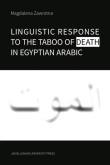
When Egyptians fear death or apprehend it, or when they are confront withthe taboo of death, they tend to submit themselves to God's will, hoping that he will save them from danger. While taking refuge in God, they resort to religious formulae, choosing from what seems to be an endless collection of prophylactic, protective or soothing incantations and blessings. The role of religion in everyday social interactions of Egyptians cannot be overemphasised. It regulates human relations and helps to catalyse the inner fears of man. Religious formulae denote complex cultural concepts by relating to multi-layered and multi-dimensional, recurrent situations. This embedding in sociocultural context is a crucial feature of formulae. Thus, formulaicity is the lens through which this book analyses the response to the taboo of death in Egypt.PhD Magdalena ZawrotnaA graduate of Arabic philology at the Jagiellonian University and a lifelong learner of Arabic. She also studied at the University of Cairo and completed her PhD studies in linguistics in Cracow. She specializes in Egyptian Arabic, English-Arabic code switching, and the use of language on the Internet. She also translates from and teaches Arabic, in addition to conducting research in Cairo. Currently she works at the Institute of Oriental Studies, Jagiellonian University, where she teaches Arabic (MSA) Egyptian dialect and translation.
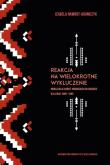
Książka przedstawia intersekcjonalną analizę mobilizacji, strategii działania i osiągnięć ruchu kobiet indiańskich w Kanadzie w latach 19681985. Status kobiet indiańskich (determinowany przez płeć, klasę społeczną oraz przynależność do grupy rdzennej ludności Kanady) wpływał na możliwości i ograniczenia polityczne ruchu Indianek, jego działania i strategie mobilizacyjne, a także na wykorzystywane przezeń ramy interpretacyjne. Analiza ruchu ukazuje szereg zjawisk, takich jak przyczyny i skutki społeczne wielowymiarowej dyskryminacji kobiet oraz jego uwarunkowania etniczne, klasowe czy genderowe. Publikacja przedstawia także oddziaływanie historycznego już ruchu społecznego na współczesne zagadnienia związane z kwestią statusu indiańskiego w Kanadzie oraz na działania zbiorowe podejmowane obecnie przez kobiety indiańskie w tym kraju.Izabela Nawrot-Adamczyk eksploruje zjawisko dyskryminacji kobiet, które jest uniwersalne czasowo i przestrzennie, a więc możliwe do uchwycenia nie tylko w perspektywie czasu przeszłego, ale również teraźniejszego, pod różnymi szerokościami i długościami geograficznymi. Zjawisko wieloaspektowej dyskryminacji kobiet indiańskich w Kanadzie skupia w sobie, niczym w soczewce, jeden z kluczowych problemów współczesnych społeczeństw, którym jest dyskryminacja ze względu na płeć. Wydźwięk monografii, napisanej w sposób kompetentny i wnikliwy, a ponadto ugruntowanej badaniami empirycznymi, jest tym silniejszy, że prowadzona analiza dotyczy przypadku niezwykłego oraz wyrazistego, a jednocześnie opisywane zdarzenia i ich skutki odnoszą się do naszego życia codziennego.Z recenzji dr. hab., prof. UP Grzegorza ForysiaIzabela Nawrot-Adamczyk amerykanistka, doktor nauk społecznych w zakresie socjologii, asystentka w Instytucie Bliskiego i Dalekiego Wschodu Uniwersytetu Jagiellońskiego, stypendystka International Council for Canadian Studies. Jej zainteresowania naukowe obejmują socjologię ruchów społecznych, indigenous studies oraz analizę intersekcjonalną. Obecnie zajmuje się problematyką sojuszów i koalicji między rdzenną ludnością a muzułmanami w Kanadzie.
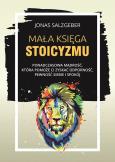
Gdzie można odnaleźć radość z życia? Gdzie i w jaki sposób zdobyć siłę? Jak stawiać czoła lękom? Jak radzić sobie ze śmiercią bliskiej osoby lub z powracającymi przygnębiającymi myślami?Tradycyjna edukacja nie da ci odpowiedzi na powyższe pytania. A dokładnie o to chodziło w starożytnych szkołach filozoficznych uczyły jak żyć. Mimo że one już nie istnieją, ty, ja i większość ludzi cały czas potrzebujemy filozofii, która poprowadzi nas przez życie. Tak jak było to kiedyś.Ten przekonujący i bardzo praktyczny przewodnik wskaże ci sposoby na to, jak skuteczniej radzić sobie z tym, co spotyka cię każdego dnia, i jak cieszyć się życiem.Mała księga stoicyzmu mieszanka ponadczasowej mądrości i inspirujących rad, wskaże ci drogę, jeśli tylko szukasz spokojnego i mądrego życia w tym chaotycznym świecie.Korzyści, jakie otrzymasz dzięki tej książce:- poprawisz swoją odporność emocjonalną, tak aby inni nie mogli już dłużej tobą manipulować,- dowiesz się, jak opuścić emocjonalną kolejkę górską, obniżyć poziom negatywnych emocji i zachować spokój podczas każdej burzy,- zaczniesz żyć według sprawdzonych wartości i rozwijać pozytywne cechy, takie jak: odwaga, cierpliwość, samodyscyplina, wytrwałość i rozsądek,- zwiększysz pewność siebie, dzięki czemu będziesz się czuć spokojnie i bezpiecznie bez względu na wszystko,- natychmiast poprawisz swoją samoświadomość i lepiej będziesz radzić sobie z samym sobą, a także ze swoimi działaniami w chaotycznym świecie,- poznasz nowe podejście wyjaśniające tę praktyczną filozofię,- otrzymasz 55 praktyk, które pomogą ci przełożyć mądrość z kart tej książki na działanie w prawdziwym świecie.
Istnieje wiele biografii sławnych ludzi, ale dla każdego człwieka najważniejsza jest jego własna biografia. Praca nad własną biografią jest dzisiaj niezwykle aktualna. Dzieje się tak, gdyż praca ta jest ważna nie tylko dla ludzi w okresie kryzysu, lecz stanowi pomoc w przezwyciężeniu pewnego losu związanego z chorobą. Dzięki pracy nad sobą, przez spotkanie z innym człowiekiem kroczymy od teraźniejszości w przyszłość.Pierwsza część książki ukazuje obserwacje związane z przebiegiem ludzkiego życia i daje całościowe spojrzenie na pewne prawidłowości dotyczące biografii. Druga część przedstawia metody pracy i sposób, w jaki każdy człowiek może pracować nad własnym losem.
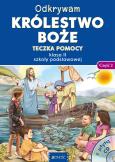
Teczka pomocy Odkrywam królestwo Boże jest integralną częścią pakietu edukacyjnego dla klasy II szkoły podstawowej.Dwie części teczki z materiałami dla katechety zawierają:- kolorowe ilustracje, mapy i zdjęcia w formacie A4 i A2,- plansze z elementami do przedstawień w formie teatrzyku,- płyty CD z gotowymi prezentacjami do wykorzystania na lekcjach oraz kartami pracy do samodzielnego wydruku.
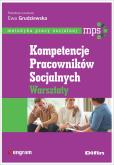
Metodyka Pracy Socjalnej to uzupełnienie serii wydawniczej Biblioteka Pracy Socjalnej, która ukazała się nakładem Wydawnictwa Difin. Przedstawiana seria za punkt wyjścia w pracy socjalnej stawia sobie koncentrację na warsztacie metodycznym, którym powinna się posługiwać osoba profesjonalnie pomagająca ludziom.
Prezentowana książka przedstawia warsztaty dotyczące: rozwijania umiejętności społecznych, empatii, umiejętności komunikacyjnych, antydyskryminacji, umiejętności rodzicielskich/wychowawczych. Publikacja adresowana jest do osób kształcących przyszłych przedstawicieli helping professions, tj. pracowników socjalnych, asystentów rodzin, pedagogów, psychologów, opiekunów osób starszych i z niepełnosprawnościami, a także przedstawicieli zawodów medycznych (pielęgniarki, fizjoterapeuci, lekarze).
Patronat: Doradca w Pomocy Społecznej, ops.pl, Praca Socjalna, Polska Federacja Związkowa Pracowników Socjalnych i Pomocy Społecznej.
W serii Metodyka Pracy Socjalnej:
1. Kompetencje pracowników socjalnych. Warsztaty
2. Praca socjalna z osobami w kryzysie bezdomności, opuszczającymi jednostki penitencjarne, uzależnionymi
3. Praca socjalna z osobami starszymi, z chorobami otępiennymi i ich rodzinami
4. Praca socjalna z osobami z niepełnosprawnościami, bezrobotnymi, z zaburzeniami psychicznymi
5. Dziecko w rodzinie. Kontekst prawno-metodyczny
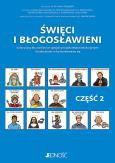
Publikacja jest propozycją pomocy dydaktycznej w formie kart pracy dla nauczycieli, opiekunów oraz rodziców dzieci z niepełnosprawnością intelektualną w stopniu umiarkowanym i znacznym. Przybliża wybrane postaci świętych i błogosławionych Kościoła katolickiego. Każdy temat poświęcony konkretnemu świętemu zilustrowany jest dużymi zdjęciami i rysunkami, zawiera łatwy do czytania tekst wprowadzający oraz tekst do czytania uczestniczącego z symbolami komunikacji alternatywnej PCS. Wykorzystanie tych unikatowych symboli pomaga uczniom lepiej zrozumieć treść lekcji oraz samodzielnie wypowiadać się na omawiany temat. Teczka zawiera ponadto propozycje zadań do wykonania, puzzle, kolorowanki, rebusy, wycinanki quizy itp. Pomagają one utrwalić wydarzenia z życia świętych i ich przesłanie. Nauczyciel może korzystać z gotowych poleceń i zadań lub je wybierać i modyfikować.Część 2 zawiera materiały dotyczące: św. Józefa, św. Floriana, św. Stanisława (biskupa i męczennika),św. Andrzeja Boboli, św. Jadwigi Królowej, św. Antoniego, św. Alberta (Chmielowskiego), św. Kingi,św. Krzysztofa, św. Maksymiliana Marii Kolbego, św. Jacka, bł. Piotra Frassatiego, bł. Stefana Wyszyńskiego.
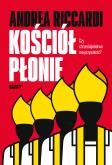
W nocy z 15 na 16 kwietnia 2019 r. spłonęła katedra Notre-Dame de Paris. Ogień, który zdewastował historyczny ośrodek chrześcijaństwa europejskiego, symbolicznie przedstawiał sytuację kryzysową,z jaką Kościół boryka się od wielu lat. W Polsce, jak w całej Europie i na świecie, obserwuje się stały spadek praktyk religijnych, spadek liczby powołań, malejącą obecność katolików w życiu publicznym.Kościół zmaga się z licznymi skandalami.Czy jest to jeden z wielu kryzysów, jakich doświadczyło chrześcijaństwo, czy też jego definitywny upadek?To pytanie niepokoi nawet tych, którzy patrzą na chrześcijaństwo z zewnątrz. Ale kryzys niekoniecznie oznacza koniec. Może to być szansa na nowe otwarcie.Książka stanowi nie tylko spojrzenie wstecz na historię chrześcijaństwa; przede wszystkim jest próbą oceny jego obecnej sytuacji.
W książce Forthomme'a czytelnik znajdzie dużo więcej niż tylko muzealny przewodnik po zakamarkach historii myśli zrodzonej z doświadczenia św. Franciszka i jego braci. Jej autorowi udało się nie tylko pokazać, że istnieje pewien styl myślenia i działania charakterystyczny dla franciszkanizmu, ale że ten styl wywarł wpływ na wieleelementów nowoczesności. Ukazanie kreatywnej mocy kultury franciszkańskiej jest niebywałym atutem prezentowanej tu historii. Książka uczy umiejętności wiązania często trudnych i złożonych idei z przeszłości z naszym własnym doświadczeniem. Jej lektura to niesamowita przygoda odkrywania bogatego świata idei, który stoi u podstaw naszej codzienności. W przypadku niniejszej publikacji nie tylko opowiadana historia jest fascynująca, ale i styl samego opowiadania wyjątkowy. Daleki od nudnych i sztampowych podręczników do historii idei, ujawnia poetycką nutę wrażliwości autora, zachęca do myślenia, uczy odwagi w kojarzeniu faktów, zapala do działania.Zapewne książka Forthomme'a nie jest łatwa, należy niemniej do tych książek, które warto czytać, właśnie dlatego, że nie są łatwe. To konieczna lektura nie tylko dla wielkiej i różnorodnej rodziny franciszkańskiej, ale dla każdego, kto chce lepiej zrozumieć nasz współczesny świat.ks. dr hab. Robert Woźniak, prof. UPJPIISeria Sapientia + to kolekcja monografii teologicznych, których celem jest powrót myślenia do szlachetnej tradycji związku między teorią i praktyką. Wychodzi ona naprzeciw wszystkim pragnącym kultywować sztukę myślenia całościowego, w którym prawda i czyn stanowią jedną nierozerwalną całość.Mądrość (kmh, sofia, sapientia) to jedna z podstawowych kategorii biblijnych, w których opisywana jest relacja między poznaną prawdą i codziennym życiem człowieka. Prawdziwa mądrość przychodzi do świata, gdy człowiek w samym centrum pustyni swojego życia zwraca się ku Bogu, ku Niemu podąża, w Nim dobrowolnie ustanawia ostateczną perspektywę swojego życia.Celem serii jest dopomóc, aby prawda rozbłysła w całym swoim splendorze zachęcającym do pracy, a jej najgłębsza intuicja opiera się na przeświadczeniu, że czyn powraca do myśli, a myśl do czynu, tylko wtedy, kiedy człowiek poszukuje Boga.
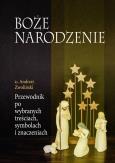
Święto Bożego Narodzenia bardzo głęboko odcisnęło sięw kulturze poszczególnych chrześcijańskich społeczeństw.W dawnej Polsce było nazywane Godami na które oczekiwanojako na przyjście Oblubieńca. W Wigilię, niemal do północy,wszyscy domownicy przed wyjściem na pasterkę śpiewalikolędy. W domach nie gaszono świateł, bo Pan Jezus się narodził,Dzieciątko Boże, Jasność i w domu niech więc będzie jasność.Nie uprzątano stołu wigilijnego, a potrawy pozostawałyna nim aż do dnia wspomnienia św. Szczepana, czyli do drugiegodnia świąt.Ksiądz Zwoliński w swojej najnowszej książce skupia się na tematyce Bożego Narodzenia. Również i tym razem porusza szereg zagadnień oraz ilustruje je wyszukanymi ciekawostkami.
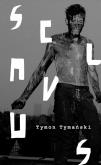
W Sclavusie Tymon Tymański opowiada historię jednej z najbarwniejszych grup artystycznych lat 80. XX wieku – trójmiejskiej Tranzytoryjnej Formacji Totart. Rozpoznaje i przywołuje jej artystycznych antenatów, opisuje happeningi i akcje, wciąga w świat własnych literackich fascynacji i muzycznych olśnień. Książki Tymańskiego nie należy jednak postrzegać jak kolejnej literackiej – zbiorowej i indywidualnej – biografii artystycznej. To pełnowartościowa beletrystyka, napisana brawurowo, z doskonałym czuciem i rozumieniem języka, pełna – także autoironicznego – poczucia humoru.
W książce Tymańskiego obserwujemy, jak terapeutyczna postsztuka Totartu, zrodzona z konieczności odreagowania ponurych lat 80., czasu beznadziei i niemożności, przeradza się w Tymonowy modus. Pomieszanie wysokiego z niskim, sowizdrzalskiego z intelektualnym, mądrego z głupim znać w jego juwenilnych wierszach i prozie, słychać w muzyce yassowej, widać w filmie Polskie gówno. Prywatny totart Tymańskiego to świat duchowych otwarć, głębokich przyjaźni, seksualności i nieprawdopodobnych wizji.
Z tła opowieści prześwieca panorama Gdańska lat 80. i 90., którą autor odmalowuje, nie stroniąc od politycznych docinek i zakulisowych anegdot. W tekście Tymona spotykają się ci, którzy historię pisali, i ci, o których ona milczy. Jest tu Lech Wałęsa i Tomek Wilmowski, anarchiści i buddyści, prałat Jankowski przepędzający przybyszów z Alfa Centauri, jest i niezapomniany mazurski minstrel Jasiu Karabin.
Powieść Tymańskiego, choć nawiązuje do różnorakich tradycji literackich, wymyka się definicjom, nawet pojemnej definicji powieści postmodernistycznej. Autor nazywa swą książkę „posttotartowym imprzejawnikiem”, „profuzyjnym eposem o Totarcie – opowieścią o czasach, zjawisku, grupie waryatów i nieskrępowanej kreacji”. I właśnie „nieskrępowana kreacja” zdaje się najważniejszym kluczem do zrozumienia Totartu i Sclavusa.
Tymon Tymański – songwriter, multiinstrumentalista, producent muzyczny. Prozaik, poeta, scenarzysta, dramaturg, aktor. Urodzony 30 września 1968 roku w Gdańsku. Buddysta czan, taoista naturszczyk. Adept Ścieżki Pustej Dłoni i Dłoni Wielkiej Opozycji, Gimnastyki Życiowej Energii oraz Jogi Słońca i Księżyca. Dozgonny admirator Kaszub i potajemny kochanek Morza Bałtyckiego.
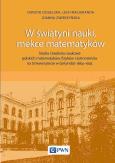
Książka jest pierwszym kompleksowym i opartym na materiałach archiwalnych opisem studiów i staży naukowych Polaków, którzy immatrykulowali się na Uniwersytecie w Getyndze w latach 1884-1933 i podjęli studia w zakresie nauk ścisłych.Pierwszy rozdział pracy stanowi wprowadzenie metodologiczne, w rozdziale drugim przedstawiono rozwój nauk ścisłych na uczelni w Getyndze od jej założenia do wypędzenia uczonych przez rządy nazistowskie w 1933 roku. Rozdział trzeci został poświęcony ogólnym problemom związanym ze studiami w Getyndze. W rozdziałach czwartym i piątym - w porządku chronologicznym - przedstawiono Polaków, którzy odbywali staże naukowe w getyńskiej wszechnicy, oraz osoby, które uzyskały tu doktorat filozofii z matematyki, statystyki matematycznej i fizyki albo zdawały egzamin doktorski z tych dyscyplin. Krótkim podsumowaniem badań jest rozdział szósty omawiający rolę byłych getyńskich studentów w II Rzeczypospolitej Polskiej w dwudziestoleciu międzywojennym. Ważną częścią publikacji jest przedostatni rozdział zawierający krótkie biogramy niemal osiemdziesięciu Polek i Polaków, którzy immatrykulowali się na Uniwersytecie w Getyndze. Biogramy zostały uzupełnione informacjami archiwalnymi zgromadzonymi w trakcie kwerend w Getyndze, a także w wielu polskich oraz zagranicznych archiwach i bibliotekach. Kilka not to pierwsze biograficzne opracowanie informacji o tych postaciach.Atutami monografii są bogata dokumentacja oraz materiał ilustracyjny pozyskany z archiwów polskich i zagranicznych.Publikacja skierowana jest przede wszystkim do pracowników naukowych oraz studentów interesujących się historią matematyki, fizyki, astronomii i statystyki matematycznej. Może też zaciekawić osoby zainteresowane historią uniwersyteckiej edukacji, w tym polsko-niemieckimi kontaktami naukowymi w okresie 1870-1939, oraz historyków filozofii, logiki i chemii.
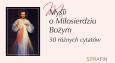
Myśli o miłosierdziu Bożym na 50 różnych karteczkach, w obwolucie. Do indywidualnego rozważania lub rozdawania przy okazji różnych spotkań, nabożeństw, mszy świętych.W komplecie znajduje się 50 karteczek, każda zawiera inną myśl dotyczącą Miłosierdzia Bożego, całość opakowana jest w tekturową obwolutę.Wymiary: 9 x 4,8 cm, papier kredowy wizytówkowy.Przykładowe myśli o Miłosierdziu Bożym:Bóg Was kocha i to bardzo, dlatego Wy odwzajemniajcie tę miłość najlepiej jak potraficie.Miłosierdzie Boże jest nieskończone.Nawrócenie jest najbardziej konkretnym wyrazem działania miłości i obecności miłosierdzia w ludzkim świecie.Nie znajdzie ludzkość uspokojenia dopóki się nie zwróci z ufnością do miłosierdzia mojego.
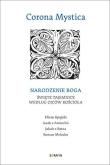
Tomik zawiera hymny ojców Kościoła o narodzeniu Chrystusa, objawieniu Pańskim i ofiarowaniu Chrystusa w świątyni.Seria Corona Mystica to:o klasyczne teksty duchowości chrześcijańskiejo literacki język wypowiedzio bogactwo treści duchowycho przygotowanie do modlitwy i prowadzenia rozważań Moce anielskie, przybywajcie!Ludzie z Betlejem, żłób przygotujcie!Narodzi się bowiem Słowo, przybędzie Mądrość.Kościele, przyjmij pozdrowienie, ku radości Bożej Rodzicielki!Ludy, mówcie:,,Błogosławiony jesteś, o Nowonarodzony, Boże nasz, chwała Tobie!"". Józef widział, jak moce niebieskiespieszyły, by uczcić Wcielonego,jak magowie swymi darami oddawali cześć Narodzonemu z Dziewicy.Był bezradny wobec tajemnicy nowo narodzonego Króla,dlatego mówił:,,Błogosławiony jesteś, o Nowonarodzony, Boże nasz, chwała Tobie!"".
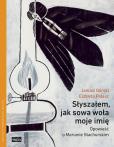
Jeśli ktoś interesuje się polską powojenną grafiką, kiedyś niechybnie natrafi na projekty Mariana Stachurskiego: okładki książek, plakaty, ilustracje, karty pocztowe. Twórca ten jest autorem ogromnej liczby obwolut i okładek głównie dla Czytelnika, ale też dla Iskier, PAX-u i innych wydawców, a także niemal 300 plakatów. Jego prace wyróżnia oryginalna uroda i różnorodność. Przy tym Marian Stachurski jest dziś niemal zapomniany. Należało zatem wypełnić lukę i przybliżyć czytelnikom postać tego artysty. Ponieważ zmarł w 1980 roku, nie pozostało nic innego, jak rozmawiać z osobami, które go znały i pamiętają, czyli z rodziną, przyjaciółmi i współpracownikami. Jednak życie Mariana Stachurskiego okazało się tak dramatyczne, że opowieść biograficzna nie mogła pozostać w cieniu prezentacji projektów artysty, jak zwykle się dzieje. W tej książce oba wątki się przeplatają, pokazując, jak biografia wpływała na twórczość i odwrotnie.
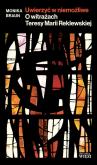
Książka Uwierzyć w niemożliwe jest tekstem hybrydycznym. Pozornie otrzymujemy klasyczne omówienie życia i twórczości jednej z najwybitniejszych polskich witrażystek, Teresy Marii Reklewskiej. Jednak nawet pobieżna lektura sprawia, że dzięki niemu zaczynamy stopniowo wnikać w tajemniczy i fascynujący świat wielowiekowej tradycji witraży i witrażownictwa jako odrębnej dziedziny rzemiosła oraz w sferę sacrum, dla której witraż jest jedynie pośrednim, ale bardzo istotnym medium.Rozległa wiedza filologiczna, filozoficzna i historyczna autorki pozwala jej poruszać się swobodnie w różnych obszarach badawczych, łączących w sobie na przykład informacje na temat metafizycznej i mistycznej interpretacji światła z konkretną, wypracowywaną przez wieki wiedzą technologiczną i warsztatową niezbędną przy powstawaniu witraży.prof. dr hab. Waldemar Okoń
Ten produkt jest zapowiedzią. Realizacja Twojego zamówienia ulegnie przez to wydłużeniu do czasu premiery tej pozycji. Czy chcesz dodać ten produkt do koszyka?