W tej strefie proponujemy bardzo szeroką ofertę z dziedziny psychologii oraz dziedzin powiązanych: astronomii i astrofizyki, ekologii, filozofii, kultury, podróżnictwa, religii, socjologii, sztuki. Szczególnie polecamy z tej kategorii bestseller pt. Księga Urantii. Księga Urantii podaje jasną i zwięzłą integracją nauki, filozofii i religii. Ci, którzy ją czytali i zgłębiali, wierzą, że Księga Urantii może wnieść bardzo wiele wartości do religijnej i filozoficznej myśli ludzi tego świata.
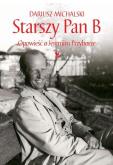
Starszy Pan B to opowieści o Jeremim Przyborze, autorze niezrównanych tekstów piosenek, twórcy Kabaretu Starszych Panów, reżyserze, scenarzyście. To opowieśćo arcyciekawym życiu Starszego Pana B, o czasach, w których działał, i ludziach, których znał. Książka bogato ilustrowana prywatnymi zdjęciami rodziny Przyborów orazz archiwów teatralnych, telewizyjnych i filmowych.?
Pół wieku podróżowałem po Azji.
Byłem pielgrzymem z okiem otwartym. Usiłowałem zbliżyć się do pojęć i światów nam niedostępnych. Szukałem odpowiedzi na istotę człowieczeństwa.
Znałem europejskie akademie i czarny kwadrat Malewicza. O ikonosferze rozmawiałem z profesorem Mieczysławem Porębskim. Z dziesiątków tysięcy azjatyckich negatywów wybrałem do książki “Azja - Sacrum” fotografie świątyń i bogów, składając hołd Człowiekowi który je stworzył.
Andrzej Strumiłło
Maćkowa Ruda, 28.10.2019
Słowno-fotograficzna opowieść o Azji. Andrzej Strumiłło – malarz, grafik, rzeźbiarz, fotograf, pisarz i poeta – pokazuje czytelnikowi bogactwo kulturowe Dalekiego Wschodu, dając wyraz swojej długoletniej fascynacji.
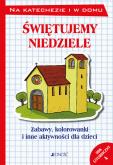
Każdy lubi odpoczywać, świętować, bawić się i spędzać czas z bliskimi. Niedziele i święta są wspaniałym prezentem, który podarował nam Pan Bóg. Ta książka to wartościowa pomoc dla rodziców i katechetów. Podpowiada, jak pomóc dzieciom pięknie przeżywać niedziele i dni świąteczne. Zamieszczone w niej czytania niedzielne i z uroczystości roku liturgicznego A, rysunki do kolorowania, zabawy i quizy sprawią, że wspólne świętowanie stanie się jeszcze piękniejsze.
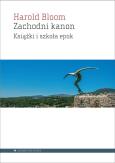
To monumentalne dzieło opisuje wybrany przez autora kanon utworów zachodniej literatury, który obejmuje 26 autorów skupionych wokół Szekspira i innych z Dantem i Chaucerem na czele, a ponadto zawiera słynną listę kilkuset kanonicznych tytułów, głównie europejskich, z podziałem na kraje i epoki (arystokratyczną, demokratyczną i naszą, chaotyczną). Niezależnie od swoich „rankingów” książka niezwykle pouczająco wprowadza w świat tych dzieł i relacje między nimi. Harold Bloom (1930–2019) był amerykańskim literaturoznawcą wykładającym do późnych lat w Yale, twórcą słynnej i kontrowersyjnej koncepcji „lęku przed wpływem”, lęku, który paraliżuje „słabych” autorów, a motywuje do oryginalności „silnych”. Za najsilniejszego uważał Szekspira, centrum kanonu. Druga główna idea Blooma to estetyczne kryterium literatury. Czytamy dla przyjemności estetycznej, a nie ze względu na społeczny walor utworu, na jego aspekty feministyczne, marksistowskie, kulturowe, polityczne, ekonomiczne itd. Kryterium estetyczne i indywidualne stanowi o wartości dzieła rozpoznawalnej po jego „dziwności”. Bloom pesymistycznie ocenia przyszłość kanonu i literatury opartej na wartości wyłącznie estetycznej – przyszłość kanonu estetycznego. Jego zdaniem lektura jako doświadczenie prywatne zanika, wypierana przez hałaśliwe ideologie i medialne rozrywki. My jednak możemy zawierzyć temu autorowi, erudycie pełnemu pasji, który czytał przez całe życie z miłością do literatury przeżywanej w samotności.
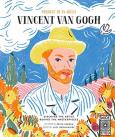
Learn about one of the worlds favourite painters - Vincent Van Gogh - in this new and unique biography series, which depicts the story of an artist's life through their own masterworks.
Vincent Van Gogh was born in the Netherlands and today is one of the worlds best-loved painters. But during his lifetime, Van Gogh struggled to find fame and fortune through his art, making very little money from his paintings, which now sell for millions of dollars. This book tells the story of Van Gogh's life through his own artworks, and shows how he came to create some of the most famous paintings in the world, including the Sunflowers and Starry Night. Learn about the importance of brotherly love, his struggle to find the right path and the lasting impact he had on the history of art in this book that brings his work to life.
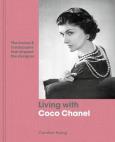
Living with Coco Chanel explores the influence of place on the creative output of the famous fashion designer and business woman, telling the story of her life and work in a unique and accessible way.
Gabrielle Chanel was born in Maine-et-Loire and when her mother died was sent to live at the orphanage at Aubazine, where she learned to sew. Chanel kept the secrets of her childhood close to her. She only offered hints about the poverty and abandonment she suffered, of the cloisters and chestnut trees of the Auvergne landscape that formed a backdrop to her early life.
The book follows the story of Chanel's years in Paris, opening her boutique on Rue Cambon, with her apartment above the shop, and her relationships with ‘Boy’ Capel, Pierre Reverdy and Paul Iribe. Another significant relationship was with the Duke of Westminster, who gave her some land in Roquebrune-Cap-Martin on the French Riviera, where she built her villa, La Pausa, with parts of the design inspired by Aubazine.
All her life she sought freedom from the poverty and restrictions of her childhood at the convent at Aubazine. Emerging at a time that allowed for women to be more independent, she designed clothes that let them be free, as they played sports, drove cars and rode bicycles, and went to work. And as she found fame and love and success, she used the memories of her past, and the way that she lived, to forge her own independence.
Beautifully illustrated, the book features designs, drawings, archive imagery and contemporary photography to provide an insight into Chanel’s life and examines how the homes and landscapes of her life relate to her work.
Celebrate the world's most seductive instrument. An obsessive, full-colour gift book, Guitar captures the soul, the significance, the history, the magic, the raw mojo of the guitar in all of its beauty and variety.
Written by David Schiller, author of Guitars and the Guitars wall calendar, here are 200 instruments in stunning detail. Iconic instruments - Leo Fender's history-making "Broadcaster," Les Paul's log, the Gretsch Country Gentleman, the trio of Martins (D-18, D-28, OM-28) collected, coveted and also copied by every important guitar builder since. Historic instruments - Eric Clapton's Brownie, George Harrison's hand-painted Rocky, Prince's Yellow Cloud, Willie Nelson's Trigger, the Hauser that was inextricably bound up with Andres Segovia's preeminent artistry. Hand-carved archtop jazz guitars, pinnacles of the luthier's art, from John D'Angelico to Ken Parker. There are instruments from a new wave of female builders, including Shelley D. Park, Joshia de Jonge, and Rosie Heydrich of England, with a guitar she built out of 5,000 year-old wood retrieved from a peat bog. And quirky, one-of-a-kind guitars, like Juha Ruokangas's steampunk masterpiece, "Captain Nemo," and Linda Manzer's Pikasso II built for Pat Metheny - four necks, 72 strings, and a thousand pounds of pressure.
An Explorer's Guide to the World's Hidden Wonders
“A wanderlust-whetting cabinet of curiosities on paper.”— New York Times
Inspiring equal parts wonder and wanderlust, Atlas Obscura is a phenomenon of a travel book that shot to the top of bestseller lists when it was first published and changed the way we think about the world, expanding our sense of how strange and marvelous it really is.
This second edition takes readers to even more curious and unusual destinations, with more than 100 new places, dozens and dozens of new photographs, and two very special features: twelve city guides, covering Berlin, Budapest, Buenos Aires, Cairo, London, Los Angeles, Mexico City, Moscow, New York City, Paris, Shanghai, and Tokyo. Plus a foldout map with a dream itinerary for the ultimate around-the-world road trip. More a cabinet of curiosities than traditional guidebook, Atlas Obscura revels in the unexpected, the overlooked, the bizarre, and the mysterious. Here are natural wonders, like the dazzling glowworm caves in New Zealand, or a baobob tree in South Africa so large it has a pub inside where 15 people can sit and drink comfortably. Architectural marvels, including the M. C. Escher–like stepwells in India. Mind-boggling events, like the Baby-Jumping Festival in Spain—and no, it’s not the babies doing the jumping, but masked men dressed as devils who vault over rows of squirming infants.
Every page gets to the very core of why humans want to travel in the first place: to be delighted and disoriented, uprooted from the familiar and amazed by the new. With its compelling descriptions, hundreds of photographs, surprising charts, maps for every region of the world, and new city guides, it is a book you can open anywhere and be transported. But proceed with caution: It’s almost impossible not to turn to the next entry, and the next, and the next.
Named one of Library Journal’s Best Religion & Spirituality Books of 2019
An Unorthodox Guide to Everything Jewish
Deeply knowing, highly entertaining, and just a little bit irreverent, this unputdownable encyclopedia of all things Jewish and Jew-ish covers culture, religion, history, habits, language, and more. Readers will refresh their knowledge of the Patriarchs and Matriarchs, the artistry of Barbra Streisand, the significance of the Oslo Accords, the meaning of words like balaboosta,balagan, bashert, and bageling. Understand all the major and minor holidays. Learn how the Jews invented Hollywood. Remind themselves why they need to read Hannah Arendt, watch Seinfeld, listen to Leonard Cohen. Even discover the secret of happiness (see “Latkes”). Includes hundreds of photos, charts, infographics, and illustrations. It’s a lot.
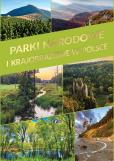
Wraz z niniejszą książką masz okazję wyruszyć w niesamowitą podróż po najpiękniejszych parkach w Polsce. Przewracając kolejne strony tej publikacji poznasz wszystkie parki narodowe oraz ponad dwadzieścia najbardziej reprezentatywnych parków krajobrazowych naszego kraju. Barwne fotografie uzupełnione najważniejszymi informacjami oraz ciekawostkami rozbudzą wyobraźnię i z pewnością sprawią, że zapragniesz zobaczyć na żywo te piękne tereny, pełne wspaniałej roślinności i zwierząt. Dzięki temu wydaniu przekonasz się, że Polska ma do zaoferowania znacznie więcej niż można się spodziewać.
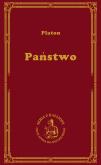
Kolejna książka z ""serii z Kalliope czyli od Platona do Nietzschego"" czyli z cyklu pięknie wydanych klasycznych dzieł wybitnych filozofów od czasów greckich aż po początki wieku XX. Wszystkie książki oprawione są w płótno ze złoceniami. Kolekcjonerskie wydania. Platon (427 p.n.e.-347 p.n.e.) uczeń Sokratesa, którego śmierć uważał za niewyobrażalną zbrodnię ateńskiej republiki napisał 35 dialogów. Platońskie (w klasycznym przekładzie wraz z posłowiem, objaśnieniami i ilustracjami Władysława Witwickiego) Państwonależy do dialogów najważniejszych i jest dialogiem najdłuższym, dialogiem z pogranicza filozofii i nauki o państwie (mówiąc współczesnym językiem - politologii). Zalicza się Państwo do dialogów z okresu wczesnego (pierwsza księga) i średniego (pozostałe księgi). Rozważa w nim Platon pojęcie sprawiedliwości, porządku, etyki, idealnego ustroju, analizuje 4 formy ustrojowe - timokrację, oligarchię, demokrację i tyranię, wyliczając i analizując wady i zalety każdej z nich.
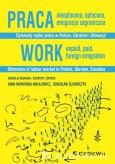
Monografia poświęcona jest współczesnym przeobrażeniom na rynku pracy. Zawiera interesujące spektrum różnorodnych zagadnień ekonomii pracy w zakresie niedoskonałości funkcjonowania rynków pracy, związanych z problemami dotyczącymi aktywności zawodowej kobiet wychowujących dzieci, pracy nieopłaconej w gospodarstwach domowych, jak również zjawisk emigracji zagranicznej. Publikacja została przygotowana przez zespół badawczy składający się z siedemnastu Autorów pochodzących z ośrodków naukowych trzech państw: Polski, Słowacji i Ukrainy.
Autorzy wskazali na konieczne kierunki zmian podejścia ekonomistów w zakresie postrzegania i traktowania nieodpłatnej pracy w gospodarstwie domowym, na ograniczenia i możliwości rozwiązań w zakresie gromadzenia danych w systemach statystycznych oraz na potrzebę zmian w makroekonomicznym systemie pomiaru dochodu narodowego.
Przedstawiono także ważne argumenty na rzecz tworzenia elastycznych form zatrudnienia, z których mogą korzystać zwłaszcza kobiety wychowujące dzieci. Formy te sprzyjają z jednej strony wypełnianiu przez kobietę jej roli w rodzinie, z drugiej zaś wspierają samorealizację zawodową kobiety, jej potrzebę rozwoju i spełnienia zawodowego.
Kolejny istotny problem podjęty w monografii dotyczy imigracji pracowników z Ukrainy do Polski. Autorzy zjawisko imigracji postrzegają pozytywnie, zarówno z perspektywy Ukrainy, jak i Polski, bowiem imigranci z Ukrainy przyczyniają się do zwiększenia podaży siły roboczej na polskim rynku pracy oraz wzrostu udziału czynnika pracy w tworzeniu produktu narodowego. Procesy migracji przyspieszają dynamizację procesów cywilizacyjnych, jak również generują możliwości uzyskania większej swobody i bezpieczeństwa socjalnego, wolności politycznej oraz sprzyjają procesom samorealizacji jednostek i grup społecznych. Ponadto wskazano na wątek o charakterze ponadnarodowym, dotyczący wypalenia zawodowego pracowników, stres oraz zmęczenie związane ze zjawiskiem sezonowości w turystyce.
Ostatnia część monografii poświęcona jest kompetencjom zawodowym. Przy wykorzystaniu mapy kompetencji zaprezentowano grupy cech preferowanych przez pracodawców. Jest to ważny tekst dla środowiska akademickiego ze względu na obowiązujące ramy kwalifikacji zawodowych związane z efektami kształcenia, wiedzy i umiejętności.
Autorzy mają nadzieję, że monografia stanowić będzie ważny impuls edukacyjny w procesie budowania świadomego społeczeństwa.
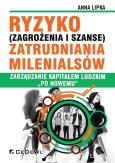
Książka pt. „Ryzyko (zagrożenia i szanse) zatrudnienia Milenialsów. HRM „po nowemu"", autorstwa Anny Lipki (z Uniwersytetu Ekonomicznego w Katowicach):
• udowadnia, iż Milenialsów charakteryzuje (w porównaniu do Tradycjonalistów, Baby Boomers oraz Generacji X) najwyższa dynamika pokoleniowa (mierzona liczbą zmian/transgresji postaw i wartości) oraz najwyższa oryginalność transgresyjna (mierzona postawami i wartościami o charakterze dyskontynuacyjnym (a nie kontynuacyjnym bądź wahadłowym)), wymuszająca zmiany m.in. w Human Resources Management;
• pokazuje dlaczego i przedstawia w jaki sposób należy mierzyć inteligencję generacyjną oraz zaufanie generacyjne w organizacji;
• charakteryzuje strategie personalne, które są adekwatne oraz nieadekwatne przy pozyskiwaniu i zatrzymywaniu najmłodszych pracowników;
• identyfikuje narzędzia personalne (dotyczące doboru pracowników, ich rozwoju, wynagradzania, kształtowania lojalności, kształtowania czasu i przestrzeni pracy, zarządzania konfliktami), które stosowane wobec Milenialsów zoptymalizują ryzyko personalne związane z ich zatrudnianiem;
• prezentuje w szczegółach, w jaki sposób stosować controlling personalny zorientowany na Milenialsów.
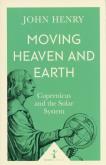
When Nicolaus Copernicus claimed that the Earth was not stationary at the centre of the universe but circled the Sun, he brought about a total revolution in the sciences and consternation in the Church. Copernicus’ theory demanded a new physics to explain motion and force, a new theory of space, and a completely new conception of the nature of our universe. He also showed for the first time that a common-sense view of things isn’t necessarily correct, and that mathematics can and does reveal the true nature of the material world. As John Henry reveals, from his idea of a swiftly moving Earth Copernicus sowed the seed from which science has grown to be a dominant aspect of modern culture, fundamental in shaping our understanding of the workings of the cosmos.
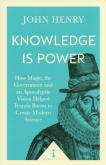
Francis Bacon – a leading figure in the history of science – never made a major discovery, provided a lasting explanation of any physical phenomena or revealed any hidden laws of nature. How then can he rank as he does alongside Newton? Bacon was the first major thinker to describe how science should be done, and to explain why. Scientific knowledge should not be gathered for its own sake but for practical benefit to mankind. And Bacon promoted experimentation, coming to outline and define the rigorous procedures of the ‘scientific method’ that today from the very bedrock of modern scientific progress. John Henry gives a dramatic account of the background to Bacon’s innovations and the sometimes unconventional sources for his ideas. Why was he was so concerned to revolutionize the attitude to scientific knowledge – and why do his ideas for reform still resonate today?
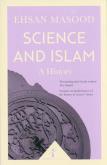
Long before the European Enlightenment, scholars and researchers working from Samarkand in modern-day Uzbekistan to Cordoba in Spain advanced our knowledge of astronomy, chemistry, engineering, mathematics, medicine and philosophy.
From Musa al-Khwarizmi who developed algebra in 9th century Baghdad to al-Jazari, a 13th-century Turkish engineer whose achievements include the crank, the camshaft and the reciprocating piston,
Ehsan Masood tells the amazing story of one of history’s most misunderstood yet rich and fertile periods in science, via the scholars, research, and science of the Islamic empires of the middle ages.
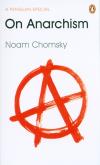
On Anarchism is an essential introduction to the Noam Chomsky's political theory.
On Anarchism sheds a much needed light on the foundations of Chomsky's thought, specifically his constant questioning of the legitimacy of entrenched power. The book gathers his essays and interviews to provide a short, accessible introduction to his distinctively optimistic brand of anarchism. Refuting the notion of anarchism as a fixed idea, and disputing the traditional fault lines between anarchism and socialism, this is a book sure to challenge, provoke and inspire. Profoundly relevant to our times, it is a touchstone for political activists and anyone interested in deepening their understanding of anarchism, or of Chomsky's thought.
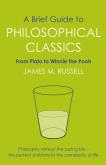
This concise introduction to 66 of the most thought-provoking books ever written shows how they can help us in our everyday lives.
Russell ranges widely as he demystifies philosophy, selecting works from Plato, Descartes and Wittgenstein to Philip K. Dick and the Moomins, as well as contemporary thinkers such as Peter Singer and John Rawls.
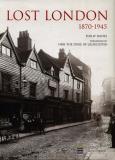
Lost London: 1870-1945 is a spectacular collection of more than 500 of the best images from the former London County Council archive of photographs, which has been held by English Heritage for the past 25 years. Most have never been published before. Taken to provide a unique record of whole districts of London as they were vanishing, each of the photographs is a full-plate image, a stunning work of art In its own right.
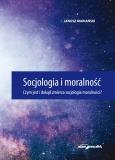
Socjolog moralności-jeśli ma być wierny swej profesjonalnej roli-nie tworzy żadnych ideałów moralnych ani nie buduje systemów etycznych z pominięciem historycznych warunków miejsca i czasu. Ale sprzeniewierzeniem postawie obiektywnego badacza faktów moralnych staje się nie tylko popadnięcie w absolutyzm (dogmatyzm etyczny), lecz także postawa, którą można nazwać błędem socjologizmu, prezentyzmu lub też socjologizmem moralnym [...], sprowadzająca się do udzielenia mocy obowiązującej aktualnie przeważającym w danej zbiorowości praktykom czy sądom moralnym. Te dwie postawy-w różny wprawdzie sposób, ale równie nieuprawniony-zamazujące granicę między sferą stwierdzanych faktów a wypowiedziami o charakterze normatywnym, stanowią pułapki, których uniknięcie staje się największym wyzwaniem socjologa moralności, gdy chce uprawiać swoją subdyscyplinę jako naukę empiryczną.Andrzej Tarczyński
Ten produkt jest zapowiedzią. Realizacja Twojego zamówienia ulegnie przez to wydłużeniu do czasu premiery tej pozycji. Czy chcesz dodać ten produkt do koszyka?