W tej strefie proponujemy bardzo szeroką ofertę z dziedziny psychologii oraz dziedzin powiązanych: astronomii i astrofizyki, ekologii, filozofii, kultury, podróżnictwa, religii, socjologii, sztuki. Szczególnie polecamy z tej kategorii bestseller pt. Księga Urantii. Księga Urantii podaje jasną i zwięzłą integracją nauki, filozofii i religii. Ci, którzy ją czytali i zgłębiali, wierzą, że Księga Urantii może wnieść bardzo wiele wartości do religijnej i filozoficznej myśli ludzi tego świata.
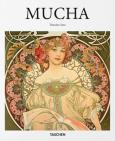
Delicate illustration that defined an era
With his instantly recognizable decorative style, Czech artist and Art Nouveau master Alphonse Mucha (1860–1939) defined the look of the fin-de-siècle. In evocative shades of peach, gold, ochre, and olive, his seductive compositions of patterns, flowers, and beautiful women became paradigms of the Belle Époque years.
Mucha’s work permeated illustration, posters, postcards, and the advertising designs of his day. His striking posters of star actress Sarah Bernhardt were particularly famous. Alongside this delicate decorative work, Mucha also harbored strongly felt political ideas. With his monumental cycle The Slav Epic, he expressed his staunch support for Pan-Slavism, promoting the political independence of the Czech and Slavic nations from the Austro-Hungarian Empire.
Compiled in association with the Mucha Foundation, this book presents key works and introduces the full reach of Mucha’s œuvre from patterned decoration to his book illustrations, posters, photographs and monumental paintings.
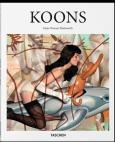
The creations of Jeff Koons (born 1955) are at once immediately accessible and eloquently art historical. From basketball tanks to flower puppies, his instantly recognizable work frolics with banal imagery as much as it integrates cultural references such as Surrealism and Pop Art.
Koons’ art revels in visual pleasure, but also in the power to affront. He has made his name as much for stainless-steel rabbits as he has with his sinister sculpture of Michael Jackson, or his sexually explicit photographic series with then-wife Cicciolina. The result is mega-artist status. An indisputable king of contemporary visual culture, Koons is lauded by collectors, institutions, and the public alike.
With landmark works and concise texts by Katy Siegel, Hans Werner Holzwarth, and Eckhard Schneider, this book offers the complete Koons at a glance, introducing an art world giant from his early inflatable flowers through to today.
Paul Gauguin’s Pacific visions radiate with color and sunshine
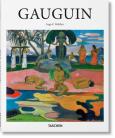
Paul Gauguin (1848–1903) was not cut out for finance. Nor did he last particularly long in the French Navy, or as a tarpaulin salesman in Copenhagen who did not speak Danish. He began painting in his spare time in 1873 and in 1876 took part in the Paris Salon. Three years later, he was exhibiting alongside Pissarro, Degas, and Monet.
A querulous, hard-drinking individual, Gauguin often called himself a savage. His close but fraught friendship with the similarly temperamental Vincent van Gogh climaxed in a violent incident in 1888, when van Gogh purportedly confronted Gauguin with a razor blade, and later cut off his own ear. Shortly afterwards, following the completion of a midcareer masterpiece Vision After the Sermon (1888), Gauguin took himself to Tahiti, with the intention of escaping “everything that is artificial and conventional…”
On Tahiti, Gauguin’s unfettered joy in the island’s nature, native people, and figurative images soared, spurring a prolific output of paintings and prints. In works such as Woman with a Flower (Vahine no te Tiare, 1891) and Sacred Spring: Sweet Dreams (Nave Nave Moe, 1894), he developed a distinct, Primitivist style that positively oozed with sunshine and color. In the tradition of exotic sensuality, his thick, buttery lashings of paint lingered in particular over the curves of Tahitian women.
Gauguin died alone, on Tahiti’s neighboring Marquesas Islands, with many of his personal papers and belongings dispersed in a local auction. It was not until a smart art dealer began curating and showing Gauguin’s work in Paris that the artist’s profound influence began making itself felt, especially to the new breed of French avant-garde artists, such as Picasso and Matisse.This book offers the essential introduction the artist’s truly colorful life, from the Impressionist salons of 1870s Paris to his final days in the Pacific, productive and passionate to the end.
The painterly gestures of personal feelings
Hailed as the first American-born art movement to have a worldwide influence, Abstract Expressionism denotes the non-representational use of paint as a means of personal expression. It emerged in America in the 1940s, with lead protagonists including Jackson Pollock, Philip Guston, Robert Motherwell, Mark Rothko, and Willem de Kooning.
Abstract Expressionism spawned many different stylistic tendencies but two particularly prominent sub-categories: action painting, exemplified by de Kooning and Pollock, and color field painting, made most famous by Rothko. Throughout, Abstract Expressionists strove to convey emotions and ideas through the making of marks, through forms, textures, shades, and the particular quality of brushstrokes. The movement favored large-scale canvases, and embraced the role of accident or chance.
With featured works from 20 key Abstract Expressionist artists, this book introduces the movement which shifted the center of art gravity from Paris to New York and remains for many the golden moment of American art.
Making sense of revolutionary new forms
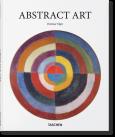
Abstraction shook Western art to its core. In the early part of the 20th century, it refuted the reign of clear, indisputable forms and confronted audiences instead with vivid visual poems devoid of conventional representational imagery and characterized by allegories of emotion and sensation.
This radical artistic adventure established new artistic means, as much as narratives. Expression became characterized by shocking juxtapositions of color, light, and line. Artists abandoned the conventions of brush and easel and played with new materials and methods of artistic gesture: commercial paints and housepainter’s brushes, working on unstretched and unprimed canvases, moving the canvas to the floor, and applying paint with hands.
This essential introduction spans the international breadth, conceptual depth, and seismic impact of abstract art with a thorough survey not only of the big names such as Picasso, Klee, Kline, Rothko, and Pollock, but also lesser-known figures who made equally significant contributions, including Antoni Tàpies, K. O. Götz, Ad Reinhardt, and Sophie Taeuber-Arp.
Temporary Projects, Eternal Impressions
The XXL exploration, now in a condensed handbook
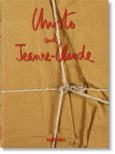
The works of Christo and Jeanne-Claude are monuments of transience. Gigantic in scale, they are always temporary, created to exist only for a limited time and to leave unique, unrepeatable impressions. “From the smallest of the Packages made in Paris in the early 1960s, to the delicate pattern of hundreds of branches embraced by a translucent fabric veil... in Christo and Jeanne-Claude’s works there is nothing abstract, nothing imagined; it is all there—corporeal and tangible.” (Lorenza Giovanelli)
Part biography, part critical analysis, part catalogue, this updated edition brings back TASCHEN’s best-selling Collector’s Edition. It spans Christo and Jeanne-Claude’s entire work, from early drawings and family photos to plans for future projects. Hundreds of photographs and original works trace the couple’s projects from the past 10 years, including The Floating Piers and The London Mastaba, as well as works in progress such as The Mastaba, Project for the United Arab Emirates and L’Arc de Triomphe Wrapped, Paris.
Together with the comprehensive photographic documentation by Wolfgang Volz this book is a celebration of the work of two artists whose imagination has affected the landscape of every continent.
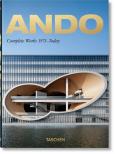
Tadao Ando’s complete works from 1975 until today
Discover the unique aesthetic of Tadao Ando, the only architect ever to have won the discipline’s four most prestigious prizes: the Pritzker, Carlsberg, Praemium Imperiale, and Kyoto Prize.
This collection spans the breadth of Ando’s entire career, including such stunning new projects as the Shanghai Poly Grand Theater and the Roberto Garza Sada Center in Monterrey, Mexico. Each project is profiled through photographs and architectural drawings that explore Ando’s unprecedented use of concrete, wood, water, light, space, and natural forms.
Featuring designs from award-winning private homes, churches, museums, and apartment complexes to cultural spaces throughout Japan, South Korea, France, Italy, Germany, Mexico, and the USA, this compact edition brings you up close and personal with a Modernist master.
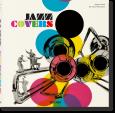
This striking and innovative collection of jazz covers presents the designs that defined a sound. Containing record covers from the 1940s through to the early 1990s, each reproduction is accompanied with essential background information. Spanning photographic and illustrative works, these album artworks are a marriage of music and design and a remarkable history of jazz.
Niektórzy wierzą, że w niebie mieszka staruszek, który może robić, co chce.Inni myślą, że w niebie jest staruszka albo kilku staruszków i staruszek, żeby było im raźniej. Mają takie imiona jak Jahwe, Tor, Izis, Zeus albo Kali i nazywani są bogami.Jeszcze inni uważają, że bóg jest niewidzialną siłą, która widzi i słyszy wszystko. Albo że bóg jest miłością.Można również nie wierzyć w żadnego boga.Ta książka jest o niewierze w boga.(Fragment książki)Boga przecież nie ma! to doskonały punkt wyjścia do rozmowy i odpowiedzi na podstawowe pytania: Czym jest wiara? Czym jest bóg? Czy każdy musi w niego wierzy?Wiarę narzucają nam inni, bo przecież rodzimy się bez niej. Przychodzimy za to na świat z rozumem i dlatego właśnie każdy może dokonać swojego wyboru. Ta książka jest o tym, dlaczego wielu ludzi uważa, że boga nie ma.Przeczytaj i zastanów się.
W Siedmiu zagadkach życia arcybiskup Fulton J. Sheen zaprasza nas do wybrania się w duchową podróż, która przemienia życie człowieka. Ze swoją słynną wnikliwością i w przekonujący sposób odpowiada na najważniejsze pytania, które nękają ludzkość zagadki trapiące nasze przyziemne umysły: Boża dobroć, ból, cierpienie niewinnych, samotność, nieszczęście, porażka, wartość, sens życia.To nauka prawdziwych, zdrowych zasad i wartości biblijnych, które umacniają i wzbogacają każdego dnia życie człowieka. To szkoła zaufania Bogu, opierająca się na Piśmie Świętym, twórczych przykładach i historiach, pomagająca każdemu wzrastać ku błogosławionemu, pełnemu sensu życiu w naśladowaniu naszego Pana i Zbawiciela, Jezusa.
Książka opowiada o najbardziej fascynujących wydarzeniach z życia Marii Julii Jahenny, bretońskiej mistyczki i stygmatyczki, oraz przedstawia jej najważniejsze wizje i przepowiednie, które, choć porażające, są jednak w pełni zgodne z Pismem Świętym, gdzie znajdujemy zapowiedzi nadejścia bardzo trudnego czasu dla świata i Kościoła. W rzeczywistości te wizje i przepowiednie służą nam dzisiaj jako busola, abyśmy nie zagubili się pośród obecnych katastrof i niepokojących wydarzeń.Maria Julia Jahenny była tercjarką franciszkańską, od dwudziestego trzeciego roku życia nosiła stygmaty. Atakowana przez szatana, cudotwórczyni, przez pięć lat karmiła się wyłącznie Eucharystią. Doznawała nadzwyczajnych ekstaz. Podczas jednej z nich Matka Boża pokazała jej i podarowała szkaplerz błogosławieństwa i ochrony. Przepowiedziała dwie wojny światowe i wojnę w Algierii. Przewidziała legalizację aborcji i jej tragiczne konsekwencje. Pozostawiła tajemnicze opisy wizji Kościoła bez Boga, ziemi, która stanie się cmentarzem, czarnego deszczu, ognia i nawałnic, które wszystko] zniszczą. Szczegółowo opisała katastrofy, klęski, dni ciemności, krwi, burz i wstrząsów, które zdruzgoczą ziemię, wskazując nam przy tym, jak się zachować, jeśli przyjdzie nam żyć w tych dramatycznych czasach.Maria Julia Jahenny, urodzona w 1850 roku, od wczesnego dzieciństwa wyróżniała się ogromną miłością Krzyża, modlitwy i Matki Bożej. Jej życie jest usiane nadprzyrodzonymi wydarzeniami, ekstazami, wizjami przyszłości, rozmowami ze świętymi w Niebie, przepowiedniami o Kościele i świecie. Zapowiedziała wiele zdarzeń, które już się dokonały, wśród nich śmierć Melanii Calvat, widzącej z La Salette. Przewidziała potężną erupcję wulkanu Mont Pel na Martynice, opisując to, co się działo właśnie w owej chwili, w której spełniała się przepowiednia. Przepowiadała utratę wiary, dechrystianizację, inwazję islamu, powiedziała, że Francja stanie się mahometańska. Otrzymała stygmaty, których autentyczność potwierdzili lekarze i naukowcy. Stała się ekspiacyjną ofiarą za wielu ludzi także dlatego, że była atakowana przez część duchownych i mieszczan. Była oczerniana, oskarżana o nieobyczajność, potępiana przez miejscowych duchownych, którzy na 11 lat pozbawili jej możliwości przyjmowania sakramentów, a nawet ekskomuniko-wana przez władze, które nie miały do tego prawa, a z drugiej strony wspierana przez biskupa Le Fer de la Motte, ordynariusza Nantes. Do dziś jest dla wielu znakiem Bożym dla naszych czasów.
Książka charyzmatycznego duszpasterza, o. Leonarda Głowackiego, ukazuje się jako szczególna pomoc w ogłoszonym przez papieża Franciszka Roku św. Józefa, który będziemy celebrować aż do 8 grudnia 2021 r. Z tej okazji Penitencjaria Apostolska udziela daru specjalnych Odpustów, między innymi odpustu zupełnego wszystkim, którzy przez co najmniej pół godziny będą rozważać Modlitwę Pańską.Modlitwa Pańska to jakby skondensowana Ewangelia kodeks życia uczniów Jezusa Chrystusa, którymi także my jesteśmy. Stąd też konieczne jest nie tylko ją z przyzwyczajenia choćby nawet pobożnie odmawiać, lecz od czasu do czasu pochylić się nad nią w dłuższej, cichej i skupionej refleksji, aby wejść głębiej w jej treść i duchowe perspektywy.Warto skorzystać z tego zaproszenia!
Mikołaj z Błonia należy do szczupłego grona pisarzy polskiego średniowiecza, których dzieła zyskały rozgłos europejski najpierw w obiegu rękopiśmiennym, a następnie w druku. Jego traktat Sacramentale tłoczono między 1480 a 1600 w ponad 40 edycjach, licznych wydań między 1493 a 1613 doczekała się także kolekcja jego kazań de tempore i de sanctis.
Monografia dr Lidii Grzybowskiej ujawnia zatem swą istotną wartość już poprzez to, że wypełnia dotkliwą lukę w badaniach nad autorem ważnym dla poznania polskiego wkładu w kulturę religijną Europy XV i XVI w. Skupiając się zaś na obu cyklach kazań Mikołaja z Błonia, wpisuje się zarazem w silnie dziś ożywiony nurt badań światowej mediewistyki nad kaznodziejstwem, traktowanym jako szczególne, wielowymiarowe świadectwo kultury średniowiecza.
Z recenzji prof. dr. hab. Pawła Stępnia
Historia niezwykłego kapłana, dzięki któremu tysiące ludzi na całym świecie otrzymały łaskę uzdrowienia
Ojciec Peter Mary Rookey OSM był człowiekiem głębokiej modlitwy i prawdziwego zawierzenia. Na całym świecie posługiwał darem uzdrawiania zarówno duszy, jak i ciała. Do biura Międzynarodowej Posługi Miłosierdzia, które założył, codziennie napływały liczne listy ze świadectwami otrzymania łask dzięki jego modlitwie. Wierni czekali w kolejce przez wiele godzin, by móc uczestniczyć we Mszy Świętej i nabożeństwie o uzdrowienie prowadzonym przez o. Rookeya.
Książka Kathleen E. Quasey jest zapisem duchowej podróży o. Rookeya, który odpowiadając Bogu „tak”, dojrzewał do niezwykłego charyzmatu uzdrawiania. Ojciec Peter barwnie opowiada o swoim życiu wiarą. Daje także praktyczne wskazówki, jak poprzez zaufanie Bogu otworzyć się na dar uzdrowienia i przezwyciężenia problemów. Poruszającym dodatkiem jest zbiór listów ze świadectwami uzdrowień fizycznych, psychicznych i duchowych.
Kathleen E. Quasey – amerykańska pisarka, autorka książki Rosary for World Peace. Towarzyszyła o. Rookeyowi w jego podróżach do Ziemi Świętej, Betanii, Wenezueli, Medjugorje i Irlandii. Przez wiele lat była naocznym świadkiem niezwykłych cudów, które Bóg działał za jego pośrednictwem.
Ojca Petera Rookeya nie poznałem osobiście, zmarł podczas jednego z moich pobytów w Chicago. Doświadczył on w swoim życiu wiele upokorzenia i cierpienia, ale to właśnie przez jego posługę i oddanie Bóg mógł czynić wielkie rzeczy. Znam jego słynną Modlitwę o cud i często się nią modlę. Ojciec Rookey był jednym z największych świadków autentycznej katolickiej odnowy charyzmatycznej. Wiele się od niego nauczyłem. Do dziś używam jego ornatu, który przechowuje w mojej zakrystii. ks. Piotr Glas
Książka, którą właśnie trzymasz w ręku, jest dowodem prawdziwej Bożej mocy sakramentu kapłaństwa, który czerpie z wiekuistego źródła – Najświętszego Serca Chrystusa. Historia o. Petera M. Rookeya, twórcy niezwykłej Modlitwy o cud, to opowieść o tym, że moc doskonali się w naszych słabościach. Zbawiciel w szczególny sposób upodobał sobie w duszach kruchych, przez które na świat rozlewa się wyzwalające światło Bożego Miłosierdzia. Życie i posługa o. Petera to dar niebios na czasy próby i mroku wiary, przez które właśnie przechodzimy. Przemysław Janiszewski, kanał Moc w słabosci
Spotkałem o. Petera Mary Rookeya w 2004 roku. Gdy modlił się nade mną, zobaczyłem w nim pokornego i oddanego Bogu człowieka. Ten Boży kapłan poświecił całe swoje życie, by Jezus był przez Niego obecny i kontynuował w Kościele swoją misję zbawienia. Czytając tę książkę, można dostrzec, że życie o. Rookeya jest proroczym znakiem odnowy kapłaństwa. Rozmowy w niej zawarte przywracają Bożą perspektywę, która daje pokój. ks. Marcin Modrzynski
All the best photos (and some tasty new ones) from the original Big Butt Book, ranging from petite Pam Anderson to robust Serena Williams, plus interviews with Coco Austin, Buffie the Body, Tinto Brass, John (Buttman) Stagliano, and Brazil's Watermelon Woman reconfigured into a chunky, 512-page Bibliotheca Universalis edition.
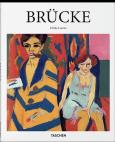
In the German city of Dresden on June 7, 1905, the foundation of the Die Brücke artists’ group (1905–1913) is widely regarded as the birth of Expressionism. Led by Ernst Ludwig Kirchner, Fritz Bleyl, Erich Heckel, and Karl Schmidt-Rottluff, the group sought to reject the limits of academia and, as their name suggested, to bridge the path to an artistic future. Their manifesto, printed with woodblock, insisted on absolute freedom from convention in their work as well as their lives.
This new, liberated art incorporated portraits, landscapes, and city scenes, but substituted an objective rendering of reality with an expression of interior geography. In paintings, as well as their favored wood and linocut prints, the artists of Die Brücke would fill pictorial space with jagged lines, crude forms, and clashing colors, all to express their subjective experience of the world. Like the Fauves, the artists took stylistic lead from non-Western traditions of Oceanic and African arts, while also reviving the print and painting techniques of Albrecht Dürer and Lucas Cranach the Elder.
This richly illustrated book introduces this essential expressionist movement. We examine Die Brücke’s key works and protagonists; its varied, international inspirations; and its crucial influence on later 20th century art. Along the way, we find candid nudes, crowded street views, and blissful bathing idylls, each of them vivid with energy and intent on a new kind of art.
In the 21st century photography has come of age as a contemporary art form. Almost two centuries after photographic technology was first invented, the art world has fully embraced it as a legitimate medium, equal in status to painting and sculpture. This book provides an introduction to the extraordinary range of contemporary art photography, from portraits of intimate life to highly staged, ‘directorial’ spectacle. The vast span of photographers whose work is reproduced includes established artists such as Isa Genzken, Jeff Wall, Sophie Calle, Thomas Demand, Nan Goldin and Sherry Levine, as well as emerging talents such as Sara VanDerBeek, Rashid Johnson, Viviane Sassen and Amalia Ulman. This new edition revitalizes previous discussion of works from the 2000s through dialogue with more recent practice. Adding to the wide selection featured of work, Cotton celebrates a new generation of artists, who are shaping photography as a culturally significant medium for our current socio-political climate.
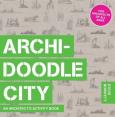
Following the success of Archidoodle, this new title focuses on the city. Filled with an array of beautiful and fun drawings, it poses 75 architectural challenges for the user: from building an underground community or designing your own imaginary city to creating a new park for New York, plus many more. Aimed at anyone who loves drawing buildings and cities, it encourages users to imagine their own creative solutions by sketching, drawing and painting in the pages of the book. In so doing, they will learn about a whole range of significant issues, such as the importance of transport, lighting and green spaces, the history of urban design and planning, and the use of monuments and symbols. The book also includes numerous examples of works and ideas by major architects to draw inspiration from and will appeal to everyone from children to students and professional architects.
Ten produkt jest zapowiedzią. Realizacja Twojego zamówienia ulegnie przez to wydłużeniu do czasu premiery tej pozycji. Czy chcesz dodać ten produkt do koszyka?