Interesujesz się życiem swoich ulubionych aktorów, muzyków, artystów, celebrytów, pisarzy? Zapraszamy Cię do zapoznania się z najciekawszą literaturą biograficzną znanych osobistości w naszym sklepie internetowym DoberKsiazki.pl
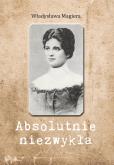
Władysława Magiera - historyczka, mężatka, matka dorosłego syna. Mieszka w Cieszynie, jej rodzina jednak pochodzi z obu stron granicznej rzeki Olzy. Zajmuje się promowaniem kobiet zasłużonych dla Śląska Cieszyńskiego- jest autorką pięciu książek biograficznych opisujących dorobek ponad stu Ślązaczek zapomnianych przez oficjalną historię. W roku 2022 wydała powieść historyczną "Wspomnienia Zofii". To zbeletryzowana opowieść o niezwykłym życiu jednej z setek wyjątkowych kobiet Śląska Cieszyńskiego, opisująca życie Zofii Kirkor-Kiedroniowej. Jako przewodniczka turystyczna Władysława Magiera opracowała Cieszyński Szlak Kobiet. Pisuje również do prasy i kalendarzy, nagrywa audycje radiowe, działa w wielu organizacjach i wszędzie popularyzuje wiedzę o zasłużonych postaciach ze swojej małej ukochanej ojczyzny. Ciągle tworzy, a w pracy zawsze towarzyszą jej ulubione koty.W roku 2022 otrzymała medal "Zasłużony dla Kultury Polskiej" oraz "Śląski Szmaragd", a w 2023 roku nagrodę indywidualną Ministra Kultury i Dziedzictwa Narodowego.
„Na oparach adrenaliny” to historia prawdziwa. Autor wiedzie nas przez swoje życie naznaczone emigracją, pracą w obcym kraju, ciężką chorobą, codziennym zmaganiem się z nią, upadkami i wzlotami, pozytywnymi, ale i toksycznymi relacjami międzyludzkimi.
Jest rok 2013, kiedy Dawid wyjeżdża do Niemiec w poszukiwaniu lepszej perspektywy finansowej. I kiedy wszystko powoli zaczyna się układać – praca, mieszkanie, znajomi – pojawiają się niepokojące dolegliwości zdrowotne, stan Dawida tak szybko się pogarsza, że błyskawicznie ląduje on w szpitalu. Po kilku dniach, po szczegółowych badaniach lekarze stawiają diagnozę: stwardnienie rozsiane. I tu zaczyna się walka – walka z samym sobą, ze swoimi słabościami, myślami, z fizycznością, codziennością, z otoczeniem, z barierą językową i z systemem opieki zdrowotnej.
To opowieść, która całkowicie pochłania czytelnika. Burzliwe losy Dawida, jego życiowa postawa w codziennych zmaganiach z chorobą to autentyczny przykład, że można wygrać, być szczęśliwym i żyć normalnie, pomimo tak wielu przeciwności oraz ograniczeń wynikających z choroby. Wszystko bowiem zależy od nas samych.
Dawid Orlean – od 10 lat mieszka w Niemczech. Nie lubi monotonii, ale też bardzo ceni sobie ciszę i spokój. Fascynuje go trudność w nauce języków obcych. Sport uprawiany w dzieciństwie ukształtował jego silny charakter.
Lubi czytać książki o różnej tematyce, najbardziej ceni publikacje wnoszące mądre przesłanie do życia.
Od kiedy choroba wykluczyła go z życia zawodowego, bardzo dużo czasu poświęcił na naukę języka niemieckiego oraz na napisanie tej właśnie książki.
Ta historia wstrząsnęła Wielką Brytanią!Czternastoletnia Angielka zakochała się i zaufała. A on sprzedał ją handlarzowi ludźmi!Czternastoletnia Megan Stephens podczas wakacji w Grecji zakochała się w dorosłym Albańczyku. Została z ukochanym w Grecji, a jej matka wróciła do Anglii.Gehenna trwała sześć lat! On zmusił ją do prostytucji, a potem sprzedał handlarzowi ludźmi. Megan przeżyła horror. Przechodziła z rąk do rąk. Trafiała do kolejnych domów publicznych...Bita, gwałcona i poniżana, była zbyt zastraszona, by szukać pomocy. W końcu znalazła się w szpitalu. Tam życzliwi ludzie uratowali jej życie.Niewiarygodne! W tym samym czasie matka przeprowadziła się do Grecji i nie miała pojęcia, jaki los spotkał jej córkę To dzieje się w dzisiejszej Europie! Megan opisała drastyczne szczegóły swojego losu seksualnej niewolnicy, by przestrzec inne naiwne dziewczyny, gotowe pójść w nieznane za głosem serca.Historia Megan jest przerażająca. Przeraża nie tylko sadystyczna przemoc, jakiej doświadczyła, ale też to, jak łatwo dała się wciągnąć w spiralę deprawacji i jak trudno było jej się z tego wyrwać. "Observer".Historia MEGAN STEPHENS wzbudziła wielkie medialne i społeczne poruszenie w Wielkiej Brytanii. Opisał ją m.in. "Guardian". Jej autobiografia Kupiona i sprzedana przez kilkanaście tygodni pozostawała w Top 20 brytyjskich list bestsellerów. Megan Stephens odbudowuje swoje życie. Uwalnia się od alkoholizmu, przechodzi terapię. Ma przyjaciół, stara się odnowić więzi z matką. Jednak nadal jest w traumie, gdy na ulicy spotyka osobę podobną do kogoś z jej przeszłości.
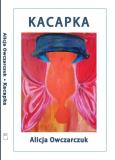
Kacapka urodziła się w czasach PRL-u na Podlasiu, w biednej, chłopskiej rodzinie katolickiej. Wraz z rodzicami i młodszym rodzeństwem mieszkała w drewnianym domu, jakich było pełno w okolicy. Czym bliżej granicy z Białorusią, tym budynki były lichsze, gospodarstwa mniejsze, bardziej zaniedbane i prymitywniejsze. Marzyła o samodzielności i karierze, chociaż dokładnie nie wiedziała, na czym miałoby to polegać. Praca od rana do nocy towarzyszyła każdemu dziecku mieszkającemu na wsi, zaś jedynym usprawiedliwieniem absencji była choroba taka jak ospa wietrzna lub złamanie ręki. Albo nabożeństwo. Wielkim świętem były wyjazdy szkolne do PGR-ów. Dowiedziała się tam, że przykładanie się do pracy to naiwność, cwaniactwo zaś świadczyło o przedsiębiorczości. Kacapka poznała tam smak grochówki, w jej domu jedynie w niedzielę gotowano kapustę na kości. Dobre jedzenie świadczyło o marnotrawstwie i burżujstwie, jadło się nie dla przyjemności, a po to, aby mieć siły do pracy.
Kacapka chciała zostać podróżnikiem i naukowcem, ćwiczyła mądre miny, aby wyglądać na inteligentniejszą. Pochłaniała kolejne książki zabierające ją w inny świat. W realizacji marzeń przeszkodziło jej zamążpójście. Wyszła za mąż za Tadka, który zakochał się w niej od pierwszego wejrzenia, poza tym właśnie wrócił z wojska i był najwyższy czas, aby się ożenił. Niebawem przyszły na świat dzieci i kacapka zapomniała o czytaniu.
Pierwszą rzeczą, której kacap się boi, to tego, co powiedzą o nim inni. Ukrywa przed sąsiadami nowy samochód, wyjazd na wakacje. A jednocześnie obserwuje uważnie innych. Kacap rolnik nie wyjdzie do żniw zbyt późno ani za wcześnie. Przygląda się zbożu, chodzi w koło i obserwuje, czeka, kiedy wyjdzie sąsiad. Najgorsze było wytykanie typu: „zobacz, jak Antek zwiózł siano wcześnie, a ty?!” – „świnie kwiczą, sąsiedzi usłyszą!” Mama biegała do „świętej” nocy po podwórzu, podkreślając każdego dnia, jaka jest zapracowana. Zapracowanie i zaganianie się to największa, najświętsza zaleta kacapa!
Kacapka, jak wszystkie kacapy, była podejrzliwa. Podejrzewała, że wszyscy są przeciwko niej, że tylko czekają aż się odsłoni, potknie i wtedy ją wyśmieją, wydrwią i upokorzą. Pragnęła akceptacji i zrozumienia, a jednocześnie uciekała od tego. Coś pchało ją do ludzi – i odstręczało od nich. Podejrzewała, że jest jakieś inne życie, którego w żaden sposób nie potrafiła sobie wyobrazić. Coraz częściej w modlitwach prosiła o mądrość, która miała jej dopomóc w naprawieniu popełnionych błędów. Postanowiła się kształcić, najpierw w szkole policealnej, później zapisała się na studia. Przymierzała się do tego kroku dość długo – bo co powiedzą inni? Jednocześnie pracowała i studiowała. Pojawiły się książki i profesor Alfred Marny, przyjaciel, który pokazał jej inny świat, pokierował kacapką tak, aby w końcu zrzuciła z siebie to kacapskie odium i stała się zupełnie innym człowiekiem. Można powiedzieć, że profesor ją wyzwolił. Mogła wreszcie spojrzeć na dotychczasowe życie z nowej perspektywy. Pomału przestawała być kacapką, uwierzyła w siebie i swoje możliwości, a spostrzeżenia zaczęła skrzętnie notować. Już nie bała się, co ludzie powiedzą na jej liczne wyjazdy krajoznawcze, na sposób ubierania się, wysławiania. Stała się ciekawą świata, dojrzałą kobietą i obserwatorem życia.
Dwa bestsellery o sztuce i kobietach w jednym atrakcyjnym pakiecie! Iwona Kienzler zdradza tajemnice tych, które patrzą na nas od stuleci z płócien wielkich mistrzów polskiego i światowego malarstwa. Obie książki wzbogacają kolorowe reprodukcje opisywanych obrazów. Kobiety ze słynnych obrazów. Muzy, modelki, kochankiKim była najbardziej grzeszna Madonna średniowiecza? Kto malował lubieżne służące? Czyje oczy hipnotyzowały Wiedeń? Ta książka zabiera czytelników w krainę światowego malarstwa! Autorka zdradza tajemnice kobiet, które patrzą na nas od stuleci z płócien wielkich mistrzów: Vermeera, Leonarda da Vinci, Rembrandta, Picassa i innych. Kobiety ze słynnych polskich obrazów. Boskie, natchnione, przeklęteKim była nieszczęśliwa dziewczyna z portretów Wyspiańskiego? Dlaczego większość mitycznych postaci na obrazach Malczewskiego ma twarz jednej i tej samej kobiety? Kto stał za desperackim czynem młodego Podkowińskiego, kiedy ten zdecydował się pociąć nożem swoje najsłynniejsze płótno? Autorka przekonuje, że za kobietami ze znanych polskich obrazów kryją się często dramatyczne, ale zawsze ciekawe i warte poznania historie.
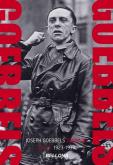
Joseph Goebbels (1897-1945), minister oświecenia narodowego i propagandy Rzeszy, budzi jednoznaczne skojarzenia. To jedna z najbardziej złowrogich postaci w historii XX wieku, symbol kłamstwa, cynizmu i manipulacji. Więcej nawet – morderca „zza biurka”. Jego pomysły propagandowe wzniecały nienawiść i nawoływały do przemocy, prowadząc do tragedii milionów ludzi. Goebbels uniknął ludzkiej odpowiedzialności za swoje przewiny, wybierając samobójczą śmierć. Pozostawił jednak swoisty spadek, niezwykle obszerne Dzienniki, liczące około 36 tysięcy stron, spisywane przez kilkadziesiąt lat z bardzo dużą regularnością.
Goebbels ulegał ślepej wierze w geniusz i szczęśliwą gwiazdę Führera, ale też umiał niekiedy w sposób zadziwiająco trafny skonstatować, a nawet przewidzieć bieg wydarzeń politycznych, jak choćby rozwijający się od połowy II wojny światowej proces zniewolenia Europy Środkowej przez ZSRR przy karygodnej bezczynności zachodnich partnerów z Wielkiej Trójki. Przy tej okazji warto zauważyć wątki polskie w Dziennikach. Są one ilościowo skromne, ale ważne i interesujące, dotyczą m.in. genezy wojny, tragedii katyńskiej i wreszcie Powstania Warszawskiego.
Tłumacz i autor opracowania Dzienników – Eugeniusz Cezary Król – jest historykiem i politologiem, pracownikiem naukowym Instytutu Studiów Politycznych Polskiej Akademii Nauk oraz nauczycielem akademickim Collegium Civitas
W jaki sposób Joseph Goebbels (1897-1945), niesławny minister propagandy i oświecenia publicznego III Rzeszy, a w ostatnich godzinach życia jej kanclerz, doszedł do swych poglądów i osiągnął taką pozycję w czasach rządów Hitlera? Jak kształtował i realizował politykę nazistów? Jedyne w swoim rodzaju, tyleż pasjonujące, co wstrząsające studium psychologiczne, kopalnia wiedzy o kulisach władzy i wyjątkowy przyczynek do zrozumienia mechanizmów hitlerowskiej propagandy. Wyboru z 29 tomów dzienników Goebbelsa, ze specjalnym uwzględnieniem spraw polskich, dokonał znany polski historyk, profesor Eugeniusz Cezary Król.
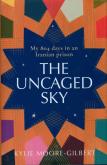
On 12 September 2018 British-Australian academic Dr Kylie Moore-Gilbert was arrested at Tehran Airport by Iran's feared Islamic Revolutionary Guards. Convicted of espionage in a shadowy trial presided over by Iran's most notorious judge, she was given a 10 year sentence and ultimately spent 804 days incarcerated in Tehran's Evin and Qarchak prisons.
Held in a filthy solitary confinement cell for months, and subjected to relentless interrogation, Kylie was pushed to her limits by extreme physical and psychological deprivation. Her only lifeline was the covert friendships she made with other prisoners inside the maximum-security compound, communicating through the air vents between cells, and by hiding secret letters in the narrow outdoor balcony where she was led, blindfolded, for an hour each day. To survive, Kylie began to fight back.
Multiple hunger strikes, co-ordinated protests and a daring escape attempt led to her transfer to the isolated desert prison, Qarchak, to live among dangerous convicted criminals. On 25 November 2020, after more than two years of struggle, Kylie was finally released in a high-stakes three-nation prisoner-swap deal, laying bare the complex game of global politics in which she had become a valuable pawn.
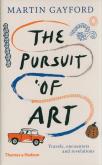
Bestselling author of Modernists & Mavericks Martin Gayford recounts some of the extraordinary journeys he has made in the name of art. In the course of a career thinking and writing about art, Martin Gayford has travelled all over the world both to see works of art and to meet artists. Gayford's journeys, often to fairly inaccessible places, involve frustrations and complications, but also serendipitous encounters and outcomes, which he makes as much a part of the story as the final destination.
Entertaining and informative, Gayford includes trips to see Brancusi's Endless Column in Romania, prehistoric cave art in France, the museum island of Naoshima in Japan, the Judd Foundation in Marfa, Texas, and a Roni Horn work in Iceland. Interwoven with these accounts are journeys to meet artists - Robert Rauschenberg in New York, Marina Abramovic in Venice, Henri Cartier-Bresson in Paris - or travels with artists, such as a trip to Beijing with Gilbert & George. These encounters not only provide insights into the way artists approach and think about their art but also reveal the importance of their personal environments.
And in the process, Gayford discusses how these meetings have impacted on his own evolving ideas and tastes.
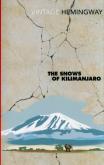
In these early Hemingway stories, which are partly autobiographical, men and women of passion live, fight, love and die in scenes of dramatic intensity. They range from haunting tragedy on the snow-capped peak of Kilimanjaro, to brutal America with its deceptive calm, and war-ravaged Europe
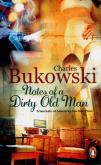
Beginning in 1967, Bukowski wrote the column "Notes of A Dirty Old Man" for the underground newspaper Open City. Perennially drunk, broke and in search of a woman, Bukowski takes on the guise of a wise fool as he ventures through America's seedy lowlife. Peopled by Kerouac, Burroughs and other much less salubrious characters, his exploits provoke humour and despair, whilst highlighting the inherent beauty and futility of life.
Mam szczęście, bo ciągle żyję - przyznaje Krzysztof Wielicki, jeden z najwybitniejszych wspinaczy w historii himalaizmu. Jego reporterska biografia to opowieść o determinacji w dążeniu do celu, sztuce cierpienia na ośmiotysięcznikach, śmierci, związanych z nią dylematach moralnych, miłości, a także cenie, jaką trzeba zapłacić za sukces. To historia jednego z ostatnich Lodowych Wojowników. Człowieka, który zdobył wszystko i znalazł powód, aby powiedzieć sobie dość. Ta biografia to także opowieść o tym, jak bardzo zmieniło się środowisko: od pełnych pasji wspinaczy amatorów, po skupionych na sobie profesjonalistach.Autorami książki są Dariusz Kortko i Marcin Pietraszewski - duet, który na swym koncie ma bestsellerową biografię Jerzego Kukuczki. To właśnie od premiery ich książki polski rynek wydawniczy owładnęła moda na literaturę górską! Autorzy napisali wspólnie także biografię Mirosława Hermaszewskiego "Cena nieważkości. Kulisy lotu Polaka w kosmos". Teraz znowu wrócili w góry. Na co dzień pracują w katowickim oddziale Gazety Wyborczej.Ze wstępu:Miałem szczęście - mówi Krzysztof Wielicki, gdy odwiedzamy go w jego domu w Rzędkowicach na Jurze. - Lata 80. Złota era polskiego himalaizmu. To były dobre czasy.Dziwnie brzmi ta deklaracja. Lata 80. z pewnością nie były dobre. Puste półki, kolejki w sklepach po wszystko, kultura "załatwiania". Zniszczona gospodarka, strajki, nic nie warte pieniądze, zamknięte granice. Niepokój, co dalej. Szare ulice, bieda, brak perspektyw. Marzenia wielu, by z Polski spieprzać. Jak można zobaczyć dobro w beznadziei?Można - upiera się Wielicki. Zaraz powie co mu chodzi, opłucze usta czerwonym winem i wypowie to słowo: historia.Każdy z nas od urodzenia pisze swoją. Zwykle opowieść nie jest porywająca, można ją streścić w kilku zdaniach: Kanapki, szkoła, praca, telewizor, wczasy, żona, dzieci, emerytura.Taka historia ma znaczenie tylko dla jej właściciela. Innych nie obchodzi, mają własne, całkiem podobne.PRL nie dawał nadziei na ciekawe życie. Kazał wykonywać niepotrzebną pracę, wymagał posłuszeństwa, nie obiecywał nagrody. Ale niektórzy potrafili znaleźć w tym szansę. - Kto dzisiaj, w czasach korporacji, mógłby dostać kilka miesięcy urlopu, żeby spełniać swoje marzenia? Wtedy było to możliwe - mówi Wielicki. Nasza nieobecność w fabryce, biurze, na uczelni nie czyniła szkody. Czy się stoi, czy się leży, dwa tysiące się należy.Zawarliśmy z władzą rodzaj układu. Naszymi marzeniami będziemy zapisywać historię Polski. Chętnie na to przystali, cena nie była wysoka. Dali nam paszporty, wypuszczali w świat - to było aż nadto.Odpłacaliśmy uczciwie. Chętnie godziliśmy się składać osobistą chwałę na ołtarzu wspólnego wysiłku. Liczyła się drużyna. Nikt nie mówił, że Wielicki i Cichy po raz pierwszy zdobyli Everest zimą. Wszyscy powtarzali, że zrobili to Polacy. Szczyt za szczytem, kolejne polskie sukcesy - to była nasza waluta.Przez wiele lat z zazdrością patrzyliśmy na innych. Brytyjczycy, Włosi, Niemcy, Hiszpanie, Japończycy zapisywali się w historii. My nie - więc, gdy już mogliśmy, z zapałem zaczęliśmy zapełniać ostatnie już puste kartki pod tytułem: Złota era polskiego himalaizmu. Jestem częścią tej opowieści.A dzisiaj? Robota w korporacji. Można wziąć miesiąc urlopu. Czy tyle wystarczy, żeby zapisać się w historii? Wielu próbuje, wciąż zawzięcie zapisuje swoją historię. Ale kto napisze taką, która naprawdę ma znaczenie? Ja miałem szczęście.
POZNAJCIE HISTORIĘ NIESAMOWITEGO WOJOWNIKA, LEGENDY NAVY SEALs I GROM. Tomek Dzieran urodził się na początku lat 60., biedne dzieciństwo przeżył w komunistycznej Polsce. Jako nastolatek na ulicach Łodzi walczył o przetrwanie – i to dosłownie. Jak wielu młodych chłopców wolny czas spędzał na trenowaniu sztuk walki i ulicznych bijatykach. Zasmakował życia przemytnika opozycjonisty, nie miał sprecyzowanych marzeń. Kim chciał być, a kim został? Życie w kraju znajdującym się w żelaznym uścisku komunizmu nie było kolorowe. W latach 80. przyłączył się do solidarnościowego podziemia, rozpowszechniał antykomunistyczną propagandę, uczestniczył w protestach. Podczas stanu wojennego został aresztowany, skazany i osadzony w reżimowym więzieniu dla więźniów politycznych, gdzie doznał tortur i przemocy. Nigdy jednak nie stracił nadziei ani wiary w swoją sprawę. Drago w 1984 roku dostał bilet do USA – w jedną stronę. Jego życie to niewiarygodna i inspirująca historia, która pokazuje, że American Dream nie spełnia się sam, ale jego realizacja jest możliwa dzięki uporowi i ciężkiej pracy. *** Przyjacielska rozmowa dwóch weteranów, których los połączył na wojnie w Iraku i pozwolił im przetrwać najcięższą próbę. To gotowy scenariusz na film, który mógłby stać się pewniakiem do hollywoodzkich Oscarów. Łobuz, więzień polityczny w PRL, operator Navy SEAL, a dla nas chłopaków z Marsa, przyjaciel i towarzysz broni. Tomek Dzieran „Drago” to postać nieprzeciętna, wymykająca się wszelkim schematom. To dzięki zaangażowaniu i poświęceniu Drago, dzięki wspólnie wykonywanym operacjom bojowym operatorów GROM i Navy SEAL w Iraku narodziło się braterstwo broni trwające do dziś. płk rez. Piotr Gąstał były dowódca JW GROM
Książka zawierająca barwne, a zarazem dramatyczne wspomnienia urodzonego w Moskwie w 1923 r. oficera Armii Czerwonej z wojny na froncie wschodnim. W przeciwieństwie do podobnych publikacji wydawanych w byłym ZSRR nie ma charakteru propagandowego. Jest bardzo autentyczna. Biessonow przedstawia zmagania wojenne z perspektywy zwykłego żołnierza, nie pomijając jednak kwestii taktyki i strategii walk. Zaczyna od Kurska, gdzie odbył się jego chrzest bojowy. Potem, jako żołnierz gwardyjskich jednostek pancernych, uczestniczył w marszu Rosjan na zachód w ślad za wycofującym się Wehrmachtem. W 1945 r., podczas walk o Berlin, został ranny. ... Rozsądne i otrzeźwiające spojrzenie na rosyjską taktykę działania niewielkimi jednostkami, taktykę, w której liczyły się przede wszystkim efekty, a nikt nie zważał na to, ilu żołnierzy zginie. Biessonow pisze o odwadze, męstwie, a także o głupocie wszystkich należących do jego wojskowej "rodziny" - zarówno zwierzchników, jak i podwładnych. Dzięki niemu otrzymaliśmy szczerą aż do bólu i uczciwą relację o ludzkich postawach w ogniu walki, a jednocześnie wejrzenie w psychikę radzieckiego żołnierza. "Library Journal"
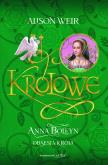
Urodzona w angielskiej rodzinie szlacheckiej Anna, jako nastolatka zostaje wysłana z na dwór Małgorzaty, księżnej Sabaudii i namiestniczki Niderlandów. Decyzję o tym, by opuściła rodzinne gniazdo w Hever i podjęła służbę dworską, podejmuje jej wyrachowany ojciec. Pobyt na niderlandzkim, a później na francuskim dworze, staje się dla dziewczynki szansą na rozwój i poznanie samej siebie. Anna dużo czyta, pochłaniając dzieła postępowych pisarzy, które interesują ją bardziej od dworskich flirtów. Zaczyna też dostrzegać nierówności płci i upokorzenia, jakich w świecie zdominowanym przez mężczyzn doświadczają kobiety.
Kiedy wreszcie, już jako dojrzała i pewna siebie panna, wraca do Anglii, przykuwa uwagę samego Henryka VIII. Widząc zainteresowanie króla, żądni wpływów męscy przedstawiciele jej rodziny – nie bacząc na pragnienia Anny – podejmują szereg działań, aby popchnąć ją w jego ramiona. W pewnym momencie sam monarcha proponuje, by została jego kochanką, ona jednak odrzuca zaloty, przypominając mu, że jest żonatym mężczyzną – na dodatek takim, który niedawno romansował z jej siostrą Marią.
Odrzucenie potęguje obsesję Henryka, któremu Anna ostatecznie ulega. Perspektywa urodzenia królewskiego potomka, oraz możliwość podniesienia rangi rodu Boleynów i wywarcia zemsty na zawistnikach, okazuje się zbyt nęcąca, by oprzeć się pokusie…
Drugi tom serii to porywająca historia kobiety,
która wyprzedzała swoje czasy i której działania na zawsze zmieniły oblicze Anglii
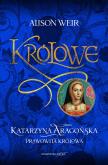
Katarzyna Aragońska ma zaledwie szesnaście lat, kiedy stawia stopę na angielskiej ziemi. Jako córka Izabeli i Ferdynanda, potężnych Królów Kastylijskich, jest upragnioną kandydatką na żonę dla następcy angielskiego tronu, Artura Tudora, w którego ojcu wielu widziało parweniusza i uzurpatora. I chociaż małżeństwo zostaje zawarte, Arturowi nie będzie dane założyć korony, umiera bowiem niedługo po ślubie.
Stęskniona za matką i opłakująca zmarłego przedwcześnie brata Katarzyna pozostaje sama na nieznanej ziemi, gdzie wszystko jest obce – język, obyczaje, a nawet pogoda. Zdana na łaskę i niełaskę teścia, Henryka VII, egzystuje w warunkach nielicujących z godnością księżniczki i musi walczyć o miłość. Tym razem bowiem gorącym i szczerym uczuciem obdarza młodego i przystojnego szwagra. Mimo że ukochany Henryk odwzajemnia jej
afekt i nawet dochodzi do zaręczyn, droga do małżeństwa okazuje się wyboista i kręta z woli panującego króla.
Na szczęście cierpliwość Katarzyny zostaje nagrodzona – po przedwczesnej śmierci teścia może poślubić ukochanego i zostać królową Anglii. Uczucie, jakie łączy ją i Henryka VIII, jest szczere, ale pojawiają się siły zagrażające ich małżeństwu, a nawet przyszłości dynastii. Dzieci, których z taką nadzieją oczekiwała, umierają, a Henryk ulega urokowi jej dwórki, Anny Boleyn. Katarzyna musi teraz podjąć ostateczną walkę – o utrzymanie małżeństwa i swoją godność.
Z historii wiemy, w jakich okolicznościach
Katarzyna Aragońska umierała...
Ta fascynująca powieść pokazuje nam, jak żyła
Wstrząsająca relacja dziecka - ofiary ojca-drapieżcy i obojętności matki.Międzynarodowy bestseller sprzedany w 1,5 mln egzemplarzy.Miłość mamy dawała mi poczucie bezpieczeństwa. Byłam pewna, że każe mu przestać. Ale nie kazała.Matka i córka. Nie widziały się od lat. Teraz Toni czuwa przy umierającej matce i czeka na prośbę o przebaczenie... Patrzy na matkę i widzi siebie - małą, śliczną Antoinette, dziewczynkę, którą była. I o której wspomnienie musiała ukryć głęboko w niepamięci. Żeby móc dalej żyć...Pierwsze lata życia Antoinette to idylla, z dystyngowaną matką i kochającą babcią.Ale wszystko się zmienia, kiedy tata wraca z wojska. Zaczyna się koszmar.Toni ma sześć lat, gdy po raz pierwszy tatuś całuje ją...Nie tak jak ojciec całuje córkę.- Tylko nie mów mamie - ostrzega - bo przestanie cię kochać.Jednak dziecko mówi mamie.A matka nie chce nawet o tym słyszeć...Od tej chwili Toni musi mieć z tatusiem wspólną ,,tajemnicę""... Przez osiem lat...A kiedy prawda wreszcie wychodzi na jaw, dziewczynka zostaje potępiona, wtrącona w otchłań depresji i autodestrukcji.Nadzieję i siłę musi znaleźć sama w sobie.Tylko nie mów mamie, tragiczna historia dzieciństwa, przebaczenia sobie samej i triumfu nad przeszłością, przypomina niewiarygodną wręcz powieść z najwyższej półki: napisaną pięknym językiem, przejmującą i wzruszającą.Wydana w 12 krajach, w Anglii i we Francji zajmowała przez wiele tygodni 1. miejsce na listach bestsellerów. Doczekała się kontynuacji Kiedy tata powraca.
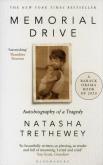
Natasha Trethewey was born in Mississippi in the 60s to a black mother and a white father. When she was six, Natasha's parents divorced, and she and her mother moved to Atlanta. There, her mother met the man who would become her second husband, and Natasha's stepfather.
While she was still a child, Natasha decided that she would not tell her mother about what her stepfather did when she was not there: the quiet bullying and control, the games of cat and mouse. Her mother kept her own secrets, secrets that grew harder to hide as Natasha came of age.
When Natasha was nineteen and away at college, her stepfather shot her mother dead on the driveway outside their home.
With penetrating insight and a searing voice that moves from the wrenching to the elegiac, Memorial Drive is a compelling and searching look at a shared human experience of sudden loss and absence, and a piercing glimpse at the enduring ripple effects of white racism and domestic abuse. Luminous, urgent, and visceral, it cements Trethewey's position as one of the most important voices in America today.
Ten produkt jest zapowiedzią. Realizacja Twojego zamówienia ulegnie przez to wydłużeniu do czasu premiery tej pozycji. Czy chcesz dodać ten produkt do koszyka?