W tej strefie zapraszamy czytelników tak zwane artystyczne dusze po książki z kategorii Sztuka. Polecamy szereg publikacji o sztuce i jej historii,ciekawostki i portfolia artystów, eseje, albumy, książki o malarstwie, rzeźbiarstwie, architekturze oraz histoii fotografii. Biografie ciekawych artystów, książki i powieści przedstawiające fascynujące losy malarzy i osób uwiecznianych na obrazach. W tym dziale tylko ksiązki ze sztuka w tle.
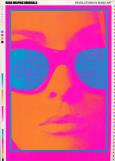
As part of the ’60s and ‘70s fashion movement, Peter Golding’s famous ACE boutique in London’s Chelsea district brought him into regular contact with the biggest names in rock ’n’ roll, and he went on to create one of the most comprehensive collections of rock ’n’ roll graphics in existence. Showcasing the cream of this collection and more, Rock Graphic Originals is packed with vibrant poster art, logos, stage set designs, and promotional ephemera created for artists such as the Grateful Dead, Jimi Hendrix, Bob Dylan, Bruce Springsteen, Pink Floyd, The Doors, and many others.
Barry Miles’s concise introduction places the key protagonists and their work within their cultural and political context, while reflections from the artists themselves lend unique perspectives on their influences and methods. The book is punctuated throughout with special illustrated features on the social, political, and cultural phenomena that influenced the music scenes and design approaches of the period, including radical collective, The Diggers, US and UK underground comics, the psychedelic shops, and the legalize pot rallies. Rock Graphic Originals is a unique, insightful record of the 20th century’s most exciting and productive periods of rock poster art and graphic design.
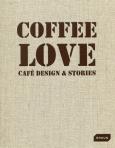
No matter what you are doing or where you are going, there is always time for coffee.
Localities for coffee consumption of very different types are indispensable parts of urban life, providing room for communication and interaction between people. Cafés, coffeehouses and coffee shops are constantly being redefined, reconceived and restaged, reflecting new social trends and design inspirations as well as the latest developments from the world of coffee. This book presents the best ones found in Amsterdam, Bangkok, Hamburg, Hanoi, Kuwait City, Mexico City, Montreal, San Francisco, Seoul, Shanghai, Tokyo, and over two dozen other places all over the world.
Insightful coffee culture stories accompany the selected designs:
The Third Wave of Coffee
Coffee in Art and Literature
The Art of Proper Percolating
Bitter Trade, Sweet Aftertaste
The Barista
In Hip Hop Raised Me.®, updated for 2018, DJ Semtex examines the crucial role of hip-hop in society today, and reflects on the huge influence it has had on his own life, and the lives of many others, filling in the gaps of education that school left behind, providing inspiration and purpose to generation after generation of disaffected youths.
Taking a thematic approach and featuring seminal interviews he has conducted with key hip-hop artists, Semtex traces the characteristics and influence of hip-hop from its origins in the early 1970s with DJ Kool Herc’s Block parties in the South Bronx, through its breakthrough to the mainstream and the advent of gangsta rap in the late 1980s, with artists such as Run DMC, Public Enemy and Ice T, to the impact of contemporary artists and the global industry that is hip-hop today. Hip-hop artists have gone from hustlers to successful entrepreneurs and businessmen. Hip-hop has come of age.
Personally compiled and curated by Yoko Ono, Imagine John Yoko is the definitive inside story - told in revelatory detail - of the making of the legendary album and all that surrounded it: the locations, the creative team, the artworks and the films, in the words of John & Yoko and the people who were there. Features 80% exclusive, hitherto-unpublished archive photos and footage sequences of all the key players in situ, together with lyric sheets, Yoko's art installations, and exclusive new insights and personal testimonies from Yoko and over forty of the musicians, engineers, staff, celebrities, artists and photographers who were there - including Julian Lennon, Klaus Voormann, Alan White, Jim Keltner, David Bailey, Dick Cavett and Sir Michael Parkinson. 'A lot has been written about the creation of the song, the album and the film of Imagine, mainly by people who weren't there, so I'm very pleased and grateful that now, for the first time, so many of the participants have kindly given their time to "gimme some truth" in their own words and pictures' Yoko Ono Lennon, 2018 In 1971, John Lennon & Yoko Ono conceived and recorded the critically acclaimed album Imagine at their Georgian country home, Tittenhurst Park, in Berkshire, England, in the state-of-the-art studio they built in the grounds, and at the Record Plant in New York.
The lyrics of the title track were inspired by Yoko Ono's 'event scores' in her 1964 book Grapefruit, and she was officially co-credited as writer in June 2017. Imagine John Yoko tells the story of John & Yoko's life, work and relationship during this intensely creative period. It transports readers to home and working environments showcasing Yoko's closely guarded archive of photos and artefacts, using artfully compiled narrative film stills, and featuring digitally rendered maps, floorplans and panoramas that recreate the interiors in evocative detail.
John & Yoko introduce each chapter and song; Yoko also provides invaluable additional commentary and a preface. All the minutiae is examined: the locations, the key players, the music and lyrics, the production techniques and the artworks - including the creative process behind the double exposure polaroids used on the album cover. With a message as universal and pertinent today as it was when the album was created, this landmark publication is a fitting tribute to John & Yoko and their place in cultural history.
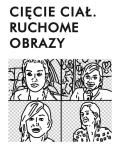
Relacje zawiązujące się między ciałami a ruchomymi obrazami znajdują się w centrum zarówno teorii, jak i praktyk współczesnej kultury wizualnej – począwszy od pierwszych prób chronofotografii aż po najbardziej zaawansowane media rzeczywistości wirtualnej. Ruchomy obraz nie odsyła bowiem jedynie do obrazów wytwarzanych przez kino, ale również do szeroko rozumianej historii obrazów technicznych, dla których kluczowy pozostaje problem wizualizacji ruchu i chwytania w pojedynczych bądź sekwencyjnych obrazach dynamicznie zmieniającej się rzeczywistości. Jednocześnie równie istotne wydają się pytania o ruch samych obrazów – o ich transmedialny charakter, właściwą im mobilność i uwikłanie w zmienne relacje społeczne, polityczne, ekonomiczne i kulturowe. To właśnie ciało (nie tylko człowieka, choć historia ruchomych obrazów wciąż jawi się jako nadmiernie antropocentryczna) okazuje się jednym z ważniejszych tematów i wyzwań kultury wizualnej. W tekstach składających się na ten tom autorki i autorzy – analizując obrazy fotograficzne i filmowe, analogowe i cyfrowe, naukowe i artystyczne, z obszaru sztuki współczesnej i popularnych praktyk sieciowych – przyglądają się, w jaki sposób ruchome obrazy „tną ciała”, jak otwierają je, badają i deformują, jak kształtują za ich pomocą nowe znaczenia i narracje. W książce powracają również rozważania o ciele samego obrazu (podatnym na zniszczenie i rozpad, ale też obecnym i działającym w fizykalnej rzeczywistości) oraz ciele widza, na które ruchome obrazy oddziałują w sposób wielozmysłowy, przemożny, często wręcz przemocowy.
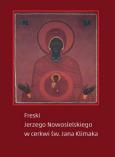
"Album wydany przez parafię prawosławną św. Jana Klimaka na Woli w Warszawie ma na celu przybliżenie wszystkim tym, którzy interesują się sztuką ikony, bogactwa malarskiego i teologicznego tej polichromii jako jednego z ciekawych dokonań twórczości Jerzego Nowosielskiego."
Ks. Adam Misijuk
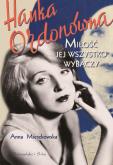
Intymna biografia Hanki Ordonówny na podstawie jej prywatnych zapisków i listów. O romansie dziewczyny z proletariackiego domu i arystokraty ze wspaniałego rodu Tyszkiewiczów plotkował cały artystyczny świat. Za jej uwolnieniem z Pawiaka wstawił się osobiście u Hitlera sam włoski król Wiktor Emanuel. A jej wrażliwość na los dzieci kazała jej zorganizować akcję poszukiwania i ewakuowania z głębi Rosji polskich sierot wojennych. Piosenkarka, tancerka, aktorka okresu międzywojennego. Nazywana "czarodziejką sceny". Nieprzemijającą sławę przyniosło jej wykonanie piosenki "Miłość ci wszystko wybaczy" z filmu "Szpieg w masce". Ordonka została legendą, którą sama wykreowała. W relacjach najbliższych pozostała zwyczajna i tajemnicza jednocześnie. Ale jaka była naprawdę ikona przedwojennej piosenki? Anna Mieszkowska w 1995 roku przywiozła do Polski archiwum listów, notesów i zapisków Hanki Ordonówny. Potrzebowała jeszcze lat, aby dotrzeć do wielu dokumentów i ludzi. Na podstawie zebranego materiału powstała opowieść o kobiecie, która zawodowo miała nieomal wszystko, ale pragnęła tylko jednego - miłości, która wybaczy "kłamstwo i zdradę, i grzech". Życie jest wielką próbą wartości człowieczej. Jestem szczęśliwa, że po 12 latach naszego małżeństwa witamy się z tą samą miłością, pewni tej samej przyjaźni i pełni szacunku dla siebie. To wiele, to bardzo wiele w dzisiejszych czasach, i to świadczy o człowieku na przyszłość! Hanka Ordonówna do Michała Tyszkiewicza Ordonka zmieniła styl - metaliczna, błyszcząca, świetna, gorączkowa, triumfalna, napięta w ciągłym zrywie apoteozy - ogromny rajski ptak w jakieś "święto ptaka". Tadeusz Boy-Żeleński Ordonka na scenie była zjawiskowa. Wspaniała. Pamiętam tylko, że jeśli program takiego koncertu przewidywał, powiedzmy, 15 utworów, ona bisowała 12 razy, rzadko mniej, ile jej tylko pozwoliły siły. Ludzie szaleli, bo te koncerty naprawdę były czymś, czego się nie zapomina. Hanka Bielicka Anna Mieszkowska - absolwentka Wydziału Wiedzy o Teatrze warszawskiej Państwowej Wyższej Szkoły Teatralnej im. Aleksandra Zelwerowicza (obecnie Akademia Teatralna). Współpracuje z Archiwum Emigracji Uniwersytetu Mikołaja Kopernika w Toruniu. Od wielu lat zbiera dokumentację teatralną dotyczącą działalności polskich artystów poza krajem. Opublikowała między innymi: "Za dawno, za dobrze się znamy. Piosenki Mariana Hemara" (wspólnie z Władą Majewską, 1997), "Artyści emigracyjnej Melpomeny" (1998), "Matka dzieci Holocaustu. Historia Ireny Sendlerowej" (2004), drugie wydanie "Dzieci Ireny Sendlerowej" (2009), trzecie wydanie "Historia Ireny Sendlerowej" (2018), "Ja, kabareciarz. Marian Hemar od Lwowa do Londynu" (2005), "Była sobie piosenka. Gwiazdy kabaretu i emigracyjnej Melpomeny" ( 2006), "Jestem Járosy! Zawsze ten sam… " (2008), "Mistrzowie kabaretu" (2016), "Bodo wśród gwiazd" (2016). Tłumaczenia jej książki o Irenie Sendlerowej ukazały się w Niemczech, Hiszpanii, Czechach, Izraelu, Stanach Zjednoczonych, Brazylii, we Włoszech i we Francji. Na podstawie jej książki "Matka dzieci Holocaustu. Historia Ireny Sendlerowej" powstał film fabularny dla Hallmark Hall of Fame "The Courageous Heart of Irena Sendler" (w kinach polskich jako "Dzieci Ireny Sendlerowej"). Była także konsultantką dokumentalnego filmu Mary Skinner "In the Name of Their Mothers".
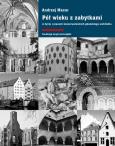
Książka prezentuje doświadczenia znanego gdańskiego architekta Andrzeja Macura, związane z konserwacją zabytków na Pomorzu oraz Warmii i Mazurach, a także z ochroną dóbr światowego dziedzictwa kultury w Estonii, Macedonii, Egipcie i Algierii. Autor ukazuje, jak kształtował się jego profil zawodowy, oraz przestawia wybrane projekty, omawiając historię obiektów, wyniki badań architektonicznych, przyjęte zasady i metody konserwatorskie, a także polemiki towarzyszące procesowi konserwacji. Prezentacja wybranych projektów nie ma charakteru rozprawki naukowej na temat doktryn konserwatorskich, ale ukazuje zdarzenia i koncepcje związane z możliwością uratowania niektórych obiektów zabytkowych przed całkowitą degradacją. Dokumentuje także proces poszukiwania najodpowiedniejszych współczesnych funkcji dla zachowanych obiektów zabytkowych.
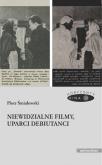
Wojciech Jerzy Has, Janusz Morgenstern oraz tandem realizatorski Jerzy Hoffman i Edward Skórzewski – to znani reżyserzy, którzy w różnych latach wywierali mniej lub bardziej decydujący wpływ na kształt polskiego kina. Ich pierwsze kroki w zawodzie reżysera nie były jednak łatwe. Hasowi, zanim zrealizował debiutancką Pętlę, zatrzymano sześć projektów filmów fabularnych. Morgensternowi, przed Do widzenia do jutra... – dwa, ale on najbardziej z całego grona przeżył to młodzieńcze niepowodzenie. Rekordziści Hoffman i Skórzewski, zanim przeszli z dokumentu do fabuły, aż dziesięć swoich projektów musieli schować na dno szuflad. Wiele spośród tych osiemnastu „niedoszłych debiutów” stało się zarazem próbą przełamania tabu. To Has jako pierwszy poszukiwał filmowego wyrazu dla intymnych przeżyć wojennych, Morgenstern chciał opowiedzieć o tragedii powstania warszawskiego, a Hoffman i Skórzewski – zekranizować Złego Tyrmanda. Gros tych filmowych pomysłów kształtowało się w burzliwej dekadzie lat 50., dzięki czemu książka staje się także próbą refleksji nad stanem polskiej kultury filmowej tamtego okresu.
„Aktywność badacza w sferze historii niebyłej porównać można do śledztwa (sam autor używa określenia śledztwo biofilmoznawcze). Aby dobrze je przeprowadzić trzeba: posiadać wiedzę na temat byłej historii kina polskiego i jej kulis, znać się na źródłach (wiedzieć, gdzie ich szukać i jak wydobywać z nich informacje), mieć wiedzę pozaźródłową (znać kontekst opisywanych czasów) oraz... umieć rozmawiać z twórcami. Piotr Śmiałowski jest znakomitym śledczym, a przy tym – świetnym wywiadującym. Książkę czyta się jak opowieść detektywistyczną, czemu sprzyja znakomity styl autora. Pochłonąłem ją za jednym podejściem, czytałem z niesłabnącym zainteresowaniem, z żalem przerzucając ostatnią kartkę”.
Dr hab. Krzysztof Kornacki, prof. UG
Piotr Śmiałowski – doktor nauk humanistycznych, filmoznawca i dziennikarz filmowy. Stały współpracownik miesięcznika „Kino”, portalu Fototeka Filmoteki Narodowej – Instytutu Audiowizualnego oraz Nowych Horyzontów Edukacji Filmowej. Przeprowadził ponad sto wywiadów z twórcami polskiego kina. Autor monografii Tadeusz Janczar. Zawód: aktor oraz wywiadu-rzeki z reżyserem Tadeuszem Chmielewskim Jak rozpętałem polską komedię filmową. Współautor książki Być jak Cybulski?, będącej zbiorem rozmów z laureatami Nagrody im. Zbigniewa Cybulskiego.
Złożoność funkcjonowania gleby na obszarze miast i ich interakcji z działalnością człowieka nie jest jeszcze w pełni poznana, a wiedza na temat - znacząco rozproszona i wciąż niedostateczna. Komplementarne ujęcie złożoności funkcjonowania gleby na obszarach miejskich, uwzględniające wielorakie funkcje miast oraz degradujące czynniki zewnętrzne, przedstawione w pracy, jest potrzebne do opracowania uniwersalnej skali antropopresji oraz oszacowania wypadkowej naturalnej odporności gleb na degradację.
Rezultaty przeprowadzonych badań będą podstawą oceny ryzyka ekologicznego obszarów miejskich wykorzystywanego przy opracowaniu planów zagospodarowania przestrzennego, wyznaczania kierunków ochrony obszarów o wrażliwym użytkowaniu, dokonywania wyboru najlepiej dopasowanych technik i technologii budowlanych, inżynierskich, ogrodniczych i rekultywacyjnych. Ponadto rozpoznanie występowania terenów pokrytych glebami o małej zdolności przeciwstawiania się degradacji czy już zdegradowanymi jest niezbędne dla monitoringu stanu obszarów miejskich pod kątem ryzyka utraty zdrowia jego mieszkańców czy skażenia środowiska.
Uzyskane, w wielu aspektach nowatorskie, wyniki badań posiadają duże znaczenie poznawcze i aplikacyjne. Istotnie poszerzają wiedzę dotyczącą wpływu funkcji miasta na kształtowanie właściwości gleb, co sprawia, że będą podstawą oceny ryzyka ekologicznego obszarów miejskich przy opracowaniu planów zagospodarowania przestrzennego, monitoringu stanu obszarów miejskich oraz racjonalnej gospodarki glebami miejskimi.
Praca jest znaczącą pozycją w piśmiennictwie traktującym o wiedzy z zakresu nauki o glebach obszarów zurbanizowanych. Badania w niej zaprezentowane zostały wykonane na dobrym poziomie naukowym. Daje to podstawę do stwierdzenia, że oceniane innowacyjne badania poszerzają wiedzę o wpływie różnych funkcji miasta na kształtowanie jakości gleb, co przyczyni się do racjonalnego nim zarządzania.
Prof. dr hab. Stanisław Baran
"Gdzie podziała się krakowska „Walka karnawału z postem” Brueghela, za której kopię płacono 20 milionów funtów? Dokąd powędrowały zrabowane płótna Fałata, gotyckie i renesansowe meble, cenne numizmaty?
Historyk sztuki, Magdalena Ogórek, prowadzi brawurowe śledztwo tropiące niemiecką grabież dzieł sztuki z okupowanych ziem Rzeczpospolitej. Ślady prowadzą m.in. do zamku pod Wiedniem, w którym gromadzono zagrabione skarby kultury polskiej. Właściciel, jeszcze 70 lat po wojnie podpisywał się „Horst von Wächter, syn gubernatora”.
Otto von Wächter, austriacki baron SS, przyjaciel Himmlera, był prawą ręka Hansa Franka w okupowanym Krakowie. Ideał aryjczyka, koneser sztuki – powiększa swoje kolekcje o dzieła złupione pod Wawelem, a później o trofea ze Lwowa, dokąd przenosi się by założyć Ukraińcom SS-Galizien.
Po klęsce Niemiec, na lewych papierach, trafia na ścieżkę przerzutową nazistów z Europy do Brazylii. Znajduje schronienie w Watykanie. Magdalena Ogórek prezentuje nowoodkryte dokumenty CIA, Centrum im. Szymona Wiesenthala, Muzeum Holocaustu w Waszyngtonie i archiwów Watykanu. Stara się wyjaśnić, kto stoi za tajemniczą śmiercią nad Tybrem wojennego kolekcjonera polskich zabytków.
Kto oferuje na rynku antykwarycznym skarby zrabowane przez Wächtera?
Kto zdecydował, że polscy urzędnicy nie chcieli przyjąć dzieł sztuki zwracanych Polsce przez syna zbrodniarza?
Wielkie interesy, wielkie pieniądze. Śledztwo prowadzone w 8 krajach na 2 kontynentach.
To nie teoria spiskowa. To „Akta Odessy” Fredericka Forsytha – w realu.
"
Biblioteka to przestrzeń społeczna, miejsce powszechnego dostępu do kultury, wiedzy, informacji i technologii, sprzyjające budowaniu i rozwijaniu kapitału ludzkiego. W ostatnich latach przeobrażeniom podlega model uczestnictwa w kulturze oraz sposób funkcjonowania polskich placówek bibliotecznych. Nowe wyzwania generują nowe potrzeby w obszarze aranżacji przestrzeni oraz promocji nowatorskich usług. Modernizacja instytucji kultury nie może ograniczać się jedynie do remontu: wymalowania ścian, wstawienia nowych mebli. Bez wypełnienia odnowionych pomieszczeń treścią, trudno będzie osiągnąć sukces. Prezentowana książka ma pokazać kształt zmian dokonujących się w wybranych bibliotekach.
Przedstawiamy niesamowitą kolekcję przewodników po najnowszych filmach ze świata Star Wars: Przebudzenie Mocy, Ostatni Jedi, Łotr 1. Dzięki nim dowiesz się wszystkiego, co warto wiedzieć na temat postaci, maszyn i miejsc przedstawionych w filmach. Zobacz unikatowe przekroje miecza świetlnego Kylo Rena i odwiedź wielkie wraki na cmentarzysku statków na Jakku.
Odkryj genezę szturmowców śmierci i dowiedz się więcej o kryształach kyber. Poznaj potężne maszyny kroczące Najwyższego Porządku i malutkie fruwające porgi. I niech Moc będzie z tobą!
Książka autorstwa Bartosza Gembskiego. Muzyka, Mikrofon, Akcja! to idea prowadzenia imprez dla dzieci bez użycia sprzętu animacyjnego. Jest to pomoc od A do Z.Muzyka, Mikrofon, Akcja to idea prowadzenia imprez dla dzieci bez użycia sprzętu animacyjnego. Bez dźwigania ogromnych Chust, torów przeszkód i masy innych niepotrzebnych bambetli. Ale jak to bez sprzętu, to tak się da?! Mógłbyś spytać. Bartek w swojej książce udowadnia, że jedyne czego potrzebujesz, aby świetnie animować to właśnie muzyka, mikrofon i interakcja z dziećmi. Dowiesz się jak przygotować ciekawy program imprezy, jakie zabawy i konkursy wybrać oraz przede wszystkim jak tańczyć z dziećmi i jak tworzyć własne choreografie. Uwaga! Aby prowadzić imprezy taneczne nie musisz być tancerzem! Nie musisz nawet umieć tańczyć. Jak to zrobić? Dowiesz się czytając tę książkę. A to jeszcze nie wszystko! Przeczytasz także jak przygotować się do imprezy, na co uważać przy jej realizacji, jak zadbać o komfort i bezpieczeństwo dzieci, jakiego używać sprzętu nagłaśniającego oraz jak skutecznie zadbać o promocję i marketing. Jest to Poradnik od A do Z, pozycja obowiązkowa dla wszystkich animatorów, wychowawców kolonijnych, nauczycieli i innych osób pracujących na imprezach dla dzieci.
„Praca jest pozycją ogromnie ciekawą i zajmującą, a co najistotniejsze ważną. Autorka objęła badaniami obszar niezmiernie rzadko eksplorowany, bo niezwykle trudny do uchwycenia i opisania, czyli zjawiska prozodyczne języka polskiego. […] W przeciwieństwie do opisów innych poziomów języka: fleksji, składni, słowotwórstwa, a także jego warstwy graficznej, do których omówienia wystarczy wiedza o języku, znajomość reguł i słownik na półce, poziom brzmieniowy wymaga umiejętności i zdolności dodatkowych – słuchu fonetycznego i wrażliwości słuchowej. Wymaga też specjalnych narzędzi technicznych i umiejętności posługiwania się nimi. W moim przekonaniu wszystkie te atuty posiada Jagoda Bloch. Ma też atuty inne – potrafi przekonywać czytelnika do swoich tez i hipotez, potrafi objaśniać zaobserwowane zjawiska. Jej wywody są jasne, logiczne, rzetelnie udokumentowane. […] Książkę powinni przeczytać wszyscy, którzy pracują głosem – nie tylko dziennikarze, ale też spikerzy, działacze kulturalni, nauczyciele, wykładowcy. Należy ją polecić studentom”.
Prof. dr hab. Jolanta Tambor
Instytut Języka Polskiego Wydziału Filologicznego Uniwersytetu Śląskiego
„Nie było do tej pory w polskich badaniach pracy, która pokazywałaby, jak sposoby mówienia w mediach wpływają na obraz przedstawianej rzeczywistości i jak tę rzeczywistość poprzez sposób mówienia o niej kształtować. […] Największym walorem pracy jest w moim przekonaniu – oprócz wzorcowo przeprowadzonych szczegółowych analiz prozodycznych – jej aspekt perswazyjny. Autorka pokazuje, jak za pomocą głosu kompetentny językowo i komunikacyjnie dziennikarz może stworzyć na przykład odpowiedni nastrój (zagrożenia, powagi sytuacji czy rozbawienia) lub – z braku kompetencji – spowodować niezrozumienie treści przez odbiorcę bądź wykreować niezgodne z intencją wypowiedzi dodatkowe sensy”.
Prof. dr hab. Małgorzata Marcjanik
Wydział Dziennikarstwa, Informacji i Bibliologii Uniwersytetu Warszawskiego
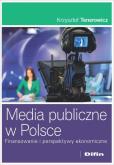
Publikacja prezentuje normy prawne i organizacyjne oraz realia finansowe, w jakich funkcjonowały polskie media publiczne po 1989 roku. Szczegółowo opisuje przyczyny problemów, w jakich się aktualnie znalazły oraz wskazuje konkretne rozwiązania, jakie zdaniem autora powinny zostać zastosowane w celu odbudowy ich znaczenia i pozycji rynkowej. Kładąc nacisk głównie na wymiar finansowy, książka przedstawia także uwarunkowania rynkowe, organizacyjne, programowe oraz społeczno-polityczne, które wpływają na kształt nadawców publicznych oraz decydują o ich sytuacji na rynku.
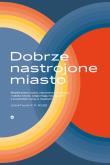
"Jak stworzyć szczęśliwe miasto? Pewien nietypowy deweloper, a zarazem producent muzyczny, ma na to swój pomysł.
Przed ludzkością stoją dziś wielkie wyzwania: ocieplenie klimatu, wyczerpywanie zasobów, zwiększające się nierówności ekonomiczne. W połowie XXI wieku na Ziemi będzie żyło prawie dziesięć miliardów ludzi, z czego osiemdziesiąt procent w miastach. Nic więc dziwnego, że to właśnie w miastach rozegra się batalia o przyszłość globu.
Odwołując się do historii cywilizacji oraz dzisiejszej sytuacji wielu miast, a także przytaczając dziesiątki przykładów z całego świata, autor przedstawia tu swoją wizję idealnego, to znaczy doskonale zharmonizowanego, miasta. Opiera się ona na pięciu podstawowych założeniach, którymi są: spójność, cyrkularność, odporność, wspólnota, współczucie. Na ich podstawie Rose proponuje konkretne rozwiązania dotyczące między innymi infrastruktury, ekologii oraz budowania relacji społecznych. Dzieli się tu nie tylko rozległą wiedzą teoretyczną i doświadczeniami, ale też muzyczną pasją, która pomaga mu znajdować ciekawe analogie i trzymać rytm.
Lektura obowiązkowa dla aktywistek i aktywistów ruchów miejskich, urbanistek, architektów, radnych, polityczek i polityków, dla świadomych mieszkanek i mieszkańców miast, a także dla tych, którzy chcieliby po prostu poznać wreszcie dobrego dewelopera.
Jonathan F.P. Rose (ur. 1952) jest amerykańskim urbanistą, deweloperem znanym z budowania zrównoważonych ekologicznie i odpowiedzialnych społecznie osiedli, a także producentem muzycznym i filantropem. Założył m.in. Gramavision Records, wydając płyty takich artystów, jak: Taj Mahal, Kronos Quartet czy John Scofield."
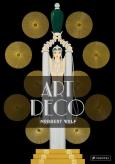
Now available in a new format, this lavishly illustrated volume explores Art Deco art and design from its origin to its present day influences. The Art Deco style is so recognizable and widespread that its original impact on the culture in which it emerged has been all but lost in the clutter of imitation. This book draws our attention back to the birth of Art Deco – a period between two devastating world wars when industrialization was flourishing, interest in archaeology was peaking, and movements such as Cubism, Constructivism, Futurism, and Modernism were turning the art world on its head. Brilliantly designed to reflect the style it celebrates, Art Deco is filled with hundreds of examples of painting, architecture, interiors, jewelry, crafts, furniture, and fashion. Author Norbert Wolf traces the chronology of the Art Deco style by looking at the politics and culture of Europe in the 1920s and early 30s and the artistic movements that paralleled its popularity. He follows Art Deco's influence in Europe and its spread to the Americas and Asia. Most importantly, this wideranging volume looks beyond the era of Art Deco's origination to the present day. Pointing to the numerous revivals and contemporary echoes in painting and even literature, this beautiful volume demonstrates the style's lasting importance.
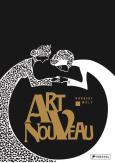
Now available in a new edition, this sumptuous volume explores key aspects of Art Nouveau – decorative arts, architecture, fashion, dance, advertising, and more – with an in-depth approach and stunning illustrations. The Art Nouveau movement became an international phenomenon at the beginning of the twentieth century that ushered in the era of modernity in almost every aspect of cultural life. For decades critics have argued that Art Nouveau was not an artistic period in its own right, but an amalgam of artists and styles that served as a bridge between neoclassicism and modernism. In this comprehensive, authoritative, and copiously illustrated book, art historian Norbert Wolf explores Art Nouveau as a logical outgrowth of the historic forces in which it arose. This book focuses on the movement's wide variety of applications and reclaims its prominence in the pantheon of modern art history. Chapters on aesthetics, spirituality, and the cult of beauty offer luminous examples of works by Mucha, Gaudi, Hoffmann, Klimt, Horta, Munch, and Tiffany, among many others. Wolf's text is both informed and accessible, providing an exciting narrative that brings the Art Nouveau movement into clear focus. Beautifully produced to appeal to a wide range of readers, this new edition gives one of the world's most popular styles the serious consideration it deserves.
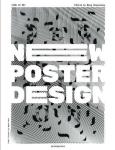
"New Poster Design: Look at Me!" is a selection posters produced using original ideas, advanced techniques, innovative methods, ingenious materials and unique features.
Ten produkt jest zapowiedzią. Realizacja Twojego zamówienia ulegnie przez to wydłużeniu do czasu premiery tej pozycji. Czy chcesz dodać ten produkt do koszyka?