W tej strefie zapraszamy czytelników tak zwane artystyczne dusze po książki z kategorii Sztuka. Polecamy szereg publikacji o sztuce i jej historii,ciekawostki i portfolia artystów, eseje, albumy, książki o malarstwie, rzeźbiarstwie, architekturze oraz histoii fotografii. Biografie ciekawych artystów, książki i powieści przedstawiające fascynujące losy malarzy i osób uwiecznianych na obrazach. W tym dziale tylko ksiązki ze sztuka w tle.
Wariacje goldbergowskie są jednym z najdoskonalszych wcieleń dojrzałego myślenia muzycznego Jana Sebastiana Bacha. Chodzi tu o myślenie muzyczne charakterystyczne szczególnie dla ostatniego okresu jego twórczości, kiedy związał się z Societät der musicalischen Wissenschaften, ekskluzywną grupą teoretyków i praktyków muzyki, którzy wcielali w życie pitagorejską i teologiczno-metafizyczną koncepcję muzyki. To właśnie komponowanie Wariacji goldbergowskich zaczęło ten niezwykły czas w życiu kantora z Lipska, gdy tworzył on – trudno nie zgodzić się z Malcolmem Boydem – „najbardziej wizjonerską i głęboką muzykę, jaka kiedykolwiek została skomponowana”.
(ze Wstępu)
Trudno dziś znaleźć Polaka, który nie miałby własnego zdania na temat tzw. mediów narodowych. Chyba nigdy od czasów PRL telewizja finansowana ze środków publicznych nie budziła takich emocji, bo też nie była tak jednoznacznie podporządkowana interesom partii rządzącej.
Mechanizmy działania tej instytucji możemy poznać dzięki Mariuszowi Kowalewskiemu, który pracował w TVP Jacka Kurskiego przez ponad dwa lata. Z książki Kowalewskiego dowiadujemy się, jak funkcjonuje czarna lista dziennikarzy i komentatorów, których nie wolno zapraszać do pasm publicystycznych, w jaki sposób zapadają decyzje personalne, jak powstały głośne materiały TVP takie jak ten o lekarzach rezydentach objadających się kawiorem, a także o tym, kto tworzy „paski grozy”.
Kowalewski opisuje TVP w stylu reporterskim – relacjonuje zdarzenia, przywołuje treść rozmów i korespondencji, opatrując to wszystko niezbyt rozbudowanym komentarzem, bo też komentarz jest tu właściwie zbędny – Czytelnik wyrabia sobie opinię na bazie samych faktów. One są wystarczająco barwne. Opisane tu zachowania czasem śmieszą nieporadnością, częściej porażają ładunkiem cynizmu i zła.
Drogi Czytelniku, poznaj dzisiejszą TVP!
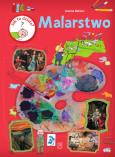
Dlaczego ludzie malują? Jak widzimy kolory? Do czego służy tempera? Czym jest malarstwo rodzajowe? Książka Jak to działa? Malarstwo zawiera odpowiedzi na piętnaście pytań dotyczących tej wspaniałej dziedziny. W sposób jasny i prosty wyjaśni to, co z pozoru skomplikowane, a pomogą w tym zdjęcia i zabawne ilustracje.
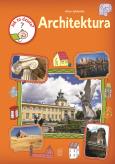
Dlaczego architektura jest jak ubranie? Ile historii jest w architekturze? Czy architektura może być ekologiczna? Książka Jak to działa? Architektura zawiera odpowiedzi na piętnaście pytań dotyczących architektury. W sposób jasny i prosty wyjaśni to, co z pozoru skomplikowane, a pomogą w tym zdjęcia i zabawne ilustracje.
„Oddaję w państwa ręce nową płytę Wojtek Mazolewski Quintet When Angels Fall, na której sięgnęliśmy po utwory legendy polskiego jazzu i Hollywood Krzysztofa Komedy. Postać to niezwykła, obdarzona wielkim talentem i potencjałem, owiana tajemnicą, której niespodziewana śmierć przerwała pasmo wspaniałych sukcesów i tworzenia pięknych kompozycji. Przygotowując się do tej płyty, czytałem nuty Komedy, książki i wspomnienia o nim, spotykałem się z ludźmi, którzy go znali, i odwiedzałem miejsca, gdzie mieszkał - od Poznania po Los Angeles. Chciałem poczuć, kim był i jak żył Krzysztof Komeda. To wszystko wzbogaciło ten projekt o świadomość, uczucia i emocje i powoli przynosiło efekty – aby stworzyć oryginalny materiał WMQ, pracowaliśmy z zespołem trzy lata.
Wielką inspiracją były też filmy takich mistrzów, jak Roman Polański: Rosemary’s Baby, Nóż w wodzie, czy Jerzy Skolimowski: Bariera. Połączenie ich talentu i wrażliwości z muzyką kompozytora do dziś robi wielkie wrażenie i zmusza do myślenia.
To płyta o życiu i śmierci, o przemijaniu i nietrwałości wszystkich rzeczy, a jednocześnie o radości i pięknie świata.
Okładkę albumu zaprojektował Rosław Szaybo - wieloletni przyjaciel Krzysztofa Komedy i autor okładki legendarnej płyty Astigmatic (oraz m.in. Judas Priest British Steel i The Clash The Clash). Jestem bardzo szczęśliwy, że zrobił to dla nas, tworząc w ten sposób artystyczną klamrę. Dziękuję mu także za to, że obdarował mnie przyjaźnią i wzbogacił o wiele wspaniałych historii - również o Krzysztofie Komedzie, których nie przeczytacie w książkach, ale usłyszycie na tej płycie.
Życzę wam dobrych wrażeń podczas słuchania tych dźwięków. Niech moc muzyki będzie z wami. Do zobaczenia na koncertach.”
Wojtek Mazolewski
Tracklista:
1 WHEN ANGELS FALL
2 ROMAN II
3 LE DEPART
4 DWAJ LUDZIE Z SZAFĄ (TWO MEN AND A WARDROBE)
5 ASTIGMATIC
6 CRAZY GIRL
7 JA NIE CHCĘ SPAĆ
8 MEMORY OF BACH
9 BARIERA
10 SLEEP SAFE AND WARM
11 ALLELUJA
12 BALLAD FOR BERNT
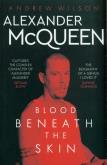
When Alexander McQueen committed suicide in February 2010, aged just 40, a shocked world mourned the loss of its most visionary fashion designer. McQueen had risen from humble beginnings as the youngest child of an East London taxi driver to scale the heights of fame, fortune and glamour. He designed clothes for the world's most beautiful women including Kate Moss and Naomi Campbell. In business he created a multi-million pound luxury brand that became a favourite with both celebrities and royalty, most famously the Duchess of Cambridge who wore a McQueen dress on her wedding day.
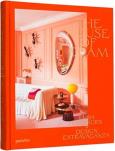
The House of Glam invites you into the most exciting homes, from Italy to the USA, that embody this decadent, playful trend, profiling key studios and designers at the forefront of the movement. Welcome to The House of Glam — Lush Interiors & Design Extravaganza. Challenging convention with maximalist flair, expect to see custom wallpapers, elegant fabrics, and rich marble, as well as mid-century design icons, geometry and echoes of Memphis. A new, young generation of interior designers like David Alhadeff, Cristina Celestino and Nina Yashar with an emphasis on personality are creating homes that aspire to be as unique as their inhabitants, propelling residential design into the future. This diverse architectural landscape of the book is a feast for the eyes, where expressive colors, textures, unusual forms, and exotic materials combine to create a contemporary interpretation of an art deco or classic 1950s Hollywood film set interior. After all, designers are innate history buffs and there is a wealth of history in architecture, decorative arts, fashion, and film through the ages to cherry pick and play with. These homes dream big. The House of Glam invites you into the most exciting homes, from Italy to the USA, that embody this decadent, playful trend, profiling key studios and designers at the forefront of the movement.
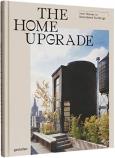
The Home Upgrade looks beyond big budget projects and explores homes where the seemingly impossible has been achieved. Against a backdrop of growing cities and a changing approach to how we live, there are many reasons to refurbish a home. Our buildings must continue to evolve along with us—and that takes a little imagination. Societal shifts continue to impact our homes. People live longer, and often alone. Homes will need to be updated to accommodate a changing climate. Resourcefulness will also play a role in how we carve out living spaces in our cramped cities. Today’s population living in cities is 3.9 billion, and it’s anticipated to grow to 6.34 billion over the next 25 years. The vast majority of the planet’s population now lives in an urban environment, which is a first in human history. These numbers are only going to grow, and increasingly this means not bulldozing and building on top of the rubble, but working with what we have. The Home Upgrade looks beyond big budget projects and explores homes where the seemingly impossible has been achieved. For architects striking out on their own, such projects offer the opportunity to flex their muscles and lead a project for the first time. A home in Brooklyn, featured in the book, was refurbished after Hurricane Sandy ravaged the Eastern Seaboard in 2012. The living space was raised above the high-water line, an answer to the grim fact that once-in-a-generation occurrences are a new reality. Historic conversions celebrate the unexpected relationship between old and new, and adaptive reuse projects reinvent the buildings around us. Exploring the most extraordinary transformations of recent years by leading studios, The Home Upgrade is an exhilarating look at the boundless possibilities of reimagining a home.
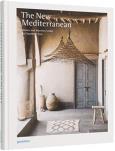
The New Mediterranean shows you how to bring this sumptuous, sun-drenched minimalism into your own home.
A welcoming, new, down-to-earth modernism is gaining momentum, from California to Morocco, Portugal to Mexico. This direction in interiors combines Mediterranean folkloric influences with a contemporary aesthetic—taking cues from sunny landscapes to embrace warmth, light, and organic elements. The New Mediterranean showcases inspiring residences and vacation homes around the world that combine rustic, earthy tones with colorful fabrics, ceramics, rattan furniture, and Berber carpets which are offset by whitewashed walls, concrete, brick, terracotta tiles, and glass.
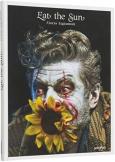
Floria Sigismondi’s compelling visual narratives have defined a profound aesthetic elements over the course of her career as a director and photographer. "A home away from home—a Floria set is one that always feels like a supernatural dream state. A place you wish to permanently exist in.” — Lawrence Rothman in his preface to Eat the Sun. Her coveted eye incorporates the ethereal and the mysterious, the whimsical and the grotesque, always illuminating a story. She has worked with numerous celebrities and is also behind surreal, career-defining music videos for Marilyn Manson among others. She has directed episodes of American Gods, The Handmaid’s Tale, and Daredevil for TV, and her Hollywood film credits include The Runaways, and The Turning (due to release in 2020).
Eat the Sun is a star-studded kaleidoscope of Floria Sigismondi’s top achievements, a provocative portfolio that highlights the powerful imagery that has made her one of the best in the industry. There are many never before seen photographs in Eat The Sun.
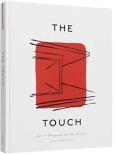
The Touch presents five essential building blocks of human-centric design—light, materiality, color, nature and community—and welcomes you into over 25 spaces that exemplify how haptic design elements can provide a richer quality of living. This new collaboration between Nathan Williams of Kinfolk and Jonas Bjerre-Poulsen of Norm Architects offers a wealth of inspiration through stunning photography, philosophical essays, and practical tips from the minds of design industry leaders.
WOW: Experiential Design for a Changing World explores the work of the multi-disciplinary design firms Warner Wong Design and WOW Architects. Through the selection of twelve breathtaking hotel, restaurant and custom home projects located across five different countries, as well as one provocative architectural installation that was commissioned by the Singapore Institute of Architects, WOW Architects and Warner Wong Design's experientially engaging work is beautifully presented in this book.
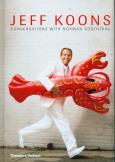
The most successful of living artists Jeff Koons has been a focus of creative fascination and significance for more than thirty years, but has always remained guarded about his intellectual life, influences and motivation. The distinguished curator and long-time Koons friend and collaborator Sir Norman Rosenthal has, for the first time, removed that guard. This important book provides the most revealing portrait yet of Jeff Koons' singular personality and artistic vision. Rosenthal's masterful interviews, conducted over four years, give unparalleled access to Koons' thoughts, disclosing the artist undistorted and in his own words. As well as examining all his major series in depth, from his first inflatables to his latest series on antiquities, the interviews shed new light on the artist's interest in other artists' works, reveal the significance of his youth and family life on his art, and explain the key concepts of his practice, such as his ideas on self- acceptance, banality, ecstasy and sex.
This book defines the history of modern interior design through the reuse of existing buildings. This approach allows the history of the interior to be viewed as separate from the history of architecture and instead enables the interior to develop its own historical narrative. Following a brief introduction, the book is organized in six chapters on the following themes: home, work, retail, display, leisure and culture. Each chapter comprises a selection of case studies in chronological order. 52 key examples dating from 1900 to the present are explored in terms of context, concept, organization and detail and are illustrated with photographs, plans, sections, concept drawings and sketches. This unique history will be invaluable for students of interior architecture and design seeking a survey tailored especially for them, as well as appealing to interested general readers.
In the early 1980s, The Police went on tour accompanied by a photographer who documented the band behind the scenes in a series of candid and striking black and white photos. This talented photographer also happened to be the band's guitarist, Andy Summers. Yes, it's true - the man responsible for the guitar lick from "Every Breath You Take" was not only the backbone of one of the most popular bands of all time, he also possessed a visual gift for composition and mood that allowed him to capture the spirit of The Police better than anyone else could have.This book, somewhere between photojournalism and an illustrated diary, follows The Police around the globe between 1980 and 1983. From the American West to Australia to Japan, Summers recorded not only the band members rehearsing and partying - the proverbial sex, drugs, and rock and roll - he also photographed fans, landscapes, still lifes, and passersby in a reportage style reminiscent of Henri Cartier-Bresson and Robert Frank. Containing over 600 photos and filled with diary-style entries, "I'll Be Watching You" is a sumptuous volume beating with musical energy, nostalgia, and atmospheric beauty. It is a must for photo buffs and Police fans alike. It contains over 600 photographs personally selected from the photographer's archive of over 25,000 thousand negatives (1980-83). Most photos are previously unpublished, and many of them have never even been printed prior to this project. Highlights include: rehearsals and recording sessions with band-mates; Sting and Stewart Copeland; exclusive back-stage and on-stage footage from concerts including Plaza de Toros (Barcelona, 1980), Budokan (Tokyo, 1981), Wembley Stadium (London, 1981), and Shea Stadium (New York, 1983); inside the tour busses, limousines, helicopters, private planes, parties, and hotel rooms; behind the scenes on music video shoots, at press conferences, and in-store appearances; life on the road with other bands including The Go-Go's, XTC, and The B-52's; and rain-soaked train windows, trashed hotel rooms, island retreats, over-capacity stadiums, and thousands of screaming, singing, sobbing, fans.
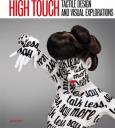
High Touch is a powerful collection of cutting-edge tactile design. This choice selection of three-dimensional work defines a new visual language for presentation and storytelling. The handicraft and artisanship necessary for the creation of these works appeal to the interdisciplinary mindset of our time and activate more of our senses than standard two-dimensional images ever could. High Touch documents an inspiring range of material objects and spatial orchestrations that meld crafts including crochet, papercraft, and the design of costumes and masks with the techniques of more traditional art forms such as installation, sculpture, collage, photography, and illustration. The examples featured in the book prove that the scope for this trailblazing work is enormous. Applications include advertising, brand presentations, editorial design, photography, product design, stage design, and scenography, as well as related fields that either exist already or that their creators have yet to invent.
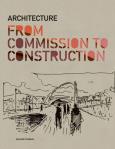
This book provides an in-depth study of the design and construction processes behind 25 leading contemporary buildings. Covering a broad range of international projects, the book illustrates the working methods and creative concerns of both long-established and emerging international architects. Every stage of each project is included, from the demands of the original brief, through early sketches and design development to investigation of building regulations and collaboration with engineers, contractors, builders and clients. Each project is presented through an explanatory overview, sketches, details, CAD renderings, models and construction shots, all captioned in great technical detail. Architecture from Commission to Construction offers both students and professional architects an inspiring and informative overview of how today's major architectural projects are designed and built.
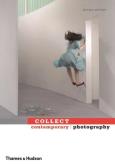
Where does one begin when looking to start a collection of contemporary photography? How can one identify prints of enduring appeal and value in a global scene with more artists working in it than ever before? Collect Contemporary: Photography aims to provide those who are looking to start their own collection with guidance on practical matters, including where to buy according to your budget as well as information about different photographic techniques and media, and how to properly store prints. From studying the works of photographers to determining editions and displaying prints, this guide accompanies collectors through the whole process of acquiring works by contemporary photography artists. The book features in-depth profiles of 40 established and emerging contemporary artists from across Europe and the United States, as well as a concise reference section with biographical information for the artists, descriptions and contact info for important galleries, museums and art dealers, relevant fairs, events and schools, and a price guide to cover all collecting budgets. This book is part of the `Collect Contemporary' series which offers expert advice by leading specialists in the field who have many years' experience in the auction market and a vast knowledge of the subject.
Created to accompany an international travelling exhibition, "Another Book about Promotion and Sales Material" explores the work of one of the world's most famous graphic designers - Stefan Sagmeister. Divided into four sections, and including case studies from ten years of graphic design, this book explores how Sagmeister creates greater awareness for corporations, his friends, his own work, and cultural events and products. Showcasing a wide range of work, from a Talking Heads boxed set, to print ads for Levis, to the wedding invitation for close friends, this books includes exclusive images from the studio archive and Sagmeister's commentary on his work, which contains his characteristic wit and insight. The result is a funny, revealing, and intimate look at the cutting edge work of a graphic design master.
Ten produkt jest zapowiedzią. Realizacja Twojego zamówienia ulegnie przez to wydłużeniu do czasu premiery tej pozycji. Czy chcesz dodać ten produkt do koszyka?