W tej strefie zapraszamy czytelników tak zwane artystyczne dusze po książki z kategorii Sztuka. Polecamy szereg publikacji o sztuce i jej historii,ciekawostki i portfolia artystów, eseje, albumy, książki o malarstwie, rzeźbiarstwie, architekturze oraz histoii fotografii. Biografie ciekawych artystów, książki i powieści przedstawiające fascynujące losy malarzy i osób uwiecznianych na obrazach. W tym dziale tylko ksiązki ze sztuka w tle.
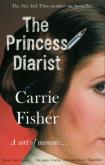
When Carrie Fisher discovered the journals she kept during the filming of the first Star Wars movie, she was astonished to see what they had preserved - plaintive love poems, unbridled musings with youthful naiveté, and a vulnerability that she barely recognized. Now her fame as an author, actress, and pop-culture icon is indisputable, but in 1977, Carrie Fisher was just a teenager with an all-consuming crush on her co-star, Harrison Ford.
With these excerpts from her handwritten notebooks, The Princess Diarist is Fisher’s intimate and revealing recollection of what happened on one of the most famous film sets of all time – and what developed behind the scenes. Fisher also ponders the joys and insanity of celebrity, and the absurdity of a life spawned by Hollywood royalty, only to be surpassed by her own outer-space royalty. Laugh-out-loud hilarious and endlessly quotable, The Princess Diarist brims with the candour and introspection of a diary while offering shrewd insight into the type of stardom that few will ever experience.
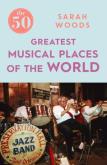
A trip around theworld, played out to the most eclectic soundtrack, discovering hidden musical gemsalong the way. From mosh pits tocabarets, Berlin's beatnik band haunts to Korea's peppy k-pop clubs, fromvisiting the infamous Dollywood, to tracing Freddie Mercury's childhood inZanzibar, The 50 Greatest Musical Places of the World hassomething for music fans of all genres. Discover the placeswhere iconic songs were written, groups were formed, music legendswere born and extraordinary talent is celebrated.
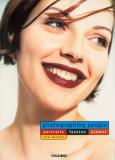
The phenomenally successful Photographing People owed its success to its inspiring and comprehensive showcase of professional lighting techniques featuring exciting and innovative work from photographers around the world. Now available in a revised and updated paperback edition, it covers the genres of portraits, fashion and glamour photography with depth and clarity. Although a vast range and diversity of work is on display, the key element in each shot is the lighting. For every featured photograph, the lighting setup is illustrated by helpful 3D diagrams, along with expert explanations and advice on potential problems that might arise, alongside suggested solutions. This book is therefore a unique source of information and inspiration for the keen amateur and the established professional alike.
Imagine walking into a jewellery gallery with showcases filled with amazing pieces, made by the most creative artists from over twenty countries. This book is a comprehensive jewelery collection that has brought together an interesting selection of designs combining imagination and technical skill, the mastery of traditional meterials and proposals based on innovative design.
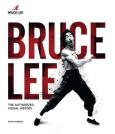
Bruce Lee was instrumental in the global popularity of martial arts, and he is still the most famous martial artist in the world, some 40 years after his death in 1973. He appears in video games, he has ranges of branded clothing and other goods, and his movies are constantly being re-issued to audiences hungry for more. But Bruce was a man of action in all aspects of his life. Before he made a name for himself in Seattle, USA he had appeared in nearly 20 Hong Kong movies. He wrote poetry and philosophy as well as film ideas and scripts.
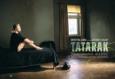
Historia powstania niezwykłego filmu, laureata nagrody Alfreda Bauera na Berlinale 2009.
"Tatarak", film oparty na opowiadaniu Jarosława Iwaszkiewicza, jednego z najwybitniejszych polskich pisarzy, wydaje się na początku subtelną i wzruszającą historią o niemożliwej miłości, jednak reżyser Andrzej Wajda idzie dalej, tworząc wielowymiarową opowieść o miłości, która przychodzi za późno, i o śmierci, która zawsze przychodzi za wcześnie.
Marta (Krystyna Janda), kulturalna kobieta w średnim wieku, która jest żoną zapracowanego, powszechnie szanowanego doktora (Jan Englert) z małego miasteczka, nie wie o tym, że jest śmiertelnie chora. Od lat opłakuje śmierć swoich dwóch synów, którzy zginęli w powstaniu warszawskim. Pewnego dnia Marta poznaje znacznie młodszego od siebie mężczyznę, prostego robotnika Bogusia (Paweł Szajda), który oczarowuje ją swoją młodością i niewinnością. Ich spotkania na brzegu rzeki porośniętej tatarakiem są naznaczone wzajemną fascynacją dwóch istnień, z których jedno zmierza do przedwczesnego końca, drugie zaś wkracza dopiero w dojrzałość. Jednak los obchodzi się z nimi okrutnie…
To dopiero pierwsza warstwa historii, bo "Tatarak" to również film o tworzeniu filmu, a główna bohaterka jest nie tylko fikcyjną Martą, ale i aktorką, która ją gra. Andrzej Wajda wplótł w opowiadanie Iwaszkiewicza autentyczne monologi Krystyny Jandy na temat przedwczesnej śmierci jej męża, cenionego operatora Edwarda Kłosińskiego, któremu film jest dedykowany. W ten sposób obie kobiety – Krystyna i Marta – zlewają się w jedną głęboko zranioną istotę, która musi znaleźć w sobie siłę i poradzić sobie z perspektywą nieuniknionej śmierci.
Album zawiera opowiadanie Jarosława Iwaszkiewicza, unikatowe zdjęcia z filmu, wypowiedzi Andrzeja Wajdy i Krystyny Jandy, wywiad z Marią Iwaszkiewicz, córką pisarza, i posłowie prof. Andrzeja Gronczewskiego.
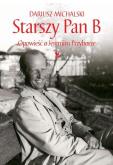
Starszy Pan B to opowieści o Jeremim Przyborze, autorze niezrównanych tekstów piosenek, twórcy Kabaretu Starszych Panów, reżyserze, scenarzyście. To opowieśćo arcyciekawym życiu Starszego Pana B, o czasach, w których działał, i ludziach, których znał. Książka bogato ilustrowana prywatnymi zdjęciami rodziny Przyborów orazz archiwów teatralnych, telewizyjnych i filmowych.?
Pół wieku podróżowałem po Azji.
Byłem pielgrzymem z okiem otwartym. Usiłowałem zbliżyć się do pojęć i światów nam niedostępnych. Szukałem odpowiedzi na istotę człowieczeństwa.
Znałem europejskie akademie i czarny kwadrat Malewicza. O ikonosferze rozmawiałem z profesorem Mieczysławem Porębskim. Z dziesiątków tysięcy azjatyckich negatywów wybrałem do książki “Azja - Sacrum” fotografie świątyń i bogów, składając hołd Człowiekowi który je stworzył.
Andrzej Strumiłło
Maćkowa Ruda, 28.10.2019
Słowno-fotograficzna opowieść o Azji. Andrzej Strumiłło – malarz, grafik, rzeźbiarz, fotograf, pisarz i poeta – pokazuje czytelnikowi bogactwo kulturowe Dalekiego Wschodu, dając wyraz swojej długoletniej fascynacji.
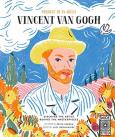
Learn about one of the worlds favourite painters - Vincent Van Gogh - in this new and unique biography series, which depicts the story of an artist's life through their own masterworks.
Vincent Van Gogh was born in the Netherlands and today is one of the worlds best-loved painters. But during his lifetime, Van Gogh struggled to find fame and fortune through his art, making very little money from his paintings, which now sell for millions of dollars. This book tells the story of Van Gogh's life through his own artworks, and shows how he came to create some of the most famous paintings in the world, including the Sunflowers and Starry Night. Learn about the importance of brotherly love, his struggle to find the right path and the lasting impact he had on the history of art in this book that brings his work to life.
Celebrate the world's most seductive instrument. An obsessive, full-colour gift book, Guitar captures the soul, the significance, the history, the magic, the raw mojo of the guitar in all of its beauty and variety.
Written by David Schiller, author of Guitars and the Guitars wall calendar, here are 200 instruments in stunning detail. Iconic instruments - Leo Fender's history-making "Broadcaster," Les Paul's log, the Gretsch Country Gentleman, the trio of Martins (D-18, D-28, OM-28) collected, coveted and also copied by every important guitar builder since. Historic instruments - Eric Clapton's Brownie, George Harrison's hand-painted Rocky, Prince's Yellow Cloud, Willie Nelson's Trigger, the Hauser that was inextricably bound up with Andres Segovia's preeminent artistry. Hand-carved archtop jazz guitars, pinnacles of the luthier's art, from John D'Angelico to Ken Parker. There are instruments from a new wave of female builders, including Shelley D. Park, Joshia de Jonge, and Rosie Heydrich of England, with a guitar she built out of 5,000 year-old wood retrieved from a peat bog. And quirky, one-of-a-kind guitars, like Juha Ruokangas's steampunk masterpiece, "Captain Nemo," and Linda Manzer's Pikasso II built for Pat Metheny - four necks, 72 strings, and a thousand pounds of pressure.
Lost London: 1870-1945 is a spectacular collection of more than 500 of the best images from the former London County Council archive of photographs, which has been held by English Heritage for the past 25 years. Most have never been published before. Taken to provide a unique record of whole districts of London as they were vanishing, each of the photographs is a full-plate image, a stunning work of art In its own right.
Książka składa się z dwóch części. Pierwsza poświęcona jest nieoczywistym relacjom nowych mediów z domeną sztuki oraz porusza kwestie ich oddziaływania na życie społeczne. Teksty zawarte w części drugiej w szczególnym stopniu koncentrują się na dokonywanej poprzez aktywność twórczą zmianie – czy to bardziej utopijnej i ekskluzyjnej (tekst Joanny Szczepanik), czy tej oddziałującej na życie codzienne zwykłych użytkowników miast, podejmowanej we współpracy z samorządowcami, działaczami pozarządowymi, niekiedy też samymi mieszkańcami (teksty pozostałe).
[…]Autorzy kolejnych tekstów zawartych w książce zastanawiają się między innymi, jak przebiegają procesy recyklingu określonych przestrzeni w miastach: Łodzi, Gdańsku, Poznaniu i Szczecinie oraz jaką rolę odgrywa sztuka w kreowaniu, przetwarzaniu i odzyskiwaniu miejsc. Pokazują również, w jaki sposób artyści bezpośrednio lub pośrednio starają się włączać w swoje działania różnorodne społeczności, jak przebiega dialog pola sztuki z innymi polami, głównie rynkiem i polityką miejską, a wreszcie z życiem codziennym mieszkańców, oraz jakie są efekty zastosowanych interwencji artystycznych.
Ze wstępu
"Pełna anegdot i wartka opowieść o kompozytorach w pierwszych latach powojennych. Rytm opowieści wyznaczają - po raz pierwszy ujawnione - zasoby archiwum Związku Kompozytorów Polskich, przeplatane pamiętnikami muzyków oraz dokumentami partii komunistycznej. Każdy mówi własnym głosem. Komuniści brzmią głucho, a słowa kompozytorów są świeże. Książka wnosi nową wiedzę, koryguje wiele utartych przekonań, ale przede wszystkim świetnie się ją czyta. Plastyczne. Pasjonujące. Bez złości. Bez żółci. Gorąco polecam" - prof. Ludwik Bielawski
J. Katarzyna Dadak-Kozicka (ur. 1944) była przewodniczącą Sekcji Muzykologów, Sekretarzem Generalnym (2001-2003), Wiceprezesem (2013-2015) Związku Kompozytorów Polskich. Związana z Uniwersytetem Warszawskim, Akademią Muzyczną im. Fryderyka Chopina, Instytutem Sztuki Polskiej Akademii Nauk i Uniwersytetem im. Kardynała Stefana Wyszyńskiego.
Sama sztuka, żadnych sztuczekCzy wiesz, że gwałtowny charakter Carravagia kosztował go życie Czy słyszałeś o tym, że za późne rzeźby Augusta Rodina oskarżano o pornografię Życie wielkich artystów, wciągnięte w wir historii, odcisnęło trwałe piętno na ich sztuce. Sztuka jest wszędzie wokół nas. Nawet wrocławski dworzec tętni historią -- jego główna fasada zbudowana jest w stylu angielskiego neogotyku. Ileż tajemnic kryją te obrazy, rzeźby i budowle...Jednych fascynują naskalne malowidła sprzed tysięcy lat, innych religijna sztuka średniowiecza; są i tacy, których poruszają wyłącznie współcześni artyści, operujący nowoczesnymi technologiami. Sztuka to nieprzebrane źródło wiedzy o nas samych i historii rodzaju ludzkiego, zaklęte w pięknych przedmiotach. A Ty, czego w niej szukasz dla siebieGłówne okresy i nurty w historii sztuki.Tajemnice starożytnych mistrzów.Twarde średniowieczne kanony.Wpływ rewolucji przemysłowej.Sztuka XX wieku i nowe perspektywy.Ponadto znajdziesz tu dekalogi: 10 muzeów, które musisz odwiedzić, 10 wspaniałych książek napisanych przez słynnych artystów, 10 sposobów malowania, które zmieniły świat.DODATEK SPECJALNY: Chronologia historii sztukiO autorzeJesse Bryant Wilder jest laureatem wielu nagród literackich. Napisał setki artykułów na temat malarstwa, teatru, kina i muzyki dla wielu magazynów i gazet, w tym American Theatre oraz Film Comment. Jest również pomysłodawcą strony internetowej, poświęconej najsłynniejszym europejskim festiwalom filmowym. W jego dorobku znajduje się także kilka scenariuszy, sztuk teatralnych, wierszy oraz opowiadań.Książka Historia sztuki dla bystrzaków. Seria: W prostocie tkwi siła - oprawa miękka - Wydawnictwo Helion.Książka posiada 512 stron i została wydana w 2019 r.
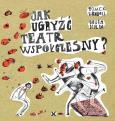
Nakładem Fundacji im. Tymoteusza Karpowicza w serii wydawniczej Tajne Komplety ukazała się książka „Jak ugryźć teatr współczesny?”.Wydawnictwo to ilustrowany przewodnik po teatrze współczesnym dla wszystkich, którzy mają ochotę zainteresować się tą dziedziną sztuki. Dzięki tej intrygującej pod względem graficznym książce teatr staje bardziej zrozumiały, ekscytujący – i niezwykle smakowity. Autorzy (Tomek Żarnecki, Gosia Kulik) serwują głodnym wiedzy czytelnikom nafaszerowane faktami i anegdotami lekkostrawne opowieści. Ich narratorem jest kasjer-łakomczuch, który ze swadą podróżuje w czasie i przestrzeni.
Kostiumy wyciśnięte z tubki, aktorskie laboratoria, tańczące parawany, maszyny do grania czy torcik o smaku mielonki są przyprawą dla sutych historii o najważniejszych nurtach teatralnych XX wieku i wielkich inscenizatorach.
Publikacja jest dedykowana wszystkim, w każdym wieku. Zamierzeniem autorów jest zwalczać przekonanie, wedle którego książka ilustrowana jest kierowana tylko do najmłodszych czytelników. Młodzi dorośli, dojrzałe dzieci, podstarzałe bobasy i zdziadziali nastolatkowie: jeśli nabraliście apetytu na oswojenie się z teatralnymi osobowościami i osobliwościami – życzymy smacznego!
Z uwagi na opiekę merytoryczną specjalistów książka może być przydatna jako pomoc dydaktyczna dla nauczycieli i animatorów kultury.
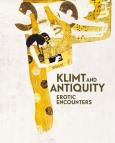
Gustav Klimt’s 1907 publication of his illustrated edition of Lucian’s ancient work Dialogues of the Courtesans was the first time he exhibited his erotic art to the public, and it led to his denouncement by censors disturbed by the work’s graphic content. This volume revives Klimt’s masterful book, which pairs his erotic drawings with Wiener Werkstätte design, and which arguably resulted in the Art Nouveau era’s most beautiful book. Klimt and Antiquity also compares the red- and black figure Attic vases dating from the 5th century with Klimt’s art. It presents Klimt’s antiquity-inspired art as a dialogue between contemporary and ancient art, between genders, and between women’s roles in times of antiquity and modernity. Essays explore Klimt’s interest in ancient art; the ancient role of the courtesan; and the phenomenon of the Greek symposium as fertile ground for Greek art.
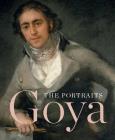
Francisco de Goya y Lucientes (1746–1828) was one of the greatest portraitists of his time. He produced some of the grandest formal portraits in Spanish art: memorable both for the insight they provide into the relationship between artist and sitter, and for their penetrating psychological depth. This major publication gives new perspectives on Goya and his subjects, and on the politically turbulent and culturally dynamic era in which they lived.
Xavier Bray traces Goya’s career from his early beginnings at the court of Charles III in Madrid, through to his final years in Bordeaux, played out against the backdrop of war with France and the social, political and cultural shifts of the Enlightenment. More than 60 outstanding portraits, including drawings and miniatures, reveal the full range of Goya’s technical and stylistic achievements, depicting sitters – whether royalty, philosophers, military men or friends – with a previously unparalleled humanity. His break with traditional conventions of the late eighteenth century took portraiture to a new level, and achieved a type of modernity only later matched by painters such as Manet, Picasso and Freud.
With a list of exhibited works, biographies and bibliography.
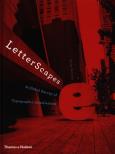
Today, the use of writing in public spaces has moved away from the old social and descriptive functions of public lettering, which were linked with expressions of power and its architecture. Instead, this writing commemorates events or people, designates a spatial or commercial idenity, or is a form of artistic expression, often becoming an installation in its own right and an integral part of architecture.
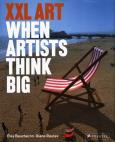
From countryside to desert, city streets to museum and gallery spaces, the oversize artworks featured in this volume present the dazzling variety of large-scale art throughout the world.
When artists think big, big things happen. In Chicago’s Millennium Park, thousands of visitors flock daily to Anish Kapoor’s Cloud Gate to see their wondrously distorted reflections. Christo’s The Gates mesmerized the citizens of New York City with its bright orange fabric draped throughout Central Park. In Prague, artist David Cerny’s Gesture either infuriated or delighted its many viewers during the city’s recent elections, while Stuart Murdoch’s Pimms Deckchair brilliantly celebrated the traditional English seaside. Political or whimsical, permanent or fleeting, magical or disturbing—each of these monumental works surprises the viewer by its sheer scale. Captured in double-page spreads with brief introductions, these works are organized by location: outdoors, in the streets, indoor, and museum installations. From Niki de Saint-Phalle’s magical Tarot Garden to Robert Smithson’s intermittently visible Spiral Jetty; from Daniel Firman’s enormous stuffed elephant displayed at the Fontainebleau Palace to Doris Salcedo’s Shibboleth, an enormous fissure she built in Tate Modern’s Turbine Hall—each of the works featured in this unique book reminds viewers of the immense power of art.
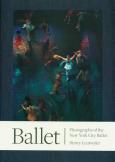
After four years of collaboration with choreographer Peter Martins and the New York City Ballet, Swiss portrait photographer Henry Leutwyler was granted unprecedented backstage access to the Company during the winter of 2012. The resulting book, Ballet, reflects 30 years of his passion for the art form, realized in 30 days of photographing. Leutwyler inhabited the shadows of the stage and became "invisible," recording images of the dancers using nothing more than his 35mm Leica. He was able to explore the performers' immediate space, affording a more abstract portrait of their frenzied existence in an art form predicated on perfection. This clothbound masterpiece is an homage to the gritty world behind the curtain. With impresario Lincoln Kirstein, George Balanchine co-created the New York City Ballet in 1948. What followed is arguably one the most revolutionary periods in ballet history as he redefined the art form, introducing abstract works performed with a signature speed, musicality and precision. Under the leadership of Peter Martins, these are the hallmarks of the Company to this day.
Ten produkt jest zapowiedzią. Realizacja Twojego zamówienia ulegnie przez to wydłużeniu do czasu premiery tej pozycji. Czy chcesz dodać ten produkt do koszyka?