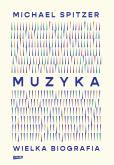
W tej strefie zapraszamy czytelników tak zwane artystyczne dusze po książki z kategorii Sztuka. Polecamy szereg publikacji o sztuce i jej historii,ciekawostki i portfolia artystów, eseje, albumy, książki o malarstwie, rzeźbiarstwie, architekturze oraz histoii fotografii. Biografie ciekawych artystów, książki i powieści przedstawiające fascynujące losy malarzy i osób uwiecznianych na obrazach. W tym dziale tylko ksiązki ze sztuka w tle.
Książka „Na tropie fortepianów” to detektywistyczna podróż śladami historycznych instrumentów dla czytelników w wieku 10-12 lat. Publikację wypełniają zagadki, łamigłówki i kreatywne zadania, których rozwiązania składają się na historie pięciu tajemniczych fortepianów.
Czytelnicy będą musieli m.in. odnaleźć zagubioną nogę fortepianu, ułożyć drzewo genealogiczne ulubionego instrumentu Chopina, rozszyfrować wiadomości od jego budowniczych czy zaprojektować swój własny fortepian.
Redaktorem merytorycznym książki jest prof. Benjamin Vogel.
„Wybierz się z nami w podróż śladami historycznych fortepianów – takich, które pamiętają czasy, gdy żył i tworzył Fryderyk Chopin. Odkryj wyjątkowe losy tych instrumentów.
Podczas naszej podróży odwiedzimy cztery europejskie stolice, poznamy wiele wybitnych postaci z czasów dawnych, niedawnych i całkiem współczesnych, będziemy przedzierać się przez labirynty szyfrów i zagadek, a także szukać zagubionych fortepianowych nóg i dźwięków.
Czeka nas wyjątkowa przygoda!”
Joanna Barczuk, Anna Lipiec, Anna Ładecka
Kim właściwie jest chopinista? Odpowiedź wydaje się prosta, a sprawa oczywista, szczególnie dla kręgu wtajemniczonych muzyków i słuchaczy. Intuicyjnie pojmujemy dobrze, kto jest utalentowanym, prawdziwym, wielkim chopinistą. Gdyby jednak zapytać o kryteria oceny, o nasz prywatny „ranking”, odpowiedzi przestałyby przedstawiać się tak bezproblemowo. Niniejsza publikacja ma na celu ukazanie muzycznych portretów największych chopinistów XX wieku.
Artur Bielecki
Szerokość pianistycznej panoramy, w której można znaleźć sobie miejsce za pomocą choćby jednego drobnego, byle wyjątkowo pięknie wykonanego utworu, jest zresztą wielkim walorem książki Artura Bieleckiego. W przeglądzie nieusiłującym wprowadzać klasyfikacji, oceniać szkół ani wskazywać najlepszych lub najgorszych interpretatorów, mieszczą się bowiem najróżniejsze spojrzenia na sztukę gry na fortepianie. A z nich każde jest bezcenne. Przyjrzyjmy się więc pianistom, a następnie – korzystając z możliwości, jakie dają płyty lub choćby Internet – posłuchajmy ich. Wraz z nimi żyje nie tylko bardziej lub mniej odległa historia. Wraz z nimi żyje muzyka.
Jakub Puchalski
As the lines between technology, work, and play become increasingly blurred, it is natural we are drawn towards the simplicity and solace of nature as a salve to our everyday chaos. But what if that tranquility could be achieved as a part of our daily work-life-balance? The House of Green is a collection of the most stunning architecture and interiors incorporating nature into their designs, exploring the benefits to homes, workplaces, and more. From design lovers looking to revamp a home to modern-day professionals searching for new sustainable solutions, The House of Green showcases the equilibrium for that ever-elusive balance.
Parkitecture, otherwise known as National Park Service Rustic, is the beloved architectural style of the U.S. national parks and the inspiration for this compilation of homes and off-grid hideaways nestled in some of North America’s most beautiful natural landscapes.
Made in collaboration with Parks Project, Parklife Hideaways shines a light on magical homes built to make minimal impact while celebrating the natural features of the surrounding landscapes and their transcendent vistas.
From the verdant forests of New York State and British Columbia to the snow-covered peaks of Alaska; from the sunset-blessed deserts of Arizona to the rugged California coast, these unique sanctuaries are a testament to conservation and how human design can partner with nature.
Among them are cabins, cozy nooks inspired by treehouses; A-frame structures and desert retreats open to the vastness of the sky. We look at the evolution of parkitecture styles over the decades, as well as the ways in which people adapt to living in remote places. And we meet some of the mavericks who make the dream of living in nature a daily, mindful reality, preserving it for generations to come.
The astonishing culmination of the artist-author’s decade-plus project to capture beauty, commemorate place, and see the world more fully
Every day (every single day) for over a decade, Mary Jo Hoffman has made a photograph of found nature – no subject too small or too ordinary. For Hoffman, a former aeronautical engineer, this daily ritual cracked open profound revelations about the connectedness of all things, the importance of place, and her own life.
This book shares a selection of the breathtaking photographs from Hoffman’s enormous archive, accompanied by perceptive, deeply felt, and oftentimes humorous essays illuminating the insights gained through this daily creative practice. STILL features 275 of the most stunning photographs the author-artist has accumulated over thousands of consecutive days of daily shooting – a true feast for the senses.
A global survey of 100 of the most creative and innovative product designers working today
Designed For Life showcases 100 of the most exciting designers around the world and, through their work, shines a lens on what is happening at the forefront of contemporary product design. The boundaries between design, art, craft, fashion, and architecture have been blurred in recent years and a new generation of designers has emerged, working across different fields and genres. Products illustrated in the book range from furniture, lighting, and objects, to limited editions, glassware, and office systems, making Designed for Life the ideal route to new talent throughout the field of product design and the perfect way to assess exactly what is being created in the design scene today
Chosen by an international line up of influential industry experts – design critics, museum curators, entrepreneurs, journalists, and gallerists – the nominated designers comprise young product designers who have emerged in the last few years, but who have already produced outstanding, creative, and innovative pieces of design, such as Mac Collins, Nifemi Marcus-Bello, Minjae Kim, and Mimi Shodeinde as well as more established designers including Jasper Morrison, India Mahdavi, and Jonathan Olivares. This fascinating book illustrates the new materials, processes, and technologies being utilized; the radically different styles being created; and the growing importance of sustainability, diversity, and inclusivity in design. These designers believe design can build a better world and a better life.
No other art movement in history has contained two artists as different as Magritte and Miró. This is because Surrealism was not in origin an art movement, but a philosophical strategy. It was a way of life – a rebellion against the establishment that had given the world the hideous slaughter of the First World War. Instead of trying to analyse the work of the Surrealists, bestselling author and Surrealist artist Desmond Morris concentrates on them as people – as remarkable individuals. What were their personalities, their predilections, their character strengths and flaws? Did they enjoy a social life or were they loners? Were they bold eccentrics or timid recluses?
„Beksiński 4” to czwarty album prezentujący wyjątkową kolekcję prac Zdzisława Beksińskiego. Znajdą się w nim mniej znane i rzadko publikowane reprodukcje dzieł z zakresu malarstwa i rysunku, pochodzące z Muzeum Historycznego w Sanoku oraz kolekcji prywatnych. Wstęp – Wiesław Banach i Bogdan Szymanik.
W atrakcyjnie wydanym tekturowym opakowaniu koloru szarego lub brązowego z wytłoczonym na wierzchu autografem Zbigniewa Makowskiego znajduje się dwadzieścia dwie reprodukcje prac artysty i w języku angielskim zbiór komentarzy jego twórczości autorstwa Teresy Sowińskiej, Jarosława Krawczyka,Elżbiety Grabskiej.
The Golden Age of Graphic Journalism
In today’s world of instant snapshots, 24-hour news, and round-the-clock connectivity, an illustrated press where the images are as important as the text has become an increasingly rare art form. This far-reaching compendium celebrates the golden age of graphic journalism as a distinct and unique genre and a laboratory for developing avant-garde aesthetics.
Spanning from 1819 to 1921, the collection covers a broad range of news graphics and political and satirical cartoons. Alongside the works of renowned artists such as Jean Cocteau, Juan Gris, and Käthe Kollwitz, the most famous illustrators of the time are also well represented. Thomas Nast, Honoré Daumier, Gustave Doré, and the numerous relatively unknown press graphic artists, the so-called “special artists,” whose work is rediscovered here.
Their rich and varied press work is considered not only in connection to the genre and the historical painting of the 19th century but also in its capacity as a pioneering influence on modern art. With striking examples of proto-cinematic narrative thinking, disruptions of the single image space, and daring forays into abstraction, this material is shown to have laid the groundwork for much of the avant-garde artistic expression that followed.
The book also explores Vincent Van Gogh's careful attention to the illustrated press of his time. He was inspired not only by the artistic aspect of it but also by the spirit of social reform that it represented. An avid collector, he owned a large number of press graphics and went so far as to consider it a "Bible for Artists".
The spectacular beauty of Raphael’s tapestries as you have never seen it before
In 1515, Pope Leo X commissioned the Italian painter Raffaello Sanzio (1483–1520), now generally known as Raphael in English, to make the cartoons for a series of ten tapestries with scenes from the lives of Saints Peter and Paul. This commission played an instrumental part in the stylistic development of the Flemish tapestries, a marvellous illustration of princely splendour in the sixteenth century. Under Habsburg rule, Brussels soon emerged as a leading manufactory for exquisite products. Raphael’s designs are among the most successful series in the history of tapestry production.
This publication highlights the tremendous wealth of these tapestries in intricate detail. It accompanies a collection exhibition of the Kunsthistorisches Museum in Vienna, home to the former imperial tapestry collection, from 26 September 2023 to 14 January 2024.
From her girl squad to the Swifties to the world at large, Taylor's the BFF of the pop music world. As the go-to shoulder to cry on and chronicler of heartbreak, she relates her personal life and experiences in a 'dear diary' style in her music, but the artist is even more popular than her hit songs. One of the most followed on social media, she is a defender of the underdog, open about her feminist and pro-choice views and frequently speaks up against sexism and LGBTQ discrimination.
This collection of Taylor's relatable, inspiring and hugely optimistic quotes and lyrics reveals a caring, generous personality who is all about 'the feels' and following your dreams. Sparkling with positivity and feel-good vibes, Taylor is always there to give you the best advice and lift you up when you're down - she's your own personal cheerleader.
„Beksiński 3” to nowe wydanie albumu zawierającego wyjątkową kolekcję prac Zdzisława Beksińskiego. Czytelnik znajdzie w nim mniej znane i rzadko publikowane reprodukcje dzieł z zakresu malarstwa i rysunku, pochodzące z archiwum Muzeum Historycznego w Sanoku oraz zbiorów prywatnych. Wydanie opatrzone zostało wstępem przyjaciela artysty i dyrektora sanockiego muzeum – Wiesława Banach oraz aktora, odtwórcy roli Zdzisława Beksińskiego w filmie „Ostatnia rodzina” – Andrzeja Seweryna. „Beksiński 3” jest kolejną częścią bestsellerowych wydań albumowych: „Beksiński 1” i „Beksiński 2”. Album nie powiela żadnej reprodukcji z pierwszego ani drugiego tomu – to kolejna odsłona twórczości Mistrza.
Nowe wydanie albumu prezentujace wyjątkową kolekcję prac Zdzisława Beksińskiego. W części pierwszej prezentuje rysunki powstałe do połowy lat 70. Kolejna partia albumu zawiera malarstwo z całego okresu twórczości. Zawarte w albumie obrazy to między innymi prace z kolekcji żony Zofii oraz syna Tomasza. Zgodnie z ostatnią wolą właścicieli zbiory po ich śmierci przekazane zostały do Muzeum Historycznego w Sanoku i tam się obecnie znajdują. Ostatnia część albumu to kolaże komputerowe, w których widać twórcze wykorzystanie przez Beksińskiego możliwości, jakie daje nowoczesna technika.
Uzupełnieniem wstępów wybitnego tenora Wiesława Ochmana, długoletniego przyjaciela artysty i Wiesława Banacha, dyrektora Muzeum Historycznego w Sanoku są archiwalne zdjęcia prywatne Zdzisława Beksińskiego, dotąd niepublikowane.
Francuski hit kinowy! Nakręcona z rozmachem epicka opowieść o wielkim powstaniu ludowym przeciwko terrorowi rewolucji francuskiej, prześladowaniu duchowieństwa i Kościoła, w obronie tradycji i wiary katolickiej. Głównym bohaterem filmu jest legendarny François de Charette, młody, choć już od czterech lat emerytowany oficer dawnej Królewskiej Marynarki Wojennej. Wandejscy chłopi niemal siłą wzywają go do objęcia dowództwa powstania. Niechętny początkowo oficer w najbliższych miesiącach okaże się nie tylko sprytnym strategiem wojskowym, lecz także stanie się charyzmatycznym przywódcą i budowniczym bohaterskiej, wolnościowej, oddanej idei i gotowej na wszystko armii powstańczej.
Wandea. Zwycięstwo albo śmierć odkrywa niesłusznie pokrytą kurzem kartę historii.
Jest hołdem dla dzielnego ludu wandejskiego, który dla obrony wolności i wiary poświęcił życie. Zemsta rewolucji była bowiem okrutna, a eksterminacja nie tylko mężczyzn, lecz także dzieci, kobiet, starców po upadku powstania nazywana jest pierwszym ludobójstwem w historii. W 1984 roku Jana Paweł II beatyfikował 99 męczenników wandejskich z Angers zamordowanych z nienawiści do wiary.
W tytule książki pojawia się istotne rozróżnienie na dawniejsze i nowe metafory Internetu. Nie chodzi tu o dychotomiczne przeciwstawienie jednych drugim, lecz o dostrzeżenie różnicy, która dzieli Sieć z czasów jej XX-wiecznych początków i Sieć w postaci tak zróżnicowanej i technologicznie zaawansowanej, z jaką mamy do czynienia współcześnie, w trzeciej dekadzie XXI wieku.
Jedne i drugie odkrywają i potwierdzają, że fenomen Internetu jako nowoczesnego medium – będącego od kilku dekad jednym z kluczowych składników życia społecznego i elementów kultury współczesnej – ma nie tylko swą bieżącą teraźniejszość, lecz również coraz dłuższą, z roku na rok nawarstwiającą się przeszłość.
Autor stawia tezę, iż będące tematem tej książki metaforyczne określenia Internetu są w gruncie rzeczy niczym innym, jak przybierającymi najróżniejsze formy przejawami społecznego dyskursu, który trwa od lat i permanentnie wokół niego się toczy.
The deceptively simple lemon takes center stage in the second volume of TASCHEN’s collaboration with The Gourmand, masters of the rich intersection of food and art. The star of Renaissance gardens, that shaped the Medici dynasty, have the power to ward off scurvy, had a hand in forming the mob, and whose juice has been used as an invisible ink since 600 CE to pen covert messages, these joyful yellow orbs are ripe with intrigue. The Gourmand charts the fruit’s astonishingly intricate genealogy, explores its role as a literary device for the likes of Joan Didion, F. Scott Fitzgerald, Tom Wolfe, and James Joyce, and examines its unique representation of the American dream through lemonade stands. A favorite subject of art history’s giants, the lemon captivates in the still lifes of Old Masters and inspired the breakthroughs of modern visionaries like Picasso, Matisse, and Warhol. Lemons also find themselves at the cutting edge of design in Philippe Starck’s iconic Juicy Salif and the unassuming yet revolutionary Jif Lemon. Their presence extends to the decorative arts, gracing everything from Arts and Crafts wallpapers to mythological ceramics. Even the famed Bloomsbury Group found lemons entangled in their literary love affairs. Accompanying these citrus-centric anecdotes are a foreword by chef and acclaimed food writer Simon Hopkinson and an introduction by art critic and author Jennifer Higgie alongside more than 60 lemon-infused recipes across global cuisines and for every occasion—including perfect poultry, decadent sauces, classic cocktails, and indulgent desserts, with custom photography by Bobby Doherty.
Stanisława Umińska na początku lat dwudziestych XX wieku była wschodzącą gwiazdą Teatru Polskiego. W 1923 roku poznała krytyka sztuki, malarza i pisarza, Jana Żyznowskiego, w którym się zakochała z wzajemnością. Gdy u Żyzynowskiego zdiagnozowano raka, a jego stan był beznadziejny, sięgnęła po rewolwer i pozbawiła go życia. Oskarżona o zabójstwo została uniewinniona przez sąd, lecz sama sobie nie mogła wybaczyć.
Wróciła do wiary i wstąpiła do Stowarzyszenia "Samarytanki" (dziś to Zgromadzenie Sióstr Benedyktynek Samarytanek Krzyża Chrystusowego). Pracowała wśród byłych prostytutek i dzieci z najgorszymi upośledzeniami. W czasie okupacji w domu dla upadłych dziewcząt organizowała spektakle teatralne reżyserowane przez Leona Schillera. Do śmierci w 1977 roku pracowała w ośrodkach, prowadzonych przez jej zakon.
Small footprint design that proves living better doesn’t have to mean living larger.
Following the success of their first book, the second volume of Never Too Small showcases 30 new and outstanding homes from around the world that explore small space living.
Framed by five small footprint design principles, the book features beautiful photography, detailed floor-plans, and accessible architectural commentary on each of the 30 homes.
Championing the work of award-winning architects and designers, Never Too Small offers an inspiring model for the future of housing—one where sustainability and style, comfort and affordability can coexist.
Art has always declared its dissatisfaction against the status quo. Throughout history artists have used their art to criticise and protest against a range of injustices and inequalities. Their art is an act of defiance, but more importantly it has given a voice to the marginalised.
This book is a short visual journey through eighty years of protest art. Commencing with Picasso’s Guernica in 1937, this book showcases the work of over fifty artists who have challenged traditional boundaries, spoken up for the powerless and against those who seek to deny people their human rights.
Exploring deeply political and critical art which uses irony, satire, subversion and provocation, it features responses to war, violence, oppression, gender and racial inequalities, the AIDS epidemic, LGBTQ+ rights, the Black Lives Matter movement and the climate crisis. A Brief History of Protest Art reveals the important role of art in confronting political and social issues, and how it can help to change attitudes to create a better future.
Aindrea Emelife is a curator and art historian from London. Emelife writes frequently for international publications, including The Financial Times, The Guardian, Vanity Fair, The Telegraph and Frieze. She curated the Bold Black British exhibition at Christie’s, London, Black Bodies/White Spaces: Invisibility and Hypervisibility at the Green Family Art Foundation in Dallas, Texas and Black Venus, a survey of Black women in visual culture at Fotografiska, New York. In 2021, Aindrea was featured in Forbes’ 30 Under 30 List and appointed to the Mayor of London’s Commission for Diversity in the Public Realm.
Ten produkt jest zapowiedzią. Realizacja Twojego zamówienia ulegnie przez to wydłużeniu do czasu premiery tej pozycji. Czy chcesz dodać ten produkt do koszyka?