W tej strefie zapraszamy czytelników tak zwane artystyczne dusze po książki z kategorii Sztuka. Polecamy szereg publikacji o sztuce i jej historii,ciekawostki i portfolia artystów, eseje, albumy, książki o malarstwie, rzeźbiarstwie, architekturze oraz histoii fotografii. Biografie ciekawych artystów, książki i powieści przedstawiające fascynujące losy malarzy i osób uwiecznianych na obrazach. W tym dziale tylko ksiązki ze sztuka w tle.
Mazurki op. 24 ukończone zostały przez Chopina jesienią 1835 roku. Ich faksymile publikujemy wraz z komentarzem źródłowym autorstwa Pawła Kamińskiego. Autografy Mazurków przechowywane są w zbiorach Biblioteki Narodowej w Warszawie pod sygnaturą Mus. 216. Faksymilowa publikacja obejmuje 4 mazurki stanowiące zbiór rękopisów edycyjnych. Autograf posłużył za podstawę wydawcy lipskiemu, firmie Breitkopf & Härtel, wydawcą paryskim był Maurice Schlesinger, londyńskim – Wessel & Co.
Celem międzynarodowego projektu „Dzieła Chopina. Wydanie Faksymilowe” jest publikacja wszystkich dostępnych, rozsianych po całym świecie autografów dzieł Fryderyka Chopina w formie faksymiliów. Projekt realizowany jest od 2001 roku, a jego redaktorem naczelnym od samego początku jest prof. Zofia Chechlińska.
Największą wartością wydawanych edycji jest jak najdoskonalsze odwzorowanie graficzne manuskryptów w postaci współczesnych druków, dzięki czemu oryginalny tekst kompozycji Chopina może zostać udostępniony wykonawcom i naukowcom w celu jak najpełniejszego zrozumienia intencji kompozytora oraz weryfikacji wiedzy o źródłach.
Każdy tom zawiera dwie części: edycję faksymilową źródła muzycznego oraz komentarz naukowy w sześciu językach: polskim, angielskim, francuskim, niemieckim, hiszpańskim i japońskim. Komentarze zawierają najbardziej aktualne informacje na temat historii publikowanych rękopisów. Wartość tych unikalnych edycji dodatkowo podnoszą: estetyczny układ treści, twarda okładka i zabezpieczające pudełko.
Języki: Polski, Angielski, Francuski, Niemiecki, Hiszpański, Japoński
Rękopis Etiudy op. 25 nr 4 znajduje się w zbiorach Bibliotheque de l’Opéra w Paryżu. Chopin napisał cykl dwunastu etiud składających się na op. 25 pomiędzy 1832 a 1836 rokiem. Prezentowany autograf edycyjny przeznaczony był dla wydawcy paryskiego, co potwierdzają umieszczone w nim znaki sztycharskie, odzwierciedlające dokładnie podział na strony i systemy w wydaniu Schlesingera. Tom z komentarzem źródłowym prof. Ireny Poniatowskiej.
Celem międzynarodowego projektu „Dzieła Chopina. Wydanie Faksymilowe” jest publikacja wszystkich dostępnych, rozsianych po całym świecie autografów dzieł Fryderyka Chopina w formie faksymiliów. Projekt realizowany jest od 2001 roku, a jego redaktorem naczelnym od samego początku jest prof. Zofia Chechlińska.
Największą wartością wydawanych edycji jest jak najdoskonalsze odwzorowanie graficzne manuskryptów w postaci współczesnych druków, dzięki czemu oryginalny tekst kompozycji Chopina może zostać udostępniony wykonawcom i naukowcom w celu jak najpełniejszego zrozumienia intencji kompozytora oraz weryfikacji wiedzy o źródłach.
Każdy tom zawiera dwie części: edycję faksymilową źródła muzycznego oraz komentarz naukowy w sześciu językach: polskim, angielskim, francuskim, niemieckim, hiszpańskim i japońskim. Komentarze zawierają najbardziej aktualne informacje na temat historii publikowanych rękopisów. Wartość tych unikalnych edycji dodatkowo podnoszą: estetyczny układ treści, twarda okładka i zabezpieczające pudełko.
Języki: Polski, Angielski, Francuski, Niemiecki, Hiszpański, Japoński
The paintings of Albert Oehlen live by audacious strategies, by questioning the image and the rules of abstraction, and by an openness and beauty often reached through the unlikeliest of means.
In this expansive monograph, we meet the full range of Oehlen’s artistic thoughts and approaches: paintings that integrate mirrors, paintings that are executed strictly in primary colors or only in gray, heavily pixelated paintings produced with the help of one of the first personal computers. We find collaged fragments of garish poster ads on canvases that transforming screaming slogans into abstract elements, charcoal drawings the size of a wall, finger paintings, and paintings in which black treelike silhouettes contort themselves into a lexicon of abstract forms. Throughout, Oehlen transforms the conceptual into the compositional, at once invigorating and challenging the viewer.
Revising and updating TASCHEN’s previous Collector’s Edition, this revelatory survey explores Oehlen’s trajectory from his early days up to the present. It features more than 400 paintings as well as insightful commentaries and interviews, covering Oehlen’s different work stages and approaches. Roberto Ohrt’s essay takes us back to the special vibe of the early 1980s where Oehlen worked alongside Kippenberger, Büttner, and others, part of a scene that painted quickly and close to the pulse of time. Oehlen discusses his computer paintings with John Corbett, and follows up on his more recent work, his thoughts on art, and his day in the studio in a lengthy conversation with Alexander Klar. Together with a collection of shorter texts and statements, this brings us close to the ideas of an artist who has been dubbed “the most resourceful abstract painter alive.”
Książka w przystępny i ciekawy sposób przybliża postać Williama Szekspira, jednego z najsłynniejszych pisarzy wszech czasów. Jest wartościowym źródłem informacji nie tylko o jego życiu, ale także twórczości i czasach, w których tworzył, czyli okresie panowania w Anglii Elżbiety I Wielkiej i Jakuba 1. Publikacja została napisana z pasją oraz widoczną i uzasadnioną fascynacją Williamem Szekspirem, którego dorobkiem Zbigniew Grochowski interesuje się od ponad 40 lat. Z recenzji wydawniczej prof.. Krzysztofa Mikulskiego
Fearlessly jump and fall into the world of Taylor Swift with this illustrated appreciation of music by Swiftian Theory co-founder Satu Hämeenaho-Fox.
This is the book for all Swifties of every era, and the perfect gift for the Taylor Swift fan in your life.
Get ready to deep dive into the story of Taylor’s life through her songwriting. Travel back to where it all began with her debut album Taylor Swift and journey through the eras, from the enchanting moments of Speak Now and 1989's red-heart sunglasses, to the cosy cardigan's of Folklore and bejewelled Midnights.
Including the musical influences and personal experiences that helped make Taylor the mastermind and icon she is, this book celebrates the inimitable talent of one of the world’s greatest songwriters, performers and cat lovers.
Covering her groundbreaking tours, fiercely loyal fans and inspiring position as a businesswoman, discover how Taylor uses her signature themes of girlhood, heartbreak and female friendship to master her craft, and how her genius for poignant lyrics and planting secret clues has developed her music into a whole universe for Swifties to explore.
Are you ready for it?
In the architecture of Richard Neutra (1892–1970), inside and outside find their perfect modernist harmony. As the Californian sun glints off sleek building surfaces, vast glass panel walls allow panoramic views over mountains, gardens, palm trees, and pools.
Neutra moved to the United States from his native Vienna in 1923 and settled in Los Angeles. He displayed his affinity with architectural settings early on with the Lovell House, set on a landscaped hill with views of the Pacific Ocean and Santa Monica Mountains. Later projects such as the Kaufmann House and Nesbitt House would continue this blend of art, landscape, and living comfort, with Neutra’s clients often receiving detailed questionnaires to define their precise needs.
This richly illustrated architect introduction presents the defining projects of Neutra’s career. As crisp structures nestle amid natural wonders, we celebrate a particularly holistic brand of modernism which incorporated the ragged lines and changing colors of nature as much as the pared down geometries of the International Style.
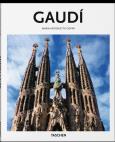
From the towering Sagrada Família to the shimmering, textured facade of Casa Batlló and the enchanting landscape of Park Güell, it’s easy to see why Antoni Gaudí (1852–1926) gained the epithet “God’s architect”. With fluid forms and mathematical precision, his work extols the wonder of natural creation: columns soar like tree trunks, window frames curve like flowering branches, and ceramic tiling shimmers like scaly, reptilian skin.
With this outstanding attention to natural detail, his inspirations from both neo-Gothic and Orientalist aesthetics, and a lifelong commitment to Catalan identity, Gaudí created a unique brand of the Modernista movement which transformed, and defines, Barcelona’s cityscape.
With seven of Gaudí’s projects listed as UNESCO World Heritage Sites, this book introduces the architect’s extraordinary vision and unique legacy, exploring the influences and the details which allow his buildings to impress, inspire, and amaze, one century after their construction.
Maria Antonietta Crippa is currently professor “straordinario” of History of Architecture at the Politecnico University in Milan, at the DiAP (Department of Architecture and Planning of the School of Architecture). Since the early 1980s, she has published widely on architecture and town planning.
Peter Gössel runs an agency for museum and exhibition design. For TASCHEN he published monographs on Julius Shulman, R. M. Schindler, John Lautner and Richard Neutra as well as several architecture titles in the Basic Art Series.
The golden age of sailing and boating comes alive in this selection of photographs curated from the unparalleled archive of this great American sport.
The Rosenfelds’ photographs of competition sailboats, billowing spinnakers, and graceful motor yachts not only document the most glamorous era of sailing and boating but also celebrate and capture the power, drama, and beauty of the maritime experience. These beautifully reproduced prints will transport the reader to the decks of daysailers, sleek America’s Cup racing boats, vintage Chris-Craft runabouts, and elegant motor yachts from a bygone era.
Morris Rosenfeld and his sons defined maritime photography in the first half of the twentieth century—the dynamic balance of sky and water, the perspective that emphasizes the boat, and the moment that captures its nature.
Each timeless image comes to life both through its story and in beautiful reproduction on the oversized pages. This is a celebration of the traditions of the nautical lifestyle and a siren song to the American pursuit of going to sea.
Prezentowana publikacja jest jak sztuka współczesna - intrygująca i różnorodna. Zawarte w niej artykuły pracowników Katedry Konserwacji-Restauracji Sztuki Nowoczesnej i Współczesnej UMK poruszają bowiem szeroki aspekt badań i konserwacji dzieł sztuki najnowszej, często tworzonej w nietypowych technikach i przy użyciu różnych materiałów, w tym i takich, które dotąd uważano za pozaartystyczne. Autorzy szukają nowych rozwiązań, omawiają nowatorskie zabiegi konserwatorskie dedykowane konkretnym obiektom oraz efekty skomplikowanych i niestandardowych rozwiązań. Z pewnością znalezienie przestrzeni dla takich działań nie jest proste, szczególnie gdy dotyczą one obiektów o znacznych gabarytach lub skazanych przez samego twórcę na przemijanie i procesy destrukcji. Dzieła sztuki najnowszej stawiają przed konserwatorami niespotykane do tej pory trudności, odmienne od tych z obszaru konserwacji dzieł sztuki dawnej. Jeszcze do niedawna wśród konserwatorów dosyć popularny był pogląd, że prace współczesne są w dużo lepszej kondycji niż dzieła dawne, a ich zniszczenia najczęściej wynikają z niewłaściwych sposobów ekspozycji, przechowywania lub transportu, ewentualnie są skutkiem błędnej technologii zastosowanej przez samego twórcę. Rzeczywiście, artyści współcześni często nie mieli i nie mają dostatecznego rozeznania w zakresie przydatności materiałów, którymi się posługują, oraz wiedzy o ich odporności na starzenie i skutkach łączenia ich ze sobą. Nie należy jednak czynić z tych faktów zarzutu, w naszej skomplikowanej i niezwykle szybko biegnącej rzeczywistości nawet z niewinnych produktów, dostępnych każdemu, można bez trudu stworzyć dzieło sztuki budzące emocje, podobnie jak zapewne nasza publikacja, i osiągające astronomiczne ceny na rynkach sztuki. Dariusz Markowski
Wyjątkowy zestaw pięciu minialbumów 'Beksiński' w eleganckim etui. Komplet ten to niepowtarzalna edycja bestsellerowych wydań albumowych zawierających dzieła Zdzisława Beksińskiego, z których dwa ukazały się jeszcze za życia i przy współpracy samego Mistrza. Kolekcja zawiera wybrane prace Beksińskiego z zakresu malarstwa, rysunku oraz grafiki komputerowej, pochodzących z archiwum Muzeum Historycznego w Sanoku oraz zbiorów prywatnych.
Przedmiotem badań jest zespół ok. 60 (znanych obecnie) polichromii XVIII-wiecznych, zachowanych na drewnianych stropach kamienic, znajdujących się na obszarze toruńskiej starówki wpisanej na listę światowego dziedzictwa UNESCO. To jeden z największych zbiorów tego typu i jest on unikatem na skalę światową. Polichromie te znajdują się w 34 różnych kamienicach, a ich liczba zwiększa się wraz z nowymi odkryciami przy okazji kolejnych remontów. Tak licznie występujące polichromie nie doczekały się odrębnego opracowania do lat 90. ubiegłego stulecia.
Problem badawczy wymagał wykonania nowoczesnych badań interdyscyplinarnych z pogranicza kilku dziedzin nauki. Studia o charakterze kompleksowym, łączące analizę archiwalną, stylistyczną i technologiczną, wzbogacając niniejszą pracę.
Fragmenty z książki
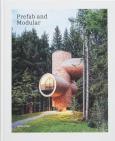
Embrace the world of innovative opportunities provided by prefabrication and modular construction, billed by many as the future of modern architecture.
Step into the new era of architecture and design with Prefab and Modular, a well-curated collection of prefabricated and modular housing as well as cultural and office buildings. This book explores the unlimited possibilities of prefabricated and modular construction, looks at its various applications, and locks into how these technologies have been used throughout the history of design.
Whether a design professional, a homeowner, or an architecture lover, Prefab and Modular inspires the reader to improve their practice through innovative solutions, and find a perfect house to be constructed in just a few days.
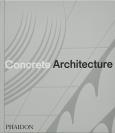
The ultimate book of concrete architecture, featuring 300 buildings of every type and style from the past 100 years
A singularly impressive volume featuring 300 examples of the most incredible and inspiring concrete architecture from the early twentieth century to the present day. Organised visually, with one building per page, Concrete Architecture celebrates the might, majesty, and sculptural beauty of concrete buildings from all over the globe and is grounded with a contextualising essay on the long history of concrete architecture, reaching back more than a thousand years to the classical civilisations of Greece and Rome.
Including buildings from the pioneering Modern masters of concrete Marcel Breuer, Le Corbusier, Louis Kahn, I. M. Pei, John Lautner, and Frank Lloyd Wright as well as work by some of the most revered architects of the late twentieth century including Tadao Ando, Steven Holl, Herzog and de Meuron, and Zaha Hadid, Concrete Architecture also brings to light the contemporary stars using concrete in spectacular ways, including Grafton Architects, Elemental, and Pezo von Elrichshausen. This awe-inspiring collection of concrete buildings from around the globe is a visual feast for lovers of Brutalism, one of the hottest topics in popular architecture.
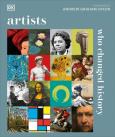
This visual celebration of the world's most celebrated thinkers tells the fascinating stories of their lives and pioneering ideas.
Artists Who Changed History places well-known artists in their historical and cultural context, showing you how they came to influence Art as we know it today.
This illustrated guide is ideal for those interested in art, sculptures and the history of art or who would like to broaden their general understanding of art and the lives of artists.
Inside this book on artists, you’ll find:
-An overview of the lives and works of around 80 of the world's most influential artists - Middle Ages to the present day
-Eight pages of brand-new content with 12 new entries, including Judith Leyster and Frank Bowling
-Lavishly illustrated portraits of each artist alongside photographs of their homes and studios, original sketches, notebooks, letters
In this Art guide, each artist is introduced with a realistic portrait and biographical entries that trace the friendships, loves, and rivalries that inspired and influenced them. Entries explore each individual's key ideas and working methods and set their ideas in context, conveying a powerful sense of the place and the period of history in which they lived. Artists Who Changed History provides revealing insights into what drove each individual to develop new ways of understanding the world.
Etiudy op. 25 powstawały zapewne stopniowo, aż do roku 1837, gdy zostały opublikowane. Kolekcja zawiera kompletny manuskrypt edycyjny opus 25, przeznaczony dla wydawcy niemieckiego Breitkopf & Härtel. Zbiór rękopisów składa się z dwóch autografów sporządzonych w całości ręką Chopina (nr 1 i nr 8) oraz dziesięciu kopii przez kompozytora autoryzowanych, poprawionych i uzupełnionych. Cały manuskrypt znajduje się obecnie w zbiorach Biblioteki Narodowej w Warszawie pod sygnaturą Mus.217 Cim. Publikacji faksymile towarzyszy komentarz źródłowy pióra dr hab. Zofii Chechlińskiej.
Celem międzynarodowego projektu „Dzieła Chopina. Wydanie Faksymilowe” jest publikacja wszystkich dostępnych, rozsianych po całym świecie autografów dzieł Fryderyka Chopina w formie faksymiliów. Projekt realizowany jest od 2001 roku, a jego redaktorem naczelnym od samego początku jest prof. Zofia Chechlińska.
Największą wartością wydawanych edycji jest jak najdoskonalsze odwzorowanie graficzne manuskryptów w postaci współczesnych druków, dzięki czemu oryginalny tekst kompozycji Chopina może zostać udostępniony wykonawcom i naukowcom w celu jak najpełniejszego zrozumienia intencji kompozytora oraz weryfikacji wiedzy o źródłach.
Każdy tom zawiera dwie części: edycję faksymilową źródła muzycznego oraz komentarz naukowy w sześciu językach: polskim, angielskim, francuskim, niemieckim, hiszpańskim i japońskim. Komentarze zawierają najbardziej aktualne informacje na temat historii publikowanych rękopisów. Wartość tych unikalnych edycji dodatkowo podnoszą: estetyczny układ treści, twarda okładka i zabezpieczające pudełko.
Języki: Polski, Angielski, Francuski, Niemiecki, Hiszpański, Japoński
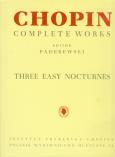
Autograf Etiudy C-dur jest częścią Ernest Schelling Collection w The Morgan Library & Museum w Nowym Jorku. Służył jako podstawa do wydania francuskiego opublikowanego przez Maurice’a Schlesingera. Etiuda C-dur wykracza poza konwencje gatunkowe, z których wyrosła, co powodowało na początku lat 30. XIX w. pełną zaskoczenia reakcję krytyków i słuchaczy. Utwór otwiera drogę do tego, co późniejsi kompozytorzy nazwą „etiudą koncertową”. Wydany rękopis jest jedynym autografem edycyjnym Etiudy przygotowanym przez Chopina. Dołączony komentarz źródłowy jest autorstwa prof. Jeffreya Kallberga.
Celem międzynarodowego projektu „Dzieła Chopina. Wydanie Faksymilowe” jest publikacja wszystkich dostępnych, rozsianych po całym świecie autografów dzieł Fryderyka Chopina w formie faksymiliów. Projekt realizowany jest od 2001 roku, a jego redaktorem naczelnym od samego początku jest prof. Zofia Chechlińska.
Największą wartością wydawanych edycji jest jak najdoskonalsze odwzorowanie graficzne manuskryptów w postaci współczesnych druków, dzięki czemu oryginalny tekst kompozycji Chopina może zostać udostępniony wykonawcom i naukowcom w celu jak najpełniejszego zrozumienia intencji kompozytora oraz weryfikacji wiedzy o źródłach.
Każdy tom zawiera dwie części: edycję faksymilową źródła muzycznego oraz komentarz naukowy w sześciu językach: polskim, angielskim, francuskim, niemieckim, hiszpańskim i japońskim. Komentarze zawierają najbardziej aktualne informacje na temat historii publikowanych rękopisów. Wartość tych unikalnych edycji dodatkowo podnoszą: estetyczny układ treści, twarda okładka i zabezpieczające pudełko.
Języki: Polski, Angielski, Francuski, Niemiecki, Hiszpański, Japoński
Wolumin zawiera zbiór sześciu autografów edycyjnych z op. 10, które Chopin zaczął pisać w okresie warszawskim w 1829 r. Rękopisy znajdują się w zbiorach Muzeum Fryderyka Chopina w Warszawie. W skład zbioru wchodzą etiudy: E-dur (nr 3), Ges-dur (nr 5), es-moll (nr 6), F-dur (nr 8), f-moll (nr 9) oraz As-dur (nr 10). Są to jedyne zachowane autografy edycyjne tych utworów. Faksymile towarzyszy komentarz źródłowy prof. Ireny Poniatowskiej.
Języki: Polski, Angielski, Francuski, Niemiecki, Hiszpański, Japoński
Celem międzynarodowego projektu „Dzieła Chopina. Wydanie Faksymilowe” jest publikacja wszystkich dostępnych, rozsianych po całym świecie autografów dzieł Fryderyka Chopina w formie faksymiliów. Projekt realizowany jest od 2001 roku, a jego redaktorem naczelnym od samego początku jest prof. Zofia Chechlińska.
Największą wartością wydawanych edycji jest jak najdoskonalsze odwzorowanie graficzne manuskryptów w postaci współczesnych druków, dzięki czemu oryginalny tekst kompozycji Chopina może zostać udostępniony wykonawcom i naukowcom w celu jak najpełniejszego zrozumienia intencji kompozytora oraz weryfikacji wiedzy o źródłach.
Każdy tom zawiera dwie części: edycję faksymilową źródła muzycznego oraz komentarz naukowy w sześciu językach: polskim, angielskim, francuskim, niemieckim, hiszpańskim i japońskim. Komentarze zawierają najbardziej aktualne informacje na temat historii publikowanych rękopisów. Wartość tych unikalnych edycji dodatkowo podnoszą: estetyczny układ treści, twarda okładka i zabezpieczające pudełko.
Języki: Polski, Angielski, Francuski, Niemiecki, Hiszpański, Japoński
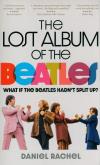
Daniel Rachel imagines what the next Beatles album might have been like, with painstaking detail and great stories' - David Hepworth, The Guardian'A fantastical journey through what might have been... Exciting and compelling.' - Chris Hawkins, BBC 6 Music'Daniel Rachel's forensic investigation makes a strong case for looking afresh at the evidence... a fascinating detailed read' - Mojo'In this meticulously crafted book, Rachel offers an extraordinary peek behind the curtain of one of the most celebrated music groups in history...a must-read for any music aficionado' - Music Devotee'A detailed researcher and writer...
Ingenious.' - Record Collector'Full of enthralling details about the highs and lows of the band's last year... it's like the DNA in a crime scene.' - David Hepworth, Word in Your Ear'A book that is religiously detailed and yet manages to create tantalising glimpses of what might have been' - Louder Than War***This is the story of the great lost Beatles album. The end of the Beatles wasn't inevitable.
It came through miscommunication, misunderstandings and missed opportunities to reconcile. But what if it didn't end? What if just one of those chances was taken, and the Beatles carried on? What if they made one last, great album?In The Lost Album of The Beatles, Daniel Rachel - winner of the prestigious Penderyn Music Book Prize - looks at what could have been. Drawing on impeccable research, Rachel examines the the Fab Four's untimely demise - and from the ashes compiles a track list for an imagined final album, pulling together unfinished demos, forgotten B-sides, hit solo songs, and arguing that together they form the basis of a lost Beatles masterpiece.
Compelling and convincing, The Lost Album of The Beatles is a daring re-write of the group's history, and a tantalising glimpse of what might have been.
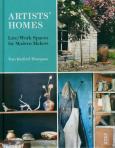
In Artists’ Homes, writer and photographer Tom Harford Thompson presents some thirty individual, eccentric houses and workspaces, from a music producer’s studio in Hackney to an eco-warrior’s treehouse on the Sussex Downs. His evocative photographs show how our live/work spaces, whether a tumbledown cottage, a country farmhouse or a reclaimed factory, are beautiful because of the lives we live in them. With work no longer separate from home life, we see how these artists function in the homes that inspire them, pursuing the life creative.
Among the artists and craftspeople featured are Billy Childish, co-founder of the Stuckist art movement; Penny Rimbaud and Gee Vaucher, creative partners who set up their home and studio as an ‘anarchist-pacifist open house’ (Dial House, in Essex); music producer Liam Watson of the famed London studio Toe Rag; vintage motorcycle dealer Ian Hatton, of cult shop Verrall’s; vintner Peter Hall of Breaky Bottom Vineyard, one of the first wineries in the UK; and many more.
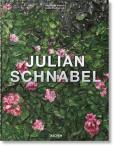
Meet the full range of Julian Schnabel’s work
Julian Schnabel makes art out of life, finding his materials in the fabric of the everyday. He uses broken plates as an improbable picture ground; he paints on velvet, market stall covers, army tarps, kabuki theater backdrops, and boxing ring floors, found surfaces that lend their own rich history to the artist’s exploration. A figurehead for the return of painting after his overnight success with a first New York solo show in 1979, he has since worked in a wide variety of media: making sculptures that transpose his pictorial forms into space as raw, seemingly time-worn artifacts; directing award-winning movies that paint portraits of artists and other subtly heroic figures; and even building his own dream of a Venetian palace in New York. “I want my life to be in my work, crushed into my painting like a pressed car. If it’s not, my work is just some stuff,” Schnabel has said, and this urgency permeates his oeuvre no matter what means or media the artist chooses.
Now available in a popular edition, the complete range of Schnabel’s work is portrayed in unprecedented depth in this TASCHEN monograph, made in dialog with the artist. The texts were contributed by friends and collaborators: Laurie Anderson draws an intimate portrait of Schnabel; in three essays by curators and art historians, Éric de Chassey discusses the paintings, Bonnie Clearwater the sculpture, and Max Hollein the site-specific work; Donatien Grau writes on the Palazzo Chupi, the artist’s extravagant home in New York’s West Village; while the novelist Daniel Kehlmann explores his cinematic oeuvre. This edition allows you to study the surfaces and artistic gestures and actions, offering the most generous opportunity to experience Schnabel’s art outside of meeting it in person.
Ten produkt jest zapowiedzią. Realizacja Twojego zamówienia ulegnie przez to wydłużeniu do czasu premiery tej pozycji. Czy chcesz dodać ten produkt do koszyka?