W tej strefie zapraszamy czytelników tak zwane artystyczne dusze po książki z kategorii Sztuka. Polecamy szereg publikacji o sztuce i jej historii,ciekawostki i portfolia artystów, eseje, albumy, książki o malarstwie, rzeźbiarstwie, architekturze oraz histoii fotografii. Biografie ciekawych artystów, książki i powieści przedstawiające fascynujące losy malarzy i osób uwiecznianych na obrazach. W tym dziale tylko ksiązki ze sztuka w tle.
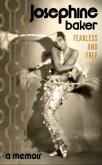
This is the iconic Josephine Baker in her own words.
Funny, candid and unconventional: the wildly famous but elusive Josephine Baker tells her own story in this enchanting memoir. Baker took Paris by storm in the 1920s, dazzling audiences with her humour, beauty and effervescence on stage. She became an icon. Hemingway, Cocteau and Picasso admired her; Shirley Bassey adored her. It was said she strolled the streets of Paris with her pet cheetah who wore a diamond collar.
Later, as one of the most recognisable women in the world, she became a spy for the French resistance, her celebrity working as her cover. She was awarded the Légion d’honneur for military service. After the war she became increasingly interested in civil rights, and in 1963 she spoke at the March on Washington alongside Martin Luther King. All this from a girl of mixed heritage, born in Missouri to a poor mother and a father she did not know.
Formed from a series of conversations with the French journalist Marcel Sauvage over a period of more than twenty years, and now translated into English for the first time, this gorgeous book offers an insight into one of the most beguiling figures of the twentieth century.
‘The most sensational woman anyone ever saw’ Ernest Hemingway
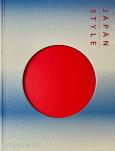
The authoritative and wide-ranging visual essay on the aesthetics of Japan, a classic volume now back in print with a stunning new cover design
‘Japan style’ is an aesthetic recognizable to everyone: a beautifully displayed flower, an elegant piece of calligraphy, or a simple rock garden, yet it is also difficult to define.
Written by one of the world’s most respected scholars of Japanese art and culture, this book does just that. Illustrated with over 150 stunning images that unlock the essence of Japanese art and culture, alongside Gian Carlo Calza’s groundbreaking and insightful text, Japan Style explores specific achievements in Japanese art and architecture and offers an in-depth analysis of the whole of Japanese culture, its vision of the world and of humankind.
W zeszycie znajdziemy pełną biografię Alfreda Bohmera, pierwszego niemieckiego artysty fotografa, która mogłaby być scenariuszem sensacyjnego filmu, tak tajemnicza i zapomniana była to postać. Urodził się nad Odrą na przedmieściach Wrocławia, gdzie ojciec był właścicielem dwóch stateczków - stąd jego zamiłowanie do żeglarstwa i urzekających zdjęć jezior, rzek i morza. Obrał karierę wojskowego i jako młody porucznik był wychowawcą wysoko urodzonych w elitarnym Korpusie Kadetów w Berlinie, a następnie oficerem i szefem urzędów ewidencji ludności w Bytomiu, Opolu i Ełku. Był jednym z najwybitniejszych fotografów końca XIX w., który również nagle stał się przez krótki czas zbieraczem tysięcy korespondencji filatelistycznej z całego świata. Najlepszy żeglarz wśród oficerów, który nagle, w tajemniczy sposób ginie - topi się, płynąc jachtem, w jeziorze ełeckim. Koledzy wystawiają mu pomnik. Zeszyt ten przeznaczony jest nie tylko dla miłośników historii fotografii, ale również dla filatelistów - zawiera całostki i listy znajdujące się w zbiorach Wojewódzkiej Biblioteki Publicznej w Opolu
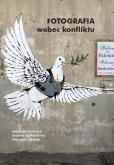
"...To interesujący i ważny poznawczo zbiór rozważań, traktujący przedmiot badań – fotografię, interdyscyplinarnie, czyli z perspektywy różnych dziedzin i dyscyplin naukowych. Wykorzystanie przez autorów odmiennych ujęć metodologicznych oraz metod badawczych stało się naturalnym rezultatem wieloaspektowego podejścia do fotografii. W moim przekonaniu stanowi ono walor naukowy monografii, gdyż zawiera kompleksowe ujęcie roli, znaczenia i funkcji, jakie pełni fotografia w XXI w., nie wolnym od konfliktów..."
z rec. dr hab. prof. UJK Olgi Dąbrowskej-Cendrowskiej
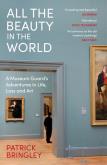
Who would have thought that the outstanding art book of the year would be written not by a curator or an art historian or even an artist – but by a museum guard?
Sunday Times, *Art Book of the Year*
Greek vases, an Iroquois turtle rattle, Picassos. His every word about them is illuminating. The big picture is art’s power to console and unite
Financial Times *Best Books of 2023*
Consoling and beautiful
Guardian
Hauntingly beautiful ... elegant ... a work of art as luminous as the old masters' paintings that comforted [Bringley] in his grief
Daily Mail Online
Bringley is a marvellous guide ... All the Beauty in the World succeeds joyously
Daily Telegraph
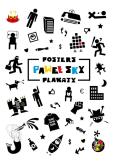
Katalog plakatu z okazji 30-lecia pracy twórczej.Paweł Sky to artysta, który w plakatowej twórczości autorskiej dokonuje syntezy graffiti, znaków drogowych i Polskiej Szkoły Plakatu. W ciągu 30 lat stworzył ponad 2000 plakatów, w tym 150 autorskich. Katalog prezentuje głównie plakaty autorskie z lat 20102024. Katalog zawiera: 100 reprodukcji plakatów 22 pełno stronicowe zdjęcia 4 pocztówki 2 wersje językowe (PL i EN) Plakat nie ma szans na wiecznotrwałość pomników.Piotr Rymarczyksocjolog, pisarz, działacz społeczny Po co są jubileusze artystów i dla kogo? Dla nich? Dla innych? Dla podsumowań, porządków, refleksji, planów na przyszłość? Zapewne dla wszystkiego po trochu. Dla Pawła Skya, tak sądzę, 30 lat twórczej pracy, w tym 14 poświęconych plakatowi autorskiemu, to głównie moment podsumowań i chęć podzielenia się tym, co dla niego ważne, z innymi. Wybrał lata z plakatem autorskim, bo ten etap jest dla niego najbardziej znaczący, osobisty, sprawczy. Ale zostawił też nieco miejsca dla równie ważnych plakatów użytkowych, które tworzył np: dla teatru Pożar w Burdelu czy Art-Clubu PraCoVnia.Kim jest Paweł Sky? Człowiekiem wielu talentów, nietuzinkową osobowością. Plakacistą, grafikiem, muzykiem, performerem, aktywistą społecznym. W jednej osobie połączyły się nieokiełznana fantazja, otwartość, a jednocześnie jasna forma przekazu. Paweł jest zdecydowanie artystą awangardowym, ale trafiającym nie tylko do wyrobionego odbiorcy. Jest w tym magia połączona z prostotą. Jego plakaty jednych zainteresują kształtem elementów, innych przekazywaną ideą, a jeszcze kogoś zagadką, jaką w sobie niosą.(fragment tekstu wprowadzającego)Jolanta Zietek-Vargadziennikarka, redaktorka
„Zanurzenie" współczesnego człowieka w świat mediów zwiększa się praktycznie z każdą chwilą, w sposób niezwykle złożony, dynamiczny i z ogromną szybkością. kształtujemy naszą rzeczywistość poprzez nowe formy jak nowej generacji seriale telewizyjne, które mnożą się w tempie ekspresowym, wprost trudnym go ogarnięcia i nadążenia.Doktorantka w bardzo dobrej pracy „zanurza" nas bardzo mocno we współczesność i jej potężne wyzwania, głównie związane właśnie z mediatyzacją, czyni to w sposób bardzo profesjonalny, wielowymiarowy, a zarazem etyczny i moralny,Głównym przedmiotem badań pozostaje jednak człowiek, tym razem człowiek obrazujący swój świat etyczny i uczący siebie i innych jak żyć, funkcjonować, myśleć i działać w totalnie nowej potężnie zmediatyzowanej rzeczywistości.Dysertacja jest bardzo bogata w analizy wybranych wartości, uczyniono to trafnie i z namysłem. Problematyka badawcza została postawiona jasno, merytorycznie a także wskazując na właściwy, wysoki poziom trudności.Całość teoretyczna, to mocno pogłębione studium potężnych etycznych wyzwań współczesności jakie czekają dziś na człowieka, każdego, w przestrzeni permanentnej mediatyzacji, potężnej ikonosferyczności a zarazem dylematów etycznych i tęsknoty za wartościami, gdzie jeszcze bardziej profesjonalne przygotowanie edukacyjne i etycznej jawi się jako konieczność chwili, co zostało także zaakcentowane.Wszystkie analizy uczyniono w sposób pogłębiony, nowatorski a zarazem jako pogłębione studium komunikowanych wartości w perspektywie potężnych etycznych wyzwań, które pozostają niezwykle ważne dla kondycji ludzkiej. Analizy uczyniono z wielkim namysłem i zarazem swoistym przesłaniem etycznym i pedagogicznym.ks. prof. UR dr hab. Janusz Miąso*******************************************Dylematy etyczne i serial, a dokładnie neoserial (serial nowej generacji), to dwa główne tematy recenzowanej rozprawy doktorskiej. Pierwszy to jeden z ulubionych zagadnień pisarzy, malarzy, filmowców i wszelkich innych twórców każdej epoki. Trudne wybory natury etycznej, wewnętrzne konflikty z tym związane, zmagania bohaterów to jest to, czym odbiorca zawsze był zainteresowany. Podejście do dylematów etycznych, sposób przeżywania czy rozwiązywania ich to również zagadnienie, którym interesują się badacze: psycholodzy, teologowie oraz etycy. Natomiast mediatyzacja czy teatralizacja dylematów etycznych to zagadnienie, które z kolei jest dziś ważnym obszarem badawczym np. dla medioznawców, w tym szczególnie etyków komunikacji.Praca jest bardzo dobra pod względem naukowym i badawczym. Stanowi ona studium etyczne na temat neoseriali, niemalże wyczerpujące temat, interesujące i ważne z perspektyw dyscypliny nauki o komunikacji społecznej i mediach.Autorka wykazała, iż seriale nowej generacji obrazują dylematy etyczne poprzez komunikowane wartości, spełniają funkcję komunikacyjno-perswazyjną, seriale nowej generacji stanowią medium edukacyjno popularyzatorskie w kontekście komunikowanych wartości, a także ukazują zagrożenia i narzędzia do rozwiązywania sytuacji problemowych.W związku z tym praca bardzo cenną pomoc dla „nowej generacji” nauczania etyki komunikacji i mediów, w której coraz praktyczniej będą podejmowane zagadnienia dylematów etycznych z użyciem np. fragmentów analizowanych seriali.Badania są niezwykle interesujące, ważne i w pewnym zakresie także nowatorskie.Doktorantka sytuuje siebie w pozycji badacza biegłego w doborze literatury, wyszukując publikacje znane i mniej znane. Opis stanu badań, bogactwo i różnorodność przypisów, a przede wszystkim bibliografii stanowią tego potwierdzenie.dr hab. Małgorzata Laskowska, prof. ucz.
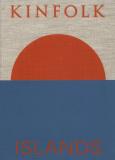
Join Kinfolk on a journey off the beaten track, to islands big and small, in this collection of eighteen new travel stories. Whether it’s a tour of the otherworldly landscape of Socotra in Yemen or a hike into the old growth of a Japanese forest on Yakushima, each slow travel itinerary invites you to set sail at a pace that allows for true discovery and immersion.
Filled with ideas and inspiration for where to escape, explore and unwind, Kinfolk Islands is full of vibrant photography, practical guidance and thoughtful reflections on why the idea of an island embodies so many of our travel fantasies. There are the charms of urban islands, including Montréal’s beloved Mile End neighborhood. Truly unexpected destinations, like Hormuz, off the coast of Iran, with its psychedelic scenery and bohemian spirit. Italy’s sun-soaked Ponza, perfect for languid afternoons. And of course some of the world’s most beautiful beaches, from jungle-fringed Caribbean sands to rugged and remote Nordic shores.
Believing that travel is as much a state of mind as an action or itinerary, Kinfolk celebrates a way of exploring our world that not only fosters thoughtful perspectives on the places we visit but also deepens our relationship with home once the journey is over.
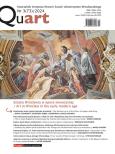
W najnowszym numerze naszego kwartalnika prezentujemy siedem artykułów poświęconych architekturze i sztuce Wrocławia w okresie nowożytnym. Rafał Eysymontt, Agnieszka Seidel-Grzesińska i Łukasz Krzywka przedstawiają historię i przemiany stylowe dawnej siedziby książąt legnicko-brzeskich. Marek Świdrak przypomina sylwetkę architekta Valentina von Saebischa, analizując jego rysunki projektowe budynku gimnazjum św. Marii Magdaleny. Romuald Kaczmarek przedstawia twórczość malarską Johanna Lichtensteina, zaś Marek Kwaśny opisuje cykl obrazów Legenda św. Antoniego Padewskiego autorstwa Johanna Jacoba Eybelwiesera młodszego. Małgorzata Wyrzykowska poddała szczegółowej analizie program ideowy i wzorce kaplicy św. Franciszka Ksawerego przy kościele Uniwersyteckim. Stefano Rinaldi omawia cztery miecze, których właścicielem był książę legnicko-brzeski Jerzy II, a Artur Kolbiarz podąża śladami inspiracji rzeźbą antyczną, dostrzegalnymi w pracach Georga Leonharda Webera. Zachęcamy do lektury!
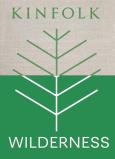
Discover the pleasures of slow travel with this inspiring introduction to the beauty and possibility of the great outdoors.
Whatever your pace or purpose, the stories within will provide you with a fresh perspective on what it means to be “outdoorsy,” whether that means trekking from hut to hut in New Zealand, saddling up at a Patagonian ranch or simply taking a moment for mindfulness amid the pristine peaks of Bhutan. Featuring vibrant photography, practical guidance and thoughtful reflections on land stewardship, Kinfolk Wilderness brings together inspiring itineraries from five continents that promise adventure, inspire awe and spark a deeper connection to the landscape. You’ll find entry points into bucolic European idylls from Denmark to Romania, discover new hiking trails through the ancient hills of Iraqi Kurdistan and learn how to stargaze in the haunting dark-sky deserts of California.
Guided by the belief that travel is as much a state of mind as an action or itinerary, Kinfolk celebrates a way of exploring our world that not only fosters thoughtful perspectives on the places we visit but also deepens our relationship with home once the journey is over.
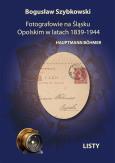
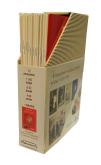
Komplet 13 zeszytów w ozdobnym etui, które przedstawiają alfabetyczny spis nazwisk wszystkich fotografów zawodowych jak i amatorów i ich zakładów fotograficznych z lat 1839-1944 działających na terenie obecnego województwa opolskiego. Zeszyty zawierają 630 haseł i 611 nazwisk fotografów oraz 1160 wykonanych przez nich zdjęć. W komplecie znajduje się zeszyt 12, który oprócz uzupełnienia zawiera wykaz alfabetyczny wszystkich fotografów zamieszczonych w poprzednich zeszytach. Jako dodatek jest zeszyt BIOGRAMY autorstwa dra Marcina Dziedzica
Since it was established in 1824, the National Gallery has become a beacon for London's visitors and residents alike. From its inception in John Julius Angerstein's home in Mayfair to its current home in Trafalgar Square, it has expanded both its collection and its footprint to become one of the world's leading galleries. This book features photographic portraits by David Dawson and Mary McCartney in addition to photography of the Gallery by Massimo Listri. It brings together over 200 of the Gallery's paintings, which were made between the 13th and 20th centuries, including memorable masterpieces from both the famous and the forgotten.
These pages tell the history of painting in the Western European tradition through the National Gallery's collection. You’ll go on a visual journey through the centuries, with works by Duccio, Van Eyck, Raphael, Titian, Rembrandt, Vigée Le Brun, Gainsborough, Morisot, and Matisse, to name just a few. Punctuating this story are contributions by and photographic portraits of 25 cultural figures, such as Frank Auerbach, Alvaro Barrington, Edward Enninful, David Hockney, Kim Jones, Damian Lewis, Sahara Longe, Chris Ofili, Ai Weiwei, Rachel Whiteread, Annabelle Selldorf, and Flora Yukhnovich, among others.
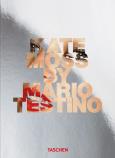
Fashion Dynamite
Mario Testino’s tribute to his greatest muse
Mario Testino is recognized as the ultimate fashion photographer of his generation but his pictures of Kate Moss transcend fashion. The result of three decades of extraordinary friendship, and phenomenal glamour, this iconic collaboration is an intimate insight into the lives and minds of two of the world’s definitive style leaders.
This book follows the journey of this exceptional fashion partnership, from early days backstage at the shows to behind-the-scenes glimpses of the groundbreaking editorials they continue to produce for the world’s most respected magazines. Of the 100-plus images, many photographs have been chosen from Testino’s private archive. They are accompanied by a foreword by Testino and an exclusive essay by Kate Moss.
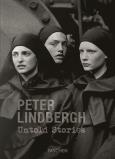
The first-ever exhibition curated by Peter Lindbergh himself, shortly before his untimely death, Untold Stories at the D sseldorf Kunstpalast served as a blank canvas for the photographer's unrestrained vision and creativity. Given total artistic freedom, Lindbergh curated an uncompromising collection that sheds an unexpected light on his colossal oeuvre. This book offers an extensive, firsthand look at the highly personal collection.
Renowned the world over, Lindbergh's images have left an indelible mark on contemporary culture and photo history. Here, the photographer experiments with his own oeuvre and narrates new stories while staying true to his lexicon. In both emblematic and never-before-seen images, he challenges his own icons and presents intimate moments shared with personalities who had been close to him for years, including Nicole Kidman, Uma Thurman, Robin Wright, Jessica Chastain, Naomi Campbell, Charlotte Rampling and many more.
This volume presents more than 100 photographs-many of them unpublished or short-lived, often having been commissioned by monthly fashion magazines such as Vogue, Harper's Bazaar, Interview, Rolling Stone, W Magazine, or The Wall Street Journal. An extensive conversation between Lindbergh and Kunstpalast director Felix Kr mer, as well as an homage by close friend Wim Wenders, offer fresh insights into the making of the collection. The result is an intimate personal statement by Lindbergh about his work.
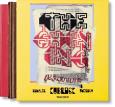
“The Shining may be the first movie that ever made its audience jump with a title that simply says, ‘Tuesday,’” proclaimed The New York Times. Never has a film evoked so much dread in its audience with so little gore than Stanley Kubrick’s adaptation of the 1977 novel by the master of terror himself, Stephen King, where true horror lies in the darkest corners of domesticity and isolation.
Equally a study of the intricate mechanics of Kubrick’s genius as an in-depth look at the making of a visual masterpiece, Stanley Kubrick’s The Shining gathers hundreds of hours of exclusive new interviews with the cast and crew in an unprecedented look at the 1980 cult classic. Slip in through the back door of The Overlook Hotel to witness Kubrick’s endless rounds of script rewrites, his revolutionary use of the Steadicam, the mechanics behind the infamous blood elevator, the mysterious mid-filming fire at Elstree Studios, and the countless takes needed to satisfy the meticulous force that was Kubrick.
Conceived and edited by Academy Award-winning director Lee Unkrich, dubbed by The Hollywood Reporter as “the world's foremost Shining aficionado,” with text by best-selling author J.W. Rinzler and a foreword by Steven Spielberg, this is the definitive compendium of the film that transformed the horror genre.
The two-volume collection designed by M/M Paris includes hundreds of never-before-seen production photographs from the Stanley Kubrick Archive and the personal collections of cast and crew, rare documents and correspondence, conceptual art, an exclusive look at deleted scenes, and more.
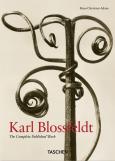
German photography pioneer Karl Blossfeldt (1865–1932) photographed plants so beautifully, and with such originality, that his work transcends the medium itself. Over more than 30 years, he took thousands of photographs, revealing a formally rigorous talent whose precision and dedication bridge the 19th- and 20th-century worlds of image-making and bring a distinctly sculptural aspect to a firmly two-dimensional art form.
Beautifully but starkly composed against plain cardboard backgrounds, Blossfeldt’s images, relying on a northern light for their sense of volume, reveal nothing of the man but everything of themselves. They are still lifes, piercingly final statements on their subject, and have endured owing to their aesthetics and the ongoing fascination of students and photographers. Like their maker, they are quietly and lastingly effective.
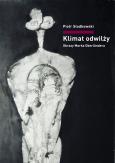
Odwilż w podstawowym sensie oznacza ocieplenie i rozmarzanie – tak, że odsłania się to, co wcześniej było ukryte pod grubą warstwą lodu. Przez pryzmat odwilżowej metafory Piotr Słodkowski patrzy na twórczość Marka Oberländera, jednego z najważniejszych polsko-żydowskich malarzy lat pięćdziesiątych i sześćdziesiątych, autora słynnego płótna Napiętnowani (1955). W klimacie odwilży po stalinizmie Oberländer postawił palące pytanie o miejsce polskich Żydów w gruntownie przeobrażonym świecie. Stanął przed zasadniczymi problemami: W jaki sposób Holokaust mógł być obecny w malarstwie? Na ile zaś – wprost przeciwnie – liberalizacja kultury nie przekładała się na odwilż pamięci o Zagładzie?
Słodkowski rekonstruuje przejmujące losy Oberländera: małomiasteczkowy Żyd i żołnierz Armii Czerwonej, który po powrocie z Rosji nie odnalazł rodziny; aktywny w PRL artysta i emigrant, który opuścił kraj pod naporem antysemityzmu; posiadacz polskiego paszportu i francuskiego titre de voyage, żyjący kolejno w kręgu czterech języków. Autor uważnie i z empatią przygląda się najważniejszym obrazom artysty i odnosi je do jego doświadczeń biograficznych oraz problemów dominujących XX wiek (faszyzm, antysemityzm, komunizm). Pyta wreszcie o odbiorców sztuki Oberländera. Omawia, jak postrzegano jego malarstwo w epoce, i zastanawia się, co możemy dostrzec w nim dzisiaj.
Obraz w historii i poza historią to czwarty w cyklu, po tomach Tło i powierzchnia obrazu (2022), Obraz jako obiekt teoretyczny (2020), Obrazy mocne – obrazy słabe (2018), zbiór artykułów poświęcony teorii i historii badań nad sztuką. Monografia jest poświęcona problematyce zogniskowanej wokół dychotomii między historycznym a estetycznym rozumieniem dzieła sztuki.
Autorami artykułów w tomie są przedstawiciele wiodących ośrodków badawczych historii sztuki w Polsce, m.in. Maria Poprzęcka (Uniwersytet Warszawski), Anna Markowska (Uniwersytet Wrocławski), Ryszard Kasperowicz (Uniwersytet Warszawski), Piotr Juszkiewicz (Uniwersytet im. Adama Mickiewicza w Poznaniu), Mariusz Bryl (Uniwersytet im. Adama Mickiewicza w Poznaniu), Stanisław Czekalski (Uniwersytet im. Adama Mickiewicza w Poznaniu).
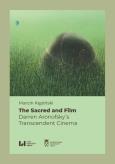
The book about the transcendent cinema of Darren Aronofsky takes the reader on a journey through the selected filmography of this outstanding American director. A monograph devoted entirely to his extraordinary work, which among film experts and film audiences has both a group of devoted admirers and critics. A strong, even anarchist accent falls here on the type of film hero presented, living on the margins of society and consciously rejecting its normative structures. The films, as well as the literature to which the book refers, are an expression of a critical attitude towards symbolic violence and the imposition of creatively limiting cultural norms on the individual, requiring such ordering such and no other understanding and experiencing the surrounding world. An astute observer of Darren Aronofskys work will notice the existence of metaphysical problems in it, sometimes directly directed towards religious issues. We can call this kind of cinema transcendent. This cinema is only seemingly pessimistic in its meaning. It is worth looking for mythical stories to try to hear and understand what they have to offer us. It is worth turning to transcendence and trying to express the inexpressible, also in the art of film, as does Darren Aronofsky, who wants to be a trustee of great mythical narratives. These features, so characteristic of the director, can be seen, to a greater or lesser extent, in all his films, especially those referred to in this monograph. It will be interesting for the reader who expects from contemporary cinema something more than unsophisticated entertainment and wants to go beyond its ludic dimension.
Ten produkt jest zapowiedzią. Realizacja Twojego zamówienia ulegnie przez to wydłużeniu do czasu premiery tej pozycji. Czy chcesz dodać ten produkt do koszyka?