Książka jest porcją podstawowej wiedzy dotyczącej symptomatologii i etiologii uzależnień oraz próbą wskazania na terapię i jej wymiar duchowy. Pozycja może inspirować badaczy i praktyków zajmujących się szeroko pojętą problematyką uzależnień w rodzinie.
Odważ się usłyszeć swoje serce... i zacznij naprawdę żyć!
Czy masz czasem wrażenie, że w Twoim życiu brakuje czegoś ważnego?
Czujesz, że gdzieś po drodze zgubiłeś siebie – swoje potrzeby i marzenia?
A czy tak naprawdę żyjesz w zgodzie ze sobą?
Nasze emocje, nawet te trudne, nie są przeszkodą, lecz drogowskazem. To właśnie one pomagają nam lepiej rozumieć siebie, swoje granice i pragnienia. Dzięki praktycznym wskazówkom, inspirującym historiom i konkretnym narzędziom zawartym w książce, nauczysz się, jak wykorzystać emocje do budowania życia, które naprawdę odzwierciedla to, kim jesteś i co jest dla Ciebie ważne.
Zacznij żyć pełnią życia - odważnie i prawdziwie.
W zgodzie ze swoim sercem.
ADHD. Wiesz, że coś jest inaczej – ale nie wiesz, od czego zacząć
Czy niedawno usłyszałeś diagnozę i zadajesz sobie pytanie: „co dalej”? A może od dawna czujesz, że Twój umysł działa inaczej – szybciej, intensywniej, trudniej – i szukasz odpowiedzi? Być może próbujesz zrozumieć kogoś bliskiego, kto zmaga się z ADHD. Niezależnie od tego, gdzie jesteś na swojej drodze – ta książka pomoże Ci uporządkować chaos.
ADHD dla dorosłych to rzetelne, oparte na nauce, a jednocześnie osobiste i pełne empatii spojrzenie na życie z ADHD. Alex Conner i James Brown, twórcy cenionego podcastu The ADHD Adults, łączą doświadczenie badaczy i praktyków z autentycznymi historiami – czasem trudnymi, często pełnymi ironii i humoru. W tej książce obalają mity, wyjaśniają mechanizmy działania ADHD i podpowiadają, jak radzić sobie na co dzień – z głową, sercem i szacunkiem do siebie.
To przewodnik, który nie ocenia. Książka, która zamiast mówić, jak masz żyć, pokazuje, jak lepiej rozumieć siebie i odnaleźć własną drogę. Bo ADHD to nie wyrok – to inny sposób bycia w świecie.
W oszczędnej i zwięzłej zawartości tej książki możesz znaleźć odpowiedź na twoje najważniejsze pytania. A na pewno znajdziesz podpowiedź, co robić, aby taką odpowiedź znaleźć. Zapewniam cię, że się nie rozczarujesz, bo ważne pytania wszyscy mamy takie same. Czyż tak jak inni nie marzysz prawie od zawsze, jawnie lub skrycie, by w końcu rozgościć się wygodnie, bez lęku w swoim życiu, na tej planecie – o tym by być tutaj, w pełni? Daj sobie spokój to przesłanie wszystkich moich książek. Ale droga do wewnętrznego spokoju prowadzi przez samopoznanie i samozrozumienie. Nie licz na to, że inni dadzą ci spokój – tylko ty sam możesz go sobie dać. Wojciech Eichelberger Wojciech Eichelberger Trener, coach, psychoterapeuta. Twórca idei i programu Instytutu Psychoimmunologii – IPSI, którego misją jest humanizowanie biznesu. Współtwórca platformy Positive Life organizującej psychologiczne szkolenia i kursy on-line. Jedna z wybitnych postaci polskiej psychologii i psychoterapii. Autor wielu bestselerowych książek z pogranicza psychologii, antropologii i duchowości. Od wielu lat obecny w radiu, telewizji, w renomowanych czasopismach i dziennikach. W pracy z ludźmi odwołuje się do podejścia integralnego, które prócz psychiki bierze pod uwagę ciało, energię i duchowość. Odznaczony Krzyżem Kawalerskim Polonia Restituta za działalność konspiracyjną w okresie stanu wojennego. Maria Moneta-Malewska Lekarz, psychoterapeuta, coach, mentor, mistrzyni zen. Autorka artykułów w pismach branżowych i popularnych oraz książek: Zamiatając skały, czesząc mech, Dla siebie i dla innych, Nie, które buduje. Częsty gość radia i telewizji. Od ponad trzydziestu lat zajmuje się rozwojem duchowym, osobistym i poprawą komfortu życia.
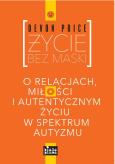
Jak wygląda codzienność osób w spektrum autyzmu, gdy przestają ukrywać swoją prawdziwą tożsamość? Jak budować autentyczne przyjaźnie, związki i życie rodzinne, kiedy świat narzuca neurotypowe oczekiwania? Devon Price psycholog, autor głośnej książki "Autyzm bez maski" powraca z jeszcze bardziej osobistą i praktyczną opowieścią. "Życie bez maski" to przewodnik po codzienności, w której maskowanie nie jest już koniecznością, lecz przeszkodą. Autor, czerpiąc z własnych doświadczeń oraz rozmów z innymi osobami neuroróżnorodnymi, pokazuje, jak można zbudować pełne, satysfakcjonujące życie w relacjach, w pracy i w miłości. W poprzedniej książce "Autyzm bez maski" Devon Price uczył swoich neuroróżnorodnych czytelników odwagi i pewności siebie potrzebnych do tego, by zaakceptować i ujawnić światu swoją odmienność oraz prawdziwą tożsamość. Teraz oferuje im praktyczny przewodnik pokazujący, jak radzić sobie w neurotypowej rzeczywistości bo samo pozbycie się maski i wewnętrzne uzdrowienie nie gwarantują szczęśliwego, spełnionego życia. Konieczna jest też umiejętność wyrażania i bronienia własnych potrzeb w relacjach z ludźmi, w środowisku pracy, w rodzinie a także w miłości. Trzeba uczyć się akceptowania zmian, wyznaczania własnych granic oraz wykraczania poza niesprawiedliwe zasady i oczekiwania społeczne, ale również tolerowania krytyki i oznak niechęci. Choć Devon Price kieruje swoje nauki przede wszystkim do osób w spektrum, wiele jego rad i spostrzeżeń okazuje się niezwykle cennych także dla osób neurotypowych. Bo i one podobnie jak Autyści często gubią się w skomplikowanym świecie, który sami stworzyliśmy.
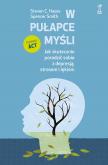
Jedna z najlepszych książek samopomocowych ostatnich lat nareszcie ukazuje się w Polsce. Co czyni ją tak wyjątkową? Stanowi ona doskonałe połączenie wyników najnowszych badań z niezwykle skutecznymi i praktycznymi poradami do wykorzystania od zaraz. Tekst został napisany niezwykle przystępnym językiem, pozbawionym sztampowego żargonu psychologicznego, dzięki czemu czyta się go jednym tchem. Dlatego W pułapce myśli to nie tylko fascynujący przewodnik po ludzkim umyśle, ale przede wszystkim rewolucyjne narzędzie służące zmianie własnego życia. Autorzy proponują zupełnie nowe podejście do starych problemów natury psychicznej: depresji, lęku, stresu czy chronicznego bólu. Terapia ACT (terapia akceptacji i zaangażowania), na której założeniach opiera się książka, uczy, jak zamiast koncentrować się na bolesnych przeżyciach i toksycznych emocjach, być bardziej uważnym na bieżącą chwilę i skupić się na tym, co jest naprawdę ważne. To właśnie za sprawą uważności i akceptacji możemy podążać w wybranym kierunku i dokonywać odpowiednich wyborów. Dzięki książce czytelnicy: • przezwyciężą depresję i lęk, • przestaną negatywnie myśleć o sobie, • uporają się z bólem emocjonalnym, • nauczą się akceptować siebie i swoje uczucia.
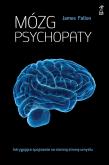
• Czy każdy z nas może odkryć w sobie psychopatę? • Co sprawia, że w człowieku budzą się niebezpieczne instynkty? • Czy można być psychopatą i o tym nie wiedzieć? W fascynujący świat psychopatii zabiera nas ceniony amerykański psychiatra i neurobiolog. James Fallon, badając mózgi psychopatycznych morderców, ku swojemu zdziwieniu odkrył, że jego własny mózg wykazuje zmiany charakterystyczne dla tej grupy osób. Co więcej, dowiedział się, że kilku jego przodków w linii męskiej było mordercami, a przynajmniej podejrzewano ich o dokonanie zbrodni. Fakt ten nie tylko zakłócił życie osobiste i zawodowe Fallona, ale sprawił, że zakwestionował on własną tożsamość.
Od publikacji pierwszego wydania w świecie sprzedano miliony egzemplarzy Potęgi podświadomości autorstwa doktora Josepha Murphyego. Książka nieustannie zdobywa rzesze zwolenników w kolejnych pokoleniach. Coach i doradca C. James Jensen uzupełnił ceniony poradnik doktora Murphyego o nowe lekcje i narzędzia do ćwiczeń afirmacji, wizualizacji, medytacji oraz umiejętności przywódczych aby wyzwolić moce twojej podświadomości i zagwarantować ci pełnię życia. Uwolnij moc swojej podświadomości już dziś dzięki tej odkrywczej interpretacji ponadczasowych nauk doktora Josepha Murphyego. Odkryj, jak łatwo usunąć bariery dzielące cię od realizacji marzeń. Wykorzystaj proponowane metody, uruchamiając procesy osobistego rozwoju i całkowicie odmień swoje życie.
Czternaście kobiet – czternaście intymnych i szczerych rozmów o przepaści, znad której można zawrócić. Ich świadectwa mierzenia się z depresją to opowieści o przekraczaniu siebie, niestawianiu granic, pracowaniu ponad siły i braku odpoczynku. Opowieści o zaciskaniu zębów, braniu się w garść, dawaniu sobie rady. O ignorowaniu sygnałów płynących z ciała. To historie o dbaniu o to, by wszyscy wokół byli otoczeni opieką i zadowoleni. Grzeczne, perfekcyjne, oddane córki, matki, żony, partnerki, pracownice. To świadectwa, w których wiele kobiet odnajdzie własne doświadczenia, emocje, myśli, słowa. Swoje marzenia, złudzenia, problemy i tęsknoty. Mam nadzieję, że ta książka będzie wsparciem dla każdego, kto zmaga się z depresją. Bo depresję da się wyleczyć. Trzeba tylko zrobić pierwszy krok. Krok po pomoc. Po moc. Żeby odzyskać siebie. Małgorzata Serafin – prezenterka telewizyjna, dziennikarka newsowa. Pracę w mediach rozpoczęła w Superstacji, gdzie prowadziła programy „Raport” i „Finał dnia”, później związana była z Telewizją Polską. Na antenie TVP 1 prowadziła wywiady z politykami w programie „Polityka przy kawie”. Współtworzyła pasmo poranne i serwis „Info dzień” w TVP Info, a także telewizję w Wirtualnej Polsce. Była wydawczynią i prowadzącą serwisów informacyjnych. Po 11 latach w mediach mikrofon zamieniła na nożyczki i została fryzjerką. W trakcie pandemii doświadczyła kryzysu psychicznego po którym zaczęła dzielić się swoim świadectwem leczenia depresji. Na Youtubie prowadzi podcast „Bez farbowania”, do którego zaprasza osoby po kryzysach psychicznych. Autorka podcastu „W Czułym Zwierciadle” min. o DDA, uzależnieniach, dorosłych w spektrum autyzmu i z ADHD realizowanego dla miesięcznika „Zwierciadło”. Współautorka wraz z Markiem Sekielskim książki „Jest ok. To dlaczego nie chcę żyć?”(2024). Prywatnie kocha odkurzać, układać puzzle i jeść chipsy.
Trauma to rana na naszej psychice i duszy, która narusza barierę ochronną zabezpieczającą nas przed nadmiernymi bodźcami. Powszechnie spotykana przynosi poczucie obezwładniającego strachu, przytłaczającej bezsilności i przerażenia. Negatywnie wpływa na nasze postawy i zachowania, prowadzi do uzależnień i utrudnia podejmowanie decyzji. Odbija się na życiu rodzinnym oraz relacjach międzyludzkich. Może też wywołać ból fizyczny i poważne choroby. Ale trauma nie musi być wyrokiem na całe życie. Jak się od niej uwolnić? Wystarczy zaufać mądrości naszego ciała i wykorzystać jego wrodzone zdolności do samouzdrowiania oraz wewnętrzną potrzebę samoregulacji w stanach nadmiernego pobudzenia czy w chwilach zbyt intensywnych emocji. Książka Uleczyć traumę pomaga odkryć te zasoby i dobrze je wykorzystać. Nadaje się zarówno do samodzielnej pracy, jak i do wspólnego przerobienia z terapeutą. 12-stopniowy program leczenia zaproponowany przez Levinea już pierwszego dnia umożliwia rozpoczęcie uzdrawiającego procesu, który z czasem pomaga uwolnić ciało i umysł od negatywnych objawów traumy. Do książki dołączona jest płyta CD zawierająca ćwiczenia całego programu. Czyta Krystyna Czubówna. Peter A. Levine (ur. 1942) wybitny amerykański psycholog, od 50 lat zajmuje się stresem i traumą. Jest twórcą Somatic Experiencing (doświadczanie somatyczne), oryginalnej metody leczenia traumy odwołującej się do mądrości ciała. Był konsultantem do spraw stresu dla NASA. Szkolił i prowadził terapię w licznych klinikach, szpitalach i ośrodkach terapeutycznych na całym świecie. Działał w grupie roboczej zajmującej się reagowaniem na wielkie katastrofy i konflikty etniczno-polityczne. Opublikował wiele książek, w tym dwie na temat zapobiegania i leczenia traumy u dzieci. Seria wydawnicza Terapia Traumy prezentuje wybitne pozycje światowej literatury na temat traumy i różnych metod terapii traumy. Jest wiarygodnym źródłem informacji dla osób zainteresowanych problematyką psychotraumatologii oraz stanowi praktyczną pomoc w terapii i autoterapii. Dotychczas ukazały się: Peter A. Levine Trauma i pamięć Peter A. Levine Głos wnętrza Peter A. Levine, Ann Fredrick Obudźcie tygrysa Peter A. Levine, Maggie Phillips Uwolnić się od bólu Fritz Riemann Oblicza lęku Judith Herman Trauma Bessel van der Kolk Strach ucieleśniony
"Histeria i lęk" to kolejny tom autorstwa Zygmunta Freuda, który obejmuje wybór pism poświęconych zjawiskom histerii i lęku - sięga on zatem do samych korzeni psychoanalizy, od badania histerii zaczęła się bowiem historia psychoanalitycznej refleksji nad człowiekiem.
Odkryj, jak miłość w związku wpływa na całą rodzinę! „W rytmie relacji" to książka, która otworzy przed tobą drzwi do głębszego zrozumienia relacji międzyludzkich. Jest jak podróż po tajemnicach, które w codziennym zabieganiu często umykają - ale to one mają moc zmieniania wszystkiego! Poznaj te niewidoczne siły, które wpływają na nasze decyzje, emocje i interakcje. Z tą książką dowiesz się: - jak zbudować silniejsze więzi w rodzinie i związku, dostrzegając to, co niewidoczne, - jak rozwiązywać konflikty, które wynikają z niezrozumienia „ukrytej miłości”, - jak zyskać nową perspektywę na relacje, które budujesz każdego dnia. Przekonaj się, jak zaskakująco mogą wyglądać twoje bliskie relacje, gdy tylko nauczysz się dostrzegać to, co ukryte! Jeśli chcesz poprawić swoje relacje i zrozumieć, co naprawdę wpływa na twoje życie osobiste, nie czekaj – wejdź do świata, gdzie miłość jest pełna tajemnic. Zmień swoje spojrzenie na miłość, związek i rodzinę!
Prawdziwy potencjał drzemie w tobie niczym zestaw nieużywanych narzędzi – błyszczących i nieskazitelnych. Dlaczego ich nie wykorzystujesz? Dlatego, że jeszcze ich nie odkryłeś, nie mówiąc już o wypróbowaniu. Ta książka pomoże ci odkryć drzemiące w tobie możliwości.
Czy nam się to podoba, czy nie, jesteśmy zmuszeni do życia w grupie, do bycia częścią społeczeństwa. Arystoteles jako pierwszy uwiecznił tę prawdę, która może wydawać się banalna, ale nie zawsze chcemy ją przyjąć. Czy to akceptujemy, czy nie, nie zmienia faktu że jesteśmy zaprogramowani, by naturalnie szukać towarzystwa – ostatnimi laty coraz częściej w świecie wirtualnym.
Wyciąganie wniosków z błędów jest jednym z najpotężniejszych narzędzi, jakimi dysponujemy w procesie uczenia się i rozwoju osobistego. Kiedy aktywnie angażujemy się w nasze doświadczenia, możemy zyskać cenne spostrzeżenia, które pomogą nam lepiej zrozumieć siebie i otaczający nas świat. Możemy również wykorzystać nasze potknięcia do rozwijania nowych umiejętności, pokonywania wyzwań i osiągania nowych celów.
Pozytywny czy negatywny?
Optymista czy pesymista?
Jak myślisz, jak widzą Cię Twoi bliscy – rodzina, przyjaciele?
A co ważniejsze – jak postrzegasz samego siebie?
Życiowa droga jest pełna wyzwań, przeszkód i trudnych momentów. Czasem niełatwo dostrzec światełko w tunelu, warto jednak szukać pozytywów mimo przeciwności losu.
Dr Joseph Murphy po raz kolejny prezentuje rewolucyjne techniki pracy nad sobą, które wielu ludziom pomogły odkryć prawa cudownej mocy umysłu i zastosować je w codziennym życiu. To niezwykłe połączenie filozofii religijnych z odkryciami współczesnej psychologii, pozwoli Wam osiągnąć nowy poziom duchowego rozwoju. Doprowadzi Was nie tylko do szczęścia, spełnienia i wewnętrznego spokoju, ale przyniesie także zdrowie fizyczne i dobrobyt materialny. Dr Murphy przytacza wiele autentycznych historii ludzi, którzy mimo niesprzyjających okoliczności i, zdawać by się mogło, beznadziejnego położenia, osiągali spektakularny sukces życiowy w wielu dziedzinach. Dzięki temu niezwykłemu poradnikowi dowiecie się, jak można się zmienić wewnętrznie, aby przezwyciężyć chorobę, znaleźć miłość, awansować na stanowiska kierownicze i osiągnąć sukces finansowy.
DWIE PIĘKNE, PREZENTOWE KSIĄŻKI W TWARDEJ OPRAWIE TO NAJLEPSZE ŻYCZENIA SZCZĘŚCIA -TERAZ W PAKIECIE W SUPERCENIE!SZCZĘŚCIE CZY FART?ELEGANCKIE WYDANIE JUBILEUSZOWE W 20 LAT PO POLSKIEJ PREMIERZE, KTÓRA - Z OBECNOŚCIĄ AUTORÓW - UŚWIETNIŁA 15-LECIE AMBERA!Książka roku 2004 nieustannie wydawana w 52 językach!TA KSIĄŻKA ODKRYWA 10 SEKRETÓW SZCZĘŚCIA, KTÓRE MOŻNA STWORZYĆ SAMEMU, TWORZĄC MU ODPOWIEDNIE WARUNKI. I OPOWIADA, DLACZEGO TYLKO NIEKTÓRZY ODNOSZĄ SUKCESY W ŻYCIU.Dwaj przyjaciele spotykają się po latach. Jeden odziedziczył wielką fortunę, ale stracił wszystko. Szczęście mu nie sprzyjało? Drugi zaczynał od zera i odniósł sukces. Miał fart? Tak właśnie myśli ten, któremu się nie powiodło. I dlatego przyjaciel opowiada mu pewną legendę"Cudowne! Ta książka krzepi duszę! Stała się klasyką literatury biznesowej! A fascynuje wszystkich jak Mały Książę". Philip Kotler, ojciec nowoczesnego marketinguSZUKAJĄC SZCZĘŚCIACZYM JEST SZCZĘŚCIE? OD CZEGO ZALEŻY - OD NASZYCH GENÓW CZY UŚMIECHU LOSU? OD CZYNNIKÓW ZEWNĘTRZNYCH CZY OD NASZYCH STARAŃ? CZY TO STAN, KTÓRY MOŻE TRWAĆ, CZY TYLKO ULOTNE CHWILE? JAK ZNALEŹĆ SZCZĘŚCIE I JAK JE UTRZYMAĆ?Na te pytania próbuje odpowiedzieć Frdric Lenoir - francuski pisarz, filozof i religioznawca, który potrafi mówić prosto i pięknie o sensie i celu życia. Zaprasza nas w podróż w towarzystwie mędrców Wschodu i Zachodu. To inspirująca wędrówka: tu filozofia splata się z codziennością i najnowszymi odkryciami neurobiologii. Zgłębimy różne aspekty szczęścia. Dowiemy się, co oznaczało dla różnych filozofów i co może oznaczać dla nas. Nie będziemy trzymać się utartych szlaków: przestrzegać porządku chronologicznego pojawiania się myślicieli czy narodzin koncepcji.Spotkamy Sokratesa, Jezusa i Kanta. Przejdziemy się po ogrodzie przyjemności z Epikurem. Usłyszymy mądry śmiech Montaigne'a i Zhuangzi. Uspokoi nas uśmiech Buddy. Zasmakujemy radości Spinozy.To wyjątkowa książka: oferuje nam przystępne historyczne filozoficzne spojrzenie, a jednoczenie zaproszenie do łagodnego i radosnego wejrzenia w siebie, byśmy na końcu tej drogi mogli wybrać nasz własny przewodnik po szczęściu. By nauczyć się lepiej żyć.I byśmy nigdy nie pomyśleli jak francuski poeta Jacques Prvert: "Rozpoznałem szczęście po dudnieniu jego oddalających się kroków".
Ten produkt jest zapowiedzią. Realizacja Twojego zamówienia ulegnie przez to wydłużeniu do czasu premiery tej pozycji. Czy chcesz dodać ten produkt do koszyka?