W tej strefie zapraszamy do nabycia książek z szeroko pojętej dziedziny jaką jest psychologia. Posiadamy podręczniki i poradniki kierowane do specjalistów psychiatrii i psychologii, a także uczniów i studentów. Poprzez poradniki z zakresu problemów emocjonalnych u dzieci i młodzieży czy okresu dojrzewania. Proponujemy poradniki dla ludzi biznesu, polityków, nauczycieli, dzieci i modzieży. Garść rozmaitych porad i rewolucyjnych technik, które pomogą otworzyć drzwi umysłu. Polecamy dobre książki psychologiczne. W ofercie psychologia społeczna, kliniczna, biznesu, rozwoju, zdrowia, sportu, psychologia umysłu, relacje międzyludzkie i wiele innych poradników.
In this brand new tale, join The Very Hungry Caterpillar as he helps Father Christmas get ready for his big night.
He's got to wrap up warm, feed the reindeer and load presents onto the sleigh - all before the magic can begin!
In a far-off frosty land where starlight fills the sky,
a man with snow white hair has a twinkle in his eye.
With its simple rhyming text, vivid artwork and fold-out festive surprise, this new story is filled with all the excitement and wonder of Christmas.
A new collection of Albert Camus' most brilliant speeches and lectures
'Freedom is dangerous, as hard to live as it is exalting...'
This definitive new collection of Albert Camus' public speeches and lectures gives a compelling insight into one of the twentieth century's most enduring writers. From a pre-war speech on the politics of the Mediterranean - delivered when he was just twenty-two - to his impassioned Nobel Prize acceptance lectures and several pieces appearing in English for the first time, Speaking Out shows Camus' clarity and subtlety of thought, his 'stubborn humanism' and his unerring commitment to freedom and justice.
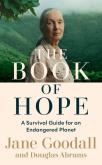
The world-renowned naturalist and conservationist Jane Goodall has spent more than a half-century warning of our impact on our planet. From her famous encounters with chimpanzees in the forests of Gombe as a young woman to her tireless campaigning for the environment in her late eighties, Jane has become the godmother to a new generation of climate activists.
In The Book of Hope, Jane draws on the wisdom of a lifetime dedicated to nature to teach us how to find strength in the face of the climate crisis, and explains why she still has hope for the natural world and for humanity. In extraordinary conversations with her co-author Doug Abrams that weave together stories from her travels and activism, she offers readers a new understanding of the crisis we face and a compelling path forward for us all to create hope in our own lives and in the world.
The world needs a manifesto of hope now more than ever. This profound book from a legendary figure in the fight against climate change shows that even in the face of great adversity, we can find hope in human nature, and in nature itself.
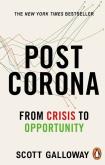
The Covid-19 outbreak has turned bedrooms into offices, pitted young against old and widened the gaps between rich and poor, red and blue, the mask-wearers and the mask-haters. Some businesses, like Amazon and video conference software maker Zoom, woke up to find themselves crushed under an avalanche of consumer demand. Others, like the restaurant, travel, hospitality and live entertainment industries, scrambled to not become instantly obsolete. But the pandemic has not been a change agent so much as an accelerant of trends that were already well underway.
In Post Corona, Galloway outlines the contours of both crisis and opportunity that lie ahead. While the powerful tech monopolies will thrive in the disruption other businesses, like higher education, will struggle to maintain a value proposition that no longer makes sense when we can't stand shoulder to shoulder.
Combining his signature humour and brash style with razor-sharp business insights, Galloway offers both warning and hope in equal measure.
Should I change careers? Is it time to end my relationship? Can I move halfway across the world?
We have to make choices everyday, big and small, but it's the life-changing ones that often cause us to freeze or react too quickly, without thinking. What can we do differently?
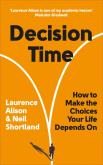
Laurence Alison and Neil Shortland have spent over 20 years helping soldiers, police officers, doctors and other professionals in high-stakes environments make tough decisions when lives are on the line. In Decision Time, they show us how those same decision-making techniques apply to everyday life, whether that's deciding to take a new job or change career later in life, end a relationship, move across the world or declaring your undying love for your best friend.
With tips, studies, interviews and observations from their training with police officers together with role-play scenarios for you to try, this book will help you identify and fight off the common enemies of good decision-making - inertia, procrastination and indecision - and empower you to make the choices that matter the most.
Highly accessible and interactive, Decision Time will guide you through each step of the decision-making process so next time you a find yourself at the crossroads, you'll be able to make your way with confidence.
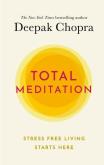
Meditation leads to transformation. It affects every aspect of your wellbeing and can bring about positive change in your body, affect your mental outlook, increase your decision-making ability and eliminate worry and anxiety.
The master of modern meditation Deepak Chopra draws on his 30 years of practice and reveals how to achieve blissful awareness by waking up to who you really are. Perfect for beginners, sceptics or those looking for a new approach to stillness, his simple 7-day programme offers a life-changing path to a quiet mind.
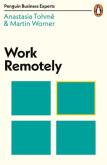
Remote working makes us happier, more productive and more profitable, but it can bring its own set of challenges. How do we manage our work-life balance; communicate and collaborate effectively as teams; and ensure our technology is efficient?
In Work Remotely, Penguin Business Experts Anastasia Tohmé and Martin Worner explain everything you need to know:
- Set your own targets and monitor productivity
- Establish boundaries between working hours and free time
- Manage effective communication and decision-making at a distance
Including case studies from the companies around the world who are innovating and revolutionizing the way we work, Work Remotely shares useful advice and practical tips to ensure you get the most out of working away from the office environment.
We got ourselves into this. Here's how we can get ourselves out.
We know the problem: the amount of biodiversity loss, the scale of waste and pollution, the amount of greenhouse gas we pump into the air... it's unsustainable. We have to do something.
And we are resourceful, adaptable and smart. We have already devised many ways to reduce climate change - some now proven, others encouraging and craving uptake. Each one is a solution to get behind.
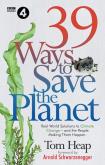
In 39 Ways to Save the Planet, Tom Heap reveals some of the real-world solutions to climate change that are happening around the world, right now. From tiny rice seeds and fossil fuel free steel to grazing elk and carbon-capturing seagrass meadows, each chapter reveals the energy and optimism in those tackling the fundamental problem of our age.
Accompanying a major BBC Radio 4 series in collaboration with the Royal Geographical Society, 39 Ways to Save the Planet is a fascinating exploration of our attempt to build a better future, one solution at a time. A roadmap to global action on climate change, it will encourage you to add your own solutions to the list.
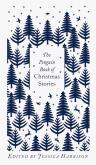
Truman Capote makes whisky-soaked fruitcake in Alabama; Laurie Lee slides across a frozen pond in Gloucestershire; and Shirley Jackson is outwitted by a wily Santa Claus at the bank. Ghosts haunt the Christmases of Muriel Spark and Elizabeth Bowen, while Dostoyevsky, Daphne du Maurier and Italo Calvino take a cynical view of the season and Selma Lagerlof and Angela Carter celebrate its miracles. Ranging from Cork to Lagos to the Wild West, and from Paris to San Paolo to outer space, this is Christmas as imagined by some of the greatest short-story writers of all time.
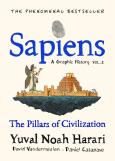
The second volume of an epic, beautifully illustrated graphic history of humankind, based on Yuval Noah Harari's internationally bestselling phenomenon
When nomadic Homo sapiens settled to live in one place, they started working harder and harder. But why didn't they get a better life in return?
In The Pillars of Civilization, Yuval Noah Harari and his companions including Prof. Saraswati and Dr. Fiction travel the length and breadth of human history to investigate how the Agricultural Revolution changed society forever. Discover how wheat took over the world, how war, famine, disease and inequality became a part of the human condition, and why we might only have ourselves to blame.
The origins of modern farming are told through Elizabethan tragedy, the changing fortunes of domesticated plants and animals are tracked in the columns of the Daily Business News, and the history of inequality is revealed in a superhero detective story.
A radical, witty and colourful retelling of the story of humankind, adapted from Yuval Noah Harari's Sapiens: A Brief History of Humankind, Volume 2 can be read as a standalone or as a follow-up to Volume 1, The Birth of Humankind.
Praise for Yuval Noah Harari's Sapiens: A Brief History of Humankind:
'I would recommend Sapiens to anyone who's interested in the history and future of our species.' - Bill Gates
'Interesting and provocative... It gives you a sense of how briefly we've been on this Earth' - Barack Obama
'Jaw-dropping from the first word to the last... It may be the best book I've ever read' - Chris Evans
'Contains a remarkable piece of information on almost every page and reminds us that we should be grateful to be human.' - Matt Haig
'Sweeps the cobwebs out of your brain... Radiates power and clarity, making the world strange and new' - Sunday Times
'Provocative and fascinating and opinionated...it makes the familiar seem unfamiliar. It altered how I view our species and our world.' - Guardian
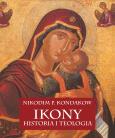
Fascynująca wyprawa w tajemniczy i mroczny świat bizantyjskich ikon: tam, gdzie sztuka spotyka się z teologią, a religia z polityką. Album przedstawia mistyczny świat malarstwa ikonowego okiem wybitnego bizantologa Nikodima P. Kondakowa. W swoim bogatym wywodzie autor szczegółowo opisuje technikę pisania ikon, genezę stylu bizantyjskiego malarstwa, jego uwarunkowania historyczne i polityczne. Z perspektywy czasu można ponadto zauważyć, jak pisane w pierwszych dekadach XX wieku opus magnum Kondakowa ujmuje ikony z punktu widzenia chylącego się ku upadkowi, choć wciąż marzącego o potędze Imperium Rosyjskiego.Bogato ilustrowana publikacja wprowadza w tajemnice bizantyjskiej sztuki pisania ikon. Kondakow przekrojowo i z wielkim znawstwem rekonstruuje, skąd wzięło się malarstwo ikonowe, jak związane zostało ze złożoną teologią ortodoksji oraz jaką funkcję pełniło w polityce Imperium Rosyjskiego. Przyglądając się dziedzinie artystycznej, odkrywa nie tylko ważne epizody historii sztuki, ale także historii religii i geopolityki.
Zaburzenia odżywiania we współczesnym świecie urastają do rangi swoistej epidemii. Bulimia, anoreksja czy kompulsywne objadanie się to najczęstsze z nich. Niestety osoby zaburzone na tle żywieniowym zazwyczaj ukrywają swój problem. Wstyd, niemoc, lęk przed odrzuceniem i częsty brak zrozumienia (zarówno ze strony najbliższych, jak i pracowników służby zdrowia) nie sprzyjają zdrowieniu, a w wielu przypadkach prowadzą do tragedii.Książka ""Kto zjada wilcze jagody?"" powstała przede wszystkim po to, by pokazać osobom walczącym z zaburzeniami odżywiania, że rozwiązanie ich problemu jest możliwe. Składają się na nią wypowiedzi bohaterów, którzy przedstawili swoją drogę do zdrowia i wolności. Ich słowa odkłamują narosłe wokół zjawiska mity (choćby dotyczące wieku i płci) i w bezkompromisowy sposób obnażają mechanizmy stojące u jego źródła.Adresatami tej książki nie są jedynie osoby zmagające się z bulimią czy kompulsywnym objadaniem się. Publikacja będzie także wsparciem dla ich bliskich, pomagając im wczuć się w sytuację owładniętego wilczym głodem człowieka. Może ona również stanowić istotny głos w dyskusji nad kwestią sposobu leczenia zaburzeń odżywiania w Polsce, wprowadzając ożywczy ferment w środowisku psychologów i dietetyków.
Żyjemy w Czasach Ostatecznych – wszystkie kultury i religie oczekują Nowej Ziemi = Złotego Wieku = Okresu Szczęśliwości = … Czyli okresu, gdy cierpienie, ucisk, udręka, a zapewne również śmierć nie będą dotykać ludzi, tu na Ziemi. Każdy gdzieś w swym wnętrzu pragnie takiej Ziemi = Wolnej, każdy i każda – dlatego mimo że Niebo jest Wolne od wszelkiego zła i wszelkiej Ciemności, tak kurczowo trzymamy się życia w ciele. Jednak wejście w ten nowy stan Wolności i Nieśmiertelności, również cielesnej nie będzie takie łatwe. Dlaczego? Dlatego że siły ciemności robią dziś wszystko, aby zniewolić Ludzkość całkowicie, a licznych niebezpiecznych dla Ciemności i niepotrzebnych – czyli tych, którzy na niewolników się nie nadają – eksterminować i uśmiercić. To dzieje się dziś na naszych oczach – jedni to już widzą, inni wciąż śpią. W każdej kulturze, w każdej religii przybyło – inkarnowało się – wiele Istot z Nieba. Przebudzeni już działają, nieprzebudzeni śpią i wraz z całą ludzkością brną w odmęty walki konkurencyjnej, coraz bardziej zaciekłej, prowadzącej ku samozagładzie. Przybyłem, aby Was obudzić i ocalić! Sam przebudzony i Przebóstwiony. Przybyłem, aby Nas zjednoczyć! – zjednoczyć wszystkich, którzy są gotowi stanąć po stronie światłości i miłości. Bo prawda jest prozaiczna. Strach prowadzi ku okrucieństwu i ku niewoli – ostatecznie prowadzi w Ciemność piekielną lub do śmierci duszy w Otchłani. Miłość prowadzi do niesamowitej odwagi – odwagi w każdym działaniu – i ku Świetlanej przyszłości nie tylko w Niebie, lecz także i tu na Ziemi. Niechaj więc każdy baczy, co chce wybrać: Strach czy MIŁOŚĆ. Ja już wybrałem, moje Dzieci. Teraz Wołam do Was: Obudźcie się! Obudźcie! Prawdziwa Boża Iskra bowiem już wychodzi z Polski, aby uwolnić cały Świat od zła – od ciemności, od cierpienia i od śmierci. Słuchajcie! Stańcie po mojej stronie. Powodzenia.
Tak już wiele zachęty zawarłem w swoich publikacjach odnośnie do oddawania się Stwórcy, czyli Pełni Światłości i Pełni Miłości, duszą = duchem i ciałem, że już więcej się nie da. Tak ja się oddaję już i wciąż, i każdego dnia, i każdej godziny Stwórcy, i duszą, i ciałem bo to jedyna droga prowadząca do Nieśmiertelności, i duszy, i ciała! Jedyna droga ku WOLNOŚCI! A więc powodzenia, Kochani!Każdy z was jest łodzią w którejMoże się z potopem mierzyćCało wyjść z burzowej chmuryMusi tylko w to uwierzyć.""Arka Noego"" (""Arrasy wawelskie"")Jacek Kaczmarski, Przemysław Gintrowski
Jak pomagać dzieciom w kształtowaniu dojrzałej wiary? Źródłem inspiracji może być prosty i zarazem niezwykły przewodnik s. Izabeli Iwańskiej ze wspólnoty Koinonia św. Pawła, która od wielu lat prowadzi grupowe zajęcia ewangelizacyjne dla dzieci. Autorka proponuje drogę sześciu kroków prowadzących do przyjaźni z Jezusem opartą na rozważaniu słowa Bożego. Z każdym krokiem dziecko otrzymuje kolejną dobrą wiadomość, np. że Bóg je kocha bezwarunkowo, że Jezus ofiarowuje mu dar zbawienia i pragnie być jego jedynym Panem i Przyjacielem, a w związku z tym może ono podjąć osobistą decyzję wiary i nawrócenia. Lekturze biblijnej towarzyszą modlitwa, zadania do wykonania, zapamiętywanie cytatów, uzupełnianie tekstów, a dodatkową atrakcją są ciekawostki biblijne. Pozostaje więc rozpocząć lekturę: szczęśliwej drogi, już czas wyruszyć na ścieżki wiary.
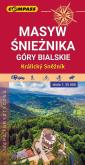
Jest to mapa jednostronna w skali 1:35'000. Przedstawia jedno z wyższych w Sudetach pasm górskich, które zamyka od południa Kotlinę Kłodzką. Masyw Śnieżnika zaliczamy do Sudetów Wschodnich. Zasięg mapy wyznaczają: Bystrzyca Kłodzka na północnym-zachodzie, Międzylesie na południowym-zachodzie oraz Jindrichov na południowym-wschodzie. Obszar mapy obejmuje: Masyw Śnieżnika z najwyższym szczytem Śnieżnikiem (1426 m n.p.m.), Góry Bialskie, Kralicky Sneznik, częściowo także Rychlebske Hory i Góry Złote oraz miasto Stronie Śląskie. Duże zróżnicowanie krajobrazowe, doskonałe zagospodarowanie turystyczne podszczytowego rejonu Śnieżnika z jednej strony i dzikość Gór Bialskich z drugiej to najlepsze atuty tego obszaru. Pobyt w tym regionie z pewnością miło wspominać będą nie tylko turyści piesi, ale także miłośnicy narciarstwa, jazdy rowerowej i konnej, wspinacze skałkowi oraz wędkarze. Na mapie zastosowano cieniowanie w celu uzyskania wrażenia plastyczności rzeźby terenu. Na odwrocie znajduje się informator turystyczny z charakterystyką geograficzną regionu, historią, geologią, atrakcjami turystycznymi, planem Jaskini Niedźwiedziej w Kletnie, wybraną bazą noclegową, szlakami narciarstwa biegowego oraz opisem wybranych miejscowości. Mapa zawiera również plan miast: Międzygórza i Stronia Śląskiego.
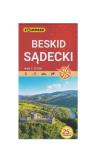
Beskid Sądecki - to mapa jednostronna w skali 1:50'000. Obejmuje cały obszar Beskidu Sądeckiego, od doliny Dunajca na zachodzie i północnym zachodzie, po Krynicę, Tylicz i Muszynkę na południowym wschodzie. Zawiera także obszar Małych Pienin, Pieninek oraz część Pienin Właściwych. Na mapie znajduje się również fragment Beskidu Niskiego: Gór Grybowskich.
Beskid Sądecki to w większości zalesione pasmo górskie z najwyższym szczytem Radziejową (1262 m n.p.m.), na której w 2019 r. wybudowano nową wieżę widokową (w miejsce poprzedniej). Przebiega tędy pieszy czerwony Główny Szlak Beskidzki. Wiele tu również szlaków rowerowych. Najpopularniejszym ośrodkiem narciarskim w regionie jest Jaworzyna Krynicka. Wielką atrakcją tego pasma jest wieża widokowa i ścieżka w koronach drzew w Słotwinach. Sądecczyzna to atrakcyjny region z urozmaiconym krajobrazem (pasma górskie, przełom rzeczny Popradu), bogactwem walorów leczniczo-wypoczynkowych (uzdrowiska: Krynica-Zdrój, Szczawnica, Muszyna, Złockie, Żegiestów-Zdrój, Piwniczna-Zdrój), tradycyjną i stale kultywowaną kulturą ludową, wreszcie cennymi zabytkami.
Na mapie zastosowano cieniowanie w celu uzyskania wrażenia plastyczności rzeźby terenu.
Na odwrocie możemy znaleźć obszerny informator turystyczno-krajoznawczy, charakterystykę najważniejszych zabytków, informacje przyrodnicze, dane adresowe oraz szczegółowe plany centrów wybranych miast: Krościenka nad Dunajcem, Krynicy-Zdroju, Muszyny, Piwnicznej-Zdroju, Starego Sącza i Szczawnicy. Mapa polecana jest głównie do uprawiania górskiej turystyki pieszej, ale także rowerowej. Rowerzyści znajdą na niej aktualny przebieg nowej sieci tras i szlaków rowerowych takich, jak: VeloDunajce, EuroVelo 11, i inne. Jest także bardzo przydatna dla osób zmotoryzowanych.
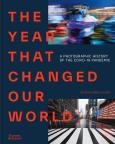
The Year That Changed Our World is a definitive, visual history of the Covid-19 Pandemic. With more than 450 photographs, this ambitious publication traces the arc of the Pandemic from early 2020 through to the vaccine breakthroughs of Spring 2021.
Here, the talented photographers of Agence France Presse document the deep, human stories of the Pandemic. Active in more than 150 countries, these capture all sides of the Covid-19 story as experienced by people throughout the globe. Organized into six chronological parts, and braided together with thematic breakout sections, including topics such as protests, sports, and politics, The Year That Changed Our World is a comprehensive time capsule. These images show the extraordinary efforts to understand, control, and cope with a previously unknown virus alongside the human stories of our lives at home: playing, caring, watching, and sharing, both together and at a distance.
Edited by Marielle Eudes, Director of Photography at Agence France Presse, and featuring, texts, quotes and insights from a range of contributors and public figures, The Year That Changed Our World is a photographic testament to humankind’s resilience in the face of the pandemic. The book’s arresting imagery provides a visual record for us and for future generations to better understand the world during the time of Covid-19.
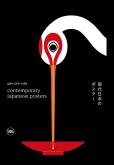
The best of Japanese graphic poster design, from the 1964 Tokyo Olympics to the Issey Miyake logo
This book brings together the best of Japanese graphic poster design--from the 1964 Tokyo Olympics to the creation of the Issey Miyake logo, and from the Osaka Expo to the official poster for the Pan-Pacific Design Congress. Japanese contemporary posters are considered to have started in the mid-'50s, after World War II and following a period of depression, post-militarism and post-autarchy. This new expressive mode was fueled by stimuli from abroad, but it was also a chance to reinterpret traditional themes and colors, bringing them into modernity in refreshing and fruitful ways. In the maze of expressive forms that flourished in Japan during the postwar period, graphic design stands out as a precious tool for following the thread of national creativity and the intense permanence of traditional aesthetic sensibility through these new forms.
Over half a century after the inception of graphics and with the coming Olympic Games taking place in 2021, this volume takes a wide view of the trends and aesthetic shifts that can be traced in the development of graphic design in Japan. Contemporary Japanese Posters includes 85 graphic designers and 756 posters. It is the most complete volume on the subject in any language.
Ten produkt jest zapowiedzią. Realizacja Twojego zamówienia ulegnie przez to wydłużeniu do czasu premiery tej pozycji. Czy chcesz dodać ten produkt do koszyka?