Ta kategoria dedykowana jest współczesnym czytelniczkom literatury kobiecej. Bardzo szeroki wybór romansów, kryminałów, powieści obyczajowe, poruszająca literatura kobieca, erotyki, harlequiny polskich i zagranicznych autorów. Każda lubiąca czytać kobieta znajdzie coś szczególnego dla siebie.
Polecamy literaturę Sergiusza Piaseckiego, Stanisława Srokowskiego, Diany Palmer czy w końcu Blanki Lipińskiej.
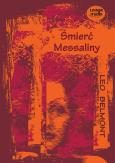
Rozpustny Rzym Cezarów. Messalina jest słynną z urody trzecią żoną Klaudiusza. Zaniedbywana przez męża ośmiesza go przed arystokracją i ludem. Władczyni imperium wybiera karierę nierządnicy. Dalszy ciąg losów Messaliny.
Czyta Zbigniew Borek
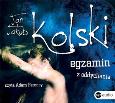
Zmysłowa opowieść o miłości absolutnej.
Ona, Muszelka, jako dwunastoletnia dziewczynka zagrała w jednym z jego filmów. Już wtedy wiedziała, że go kocha i że ich drogi wkrótce się połączą. Musiała tylko dorosnąć. Musiała przejść przez ręce wielu mężczyzn, dojrzeć, aby wreszcie połączyć się z nim.
On, Sandow, artysta, który stworzył już prawie wszystko, co mógł. Choć najważniejsze dzieło jeszcze przed nim. Dotąd nie czuł takiej jedności z nikim. Ponowne pojawienie się Muszelki w jego życiu sprawiło, że ziemia i czas stanęły w miejscu, zatarły się granice między dobrem i złem.
Ta miłość musiała się zdarzyć.
Czyta: Adam Ferency
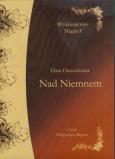
Czyta: Małgorzata Regent
Nad Niemnem – powieść pozytywistyczna Elizy Orzeszkowej. Ukazuje panoramę polskiego społeczeństwa XIX wieku nawiązując jednocześnie do powstania styczniowego. Wśród malowniczej nadniemeńskiej przyrody, rozgrywają się ludzkie dramaty. „Dzień był letni i świąteczny. Wszystko na świecie jaśniało, kwitło, pachniało, śpiewało. Ciepło i radość lały się z błękitnego nieba i złotego słońca; radość i upojenie tryskały znad pól porosłych zielonym zbożem; radość i złota swoboda śpiewały chórem ptaków i owadów nad równiną w gorącym powietrzu, nad niewielkimi wzgórzami, w okrywających je bukietach iglastych i liściastych drzew...”
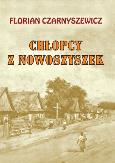
„Chłopcy z Nowoszyszek to czwarta i zarazem ostatnia powieść Floriana Czarnyszewicza – ukazała się w Londynie w roku 1963, a więc na rok przed śmiercią pisarza. Ta książka jest w pewnym sensie kontynuacją „Nadberezyńców” oraz „Wicika Żywicy”, a zarazem swoistym ich epilogiem”. Maciej Urbanowski
Zwariowana i ironiczna komedia autora bestsellerowego Jednego dnia . Brian Jackson wierzy w to, że uczestnictwo w popularnym turnieju wiedzy pomoże mu zdobyć serce uniwersyteckiej piękności Alice Harbinson. Plan mógłby się powieść, gdyby nie jego wrodzone szczęście do pecha. Najpierw feralne eliminacje, potem niefortunnie ulokowane uczucia i wreszcie finałowa kompromitacja. Brian poczuł na własnej skórze, że wiedza to nie mądrość, zauroczenie to nie prawdziwa miłość, a dobry początek wcale nie gwarantuje happy endu. Ta książka pozwala poczuć niepowtarzalny klimat studenckich czasów; pierwszą miłość, walkę o przyjaźń, rozczarowania. Na chwilę, bo czyta się ją jednym tchem...- poleca Kamil Kula
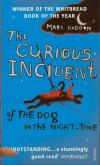
The Curious Incident of the Dog in the Night-Time is a murder mystery novel like no other. The detective, and narrator, is Christopher Boone. Christopher is fifteen and has Asperger's Syndrome. He knows a very great deal about maths and very little about human beings. He loves lists, patterns and the truth. He hates the colours yellow and brown and being touched. He has never gone further than the end of the road on his own, but when he finds a neighbour's dog murdered he sets out on a terrifying journey which will turn his whole world upside down.
Łucja ma trzydzieści lat, stanowisko dyrektorskie w dużej firmie, urządzone mieszkanie i samochód. Właśnie pożegnała przyjaciółkę od serca, niemal siostrę - Martę, która zmarła na raka. W spadku po niej odziedziczyła dużo dobrej energii, pamiętnik i... brata, Kacpra. I choć początkowo Łucja pragnie ostro się z nim rozmówić w sprawie nieobecności na pogrzebie Marty i zerwać znajomość, okazuje się, że jak zwykle pozory mylą, życie komplikuje się nie tylko nam, ale i innym ludziom, a wielka miłość może zaiskrzyć tam, gdzie się tego najmniej spodziewamy.
Skandalizująca historia Serafiny, jej potwornej ciotki, a także zdarzenia z udziałem wielu sympatycznych lub okropnych mężczyzn przewijających się przez łóżko współczesnej panienki. Groteska i humor nie przesłonią nikomu faktu, że wiele tu twardej prozy życia, choć, jak zwykle u Krystyny Nepomuckiej, okraszonej ciepłem, życzliwością oraz zrozumieniem dla ludzkich słabostek.
Czyta: Hanna Kinder Kiss.
Emil Zola (1840-1902)
Francuski pisarz, główny przedstawiciel naturalizmu. Ważniejsze dzieła: „Rougon-Macquartowie” , „Teresa Raquin”, „Laurdes”, „Paryż”, „Germinal”, „Rzym”, „Nana”.
Emil Zola jest też autorem serii opowiadań znakomicie opisujących ludzkie dramaty:
1.Zgon Oliwiera Becaille / czyta Artur Barciś - 93 minuty
2. Nantas/ czyta Joanna Lissner - 103 minuty
3. Radykał/ czyta Joanna Lissner - 117 minut
4. Atak na młyn/ czyta Joanna Lissner - 90 minut
5. Feta w Coqueville/ czyta Andrzej Szopa 86 minut
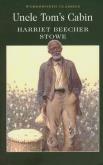
Uncle Tom's Cabin is the most popular, influential and controversial book written by an American. Stowe's rich, panoramic novel passionately dramatises why the whole of America is implicated in and responsible for the sin of slavery, and resoundingly concludes that only ‘repentance, justice and mercy’ will prevent the onset of ‘the wrath of Almighty God!’.
The novel gave such a terrific impetus to the crusade for the abolition of slavery that President Lincoln half-jokingly greeted Stowe as‘the little lady’ who started the great Civil War. As Keith Carabine argues in his lively and provocative Introduction, the novel immediately provoked a storm of competing and contradictory responses among Northern and Southern readers, moderate and radical abolitionist groups, blacks and women, with regard to issues of form, genre, politics, religion, race and gender, that are still of great interest because they anticipate the concerns that vex and divide modern readers and critical constituencies.
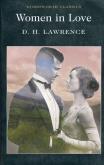
First published in 1920, D. H. Lawrence’s “Women in Love” is the sequel to his 1915 novel “The Rainbow” and is widely considered one of his best works and one of the most important English novels of the twentieth century. “Women in Love” continues to follow the Brangwen family, focusing on the lives and loves of sisters Gudrun and Ursula Brangwen. Living in the Midlands of England during the 1910’s, Ursula is a teacher and Gudrun is an artist. The sisters meet two men who live nearby, Rupert Birkin and Gerald Crich, the four find that they have much in common and the sisters soon get involved with them romantically. Rupert and Ursula are at first friends, but develop a loving relationship and eventually become engaged. Gudrun pursues a romantic relationship with Gerald, a local industrialist, but their romance is stormy and tumultuous and ultimately ends in tragedy. Controversial during its time for its frank depictions of sexuality and the destructiveness of relationships and jealousy, “Women in Love” is a modern and powerful story of love and human imperfections set against the backdrop of the social turmoil of the First World War. This edition is printed on premium acid-free paper.
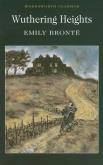
Wuthering Heights is a wild, passionate story of the intense and almost demonic love between Catherine Earnshaw and Heathcliff, a foundling adopted by Catherine's father. After Mr Earnshaw's death, Heathcliff is bullied and humiliated by Catherine's brother Hindley and wrongly believing that his love for Catherine is not reciprocated, leaves Wuthering Heights, only to return years later as a wealthy and polished man. He proceeds to exact a terrible revenge for his former miseries.
The action of the story is chaotic and unremittingly violent, but the accomplished handling of a complex structure, the evocative descriptions of the lonely moorland setting and the poetic grandeur of vision combine to make this unique novel a masterpiece of English literature.
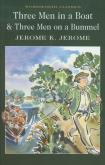
There are four of them - George, Harris, the writer himself and that dog, Montmorency - all participants in a boating expedition on the Thames. The difficulties and vicissitudes heaped upon these innocents develop to epic proportions as they experience the hazards of the great English waterway. Their problems are in no way diminished by the outrageous behaviour of Montmorency,who lays waste to several riverside communities in the course of their journey.
‘What is a “bummel”?’ said George. ‘How would you translate it?’ ‘A “bummel”,’ I explained, ‘I should describe as a journey, long or short, without an end; the only thing regulating it being the necessity of getting back within a given time to the point from which one started…’
After considerable indecision the bummel takes our heroes to Germany's Black Forest where they manage to disrupt the tranquil way of life usually enjoyed by the denizens, whose curious behaviour they closely observe and record in their account of this second epic journey. Even without that dog, chaos and mayhem reign supreme.
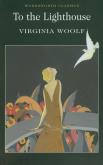
This book is with an introduction and notes by Dr Nicola Bradbury, University of Reading. "To the Lighthouse" is the most autobiographical of Virginia Woolf's novels.
It is based on her own early experiences, and while it touches on childhood and children's perceptions and desires, it is at its most trenchant when exploring adult relationships, marriage and the changing class-structure in the period spanning
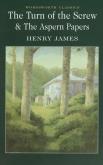
The Turn of the Screw is the classic ghost story for which James is most remembered. Set in a country house, it is a chilling tale of the supernatural told by a master of the genre.
The Aspern Papers is a tale of Americans in Europe, a theme in which Henry James is at his most assured and accomplished. The author cleverly evokes the drama of comédie humaine against the settings of a Venetian palace.
Our Series
Classics - L1.99
Children's Classics - L1.99
Mystery & Supernatural - L2.99
World Literature - L3.99
Reference - L3.99
Poetry - L3.99
Special Editions - L6.99
Library Collection - L11.99
Authors' Biographies
Browse by Subject
Featured: New for 2012
Downloads
Book List
Book Catalogue (5Mb)
Home
/
Search
Search Results
Your search for "waves" returned 3 results.
Classics
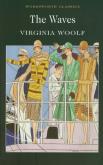
The Waves
Virginia Woolf
Introduction and Notes by Deborah Parsons, University of Birmingham.
'I am writing to a rhythm and not to a plot', Virginia Woolf stated of her eighth novel, The Waves. Widely regarded as one of her greatest and most original works, it conveys the rhythms of life in synchrony with the cycle of nature and the passage of time. Six children - Bernard, Susan, Rhoda, Neville, Jinny and Louis - meet in a garden close to the sea, their voices sounding over the constant echo of the waves that roll back and forth from the shore.
The subsequent continuity of these six main characters, as they develop from childhood to maturity and follow different passions and ambitions, is interspersed with interludes from the timeless and unifying chorus of nature. In pure stream-of-consciousness style, Woolf presents a cross-section of multiple yet parallel lives, each marked by the disintegrating force of a mutual tragedy.
The Waves is her searching exploration of individual and collective identity, and the observations and emotions of life, from the simplicity and surging optimism of youth to the vacancy and despair of middle-age.
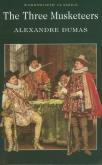
One of the most celebrated and popular historical romances ever written, The Three Musketeers tells the story of the early adventures of the young Gascon gentleman, D'Artagnan and his three friends from the regiment of the King's Musketeers - Athos, Porthos and Aramis.
Under the watchful eye of their patron M. de Treville, the four defend the honour of the regiment against the guards of Cardinal Richelieu, and the honour of the queen against the machinations of the Cardinal himself as the power struggles of seventeenth century France are vividly played out in the background.
But their most dangerous encounter is with the Cardinal's spy, Milady, one of literature's most memorable female villains, and Alexandre Dumas employs all his fast-paced narrative skills to bring this enthralling novel to a breathtakingly gripping and dramatic conclusion.
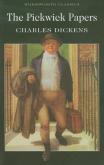
With an Introduction and Notes by David Ellis, University of Kent at Canterbury. With Illustrations by R.Seymour, R.W. Buss and Hablot K. Browne (Phiz).
The Pickwick Papers is Dickens' first novel and widely regarded as one of the major classics of comic writing in English. Originally serialised in monthly instalments, it quickly became a huge popular success with sales reaching 40,000 by the final part.
In the century and a half since its first appearance, the characters of Mr Pickwick, Sam Weller and the whole of the Pickwickian crew have entered the consciousness of all who love English literature in general, and the works of Dickens in particular.
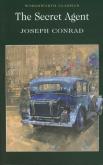
Then the vision of an enormous town presented itself, of a monstrous town...a cruel devourer of the world's light. There was room enough there to place any story, depth enough for any passion, variety enough there for any setting, darkness enough to bury five millions of lives.'
Conrad’s ‘monstrous town’ is London, and his story of espionage and counter-espionage, anarchists and embassies, is a detective story that becomes the story of Winnie Verloc’s tenacity in maintaining her devotion to her peculiar and simple-minded brother, Stevie, as they pursue their very ordinary lives above a rather dubious shop in the back streets of Soho. However, far from offering any sentimental picture, The Secret Agent is Conrad’s funniest novel. Its savagely witty picture of human absurdity and misunderstanding is written in an ironic style that provokes laughter and unease at the same time, and that continues to provide one of the most disturbing visions of aspiration and futility in twentieth century literature.
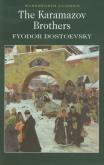
As Fyodor Karamazov awaits an amorous encounter, he is violently done to death. The three sons of the old debauchee are forced to confront their own guilt or complicity. Who will own to parricide? The reckless and passionate Dmitri? The corrosive intellectual Ivan? Surely not the chaste novice monk Alyosha? The search reveals the divisions which rack the brothers, yet paradoxically unite them. Around the writhings of this one dysfunctional family Dostoevsky weaves a dense network of social, psychological and philosophical relationships.
At the same time he shows - from the opening 'scandal' scene in the monastery to a personal appearance by an eccentric Devil - that his dramatic skills have lost nothing of their edge. The Karamazov Brothers, completed a few months before Dostoevsky's death in 1881, remains for many the high point of his genius as novelist and chronicler of the modern malaise.
It cast a long shadow over D. H. Lawrence, Thomas Mann, Albert Camus, and other giants of twentieth-century European literature.
Ten produkt jest zapowiedzią. Realizacja Twojego zamówienia ulegnie przez to wydłużeniu do czasu premiery tej pozycji. Czy chcesz dodać ten produkt do koszyka?