Książka Silvii Bruni jest lekturą znacznie przekraczającą skromne ramy zakreślone przez jej tytuł. Bardzo szeroka, rzetelna baza źródłowa tego opracowania daje nam po raz pierwszy wgląd w szczególny charakter włoskiego życia muzycznego od czasów Chopina po okres współczesny. Autorka pozwala nam śledzić fascynujący proces powolnego, ale stałego, wzrostu rangi muzyki Fryderyka Chopina w oczach krytyków i słuchaczy Italii. Przyswojenie i pogłębione zrozumienie twórczości polskiego kompozytora prowadzi włoskich artystów i krytyków kultury w realia często odlegle od naszych doświadczeń. Tym większe staje się zaskoczenie, gdy konkluzje protagonistów polskiego i włoskiego życia artystycznego stają się sobie bliskie.
Odkrywanie cech osobowości Chopina, jego związku z tradycją narodową, stosunku do świata, wreszcie sposobu wyrażenia splotu tych okoliczności w muzyce – wszystko to znajdziemy w pracy Silvii Bruni ujęte w specyficznej dla Włoch formie i stylu. W tym świetle fascynujące stają się wytrwałe, trwające od dwustu lat, poszukiwania związków sztuki Chopina z podstawowymi wartościami włoskiej tradycji artystycznej. Wydaje się, że powinniśmy je dobrze znać, a tymczasem…
Grzegorz Michalski
Autorka opisuje swoją działalność oświatową. Tekst ma charakter sprawozdawczy – Świacka przedstawia fakty, nie dzieli się jednak żadnymi osobistymi wspomnieniami. Była córką Edwarda Donimirskiego (powstańca 1863 r., ziemianina z zaboru pruskiego) i Heleny z Wolańskich. W domu autorki od dzieciństwa panował duch patriotyczny, a ona sama już w młodości brała udział w tajnej pracy oświatowej (prowadziła tajne komplety nauki religii, języka polskiego i historii, brała udział w organizacji polskich przedstawień). Wyszła za mąż i przeniosła się do majątku Bielica (pow. siennieński, ziemia mohylewska, Białoruś), gdzie zajęła się oświatą ludu polskiego we dworze i zaściankach. Założyła Sieńskie Towarzystwo Oświaty i Dobroczynności, wraz z którym organizowała spektakle w Siennie, Orszy i Witebsku. Jednym ze sposobów pozyskiwania funduszy przez Towarzystwo było sprzedawanie papeterii z nadrukiem „Światło niosę mojemu ludowi”. Autorka pisze o karaniu zsyłką lub więzieniem za prowadzenie szkółek dla polskich dzieci. Wspomina jedną z nauczycielek, Aleksandrę Januszkiewicz, która po uwięzieniu w Orszy chciała odebrać sobie życie.
Dalej Świacka opisuje sierociniec dla trzydzieściorga dzieci, który założyła w Bielicy w 1905 r. Pobieżnie przedstawia zajęcia dzieci, ich plac zabaw i wspomina: „Wyszło z tej nauki kilkadziesiąt młodych chłopców i dziewcząt, zawodowo przygotowanych i utrwalonych w polskości, a parę prawosławnych sierot przeszło na katolicyzm”.
(fragment recenzji z Archiwum Kobiet)
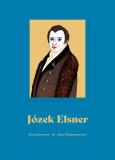
Mały Józek Elsner nie lubił w swoim życiu trzech rzeczy: szorstkich skarpet, rozgotowanych knedli i skrzeczącego głosu ciotki Marii. Lubił natomiast godzinę trzynastą. To właśnie o tej porze zarzucał na plecy skórzaną teczkę z książkami i wybiegał ze szkoły.
Poznajcie historię Józefa Elsnera (1796–1854) – doskonałego pedagoga, kompozytora i organizatora życia muzycznego, twórcy szkolnictwa muzycznego w Polsce.
Jako uzupełnienie do publikacji jest dostępny zeszyt z zadaniami i łamigłówkami, które pomogą jeszcze lepiej poznać głównego bohatera.
Źródła pamiętnikarskie to kopalnia wiedzy o ludziach i ich czasach. Są one co prawda widzeniem subiektywnym, pokazują bowiem zazwyczaj obraz rzeczywistości widziany poprzez filtr osobowości piszącego, jednak zwykle zawierają jakąś część prawdy „obiektywnej” o opisywanych osobach i zdarzeniach.
Fryderyk Chopin trwale zapisał się w pamięci setek osób, które znały go osobiście bądź tylko zetknęły się z nim przelotnie, a których spora część pozostawiła po sobie pamiętniki, listy, dzienniki i relacje. Wspomnienia te, zestawione z innymi, pozwalają zbliżyć się do obrazu Chopina, który będzie w miarę „prawdziwy”, to jest pokaże nam, jaki naprawdę był artysta, lub – przynajmniej – jakim go postrzegano. Ze względu na ich subiektywność, wspomnienia jednych nie zawsze są zbieżne z widzeniem innych osób. Ale to właśnie zestawienie rozmaitych spojrzeń na Chopina stanowi o bogactwie i wartości tych źródeł.
Publikacja Wspomnienia o Chopinie gromadzi relacje i wspomnienia na temat Chopina i jego bliskich autorstwa osób różnego pochodzenia i statusu: od Władysława Mickiewicza do służącego Jana. Książka stanowi niezwykłe źródło kontekstowe, które pozwala potwierdzić, uszczegółowić lub obalić utrwalone, a nieprawdziwe zdarzenia z biografii polskiego mistrza
Nowe wydanie legendarnego dzieła Curzio Malaparte. Akcja książki rozpoczyna się w 1943 roku, kiedy siły alianckie umacniają swoją pozycję w zdewastowanym Neapolu. Weterani rozwiązanej włoskiej armii błagają o pracę. Rzadki okaz ze słynnego miejskiego akwarium jest podawany na uroczystej kolacji dla wysokich oficerów alianckich. Prostytucja szaleje. Wszędzie unosi się zapach śmierci. Skóra w swoim obrazowaniu, w opisach miasta, ludzkich postaw w obliczu śmierci i cierpienia poraża surowością konkretu i apokaliptyczną wizyjnością.
Piszę o sobie, bo czas płynie, a ja już nie będę miał 20 lat.Po udarze mózgu, który przeszedłem, pamięć może być już nie ta. Los rzuca człowiekiem na wszystkie strony świata, a ja jestem w sytuacji, która nie pokaże mi, na jakim zakręcie wypadnę z drogi swego życia. Do napisania tej książki skłoniła mnie chwila, w której, gdy byłem świadomy, pamięć pokazała mi migawki całego mojego życia. Czekałem na końcowy napis THE END. Ale coś chce, abym po sobie zostawił ślad istnienia, bo napis się nie pojawił. Może mam jeszcze coś do zrobienia i los daje mi czas na realizację. Widocznie będzie to dłuższy czas, bo muszę wymyśleć, co mam zrobić.
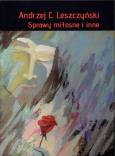
Jest takie określenie dla pewnego gatunku twórców - myśliciel. Najczęściej oznacza ono filozofa. W przypadku Andrzeja C. Leszczyńskiego oznacza jedna coś specyficznego. Owszem, jest on filozofem, ale jego książki manifestują nie tyle ścisłe opracowania tematów, ale przede wszystkim myślenie. Proces myślenia. Autor proponuje abyśmy razem z nim zastanawiali się nad ważnymi tematami i stara się nam w tym pomóc oferując jego wielką erudycję oraz biegłość pisarską, co w efekcie powoduje, że otrzymujemy sprawnie napisane i przemyślane eseje.
Sprawy miłosne i inne to bardzo szeroki obszar rozważań. To miłość ludzka, człowieka do człowieka, to miłość religijna i kościelna, to miłość społeczna i polityczna, to tematy literackie i filozoficzne. Sprawy miłosne zajmują nas wszystkich w każdym etapie życia, dlatego te eseje czyta się jak własne teksty, własne przemyślenia, czasami zapominając, że prowadzi nas przez tę rzekę tematów Autor. Gdybym miał wskazać najważniejszą jego cechę, to bez wahania wskazałbym empatię.
O autorze: Andrzej Cezary Leszczyński, różnych okresach wykładowca akademicki na Uniwersytecie Gdańskim (kierownik Zakładu Etyki i Estetyki, Zakładu Etyki i Aksjologii, zastępca dyrektora Instytutu Filozofii i Socjologii), Akademii Medycznej w Gdańsku, Wyższej Szkole Społeczno-Ekonomicznej w Gdańsku (prorektor ds. studenckich), Sopockiej Szkole Wyższej (kierownik Zakładu Komunikacji Społecznej), Akademii Sztuk Pięknych w Gdańsku, Studiu Wokalno-Aktorskim im. Danuty Baduszkowej przy Teatrze Muzycznym w Gdyni.
Redaktor „Solidarności Walczącej”, Tygodnika Oddziału Trójmiasto SW. Twórca i redaktor „Gdańskiego Rocznika Teatralnego”. Twórca i redaktor „Przeglądu Naukowego” Wyższej Szkoły Społeczno-Ekonomicznej w Gdańsku. Redaktor „Centrum Edukacji Teatralnej, Kluby Gońca Teatralnego” – dodatku do „Gońca Teatralnego”.
Naczelny redaktor Studenckiej Agencji Radiowej w Gdańsku (1972-1974). Przewodniczący Zarządu Okręgowego Olimpiady Filozoficznej w Gdańsku (1993–2006). Prowadził warsztaty teatralne (drama, trening komunikacji i ekspresji) w kraju i za granicą.
Autor wielu książek oraz ponad 300 rozpraw, szkiców i tekstów popularnych, drukowanych m.in. w „Znaku”, „Więzi”, „Twórczości”, „Odrze”, „Studiach Filozoficznych”, „Toposie”, „Migotaniach”.
W ostatnim tomie Hartmann Grisar podsumował działalność Marcina Lutra oraz
opisał końcowe lata jego życia. Znajdujemy tutaj również omówienie jego działalności
literackiej, w tym przekładu Biblii na język niemiecki, nowych katechizmów i hymnów
kościelnych.
SPIS TREŚCI
Tom III. Koniec drogi. Spojrzenie wstecz
Rozdział XXIX. Skutki etyczne nowego nauczania
1. Uwagi wstępne. Nowe podstawy moralności
2. Dwa bieguny: prawo i ewangelia
3. Spotkanie z antynomizmem Agricoli
4. Pewność zbawienia i jej relacja do moralności
5. Pomniejszenie prawdziwego chrześcijaństwa
6. Rola odgrywana przez sumienie i osobowość. Wojna Lutra z Kasperem Schwenckfeldem
8. Kościół oddzielony prawdziwie wierzących
9. Kult publiczny. Kwestia rytuału
10. Schwenckfeld jako krytyk skutków etycznych dzieła życiowego Lutra
Rozdział XXX. Luter w szczycie życia i sukcesu (od 1540). Obawy i środki zaradcze
1. Wielkie zwycięstwa w latach 1540-1544
2. Smutne przewidywania
3. Środki zaradcze na przyszłość
4. Konsekracja Mikołaja Amsdorfa jako "biskupa ewangelickiego" w Naumburgu (1542)
5. Dalsze akty przemocy. Los dzieł sztuki kościelnej
Rozdział XXXI. Luter i jego ponury nastrój, przesądy i iluzje
1. Stan depresji w ostatnich latach. Mania prześladowcza i chorobliwa wyobraźnia
2. Fanatyczne oczekiwanie końca świata. Rozpaczliwy pesymizm Lutra
3. Podwójne brzemię Melanchtona: osobowość Lutra i własne dzieło życia
4. Demologia i demonomania
5. Psychologia żartów i satyry Lutra
Rozdział XXXII. Życie wypełnione walką z sumieniem
1. Ogólnie o "pokusach" Lutra
2. Tematy "pokus"
3. Wyrzuty sumienia stają się pokusami diabła
4. Postęp cierpień duchowych do lat 1527-1528
5. Lata 1528-1538. Jak odzyskać pokój sumienia
6. Luter o swojej wierze, doktrynie i wątpliwościach, szczególnie w późniejszych latach
Rozdział XXXIII. Zwołanie Soboru Trydenckiego (1542). Polemiki Lutra
1. Powzięte kroki i opublikowane traktaty przeciwko soborowi (po 1537)
2. "Wider das Bapstum zu Rom vom Teuffel Gestifft". Wzmocnienie papiestwa
3. Niektóre powiedzenia Lutra o soborze i jego własnym autorytecie
4. Znaki czasu towarzyszące "wymyślaniu i uporowi do samego grobu" Lutra. Karykatury
Rozdział XXXIV. Zakończenie działalności literackiej i jej ogólny obraz
1. W kierunku chrześcijaństwa bez dogmatu. Opinie protestanckie
2. Luter jako popularny pisarz religijny. Katechizm
3. Biblia niemiecka
4. Hymny Lutra
Rozdział. XXXV. Stosunek Lutra do społeczeństwa i edukacji
1. Zarys historyczny oceny pracy społecznej Lutra
2. Państwo i kościół państwowy
3. Szkoły elementarne i nauczanie wyższe
4. Dobroczynność i wsparcie biednych
5. Stosunek Lutra do powołania świeckiego
Rozdział XXXVI. Ciemna strona życia wewnętrznego Lutra. Choroby
1. Wczesne dolegliwości cielesne i duchowe
2. Psychiczne problemy rozwoju religijnego Lutra
3. Zjawy, złudzenia, pojawienia się diabła
4. Objawienia i iluzja. Chorobliwy sposób myślenia
5. Psychologia Lutra według lekarzy i historyków
Rozdział XXXVII. Upiększanie przez Lutra wczesnego życia
1. Późniejszy obraz klasztoru i apostazji Lutra
2. Rzeczywistość. Fałszowanie historii przez Lutra
3. Ukończenie i wykorzystanie legendy
Rozdział XXXVIII. Koniec wolności religijnej. Kościół niewidoczny i widoczny przymus kościelny
1. Od samowoli religijnej do przymusu religijnego
2. Luter jako sędzia
3. Kościół niewidoczny. Jego pochodzenie i wczesna historia
4. Kościół staje się widzialny. Jego organizacja
5. Taktyka Lutra w sprawie Kościoła
Rozdział XXXIX. Koniec życia Lutra
Rozdział XL. W grobie
Dodatki
Komentarz
Ostatnia rozmowa z Emilianem Kamińskim – aktorem, reżyserem, dyrektorem teatru, ale przede wszystkim człowiekiem wrażliwym na świat, konsekwentnie realizującym swoje marzenia. Szczerze opowiedział w niej o dzieciństwie, rodzinie, mistrzach, teatrze. Jedynym tematem, którego nie poruszył, była jego choroba. Dla najbliższych Miluś, dla niektórych Diabluś. Życie nieraz pisało dla niego trudne scenariusze, mimo to reżyserował je według własnych zasad, zawsze z uśmiechem i pokorą. Ambitny, odważny, silny, lecz z wyczuwalną miękkością w sercu. Aktor Łomnickiego i Hanuszkiewicza, skromnie nazywający się „rzemieślnikiem”, piewca szacunku do pracy i widza, no i wreszcie – niedościgniony mistrz dowcipu. Kamiński miał na koncie ponad setkę ról teatralnych, filmowych i dubbingowych. W stanie wojennym współtworzył Teatr Domowy, będący formą sprzeciwu wobec reżimu. Uwielbiany przez publiczność za rolę Jerzego w ekranizacji powieści „Szaleństwa panny Ewy” Kornela Makuszyńskiego, Wojciecha Marszałka w serialu „M jak miłość” i Pumby w kultowym „Królu Lwie”. Z miłości do teatru i Warszawy w 2009 roku w zrujnowanych piwnicznych pomieszczeniach stworzył Teatr Kamienica. Scenę, która w niedługim czasie stała się ważnym punktem na kulturalnej mapie stolicy, traktował jako dom i filozofię życia. O Emilianie Kamińskim opowiadają również jego rodzina, przyjaciele i towarzysze z aktorskiego szlaku, m.in. Justyna Sieńczyłło, Dorota Kamińska, Krystyna Janda, Wiktor Zborowski, Piotr Fronczewski, Magdalena Zawadzka, Katarzyna Cichopek. Patrycja Pawlik – studiowała na Aberystwyth University w Walii, absolwentka dziennikarstwa i komunikacji społecznej na Uniwersytecie Warszawskim oraz zarządzania kulturą i mediami na Uniwersytecie Jagiellońskim. Ukończyła London School of Public Relations. Od blisko 15 lat związana z branżą PR i mediami. Ekspertka od komunikacji i budowania relacji, zwłaszcza tych opartych na ponadczasowych wartościach. Lubi pytać i słuchać, dlatego rozwija się również jako coach. Kocha teatr i podróże. Praktykująca miłośniczka języka włoskiego, tamtejszej kuchni i podejścia do życia. Szczęśliwa mama Marcelinki.
Jan Vermeer van Delft, właściwie Johannes Vermeer – holenderski malarz. Malował przede wszystkim sceny rodzajowe, wykorzystując mistrzowsko grę świateł. Na początku swojej kariery stworzył także dwa płótna historyczne
Feminizmy. Historia globalna Gdzie biją źródła emancypacji kobiet - i czy na pewno na Zachodzie? W swojej nowatorskiej książce Lucy Delap przepisuje historię feminizmu, zabierając czytelników i czytelniczki w podróż po sześciu kontynentach i kilku epokach. Interesują ją sufrażystowskie pieśni, odzyskane pojęcia, radykalne postawy i utopijne marzenia. Zamiast klasycznej opowieści o pierwszej, drugiej i trzeciej fali feminizmu brytyjska badaczka proponuje perspektywę historii połączonych, zgodnie z którą walka kobiet o lepsze urządzenie świata to nie linearny ciąg wydarzeń napędzanych przez Europę i Amerykę, lecz sieć czy nawet kłącze różnych postulatów, dążeń i poglądów z wielu zakątków globu. Śledząc nieustanne przepływy idei ponad narodowymi granicami, intelektualne inspiracje i wzorce dziedziczenia postaw politycznych, Delap oferuje przełomowe spojrzenie na feminizm jako najszerzej zakrojony projekt emancypacyjny w historii ludzkości. * Fragment książki: Niektóre opowiedziane tu historie są powszechnie znane: te o sufrażetkach, o wybijaniu okien kamieniami, o radykalnych feministkach celebrujących sprawczość i solidarność kobiet. Ale przecież feminizm nie zawsze i nie wszędzie wyglądał tak samo. W książce wielokrotnie powraca problem swoistego paradoksu, który cechuje feminizm: otóż jako ruch postuluje on włączenie kobiet do wszystkich obszarów życia społecznego i politycznego i żąda radykalnej transformacji struktur władzy opartych na wykluczeniu, a jednocześnie charakteryzuje się własnymi formami marginalizacji, nie wszystkie kobiety reprezentując na równych warunkach. Dla kobiet czarnych, z klasy robotniczej, lesbijek, kobiet transpłciowych i biseksualnych, kobiet z niepełnosprawnościami, z innych części świata niż Zachód i wierzących w innego Boga niż Bóg chrześcijan zabrakło miejsca w feminizmie hegemonicznym, jak nazwała go Chela Sandoval. Mimo swych kosmopolitycznych korzeni feminizm często kojarzy się z zachodnim modelem wyemancypowanej kobiecości. Głosów osób innego pochodzenia, o innych doświadczeniach i potrzebach niekoniecznie słuchano, a kampanie feministyczne nie zawsze uwzględniały ich interesy. * Lucy Delap - brytyjska badaczka zajmująca się historią feminizmów. Obecnie wykłada na Uniwersytecie w Cambridge i pracuje w Murray Edwards College. W 2008 roku jej książka "The Feminist Avant-Garde" została uhonorowana nagrodą Women's History Network Prize. Za swoje osiągnięcia naukowe Delap otrzymała także nagrodę Public History Prize przyznawaną przez Królewskie Towarzystwo Historyczne.
KOBIETY, KTÓRE OKRADZIONO Z ŻYCIAJelena jest pielęgniarką i codziennie patrzy na umierających w osamotnieniu więźniów. Nie chce ulec kierownikowi lazaretu, więc za karę trafia do kopalni. Od teraz towarzyszy jej ciemność i ból. Przez 10 lat.Janina z Wołynia pracuje przy wycince drzew. Ciągle jest głodna i zmarznięta. Po uwolnieniu razem z rodzicami i rodzeństwem tuła się po górach i pustyniach. Do domu nie wraca nigdy.Walentynę zabrano od córki i uwięziono. Przenoszono z obozu do obozu. Pewnego dnia mróz i wyczerpanie stają się już nie do zniesienia - Walentyna próbuje się otruć. Cudem zostaje odratowana - tylko po to, by dalej cierpieć.Całe życie było przed nimi. Niesłusznie skazane i wyrwane ze swoich światów, trafiły do piekła z lodu. Na końcu świata, gdzie szczęście nie istniało, walczyły o przetrwanie.
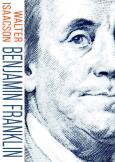
Wciągająca biografia jednego z najwybitniejszych polityków i najbardziej wszechstronnych myślicieli w historii Benjamin Franklin był nie tylko jednym z ojców założycieli Stanów Zjednoczonych, lecz również prawdziwym człowiekiem renesansu, który pod wieloma względami wyprzedził swój czas. Był genialnym naukowcem, wynalazcą, przedsiębiorcą, dyplomatą, pisarzem, strategiem i jednym z najwybitniejszych myślicieli politycznych w historii. Osobowość tego skutecznego polityka i ciekawego świata twórcy inspiruje dzisiaj tak samo, jak dwa wieki temu. Jego historia uczy, jak prowadzić życie praktyczne, a jednocześnie uduchowione, jak osiągnąć osobisty sukces i służyć społeczeństwu. Walter Isaacson, autor bestsellerowych biografii Leonarda da Vinci i Steve’a Jobsa, kreśli fascynujący portret Benjamina Franklina – myśliciela i polityka, który stworzył podwaliny tożsamości narodowej Amerykanów i został wzorem dla przyszłych pokoleń.
We still have time to change the world. From Greta Thunberg, one of the world's leading climate activist, comes the essential handbook for making it happen.
You might think it's an impossible task: secure a safe future for life on Earth, at a scale and speed never seen, against all the odds. There is hope - but only if we listen to the science before it's too late.
In The Climate Book, Greta Thunberg has gathered the wisdom of over one hundred experts - geophysicists, oceanographers and meteorologists; engineers, economists and mathematicians; historians, philosophers and indigenous leaders - to equip us all with the knowledge we need to combat climate disaster. Alongside them, she shares her own stories of demonstrating and uncovering greenwashing around the world, revealing how much we have been kept in the dark. This is one of our biggest challenges, she shows, but also our greatest source of hope. Once we are given the full picture, how can we not act? And if a schoolchild's strike could ignite a global protest, what could we do collectively if we tried?
We are alive at the most decisive time in the history of humanity. Together, we can do the seemingly impossible. But it has to be us, and it has to be now.
To już trzecie wydanie cieszącej się popularnością wśród czytelników dwujęzycznej książki, która w lekki i dowcipny sposób rozprawia się z polsko-czeskimi stereotypami, rozpatruje różnice i podobieństwa pomiędzy Polakami i Czechami, przejawiające się chociażby w mentalności, sposobie życia, podejściu do różnych spraw…
Książka zawiera ilustracje oraz przysłowia, czy powiedzonka, które ilustrują konkretne poruszane tematy.
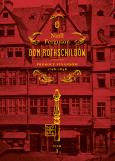
Drugi tom genialnej sagi Fergusona o najsłynniejszej i najbogatszej rodzinie w dziejach świataPieniądz jest bogiem naszych czasów, a Rothschild jest jego prorokiem. - Heinrich Heine, 1841Rothschildowie to najbardziej wpływowa rodzina najnowszej historii. Potężni bankierzy i przemysłowcy żydowskiego pochodzenia, którzy trzęśli dziewiętnasto- i dwudziestowiecznym światem, znacząco wpływając na historię całych państw. Nie będzie żadną przesadą twierdzenie, że familia bankierów stała się jedną z żywych legend XIX wieku, a samo nazwisko Rothschild - synonimem władzy, jaką daje bogactwo.Dwa tomy Domu Rothschildów autorstwa Nialla Fergusona, jednego z najsławniejszych historyków świata, składają się na pierwszą kompletną historię rodu, napisaną z uwzględnieniem wszystkich światowych archiwów.W drugim tomie, obejmującym lata 1849-1999, Niall Ferguson opisuje, jak ród wywodzący się z frankfurckiego getta stał się bankierem świata, jak wspierał swoim mecenatem najważniejszych artystów oraz wywierał skuteczny, choć zawoalowany, wpływ na monarchów i rządy. Z tego właśnie powodu książka rzuca również nowe światło na całą historię XIX i XX wieku.W genialnej, zachwycającej dwutomowej sadze Niall Ferguson udowadnia, że historycy akademiccy są wciąż w stanie opowiadać wielkie historie, które chce się czytać. - Robert Skidelsky, "The New York Review of Books"
Pieniądz jest bogiem naszych czasów, a Rothschild jest jego prorokiem. - Heinrich Heine, 1841Rothschildowie to najbardziej wpływowa rodzina najnowszej historii. Potężni bankierzy i przemysłowcy żydowskiego pochodzenia, którzy trzęśli dziewiętnasto- i dwudziestowiecznym światem, znacząco wpływając na historię całych państw.Dziś nazwisko Rothschild na całym świecie kojarzy się z gigantyczną fortuną, aż trudno uwierzyć, że wszystko zaczęło się od rodzinnej firmy handlującej tekstyliami i skromnego antykwariatu założonego w połowie XVIII wieku we frankfurckiej kamienicy z czerwonym szyldem.Niall Ferguson, jeden z najsławniejszych historyków świata, profesor uniwersytetów Harvarda, Oxfordu i Stanforda, stworzył pionierską monografię ujawniającą tajemnice rodu i jego wielkiego sukcesu. Ukazujący się właśnie w Polsce pierwszy tom - Prorocy finansów 1798-1848 - trafił na listę dziesięciu najlepszych książek roku "Business Week" i szybko stał się bestsellerem.Jest to również opowieść o świecie XIX i XX wieku: o gospodarce, kulturze, ewolucji wielkiej finansjery i znaczeniu tych przemian dla naszego współczesnego życia.Fergusonowi udało się nie tylko błyskotliwie opisać losy tego wielkiego rodu, zdołał również zajrzeć za kulisy ekonomicznych, politycznych i militarnych rozgrywek dziewiętnastowiecznej Europy. - "Publishers Weekly"Fascynującą historię Rotszyldów opowiadano już wiele razy, ale jeszcze nigdy tak przekonująco i szczegółowo. - "New York Times"
„W moim początku jest mój kres” – Aby Warburg mógłby powtórzyć za Eliotem, który sam z kolei parafrazował motto Marii Stuart. Rzadko się zdarza, by życie uczonego humanisty splatało się tak nierozerwalnie z przedmiotem badań, a także z poszukiwanymi narzędziami interpretacji. Co więcej, biografia Warburga sama jest materiałem niezwykłym, wielobarwnym obrazem technicznych i duchowych przemian epoki. Jeśli Atlas Mnemosyne – dzieło kryjące w sobie mitologię „niedokończenia”, dzieło „późnego wieku” – uznać za spełnienie wieloletnich dążeń, to Warburg okazałby się człowiekiem odznaczającym się nieprzeciętną konsekwencją, polegającą na wypróbowaniu różnych ścieżek w dążeniu do napisania i zobrazowania dziejów ludzkiej ekspresji, uparcie powracającej do swoich pierwotnych matryc. Najważniejszymi pytaniami, które zadawał Warburg, zawsze były: Jakie treści duchowe i emocje kryją się za obrazami? Czym jest życie obrazów?
Robert Noble, autor bestsellerowej powieści Nagual Julian, kontynuuje podróż duchową w najnowszej książce, która ujawnia tajemnice punktu scalającego.
W książce Noble opisuje, jak dzięki pomocy Naguala Juliana i innych Czarowników nauczył się przesuwać swój punkt scalający, aby doświadczać życia bardziej intensywnie, w pełni rozumieć jego istotę i odkrywać tajemnice wszechświata. Opowiada też o tym, jak trudne jest zapamiętanie tych doświadczeń i jak można je odzyskać.
Noble, jako Czarownik z grupy Naguala Juliana, przekonuje, że każdy może zawalczyć o swoje życie i zdobyć moc poprzez oszczędzanie energii. Twierdzi, że dyscyplina i działania zgodnie z Sercem mogą sprawić, że nasze życie stanie się pełne magii.
OOBE. Tajemnica punktu scalającego to fascynująca i inspirująca książka dla wszystkich, którzy interesują się ezoteryką, rozwojem duchowym i świadomością. To również ważna lektura dla tych, którzy chcą żyć pełniej i lepiej zrozumieć siebie i świat wokół siebie.
Ten produkt jest zapowiedzią. Realizacja Twojego zamówienia ulegnie przez to wydłużeniu do czasu premiery tej pozycji. Czy chcesz dodać ten produkt do koszyka?