Szeroki wybór książek, multimediów z zakresu szeroko pojętej kultury: architektura, duchowy wymiar twórczości, szlaki kajakowe, współczesne media, przemoc w mediach, polityka. Odnajdziesz tu również książki i podręczniki idealne dla uczniów oraz studentów. Szeroki wybór beslsellerów i nowości.
This little book contains a beautiful and varied collection of typographic ornaments sourced from specimen books of type foundries, dating from 1700.
David Jury explains how the need for typographic ornaments arose and developed, and sets them in their historical context. The chapters cover natural forms; geometric forms; rules and borders; wreaths, borders and scrolls; and pictorial ornaments. The last chapter charts the rise of the graphic designer over the last century, and how modern designers are now reinterpreting these typographic ornaments into new forms of art.
The Little Book of Typographic Ornament is an invaluable reference for graphic designers, as well as providing a source of copyright-free images.
Rok po ukazaniu się pierwszej części edycji Czerwonej Księgi zaprezentować możemy jej część drugą. Udostępnienie w tak krótkim czasie więcej niż dwukrotnie większej (tu 4415 pozycji, w tomie 1.: 1768) niż w tomie pierwszym liczby zapisek możliwe było jedynie dzięki współpracy i pomocy wielu osób. Każdy z grona wydawców skupiał się na swoich zadaniach w zakresie opracowania edycji i komentarza naukowego, jednak odpowiedzialność za efekt końcowy ponoszą solidarnie. Znaczną część odpisu rękopisu skolacjonował Dietrich Lücke, czym zasłużył na szczególne podziękowanie. Obszerny indeks, odnoszący się obecnie do ponad sześciu tysięcy zapisek, sporządzony został znów przez Roberta Koszellniego. Jednocześnie przyjęto zasadę kontynuacji indeksu z tomu pierwszego, poprawiając przy tym błędy i uzupełniając braki. Indeks został także nagrany na płytę DVD, co ułatwi znalezienie wszystkich wariantów pisowni, do których – z braku miejsca – nie odsyłano w wersji papierowej.
When German photographer Peter Lindbergh shot five young models in downtown New York City in 1989, he produced not only the iconic British Vogue January 1990 cover but also the birth certificate of the supermodels. The image didn’t just bring revered faces together for the first time, it marked the beginning of a new fashion era and a new understanding of female beauty.
This book gathers more than 400 images from four decades of Lindbergh’s photography to celebrate his unique and game-changing storytelling and the new romantic and narrative vision it brought to art and fashion.
Whether in striking single portraits or dramatic situations of figure and setting, we trace the photographer’s cinematic inflections and his provocative play with female archetypes as subjects adopt the guise of dancers, actresses, heroines, and femmes fatales. Raw and seductive at once, we see how Lindbergh’s trademark monochrome pictures also redefined standards of beauty by emphasizing spirit and personality as much as looks, celebrating the elegance and sensuality of older women, and privileging natural and authentic beauty in an era of pervasive retouching.
In a testimony to Lindbergh’s illustrious status in the fashion world, his images are contextualized by commentaries from collaborators such as Jean Paul Gaultier, Nicole Kidman, Grace Coddington, Cindy Crawford, and Anna Wintour, who chose Lindbergh to shoot her first US Vogue cover. Their tributes explain just what makes Lindbergh’s images so unique and powerful.
Bret Easton Ellis is most famous for his era-defining novel American Psycho and its terrifying anti-hero, Patrick Bateman. With that book, and many times since, Ellis proved himself to be one of the world’s most fearless and clear-sighted observers of society – the glittering surface and the darkness beneath.
In White, his first work of non-fiction, Ellis offers a wide-ranging exploration of what the hell is going on right now. He tells personal stories from his own life. He writes with razor-sharp precision about the music, movies, books and TV he loves and hates. He examines the ways our culture, politics and relationships have changed over the last four decades. He talks about social media, Hollywood celebrities and Donald Trump.
Ellis considers conflicting positions without flinching and adheres to no status quo. His forthright views are powered by a fervent belief in artistic freedom and freedom of speech. Candid, funny, entertaining and blisteringly honest, he offers opinions that are impossible to ignore and certain to provoke.
What he values above all is the truth. ‘The culture at large seemed to encourage discourse,’ he writes, ‘but what it really wanted to do was shut down the individual.’ Bret Easton Ellis will not be shut down.
"‘Fascinating’ Guardian
‘Brilliant’ Evening Standard
‘Electrifying’ Financial Times
‘So interesting I literally couldn’t put it down’ Sunday Times
We are living in an age of heightened individualism. Success is a personal responsibility. Our culture tells us that to succeed is to be slim, rich, happy, extroverted, popular – flawless.
The pressure to conform to this ideal has changed who we are. We have become self-obsessed. And our expectation of perfection comes at a cost. Millions are suffering under the torture of this impossible fantasy.
It was not always like this. To explain how we got here, Will Storr takes us on a journey across continents and centuries. Full of thrilling and unexpected connections between history, psychology, economics, neuroscience and more, Selfie is an unforgettable book that makes sense of who we have become.
As featured on Russell Brand’s Under The Skin podcast."
Książka Józefa Poklewskiego bez wątpienia spełnia wszelkie kryteria pracy naukowej. Jej wysokie walory merytoryczne wynikają z dogłębnej znajomości omawianych zagadnień, bogatego naukowego doświadczenia Autora – profesora historii sztuki. Dzieło przemawia erudycją i znakomitym warsztatem. Ugruntowane źródłową wiedzą fakty, skrupulatnie przedstawiane w toku pełnej polotu narracji, jak też obszerna, rzeczowa charakterystyka i wnikliwa analiza zjawisk czynią z książki Józefa Poklewskiego kompendium wiedzy znacząco wzbogacające stan badań nad życiem artystycznym i kulturalnym Wilna – ważnego komponentu polskiej kultury i sztuki II Rzeczypospolitej.
W części teoretycznej publikacja dotyczy miejsca nauk humanistycznych, kulturoznawstwa i teorii literatury w społeczeństwie, w części analitycznej ukazuje zaangażowanie społeczne, odbiór społeczny psalmów traktowanych jako pierwowzór zaangażowanej literatury. W tej książce chciałbym pokazać czytelnikowi, że pojęcie kultury przywoływane przeze mnie jest równoznaczne z wizją zaangażowanego, troskliwego i empatycznego pielęgnowania – to bardzo bliskie sobie kategorie uczestniczenia w życiu i jego wyzwaniach.
Ze Wstępu
„Nie ma tego rodzaju opracowania w języku polskim, które by łączyło tak różne perspektywy oddziaływania Reformacji na współczesną kulturę w bardzo różnych jej aspektach [...]. Całość rozważań została umieszczona w bardzo szerokim kontekście historycznym, teologicznym, filozoficznym, antropologicznym, literaturoznawczym i językoznawczym. W sensie ogólnym jest to dobrze pomyślane studium interdyscyplinarne skupione wokół kulturowego wymiaru Reformacji.
Z recenzji prof. dr. hab. Sławomira Jacka Żurka (KUL)
„Animatorzy artystycznej kultury studenckiej w środowisku akademickim. Typologia” to książka autorstwa Jerzego Norberta Grzegorka, która może pobudzić dialog nad rolą i funkcjami animacji, a szczególnie animatorów artystycznej kultury środowiska studenckiego, z którego zwykle rekrutują się przyszli animatorzy kultury – profesjonalni i nieprofesjonalni, jako inicjatorzy i kreatorzy aktywności kulturalnej. Autor stworzył i zaprezentował niezwykle interesującą typologię animatorów: chóralnego, teatralnego, kabaretowego, klubowego, senioralnego, dydaktycznego, radiowego, filmowego i literackiego.
Dr hab. Bogdan Idzikowski, prof UZ
Bojkoty towarzyszyły życiu ekonomicznemu człowieka od stuleci, jednak wraz z rozwojem Internetu i nowych technologii ich częstotliwość systematycznie rośnie. Od bostońskiej herbatki przez walkę z apartheidem aż po uliczne demonstracje i sabotaże względem KFC, Abercrombie & Fitch czy ExxonMobil autor prezentuje przyczyny, mechanizmy i konsekwencje bojkotów z punktu widzenia współczesnych konsumentów oraz firm.
Książka jest pierwszą zarówno na polskim, jak i zagranicznym rynku wydawniczym, w której ukazano bojkoty pracowników i konsumentów z perspektywy zarządzania, a także rozszerzono tę tematykę o nieporuszany dotąd wątek – bojkoty instytucji kultury.
Pierwszy polskojęzyczny przewodnik po Nowogrodzie Wielkim. Zaprezentowano w nim około czterdziestu pięciu zabytków historycznych miasta i okolic, ułożonych w porządku geograficznym, np. nowogrodzkiego kremla, soboru katedralnego Sofii, siedziby arcybiskupów nowogrodzkich, Dworu Jarosławowego, Targu, siedzib kupców hanzeatyckich, Grodziszcza Rurykowego. Czytelnik znajdzie tu syntetyczny opis dziejów miasta i związanego z nim bytu politycznego – średniowiecznej republiki kupieckiej, a także najważniejszych zagadnień z zakresu jego specyfiki kulturowej i religijnej, ukształtowanej pod wpływem cywilizacji bizantyńskiej, choć rozwijającej się samodzielnie.
Nowogród Wielki, jedno z wielu miast w europejskiej części współczesnej Rosji, położone – jak śpiewał Jacek Kaczmarski – „wśród pól i rozlewisk”, to prawdziwa enigma. Od wielu wieków nieprzerwanie fascynuje twórców kultury i badaczy do tego stopnia, że w powszechnym wyobrażeniu na jego temat prawda historyczna często nierozłącznie splata się z mitem. Nowogród Wielki od średniowiecza rozpalał wyobraźnię swoim bogactwem prężnego ośrodka handlowego, utrzymującego już od schyłku XII wieku kontakty z Hanzą, a tym samym będącego – na wiele wieków przed założeniem Sankt Petersburga – swego rodzaju ruskim oknem na Europę. Unikalna kultura miasta nad Wołchowem, rozkwitająca najpełniej w XIII—XV wieku, a następnie brutalnie zdławiona przez władców moskiewskich, zadaje kłam stereotypowemu wyobrażeniu, że Słowianie Wschodni nie są zdolni do życia w ustroju demokratycznym.
Z Przedmowy
W Temacie Miesiąca:
Jak znaleźć swoje miejsce w Kościele? Dlaczego z niego odchodzimy? Gdzie szukać duchowej strawy? Czy Polskę czeka szybka sekularyzacja?
Odpowiadają: Szymon Hołownia, Natalia de Barbaro, Magdalena Smoczyńska, Charles Taylor
Ponadto w numerze:
Protesty w Hongkongu - Czy masowe demonstracje doprowadzą do powstania nowego narodu?
Fenomen nawróceń - Co motywuje ludzi do radykalnej odmiany życia? Esej Mikołejki oraz listy Petersona i Bartha
Czy umyliście już okna dla Jezusa? Mistyka miotły, czyli o holenderskiej manii sprzątania
Opowiadanie Barbary Sadurskiej Śmierć wrogom ojczyzny
Prezentowany tom jest trzecim z serii Ciało, strój biżuteria w kontekście przemian kulturowych, społecznych i politycznych. Cykl tematyczny rozpoczęliśmy w tomie pierwszym od rozważań tytułowych zagadnień osadzonych w kontekstach XIX wieku, w tomie drugim rozpatrywane były one w uwarunkowaniach pierwszej połowy XX wieku. W odróżnieniu od dwóch pierwszych tomów, tom trzeci dotyczy kwestii znanych – przynajmniej po części – z autopsji autorom publikowanych w nim artykułów. Mankamentem tej sytuacji jest z jednej strony brak bezpiecznego dystansu czasowego, i co się z tym wiąże – możliwości przejęcia obiektywnych perspektyw obserwacji badanych zjawisk. Z drugiej strony jednak naszym atutem jest możliwość wydobycia tych ważnych, ale pozornie mało efektownych kwestii, które z historycznego oddalenia dla badaczy następnych pokoleń mogą przedstawiać się mgliście lub zniknąć z pola widzenia w gąszczu na pozór bardziej ważkich faktów.
Ze wstępu
Tom Rośliny jest kontynuacją długofalowej zespołowej pracy badawczej, rozpoczętej w środowisku lubelskim w roku 1976 […] i realizowanej z różnym natężeniem do dziś. Cały Słownik zaplanowano na 7 tomów, które będą dotyczyć kolejno (w porządku biblijnego stwarzania świata) następujących działów: I. Kosmos, II. Rośliny, III. Zwierzęta, IV. Człowiek, V. Społeczeństwo, VI. Religia, demonologia, VII. Czas, przestrzeń, miary, kolory.
Celem Słownika stereotypów i symboli ludowych jest syntetyczne przedstawienie tradycyjnego obrazu świata utrwalonego w ludowym języku, w folklorze, wierzeniach i obrzędach. Kultura ludowa jest integralną częścią polskiego dziedzictwa narodowego, niesie uniwersalne wartości humanistyczne i estetyczne, stanowiące o naszej wspólnotowej tożsamości. Z uwagi na przemiany współczesnego modelu życia i odchodzenie w przeszłość chłopskiej formacji kulturowej, dla zachowania ciągłości pokoleniowej ważne jest jej udokumentowanie i ocalenie od zapomnienia.
Nowe kino Hongkongu oddycha rytmem politycznych przemian. W brawurowym kinie akcji, w familijnych komediach, w świadomym kinie autorskim rezonują napięcia odczuwane przez mieszkańców państwa z terminem ważności, stojącego wobec perspektywy połączenia z chińskim Wielkim Bratem, a zarazem doświadczającego korzyści i problemów zaawansowanego kapitalizmu. Zebrane w tomie głosy krytyków, filmoznawców i ludzi bezpośrednio związanych z branżą filmową pozwalają z wielu perspektyw poznać kino okresu burzliwych przemian, zapoczątkowanych podpisaniem w 1984 roku deklaracji o przekazaniu brytyjskiej kolonii Chinom. Autorzy prezentują dorobek wybitnych reżyserów i reżyserek, odkrywają mniej znane oblicza hongkońskiego kina gatunkowego, analizują kulisy produkcji, tworząc w ten sposób wielowątkową opowieść o żywotnej, zaskakującej i pełnej kontrastów kulturze filmowej Hongkongu.Publikacja pod redakcją Jagody Murczyńskiej.Książka ukazuje się we współpracy z Fundacją Sztuki Arteria z okazji 13. Azjatyckiego Festiwalu Filmowego Pięć Smaków.
Die Monographie ist ein Ergebnis der Beschäftigung des Verfassers mit der Person Bernhard Schmids, mit dessen Leben und Werk und Leistung als Kunsthistoriker und Konservator, der sich um den Denkmalschutz und um das preußische Kulturerbe, das sich im Ergebnis des Zweiten Weltkrieges in den Grenzen des polnischen Staates befindet, besonders verdient gemacht hat.
Das Hauptziel dieser Monographie ist es, die wissenschaftliche Werkstatt Schmids und seine Leistung auf dem Gebiet wissenschaftlicher und konservatorischer Arbeit zu würdigen. Dabei werden auch Umfang und Funktion der Büchersammlung, die Bernhard Schmid bis 1945 besessen hat, erforscht. Die von ihm kriegsbedingt zurückgelassenen Bücher wurden in Polen zur Grundlage für Forschungen polnischer Historiker, Museumsmitarbeiter und Kunsthistoriker, und trugen so zur weiteren wissenschaftlichen Erforschung des Kulturerbes in diesem Teil Europas bei.
Wybór tekstów Rogera Chartier'a, historyka francuskiego, poświęconych historii książki i lektury. Rozprawy dotyczą przemian kultury piśmiennej i jej współczesnych adaptacji. Ponadto publikacja zawiera rozważania Chartier'a na temat procesów lekturowych w dobie tekstów elektronicznych, a także społecznych oddziaływań książki.Koncepcja historii lektury, jaką proponuje Roger Chartier, jest daleka od historii lozoi, historii literatury czy historii idei, które głównym przedmiotem swego zainteresowania czynią teksty, ich strukturę i znaczenie. Wykracza także zdecydowanie poza tradycyjne badania z zakresu historii książki czy historii czytelnictwa, skoncentrowane wokół statystycznie rozumianych kwestii dotyczących tego, co i przez kogo było w danym okresie wydawane oraz czytane. Produkcja i obiegi książki, grupy czytelnicze i ich lektury to wszystko interesuje oczywiście Rogera Chartiera, ale kluczowym zagadnieniem czyni on w swoich pracach kwestię dotyczącą tego jak czytano, czym były różnorakie, zmieniające się w czasie sposoby lektury z tej perspektywy postrzega tamte, bardziej tradycyjnie ujmowane zagadnienia.Z posłowia Pawła Rodaka
„Stan Bibliotek w Polsce. Raport 2015” jest kontynuacją badań nad stanem, organizacją i potencjałem bibliotek w Polsce. Tom składa się z części analitycznej (opisowej), części tabelarycznej oraz map ilustrujących wybrane wskaźniki. Publikację uzupełnia aneks zawierający formularz GUS K-03. Sprawozdanie biblioteki za 2015 rok.
W części analitycznej, obok wprowadzenia do zagadnień dotyczących funkcjonowania bibliotek w Polsce, znajduje się omówienie stanu i potencjału wszystkich bibliotek objętych badaniem GUS.
Część tabelaryczna, dotycząca ogółem bibliotek w Polsce, składa się z trzech zestawień: zbiorczego, uporządkowanego według typów bibliotek z pełnym zakresem danych w liczbach bezwzględnych oraz dwóch tablic w układzie wojewódzkim z informacjami dotyczącymi liczby bibliotek, wielkości zbiorów, liczby czytelników i podstawowych wskaźników ilustrujących efekty działania bibliotek w omawianym roku.
“Libraries in Poland. The 2015 Report” is a continuation of research into the organization and potential of libraries in Poland, with its results extending to the same fields. Our analysis covers all libraries listed in the statistics of the Central Statistical Office (hereafter GUS), that is, public libraries, research, pedagogical as well as trade libraries, trade and fiction libraries, libraries of centres for scientific, technical and economic information (hereafter INTE centres) and libraries of scientific societies. In accordance with the adopted assumptions, the remaining types of libraries (school, church, military and prison libraries) are analyzed every several years, the latest survey covering the year 2012.
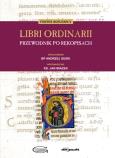
Katalog opracowany przez biskupa Andrzeja Suskiego wyszczególnia przedtrydenckie libri ordinarii i ich fragmenty w łącznej liczbie 858 rękopisów przechowywanych w archiwach i bibliotekach kościelnych lub państwowych oraz w zbiorach różnych instytucji, zwłaszcza uczelnianych (razem w ok. 260 miejscach). Poszczególne jednostki katalogu zawierają sumaryczny opis rękopisu z odnośną bibliografią. W licznych przypadkach precyzyjnie podano zawartość treściową manuskryptu. Pozwala to na uzyskanie podstawowych danych, które mogą być poziomem wyjściowym do dalszych badań i opracowań. Na bibliografię przedmiotową, oprócz ogólnej, składa się ok. 800 pozycji. Wielce użyteczne są też dwa indeksy: chronologiczny (od XI do XVI wieku) oraz topograficzny, wskazujący miejsca pochodzenia kodeksów z 16 krajów europejskich. W odróżnieniu od wykazów cząstkowych, sporządzanych według przynależności tych ksiąg do określonych kościołów, diecezji lub zakonów, niniejszy katalog jest wykazem znacznie poszerzonym, ułożonym według miejscowości przechowania rękopisów.
ks. prof. Jerzy Stefański
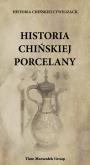
Już teraz czytelnicy są pod głębokim wrażeniem ogromu i bogactwa chińskiej porcelany i związanej z nią kultury. Podczas gdy ceramika odzwierciedla zbiorową mądrość całego świata, porcelana jest raczej wyłącznym skarbem Chińczyków.
Ten produkt jest zapowiedzią. Realizacja Twojego zamówienia ulegnie przez to wydłużeniu do czasu premiery tej pozycji. Czy chcesz dodać ten produkt do koszyka?