Filozofia oświecenia prezentuje najistotniejsze idee tamtej epoki oraz najważniejszych filozofów, z uwzglednieniem ich znaczących dzieł oraz biografii. Nakreślona przez autora panorama epoki pokazuje, iż tak żywo dzisiaj dyskutowana oświeceniowa filozofia nie tylko wpisuje się w odmienne ramy chronologiczne, ale także zawiera istotne różniące się treści i formy wyrazu.
Podział według kryterium kraju (Anglia i Szkocja, Francja, Niemcy, Włochy i Polska) podyktowany jest zarówno tymi różnicami, jak i wzgledami dydaktycznymi. Opracowanie oparte zostało głównie na literaturze źródłowej, w tym na pozycjach w Polsce mało znanych, ale ważnych dla kultury filozoficznej danego kraju.
Książka stanowi przybliżenie polskiemu czytelnikowi koncepcji estetycznej wybitnego neokantysty H. Cohena, pozwala także na nowo zobaczyć jego wkład w filozofię kultury. Koncepcji Cohena należy przypisać sformułowanie podstaw neokantowskiego modelu filozofii kultury, modelu podjętego w myśli Natorpa i Cassirera. Cohen rozwijał współczesną ideę symultaniczności sfer kultury, jednak dzięki transcendentalnym podstawom nie popadł on przy tym w relatywizm. W odróżnieniu od Kanta oprócz rozumu teoretycznego i praktycznego wyodrębnił trzeci typ spontaniczności świadomości złączony ze sferą sztuki i estetyki. Opierając estetyczną świadomość na czystym odczuwaniu, wyszedł poza wąskie pojęcie świadomości w sensie formalno-logicznego racjonalizmu, w jego koncepcji uczucie określiło sobą niezależny kierunek świadomości, sferze emotywnej przypisana została swoista „logika”. Cohenowska estetyka pomyślana została obok nauki i etyki jako trzecia część filozofii systematycznej, analiza jej podstawowych założeń, związków z systemem i koncepcji sztuki jest głównym przedmiotem książki.
W monografii autorka rozważa ideę przestrzenno-metaforycznego zaułka, gdyż jego figuratywna wartość nadzwyczaj dobrze wpisuje się w szereg znaczących konceptów czy raczej quasi-konceptów, które wydają się błądzić w gąszczu problemów i tematów, wymykając się przy tym trudom przedstawieniowym i zachowując pożądaną płynność pojęciową. Szereg ów tworzą takie oryginalne pomysły, jak wnienachodimost’, niewspółobecność Michaiła Bachtina, herezja Jana Patočki, sobość i inność Emmanuela Lévinasa, différance Jacques’a Derridy bądź motylkowatość pisania Rolanda Barthesa, by poprzestać na tych kilku przykładach. Ich pełna eksplikacja nie jest możliwa, co tłumaczy, przynajmniej do pewnego stopnia, decyzję, aby powiązać dyskursywny zaułek z epitetem ‘mistyczny’, którego nieadekwatność wyraża kursywa (zachowana w oryginalnym tekście). Tym, co łączy wspomniane koncepty z doświadczeniem mistycznym, jest idea niewyrażalnego: wspólna im wszystkim idea ta stanowi wyzwanie, przed którym stają wszystkie idiomy, badane w niniejszej książce, jako że niestrudzenie usiłują konstruować swoje osobliwie ‘niemożliwe’ słowniki. Kursywa (zachowana w oryginalnym tekście), która tym razem towarzyszy słowu ‘niemożliwy’, jest wynikiem energii niesionej przez tę kontradykcję: pod groźbą samowymazania (filozoficzna zasada ‘Aufhebung’ przeradza się w strategię pisania ‘sus rupture’) słowniki te są jednak z werwą tworzone, czego dowodzą wszystkie teksty w monografii tej analizowane.
Sztuka wędrowania
„Chodzenie, w wersji idealnej, jest stanem, w którym umysł, ciało i świat spotykają się z sobą, jak gdyby były trzema prowadzącymi rozmowę postaciami, trzema dźwiękami niespodziewanie łączącymi się w akord” - pisała Rebecca Solnit w Zewie włóczęgi.
Spacery i mikropodróże pozwalają nam nie tylko oderwać się od codzienności, odpocząć i spojrzeć na problemy z innej perspektywy, ale także nauczyć się uważności, przyjrzeć się samemu sobie i duchowo zjednoczyć z takimi wędrowcami jak np. Henry David Thoreau czy Virginia Woolf.
Odpowiadają:
Jakub Kornhauser, Lechosław Herz, Filip Springer, Małgorzata Halber, Piotr Paziński, Andrzej Muszyński, Olga Drenda i Michał Zygmunt
Ponadto w numerze:
„Wolny Tybet”
Solidarna turystyka zamiast neokolonialnego wyzysku i banalnej rekreacji
Smutek i nadzieja Leszka Kołakowskiego
Fragment biografii i nieznany tekst w 10. rocznicę śmierci
Magdalena Tulli
„Walka o byt jest bardzo ekologiczna i nie wyraża się w niej miłosierdzie”
Ginące, odradzające się
Czy pogłoski o śmierci rzemiosła i znikaniu tradycyjnych zawodów są prawdziwe?
Gdy włada nami ślepa wola, której można wymknąć się jedynie przez autoredukcję osobowego istnienia – możliwy jest jeszcze postęp? Jakikolwiek postęp: technologiczny albo moralny. Tylko głupiec i człowiek bez serca lekceważyłby dobrodziejstwa postępu. Insulina, ibuprom, pływalnie, ciepłe śniadania, telefony komórkowe, samoloty – podobnych udogodnień ta nasza przyszła Atlantyda zna przecież tysiące. Czego chcieć więcej? Postęp musi być zatem bezgraniczny – gdyby go nie było, świat straciłby sens, a ludzie nadzieję. Oczywiście, na drodze ku lepszemu jutru mogą pojawić się przeszkody – „ciałami ludzi podpalony wiek” – ale samego procesu nie da się już wyhamować. A jednak w świecie Schopenhauera postęp nie jest możliwy. Ideologowie postępu – jego adoratorzy i inżynierowie – są na sam koniec – wcale nie wiedząc o tym – posłańcami nierozumnego, podjednostkowego chcenia. Owszem, postęp potrafi wstrząsnąć właściwie każdym.
Wolny namysł nad światem przegrywa z jego pragmatyczną, utylitarną organizacją. Nowe technologie powoli stają się naszą drugą naturą, naszą „sztuczną inteligencją”. Ulegamy im, zmieniając się nieodwracalnie, bez żadnego kierunku i sensu. Pisał o tym dwieście lat temu zawodowy pesymista niemiecki, jednocześnie największy wizjoner w dziejach filozofii – Artur Schopenhauer. W bieżącym numerze „Kronosa” przypominamy wykłady, jakie wygłaszał o filozofii Schopenhauera – konfrontując ją z myślą Nietzschego – Georg Simmel. Staramy się także uchwycić moment raptownego przyspieszenia, które stało się udziałem cywilizacji współczesnej. Prawdopodobnie wydarzyło się ono w chwili, gdy człowiek po czterech tysiącach lat przesiadł się z konia na pociąg. Piszą o tym w poruszających rozdziałach Wolfgang Schivelbusch i Reinhard Koselleck. Również od nich dowiedziałem się tego, czego wolałbym nie wiedzieć.
Książka ta jest poświęcona analizie filozofii politycznej Johna Deweya osadzonej w kontekście kryzysu liberalizmu po pierwszej wojnie światowej. Jedną z dróg wyjścia z impasu, w jakim znalazła się myśl liberalna, był radykalny liberalizm reprezentowany przez takich intelektualistów, jak John Dewey, Bertrand Russell, Karl Polanyi i Karl Mannheim. Wymienieni myśliciele upatrywali szans na odrodzenie liberalizmu w odrzuceniu koncepcji wolnorynkowych i dialogu z myślą socjalistyczną. W pracy przedstawiono zręby ideologii radykalnego liberalizmu oraz stosunek lewicowych liberałów do innych ideologii, w szczególności zaś do liberalizmu ekonomicznego i rewolucyjnego marksizmu. Osobny rozdział pracy poświęcony jest refleksji Johna Deweya na temat demokracji, która należy do najoryginalniejszych osiągnięć amerykańskiego filozofa. Przedstawiona interpretacja uwypukla związki myśli Johna Deweya z radykalizmem Nowej Lewicy oraz twórczością takich teoretyków, jak C. W. Mills Axell Honneth czy James Bohman. Drugim ważnym obszarem podejmowanych w pracy rozważań jest rekonstrukcja Deweyowskiej koncepcji myślenia jako rozwiązywania problemów. Pragmatyzm utrzymuje, że możliwe jest znalezienie mniej lub bardziej obiektywnych odpowiedzi na pytanie, co należy robić w danej problematycznej sytuacji. „Pragmatyczne oświecenie”, by posłużyć się terminem Hilarego Putnama, wyrzeka się oświeceniowego uniwersalizmu, ale nie rezygnuje całkowicie z roszczeń do obiektywności w dziedzinie rozstrzygnięć moralnych i politycznych.
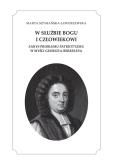
Bóg i człowiek oraz relacja zachodząca między nimi to główne pola zainteresowań brytyjskiego myśliciela oświeceniowego George’a Berkeleya (1685-1753). Niniejsza monografia podejmuje próbę analizy rozważań filozofa w tym względzie w perspektywie problemów rozpatrywanych na gruncie filozofii moralnej i społecznej. W ten sposób sięga ona poza obszar znanych polskiemu czytelnikowi analiz metafizyczno-epistemologicznych autora Traktatu o zasadach poznania ludzkiego (1710). Rekonstrukcja i analiza myśli moralnej i społecznej Berkeleya uwzględnia trzy okresy jego pisarstwa, tj. brytyjski, amerykański i irlandzki, i jest dokonywana przez pryzmat zjawiska patriotyzmu brytyjskiego i irlandzkiego w XVIII wieku.
Nazajutrz po śmierci swej matki, 25 października 1977 roku, Roland Barthes rozpoczyna swój "Dziennik żałobny". Używa atramentu, czasami ołówka, robiąc zapiski na fiszkach, które sam przygotowuje z kartek zwykłego papieru, pociętych na cztery części, a ich zapas zawsze trzyma w miejscu pracy.
W trakcie redakcji Dziennika przygotowuje jednocześnie swój kurs w College de France na temat "Neutralności" (luty?czerwiec 1978), pisze tekst na konferencję zatytułowaną "Przez długi czas kładłem się spać wcześnie" (grudzień 1978), publikuje liczne artykuły w wielu dziennikach oraz czasopismach, między kwietniem a czerwcem 1979 roku redaguje "Światło obrazu" ("La Chambre Claire"), latem tego samego roku pisze kilka felietonów do swojego projektu Vita Nova, w końcu opracowuje dwuczęściowy kurs w College de France na temat "Przygotowania do powieści" (grudzień 1978 ? luty 1980). U podstaw wszystkich tych dzieł, napisanych wyraźnie pod znakiem śmierci matki, znajdują się fiszki z "Dziennika żałobnego".
Notatki robione są głównie w Paryżu i Urt, w pobliżu Bayonne, gdzie Roland Barthes przebywał czasami w towarzystwie swego brata Michela i jego żony Rachel. Kilka odbytych podróży do Maroka, gdzie był regularnie zapraszany na wykłady, ale i gdzie lubił po prostu jeździć, także nadaje rytm owemu okresowi.
Przechowywany w IMEC "Dziennik żałobny" jest tutaj, fiszka po fiszce, przedstawiony w całej swej integralności; fiszki ułożyliśmy chronologicznie, ponieważ wdarł się w nie pewien nieład [désordre s’y était glissé]; format fiszki implikuje zawsze zwięzłą redakcję, jednakże kilka z nich zostało zapisanych obustronnie (recto verso) i czasami tekst jest kontynuowany na odwrotnych stronach fiszek; inicjały użyte przez autora wskazują bliskich, zostały więc zachowane; nawiasy pochodzą od samego Barthesa; kilka notatek u dołu strony rozjaśnia kontekst lub precyzuje aluzje. Henriette Binger przychodzi na świat w 1893 roku. W wieku dwudziestu lat wychodzi za mąż za Louisa Barthesa; w wieku dwudziestu dwóch lat zostaje młodą matką, a rok później ? wdową wojenną. Umiera w wieku osiemdziesięciu czterech lat.
W publikacji poruszane jest zagadnienie współczesnych logik modalnych. Z jednej strony, publikowane teksty ukazują różnorodność tematyki filozoficznej podejmowanej w obrębie logiki modalnej, z drugiej strony, wyraźnie wskazują, że istnieje jedna wspólna baza dla różnych konstrukcji formalnych. Marcin Tkaczyk w swoim tekście zajmuje się zagadnieniem oczekiwań filozoficznych, jakie można wiązać ze zdaniowymi logikami modalnymi. Autor próbuje odpowiedzieć na pytanie, co propozycjonalne logiki modalne mówią na temat pojęć modalnych. Złożoność pojęć konieczności, możliwości oraz podobnych odsłania tekst Marka Lechniaka, w którym dyskutowana jest kwestia sposobu rozróżniania pojęć modalnych. Autor w szczególności skupia się na pewnej próbie klasyfikacji modalności, którą zaproponował J. Perzanowski. W drugim z tekstów Marek Lechniak przedstawia podstawowe systemy logik epistemicznych, posługujących się pojęciami wiedzy i przekonań, dyskutuje założenia filozoficzne prezentowanych systemów. Autor analizuje również systemy logiki wiedzy wspólnej oraz zagadnienia związane z różnymi formami dynamiki wiedzy i przekonań. Tekst Anny Kozaneckiej-Dymek skupia się na wskazaniu związków, jakie zachodzą pomiędzy logikami tensalnymi (temporalnymi) a normalnymi logikami modalnymi. Autorka prezentuje genezę tych logik oraz dokładnie charakteryzuje różne rachunki formalne. W tekście poruszane jest również zagadnienie możliwości zastosowań pewnych logik tensalnych, w szczególności do analizy języka nauk przyrodniczych oraz nauk prawnych.
Książka w nowej perspektywie stawia zagadnienie płci społeczno-kulturowej, tym razem w obszarze jej przekraczania czy nierealizowania zgodnie z normatywnymi zasadami. Jej najistotniejszą część stanowią przytoczone w całości wywiady z osobami, które dzielą się praktykami subwersji i oporu wobec genderu.
Z kolei przyjęta metodologia queer, często autorefleksyjna i autokrytyczna, uzupełniona osobistymi doświadczeniami, prowadzi do refleksji na temat możliwości i zakresu naginania „naukowości” tekstu.
Oba zjawiska, gender-bending i academia-bending, traktowane jako wyraz niesubordynacji wobec zastanej struktury - systemu przymusu i niesprawiedliwości - niosą potencjał wyzwolenia.Mo Klosow - badała gender-bending, wciąż go uprawia.
Pisała doktorat, zamiast go bronić wydaje książkę. Mieszka w Berlinie i Warszawie. Wyczekuje upadku patriarchatu i kapitalizmu.
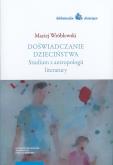
PODZIĘKOWANIA / 9
WSTĘP / 11
ROZDZIAŁ I. KONSTRUOWANIE DZIECIŃSTWA / 29
O antropologii i o dzieciństwie / 29
Symulowanie dzieciństwa / 57
Świadectwa dzieciństwa / 72
Maskowanie dzieciństwa / 87
ROZDZIAŁ II. CIAŁO DZIECIŃSTWA / 117
Ciało dzieciństwa w sieciach relacji / 117
Ciało dzieciństwa w oku kamery / 134
Ciało dzieciństwa na wojnie. W stronę fikcji / 150
Ciało dzieciństwa na wojnie. W stronę dokumentu / 184
Ciało dzieciństwa w perspektywie „realizmu bezpośredniego” / 199
ROZDZIAŁ III. LITERACKIE TEMATY CIELESNE
W PERSPEKTYWIE BIOPOLITYKI / 207
Biopolityka oraz literatura dla dzieci i młodzieży / 207
Między treningiem a zabawą / 231
Między wykluczeniem a akceptacją niepełnosprawnego ciała / 254
Społeczna produkcja obrazów odmienności / 283
ZAKOŃCZENIE / 293
SUMMARY / 299
NOTA BIBLIOGRAFICZNA / 303
SPIS RYCIN / 305
BIBLIOGRAFIA / 307
INDEKS OSOBOWY / 323
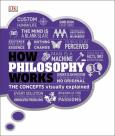
Demystifying the key ideas of the world's greatest philosophers, and exploring all of the most important branches of thought including philosophy of science, philosophy of religion and feminist philosophy in a uniquely visual way, this book is the perfect introduction to the history of philosophy.
A clear and accessible guide to philosophy, How Philosophy Works combines bold infographics and jargon-free text to demystify fundamental concepts. Covering everything from ethics to epistemology and phenomenology, the book presents the ideas and theories of key philosophical traditions and philosophers - from Plato and Socrates to Nietzsche and Wittgenstein via Kant - in a novel, easy-to-understand way.
Its infographics will help you to understand the elements of philosophy on a conceptual level and, by tackling life's ""big questions"", it will help you to look at the world in an entirely new way.
With its unique graphic approach and clear, authoritative text, How Philosophy Works is the perfect introduction to philosophy, and the ideal companion to DK's The Philosophy Book in the ""Big Ideas"" series.
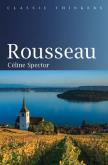
Jean-Jacques Rousseau is one of the most controversial philosophers of the eighteenth century, and his groundbreaking work still provokes heated debate in contemporary political theory.
In this book, Céline Spector, one of the world’s foremost experts on Rousseau’s thought, provides an accessible introduction to his moral, social and political theory. She explores the themes and central concepts of his thought, ranging from the state of nature, the social contract and the general will to natural and political freedom, religion and education. She combines a skilful exposition of Rousseau as a ‘man of paradoxes’ with a discussion of his often-overlooked ideas on knowledge, political economy and international relations.
The book traces both the overall unity and the significant changes in Rousseau’s philosophy, accounting for its complexity and for the importance of its legacy. It will be essential reading for scholars, students and general readers interested in the Enlightenment and more broadly in the history of modern political thought and philosophy.
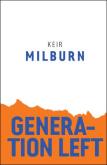
Increasingly age appears to be the key dividing line in contemporary politics. Young people across the globe are embracing left-wing ideas and supporting figures such as Corbyn and Sanders. Where has this ‘Generation Left’ come from? How can it change the world?
This compelling book by Keir Milburn traces the story of Generation Left. Emerging in the aftermath of the 2008 financial crash, it has now entered the electoral arena and found itself vying for dominance with ageing right-leaning voters and a ‘Third Way’ political elite unable to accept the new realities.
By offering a new concept of political generations, Milburn unveils the ideas, attitudes and direction of Generation Left and explains how the age gap can be bridged by reinventing youth and adulthood. This book is essential reading for anyone, young or old, who is interested in addressing the multiple crises of our time.
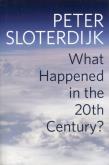
When we look back from the vantage point of the 21st century and ask ourselves what the previous century was all about, what do we see? Our first inclination is to focus on historical events: the 20th century was the age of two devastating world wars, of totalitarian regimes and terrible atrocities like the Holocaust – ‚the age of extremes‘, to use Hobsbawm’s famous phrase. But in this new book, the philosopher Peter Sloterdijk argues that we will never understand the 20th century if we focus on events and ideologies. Rather, in his view, the predominant motif of the 20th century is what Badiou called a passion for the real, which manifests itself as the will to actualize the truth directly in the here and now.
Drawing on his Spheres trilogy, Sloterdijk interprets the actualization of the real in the 20th century as a passion for economic and technological ‚antigravitation‘. The rise of consumerism and the easing of the burdens of human life by the constant deployment of new technologies have killed off the kind of radicalism that was rooted in the belief that power would rise from a material base of production. If the 20th century can still inspire us today, it is because the fundamental shift that it brought about opened the way for a critique of extremist reason, a post-Marxist theory of enrichment and a general economy of energy resources based on excess and dissipation.
While developing his highly original interpretation of the 20th century, Sloterdijk also addresses a series of related topics including the meaning of the Anthropocene, the domestication of humans and the significance of the sea. The volume also includes major new pieces on Derrida and on Heidegger’s politics. This work by one of the most original thinkers today will appeal to students and scholars across the humanities and social sciences, as well as anyone interested in philosophy and critical theory today.
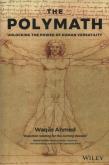
Every human is born with multifarious potential. Why, then, do parents, schools and employers insist that we restrict our many talents and interests; that we 'specialise' in just one?
We've been sold a myth, that to 'specialise' is the only way to pursue truth, identity, or even a livelihood. Yet specialisation is nothing but an outdated system that fosters ignorance, exploitation and disillusionment and thwarts creativity, opportunity and progress.
Following a series of exchanges with the world’s greatest historians, futurists, philosophers and scientists, Waqas Ahmed has weaved together a narrative of history and a vision for the future that seeks to disrupt this prevailing system of unwarranted ‘hyper-specialisation.’
In The Polymath, Waqas shows us that there is another way of thinking and being. Through an approach that is both philosophical and practical, he sets out a cognitive journey towards reclaiming your innate polymathic state. Going further, he proposes nothing less than a cultural revolution in our education and professional structures, whereby everyone is encouraged to express themselves in multiple ways and fulfil their many-sided potential.
Not only does this enhance individual fulfilment, but in doing so, facilitates a conscious and creative society that is both highly motivated and well equipped to address the complexity of 21st century challenges.
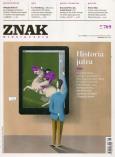
Opowiadanie przeszłości
4 czerwca obchodzimy 30-lecie wyborów parlamentarnych zakończonych spektakularnym zwycięstwem solidarnościowej opozycji. To kres PRL-u i symboliczny początek nowego państwa - III Rzeczypospolitej Polskiej. Świętowanie w tym właśnie dniu - podobnie jak niegdyś wybór 11 listopada 1918 r. jako momentu odzyskania niepodległości - jest konsekwencją decyzji z zakresu polityki historycznej, określającej nasze myślenie o przeszłości i wartości, którymi kierujemy się w bieżącym życiu publicznym. Dlatego chcemy z tej okazji przyjrzeć się nie tylko ostatnim trzem dekadom, ale także temu, jak w szerszej perspektywie czasowej zmieniało się nasze postrzeganie polskich dziejów.
Co zapamiętamy z 30 lat III RP? Jak możemy mądrzej uczyć historii? Dlaczego żołnierze wyklęci stali się tak popularni? Czy nowe technologie są zagrożeniem dla naszej pamięci historycznej? Jakie są relacje między pamięcią, historią i prawdą?
W Temacie Miesiąca:
Co widzą Polacy, patrząc w przeszłość? Spór o pamięć, fakty i fikcję w czasach Internetu.
Odpowiadają m.in.: Norman Davies, Antoni Dudek, Agnieszka Holland i Timothy Snyder.
Ponadto w numerze:
Odległa bliskość
Jak wyglądało sąsiedztwo Polaków i Żydów przed wojną? Co polska wieś zapamiętała z Zagłady?
Leo Steinberg
Odkrywca seksualności Chrystusa w dawnej sztuce pokazuje, jak czytać awangardowe malarstwo
Krzysztof Siwczyk „Lekcje litanii”
„Nie pamiętasz już siebie innego niż tylko ogranego przez troskę o innych”
Wybór Miry
O losie, twórczości oraz złożonej tożsamości Miry Michałowskiej, autorki „Wojny domowej”
Opracowanie dotyczące filozofii przyrody.
Podręcznik dla studentów filozofii oraz interesujący przewodnik po zagadnieniach współczesnej filozofii przyrody dla wszystkich zainteresowanych zgłębianiem tajemnic Natury.
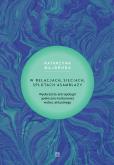
Autorka skupia swoją uwagę na kształtujących współcześnie wyobraźnię antropologiczną nurtach, takich jak: posthumanizm, ontologia relacyjna, teoria aktora-sieci czy antropologia krajobrazu. Warto dodać, że liczba opracowań sposobów przenikania tych nurtów do praktyki badań antropologicznych jest niewielka w skali światowej, w skali krajowej jest dramatycznie mała. Z tego powodu publikacja ma szansę przyczynić się do zwiększenia samorefleksyjności wśród praktyków, ale też uruchomić debatę nad stanem teorii w badaniach antropologicznych w ogóle, ponieważ zarówno krytycznie opracowane w pracy nurty, jak i tezy ogólne ich dotyczące prowokują do dyskusji, rozwijają kontrowersyjne wątki, wobec których czytelnicy nie pozostaną obojętni (do takich wątków należy m.in. sama koncepcja „laboratorium antropologicznego”, problem „defamiliaryzacji” jako fundamentu poznania w antropologii).
Beda Czcigodny nie doczekał się wśród Polaków czci i zainteresowania, na które zasłużył. A przecie ten ostatni Ojciec Kościoła zachodniego, prawdziwy polihistor, w swych licznych pismach zachował nam osiągnięcia starożytnej nauki w wielu dziedzinach (...).Dlatego szczególna wdzieczność należy się Katedrze Literatury Łacińskiej Antyku Chrześcijańskiego i Czasów Nowożytnych Instytutu Filologii Klasycznej KUL, że z jej inicjatywy ukazuje się tłumaczenie trzech dzieł Bedy: De natura rerum, De temporibus i De temporum ratione . Są one owocem ogromnej erudycji świeckiej Bedy i spotkają sie z zainteresowaniem naukowców wielu dziedzin jak i ogólnej rzeszy czytelniczej. Ks. Janusz A. IhnatowiczUniversity of Saint Thomas. HoustonTexas, USA
Ten produkt jest zapowiedzią. Realizacja Twojego zamówienia ulegnie przez to wydłużeniu do czasu premiery tej pozycji. Czy chcesz dodać ten produkt do koszyka?