Jeszcze do niedawna najbogatsze rejony globu były zamieszkiwane przez 12% ludności świata. Ten sam odsetek światowej populacji miał dostęp do zasobów i dóbr. Kultury Zachodu zajmowały większość stanowisk w międzynarodowych organizacjach, wpływając tym samym na porządek świata. Profesor Kishore Mabubani dowodzi, że ten stan rzeczy należy już do przeszłości i opisuje zmiany, które wraz z postępującą globalizacją zaszły we współczesnym świecie. Wielka konwergencja, czyli upodabnianie się, zwiększanie spójności i rosnąca zbieżność dotyczą coraz większej liczby aspektów życia: od wysokości zarobków, przez poziom życia i aspiracji, po bezpieczeństwo narodowe. Nigdy w historii ludzkość nie była też tak wzajemnie powiązana i tak współzależna. Zdaniem autora u podstaw rozchodzącej się na kolejne dziedziny życia wielkiej konwergencji leży coraz bardziej powszechne uznanie dla pięciu norm: uznania nowoczesnej nauki, logicznego rozumowania, gospodarki wolnorynkowej, przeobrażenia umowy społecznej oraz wielostronności. "Przed epoką współczesnej globalizacji, gdy ludzie żyli osobno w ponad stu oddzielnych krajach, ludzkość przypominała flotyllę składającą się z ponad stu odrębnych łodzi. Światu potrzebny był wówczas zestaw reguł zapewniających, że łodzie te nie będą zderzały się ze sobą, a także ułatwiających im współpracę na pełnym morzu, jeśli się na nią zdecydują. Coś takiego stawiał sobie za cel oparty na regułach porządek z 1945 r., który – mimo kilku oczywistych wpadek – przez ponad pięćdziesiąt lat zapewniał stosunkowo stabilne warunki w skali globalnej. Do dziś okoliczności globalne zmieniły się jednak drastycznie. 7 miliardów ludzi zamieszkujących naszą planetę nie żyje już na ponad stu osobnych łodziach, czy raczej statkach. Ludność Ziemi zajmuje natomiast 193 oddzielne kabiny tego samego statku. Jestem przekonany, że tę ogromną zmianę, jakiej doświadczamy, wyjaśnia koncepcja wielkiej konwergencji. Od początku historii ludzkości żyliśmy w różnych społecznościach i plemionach, w różnych kulturach i cywilizacjach. Dziś potężne siły wyzwolone przez globalizację tworzą nową cywilizację globalną." Z tekstu
Bestsellerowe i nagradzane eseje, a właściwie pamiętnik. Emilie Pine otwarcie mówi o sprawach, o których kobiety rzekomo powinny milczeć. Świadomie i bezkompromisowo narusza tabu. Rzuca wyzwanie przesądom o kobiecości, a jej bronią jest bezwarunkowa i rozbrajająca szczerość, z jaką opowiada o swoim życiu: o alkoholizmie ojca, dojrzewaniu, gwałcie, fizyczności, pragnieniu posiadania dzieci i bezpłodności, przemocy wobec kobiet i przemocy wobec siebie. To jest intymna historia Emilie Pine. I to jest historia wszystkich kobiet.
Odważne, hipnotyzujące […], „The Guardian”
Czytać te eseje, to znaczy lepiej zrozumieć ludzką naturę, na powrót odnaleźć swoje miejsce w świecie i odzyskać własne doświadczenie, prawdziwe i ważne, „The Sunday Independent”
Dojmujące, bezkompromisowe, absolutnie genialne […], „The Financial Times”
eśli droga, którą przeszedłeś, wiodła przez wiele piekieł i pokonałeś ją bardziej samotny, niż życzyłbyś największemu wrogowi, jeśli byłeś jak wilk, który odgryzł sobie nogę, by uciec, jeśli wybrukowałeś swoją drogę klęskami i czołgałeś się na kolanach… to jest to twoja książka, pełna ludzi takich jak ty. Witaj w domu". – Rebecca Solnit, autorka „Nadziei w mroku"
Misfit to ktoś niedopasowany, niepasujący nigdzie, nieprzystosowany. Dziwak, odmieniec, ekscentryk… Osoba, która słabo adaptuje się w nowych sytuacjach i środowiskach. To wstydliwe określenia, którymi nikt z własnej woli by się nie opisał. Do teraz.
Lidia Yuknavitch jest dumną NIEDOPASOWANĄ. Nie zawsze tak było. Dużo czasu jej zajęło, by nie tylko zaakceptować, ale też docenić status niedopasowanej. Dwa razy wyleciała ze studiów (a może był i trzeci raz, o którym ci nie powie), przeszła dwa burzliwe rozwody, była raz na odwyku i dwa razy w więzieniu. Czuła, że nigdy nie dostosuje się do społeczeństwa. Była beznadziejnym przypadkiem. Zawiodła jako córka, żona, matka, naukowiec – a jedno marzenie, to o byciu pisarką, utknęło w niej na zawsze. Ta książka to manifest, który stanowi mocny argument za niedopasowaniem, prowadzący do uznania piękna i trudności w wykuwaniu własnej, oryginalnej ścieżki.
Lidia Yuknavitch, jedna z najbardziej znanych mówczyń TED, odważna i oryginalna pisarka, przekonuje, że cechy, które cię definiują jako odmieńca, nie muszą być złe: są tym, czym są – są tobą, sprawiają, że jesteś wyjątkowy. Uczucie niedostatecznego dopasowania jest uniwersalne, a ta książka jest dla niedopasowanych na całym świecie – buntowników, ekscentryków, dziwaków oraz dla każdego, kto czuje, że „coś z nim jest nie tak”, że jest niedostateczny, że nie nadąża. To list miłosny Lidii do wszystkich, którzy nigdy nie potrafią znaleźć „właściwej” drogi. Nie powie Ci, jak przestać być dziwakiem – wręcz przeciwnie. W swój uroczy, poetycki i szczery sposób Lidia pokazuje, dlaczego bycie dziwakiem nie jest czymś do przezwyciężenia, tylko do docenienia. Lidia zachęca do nabrania odwagi w dążeniu do celów i pokazuje, jak prosić o rzeczy, których się pragnie. Odmieńcy też mają swoje miejsce w świecie, nawet jeżeli droga do niego jest bardziej wyboista i kręta. To ważny przekaz, który wykracza poza wszystkie kultury i kraje.
Ta książka to krok w odważną i współczującą społeczność – miejsce, gdzie każdy może się odnaleźć. Lidia Yuknavitch jest bestsellerową autorką powieści, m.in. The Book of Joan, The Small Backs of Children, Dora: A Headcase i wspomnień The Chronology of Water. Jej uznane wystąpienie TED Talk „The Beauty of Being a Misfit” ma ponad 2 miliony wyświetleń. Yuknavitch jest dwukrotną laureatką Oregon Book Awards oraz Willamette Writers Award. Została finalistką Brooklyn Library Literary Prize w 2017 r. oraz Pen Center Creative Nonfiction Award w 2012 r. Pisze, naucza i mieszka w Portland w Oregonie.
Jak sztuczna inteligencja zmienia nasze życie
Kto już wkrótce zastąpi nas w biurze i fabryce? Czy algorytm może mieć emocje? Czy roboty mają świadomość? Kto steruje dzisiejszą polityką z tylnego fotela? Czy zbliżamy się do momentu, w którym będziemy musieli oddać koronę władców Ziemi?
Sztuczna Inteligencja staje się rzeczywistością.
Przyjmujemy wobec niej skrajne stanowiska: od wielkiego technooptymizmu z Doliny Krzemowej do ogromnego lęku, który inspiruje snujących scenariusze rodem z Matrixa i Terminatora. Jak działa? Po co ją stworzono? Jak zmienia nasze życie?
Aleksandra Przegalińska, najbardziej znana w świecie nowych technologii Polka prowadząca badania na MIT, tworzy pasjonującą biografię Sztucznej Inteligencji. Przytacza sylwetki jej twórców i anegdoty związane z jej początkami, które sięgają drugiej wojny światowej. Wyjaśnia zawiłości technologiczne i odpowiada na trudne etyczne pytania. I odważnie podejmuje dyskusję ze specjalistami i teoretykami przyszłości takimi jak Yuval Harari.
Aleksandra Przegalińska – doktoryzowała się w dziedzinie filozofii sztucznej inteligencji w Zakładzie Filozofii Kultury Instytutu Filozofii UW, obecnie jest adiunktem w Katedrze Management in Digital and Networked Societies w Akademii Leona Koźminskiego. Do niedawna prowadziła badania w Massachusetts Institute of Technology w Bostonie. Interesuje się rozwojem nowych technologii, przetwarzaniem języka naturalnego, postępami w zakresie humanoidalnej sztucznej inteligencji, robotów społecznych i technologii ubieralnych.
Paweł Oksanowicz – autor książek, dziennikarz radiowy i telewizyjny. Ma ponaddwudziestoletnie doświadczenie pracy w mediach. Zajmuje się etyką biznesu, jego relacjami ze społeczeństwem, innowacjami i ludzką stroną technologii.
Józef Erwin Onoszko – żywa legenda polskiej psychotroniki. Już od 1986 roku działał zawodowo jako jedyny w Polsce instruktor psychotroniki. W latach 1986–1990 tworzył w Łodzi Psychotroniczne Szkółki Doskonalenia Umysłu i prowadził je w domach kultury, szkołach podstawowych i liceach ogólnokształcących tego miasta. Od 1988 roku prezes Stowarzyszenia Rozwoju Wyższej Świadomości. W 1990 roku utworzył pierwsze w Polsce i w Europie sformalizowane 4-letnie Studium Psychotroniki działające do dzisiaj. Współorganizował i brał udział w I Polskim Kongresie Psychotroniki w 1991 roku. Autor między innymi takich publikacji, jak: „Twoje mieszkanie a twój charakter”, „Astronumerologia”, cykl „Niezwykłe jest zwykłe” itd. Opracował własne zagadnienia, takie jak: uniwersalne prawa natury, symbolika praktyczna, symbolika zdrowia oraz astronumerologia. W 2000 roku wraz z Leszkiem Weresem powołał do życia 4-letnią Akademię Astrologii Humanistycznej. Na co dzień prowadzi wykłady i doradza ludziom biznesu oraz kultury i sztuki.
Udo Ulfkotte (1960-2017) – niemiecki publicysta dziennikarz i pisarz polityczny. Studiował prawo i nauki polityczne. W 1987 roku doktoryzował się na uniwersytecie we Fryburgu. Należał do współpracowników Fundacji Konrada Adenauera. Wykładał w Federalnej Akademii Polityki Bezpieczeństwa, jako dziennikarz towarzyszył kanclerzom, prezydentom i ministrom w ich podróżach zagranicznych. Prowadził zajęcia z zakresu ekonomiki zarządzania na uniwersytecie w Lüneburgu, wykładał zarządzanie kryzysowe, szpiegostwo gospodarcze oraz etykę biznesu na Olivet University w San Francisco.
W 2003 roku został laureatem Nagrody Obywatelskiej przyznanej przez fundację im. Annette Barthelt z siedzibą w Kilonii. W latach 1986 – 2003 był redaktorem dziennika „Frankfurter Allgemeine Zeitung” w dziale polityki zagranicznej. Publikował m.in. w czasopismach „Capital”, „Cicero”, „Junge Freiheit” oraz w materiałach agencji informacyjnej ddp. Niektóre jego książki trafiły na listy beststellerów tygodnika „Der Spiegel”. W 2006 roku należał do założycieli organizacji Pax Europa (którą opuścił dwa lata później).
Szwajcarski dziennikarz, Beat Stauffer, nazwał Ulfkottego jednym z „najostrzejszych niemieckich krytyków islamizmu”, którego – „co muszą przyznać nawet zaprzysięgli wrogowie – niełatwo pokonać na płaszczyźnie faktów”. Książka Niemcy jako Mekka całkowicie potwierdza tę opinię. Jest ona szczegółowym i niezależnym opisem procesu podboju Europy przez islam. Udo Ulfkotte przełamuje poprawną politycznie zmowę medialną, konfrontując czytelników z przytłaczającym ogromem pesymistycznych faktów. Autor wylicza konkretne przykłady w jaki sposób niemieccy politycy i dziennikarze są z jednej strony szantażowani, z drugiej zaś opłacani, by swoimi doniesieniami przysłużyć się postępującej islamizacji.
Jak wynika z analizy Ulfkottego, islamizacja nie jest zjawiskiem przypadkowym, lecz efektem tajnego planu i stoją za nią potężne grupy wpływu.
Jak w boleśnie podzielonej wspólnocie przełamać paraliż wzajemnych uprzedzeń i niechęci? Dlaczego słabe centrum wzmacnia granice i buduje zasieki? Czym jest dzisiaj ""pogranicze"" i jakich pytań nie wolno tam zadawać?Wreszcie, co to znaczy ""zabić most"" i dlaczego ""biada temu, kto wyrusza i nie powraca""? Najobszerniejszy jak dotąd wybór twórczości eseistycznej Krzysztofa Czyżewskiego - praktyka idei, pisarza, tłumacza, redaktora, reżysera - umiejscawia Europę Środkową w samym środku najważniejszych dla współczesnego świata pytań i problemów: kryzysu wspólnotowości, pogłębiająjcych się podziałów i coraz ostrzejszych wojen kulturowych.Współtwórca Ośrodka "" Pogranicze"" zabiera czytelnika w podróż po europejskich peryferiach: do rumuńskiej Timisoary, kawiarni w siedmiogrodzkim Sybinie, do Czerniowiec - miasta na rubieżach dawnej monarchii habsburskiej, Wilna czy Krasnogrudy i Sejn, z którym związał swoje życie. Uwaga ciągnie go też w rejon europejskiego ""epicentrum burz"" - do Kosowa i Bośni, które opisuje tuż po tragicznym konflikcie na początku lat 90. ubiegłego wieku. W pełniejszym zrozumieniu historii tych miejsc, gdzie ""nikt nie może mieć racji i nikt nie może być jej pozbawiony"", pomagają mu Rebeca West, Edith Durhan, Ivo Andrić, Danilo Kiś, Maria Todorowa, Robert Kaplan, Drago Janćar czy Roger Cohen.Europa Środkowa jawi się tu jako etos i podstawa, która wykorzenieniu przeciwstawia przynależność, kompleksowi prowincjonalizmu - siłę prowincji, a ostro zarysowanym granicom - przestrzeń przenikania i współistnienia. W swoich eseistycznych peregrynacjach Czyżewski podąża po mapie wyznaczonej przez outsiderów, wygnańców i kontestatorów, niesfornych intelektualistów, dla których Europa pozostawała i pozostaje ciagle niezrealizowanym w pełni projektem: Vincenze, Rothem, Stempowskim, Ficowskim, Giedroyciem, Venclovą, a nade wszystko z Miłoszem.
Rewolucyjna książka autora bestsellerowej Inteligencji emocjonalnej.Daniel Goleman jest autorem światowego bestsellera Inteligencji emocjonalnej który zmienił nasze spojrzenie na rolę samoświadomości. W Inteligencji społecznej idzie jeszcze dalej: stawia tezę, że jesteśmy zaprogramowani na związki społeczne i że związki mają zaskakujaco głębokie znaczenie dla wszelkich aspektów naszego życia.Nasze reakcje na zachowania innych oraz ich reakcje na nasze zachowania wywierają przemożny wpływa na biologię naszego organizmu, inicjując złożone reakcje hormonalne, które regulują wszystko: od pracy serca po układ odpornościowy. A zatem dobre stosunki z innymi są jak witaminy, a złe jak trucizna.Jak więc żyć, by czerpać jak najwięcej witamin? Czy istnieje taki sposób wychowania dzieci, który zagwarantuje im szczęście? Na czym powinna się opierać trwałość małżeństwa? Jak szefowie i nauczyciele mogą wydobyć to, co najcenniejsze, od swoich pracowników i uczniów? Jak podzielone nienawiścią i przesądami grupy społeczne mogą żyć razem?Goleman odpowiada nam na te pytania radykalnie: natura dała nam skłonność do empatii i współpracy musimy jednak rozwijać w sobie inteligencję społeczną, aby pozytywnie rozwiązywać problemy współistnienia z innymi.
Światowa polityka. Wielkie skandale. Potężni influencerzy.Impulsywnie, bez doradców, nie zawsze na trzeźwo. Tak za pomocą twittera komunikują się dziś ze światem władcy atomowych imperiów, politycy i dziennikarze. Do poważnego międzynarodowego kryzysu może doprowadzić jeden wpis przy porannej kawie. A wszystko to w 280 znakach.Przywódca Korei Północnej Kim Dzong Un właśnie stwierdził, że guzik nuklearny jest cały czas na jego biurku. Czy ktoś z jego wyczerpanych i przymierających głodem współpracowników mógłby go poinformować, że ja też mam nuklearny guzik, tyle że dużo większy i o większej sile? I mój guzik działa!Donald TrumpZastanawiam się, jak wygląda specjalne miejsce w piekle dla tych, którzy optowali za brexitem, mimo że nie było choćby szkicu planu, jak go bezpiecznie przeprowadzić.Donald TuskUczyńmy naszą planetę znów wielką.Emmanuel MacronHelooo Ministerstwo Współpracy Gospodarczej i Rozwoju, ministrze Muller, rzeczniku rządu i Kanclerz Merkel. Cieszy mnie niezmiernie, że w Niemczech edukacja jest priorytetem. Czy zwiększycie finansowanie w ramach Globalnego Partnerstwa na rzecz Edukacji do 50 milionów euro rocznie? Proszę pomóżcie nam z tym, danke!RihannaMam przyjemność otworzyć w Muzeum Nauki wystawę Wiek Informacji. Mam nadzieję, że spodoba się odwiedzającym. Elżbieta R.królowa ElżbietaPojawienie się mediów społecznościowych to bez wątpienia największa rewolucja w wielowiekowej historii dyplomacji. Pasjonująca książka Łukasza Walewskiego doskonale uchwyciła fenomen przełomu, który dokonuje się na naszych oczach. To pozycja obowiązkowa nie tylko dla zainteresowanych polityką, stosunkami międzynarodowymi czy social media, ale dla wszystkich próbujących zrozumieć dzisiejszy świat.
Poza własnością to książka o polityce mieszkaniowej w Polsce. Badania Habitat for Humanity z 2015 roku pokazują, że kwestia mieszkaniowa to dla Polek i Polaków jeden z trzech najważniejszych problemów społecznych i bodaj największy mankament polskiej transformacji. Przez wiele lat temat mieszkalnictwa nie był traktowany przez rządzących jako istotny problem społeczny wymagający interwencji. Brakujących mieszkań miał dostarczyć wolny rynek. A mówiąc wprost – rozwiązaniem miało być kupno mieszkania na własność, w większości przypadków na wieloletni kredyt hipoteczny. Czy na pewno jest to jedyne rozwiązanie? Otóż nie. Joanna Erbel – socjolożka, działaczka miejska i ekspertka od spraw mieszkaniowych – na podstawie wielu dobrych i sprawdzonych przykładów z całego świata podsuwa nam na tacy gotową receptę. Alternatywą dla własności mieszkaniowej jest stabilny najem. Budowanie na wynajem każe stawiać sobie pytania, jak będzie wyglądać nasza przyszłość: jak projektować, żeby odpowiadać na zmiany klimatyczne? Jak budować dla starzejącego się społeczeństwa? Oraz ile powinno kosztować mieszkanie, żeby comiesięczne opłaty były do uniesienia przez ludzi zarabiających przeciętnie? Poza własnością to książka o wizji lepszej przyszłości dla mieszkalnictwa. Projektów łamiących schematy nie brakuje: Nowe Żerniki we Wrocławiu i mieszkania senioralne w Stargardzie Szczecińskim pokazują, że zarówno metropolie, jak i mniejsze miasta mogą być źródłem nowatorskich rozwiązań. W istocie bowiem rzecz nie dotyczy mieszkań, tylko tego, jak będziemy mieszkać w naszych miastach. I o tym właśnie jest książka Joanny Erbel – o konkretnym wymiarze przyszłości, nad którą możemy odzyskać wpływ – napisał o książce Edwin Bendyk z „POLITYKI”.
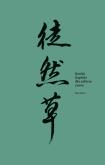
Klasyka japońskiej literatury konfesyjnej. Autor, żyjący na przełomie XIII i XIV wieku poeta, twórca wierszy z gatunku tanka, w młodym wieku wstąpił na służbę na cesarskim dworze, by po kilku latach zostać buddyjskim mnichem. Zamieszkał w odosobnieniu i do końca żył w samotności, zapisując swoje myśli, obserwacje, wspomnienia. Zawarł w nich całe bogactwo spostrzeżeń ? od opisu rozmaitych zwyczajów czy uprawianych w ówczesnej Japonii form artystycznych po ponadczasowe uwagi dotyczące ludzkiej natury, przyrody czy przemijania. Co ciekawe, jego zapiski cechuje nie tylko wielka uroda języka, ale też niemałe poczucie humoru. W lekturę zbioru wprowadza tekst tłumacza, Henryka Lipszyca.„Pozbawione owej melancholijnej urody byłoby nasze życie, gdybyśmy mieli nigdy nie zniknąć tak, jak znika rosa na równinie Adashino, albo nie ulecieć, jak ulatują dymy znad szczytu Toribeyamy, tylko trzymali się bez końca tego żywota. Cały czar życia w tym właśnie, że jest nietrwałe. Zaoszczędzilibyśmy sobie wiele kłopotu, gdybyśmy zeszli z tego świata najpóźniej przed czterdziestką. Gdy przekroczymy ten wiek, zapragniemy, niepomni swej szpetnej postaci, spotykać się z ludźmi, zechcemy u kresu naszych dni hołubić wnuczęta i prosić los o długie życie, aby upewnić się, jak się urządziły. Pogłębi się nasze przywiązanie do spraw doczesnych, aż w końcu ? najżałośniejsze, co może się stać ? utracimy stopniowo zdolność odczuwania urody świata”.
"Satanizm coraz częściej żąda poszanowania dla siebie takich samych praw jak inne religie, kreując wzorce życia w XXI stuleciu. Popkultura i antykultura stały się moreną czołową, powoli wciskającą magię, satanizm i okultyzm do życia codziennego; sztuki, mody i gier komputerowych.
Konsekwentna obecność patologii w mediach skutecznie przyzwyczaja odbiorców do „inności”
z wolna podmieniając dawną normalność na nową i lepszą. Dawne definicje miłości, wiary
i rodziny zostają podmienione przez nowe paradygmaty. Popkultura i lansowane przez nią wzorce; hedonizm, egoizm, akceptacja dla pornografii, nieskrępowanego seksu czy kaleczenia ciała – to nie element luzackiej mody, tylko taktyka salami, powolnego wciągania zachodniej cywilizacji na złą stronę mocy.
Każdy z przytoczonych i udokumentowanych przykładów uzupełniony jest świadectwem nawróconego muzyka. Ku przestrodze, bo Słowo Boże napomina: : „Unikajcie wszystkiego, co ma choćby pozór zła” – 1 Tes 5, 21-22.
Satanizm, okultyzm i muzyka
Skaryfikacje i moda na masochizm
Pakty z diabłem w muzyce
Nowa definicja „miłości” w show-biznesie i pornografizacja życia
Seksoholiczny Rock and Roll
Charles Manson – dlaczego z przestępcy robi się ikonę pop kultury?
Black metal – demoniczny dotyk muzyki
Rastafarianie: duchowość, która zamieniła hostię na marihuanę
Techno – muzyczne parady na skraju przepaści
Prince i nieokiełznany erotyzm
Mroczna twarz Demisa Roussosa
Snoop Dogg vel. Snoop Lion w parze z demonem hedonizmu
Jesus Christ Superstar: antychrześcijańska rock opera
Kolejna książka Grzegorza Kasjaniuka, nawróconego dziennikarza muzycznego, który środowisko estradowe zna jak mało kto w Polsce. Przez lata prowadził audycje promujące muzykę trash-metalową, zatem wie doskonale, jak toczą się losy muzyków dokonujących w życiu mrocznych wyborów. Bo wbrew deklaracjom Rolling Stonesów, muzyka to nie jest tylko rock’n’roll, tylko sposób na życie, dla wielu również sposób wyboru życia wiecznego."
Ku wolności wyswobodził nas Chrystus"" - te słowa, jak żadne inne pasują do życia XVII-wiecznej peruwiańskiej mistyczki Urszuli od Jezusa. Przez lata niewolnica, najpierw peruwiańskich arystokratów, potem klasztoru klarysek, po cudownym ocaleniu rozpoczyna głębokie życie mistyczne. Nie może zostać siostrą zakonną, pozostaje więc przez lata służącą na specjalnych ślubach dla czarnoskórych.Dla Boga nie ma to jednak znaczenia i to jej objawia wiele prawd o czyśćcu, jej powierza modlitwę za dusze czyśćcowe i ją wyznacza, by przekazała nam ludziom XXI wieku fundamentalne prawdy na temat oczyszczenia. Jej losy stanowią niesamowite wprowadzenie w historię katolicyzmu w Ameryce Łacińskiej, grzechów i wielkości ludzi Kościoła. Urszula przypomina nam wszystkim, że Pan Bóg potrafi wyprowadzić dobro nawet z największego zła.Pomoc duszom swoich koleżanek, współpracownic, niewolnic lub posługujących w konwencie św. Klary stała się jednym z ważniejszych ziemskich zadań Urszuli od Jezusa. Wielokrotnie przychodziły do niej dusze kobiet, z którymi przez lata pracowała, a o których po ich śmierci szybko zapomniano.Pewnego dnia Urszula zobaczyła przed sobą Marię Bran, niewolnicę, która zmarła czternaście lat wcześniej, a która objawiła jej się w pięknej białej szacie, z naręczem kwiatów i z rozświetlonym obliczem. Dlaczego ta dobra i pobożna kobieta trafiła do czyśćca? Za życia Maria z upodobaniem trwoniła czas, sypiała zbyt długo i zajmowała się rzeczami dla siebie nieodpowiednimi. Dusza Marii ujawniła Urszuli, że choć zadana jej pokuta będzie trwała jeszcze długo, to jednak jest lekką karą. Zanosiła dziękczynienie Bogu za to, że choć porwano ją w dzieciństwie z Afryki, a potem sprzedano w niewolę, to dzięki tym okolicznościom mogła poznać Chrystusa, przyjąć chrzest i zostać zbawioną.Dusza innej zakonnicy przyszła prosić Urszulę o modlitwę, o ofiarowanie za nią pięciu dni pokutnych na wzór pięciu ran Chrystusa. Kara owej siostry miała być nieznaczna i lekka, ale jednak realna. Na pytanie, dlaczego tak świątobliwa osoba znajduje się w czyśćcu, usłyszała, że za mało oczyściła się w czasie życia. Urszula uzyskała ważną także dla nas lekcję. Zjawy z zaświatów przypominają, że ludzie, pozostający po ziemskiej stronie życiowej pielgrzymki, powinni stale zabiegać o umartwienia na różne sposoby.Stale zapominamy o tej prawdzie. Większość z nas tego nie czyni, przesuwając czas oczyszczenia i umartwienia na pobyt w czyśćcu. W miejscu, w którym czas płynie zupełnie inaczej niż na Ziemi, a wrażliwość duszy i głód obcowania z Bogiem gwałtownie a boleśnie wzrastają.
„Należy zacząć od końca – być może to najłatwiejszy sposób, żeby poznać Florencję. Szczególnie pomocni okażą się XVI-wieczni orędownicy «nowej maniery», gdyż mieli do czynienia z podobnym kłopotem: jak zmierzyć się z bezmiarem doskonałości? Idę zatem na plac Santissima Annunziata. W tej wytwornej przestrzeni, gdzie skupiają się alfa i omega florenckiego stylu, wystarczy zrobić kilka kroków, żeby przemierzyć dwa stulecia cywilizacji: przechodząc ze schodków Szpitala Niewiniątek (wyraźny prototyp architektury renesansowej) do portyków kościoła (który skończono dekorować w dobie baroku). Jako miejsce święte nie należy do najdawniejszych – choć sięga 1250 roku – ale jego sanktuarium jest nadzwyczaj istotne, do tego stopnia, że do połowy XVIII wieku we Florencji rok rozpoczynał się 25 marca, w święto Zwiastowania. Właśnie w kościele Santissima Annunziata znajduję ślady florenckiego geniuszu: Andrea del Sarto i bracia Allori, Pontormo, Rosso Fiorentino, Bronzino i Vasari – pracowali tu manieryści; błyszczy tu ostatni wielki sezon florenckiego malarstwa poprzedzający XVII-wieczną zapaść.
Był to zmierzch owładnięty niepokojem, schyłek tkany melancholią, a zarazem przeczuwający nowoczesność.
Mamy rok 2019, w którym toczy się akcja filmów Łowca androidów i Akira. Producent gier komputerowych z mało istotnego kraju w środku Europy na najważniejszych dla branży targach ogłasza datę premiery swojego nowego tytułu i angażuje jednego z najbardziej rozpoznawalnych hollywoodzkich aktorów. Kluczowej postaci w grze swej twarzy i głosu użyczy Keanu Reeves.
Na grę czekają na całym świecie dziesiątki milionów ludzi, zarówno nastolatków, jak i weteranów RPG, którzy doskonale znają jej pierwowzór sprzed 30 lat. Nowy projekt, który tak rozpala wyobraźnię graczy od Los Angeles po Tokio, będzie osadzony w świecie alternatywnej przyszłości opisywanej dotychczas przez tysiące autorów, a nazwę tego podgatunku ma w swoim tytule: Cyberpunk 2077.
Wszystko zaczęło się jednak znacznie wcześniej, bo już na początku lat 80. w kanadyjskim Vancouver.
Książka, którą trzymasz w ręku, opowiada kompletną historię cyberpunka. Ta historia swój wielki finał znajdzie tu, w Polsce, wraz z premierą gry, na którą czeka cały świat.
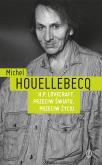
Literacki hołd jednego z największych skandalistów naszych czasów złożony mistrzowi opowieści grozyAteista, skrajny rasista, aspołecznik to niektóre z wielu przymiotów, które przypisuje się Howardowi Phillipsowi Lovecraftowi. Pomimo braku nieposzlakowanej opinii, po jego książki sięgają miliony osób na całym świecie. Serie Zew Cthulhu, W górach szaleństwa i Coś na progu stały się kanonem wśród wielbicieli horroru oraz inspiracją dla niezliczonej ilości twórców. Skąd wziął się fenomen H.P. Lovecrafta? Jednemu z najważniejszych pisarzy początku XX wieku przygląda się Michel Houellebecq prowokator, skandalista, autor bestsellerowych powieści Mapa i terytorium, Cząstki elementarne czy Uległość.H.P. Lovecraft. Przeciw światu, przeciw życiu to nie tylko przybliżenie postaci Lovecrafta, ale również ukazanie prywatnego oblicza Michela Houellebecqa, pozbawionego cynizmu, z uważnością przyglądającego się dziełom swojego mistrza. Okresy twórcze pisarzy dzieli niemalże sto lat. Pomimo dwóch całkowicie odmiennych epok, w których żyli, możemy dostrzec pomiędzy nimi nić porozumienia opierającą się na często kontrowersyjnych i prowokatorskich opiniach oraz nihilistycznej postawie wobec świata.Ponowna lektura eseju Michela Houellebecqa, niemalże 30 lat od daty jego pierwszego wydania, pozwala zrozumieć, jaki rodzaj wrażliwości jest bliski pisarzowi, dlaczego H.P. Lovecraft pomija w swoich utworach temat seksu i pieniędzy, ale też skąd u obu pisarzy bierze się brak przystosowania do otaczającej ich rzeczywistości.Z perspektywy czasu wydaje mi się, że napisałem tę książkę niczym mą pierwszą powieść. Powieść z tylko jednym bohaterem (H.P. Lovecraftem we własnej osobie); powieść, pisaną z tym utrudnieniem, że wszystkie przytoczone w niej fakty musiały być autentyczne.Michel HouellebecqMichel Houellebecq ur. 1956 r., jeden z najsławniejszych współczesnych powieściopisarzy francuskich, eseista, poeta, autor piosenek. Laureat m.in. Nagrody Goncourtów i IMPAC Dublin Literary Award, w 2019 został uhonorowany przez prezydenta Emmanuela Macrona Legią Honorową; jego książki przetłumaczono na ponad czterdzieści języków. Łączy prozę z gatunku science fiction, powieści obyczajowej i eseju.
„Czasem myślę, że Warszawę wymyślił Konwicki. Niewykluczone, że koty również.”
Marcin Wicha
„Nie ma wątpliwości. Tadeusz Konwicki napisał tę książkę z zaświatów-dzisiaj, ale bojąc się cenzury, wydał ją w 1976 r. Wydrapał Bogu zdania, które rozumiemy, ale one nie są z tej Ziemi. Nawet gdy „kolnął kogoś w zadek, nie szczędząc końskiej dawki cykuty”, nawet gdy zabluźnił, obgadał, zrobił to z obezwładniającym wdziękiem. Teraz ten bazyliszek siedzi na chmurce i cieszy się, gdy przewracając strony, rżymy jak konie i gdy łza sią zakręci.
Podziękujmy Mistrzowi, że sobie o nas przypomniał, bo po jego „walkach z samym sobą" stajemy się zwyczajnie lepsi. I piękniejsi.”
Magdalena Parys
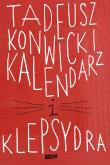
Gdy w 1976 roku książka „Kalendarz i klepsydra" pojawiła się na rynku, ustawiały się po nią długie kolejki. Dziś to pozycja klasyczna, ale niezwykle aktualna. Literatura, która zachwyca, prowokuje dyskusje i zmusza do refleksji. Książka, której strony zamieszkuje kot Iwan, celebryci z rodzinami, a przede wszystkim Polacy i Polska. Książka, którą trzeba znać.
Po raz pierwszy wydanie „Kalendarza..." uzupełniają reportaże „Ameryka, Ameryka" – przenikliwe, ironiczne, chwilami dalekie od dzisiejszej politycznej poprawności notatki z podróży Autora za wielką wodę. Obserwujemy w nich dochodzenie do formy „łże-dziennika", dla której później Konwicki kilkakrotnie porzucał pisanie powieści i która stała się jego znakiem szczególnym.
„Ta książka mogłaby być moją ostatnią książką. Ostatnią prawdą-nieprawdą, strachem-udaniem, kokieterią-jękiem. Mogłaby się zakończyć męską konkluzją: omnis moriar”. (fragment)
Powyższy opis pochodzi od wydawcy.
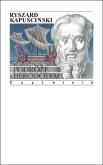
Ryszard Kapuściński wysoko cenił dzieło Herodota i to właśnie on zauważył, że „[...]zawsze mówi się o nim jako o historyku, o tym, czy było dokładnie tak, jak on pisał, czy może inaczej. Nikt nie zwrócił jednak uwagi, że Herodot był przede wszystkim pierwszym, wspaniałym reporterem....". Podróże z Herodotem są pochwałą Ryszarda Kapuścińskiego dla zasług starożytnego historyka i podróżnika, ale też autoportretem samego autora Szachinszacha, ogarniętego pasją podróżowania i poznawania świata.
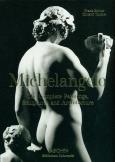
Before reaching the tender age of 30, Michelangelo Buonarroti (1475-1564) had already sculpted Pieta and David, two of the most famous sculptures in the entire history of art. As a sculptor, painter, draftsman, and architect, the achievements of this Italian master are unique-no artist before or after him has ever produced such a vast, multifaceted, and wide-ranging oeuvre.
This fresh TASCHEN edition traces Michelangelo's ascent to the cultural elite of the Renaissance. Ten richly illustrated chapters cover the artist's paintings, sculptures, and architecture, including a close analysis of the artist's tour de force frescoes in the Sistine Chapel.Full-page reproductions and enlarged details allow readers to appreciate the finest details in the artist's repertoire, while the book's biographical essay considers Michelangelo's more personal traits and circumstances, such as his solitary nature, his thirst for money and commissions, his immense wealth, and his skill as a property investor.
Ten produkt jest zapowiedzią. Realizacja Twojego zamówienia ulegnie przez to wydłużeniu do czasu premiery tej pozycji. Czy chcesz dodać ten produkt do koszyka?