W tej strefie proponujemy bardzo szeroką ofertę z dziedziny psychologii oraz dziedzin powiązanych: astronomii i astrofizyki, ekologii, filozofii, kultury, podróżnictwa, religii, socjologii, sztuki. Szczególnie polecamy z tej kategorii bestseller pt. Księga Urantii. Księga Urantii podaje jasną i zwięzłą integracją nauki, filozofii i religii. Ci, którzy ją czytali i zgłębiali, wierzą, że Księga Urantii może wnieść bardzo wiele wartości do religijnej i filozoficznej myśli ludzi tego świata.
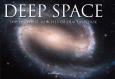
Travelling from the edge of our Solar System, through the Milky Way and to the outer edges of the observable universe, Deep Space is a spectacular photographic guide to galaxies, nebulae, supernova and clusters. Learn about the birth of stars in our own galaxy, planets beyond our own solar system, when they were first discovered and how we have managed to photograph these places.
Ranging from the Magellanic Clouds within the Milky Way to stellar life cycles, from other spiral galaxies such as the Andromeda Galaxy, to the Sombrero Galaxy, and from nebulae such as the Pillars of Creation to black and white dwarfs, this is accessibly written for the general reader to grasp the science and magnitude of deep space.
Featuring 200 outstanding images, Deep Space is an exhilarating journey to the outermost reaches of the Universe.
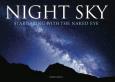
Can you spot the Big Dipper in the night sky? Or Orion’s Belt? Or Cassiopeia? Even in cities, and without the aid of a telescope, these are a few of the easier constellations to find. In fact, a great deal can be seen in the night sky with the naked eye – if you know what you’re looking for. Night Sky presents 200 colour photographs of stunning nocturnal vistas all visible to the naked eye. From the majesty of the Northern Lights (Aurora borealis) as seen from Norway or Canada, and the Southern Lights (Aurora australis) as seen from Australia, to seeing the clarity of the Milky Way over an Italian forest, from witnessing a lunar eclipse in Indonesia to charting the course of the International Space Station across the Indian night, and from seeing a Geminid meteor shower in New Mexico to recognizing the Great Bear (Ursa Major) constellation over New England, the book is a feast of nocturnal delights. Where necessary, additional inset photographs indicate the formation of a constellation. Presented in a landscape format and with 200 outstanding colour photographs supported by fascinating captions, Night Sky is a stunning collection of images.
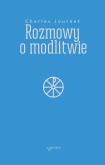
Książka kard. Charles’a Journeta jest szkołą modlitwy chrześcijańskiej. Powołując się na św. Tomasza z Akwinu, autor przedstawia „mały katechizm modlitwy” i w oryginalny sposób odpowiada na szereg pytań, np.: Czy modlitwa jest aktem rozumu? Czy trzeba się modlić, a jeśli tak, to czy należy się modlić tylko do Boga? Czy święci w niebie modlą się za nas? Czy modlitwa zawsze jest wysłuchana? Odkrywa tajemnicę modlitwy Jezusa i naszych próśb skierowanych do Niego. Przez Ojcze nasz i modlitwę liturgiczną prowadzi nas w stronę kontemplacji, która jest szczytem i pełnią modlitwy. Książka jest zapisem rekolekcji wygłoszonych przez kard. Journeta w Écogii (Szwajcaria)
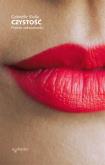
Książka jest refleksją o czystości, próbą zachwycenia się nią. Gabrielle Vialla, żona i matka, towarzysząca na co dzień małżeństwom w ich trudnościach, pozwala czytelnikowi odkryć, jak wielu aspektów życia dotyka ta cnota. Uświadamia także, że jest to domena wolnego wyboru. Autorka chętnie sięga po nauczanie Jana Pawła II, jego teologię ciała i personalizm, czerpie obficie z encyklik i wypowiedzi papieskich. Książka zaskakuje przenikliwością spojrzenia i głębokim namysłem. Czystość dotyczy każdego z nas. Młodzi, żonaci, księża, osoby samotne – wszyscy potrzebujemy czystości. Wszyscy posiadamy też rany i braki związane z seksualnością. Wszyscy mamy błędne wyobrażenia o seksualności, które utrudniają nasze życie wewnętrzne. Czystość nie jest wstrzemięźliwością ani ograniczeniem. Czystość pomaga odnaleźć wolność w seksualności – napisała Gabrielle Vialla w książce Czystość. Piękno seksualności (tytuł orginalny: La chasteté: Un don qui rend sa beauté à la sexualité). Gabrielle Vialla w swojej publikacji przygląda się czystości z perspektywy singli, małżeństw i celibatariuszy. Pochyla się także nad cielesnością Zbawiciela i godnością, z jaką traktował swoje ludzkie ciało.
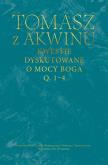
Kwestie dyskutowane o mocy Boga ukazują się jako 28. tom "Dzieł wszystkich Tomasza z Akwinu". Teksty powstały najprawdopodobniej w latach 1265–1266, w czasie pobytu autora w Rzymie. Św. Tomasz miał wtedy około 40 lat i był już dojrzałym badaczem i doświadczonym pedagogiem. Forma dzieła wiąże się z jednym z podstawowych sposobów prowadzenia zajęć uniwersyteckich w średniowieczu, jakim była dysputa, a jej wynikiem – tytułowe „kwestie dyskutowane” (quaestiones disputatae). Ta rozbudowana debata na zaproponowany temat była następnie opracowywana i konkludowana przez „mistrza” odpowiedzialnego za całość. Był to poniekąd odpowiednik zajęć seminaryjnych we współczesnym systemie kształcenia. Pod względem treści dzieło można podzielić na dwie części. Sześć pierwszych kwestii wiąże się bardziej bezpośrednio z zagadnieniem mocy Boga, cztery pozostałe należą do teologii trynitarnej. Obecny tom zawiera pierwsze cztery z dziesięciu kwestii: O mocy Boga (skupiona wokół Bożej wszechmocy), O mocy rodzenia (związana z pytaniem o zrodzenie Syna Bożego), O stworzeniu (rozważająca różne aspekty tej podstawowej relacji Boga do świata) oraz O stworzeniu nieuformowanej materii (nawiązująca do filozoficznego rozróżnienia na materię i formę). Jak pisze Michał Paluch OP:
Album Robotnicy pierwsza publikacja Fundacji Edwarda Dwurnika to monograficzne opracowanie malarskiego cyklu Edwarda Dwurnika obejmującego 260 obrazy powstałe w latach 1975-1991. Jego głównymi bohaterami są tytułowi Robotnicy utożsamieni przez malarza z całym narodem polskim uciśnieni przez sowiecki reżim i podejmujący z nim walkę. Na wielkoformatowych płótnach polskie kobiety i meżczyzną, ci sami, których Dwurnik portretuje w równoległym monumentalnym cyklu Sportowcy, wychodzą na ulice i z wolnościowymi hasłami na ustach wznoszą sztandary i pięści. Dwurnik na gorąco komentuje i dokumentuje burzliwy czas narodzin Solidarności i stanu wojennego, portretuje jego bohaterów i upamiętnia ofiary. Ale nie pisze hymnu pochwalnego obok zapisu dramatycznych wydarzeń artysta ukazuje niebezpieczeństwa dewocyjnego uwikłania w religię i bezmyślnego uwikłania w narodowościowe dogmaty. Tworzona na przestrzeni 16 lat seria jest bardzo różnorodna. Są tu ekspresyjne aestetyczne obrazy w duchu zachodnioeuropejskiej transawangardy, senne wizerunki pełne poetyckiej melancholii i smutku, rozbudowane wielkie alegorie i wreszcie nawiązania i cytaty z innych twórców i literatury. Książka ma 614 stron i ponad 350 reprodukcji obrazów, rysunków, szkiców i archiwalnych fotografii. Podczas premiery będzie można kupić książkę po promocyjnej cenie.
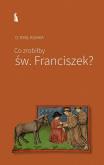
Czeka Cię trudna rozmowa z bliskim? Masz problem z ocenianiem innych? A może powiedziałeś coś głupiego i nie wiesz teraz, jak wyjść z tego z twarzą? Dowiedz się, co na Twoim miejscu zrobiłby św. Franciszek! O. Emil Kumka opisuje sceny z życia Asyżanina, które mogą zaskakiwać. W 52 krótkich rozważaniach na każdy tydzień roku pokazuje go jako człowieka z krwi i kości. Okazuje się, że Franciszek czynił wielkie cuda, ale jednocześnie mierzył się ze zwykłymi słabościami, rozterkami czy nawet błędami. W tym roku przeżyj każdy tydzień ze św. Franciszkiem! O. Emil Kumka brat mniejszy konwentualny, wykładowca historii Kościoła epoki starożytnej i średniowiecznej oraz hagiografi i franciszkańskiej na Papieskim Wydziale Teologicznym św. Bonawentury w Rzymie. W swoim dorobku naukowym i popularyzatorskim koncentruje się na źródłach biografi cznych o św. Franciszku oraz historii Rodziny Franciszkańskiej.
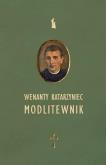
Modlitwa czyni cuda ta krótka myśl o. Wenantego Katarzyńca stała się dla wielu zdumiewającym odkryciem i czytelnym znakiem Bożej interwencji w codzienne ludzkie sprawy. Najlepszym tego dowodem są liczne świadectwa otrzymanych za wstawiennictwem Sługi Bożego łask. Już za życia potrafił dostrzec ludzkie potrzeby i nigdy nie przeszedł obok nich obojętnie. Podobnie i dziś dostrzega człowieka w potrzebie i n ie zostawia go w jego biedzie.
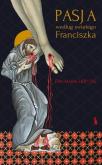
Wśród pism św. Franciszka z Asyżu najbardziej pełnym misterium i głosu samego Chrystusa jest Oficjum o Męce Pańskiej składające się z 15 psalmów będących kompilacjami wersetów biblijnych. W tej modlitwie Asyżanin pragnie celebrować tajemnicę odkupienia, od wcielenia aż po powtórne przyjście Pana, poprzez mękę, śmierć, zmartwychwstanie i wniebowstąpienie. ODKRYJ CHRYSTUSA RAZEM ZE ŚW. FRANCISZKIEM. ZACHWYĆ SIĘ BOGIEM, KTÓRY DLA NAS STAŁ SIĘ UBOGI I UKRZYŻOWANY. Książka autorstwa klaryski, s. Ewy Marii Hop, jest propozycją osobistego odczytania poszczególnych psalmów. Przemyślenia Autorki zostały uzupełnione opisem różnych sposobów rozumienia tajemnicy odkupienia, jakie daje nam Kościół. Nie jest to zatem tylko medytacja tekstu Oficjum, ale także rodzaj katechezy.
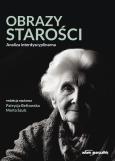
W monografii podjęto wszechstronna analizę kluczowych zagadnień związanych ze starzeniem się społeczeństwa. Praca ta obejmuje szczegółowe rozważania na temat ubóstwa dotykającego osoby starsze, ich wykluczenia społecznego, a także różnorodnych form aktywności społecznej seniorów. Ponadto, znacząca część monografii poświęcona jest roli mediów w życiu osób starszych, badając zarówno ich wpływ, jak i sposoby korzystania z mediów przez seniorów. Nie mniej istotnym elementem jest omówienie wyzwań związanych z polityką senioralną, które mają na celu zapewnienie godnych warunków życia starzejącej się populacji. Analiza ta stanowi przykład kompleksowego podejścia do wyjaśnienia dynamicznych procesów społecznych i ekonomicznych, które kształtują życie osób starszych w współczesnym społeczeństwie [...]. "Obrazy starości. Analiza interdyscyplinarna" to wartościowa monografia, która dzięki interdyscyplinarnemu podejściu i solidnej bazie naukowej wnosi istotny wkład w badania nad starością. [...]. Monografia ta może być z powodzeniem wykorzystywana w dalszych badaniach naukowych, a także w kształtowaniu polityk publicznych dotyczących seniorów.
Z recenzji dr.hab.Tomasza Czapiewskiego
Obchodząca w ostatnich latach wiele jubileuszy Biblioteka Uniwersytecka w Toruniu na mapie kulturalnej Rzeczypospolitej zajmuje niepoślednie miejsce również dzisiaj. Postrzegana w krajowym i międzynarodowym środowisku bibliotekarskim jako przykład instytucji łączącej z powodzeniem walory nowoczesności z tradycją ma dzisiaj status największej książnicy w północnej Polsce i jednej z największych bibliotek akademickich w kraju. Tę rangę zawdzięcza w głównej mierze […] cennym i rzadkim zbiorom zabytkowym […].
Tom drugi wydawnictwa pt. Biblioteka Uniwersytecka w Toruniu poświęcamy najcenniejszym zbiorom BU UMK. Uzupełnia on w ten sposób luki w badaniach nad historycznymi zasobami książnicy. Autorzy w swych rozważaniach udostępniają cenny materiał statystyczny i historyczny, oparty na archiwaliach, który – mamy nadzieję – stanie się w przyszłości pomocą dla dalszych badań bibliotekoznawczych. […] Trzeba bez wątpienia wspomnieć przebogate, cenne kolekcje historyczne, a wśród nich: zasób starych druków liczący blisko 60 000 egzemplarzy; […] objęty ochroną prawną Narodowego Zasobu Bibliotecznego […] zespół rękopisów średniowiecznych […]; ogromną kolekcję dzieł plastycznych, obejmującą m.in. ponad 10 000 rycin i rysunków dawnej oraz współczesnej grafiki polskiej i obcej; wielki – liczący również ponad 10 000 sztuk – zbiór plakatów; 140-tysięczną kolekcję pocztówek oraz przekraczający 60 000 zasób ekslibrisów.
Książkę podzielono na dwie części – Zbiory specjalne oraz Kolekcje tematyczne. […] Część pierwszą stanowią dzieje jednostek Oddziału Zbiorów Specjalnych. Są one monograficznym ujęciem poszczególnych gabinetów, ale nie tylko. Część drugą tomu […] poświęcono jednostkom i agendom BU UMK gromadzącym specjalistyczne kolekcje o charakterze bibliotecznym, muzealnym, archiwalnym i patentowym.
(fragment Wprowadzenia)
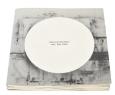
Artist book wydany przy okazji wystawy indywidualnej Rafała Bujnowskiego w Zachęcie Narodowej Galerii Sztuki w Warszawie. Esej wstępny oraz wywiad z artystą, oba autorstwa kuratorki wystawy, Marii Brewińskiej, uzupełniają reprodukcje prac prezentowanych w Zachęcie. Po wydrukowaniu publikacja została poddana procesowi postarzania o 50 lat w specjalnej komorze klimatycznej, podobnie jak seria abstrakcyjnych tond powstałych na wystawę.
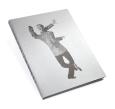
Pierwsze albumowe opracowanie twórczości Oskara Dawickiego jednego z najbardziej niezwykłych polskich artystów współczesnych. Z wykształcenia malarz, z praktyki performer i postkonceptualista, a z przekonania fatalista, stał się w ostatnich latach bohaterem biograficznej powieści (Łukasz Gorczyca, Łukasz Ronduda, W połowie puste, 2010), a przede wszystkim głośnego i nagradzanego filmu fabularnego Performer (reż. Łukasz Ronduda, Maciej Sobieszczański, 2015), w którym sam zagrał tytułową rolę. Książka jest pierwszą tak obszerną prezentacją dorobku Dawickiego. Oprócz fotograficznej dokumentacji prac i performansów prezentuje również fotosy z planu Performera, całość w efektownej, albumowej formie z wieloma całostronnicowymi i dwustronnicowymi zdjęciami. Autorski wstęp napisany przez artystę przydaje publikacji charakteru książki artystycznej, a właściwie kolejnego, niecodziennego performansu. Dodatkowo, wszystkie publikowane zdjęcia zostały opatrzone szczegółowymi objaśnieniami wprowadzającymi za kulisy twórczości Dawickiego.
Obrazy w niniejszej publikacji pochodzą z dłuższego cyklu kilkuset prac powstałych w latach 2016-2018 i zaprezentowanych na wystawie w galerii Raster w lutym-?marcu 2018. Wykonane zostały z wykorzystaniem papierowych reprodukcji i farb olejnych na płótnie. Wszystkie zreprodukowano w rzeczywistej wielkości.
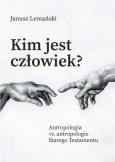
Odkąd człowiek stał się zdolny dokonać refleksji nad samym sobą, zawsze stawiał sobie pytanie o samego siebie, o swoje miejsce w świecie i o swoje przeznaczenie. Śledząc dzieje myśli ludzkiej, znaleźć możemy wiele różnych odpowiedzi dotyczących tych zagadnień. Zależały one nie tylko od sposobu postrzegania samego siebie, ale i od uwarunkowań społeczno-kulturowych, w kontekście których te pytania stawiano, a wreszcie także od systemów i założeń myślowych, w ramach których starano się na te pytania odpowiedzieć. Współczesna antropologia odziedziczyła po tych refleksjach wiele koncepcji opisywanych łacińskimi formułami. W każdej z nich znaleźć możemy jakieś specyficzne cechy przypisywane człowiekowi, traktowane jako jego wyróżnik pośród innych żywych stworzeń. Człowiek jest zatem określany: Homo habilis, Homo sapiens, Homo creator, a więc jako istota zdolna myśleć i tworzyć. Uszczegółowiając specyficznie ludzkie zdolności, nazwać go można: Homo symbolicus, Homo grammaticus, Homo loquens, Homo pictor. Wszystkie te określenia przynależą do konkretnych systemów językowych i kulturowych. Jako istotę zdolną dokonywać autorefleksji i przemyśleń nad samym sobą nazwać go możemy również Homo excentricus. Człowiek bawi się i śmieje, jest więc też odpowiednio Homo ludens i Homo ridens. Cierpi i bywa niemądry, a zatem jest też Homo patiens i Homo inspiens. Jest też Homo loquax, gdyż posiada zdolność mowy i bywa wymowny. Z drugiej strony człowiek nie jest samotną wyspą. Osadzony jest i funkcjonuje w konkretnej społeczności, buduje relacje międzyludzkie, przejawia określony stosunek do innych żywych istot oraz świata nieożywionego, tworzy i udziela się wobec innych.
Książkę wydano z okazji dziewięćdziesiątej rocznicy urodzin Profesora Krzysztofa Pomiana. Wydanie drugie (pierwsze: 2000 r.) powstało w małym, kolekcjonerskim nakładzie trzystu egzemplarzy.
Wydanie tomu wsparli finansowo Ewa i Andrzej Peciakowie.
Dofinansowano ze środków Ministra Kultury i Dziedzictwa Narodowego.
O Autorze
Profesor Krzysztof Pomian – filozof, historyk idei i kultury, eseista. Do jego najważniejszych książek należą: Przeszłość jako przedmiot wiary, Przeszłość jako przedmiot wiedzy, Muzeum. Historia światowa, a także Oblicza dwudziestego wieku. Jest doktorem honoris causa Uniwersytetu Marii Curie-Skłodowskiej w Lublinie oraz Uniwersytetu Łódzkiego, a także Université de Geneve.
Urodził się w Warszawie 25 stycznia 1934 roku. II wojnę światową przeżył w Kazachstanie. Po powrocie do Warszawy, w latach 1952–1957 studiował filozofię na UW. W wydanej w roku 1962 dwutomowej pracy zbiorowej Filozofia i socjologia XX wieku znalazły się jego studia o Bergsonie, Heideggerze i Sartrze. Był członkiem PZPR, ale za krytykowanie jej polityki został usunięty z partii. W roku 1968, gdy opowiedział się po stronie strajkujących studentów, został wyrzucony z pracy na Uniwersytecie Warszawskim. Był wykładowcą m.in.. W École des Hautes Études en Sciences Sociales, École du Louvre. W 1975 roku został jednym z sygnatariuszy Listu 59 w proteście przeciwko planowanym zmianom w Konstytucji PRL.
We Francji podjął pracę w CNRS, czyli w Centre national de la recherche scientifique (Krajowy Ośrodek Badań Naukowych), w 1984 roku nawiązał bliską współpracę z Instytutem Literackim w Maisons Laffitte, w 1998 uzyskał tytuł profesora. W roku 1999 zaczął wykładać na Uniwersytecie Mikołaja Kopernika w Toruniu i wykładał tu do roku 2006.
W roku 1996 przeprowadził cykl rozmów z Jerzym Giedroyciem, czego efektem szeroko komentowana Autobiografia na cztery ręce. Potem wydał tom szkiców W kręgu Giedroycia, stanowiący swego rodzaju dopełnienie Autobiografii. Najważniejsze publikacje Pomiana z tego okresu to: Wenecja w kulturze europejskiej, Oblicza dwudziestego wieku, a także Historia. Nauka wobec pamięci.
W roku 2001 Krzysztof Pomian został dyrektorem naukowym Muzeum Europy w Brukseli, w roku 2010 wszedł w skład komitetu doradczego Europejskiej Sieci Pamięć i Solidarność, powstałej pięć lat wcześniej z inicjatywy ministrów kultury Polski, Niemiec, Węgier i Słowacji. W ostatnich latach wydał szereg poczytnych studiów, takich jak: Rewolucja europejska 1945–2007 (wraz z Elim Barnavim), Krótka historia nierówności między ludźmi na przykładzie Europy, Muzea i narody w Europie Środkowej przed pierwszą wojną światową oraz trzytomowe dzieło Muzeum. Historia światowa. Jego książki ukazują się zarówno po francusku, jak i po polsku.
Za swoje dokonania naukowe i pisarskie Krzysztof Pomian był wielokrotnie nagradzany. Już w roku 1985 otrzymał w Paryżu Nagrodę „Kultury” im. Juliusza Mieroszewskiego. Uhonorowano go także Nagrodą Polskiego PEN Clubu im. Ksawerego i Mieczysława Pruszyńskich. Ponadto we Francji przyznano profesorowi najpierw order Des Arts et des Lettres, a następnie Krzyż Kawalerski Legii Honorowej.
[źródło: Biblioteka Narodowa]
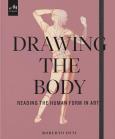
Unique and user-friendly techniques for figure drawing and understanding human anatomy
The third title from bestselling author Robert Osti, Drawing the Body is a highly accessible book that presents an engaging, systematized way to draw the human figure – from static, structural, and anatomical depictions to realistic and expressive forms.
With minimal, essential text, the book is organized as a sketchbook with abundant images and practical exercises throughout. Included are step-by-step demonstrations that feature original illustrations from the author, photography of human figures, as well as art historical references from Old Masters.
This beautiful and utilitarian guide is indispensable and will appeal to artists, art students, and anyone interested in the artistic and scientific depiction of the human figure and human anatomy.
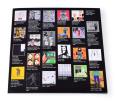
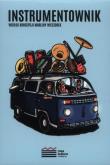
INSTRUMENTOWNIK to rodzaj unikatowego podręcznika o instrumentach muzycznych wraz z przykładami brzmień (kody QR). 120 kart (nie licząc dodatków) jest podzielonych na 6 grup. 5 z nich stworzono na podstawie tzw. klasyfikacji Hornbostela-Sachsa, a 6. to Rozmaitości w dedykowanym dla nich pudełku.
Na kartach pierwszych 5 grup znajduje się rysunek przedstawiający instrument i 5 krótkich informacji. Na odwrocie – ilustracja osoby grającej na danym instrumencie i kod QR przekierowujący do nagrania z orientacyjnym brzmieniem tego instrumentu. Dźwięki zostały wygenerowane w programach Kontakt Native Instruments (głównie Factory Library i inne biblioteki) oraz Garritan (Aria Player).
Nasze karty są rodzajem podręcznika do samokształcenia, ale proponujemy też różne warianty ich wykorzystania, w zależności od priorytetów (np. uatrakcyjnienie lekcji, zabawa, terapia).
Chcemy popularyzować wiedzę o muzyce w merytoryczny, ale i niebanalny sposób, dlatego atrakcyjna i angażująca formuła jest dla nas niezwykle istotna. Instrumentownik sprawdzi się w szkołach podstawowych, muzycznych, a nawet na studiach. Z powodzeniem może być wykorzystywany m.in. w nauczaniu specjalnym lub przez każdego, kto jest zainteresowany tematyką instrumentów muzycznych. Jeśli jesteś nauczycielem, możesz skorzystać z naszych propozycji scenariuszy lekcji, które znajdziesz na stronie: instrumentownik.pl (lub savethemusic.eu). Zachęcamy do inspirowania się nimi i do tworzenia własnych koncepcji zajęć z wykorzystaniem Instrumentownika.
Karty zostały uzupełnione o trzy sposoby ich wykorzystania (repetytorium w szkole, mechanika gry na refleks do domu, narzędzie wspierające pracę psychologów i terapeutów).
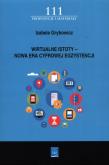
Praca Grybowicz stanowi fundament dla książki „Wirtualne istoty – Nowa Era Cyfrowej Egzystencji”, wydanej przez SBP. Publikacja oferuje kompleksową analizę zjawiska istot wirtualnych – od awatarów po wirtualnych influencerów – oraz ich wpływu na społeczeństwo. Książka zgłębia historię, definicje i technologie związane z tworzeniem istot wirtualnych, badając ich zastosowania w różnych dziedzinach, takich jak marketing, moda, rozrywka, ochrona zdrowia czy edukacja.
Publikacja zawiera także unikalne wyniki badań ankietowych, które analizują poziom wiedzy i świadomości Polaków na temat istot wirtualnych. To cenne źródło wiedzy dla wszystkich zainteresowanych nowymi technologiami i ich społecznymi konsekwencjami.
Lektura książki stanowi doskonałą okazję, aby zapoznać się z najnowszymi badaniami i analizami dotyczącymi cyfrowej egzystencji.
Ten produkt jest zapowiedzią. Realizacja Twojego zamówienia ulegnie przez to wydłużeniu do czasu premiery tej pozycji. Czy chcesz dodać ten produkt do koszyka?