Interesujesz się życiem swoich ulubionych aktorów, muzyków, artystów, celebrytów, pisarzy? Zapraszamy Cię do zapoznania się z najciekawszą literaturą biograficzną znanych osobistości w naszym sklepie internetowym DoberKsiazki.pl
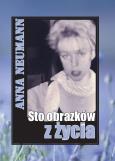
Książka o sztuce życia, o tym, jak sobie radzić we współczesnej rzeczywistości, jak szukać odpowiedzi na te najważniejsze pytania oraz rozwiązywać problemy codzienności. Szczera, piękna, wzruszająca książka.
Zofia Sekuła - emerytowany nauczyciel akademicki. Do dzisiaj czynny ekspert w zakresie zarządzania. Autorka sześciu monografii na temat zarządzania zasobami ludzkimi, wynagradzania i motywowania pracowników oraz prawie dwustu artykułów, promotorka ponad trzystu pięćdziesięciu prac magisterskich. Pracoholik, osoba o głębokiej empatii, przez całe życie pomagająca innym. Poza pracą interesuje się malarstwem, poezją, teatrem, ogrodami, operą i ochroną środowiska, a szczególnie tygrysów. Uwielbia podróżować po świecie.
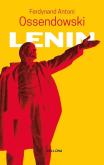
Lenin" Antoniego Ferdynanda Ossendowskiego to wielopłaszczyznowa powieść biograficzna o człowieku, który doprowadził do najbardziej krwawej rewolucji w historii ludzkości. To wstrząsający zapis bezwzględnych działań satrapy, dla którego nie liczyło się życie swoich poddanych. Ofiarą czerwonego terroru padali wszyscy mieszkańcy caratu. W kontekście aktualnej inwazji na Ukrainę i bestialstw armii rosyjskiej książka Ossendowskiego nabiera złowrogiej aktualności.
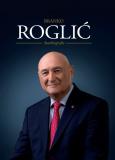
O Branko Rogliciu po raz pierwszy usłyszałem około 1991 roku, kiedy zostałem dyrektorem generalnym firmy kosmetycznej Ellen Betrix, którą P&G kupiła w tym samym roku. Jego wielki sukces nie uczynił go aroganckim ani zarozumiałym. Wręcz przeciwnie, zawsze postrzegał siebie jako „pierwszego sługę swojej organizacji i partnerów biznesowych”. Pamiętam, jak na jednym ze spotkań powiedział mi: „Jestem żołnierzem P&G”, na co odpowiedziałem: „Nie, jesteś naszym generałem”. Branko i ORBICO doskonale ucieleśniają moją definicję świetnego dystrybutora P&G.
WERNER GEISSLER, były wiceprezes Procter & Gamble na całym świecie
Rozwój biznesu firmy Procter & Gamble w Europie Środkowej jest ściśle związany z Panem Branko Rogliciem i ORBICO jako partnerem długoterminowym i strategicznym. Branko Roglić to utalentowany biznesmen, który wiedział, że ważne jest otaczanie się zdolnymi ludźmi. Pod wieloma względami wyprzedzał swoją epokę. Na przykład w ponadprzeciętnym poleganiu na kobietach w swojej kadrze zarządzającej. Dzięki Branko Rogliciowi ORBICO ma niezwykle silną kulturę korporacyjną. Obejmuje ona skromność, zrównoważony rozwój biznesu i nagradzanie w oparciu o wyniki.
Dr HRVOJE ČEOVIĆ, P&G – były wiceprezes w Centralnej Europie
Tyle razem przeżyliśmy przez cały rozwój biznesu, przeszliśmy przez różne sytuacje, odbyliśmy tyle spotkań, że nie sposób ich wszystkich wymienić. Jedno się nie zmieniło – przyjazne podejście Branko, ogromna przejrzystość, jego szczerość i bezpośredniość. Jest racjonalny i nie potrzebuje wielu słów, aby podjąć skuteczne decyzje.
JARMILA MEISSNEST, VARTA Consumer batteries – dyrektor sprzedaży międzynarodowej
Sposób, w jaki udało mu się założyć firmę i rozwijać ją przez lata, jest po prostu niesamowity. Niesamowity jest także rozwój od małej rodzinnej firmy do jednego z największych i najważniejszych dystrybutorów w Europie. To, co sprawia, że ??jego podejście jest proste i jasne, to współpraca i przejrzystość.
ASHRAF NAWAR, Shell – dyrektor ds. przekształceń pośrednich kanałów biznesowych na region Azji, Pacyfiku i Bliskiego Wschodu
Kiedy zostaliśmy poinformowani, że Grupa ORBICO kupi naszego dystrybutora w Polsce i Rosji, pierwsze pytanie w moim zespole brzmiało: „Czy ci ludzie zrozumieją nasz biznes i wpasują się w kulturę naszej firmy?”. Zgodnie z oczekiwaniami, Grupa ORBICO jest dziś wzorem Converse Partners na poziomie globalnym, jednak Branko wciąż wnosi pomysły i wizje rozwoju biznesu, i poszukiwania nowych możliwości.
TIZIANO RUSSOLO, Converse – dyrektor generalny na Europę, Bliski Wschód i Afrykę
Branko Roglić jako prezes Zarządu MedILS swoją osobowością i reputacją był gwarantem stabilności Instytutu i obrony przed apetytami licznych drapieżników. Branko wyróżnia się prostotą. Wydaje mi się, że cicha, ale potężna siła Branko Roglicia polega na tym, że od razu określa kolejność priorytetów i że szczegóły nie przeszkadzają mu, dopóki nie przyjdzie na nie kolej – dopiero wtedy szczegóły są rozstrzygane i uzyskany jest efekt końcowy.
DR MIROSLAV RADMAN, Emerytowany profesor, Université Paris Descartes, Član: Académie des Sciences, Osnivač: Śródziemnomorski Instytut Nauk Przyrodniczych
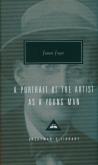
Published in 1916 when Joyce was already at work on Ulysses, A Portrait of the Artist as a Young Man is exactly what its title says and much more. In part a vivid picture of Joyce’s own youthful evolution into one of the twentieth century’s greatest writers, it is also a moment in the intellectual history of an age.
Poetka, wnuczka Tomasza Zana, przyjaciela Mickiewicza, dziś najczęściej przypominana jako sekretarz marszałka Piłsudskiego. Ona sama także bardziej od wierszy ceniła swoją karierę urzędniczki, dumna, że może służyć Polsce. Ale jej debiut poetycki zrobił furorę. Zachwyt wyraził Stefan Żeromski a Jarosław Iwaszkiewicz fascynował się jej wczesnymi wierszami i do końca pozostał jej czytelnikiem. Jej przekład Anny Kareniny do dziś nie stracił świeżości, a spory z redaktorami przeszły do legendy. To opowieść o życiu poetki, która jest też zapisem czasów i jej zmagań z przeciwnościami: sieroctwem i samotnością, a także wyprawą do czasów i historycznych wstrząsów, które naznaczyły jej losy, czasem przynosząc zmiany na lepsze, a częściej – katastrofy. Na froncie I wojny światowej opatrywała żołnierzy, umarła pół roku przed zakończeniem stanu wojennego, zupełnie niewidoma.
Wielka dama i kontrowersyjna osobowość. „Jest ekscentryczna. Mówi zawsze, co innego, niż się oczekuje, wprost uosobienie przekory” – pisała o niej Maria Dąbrowska. Emancypantka, katoliczka, na pewnym etapie socjalistka mówiła, że nie interesują jej „podziałki polityczne” między ludźmi, ponieważ uznawała, że w każdym obozie politycznym są ludzie głupi i mądrzy oraz przyzwoici i niezbyt porządni. Joanna Kuciel-Frydryszak – absolwentka Polonistyki na Uniwersytecie Wrocławskim, dziennikarka, współpracująca m.in. z „Wysokimi Obcasami Extra” i dodatkiem „Gazety Wyborczej” „Ale Historia”; prowadzi zajęcia w Dolnośląskiej Szkole Wyższej. Autorka biografii Słonimski. Heretyk na ambonie, nominowanej w najważniejszych konkursach na Historyczną Książkę Roku – im. K. Moczarskiego i O. Haleckiego.
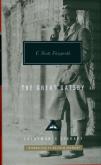
Scott Fitzgerald was called the laureate of the Jazz Age. The Great Gatsby (1926) is a cynical celebration of the post-Great War Long Island/ New York world of get-rich-quick. The narrator, Nick Carraway, sympathetically records the pathos of Gatsby’s romantic dream which founders on the reality of corruption, the insulated selfishness of Tom and Daisy, and the cutting edge of violence. ‘His style sings of hope, his message is despair’, wrote Cyril Connolly. It is terse, spare, lucid, imperishable, a novel of compassion, wry wisdom and narrative verve.
T. I
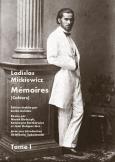
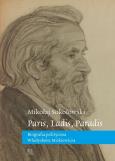
Éminent, bénéficiant d’une grande estime en son temps, aujourd’hui quelque peu oublié, voire méconnu, Władysław Mickiewicz (Paris 1838 –1926) fut un intellectuel français d’origine polonaise. Ses parents furent Adam Mickiewicz, le plus illustre des poetes romantiques polonais, et Celina Mickiewiczowa, née Szymanowska. Au bapteme, il avait reçu un deuxieme prénom – Józef. Sa grand-mere maternelle Maria Szymanowska fut une pianiste et une compositrice polonaise de talent qui partagea sa vie privée et professionnelle entre Paris, Varsovie et Saint-Pétersbourg. La longue vie de Władysław Mickiewicz porte le reflet de toutes les grandes cultures ayant façonné le patrimoine civilisationnel de l’Europe : cultures française, polonaise et juive, mais aussi celles de l’Est européen : cultures biélorusse, ukrainienne et russe.
T. II
Qu’il est doux, en égrenant ce chapelet de lamentations, de se dire qu’elles sont toutes désormais sans objet ! que les stations de ce long et douloureux calvaire ont abouti a une résurrection miraculeuse ; que non seulement la pierre du sépulcre s’est soulevée, mais qu’il en est sorti une Pologne transfigurée. S’il est douloureux dans les jours d’infortune de se remémorer les jours de félicité, il est réconfortant, en plein triomphe, de se reporter aux époques de calamité. Tous les sacrifices subis apparaissent comme autant d’acomptes sur la rançon fixée par un arret d’en haut pour notre libération de l’esclavage. Plus grandes ont été les contributions volontaires a l’oeuvre de notre salut et plus vive est notre gratitude pour les donateurs. Nous recueillons ce qu’ils ont semé. Que leurs actions servent d’exemple aux générations futures et que leurs noms soient bénis!
Władysław Mickiewicz
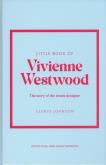
Designer, punk, rebel, dame... Vivienne Westwood was all this and more. One of the main architects of the 1970s punk era, the inimitable Westwood refused to take fashion too seriously, finding unique and arresting ways to subvert tradition and challenge the status quo.
But her impact on the industry was more than ripped T-shirts. A master of tailoring and mistress of corsetry, she deconstructed street fashion and parodied English looks with tight waists, bustles and a zany take on tartan and Harris Tweed.
Clients include Dita Von Teese, FKA Twigs and Doja Cat, her signature designs have featured in Japanese manga, Nana, and having captivated the TikTok generation, her vintage pieces still go viral today.
Punk in both fashion and politics to the very end, Vivienne Westwood will remain an icon of fashion and feminism for generations to come.
Po latach, w wielu badaniach ankietowych, Margaret Thatcher pojawia się w czołówce najlepszych szefów rządów jej królewskiej mości. W badaniu zrealizowanym w 2021 roku przez pracownię Ipsos Margaret Thatcher zajęła drugie miejsce wśród premierów urzędujących po 1945 roku, przegrywając tylko z Winstonem Churchillem (któremu pomogły z pewnością osiągnięcia sprzed 1945 roku) i pokonując Tony’ego Blaira. 44 proc. mieszkańców Wielkiej Brytanii oceniło, że wykonała dobrą robotę dla kraju, a 35 proc. było przeciwnego zdania.
Co ciekawe, Thatcher zdobyła najmniejszy odsetek głosów w kategorii polityków, o których respondenci nie mają wyrobionego zdania. To pokazuje, że była postacią bardzo wyrazistą i zapamiętaną przez kolejne pokolenia wyborców.
(fragment Posłowia)
Ktoś mądry powiedział: „Śmierć kończy wszystko, lecz nim do niej dojdzie, dokonać można dzieł wartościowych” – w jakim stopniu mi się to udaje, pozostawiam ocenie drogich Czytelników, którzy niewątpliwie spostrzegli, że uprawiam narcyzm; robię to z rozmysłem, dla utrzymywania doskonałego samopoczucia programującego podświadomość, gdyż to daje znakomite zdrowie – jakie mi dopisuje, w kierunku 100 + VAT – lat życia.
Doktor Jerzy Alojzy Sikora urodził się w 1930 roku w Cieszynie. Jest absolwentem Wydziału Prawa Uniwersytetu Śląskiego w Katowicach. Ma szeroki wachlarz zainteresowań, szczególnie fascynuje go wiedza z pogranicza nauk empirycznych; uważa, że dla dobra ludzkości trzeba bezustannie przesuwać granice poznania. Jego program komputerowy – służący do sporządzenia wydruku rocznego biodiagramu, z wyprzedzeniem sygnalizujący dni, w które szczególnie grozi niepowodzenie, oraz wahania kondycji fizycznej, psychicznej i intelektualnej, a ponadto umożliwia ustalenie biopowinowactwa z partnerem – jest do ściągnięcia bezpłatnie z internetu.
June 1, 1943, Eastern Poland. Within just a few hours, the village of Sochy had ceased to exist. Buildings were burned. Residents shot. Among the survivors was nine-year-old Teresa Ferenc, who saw her family murdered by German soldiers, and would never forget what she witnessed the day she became an orphan. The horror of that event was etched into her very being and passed on to her daughter, author Anna Janko. A Little Annihilation bears witness to both the crime and its aftershocks—the trauma visited on the next generation—as revealed in a beautifully scripted and deeply personal mother-daughter dialogue. As she fathoms the full dimension of the tragedy, Janko reflects on memory and loss, the ethics of helplessness, and the lingering effects of war.
This new edition of the wildly popular cocktail book features revised and updated texts and a bold new cover.
Sixty of the world’s coolest and most influential women are the inspiration for this refreshing and fun collection of drink recipes that are sure to bring extra zest to your cocktail shaker. Free the Tipple pays tribute to a brilliant range of diverse women from the 20th century to today who have made waves in entertainment, the arts, politics, fashion, literature, sports, and science, including Frida Kahlo, Rihanna, Serena Williams, Virginia Woolf, Yoko Ono, Zaha Hadid, Marlene Dietrich, Zadie Smith, and more. Each double-page spread features a recipe crafted to reflect its namesake’s personality, style, or legacy. This ranges from The Gloria Steinem, which uses a complex liquor with a radical twist, to The Beyoncé, made, of course, with lemonade. The cocktails are simple to make, kitchen-tested, and incorporate easy-to find ingredients. Snappy, informative biographies, illustrated with vibrant portraits, offer revealing insights into the women's lives. This highly original guide to delicious beverages is a perfect gift for those in your life who encourage and inspire you.
ANTY Autobiografia "Cichego" to szczera, czasem do bólu, opowieść żołnierza i policjanta o służbie w pododdziałach antyterrorystycznych. Czy mają licencję na zabijanie? Jak wygląda selekcja do tych oddziałów, z jakimi wyzwaniami mierzą się antyterroryści podczas akcji...? "ANTY Autobiografia" to lektura dla tych, których nie interesuje lukrowany obraz polskich antyterrorystów, a ich rzeczywisty świat: od codziennej walki o godną egzystencje ich rodzin, poprzez przebijanie się przez biurokratyczne bariery stawianych przez "regulaminowych" przełożonych, do stawiania czoła mafii, która policyjne procedury i ograniczenia wykorzystuje jako tarczę ochronną. Lektura ANTY Autobiografii nie pozostawia wątpliwości, że "Cichy" nie był regulaminowy, ale z pewnością był skuteczny. Dziękuję!Gen. ROMAN POLKODwukrotny dowódca GROM
Portraiture is one of the oldest and most studied genres of art. While most scholars will look at a painting's composition, style, and themes, often questions remain unanswered-who were these people and why were they painted? This entertaining book reveals the identities and lives of some of the most famous characters that populate art history-from the Renaissance to the 21st century. Readers will learn how the fifteen-year-old subject of da Vinci's Lady with an Ermine nearly destroyed a marriage; that van Dyck's depiction of Prudence in wild clothes is actually one of the most controversial aristocrats of the seventeenth century; and that Francis Bacon's character George Dyer was a man he met in a Soho nightclub.
These and other stories behind works by Picasso, Klimt, Rubens, Warhol, and dozens of other artists show how portraiture remains one of the most enthralling genres. Based on art scholarship and conveyed in an accessible tone, these fascinating tales of power, lust, intrigue, jealousy, vengeance, and romance will help readers understand masterpieces of art history in an entirely new light
A modernist work of profound wisdom that continues to enthral readers with its subtle blend of Eastern mysticism and Western culture, the Penguin Modern Classics edition of Hermann Hesse's Steppenwolf is revised by Walter Sorell from the original translation by Basil Creighton.
At first sight Harry Haller seems a respectable, educated man. In reality he is the Steppenwolf: wild, strange, alienated from society and repulsed by the modern age. But as he is drawn into a series of dreamlike and sometimes savage encounters - accompanied by, among others, Mozart, Goethe and the bewitching Hermione - the misanthropic Haller discovers a higher truth, and the possibility of happiness.
This blistering portrayal of a man who feels himself to be half-human and half-wolf was the bible of the 1960s counterculture, capturing the mood of a disaffected generation, and remains a haunting story of estrangement and redemption.
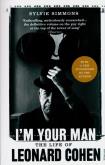
The definitive biography of the late Leonard Cohen - singer-songwriter, musician, poet, and novelist. The genius behind such classic songs as Suzanne, So Long, Marianne, Bird on the Wire and Hallelujah, Leonard Cohen has been one of the most important and influential songwriters of our time, a man of spirituality, emotion, and intelligence whose work has explored the definitive issues of human life - sex, religion, power, meaning, love. I'm Your Man explores the facets of Cohen's life.
Renowned music journalist Sylvie Simmons draws on Cohen's private archives and a wealth of interviews with many of his closest associates, colleagues, and other artists whose work he has inspired. Containing exclusive material and interviews, this is the biography to buy on Leonard Cohen.
Lektura książki Mikołaja Sokołowskiego poświęconej postaci Władysława Mickiewicza, pierworodnego syna Wieszcza, jest doświadczeniem niezwykłym. Przede wszystkim dlatego, że realizuje nowy typ humanistycznej refleksji obejmującej życie literackie sensu largo: więc dzieł literackich, korespondencji, kontaktów i interakcji międzyludzkich, idei i obsesji, jakie podzielali, wartości i tęsknot. Paris, Ladis, Paradis jest więc – zgodnie z drugą częścią tytułu – biografią polityczną Władysława Mickiewicza, ale jest też, nawet dopowiedziałbym, że bardziej, fascynującą narracją poświęconą życiu intelektualnemu, religijnemu, społecznemu drugiej połowy XIX wieku i pierwszej ćwierci wieku XX. Trudno w jednym akapicie ująć, w jakich kierunkach, perspektywach metodologicznych i na jakich obszarach książka o „Jego synu” jest wybitnym osiągnięciem naukowym, dziełem nowatorskim i odkrywczym. Wymienić by trzeba poza warstwą historycznoliteracką takie obszary jak hermeneutyka egzystencjalna, poetyka kompleksu, „lęk przed wpływem”, wreszcie socjologia literatury, historia idei, ukazanie przypadku szczególnego close reading. A i takie wyliczenie nie obejmuje wszystkich obecnych tu zagadnień.
z recenzji prof. Andrzeja Fabianowskiego
Ten produkt jest zapowiedzią. Realizacja Twojego zamówienia ulegnie przez to wydłużeniu do czasu premiery tej pozycji. Czy chcesz dodać ten produkt do koszyka?