‘I am Black because I come from the earth’s inside
now take my word for jewel in the open light.’
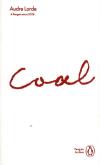
Impassioned and profound, the poems in Coal showcase Audre Lorde in all her dazzling elegance and multiplicity. Mournful, celebratory, politically conscious, this early collection is a testament to Lorde’s beloved and hugely influential lyric voice, which faithfully captures the complex interiority of the self. These timeless poems resonate down the years.
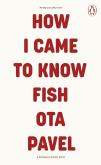
Through tender, vivid, and often humorous recollections – from magical fishing trips to the rivers and ponds of Bustehrad to his charismatic father’s eccentric business ventures - this bittersweet memoir tells the story of a childhood in Czechoslovakia, against the backdrop of World War II.
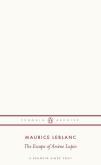
In this thrilling collection, we meet Arsène Lupin, a brilliant, alluring master of disguise – or, as some would have it, a notorious criminal. We follow him on a series of high-stakes adventures, from ingenious heists of invaluable paintings to daring escapes, each one showcasing his intellect, charm, and extraordinary ability to stay one step ahead of the law.
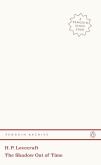
Assuming that I was sane and awake, my experience on that night was such as has befallen no man before’
After five years of 'strange amnesia', Nathaniel Wingate Peaslee remains haunted by madness and memories that cannot be real. Desperate for answers he travels to Western Australia, joining an archaeological excavation into Earth’s deep past.
Journey with Peaslee to discover his fate in the story described by author Lin Carter as ‘Lovecraft’s single greatest achievement in fiction’.
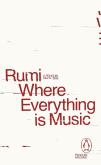
Rumi’s verses have been a balm for readers’ souls for over eight centuries. This exquisite selection brings together some of the Persian mystic’s most profound, evocative and transcendent works. Exploring passion, heartbreak, friendship, faith and the myriad ways in which we move through the world, these strikingly modern poems are perfect for those looking for inspiration, guidance, or endless delight.
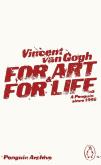
Few artists' letters are as self-revelatory as Vincent van Gogh's. From the humanistic inspiration behind The Potato Eaters to his long-time obsession with painting the vision that eventually became The Starry Night, the letters in this selection paint an intense personal narrative of his artistic development and creative process across the years. They reveal a man of great spiritual and emotional depths who – in his own words – did everything ‘for art and for life itself’.
‘I had rather die in the adventure of noble achievements, than live in obscure and sluggish security’
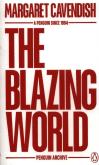
In 1666, Margaret Cavendish had a vision: there was a crack in reality at the North Pole leading to a utopian parallel universe, where gender roles, scientific orthodoxy and political norms had been razed to the ground. She slipped through the portal and returned with the first science fiction novel in English – an explosive account of the Blazing World.
He stretched out his two long, lank arms, that looked like spider’s claws, and seemed to embrace with them the expanse before him'
His inheritance squandered and engagement severed, Guido di Cortese stalks the desolate Genoese coast. A monstrous creature, shipwrecked by a ferocious storm, offers him unimaginable wealth to exchange bodies, entwining their fates. Transformation, with two further tales of striking and eerie power here, shows how Mary Shelley haunts us still.
It’s terribly important that I get in touch with a gentleman who may have stopped in here to buy flowers this morning. Terribly important.
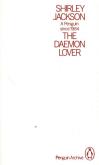
Sometimes, the person you think you love isn’t who they seem. And sometimes, you can be your own deception. Spanning Shirley Jackson's entire career, these devilish tales of love, death, and despair show us how all that keeps us safe in suburbia can strike up, leave, and instantly disappear.
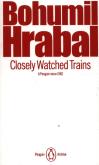
Closely Watched Trains tells the story of Miloš Hrma, a young railroad apprentice coming of age in wartime Czechoslovakia. Miloš is overwhelmed with worries – about his virginity, his love for the conductor, and ongoing scandals in the stationmaster’s office – besides which the idea of fighting the Germans seems a simple affair. Poignant, humorous and the inspiration behind the 1966 Academy Award-winning film, this is a small masterpiece from one of the best Czech writers of the twentieth century.
The bones were still warm; but they were picked clean. They had even eaten their own dead
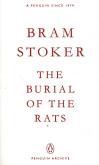
This spine-chilling collection from Dracula creator Bram Stoker showcases five haunting tales, including the newly discovered ‘Gibbet Hill’. From ‘Dracula’s Guest’, thought by many to be the original excised opening of Dracula itself, to the sinister ‘The Judge’s House,’ each gripping story will leave you breathless, perhaps afraid to turn out the lights. Dare you explore the darkness?
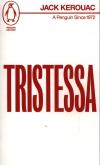
Tristessa is a strange fever-dream of morphine sickness and belly-deep sadness. Or, in the words of Allen Ginsberg: ‘a narrative meditation studying a hen, a rooster, a dove, a cat, a chihuahua dog, family meat, and a ravishing, ravished junky lady, first in their crowded bedroom, then out to drunken streets, taco stands, and pads at dawn in Mexico City slums’.
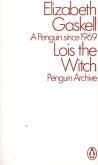
Beware the self-righteous man of faith, the wicked-eyed child, the jealous lover. For this is Salem, in 1691, where rumours fly on the wind and witchcraft is abroad. Lois Barclay, cursed in childhood, is a stranger in a strange land – and the devil will work his mischief on Lois’s neighbours before the season of madness is out.
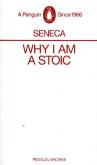
Plagued by ill-health, violently sick at sea, irritated by renovation costs: Seneca is never less than sympathetically human. In these letters written 2000 years ago, the ancient philosopher speaks to the reader today with lucidity and warmth. Whether advising on how to live a good life, spend time alone or free oneself from fears of death, Seneca is the wise and compassionate friend we all need now.
As for me I have one ambition only: to invent stories, very beautiful stories’
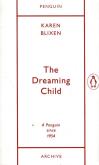
Gothic, expansive and truly spellbinding, Karen Blixen’s short stories offer incisive psychological portraits and imaginative visions of war, longing and tender love. Here, an orphan boy creates an elaborate fantasy of a life of grandeur, a feudal lord sets a peasant woman a deadly task, and a young woman resists against her captors, in the midst of conflict.
She drew a long, soft breath, as though the paper daffodils between them were almost too sweet to bear
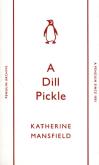
Katherine Mansfield was a magician of the short story, whose work was described by Virginia Woolf as ‘the only writing I have ever been jealous of’. These eight tales show her gift for transforming fleeting moments – a chance meeting, a letter received, a careless remark – into small miracles of language and feeling.
What can you say, when a man asks you to dance with him? I most certainly will not dance with you. I’ll see you in hell first. Why, thank you, I’d like to awfully, but I’m having labor pains.
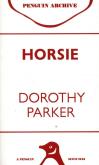
Acerbic, pithy and vibrant, Dorothy Parker’s writings capture the dizzying decadence of Jazz Age New York. Though Parker refuses to be swept along: she gleefully deconstructs its hypocrisy, prejudice and taboos with style and precision.
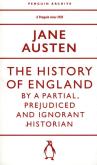
In Jane Austen’s breezy and entirely biased telling of English history, Mary, Queen of Scots is a scandalously wronged victim, Elizabeth I is a wicked villain and most historical facts and dates are cheerfully disregarded. It is accompanied here by other riotous early pieces in which young women steal money, escape from prison, agree to marry two men at once, faint and repeatedly ‘run mad’.
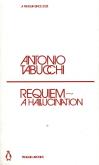
My dear friend, he said, life is strange and strange things happen in life'
It is a hot July Sunday in Lisbon and our narrator has an appointment to meet someone by the quayside. But when his guest does not arrive, he spends the day wandering the deserted city, encountering some memorable characters along the way: a disoriented taxi driver, an accordionist, a Seller of Stories and, finally, the long-awaited ghost of the late, great Fernando Pessoa.
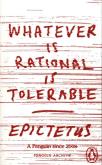
I must die. But must I die bawling?’
What does it mean to live a virtuous life? How can we rise above pain and anguish? In these teachings from Book 1 of his Discourses, ancient philosopher Epictetus outlines a practical approach to Stoicism that has inspired thinkers for centuries, from Marcus Aurelius to Theodore Roosevelt, offering enduring wisdom on resilience, virtue and the pursuit of meaning.
Ten produkt jest zapowiedzią. Realizacja Twojego zamówienia ulegnie przez to wydłużeniu do czasu premiery tej pozycji. Czy chcesz dodać ten produkt do koszyka?