W tej strefie zapraszamy czytelników tak zwane artystyczne dusze po książki z kategorii Sztuka. Polecamy szereg publikacji o sztuce i jej historii,ciekawostki i portfolia artystów, eseje, albumy, książki o malarstwie, rzeźbiarstwie, architekturze oraz histoii fotografii. Biografie ciekawych artystów, książki i powieści przedstawiające fascynujące losy malarzy i osób uwiecznianych na obrazach. W tym dziale tylko ksiązki ze sztuka w tle.
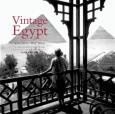
New paperback edition of this fascinating look at cosmopolitan Egypt in the ""golden years"" of travel under the last kings. A tourist perched on a camel, a Bugatti at the foot of the pyramids, high tea served in jasminedraped gardens ... these are the images of Egypt under the last kings, Fuad and Farouk, in the first half of the twentieth century.
The era saw the birth of organized tourism on a grand scale, under the guiding genius of Thomas Cook, with fifty thousand wealthy adventurers boarding boats each year for the Nile. Among this throng, however, were those not content to be simply photographed in front of the ruins and then return home. In a country looking toward Europe and ""protected"" by the British army, a very particular social set formed in Cairo and Alexandria.
Within this cosmopolitan, ephemeral world, cinema and avant-garde theater flourished, featuring such stars as dancer Samia Gamal, director Youssef Chahine, and actor Omar Sharif. Fascinating accounts of this universe have been left by Egyptian writers or travelers to the country, including Rudyard Kipling, Jean Cocteau, and Andre Gide. They offer us a rare glimpse of Egypt before the era of mass tourism.
Extraordinary period photographs also survive; unearthed in Cairo or Beirut, in museums or private homes-they bring alive once again the fragile yet effervescent glamour of Egypt under the last kings.
Entering fashion history in 1993 with his notorious ‘grunge’ collection for Perry Ellis, Marc Jacobs would soon be hailed by American Vogue as ‘the dauphin of grungy, understated cool’. He quickly rose to become one of the most influential designers of his generation.
Known for his collaborations with prominent artists, musicians and muses – from Stephen Sprouse to Sonic Youth, Debbie Harry, Sofia Coppola and Chloë Sevigny, Marc Jacobs ‘changed what it means to be a fashion designer, just as once upon a time Andy Warhol changed what it meant to be an artist’, fashion historian Valerie Steele once proclaimed. Opening with an essay on the designer’s work, Marc Jacobs: Unseen unfolds chronologically, revisiting the designer’s most iconic creations and revealing previously unseen behind-the-scenes moments of models, hairdressers, stylists, make-up artists and Marc Jacobs himself at their most creative. Robert Fairer’s stunning and high-energy photographs capture the youth, glamour and spirit that defined Jacobs’s shows.
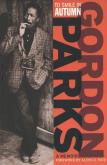
Gordon Parks was born with, he says, "a stubborn need to be somebody."Though Parks is remembered most notably as a photographer and filmmaker, on his enthralling climb to fame between 1944 and 1978 he was successful in many pursuits, including journalism, poetry, and music. It was not always an easy journey, but by thirty-six he had overcome many obstacles to become a photographer and writer for Life magazine. To Smile in Autumn is a candid revelation of a man in the prime of his life and career. This autobiography, with a new foreword by Alexs Pate, is a testament to a person much attuned to the greater world and driven to leave his mark on it.
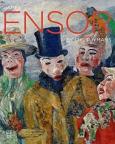
James Ensor (1860-1949) produced one of the most unusual bodies of work at the turn of the twentieth century. Marked by psychological complexity, contradictions and sheer eccentricity, his works - featuring such bizarre subject-matter as dressed-up skeletons and macabre carnival masks - have continued to baffle and intrigue in equal measure. Ensor was born in Ostend and barely left his home town during his lifetime; his family, however, ran a curio shop filled with an array of exotic objects including parrots, a monkey and masks from around the world, which perhaps in part influenced the imagery of his mature work.
In this volume, essays explore Ensor's life and legacy, while Luc Tuymans's comments on his selection provide a dictinctive picture of James Ensor, who has been such a major influence on Expressionism and Surrealism.
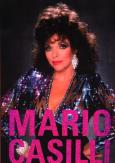
Mario Casilli's photographs defined the fabulous and outrageous entertainment industry in the 1980s. His larger than life portraits, featuring his trademark backlighting and bright color palette, captured everyone from Joan Collins in blinding jewels, Dolly Parton in perfectly coiffed grandeur and the Bee Gees in sleeveless leather to full cast shots of iconic television shows like Dynasty, Dallas, Knight Rider and Miami Vice. Casilli was a magnificently talented photographer who captured this exciting, fun and over-the-top decade like no other.
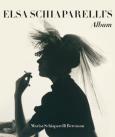
Elsa Schiaparelli is regarded as one of the most important artist-couturiers and taste-makers of the 20th century. A genuine influence on the style of her times, she numbered among her collaborators and friends the artists Pablo Picasso, Salvador Dali, Jean Cocteau, Christian Berard and Marcel Vertes. She was an early client of the important modernist decorator Jean- Michel Franck who decorated her salons for her using Giacometti lamps from him.
Here, with a text on her memories of her beloved grandmother by the international film star Marisa Berenson, is Schiaparelli's own album of photographs of her life starting in Italy when we see her as a very young girl in the early 20th Century. We meet the people she knew, we see round the houses she lived in, the parties she gave and we can read her witty writings, some translated from the original French or Italian, some in English, many in facsimile. Ninety per cent of the photographs in this book have never been seen in public before, nor published.
They are original studio proof prints by giants of 20th-century photography such as Man Ray, Hoyningen-Huene, Horst, Andre Durst, Baron de Meyer and other notable photographers of the time. None of the writings have been previously published.
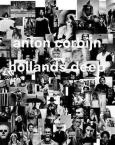
For over four decades, Anton Corbijn, Dutch photographer and the director of award-winning feature films (Control, 2007; The American, 2010; A Most Wanted Man, 2014) and near 100 music videos, has been making portraits of artists and celebrities such as Robert de Niro, Nelson Mandela, Gerhard Richter, David Bowie, William Burroughs, Kurt Cobain, Lucian Freud, Clint Eastwood, Kate Moss, Miles Davis, Allen Ginsberg, Bruce Springsteen, Ai Weiwei, and Patti Smith. His collaboration with some musicians such as U2, Depeche Mode, and Tom Waits stretches over several decades, holding an extremely rare position in that world. This book brings together some of Corbijn's most iconic images. With Schirmer/Mosel, he has published 15 books on his photographic and cinematic work, from his stunning debut Famouz in 1989 and his all-time bestseller Star Trak to his long-time portrait Waits/Corbijn and, most recently, Looking at A Most Wanted Man.
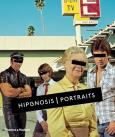
In just fifteen years, Hipgnosis (Storm Thorgerson, Aubrey Po Powell and Peter Christopherson) established themselves as the most important design collective in music history. Their innovative cover art defines the albums of the biggest names of the late 1960s, 70s and early 80s: AC/DC, Black Sabbath, Peter Gabriel, The Police, Genesis, Led Zeppelin, Pink Floyd, T. Rex, Wings, Yes and XTC, to name just a few.
Their iconic designs - including Pink Floyd's The Dark Side of the Moon and Led Zeppelin's Houses of the Holy - grace a staggering number of major releases. Their boundary-breaking conceptual approach earned them five Grammy nominations for package design, and their influence today can be seen in all creative fields from advertising to fashion. This book is divided into two main sections: Part I, 'Imagination', tells the story behind the cover artwork from germination through to the final sleeve design, supported by a wide array of archival materials and text from Aubrey Powell.
Part II, 'Realization', showcases the band portraits themselves, whether album covers or otherwise, in beautiful, large-scale reproductions. Both sections are arranged alphabetically and cross-referenced throughout.
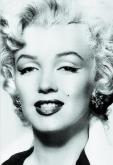
Reprint of our Marilyn Monroe classic. Marilyn posing for nearly every major photographer: Avedon, Beaton, Erwitt, Cartier-Bresson and others; Marilyn in all her moods: young and carefree, sexy and serious; glamorous and girl-next-door; and Marilyn in her own words in a 1960 interview conducted by Georges Belmont.
Główną tezę mojej książki najlepiej wyrażają słowa teoretyczki i projektantki mediów, Anne Balsamo: „Projektanci (…) hakują teraźniejszość i stwarzają warunki dla przyszłości”. Przyjmuję, że dizajn, działalność projektowa, jest praktyką wychyloną w przyszłość, a podstawową zasadę pracy projektantów stanowi tryb zmiany, chęć ulepszenia tego, co zastane, pragnienie poprawienia rzeczywistości. (…) Projektowanie zawieszone jest między tym, co jest, a tym, co będzie, negocjuje marzenie z rzeczywistością. Pomysł na niniejszą książkę wziął się więc z tego prostego, a zarazem nieoczywistego spostrzeżenia.
fragment Wstępu
Książka dobrze pokazuje mechanizmy funkcjonowania designu w jego wielopoziomowych funkcjach, a paradygmat utopijny (raczej utopia o utopii), który jest wyjściową tezą pracy, pozwala osadzić design jako model krytyczny, przydatny do diagnozowania potencjału kulturowego w różnych wymiarach czasowych (past–praesens–futurum).
prof. PAN dr hab. Marta Leśniakowska
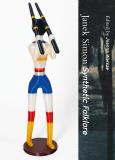
Janek Simon jest artystą, ale także anarchistą, programistą, rzemieślnikiem, intelektualistą, społecznikiem, podróżnikiem, byłym mistrzem juniorów w brydżu i w dwudziestu procentach kuratorem. Mawia, że interesuje go zbyt wiele rzeczy: od globalizacji przez geografię polityczną, sztuczną inteligencję, cyfrowy materializm, ład algorytmiczny, spekulacje finansowe i strategie zrób-to-sam po teorie postkolonialne w Europie Wschodniej i ciągłe, nieomal Gombrowiczowskie dylematy dotyczące tego, co to znaczy być Polakiem. Niniejsza monografia prezentuje jego fascynującą zarówno wizualnie, jak i intelektualnie twórczość, napędzaną przez nieposkromioną ciekawość, erudycję oraz poszukiwanie tego, co on sam nazywa syntetycznym folklorem równowagi między językiem partykularnym i planetarnym, której osiągnięcie umożliwić mogą nowe technologie. Publikacja jest pokłosiem wystawy retrospektywnej artysty prezentowanej zimą 2019 roku w Centrum Sztuki Współczesnej Zamek Ujazdowski w Warszawie, której kuratorką była Joanna Warsza.
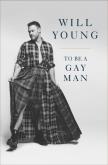
In To Be a Gay Man, Will Young speaks out about gay shame, revealing the impact it had on his own life, how he learned to deal with it, and how he can now truthfully say he is gay and happy.
We know Will as a multi-platinum recording artist, Olivier-nominee, and the first winner of the Idol franchise. But his story began long before his first audition. Looking back on a world where growing up being called gay was the ultimate insult and coming out after a lifetime of hiding his sexuality, Will explores the long-lasting impact repressing his true self has had.
As Will’s own story demonstrates, internalised shame in childhood increases the risk of developing low self-worth, and even self-disgust, leading to destructive behaviours in adult life.
Will revisits the darkest extremes he has been to, sharing his vulnerabilities, his regrets, tracing his own navigation through it all and showing the way for others who might have felt alone in the same experience.
Here you will find a friend, champion and mentor, breaking taboos with frank honesty, and offering invaluable practical advice on overcoming the difficult issues too often faced within the LGBTQ+ community.
It is widely considered in music, there are two eras-before Hendrix and after Hendrix. Regarded as the greatest guitarist of all time, Jimi Hendrix is the embodiment of rock 'n' roll. His career only spanned four years but in that time he managed to influence generations of musicians from Freddie Mercury to the Red Hot Chili Peppers and Slash. Born Johnny Allan Hendrix in Seattle in 1942, Jimi had a difficult childhood living in the care of relatives with only sporadic visits to his mother. Music became his sanctuary and in the mid-60s he had his career breakthrough creating The Jimi Hendrix Experience. Renowned for his incredible performances, Jimi played the guitar like never before. Famous for playing the guitar with his teeth and lighting his instrument on fire, Hendrix's innovative and experimental sound won over UK rock royalty and legions of US fans. But there was a dark side to Hendrix, he would become angry and violent after days of mixing alcohol and illicit drugs. Tragically in 1970 he was found dead in a London flat. The real reason behind his death is still disputed. Hendrix managed to change music forever in just four years. With access to key members of Jimi's circle, critically acclaimed writer Mick Wall will deliver an explosive and celebratory biography offering fans a chance to see the real Hendrix and learn the truth behind his untimely death.
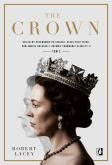
Drugi tom księgi wiedzy o serialu The Crown i fascynującej historii królowej Elżbiety IITym razem Robert Lacey, konsultant historyczny hitu Netflixa, odpowiada na wszystkie pytania dotyczące wątków z drugiego i trzeciego sezonu.Przyjrzyj się dwóm burzliwym dekadom panowania królowej Elżbiety II: kluczowym momentom społecznym, politycznym i osobistym oraz ich skutkom nie tylko dla rodziny królewskiej, ale również dla otaczającego ją świata. Od kryzysu sueskiego i radzieckiego wyścigu kosmicznego po spuściznę współpracy księcia Windsoru z Hitlerem, a także głośne tematy związane z królewskim małżeństwem, książka ta daje wgląd w historyczne dziesięciolecia i odsłania prawdę ukrytą za dramatem rozgrywającym się na ekranie.To fascynujące i wciągające spojrzenie na historię, która zainspirowała ten serialowy fenomen, oraz na lata, które okazały się kluczowym czasem kształtowania Królowej, jaką znamy.
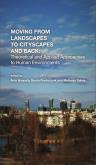
Moving from Landscapes to Cityscapes and Back: Theoretical and Applied Approaches to Human EnvironmentOne common topic of the essays included in the present volume is urban environment. Urban environment or cityscape has been traditionally contrasted with landscape since the latter was identified with rural or wild nature. However, there is no reason not to treat it as a particular form of landscape. Another premise of the present volume is the idea that in spite of the fact that landscapes cannot be understood solely in aesthetic terms, the aesthetic qualities of landscapes are of primary importance. The way people aesthetically experience their surroundings is decisive not only for their well-being but also for how they experience their environs in general, and thus how these environments become meaningful to them. It is crucial to notice that their aesthetic qualities may be numerous from spectacular beauty to familiar everydayness and may depend on various factors from the known past of a particular place to the expected future of the whole planet.
W publikacji zaprezentowano wyniki badań autorskich, mających na celu weryfikację zgodności procesów planowania rewitalizacji podjętych w miastach polskich z modelem teoretycznym ukazywanym w literaturze przedmiotu. Jako materiał porównawczy posłużyły doświadczenia takich państw, jak Wielka Brytania, Francja, Niemcy czy Stany Zjednoczone.
Przedstawione rozważania mają wymiar zarówno teoretyczny, jak i aplikacyjny. Sposób realizacji tematu przyjęty przez Autorkę umożliwił kompleksowe ujęcie problematyki rewitalizacji w kontekście przemian współczesnych miast i stojących przed nimi wyzwań.
Walory aplikacyjne książki wynikają przede wszystkim z opracowanego na potrzeby realizacji celu badawczego uniwersalnego zestawu wskaźników, który umożliwia przeprowadzenie analiz zgodności z modelem procesu planowania rewitalizacji dla każdego miasta w Polsce. Narzędzie to może okazać się przydatne między innymi na etapie weryfikacji i oceny programów rewitalizacji przez urzędy marszałkowskie jako instytucje zarządzające alokacją funduszy unijnych.
*
Publikacja jest potrzebna zarówno teoretykom, jak i praktykom rewitalizacji miast. Do jej podstawowych zalet należy zaliczyć wybór ważnego, teoretycznie i praktycznie, zagadnienia badawczego, będącego de facto luką badawczą, oraz kompleksowość opracowania tematu.
Książka kierowana jest do teoretyków, którzy będą manipulować przy istniejącym modelu rewitalizacji, a chcąc uczynić go lepszym, najpierw powinni przeczytać monografię Katarzyny Olbińskiej; praktyków stosujących ten model; studentów uczących się o problemach rewitalizacji miast oraz wszystkich, którzy planują procesy rewitalizacyjne w miastach - decydentów i członków zespołów ich wspomagających.
Prof. zw. dr hab. Marek Bryx
Zatłoczenie transportowe, zanieczyszczenie powietrza oraz emisja hałasu należą do szczególnie uporczywych efektów zewnętrznych rosnącej motoryzacji i stanowią najbardziej aktualne wyzwania dla miejskiej polityki transportowej. Problemy te są szczególnie widoczne w dużych aglomeracjach, w których historyczne uwarunkowania architektoniczne utrudniają procesy infrastrukturalnego usprawniania systemu transportowego. Jedynym skutecznym rozwiązaniem może być wpływanie na codzienne zachowania mieszkańców miast skłaniające ich do rezygnacji z samochodu na rzecz bardziej ekologicznych środków transportu.
Głównym celem monografii było określenie czynników wpływających na wybory środka lokomocji używanego w codziennych podróżach przez mieszkańców Łodzi. Naukowe rozpoznanie przyczyn tych decyzji przeprowadzono na podstawie mikroekonometrycznych modeli wyborów dyskretnych. W książce wykorzystano dane z badań socjologicznych do określenia determinant zachowań transportowych. Uwzględniono więc bardzo szeroki zestaw zmiennych mogących wpływać na decyzje transportowe łodzian, niespotykany dotąd w innych badaniach tego typu.
W publikacji przeanalizowano literaturę dotyczącą modelowania determinant zachowań transportowych, omówiono i uzasadniono przypadek Łodzi jako interesującego naukowo miasta poprzemysłowego. Przedstawiono wyniki badań z wykorzystaniem kilku rodzajów modeli dyskretnego wyboru oraz wnioski, które mogą zainteresować zarówno badaczy tematu, jak i decydentów szukających sposobów na usprawnienie miejskiej polityki transportowej.
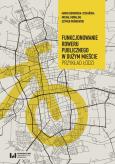
Celem książki jest ocena funkcjonowania Łódzkiego Roweru Publicznego jako elementu systemu transportowego miasta. Do badań wykorzystano głównie dwie bazy danych dotyczące wypożyczeń i zwrotów łódzkich rowerów publicznych oraz rejestru przejazdów nimi utworzonego na podstawie sygnałów GPS. Analizy przestrzenne wykonano przy użyciu oprogramowania GIS. Aby poznać opinie użytkowników na temat roweru miejskiego w Łodzi, przeprowadzono wywiady kwestionariuszowe (standaryzowane).
Łódzki Rower Publiczny dobrze wpisał się w krajobraz miasta, mimo swojego krótkiego funkcjonowania. Ten popularny środek transportu wydaje się przybliżać Łódź do realizacji założeń Karty Brukselskiej oraz idei zrównoważonego transportu miejskiego. Ze względu na duży zasięg przestrzenny funkcjonalnego centrum Łodzi, rower miejski może stanowić podstawowe narzędzie integrujące obszar śródmiejski. Istotna jest również jego niska emisyjność i niewielka terenochłonność.
Jak pisze Jacek Leociak: „reprezentować” – to czynić na powrót obecnym. Twórcy sztuki audialnej podejmują próby uobecniania ocalałych i ofiar Szoa, a artystyczne formy dźwiękowe stanowią przestrzeń reprezentacji. Audialne opowieści podejmujące tematykę Zagłady, choć skupione wokół cierpienia i śmierci jednostek oraz całych grup, nierzadko w swej istocie są historią o ocaleniu, stawiają bowiem w swym centrum wspomnienia tych, którzy przetrwali. Specyfika wspomnień Zagłady i z Zagłady, ich fragmentaryczność – sprawiają, że praca twórców artystycznych form dźwiękowych skoncentrowana jest niejednokrotnie na rekonstruowaniu losów jednostek i ich rodzin oraz utkaniu opowieści z dostępnych i odnalezionych wspomnień, śladów, dokumentów. Dyskurs holocaustowy zapośredniczony przez medium audialne nie jest jednorodny, ale rozprzestrzeniony wskutek dyspersji zagarniającej coraz to nowe obszary budowania opowieści o Szoa. Mamy nadzieję, że niniejsza publikacja wzbogaci wiedzę o Zagładzie, a także wiedzę radioznawczą, wypełniając lukę w literaturze przedmiotu, w której ta tematyka nie była dotąd podejmowana.
Autorki
Praca pionierska w odniesieniu do zamysłu fuzji tematu traumy z techniką medium radiowego. W polskich badaniach pierwsza, choć oczywiście zainteresowanie szeroko pojmowaną literaturą w radiu nie jest nowe. Ze wszech miar warta publikacji, także dla poszerzenia dyskusji o zasadności badania aspektu artystycznego w odniesieniu do szczególnie wrażliwego dokumentu życia, jakim jest sytuacja graniczna – tu Zagłada.
Z recenzji prof. dr hab. Violetty Wejs-Milewskiej
Ten produkt jest zapowiedzią. Realizacja Twojego zamówienia ulegnie przez to wydłużeniu do czasu premiery tej pozycji. Czy chcesz dodać ten produkt do koszyka?