W tej strefie zapraszamy czytelników tak zwane artystyczne dusze po książki z kategorii Sztuka. Polecamy szereg publikacji o sztuce i jej historii,ciekawostki i portfolia artystów, eseje, albumy, książki o malarstwie, rzeźbiarstwie, architekturze oraz histoii fotografii. Biografie ciekawych artystów, książki i powieści przedstawiające fascynujące losy malarzy i osób uwiecznianych na obrazach. W tym dziale tylko ksiązki ze sztuka w tle.
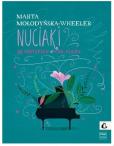
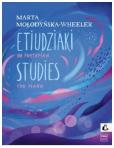
Zbiorek zawiera 10 miniatur zadedykowanych najmłodszym pianistom. Utwory mają różny stopień trudności i wprowadzają ucznia w coraz bardziej skomplikowane konfiguracje.
Pozycja z serii 'Pedagogicznej', kontynuacja podręcznika 'Szkoła na saksofon' Tadeusza Hejdy. Zawiera materiały, które pozwolą saksofonistom doskonalić technikę gry, a jednocześnie przygotowuje do wykonywania utworów o charakterze jazzowym. Ćwiczenia synkopowo-artykulacyjne, tematy i wariacje oryginalnych utworów jazzowych i jazzujących.
Utwory fortepianowe zajmują szczególne miejsce w twórczości Szymanowskiego, są wykładnią jego stylu, stanowią niewątpliwy wkład w rozwój muzyki fortepianowej XX w. Fortepian był mu bliski, przy nim komponował, był interpretatorem i akompaniatorem (pieśni i utwory skrzypcowe z fortepianem) swoich własnych utworów. W niniejszym zbiorze zawarte zostały preludia, ''Preludium i fuga'', etiudy, mazurki, 4 tańce polskie, ''Walc romantyczny'', ''Metopy'' i ''Maski''. Utwory lub fragmenty poszczególnych cyklów prezentują przekrój twórczości fortepianowej Karola Szymanowskiego (w wyborze pominięte zostały większe formy takie jak sonata, fantazja czy wariacje). Wczesne kompozycje (preludia) pełne młodzieńczego emocjonalizmu pozostają jeszcze pod wpływem twórczości Chopina, Brahmsa czy Skriabina, nie są jednak pozbawione oryginalności i odrębności właściwej dla stylu Szymanowskiego. W etiudach z op. 4 obserwujemy większe tonalne rozluźnienie, bardziej złożone struktury, bogactwo wskazówek interpretacyjnych. Utwory napisane po 1914 r. niosą nowe wartości techniczne i estetyczne. Etiudy op. 33 to bardzo krótkie utwory, wykonywane attacca kontrastowo zestawione pod względem nastroju, ekspresji, faktury czy kolorystyki. Z tego samego ''impresjonistycznego'' okresu pochodzą ''Metopy'' i ''Maski'', które jako jedyne w twórczości fortepianowej Szymanowskiego reprezentują typ muzyki programowej, geneza powstania tkwi w literackich zainteresowaniach kompozytora. Nowe stylistyczne założenia, nowoczesny język dźwiękowy obserwujemy w Mazurkach - stylizacja folkloru góralskiego, wyzyskanie jego cech melicznych, rytmicznych i tonalnych w połączeniu z formą mazurka. 4 tańce polskie cechuje prostota faktury, przejrzystość i zwięzłość formy. ''Walc romantyczny'' jest nietypowym w twórczości Szymanowskiego utworem okolicznościowym.
Muzyka i dźwięk są nieodłącznymi elementami każdego filmu. Wydobywają głębię filmowych scen, potęgują ich nastrój i podkreślają charakter. Emocje, które często nam towarzyszą podczas oglądania filmu sprawiają, że bardzo chętnie sięgamy po ścieżkę muzyczną danego dzieła słuchając jej, nucąc charakterystyczne tematy czy też próbując grać je na instrumencie.W niniejszym zbiorze prezentujemy Państwu proste opracowania na fortepian tematów muzycznych jednych z najpopularniejszych filmów i seriali polskich. Ich autorem jest Maciej Zieliński - kompozytor nie tylko muzyki poważnej, ale i filmowej, teatralnej, piosenek oraz muzyki do produkcji telewizyjnych i reklam. W 2012 roku został nominowany do nagrody Fryderyk w kategorii Kompozytor Roku.Łatwe opracowania sprawią, że znane z ekranów muzyczne tematy rozbrzmiewając w domu każdego z nas zapewne przypomną zabawne sceny, dialogi a może nawet nakłonią do ponownego obejrzenia ulubionych fragmentów filmowych...
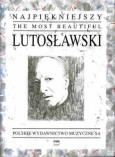
Na publikację składają się popularne utwory fortepianowe Lutosławskiego, wśród nich: Bukoliki i Melodie ludowe. Celem edycji jest rozpowszechnienie muzyki Lutosławskiego w najszerszych kręgach młodych wirtuozów, zarówno profesjonalistów, jak i amatorów.
Utwory w publikacji:
Ach, mój Jasieńko
Bukoliki
Czteropalcówka
Dwie etiudy
Gaik
Gąsior
Hej, od Krakowa jadę
Inwencja
Jest drożyna, jest
Marsz
Melodia
Na jabłoni jabłko wisi
Od Sieradza płynie rzeka
Panie Michale
Pastereczka
Rektor
W polu lipeńka
Zalotny
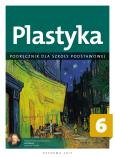
Podręcznik prezentuje tradycyjne dyscypliny sztuk wizualnych. Inspiruje do twórczych działań, rozwijając kreatywność ucznia.
Pomoże na lekcjach plastyki zapoznać ucznia z dziedzictwem kulturowym ludzkości i najwspanialszymi dziełami sztuki na świecie. Wspiera w rozwoju wrażliwości wizualnej, wyobraźni i myślenia abstrakcyjnego. Ten tom podręcznika zawiera treści z zakresu tradycyjnych dyscyplin sztuki: rysunku, malarstwa rzeźby i architektury.
Przemyślana i sprawdzona formuła
duża liczba starannie dobranych zdjęć i reprodukcji umożliwia poznawanie najwybitniejszych dzieł sztuki
najbardziej charakterystyczne dzieła poszczególnych dyscyplin sztuki pokazane w układzie chronologicznym pozwalają uczniowi uporządkować wiedzę
omówienia dzieł pomagają kształtować umiejętność praktycznego wykorzystania wiedzy oraz rozwijania wrażliwości wizualnej
przykładowe opisy dzieł sztuki umożliwiają uczniom zdobycie umiejętności ich analizy
ćwiczenia plastyczne inspirowane poznawanymi dyscyplinami sztuki pozwalają na wykorzystanie zdobytej wiedzy w prakty
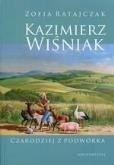
Kazimierz Wiśniak to ważna postać Krakowa: współtwórca wielu legend tego miasta, wśród których jaśnieje i rośnie legenda Piwnicy pod Baranami. W książce przedstawiono dokonania artysty na różnych polach począwszy od omówienia osiągnięć w dziedzinie scenografii. Historia najważniejszych teatrów Krakowa: Teatru im. J. Słowackiego, Starego Teatru i Teatru Bagatela, a także teatrów Wrocławia (szczególnie Wrocławskiej Pantomimy) ma wiele do zawdzięczenia Wiśniakowi jako twórcy scenografii.
Współpracował z wybitnymi reżyserami: Konradem Swinarskim, Jerzym Jarockim i Henrykiem Tomaszewskim. Tworzył rysunki do „Przekroju”, „Miesiąca w Krakowie” i „Rzeczpospolitej”. Został uhonorowany licznymi nagrodami za scenografie, między innymi Nagrodą Ministra Kultury i Sztuki I stopnia za całokształt sztuki scenograficznej oraz Srebrnym Medalem „Zasłużony Kulturze Gloria Artis”.
Wiśniak to człowiek wielu talentów: nie tylko scenograf i kostiumolog, lecz także rysownik, ilustrator, malarz i poeta. Wydał serię uroczych książek o ukochanej Lanckoronie. Nadano mu honorowe obywatelstwo tego miasteczka, tytuł Anioła, a ostatnio, w imieniu krasnoludków, wręczono berło i koronę, by dalej kreował świat zgodny z duchem baśni.
Książka to obszerny esej biograficzny, którego główną ideą jest pokazanie fenomenu czarodziejstwa w sztuce Wiśniaka przez pryzmat doświadczeń dzieciństwa. Psychologia jest tu nadrzędną kategorią konstytuującą narrację, a bogata szata graficzna nadaje książce swoisty rys artystyczny.
Zofia Ratajczak – profesor psychologii, autorka ponad 200 artykułów i wielu książek z zakresu psychologii stosowanej, m.in. Człowiek w sytuacji innowacyjnej (1980), Niezawodność człowieka w pracy (1988), oraz biograficznej Zachwyt i logika czynu. Portret intelektualny Tadeusza Tomaszewskiego (2006). W latach 1990–1993 dziekan Wydziału Pedagogiki i Psychologii, a od 1996 do 2002 roku prorektor Uniwersytetu Śląskiego. Jej zainteresowania literackie znalazły wyraz w próbach pisarstwa eseistycznego. Publikowała na łamach „Zeszytów Literackich” i „Nowych Książek”.
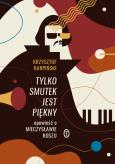
Między pięknem muzyki a tragedią życia. Pierwsza pełna biografia Mieczysława Kosza
Mieczysław Kosz – cudowne dziecko, talent muzyczny światowego formatu, niewidomy pianista zmarły tragicznie w wieku 29 lat. Jesienią 2019 roku na ekrany kin trafi film Macieja Pieprzycy Ikar. Legenda Mietka Kosza, w którym rolę tytułową gra Dawid Ogrodnik, a do księgarń – nowe, zaktualizowane wydanie książki Tylko smutek jest piękny… – kultowej wśród fanów jazzu biografii pianisty autorstwa Krzysztofa Karpińskiego.
Kosz był niewidomy od wczesnego dzieciństwa. Wszystko, co osiągnął, zawdzięcza swojej pasji do muzyki. Grał, zarabiając na życie, koncertował, komponował, odbierał nagrody. Świat otwierał się na jego muzykę. Wielokrotnie porównywano go do Billa Evansa.
Pamiętają o nim lubelskie Roztocze, Kraków, Zakopane i Warszawa. Pamiętają miłośnicy jazzu.
W ostatni dzień maja 1973 roku pianista wypadł z okna swojego mieszkania i zginął na miejscu. Do dziś nie wiadomo, czy był to nieszczęśliwy wypadek, czy samobójstwo, ale Krzysztof Karpiński – rozmawiając z przyjaciółmi i współpracownikami Kosza – pomaga nam zrozumieć przyczyny tej tragedii.
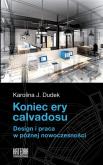
Koniec ery calvadosu to książka o polskich biurach, będąca w miarę kompletnym kompendium wiedzy na temat problemów z przestrzenią, dostępnych sposobów ich rozwiązywania oraz tego, jak są one stosowane w praktyce. Planowanie i aranżowanie wiążą się dziś z koniecznością uporania się z trzema źródłami niepewności: kłopotami z nadmiarem, tożsamością i wiedzą. Wykorzystywane dotychczas modele przestrzeni biurowej przestają się sprawdzać. Dlatego wraz z końcem ery calvadosu polscy projektanci i menedżerowie zaczynają poszukiwać innych rozwiązań i tworzyć biura w nowy sposób, który ma odpowiadać na wyzwania współczesności. Czerpią przy tym zarówno z najnowszych katalogów rozwiązań, jak i z dawnych pomysłów, o których zdążono już zapomnieć. W ten sposób z tego, co stare, i z tego, co nowe, powstaje współczesne polskie biuro. Z realizacją każdego projektu związana jest unikalna historia, ale jednocześnie dają się wyodrębnić powtarzalne etapy tego procesu.
"Książka powinna być, jeżeli nie obowiązującą, to przynajmniej polecaną lekturą dla studentów architektury, architektury wnętrz i zarządzania. Jestem przekonany, że uważna jej lektura może zaoszczędzić projektantom wielu kłopotów, a inwestorom – wiele pieniędzy". (prof. Jarosław Szymański)
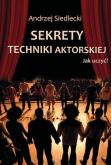
Książka jest adresowana do wszystkich zainteresowanych nauką gry aktorskiej i techniką pracy aktora. Oparta na unowocześnionym systemie treningu aktora według K. Stanisławskiego zawiera precyzyjny rozkład zajęc aktorskich z dokładnymi instrukcjami dla jednorocznego kursu gry aktorskiej. Gromadzi podstawowe ćwiczenia z zakresu techniki mowy i treningu aktorskiego oraz praktyczne i cenne wskazówki, dotyczące procesu pracy nad rolą i psychotechniki aktorskiej. W podręczniku znajdziecie też wykaz scen, nad którymi możecie pracować, a także zbiór myśli na temat gry aktorskiej i stylów aktorstwa znakomitych artystów teatru, takich jak: K. Stanisławski, M.A. Czechow, L. Strassberg, B. Brecht, J. Grotowski, R. Cieślak, S. Jaracz, M. Ćwiklińska, J. Osterwa, J. Kreczmar, J. Szajna, T. Łomnicki, W. Pszoniak i Z. Zapasiewicz.
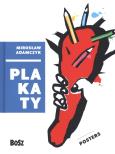
Książka „Adamczyk. Plakaty”, opatrzona słowem wstępnym Zdzisława Schuberta, przedstawia twórczość uznanego współczesnego plakacisty – Mirosława Adamczyka. Bohater kolejnego minialbumu w serii Plakaty to absolwent Wydziału Grafiki Państwowej Wyższej Szkoły Sztuk Plastycznych w Poznaniu, obecnie wykładowca Uniwersytetu Artystycznego w Poznaniu i kierownik Pracowni Ilustracji Wydawniczej. Adamczyk uczestniczy w wielu wystawach oraz konkursach, m.in. w Katowicach, Krakowie, Lahti, Hong Kongu, Ogakhi czy Nowym Jorku, jest laureatem licznych nagród i wyróżnień. Specjalizuje się w plakacie i ilustracji, zajmuje się również projektowaniem okładek książkowych. Twórczość artysty charakteryzują prostota formy i kontrastowe połączenia kolorystyczne.
Karty pracy:
- Stanowią uzupełnienie podręcznika
- Zawierają zestawy zadań z zaplanowanym miejscem na rozwiązanie
- Mają wygodną formę - każdą kartę można wyrwać z zeszytu, rozwiązać zawarte w niej zadania, a następnie oddać nauczycielowi. Ocenioną kartę uczeń wpina w skoroszyt
Podręcznik Plastyka 1 został przygotowany dla uczniów klasy liceów 1 ogólnokształcących i techników. Podręcznik pozwala zrealizować zakres podstawowy podstawy programowej.
Autorka podręcznika przede wszystkim skupiła się wyposażeniu młodzieży w kluczowe umiejętności z zakresu analizy
i interpretacji wizualnych tekstów kultury. Podręcznik umożliwia obcowanie z kulturą i jej rozumienie. Zaproponowana szata graficzna rozwija wrażliwość estetyczną, a propozycje zadań i ćwiczeń warsztatowych – twórcze myślenie. Każdy, kto podczas nauki lub poza nią, skorzysta z zaproponowanych w podręczniku treści, otrzyma podstawową wiedzę o sztuce i jej formach, syntetyczne wiadomości na temat dzieł sztuki od prehistorii do nowoczesności oraz informacje o twórczości lokalnej i znaczenia współczesnych wydarzeń kulturalnych.
Podręcznik do plastyki, dla klasy 1, zakres podstawowy dla szkół ponadpodstawowych składa się
z 5 rozdziałów:
Kontakt z dziełem sztuki
Konteksty dzieł sztuki
Sztuka lokalnego środowiska
Instytucje zajmujące się upowszechnianiem kultury i sztuki
Współczesne awangardy artystyczne
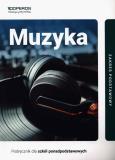
Podręcznik Muzyka 1 został przygotowany dla uczniów klasy 1 liceów ogólnokształcących i techników. Podręcznik pozwala zrealizować zakres podstawowy podstawy programowej.
Podręcznik pokazuje młodym ludziom wartości, jakie płyną z kontaktu z szeroko pojętą kulturą muzyczną. Zachęca do świadomego obcowania z muzyką na żywo poprzez udział w koncertach i spektaklach muzycznych o zasięgu lokalnym i globalnym. Zawiera też mnóstwo pomysłów na własne aktywności muzyczne - takie, które są zbieżne z zainteresowaniami i możliwościami młodych ludzi oraz które zachęcają do korzystania z nowoczesnych aplikacji i programów komputerowych. Kładzie duży nacisk na praktyczne umiejętności - nauka poprzez praktyczne działania, samodzielne lub grupowe. Inspiruje do muzycznych eksperymentów, między innymi tworzenia muzyki z wykorzystaniem dostępnych narzędzi rejestrujących dźwięk, gry na wybranym instrumentach, tańca czy śpiewu.
Podręcznik do muzyki, dla klasy 1, zakres podstawowy dla szkół ponadpodstawowych składa się
z 9 rozdziałów:
Na wielkiej scenie
„Śpiewać każdy może”
Upowszechnianie kultury muzycznej
Taniec – poezja ciał
Mulimedia i ich zasięg
Gatunki i style muzyczne
Z galerii gwiazd
Fonografia – dźwięk z nośnika
Muzyką wypełnij czas
Karty pracy:
- Stanowią uzupełnienie podręcznika
- Zawierają zestawy zadań z zaplanowanym miejscem na rozwiązanie
- Mają wygodną formę - każdą kartę można wyrwać z zeszytu, rozwiązać zawarte w niej zadania, a następnie oddać nauczycielowi. Ocenioną kartę uczeń wpina w skoroszyt
Kolejne rozdziały książki to zaproszenia do wglądu w realia Małej Akademii Jazzu z różnych perspektyw – od najbardziej generalnej, nazwijmy ją kulturowo-antropologiczną, przez historię kreatywnego trwania MAJ i portrety jej twórców, propagatorów i niezmordowanego „personelu” (od Bogusława Dziekańskiego – co oczywiste – poczynając), aż po aspekt wspólnotowy naszego fenomenu, a więc spojrzenie na to, jak MAJ rezonuje społecznie. Oddaliśmy głos wielu ludziom, zarówno znanym, jak i anonimowym, blisko związanym z MAJ albo takim, którzy zetknęli się z akademią jedynie incydentalnie; osobom „formalnym”, fanom i kibicom, ale – z drugiej strony – nauczycielkom z różnych szkół; muzykom i działaczom społecznym, a wreszcie – słuchaczkom i słuchaczom kursów MAJ, absolwentkom i absolwentom tej dziwnej „szkoły”, która daje dyplomy, ale – jak onegdaj kino objazdowe – ciągle jest w trasie, mimo iż ma swój stały adres. Zaprosiliśmy do jej wnętrza i zachęcaliśmy, by spojrzeć na nią także z nieco odleglejszej perspektywy.
„Książka Andrzeja Białkowskiego i Wojciecha J. Burszty jest przykładem owocnego zespolenia kompetencji pedagogicznych i antropologicznych, a także uwrażliwienia na te zjawiska w kulturze, które wymykają się oglądowi opartemu na analizie tzw. kultury instytucjonalnej. Jedzie Pan Jazz będzie niewątpliwie przydatną lekturą – zarówno dla kulturoznawców, pedagogów, nauczycieli, jak i dla studentów kierunków humanistycznych i społecznych”. Z recenzji dr. hab. Mirosława Pęczaka
Stacje kolejowe architektura i budownictwo to bogato ilustrowany cykl poświęcony tematyce gmachów dworcowych oraz innych budowli gospodarstwa kolejowego. Szczegółowo, często po raz pierwszy, opisano tu budynki stacji osobowych i towarowych, biurowce, magazyny, wiaty, remizy, warsztaty, wieże wodne, domki dróżników i zwrotniczych, noclegownie oraz domy i całe kolonie mieszkalne. Zaprezentowano wszystko to, co choć zazwyczaj znacznie mniej eksponowane, a dla podróżnych najczęściej niewidoczne, kryje się również pod nazwą stacja kolejowa.Tom pierwszy, kreśląc panoramę rozwoju infrastruktury dróg żelaznych na świecie w wieku XIX i na początku XX, stanowi wprowadzenie do całej serii. Zawiera przegląd stosowanych ówcześnie rozwiązań architektonicznych i konstrukcyjnych i na tym tle prezentuje budownictwo kolejowe w Królestwie Polskim, które cechował pewien fenomen, nieobecny w historii gospodarczej innych krajów świata. Była nim niemal permanentna sprzeczność interesów władz carskich, szczególnie tych wojskowych, oraz polskiego środowiska finansowego, w którym kapitalistyczny imperatyw zysku szedł często w parze z gospodarczym patriotyzmem.
Pasjonująca książka o kontrowersyjnym życiu jednej z najwybitniejszych aktorek zeszłego stulecia. Autor pokazuje proces stopniowej przemiany rozrywkowej dziewczyny z zamożnego domu, modelki oraz pełnej seksapilu aktorki w aktywną pacyfistkę i bojowniczkę o prawa mniejszości narodowych. Ujawnia wiele szczegółów z jej życia prywatnego, opowiada o kulisach powstania mody na aerobik i o roli Jane w imperium medialnym Teda Turnera. W ten sposób powstała zbeletryzowana, nieautoryzowana opowieść o niezwykłej kobiecie, która na trwałe wpisała się w kroniki XX wieku.
Czyta Elżbieta Kijowska
Obaj Autorzy – archeolog i historyk sztuki – od wielu lat prowadzą badania terenowe i studia źródłowe nad krakowską(a także kazimierską) zabudową, co dokumentują ich liczne opracowania. Od lat badają też rolę piwowarstwa w życiu gospodarczym miasta. (...) [Praca] zawiera cenne podsumowanie dotychczasowego stanu badań nad lokacyjnymi układami przestrzennymi obu miast oraz ich późniejszymi adaptacjami, przekształceniami, częściowymi destrukcjami (co dotyczy zwłaszcza Kazimierza po roku 1655). Ta bardzo obszerna charakterystyka jest niezbędnym tłem wszelkich zjawisk społecznych i gospodarczych zachodzących w obu miastach, a więc także piwowarstwa. Browary, słodownie, karczmy były wszak, jak udowadniają Autorzy, wpisane w programy wielu śródmiejskich mieszczańskich siedzib.
Istotnym aspektem encyklopedycznych haseł jest objaśnianie zmieniającej się, różnorodnej terminologii. (...) Niektóre hasła mają szczególne znaczenie. Bardzo obszernie ujęto hasła „browar”i „słodownia”, charakteryzując – w oparciu o konkretne przykłady – zarówno architekturę budynków, jak ich programy, związane z cyklem produkowania oraz magazynowaniem piwa i słodu. (...) Interesująco przedstawia się hasło „karczma”, w zabudowie miejskiej pojmowana jako „pomieszczenia przeznaczone do szynkowania piwa i innych napitków (… ) wydzielone w budynku frontowym”; liczne cytaty zaczerpnięte z nowożytnych akt miejskich – to szczegółowe opisy wnętrz, ich urządzenia i funkcjonowania. Szereg haseł dotyczy systemów zaopatrywania w wodę. (...) Hasło „młyny” to wartościowa próba uporządkowania stanu badań (i niejednokrotnie rozbieżnych interpretacji), poruszenie bardzo trudnego problemu wobec – z jednej strony – istnienia różnych nazw odnoszących się do tego samego obiektu, z drugiej – tej samej nazwy, mogącej, jak się wydaje, określać różne obiekty.
Nowym, wprowadzonym przez Autorów terminem, jest „przedsiębiorstwo piwowarsko-karczmarskie”, prowadzące „działalność o złożonym zakresie, ściśle związaną z posesją miejską i jej zabudową”, łącznie z budynkiem frontowym.
Z recenzji prof. dr. hab. Bogusława Krasnowolskiego
Spotkania ze sztuką o podręcznik, który w ciekawy sposób przedstawia zagadnienia związane ze współczesną kulturą i sztuką.
Zachęca do współtworzenia kultury i aktywnego w niej uczestnictwa.
W przystępny, ciekawy sposób przedstawia najważniejsze nurty sztuki współczesnej i wskazuje związki pomiędzy różnymi zjawiskami w sztuce.
Dzięki zestawieniom przydatnych informacji, reprezentatywnym przykładom prac oraz niezbędnym kontekstom wspiera w kształceniu umiejętności analizy i interpretacji dzieł sztuki różnych epok.
Wysokiej jakości reprodukcje dzieł zachęcają do poznawania sztuki, a przystępne opisy w funkcjonalny sposób wskazują, na co zwrócić uwagę w kontakcie z daną pracą.
Poradniki zamieszczone w każdym rozdziale podręcznika zawierają wskazówki przydatne w świadomym odbiorze sztuki.
Informacje „Ciekawi sztuki” dostarczają dodatkowej wiedzy na temat zjawisk związanych z poszczególnymi kierunkami w twórczości artystycznej.
Inspirujące „Zadania i polecenia” zachęcają do działań z wykorzystaniem nowoczesnych technologii komunikacyjnych, m.in. tworzenia dokumentacji fotograficznej, krótkich filmów czy prezentacji multimedialnych.
Ten produkt jest zapowiedzią. Realizacja Twojego zamówienia ulegnie przez to wydłużeniu do czasu premiery tej pozycji. Czy chcesz dodać ten produkt do koszyka?