Polecamy całą serię najlepszych książek psychologicznych. Znajdziecie tu najciekawsze i najbardziej popularne poradniki i podręczniki. Setki tytułów, do których chętnie się wraca. Polecamy szczególnie książkę psychiatry Viktora Frankla, która opisuje jego traumatyczne przeżycia z obozów koncentracyjnych podczas II wojny światowej oraz podstawy jego metody leczenia zaburzeń psychicznych. To jedna z najbardziej wpływowych książek w literaturze psychiatrycznej. Ponadto proponujemy również słynną książkę autorstwa Cialdini Robert B.To znakomita książka z dziedziny psychologii społecznej, prezentująca techniki wywierania wpływ na ludzi.
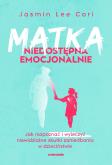
Mamo, gdzie byłaś? Patrzyłaś, lecz mnie nie widziałaś. Twoje ciepło nigdy nie ogarnęło mojego dziewczęcego serca. Dlaczego się rozminęłyśmy, Mamo? Gdzie byłaś? Czy to przeze mnie? Emocjonalnie niedostępna matka to taka, która nie jest w pełni obecna w życiu dziecka, zwłaszcza jeśli chodzi o sferę przeżyć. Być może masz problemy w relacjach z innymi ludźmi, z poczuciem własnej wartości i wiarą w siebie, bo rzadko słyszałeś słowa „kocham cię, jesteś dla mnie kimś wyjątkowym, jestem przy tobie...” Jako dorosłe dziecko niedostępnej emocjonalnie matki możesz nie potrafić określić dokładnie, czego brakuje ci w życiu. Psychoterapeutka Jasmin Lee Cori pomoże ci lepiej zrozumieć twoją matkę i wyleczyć ukryte rany niedostatecznego macierzyństwa. W swojej książce autorka podpowie ci m.in.: – czym jest „deficyt matki” i dlaczego twoja matka nie była w stanie dać ci w dzieciństwie miłości, – jak odnaleźć dziecko w sobie i wypełnić „matczyną lukę”, – czym jest zaniedbanie i przemoc emocjonalna i jak sobie z nimi radzić w dorosłym życiu, – jak uzdrowić „pomatczyne” rany i zadbać o szczęśliwszą przyszłość dla siebie (i być może dla swoich dzieci). Dzięki praktycznym ćwiczeniom zawartym w książce możesz uzdrowić swoje wewnętrzne niekochane dziecko i stać się silnym a jednocześnie czułym dorosłym – uwierz, że ta droga jest warta przebycia! O autorce Jasmin Lee Cori jest licencjonowaną psychoterapeutką specjalizującą się w pracy z dorosłymi, którzy doświadczyli molestowania i zaniedbywania w dzieciństwie. Doświadczenie nabyte w trakcie praktyki klinicznej przeplata z wiedzą z dziedziny neuronauki. Wykładała psychologię w szkołach wyższych i szkołach dla profesjonalnych terapeutów. Jest autorką licznych artykułów i pięciu książek, w tym Healing From Trauma.
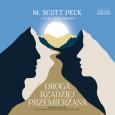
KSIĄŻKA, KTÓRA WYWARŁA WIELKI WPŁYW NA ŻYCIE INTELEKTUALNE I DUCHOWE KILKU POKOLEŃ CZYTELNIKÓW NA CAŁYM ŚWIECIE.
Kiedy M. Scott Peck, amerykański psychiatra, myśliciel i neurolog, opublikował w niewielkim nakładzie swoją opartą na doświadczeniach terapeutycznych książkę, zapewne nie przypuszczał, że stanie się ona jednym z największych bestsellerów na świecie i zostanie przełożona na prawie 30 języków.
Stwierdzając, że „życie jest trudne” i że droga do duchowego rozwoju jest długa, autor nie stara się zniechęcić nas listą radykalnych i gwałtownych zmian, ale raczej delikatnie prowadzi nas przez trudny i często mozolny proces w kierunku wyższego poziomu samozrozumienia.
Książka dr. Pecka pozwala nam zgłębić naturę pełnych miłości związków i prowadzi nas ku nowemu spokojowi i pełni życia. Pomaga nam również ustalić, jak odróżnić zależność od miłości, jak stać się bardziej wrażliwym rodzicem i – ostatecznie – jak stać się prawdziwym sobą.
***
„»Droga rzadziej przemierzana« była jedną z pierwszych książek zajmujących się psychologią duchowości. Należy ciągle do niej powracać w poszukiwaniu inspiracji i zrozumienia siebie i otaczającego nas świata” – LIBRARY JOURNAL.
Jest to pierwsza i jedyna książka, w której Carl Gustaw Jung, światowej sławy szwajcarski psycholog przedstawia czytelnikom swój największy wkład w obszarze nauk o człowieku: teorię wyjaśniającą doniosłość symboli w życiu człowieka, jego rozwoju oraz w obszarze marzeń sennych.Każdy sen niesie bezpośredni, osobisty i ważny komunikat, w którym zasadniczą rolę grają symbole. Są one wspólnym dziedzictwem całej ludzkości, jednak nieświadomość zawsze korzysta z nich w całkowicie specyficzny sposób dostosowany do konkretnej osoby i sytuacji. Dlatego symbole ze snów można interpretować wyłącznie w kontekście życia konkretnej osoby.Od wydania tej pozycji minęły 54 lata. Książka ukazała się w milionach egzemplarzy, w dziesiątkach języków świata. Kolejne wydania pokazują nowym pokoleniom jakimi wzorcami podąża człowiek i ludzkość. I chociaż sporo już wiemy o nieświadomych mocach kierujących życiem, to wciąż powtarzamy te same błędy.Oby lektura tej książki pomogła wyzwolić się z zaklętego koła powtórzeń, a przynajmniej pozwoliła lepiej zrozumieć dlaczego historia kołem się toczy.Robert Palusiński, psychoterapeuta i tłumacz
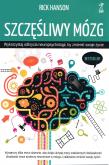
Wystarczy kilka minut dziennie, aby dzięki ukrytej mocy codziennych doświadczeń zbudować nowe struktury neuronowe w mózgu i całkowicie zmienić swoje życie! W toku ewolucji ludzki mózg rozwinął się w taki sposób, by szybko się uczyć i wyciągać wnioski ze złych doświadczeń. Stanowił wewnętrzny system ostrzegania przed niebezpieczeństwami. Nastawienie na wychwytywanie zagrożeń pomagało naszym przodkom przetrwać. Dzisiaj nie musimy każdego dnia walczyć o życie, ale nasz mózg nadal działa tak samo – każdą negatywną sytuację uznaje za zagrożenie i „pamięta” o wiele dłużej niż pozytywne doświadczenie. Możemy jednak to zmienić i „zaprogramować” swój mózg tak, aby działał inaczej. Mózg jest plastyczny i doświadczenia mogą go kształtować. Zmienia się w zależności od tego, na czym się koncentrujemy. Jeśli nieustannie skupiasz się na zmartwieniach, zagrożeniach czy urazach, to stajesz się bardziej podatny na lęk, przygnębienie, smutek czy poczucie winy. Jeżeli zaś skoncentrujesz się na dobrych wydarzeniach, to twój mózg przybierze inny kształt, będzie „zaprogramowany” na siłę i odporność, realistycznie optymistyczne nastawienie, pozytywny nastrój oraz poczucie własnej wartości.
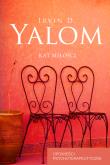
Jeśli nie możesz znieść bólu, spróbuj nadać mu sens… Oto prawdziwe historie dziesięciu osób, które skorzystały z terapii, aby rozwiązać zwyczajne problemy. Odkryli, że głębokie korzenie ich lęku, strachu, depresji sięgają samych podstaw ich egzystencji. Oprócz bólu egzystencjalnego po utracie najbliższych, tym, co boli najbardziej jest utrata młodości, miłości i wieczna pogoń za szczęściem. Yalom jako terapeuta jest bezwzględnie szczery. Nie pomaga uśmierzać bólu, ale próbuje nadać mu sens. Na ogół – zdaniem autora – w niewłaściwy sposób usiłujemy poradzić sobie z wstrząsami, które oferuje nam życie.
Książka dla wszystkich, skorzystają z niej zarówno studenci psychologii i psycholodzy – obserwując warsztat świetnego terapeuty, jak i ci, którzy poszukują sensu w świecie, który sensu nie ma.
Podróż do tajemniczego świata ludzkich zmysłówZapach porannej kawy, dźwięki ulubionej piosenki, miękki koc otulający ramiona Rejestrujemy otaczający nas świat i nawet nie zwracamy na to uwagi.A co jeśli nasze zmysły nas zwodzą?Mogłoby się okazać, że kawa ma przykry zapach, piosenka to sekwencja kolorów, a dotyk materiału niemal pali skórę.Do czego zdolne są dzieci, które nie czują bólu?Jak nie oszaleć, kiedy słyszy się nawet ruch gałek ocznych?Dlaczego bliskie osoby nagle widzimy jako zombie?Z takimi problemami do doktora Guya Leschzinera zgłaszają się ludzie z całego świata. Przez pryzmat niecodziennych, nierzadko tajemniczych chorób swoich pacjentów uznany neurolog pokazuje, jak działają zmysły i co się dzieje, kiedy ich praca zostaje zaburzona. Udowadnia, jak bardzo nasze odbieranie rzeczywistości jest uzależnione od mózgu.
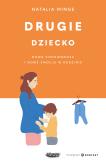
Planujesz powiększenie rodziny albo kolejny maluch już pojawił się na świecie? Zastanawiasz się, jak pogodzić różne potrzeby dzieci, jak znaleźć czas na wszystko, jak uniknąć kłótni o zabawki i uwagę rodziców?Natalia Minge, doświadczona psycholożka pracująca z rodzicami i mama czwórki dzieci, pokazuje, jak podejść do wyzwań związanych z narodzinami drugiego dziecka:- poinformowanie starszego dziecka o rodzeństwie- przetrwanie kolejnej ciąży i porodu- usypianie i karmienie dwojga dzieci- radzenie sobie z zazdrością- znalezienie czasu dla dzieci, partnera i siebie.Natalia Minge - psycholożka pracująca w duchu Porozumienia bez przemocy i Rodzicielstwa bliskości, autorka książek dla rodziców, mama czwórki dzieci.
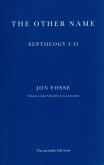
Winner of the 2023 Nobel Prize in Literature
What makes us who we are? And why do we lead one life and not another? The year is coming to a close and Asle, an ageing painter and widower who lives alone on the southwest coast of Norway, is reminiscing about his life. His only friends are his neighbour, Åsleik, a traditional fisherman-farmer, and Beyer, a gallerist who lives in the city. There, in Bjørgvin, lives another Asle, also a painter but lonely and consumed by alcohol. Asle and Asle are doppelgängers – two versions of the same person, two versions of the same life, both grappling with existential questions about life, death, love, light and shadow, faith and hopelessness. Written in melodious and hypnotic ‘slow prose’, The Other Name: Septology I-II is an indelible and poignant exploration of the human condition by Jon Fosse, ‘a major European writer’ (Karl Ove Knausgaard), in which everything is always there, and past and present flow together.
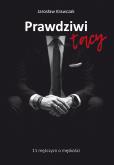
Kim jest współczesny mężczyzna? Czym jest dzisiaj męskość? Czy istnieją jeszcze prawdziwi mężczyźni na miarę czasów?"Prawdziwi tacy" to wielowarstwowa próba odpowiedzi na te pytania. Jarosław Krawczak, realizując swój autorski projekt fotograficzny, tworzy jedenaście wyjątkowych portretów, a każdy z nich to niepowtarzalny tryptyk: stylowe zdjęcie twarzy na czarnym tle, zdjęcie symbolicznej reprezentacji męskości fotografowanego mężczyzny na białym tle oraz zapis rozmowy o męskości. Takie ujęcie portretu daje możliwość zobaczenia mężczyzn w szerszej perspektywie: w fotografii, w symbolu i w historii, jaka stoi za tymi niesamowitymi facetami. "Prawdziwi tacy" ujawniają, jak bardzo są różni i wielowymiarowi, jak istotną częścią ludzkiego świata są mężczyźni i jak nieposkromione są ich męskie dusze, tęskniące za pasją, za wolnością, za życiem.11 mężczyzn, 11 portretów, 11 spojrzeń na męskośćJarosław Krawczak- psychoterapeuta, psycholog i pedagog. Absolwent Uniwersytetu Dolnośląskiego DSW i Uniwersytetu SWPS. Prowadzi gabinety w Oleśnicy i we Wrocławiu. Od kilku lat zajmuje się fotografią, głównie portretową.
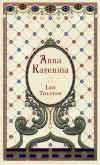
First published in 1878, Tolstoy's masterpiece tells the story of a woman who seems to have everything: beauty, wealth, popularity and son she adores. Then she meets the impetuous officer Count Vronsky and their affair scandalises society and family.
Jack Reacher, "the coolest continuing series character" (Stephen King), returns in a brand new, pulse-pounding read from Lee and Andrew Child.
Chicago. 1992. A hospital patient wakes to find two strangers by his bed.
They show him a list of names and ask a simple but impossible question. Minutes later he falls to his death from his twelfth-floor window - a fall which generates some unexpected attention.
That attention comes from the Secretary of Defense, who calls for an inter-agency task force to investigate. Jack Reacher, recently demoted from Major, is assigned as the Army's representative. If he gets a result, great. If not, he's a convenient fall guy.
Reacher may be an exceptional military investigator, but office politics aren't what gets him up in the morning. As he races to identify a cold-blooded killer and uncover a secret that stretches back 23 years, he must navigate around his new partners.
Will Reacher bring the bad guys to justice the official way . . . or his way?
Niniejsza pozycja jest kontynuacją i zarazem zwieńczeniem dylogii Feniks, na którą składają się: Feniks Znajdę cię, tom I Feniks Przebudzenie, tom II W drugiej części Feniksa, Oli i Maris nie przestają tańczyć w uczuciach, które do siebie żywią. Oddzieleni od siebie na poziomie fizycznym, emocjonalnym i geograficznym nie mogą o sobie zapomnieć, bo połączenia ich dusz nie sposób zerwać. Choć każde z nich musi stawić czoła własnym traumom, nieuświadomionym lękom i problemom, które trzeba rozwiązać tu i teraz, przemierzają tę drogę z godnością, krocząc ścieżką przeznaczenia. Czasem wydaje nam się, że coś nie ma prawa się zdarzyć, jest z góry skazane na porażkę poddajemy się pod presją nacisków społecznych i rodzinnych. Bywa, że sami jesteśmy sobie wrogami, zamykając się, stawiając wewnętrzne mury, ograniczając rozwój własnej świadomości i horyzontów, bo inni obok są tak niezmiernie nieskomplikowani i płytcy, a więc i my nie możemy być trudni. Feniks jest historią o pokonywaniu murów i blokad, o burzeniu i przebijaniu ścian własnych ograniczeń. Bohaterowie niniejszej powieści mogą być ocenieni wielorako. Najprawdopodobniej pierwszym odruchem społeczeństwa byłaby krytyka za ich słabość i inność, za to, jakie problemy mają Problemy ze sobą to coś wstydliwego tak bardzo, że lepiej o tym nie mówić. Ale nawet ci, którzy mienią się złotą zbroją siły i przebojowości, noszą bagaż. Nie wiesz o nich nic, bo skrywają swe traumy, jak skarby, których strzegą w obawie przed światem w ciemności własnych umysłów, we wspomnieniach pełnych łez. Ci właśnie pozorni giganci, władający światem swoją charyzmą, pierwsi cię skrytykują, gdy ujawnisz swoje słabości, uznając, że nie można dostrzegać i pochylać się nad własnymi bliznami lepiej udawać, że ich nie ma. (...) Opisy stanów psychicznych mogą wywołać niepokój, depresję i panikę u osób wrażliwych, bądź tych, które w przeszłości borykały się z problemami natury psychicznej, choć czytający wskazywali, że dla nich utwór ma także działanie terapeutyczne. Osoby wrażliwe jednak, powinny rozważyć rezygnację z tej pozycji. Książka zawiera informacje na temat zdrowia, które nie powinny zastępować porady lekarza ani też być traktowane jako konsultacja medyczna. Autorka/wydawca nie ponosi żadnej odpowiedzialności za jakiekolwiek negatywne skutki dla zdrowia, mogące wystąpić w wyniku stosowania zaprezentowanych w książce metod oraz zachowania bohaterów. Autorka podkreśla, że w jej opinii trafna diagnoza wykwalifikowanego lekarza, pomoc farmakologiczna oraz terapia, powinny być ścieżką leczenia depresji, traumy oraz uzależnień. Książki są przeznaczone dla czytelników dorosłych. UWAGI Niniejsza seria zawiera sceny seksualne, traumatyczne przeżycia psychiczne, porusza problemy z nałogami, pokazuje kliniczne stany psychiatryczne, przemoc, próby samobójcze i depresję. Gama języka zastosowanego w utworze jest szeroka, mając zarówno charakter literacki, jak i przepełniony wulgaryzmami w zależności od uwarunkowań, w których poruszają się bohaterowie. Opisy stanów psychicznych mogą wywołać niepokój, depresję i panikę u osób wrażliwych, bądź tych, które w przeszłości borykały się z problemami natury psychicznej, choć czytający wskazywali, że dla nich utwór ma także działanie terapeutyczne. Osoby wrażliwe jednak, powinny rozważyć rezygnację z tej pozycji. Książka zawiera informacje na temat zdrowia, które nie powinny zastępować porady lekarza ani też być traktowane jako konsultacja medyczna. Autorka/wydawca nie ponosi żadnej odpowiedzialności za jakiekolwiek negatywne skutki dla zdrowia, mogące wystąpić w wyniku stosowania zaprezentowanych w książce metod oraz zachowania bohaterów. Autorka podkreśla, że w jej opinii trafna diagnoza wykwalifikowanego lekarza, pomoc farmakologiczna oraz terapia, powinny być ścieżką leczenia depresji, traumy oraz uzależnień.
Dylogia Feniks to dwutomowa powieść, składająca się z:
- Feniks - Znajdę cię. Tom I
- Feniks – Przebudzenie. Tom II
„Feniks” to powieść psychologiczno-obyczajowa z elementami erotyki, poruszająca temat kontrowersyjnej społecznie miłości. Z jednej strony snuje historię powrotu do normalnego życia po stracie ukochanych osób i jest rysunkiem podnoszenia się z depresji, ataków paniki i studium różnych stanów psychicznych osoby, która nie jest pewna, czy chce żyć. Główna bohaterka, malarka, podczas tej walki poznaje Marisa, gwiazdę polskiej sceny muzycznej. On, jego młodość, pasja i dzikość porywają ją w podróż, której się nie spodziewała - w drogę pełną uczuć, poznawania siebie i walki o swoje zdrowie psychiczne. Z drugiej strony „Feniks” to historia Marisa, celebryty i wokalisty, usytuowanego teoretycznie na szczycie fali sławy. Jego hedonistyczny tryb życia jest sposobem na unikanie introspekcji swej introwertycznej natury i trudnej przeszłości. Co wydaje się złotem, z czasem okazuje się jedynie domkiem z kart, który przy pierwszym podmuchu wiatru rozpada się na kawałki. W ruchu wahadłowym wydarzeń i przeżyć, bohaterowie migają, odbijając się jak w zwierciadłach, aby stworzyć siebie na nowo.
Zakończenie tomu I typu cliffhanger.
Niniejsza seria zawiera sceny seksualne, traumatyczne przeżycia psychiczne, porusza problemy z nałogami, pokazuje kliniczne stany psychiatryczne, przemoc, próby samobójcze i depresję. Gama języka zastosowanego w utworze jest szeroka, mając zarówno charakter literacki, jak i przepełniony wulgaryzmami w zależności od uwarunkowań, w których poruszają się bohaterowie. Opisy stanów psychicznych mogą wywołać niepokój, depresję i panikę u osób wrażliwych, bądź tych, które w przeszłości borykały się z problemami natury psychicznej, choć czytający wskazywali, że dla nich utwór ma także działanie terapeutyczne. Osoby wrażliwe jednak, powinny rozważyć rezygnację z tej pozycji.
Książka zawiera informacje na temat zdrowia, które nie powinny zastępować porady lekarza ani też być traktowane jako konsultacja medyczna. Autorka/wydawca nie ponosi żadnej odpowiedzialności za jakiekolwiek negatywne skutki dla zdrowia, mogące wystąpić w wyniku stosowania zaprezentowanych w książce metod oraz zachowania bohaterów.
Autorka podkreśla, że w jej opinii trafna diagnoza wykwalifikowanego lekarza, pomoc farmakologiczna oraz terapia, powinny być ścieżką leczenia depresji, traumy oraz uzależnień.
A child is presented with a marshmallow and given a choice: Eat this one now, or wait and enjoy two later. What will she do? And what are the implications for her behaviour later in life? Walter Mischel's now iconic 'marshmallow test,' one of the most famous experiments in the history of psychology, proved that the ability to delay gratification is critical to living a successful and fulfilling life: self-control not only predicts higher marks in school, better social and cognitive functioning, and a greater sense of self-worth; it also helps us manage stress, pursue goals more effectively, and cope with painful emotions. But is willpower prewired, or can it be taught? In his groundbreaking new book, Dr. Mischel draws on decades of compelling research and life examples to explore the nature of willpower, identifying the cognitive skills and mental mechanisms that enable it and showing how these can be applied to challenges in everyday life--from weight control to quitting smoking, overcoming heartbreak, making major decisions, and planning for retirement. With profound implications for the choices we make in parenting, education, public policy and self-care, The Marshmallow Test will change the way we think about who we are and what we can be. And since, as Mischel argues, a life with too much self-control can be as unfulfilling as one with too little, this book will also teach you when it's time to ring the bell and enjoy that marshmallow.
#1 New York Times bestseller
"This brilliant book will shatter your assumptions about what it takes to improve and succeed. I wish I could go back in time and gift it to my younger self. It would've helped me find a more joyful path to progress."
-Serena Williams, 23-time Grand Slam singles tennis champion
The #1 New York Times bestselling author of Think Again illuminates how we can elevate ourselves and others to unexpected heights.
We live in a world that’s obsessed with talent. We celebrate gifted students in school, natural athletes in sports, and child prodigies in music. But admiring people who start out with innate advantages leads us to overlook the distances we ourselves can travel. We can all improve at improving. And when opportunity doesn’t knock, there are ways to build a door.
Hidden Potential offers a new framework for raising aspirations and exceeding expectations. Adam Grant weaves together groundbreaking evidence, surprising insights, and vivid storytelling that takes us from the classroom to the boardroom, the playground to the Olympics, and underground to outer space. He shows that progress depends less on how hard you work than how well you learn. Growth is not about the genius you possess – it’s about the character you develop. Grant explores how to build the character skills and motivational structures to realize our own potential, and how to design systems that create opportunities for those who have been underrated and overlooked.
This book reveals how anyone can rise to achieve greater things. The true measure of your potential is not the height of the peak you’ve reached, but how far you’ve climbed to get there.
Nasz umysł pracuje 24 godziny na dobę, nieustannie myślimy. Jakość myśli decyduje o jakości naszego życia. Nie możemy wyjść poza myśli, które mamy. Wiele z nich to ślepe uliczki, idee, przekonania, które przynoszą ból, cierpienie, ograniczenia. Dręczą nas i nie pozwalają nam ruszyć naprzód.Przykłady? Czuję w sobie gniew. Nie mam pasji. Czuję się nieszczęśliwy. Żyję w poczuciu winy. Jestem impulsywny. Nie umiem dogadywać się z innymi."W tej książce, drogi przyjacielu, przeanalizuję trzydzieści najczęstszych węzłów, które wszyscy mieliśmy, mamy lub będziemy mieć w pewnym momencie naszego życia. Postaram się pokazać, jak myśleć w inny sposób, jak spojrzeć na problem z innej strony - może się okaże, że przestał być problemem. Mam nadzieję, że ta książka pomoże ci zyskać trochę spokoju ducha".Bernardo StamateasGranica tego, co możliwe, jest w twojej głowie. Mogą cię zatrzymać tylko te ściany, które stawiasz sam.
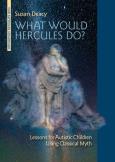
One day, according to the Ancient Greek author Xenophon, the hero Hercules “went out to a quiet place and sat, pondering”. This book explores what happened here and how and why it can resonate with autistic young people. The book presents a set of ten lessons, each dealing with an aspect of what happened when Hercules entered the quiet place, met two women (or goddesses, or personifications…) and was tasked to make a choice between two paths, literal and metaphorical. The lessons deal, too, with particular dimensions of autism, including: communicating, emotions, decision-making, sensory experiences, planning and interests. This pathbreaking book should be of particular interest to professionals and practitioners looking to utilize the appeal of mythology in their work with autistic children and academics in areas such as education, Classics and literature interested in the experiential application of their subject.
******
Co zrobiłby Herkules? Lekcje dla dzieci z autyzmem zainspirowane mitologią klasyczną
Pewnego dnia, jak twierdzi starogrecki pisarz Ksenofont, Herkules „udał się w ustronne miejsce i usiadł, by rozmyślać”. Ta książka jest o tym, co się wówczas stało i dlaczego opowieść ta może przemawiać do młodych ludzi z autyzmem. Zawiera scenariusze dziesięciu lekcji poświęconych różnym aspektom tego, co wydarzyło się, kiedy Herkules znalazł się w ustronnym miejscu, spotkał dwie kobiety (czy też boginie, czy też personifikacje…) i musiał dokonać wyboru jednej z dwóch dróg, dosłownej albo metaforycznej. Proponowane lekcje dotyczą poszczególnych wymiarów autyzmu, w tym: porozumiewania się, emocji, podejmowania decyzji, doświadczeń zmysłowych, planowania i zainteresowań. Ta przełomowa praca skierowana jest zwłaszcza do nauczycieli, którzy chcieliby wykorzystać atrakcyjność mitów w pracy z dziećmi z autyzmem, oraz specjalistów z zakresu pedagogiki, filologii klasycznej i literaturoznawstwa zainteresowanych praktycznymi zastosowaniami swoich dyscyplin.
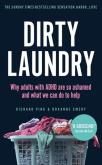
If you have ADHD - or love somebody who does - DIRTY LAUNDRY will change your life, and your relationships.
Do you feel crippling shame because you struggle with cleaning, personal hygiene, or time-keeping? Do you always feel misunderstood by the people close to you and find that they get frustrated by your behaviour?
DIRTY LAUNDRY is an unfiltered look into the chaos of real life with ADHD. It will transform your self-hatred into self-acceptance, with simple tips that actually work for your brain. It will also help to educate partners, parents and friends, to help them move from frustration to patience, understanding - and love.
Learn how to:
- Stop believing you are fundamentally broken
- Stop judging yourself by the standards of a neurotypical world
- Communicate your struggles to those who love you
- Support someone with ADHD in ways that work for them
- Be compassionate rather than judgemental ...and much more.
From the husband-and-wife team behind social media phenomenon @ADHD_Love, whose viral videos have been viewed more than 200 million times, comes a fearless, often outrageously funny, account of life, learning, and growing with ADHD. They share the strategies they have used to reduce shame, improve communication, and find happiness in their neurodivergent household.
Filled with heartbreak and humour in equal measure, DIRTY LAUNDRY is an invaluable resource both for neurodivergents and the people who love them.
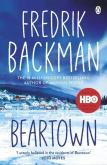
In a large Swedish forest, Beartown hides a dark secret . . .
Cut-off from everywhere else, it experiences the kind of isolation that tears people apart.
And each year, more and more of the town is swallowed by the forest.
Then the town is offered a bright new future.
But it is all put in jeopardy by a single, brutal act.
It divides the town into those who think it should be hushed up and forgotten, and those who'll risk the future to see justice done.
Who will speak up?
Could you stand by and stay silent?
Or would you risk everything for justice?
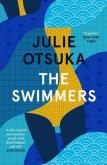
For the people who swim there each day, the local pool is a haven of unexpected kinship and private solace. For Alice, her daily laps have become the ritual that gives her life meaning, even though she may not remember the combination to her locker or where she put her towel.
But one day, a crack appears deep beneath the surface of the water, and then another, and then another. The pool must close for repairs, and with that Alice is plunged into dislocation and chaos.
Away from the steady routines of her swimming, she is engulfed by difficult memories of her own past. And as her sense of home, and of herself, slip further out of her grasp, her daughter must navigate the newly fractured landscape of their relationship.
From the internationally bestselling author of The Buddha in the Attic comes a novel about memory and loss, mothers and daughters, the stories that make up a life, and what happens when they start to unravel.
Ten produkt jest zapowiedzią. Realizacja Twojego zamówienia ulegnie przez to wydłużeniu do czasu premiery tej pozycji. Czy chcesz dodać ten produkt do koszyka?