Polecamy całą serię najlepszych książek psychologicznych. Znajdziecie tu najciekawsze i najbardziej popularne poradniki i podręczniki. Setki tytułów, do których chętnie się wraca. Polecamy szczególnie książkę psychiatry Viktora Frankla, która opisuje jego traumatyczne przeżycia z obozów koncentracyjnych podczas II wojny światowej oraz podstawy jego metody leczenia zaburzeń psychicznych. To jedna z najbardziej wpływowych książek w literaturze psychiatrycznej. Ponadto proponujemy również słynną książkę autorstwa Cialdini Robert B.To znakomita książka z dziedziny psychologii społecznej, prezentująca techniki wywierania wpływ na ludzi.
Niezwykła mieszanka humoru i horroru w najgłośniejszej powieści Carrolla.Odwołując się do słów samego Carrolla, można by stwierdzić, iż Kraina Chichów to książka, od której czytelnikowi włos się jeży na głowie, gdyż okazuje się, że potworem może być wszystko, co nas otacza: znajomi, jedzenie na stole i półki pełne książek. Jest to też powieść o cudzie i grozie tworzenia porusza problem osiągnięcia artystycznego: czy wielki pisarz jest zarazem wielkim alchemikiem, zdolnym przemienić słowo zapisane na papierze w człowieka w niebieskim kapeluszu, który naprawdę stanie pod naszymi drzwiami? A jeżeli jest do tego zdolny, to czy jest to wspaniałe, czy potworne.
Muzyka nagle ucichła i nastała głucha cisza, a w progu wejścia do domu stanął Adam, spoglądając na miejsce, w które obecnie wszyscy kierowali swój wzrok (...)"
To miała być jedna z najpiękniejszych nocy w jego życiu. Jednak szybko zamieniła się w największy koszmar. Teraz Aleks ma jedno marzenie - cofnąć czas do tamtego wieczoru i zapobiec katastrofie, która całkowicie zmieniła jego życie.
Szukając siebie to pełna emocji powieść, opowiadająca o bólu, cierpieniu i stracie młodego chłopaka, który musi zdecydować jak będzie wyglądała jego przyszłość.
Czy demony przeszłości pozwolą o sobie zapomnieć?
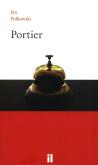
Nowy tom opowiadań Jana Polkowskiego, poety i pisarza, przed 1989 rokiem – podziemnego wydawcy, w wolnej Polsce – redaktora i wydawcy m.in. „Czasu Krakowskiego” i tygodnika „Film”.
„Los zdycha, czas milknie, świat gaśnie, a ja, jak idiota, w nerwowym napięciu obmyślam plan, który ma przesądzić o wszystkim. Plan to neutralne i delikatne określenie, bo przecież pragnę i szukam ocalenia. Zamierzam, bez względu na wszystko, wydobyć się spod okupacji obcego obłędu, z koszmaru cudzych myśli. W rzadkich chwilach jasności marzę o odzyskaniu mowy, głowy, drogi i snu. O schowaniu się we własnym oswojonym spokoju. Powrocie do bezpiecznego azylu własnego ja. O słodkim śnie pod lekką kołdrą własnego ciała”.
Sądziłem, że świat jest taki, jaki jest, i nic tego nie zmieni, na pewno nie ja. Znajdowałem się na rozstaju własnej drogi i nie miałem pojęcia, jak i dokąd iść. Moje życie było na zakręcie, za którym wydawało mi się, że już nic nie ma, tylko przepaść. Mijał dzień za dniem, jeden podobny do drugiego. Każdego ranka budziłem się po przespanej nocy, ale tak bardzo zmęczony swoim życiem. Kolejny następny poranek wydawał się mi bezsensownym rozpoczęciem następnego dnia, który i tak nic nie przynosił…
Tymi słowami Grzegorz Gretkowski wprowadza czytelnika do Kodeksu Małego Rycerza. Bohater powieści rozpoczyna kolejny dzień, który jest smutnym ciągiem życia pozbawionego celu. Jawi mu się ono jako pasmo nic nieznaczących minut, godzin, dni, lat… Pewnego dnia na swojej drodze spotyka chłopca o perłowych włosach. Mały Rycerz, jak go nazwał, otworzył jego umysł na zdawałoby się oczywistą prawdę – że życie ma sens „teraz”, a nie wczoraj czy jutro. To właśnie „teraz” trwa ono naprawdę.
Aby odkryć tę prawdę i ją zrozumieć, udał się w drogę przez pustynię; prowadził go Mały Rycerz. Po pokonaniu 20 etapów w nagrodę wrócił do swojego starego - nowego życia z nowym prawdziwym imieniem, które było ukryte na dnie serca. Już wiedział, że jest to możliwe dzięki wierze, uporowi i miłości.
Soon to be a major film starring Elle Fanning and Justice Smith.A compelling and beautiful story about a girl who learns to live from a boy who wants to die.Theodore Finch constantly thinks of ways he might kill himself, but each time something good stops him.Violet Markey exists for the future, counting the days until she can escape her Indiana town and her aching grief for her late sister.When they meet on the ledge of a tower, what might have been their end turns into their beginning.It's only with Violet that Finch can truly be himself - a funny guy who's able to find the joy in life.And when Violet's with Finch, she forgets to count away the days and starts to live them.But as Violet's world grows, Finch's begins to shrink. He's trying to cling on to all the good things in his life, but will it be enough this time?'If you're looking for the next The Fault in Our Stars, this is it' - Guardian'This book is amazing - I couldn't put it down' - Zoe Sugg'A searingly honest and heartbreakingly poignant tale about the power and beauty of love' - Heat'Sparkling' - Entertainment Weekly
„I tak, w starej czerwonej stodole u podnóża Kilimandżaro, doświadczyłam nieuchwytnej magii, z którą spotykałam do tej pory się tylko w wielkich historiach miłosnych. Trzepotała wokół mnie jak nowo narodzony motyl i osiadła w moim sercu. Wstrzymałam oddech, bojąc się, że ucieknie i nigdy więcej jej nie odnajdę”.
Po wybuchu bomby w centrum handlowym we wschodniej Afryce dochodzi do niezwykłego spotkania dwójki nieznajomych.
Jack Warden, rozwiedziony właściciel plantacji kawy w Tanzanii, traci ukochaną córkę, a Rodel Emerson, młoda nauczycielka, przeżywa podobną tragedię po drugiej stronie kuli ziemskiej.
Para zwykłych ludzi, połączonych tragicznym popołudniem, wyrusza w niezwykłą podróż przez rozległe równiny Serengeti w celu uratowania trójki dzieci.
Jednak nawet jeśli bohaterowie podołają temu zadaniu, na końcu drogi czeka na nich następna tragedia. Czy poradzą sobie z utratą miłości, która zdaje się być ulotna niczym mgła zanikająca w promieniach słońca?
„Czasami słyszysz o historii pięknej niczym tęcza, która otula twoje serce. Chociaż nie możesz jej złapać, to na zawsze zapamiętasz jej kolory i magię”.
„Mgły Serengeti” to historia miłosna oparta na prawdziwych wydarzeniach, opowiadająca nie tylko o rodzącym się uczuciu, ale i o bólu po stracie kochanej osoby. To jednotomowa powieść osadzona we współczesnym świecie.
Życie jest twarde, bezwzględne i nie dba o nasze plany. Jednocześnie pisze historie zaskakujące, zadziwiające, często tajemnicze i pełne niespodziewanych zwrotów akcji.
Szymon wygrał w kasynie na statku coś więcej niż pieniądze. Garbus udowodnił, że ciało nie musi być przeszkodą, kiedy silna jest osobowość. Marlenka odważyła się sięgnąć po miłość, a Mirka stanęła do walki o dziecko.
Bohaterowie opowiadań Tomasza Szmajdy mogą przypominać sąsiadów, znajomych, a czasem nas samych. Jedni mieszkają w dużych miastach, inni w miasteczkach czy małych wioskach. W każdej historii mają jednak do przekazania jakąś myśl, która skłania do refleksji nad nieprzewidywalnością ludzkiego losu. Zaprasza do zatrzymania się w pędzie codziennego życia i zastanowienia nad różnymi wartościami, działaniami i wyborami.
W każdym dobru jest trochę zła, w każdym złu znajduje się odrobina dobra…
Życie nastoletniego Brayana Harrisa przypomina hollywoodzką bajkę - od najmłodszych lat rozpieszczany przez najbliższych, wychowany w eleganckiej posiadłości swoich znanych i cenionych rodziców, ma wszystko, czego zapragnie, zaczynając od pieniędzy, a na wszelkich używkach kończąc. Przychodzi jednak taki dzień, w którym sielanka niespodziewanie zamienia się w koszmar. Brayan zostaje oskarżony o brutalny gwałt na byłej dziewczynie swojego przyjaciela i umieszczony w zakładzie karnym o złagodzonym rygorze. Tam trafia pod opiekę Stevena Marco, czterdziestoletniego kryminalisty, który wkrótce uświadomi młodemu chłopakowi, ile tak naprawdę ominęło go w dotychczasowym życiu i jak wielką cenę przyjdzie mu zapłacić za swoją lekkomyślność...
Męska przyjaźń z kobietami w tle
Enigmatyczny Makita i jego nowo poznany przyjaciel Ruter to mężczyźni, których więcej dzieli niż łączy. Dla pierwszego z nich najważniejsza jest wolność i możliwość nawiązywania niezobowiązujących relacji z płcią przeciwną. Drugi natomiast, dużo bardziej stały w uczuciach, wciąż żyje przeszłością, nie potrafiąc poradzić sobie z odejściem ukochanej. Mężczyźni nie zdają sobie jednak sprawy, że jest coś, co czyni ich bliższymi sobie, niż mogliby kiedykolwiek przypuszczać. Jeden niepozorny SMS wkrótce sprowokuje lawinę wydarzeń, która odkryje wiele bolesnych tajemnic...
„Wrzosowisko” to fascynująca, nieoczywista opowieść o pokręconych relacjach damsko-męskich, pełna szczerych emocji i życiowych dylematów, która skłania do refleksji nad prawdziwą naturą miłości, przyjaźni i zdrady.
...w jakiś nieco masochistyczny sposób nagle zaczęło mi się to podobać. Może dlatego, że prawie każdy człowiek sprawnie myślący ma czasem ochotę coś z siebie wyrzucić, szczególnie w niezobowiązującej rozmowie, może dlatego, że chciałem usłyszeć głośno własne myśli ubrane w słowa, a nie tylko ich echo odbijające się w głowie, może z powodu jakiegoś rodzaju wewnętrznego ekshibicjonizmu, a może z powodu chęci zmierzenia się w niby-pojedynku słownym z barmanem o niebarmanim spojrzeniu? Tego nie wiem, ale wiem, że miałem prawdziwą ochotę na szczerą rozmowę (…) Byłem gotowy powiedzieć mu o sobie więcej, niż mówię samemu sobie, siedząc przed lustrem po trzech drinkach.
Oto trzy opowiadania, które zabiorą was w podróż po najciemniejszych zakamarkach ludzkiej duszy. Trzy różne gatunki, trzy różne historie. Przerażające, a jednocześnie pełne humoru. Czarnego humoru.
APTEKA: Świat po zagładzie, która nastąpiła z zupełnie innego powodu, niż przewidywano. Nie była to nuklearna apokalipsa, inwazja kosmitów, zmiana klimatu, pandemia, uderzenie meteorytu, odwrócenie biegunów, stopnienie lodowców ani na odwrót – powtórna epoka lodowcowa, wreszcie nie była to zombie apokalipsa, bunt maszyn, atak demonów czy inny fantastyczny kataklizm. Koniec świata spowodowała katastrofa bankowa. W takim świecie również trzeba jakoś żyć...
ZMIANA ŚWIATEŁ: Czasami zdarzają nam się bardzo złe dni. Jednak Adam wyciągnął zdecydowanie najgorszy los. Nikt nie spodziewałby się, że typowy poniedziałkowy ranek może zmienić się w coś o wiele gorszego. Codzienna walka o to, aby jakoś funkcjonować w indoktrynowanym społeczeństwie, może niepostrzeżenie przeistoczyć się w walkę o życie.
TROPICIELE: Geskaar po latach wraca do rodzinnej miejscowości, z której niegdyś musiał uciekać. Co sprawiło ze wrócił? Nie będzie ratowania świata przed demonami, wojny z orkami, walki ze smokiem i spisku arystokratów walczących o tron. Dobrego króla, pięknych księżniczek, szlachetnych rycerzy i uciemiężonych chłopów pańszczyźnianych też nie będzie. Bo ile razy można?
Posłuchajcie historii, które wywołają u Was i śmiech, i płacz.
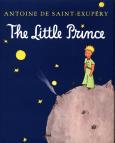
The Little Prince is a modern fable, and for readers far and wide both the title and the work have exerted a pull far in excess of the book's brevity. Written and published first by Antoine de St-Exupery in 1943, only a year before his plane disappeared on a reconnaissance flight, it is one of the world's most widely translated books, enjoyed by adults and children alike. In the meeting of the narrator who has ditched his plane in the Sahara desert, and the little prince, who has dropped there through time and space from his tiny asteroid, comes an intersection of two worlds, the one governed by the laws of nature, and the other determined only by the limits of imagination.
The world of the imagination wins hands down, with the concerns of the adult world often shown to be lamentably silly as seen through the eyes of the little prince. While adult readers can find deep meanings in his various encounters, they can also be charmed back to childhood by this wise but innocent infant. This popular translation contains the author's own delightful illustrations, bringing to visual life the small being at the tale's heart, and a world of fantasy far removed from any quotidian reality.
It is also a sort of love story, in which two frail beings, the downed pilot and the wandering infant-prince who has left behind all he knows, share their short time together isolated from humanity and finding sustenance in each other. This is a book which creates a unique relationship with each reader, whether child or adult.
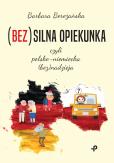
Czy praca w systemie dwudziestoczterogodzinnym, z dala od rodziny, przyjaciół, własnego prawdziwego życia, w której nie są szanowane prawa człowieka i pracownika, może dawać nadzieję tysiącom polskich opiekunów osób starszych pracującym w Niemczech? Czy starość we własnym domu – zakrapiana samotnością, chorobą, smutkiem, żalem, tęsknotą, goryczą, w towarzystwie osoby, która nie rozumie prostych, wypowiadanych przez nas zdań, jest oznaką statusu społecznego, luksusu, troski rodziny i państwa? Czy beznadzieja może stać się nadzieją? Czy nadzieja nie jest złudna? Dokąd prowadzi droga polskiego opiekuna? Czy służący do wszystkiego jest tym, czego potrzebuje stary schorowany człowiek w ostatnich latach, miesiącach, dniach, godzinach swojego życia? Te i inne pytania towarzyszyły mi podczas mojej pracy. Docierały do mnie informacje: „Umarła nasza koleżanka”, „Nasza koleżanka jest chora na raka. Pracowała na działalność. Z czego ma teraz żyć?”, „Opiekunka z dwudziestoletnim doświadczeniem szuka pracy w opiece”, „Umarł mój podopieczny. Strasznie to przeżywam. Szukam pracy na już”… W końcu zdałam sobie sprawę z tego, że moje życie jest jak ciepły nadmorski piasek, który przelatuje w promieniach słońca między palcami. Słońca, które przez kilka ostatnich lat widziałam zza niewidzialnych krat dzielących mnie od reszty świata.
Barbara Bereżańska – urodzona w 1978 r. w Środzie Śląskiej. Po ukończeniu Prywatnego Liceum Ogólnokształcącego Sióstr Niepokalanek w Wałbrzychu rozpoczyna studia na Hochschule für Technik, Wirtschaft und Sozialwesen w Zittau. Pod koniec 2014 r. decyduje się na wyjazd do Niemiec w charakterze opiekunki osób starszych. Po trzech latach zakłada blog pt. Perły rzucone przed damy. Początkowo ukazują się na nim jedynie krótkie opowiadania, które cieszą się ogromnym zainteresowaniem. Z czasem porusza również ważne aspekty pracy w opiece, takie jak: czas pracy, czas wolny, prawa i obowiązki opiekunki, formy zatrudnienia, możliwości wypowiedzenia umowy. Pomimo że w tej branży pracuje blisko pół miliona Polaków, nikogo nie interesuje ich los. By dotrzeć do większego grona czytelników, publikuje Perły rzucone przed damy. (Bez)silna opiekunka, czyli polsko-niemiecka (bez)nadzieja to kontynuacja jej pierwszej książki.
Viator jest niestrudzonym poszukującym.Droga,kóra go wybrała ma ostatecznie prowadzić w znac zeniu katolickim do zbawienia i osiągnięcia raju wiecznego,w sensie buddyzmu zaś do satori i przerwania wędrówki duszy w celu doskonalenia się oraz osiągnięcia pełni szczęścia,czyli do zamknięcia koła życia.Jest ona jednak zawiła,trudno wyodrębnić ją z ciemności,,pop kultury'' i indoktrynacji konsumpcyjnej cywilizacji materialnej.
Przedstawiamy zestaw publikacji Wydawnictwa [ze słownikiem] zawierający The Picture of Dorian Gray z podręcznym słownikiem angielsko-polskim i Ekstremalnie szybka nauka języka angielskiego. To świetna książka do szybkiej i przyjemnej nauki języka.
Ponadczasowa, popularna na całym świecie, uznana za jedną z najważniejszych współczesnych polskich powieści. Nagrodzona prestiżową międzynarodową Brcke Berlin-Preis.Gdy bohaterka wprowadza się do domu u podnóża Sudetów w przygranicznej Nowej Rudzie, razem z okolicą zaczyna poznawać kolejne opowieści mieszkańców. Żywot świętej Kummernis, dzieje wysiedlonej przed laty niemieckiej rodziny, wydarzenia z życia perukarki Marty i innych sąsiadów każda z tych historii pomaga jej zrozumieć miejsce, w którym się osiedliła, ale przede wszystkim pozwala odkryć kolejne wymiary rzeczywistości. Rzeczywistości na pograniczu jawy i snu, wspólnej nam wszystkim, bez względu na czasy i miejsca, w których żyjemy.Zachwycająca lektura. Cudownie pomysłowa, na przemian komiczna, tragiczna i mądra.
Twórczość Gerarda Gasztowta to odpowiedź Przybyszewskiej na powieść jej ojca zatytułowaną Krzyk (1917). Utwór opowiada o losach stojącego u progu kariery malarza. Pewnego dnia Gasztowt ratuje niedoszłą samobójczynię. Nieprzeciętna inteligencja nieznajomej fascynuje artystę, który użycza jej na noc swojego mieszkania. Rankiem Tamara znika. Poszukujący jej Gerard błąka się w plątaninie miejskich ulic i zaczyna tracić kontakt z rzeczywistością.
Groteska łączy się tu z horrorem, a proza psychologiczna z ekspresjonistyczną. Nie wiadomo, które wydarzenia rozgrywają się naprawdę, a które są jedynie projekcją umysłu bohatera, czy Gasztowt jest chory psychicznie, czy opętany. Przybyszewska podejmuje dialog nie tylko ze swoim ojcem, ale i z całą tradycją młodopolską, wykorzystując w powieści motyw okrucieństwa artysty, opisy sadystycznej seksualności oraz obrazowanie za pomocą halucynacji i alkoholowych wizji.
Ten produkt jest zapowiedzią. Realizacja Twojego zamówienia ulegnie przez to wydłużeniu do czasu premiery tej pozycji. Czy chcesz dodać ten produkt do koszyka?