Tom Twórczość na zamówienie jest wynikiem studiów prowadzonych przez naukowców współpracujących przy centralnym projekcie badawczym IPN Władze PRL wobec środowisk twórczych, dziennikarskich i naukowych. Za każdym razem, przystępując do prac nad nową publikacją, mamy nadzieję, że uda nam się objąć badaniami w miarę szerokie spektrum zagadnień. Niestety, liczba naukowców zajmujących się tą tematyką jest niewspółmierna do jej rangi i wpływu na działania władz w omawianym okresie. Dlatego też oddając niniejszy tom w ręce Czytelników, mamy nadzieję na rozbudzenie zainteresowania losami wielu prominentnych autorów poczytnych powieści, dziennikarzy z pierwszych stron gazet, czy wybitnych naukowców prowadzących badania pod czujnym parasolem ochronnym władz. Ich życiorysy są często zaskakujące, wręcz filmowe, zarazem pokazują kondycję części polskiej inteligencji po zakończeniu II wojny światowej.
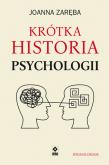
Krótka historia psychologii pokazuje, jak fascynujący może być świat umysłu i jak długą drogę w dziedzinie psychologii pokonaliśmy od starożytności do dziś. Chociaż nazwa „psychologia” po raz pierwszy użyta została dopiero w 1520 roku, to jednak korzenie dziedziny sięgają daleko głębiej i opowieść o niej zaczyna się już w starożytnej Grecji. Greckie korzenie ma również sama nazwa, która składa się ze słów logos (oznaczającego myśl lub słowo) i psyche (oznaczającego duszę). W mitologii starożytnej Grecji Psyche jest piękną, skrzydlatą boginią, zakochaną w Erosie i uosabiającą ludzką duszę. Psychologia zaczęła się zatem od próby udzielenia odpowiedzi na pytanie, czym jest owa dusza. Pytanie to wciąż jest aktualne, choć zmienia się jego rozumienie i zmieniają się udzielane odpowiedzi – a próbujących było wielu: od Platona i Arystotelesa przez Locka, Kanta, Freuda czy Junga aż po Philipa Zimbardo. Książka Joanny Zaręby zabiera czytelnika w podróż po tej fascynującej historii.
Poznaj filozofów, teologów i naukowców, którzy rozszerzali granice wiedzy. Dowiedz się, jak odkrywano tajemnice mózgu, i sprawdź, co ma do zaoferowania współczesna psychologia.
To pierwsza na polskim rynku książka, która syntetycznie, ale ze znawstwem przybliża historię psychologii. Autorce udała się bardzo trudna sztuka – książka opowiada o najważniejszych nurtach w dziejach psychologii, jednocześnie pozostawiając czytelnika z poczuciem, że psychologia jest jedna, a jej rozwój był nieprzypadkowy. To bardzo ciekawa propozycja, szczególnie dla tych Czytelników, którzy dopiero rozpoczynają poznawanie tej dziedziny.
dr Adam Sobolewski, SWPS Uniwersytet Humanistycznospołeczny
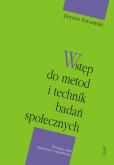
Spis treści
Część pierwsza. ZAGADNIENIA OGÓLNE
1. Metodologiczne problemy badań społecznych
1.1. Specyfika nauk społecznych
1.2. Przedmiot i cel badań społecznych
1.3. Filozoficzne podstawy badań społecznych
1.4. Moralne aspekty badań społecznych
1.4.1. Uwagi wstępne
1.4.2. Wpływ komercjalizacji nauki na postawy i zachowania badających
1.4.3. Propozycja „Dekalogu badacza rzeczywistości społecznej"
1.5. Typy badań
1.5.1. Badania typu poznawczego
1.5.2. Badania dla potrzeb praktyki
1.6. Proces badawczy
1.6.1. Strategia badań w naukach społecznych
1.6.2. Projektowanie procesu badawczego
1.6.3. Badania pilotażowe
1.7. Problem badawczy
1.7.1. Problem badawczy a problem społeczny
1.7.2. Postawy wobec problemów społecznych
1.7.3. Postawa naukowa wobec problemów społecznych
1.7.4. Typy i formy problemów badawczych
1.8. Hipotezy
1.8.1. Co to jest hipoteza?
1.8.2. Typy hipotez
1.8.3. Tworzenie hipotez
1.9. Wskaźniki i zmienne zjawisk społecznych
1.9.1. Proces kształtowania się pojęcia wskaźnika zjawisk społecznych
1.9.2. Pojęcie wskaźnika zjawisk społecznych
1.9.3. Zmienne w badaniach społecznych
1.9.4. Właściwości wskaźników społecznych
1.9.5. Funkcje spełniane przez wskaźniki
1.10. Metody badań
1.10.1. Potoczne i naukowe ujmowanie zjawisk społecznych
1.10.2. Pojęcie metody i jej związek z teorią
1.10.3. Typologia metod
1.10.4. Metody „mieszane"
1.10.5. Metody i techniki badań
1. 11. Rygoryzm i anarchizm metodologiczny
1.11.1. Ukazanie problemu
1.11.2. Zasadny rygoryzm metodologiczny
a osobliwe próby unaukowiania nauk społecznych
1.11.3. Możliwości przezwyciężenia osobliwego rygoryzmu
i anarchizmu metodologicznego
Część druga. PROCES BADAWCZY
2. Eksperyment w naukach społecznych
2.1. Pojmowanie eksperymentów w badaniach społecznych
2.2. Rodzaje eksperymentów stosowanych w naukach społecznych
2.2.1. Eksperyment projektowany w terenie
2.2.2. Eksperyment laboratoryjny
2.2.3. Eksperyment ex-post-facto
2.2.4. Eksperyment projekcyjny
2.2.5. Eksperymenty jednoczesne i sukcesywne
2.3. Wiarygodność badań opartych na eksperymentach
3. Metoda monograficzna
3.1. Uwagi dotyczące genezy metody monograficznej i jej rozwoju
3.2. Założenia metody monograficznej
3.3. Zalety i niedostatki badań monograficznych
4. Badania terenowe
4.1. Określenie badań terenowych
4.2. Typy badań terenowych
4.3. Przygotowanie badań terenowych
4.4. Zachowanie badającego w badaniach terenowych
5. Badania całościowe i reprezentacyjne
5.1. Określenie badań reprezentacyjnych i próbki reprezentacyjnej
5.2. Wielkość próbki reprezentacyjnej
5.3. Metody wyboru próbki reprezentacyjnej
5.3.1. Wybór według przekonań badającego
5.3.2. Wybór w oparciu o rachunek prawdopodobieństwa
5.4. Zastosowanie metody reprezentacyjnej
5.5. Kłopoty związane z doborem próbki reprezentacyjnej i jej zmianami
6. Obserwacja
6.1. Postrzeganie przypadkowe a obserwacja jako metoda badawcza
6.2. Rodzaje obserwacji
6.2.1. Obserwacja bezpośrednia i pośrednia
6.2.2. Obserwacja kontrolowana i niekontrolowana
6.2.3. Obserwacja jawna i ukryta
6.2.4. Próba systematyzacji
6. 3. Zalety obserwacji i trudności związane ze stosowaniem tej metody badań
7. Wywiad
7.1. Określenie wywiadu jako metody badań
7.2. Typy wywiadu
7.2.1. Wywiady ustne i pisemne
7.2.2. Wywiad skategoryzowany i nieskategoryzowany
7.2.3. Wywiad jawny i ukryty
7.2.4. Wywiady indywidualne i zbiorowe
7.2.5. Wywiad panelowy
7.2.6 Wywiad telefoniczny
7.3. Warunki określające poprawne przeprowadzenie wywiadu
7.4. Środki pomocnicze stosowane przy wywiadach
7.5. Zalety i wady wywiadu
8. Badania ankietowe
(...)
9. Badania oparte na dokumentach
(...)
10. Socjometria
(...)
11. Badania sondażowe
(...)
12. Opracowanie zebranych materiałów badawczych
(...)
13. Wyjaśnianie zjawisk społecznych
(...)
14. Metodologiczne aspekty zaufania i podejrzliwości
(...)
Wybrana literatura
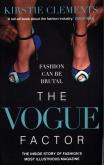
In May 2012 Kirstie Clements was unceremoniously sacked after thirteen years in the editor's chair at Vogue Australia. Here she tells the story behind the headlines, and takes us behind the scenes of a fast-changing industry.During a career at Vogue that spanned twenty-five years, Clements rubbed shoulders with Karl Lagerfeld, Kylie Minogue, Ian Thorpe, Crown Princess Mary, Cate Blanchett, and many more shining stars. From her humble beginnings growing up in the Sutherland Shire in Sydney to her brilliant career as a passionate and fierce custodian of the world's most famous luxury magazine brand, Clements warmly invites us into her Vogue world, a universe that brims with dazzling celebrities, fabulous lunches, exotic locales and of course, outrageous fashion.Amidst the exhilaration and chaos of modern magazine publishing and the frenzied demands of her job, Clements is always steadfast in her dedication to quality. Above all, she is always Vogue.
Zastanawiasz się, jak to jest być oazą spokoju? Chciałbyś, by twoje życie pełne było ciepłych relacji z innymi? Co byś zrobił, gdybyś mógł odzyskać poczucie przynależności? Dr Judith Orloff, autorka bestsellerowych książek, zaprasza cię w niezwykłą podróż, która prowadzi do poczucia szczęścia i spokoju. W tej podróży nauczysz się panować nad tym, co negatywne, a z czym nieuchronnie spotykasz się każdego dnia. Choćbyś żył w największym stresie, właśnie nadszedł czas zmian na lepsze. Ty sam możesz wyzwolić się z więzów depresji, gniewu i strachu. I osiągnąć wolność emocjonalną. Łącząc odkrycia neurobiologii, medycyny intuicyjnej, psychologii oraz techniki związane z subtelną energią, dr Orloff przedstawia zależności między naszym ciałem, umysłem, duszą i otoczeniem. To pełna poczucia humoru i współczucia książka, z której dowiesz się, jak rozpoznać najpotężniejsze negatywne emocje i jak przemienić je w nadzieję, życzliwość i odwagę. Przekonujące opisy przypadków z jej własnego doświadczenia, osobiste lub pochodzące od uczestników warsztatów, pozwalają lepiej zrozumieć istotę prostych i praktycznych rozwiązań, dzięki którym uda ci się stawić czoło emocjonalnym wampirom, rozczarowaniom i odmowom. Wolność emocjonalna to mapa, którą powinni się kierować ludzie zestresowani, zniechęceni i przytłoczeni rzeczywistością. Tę mapę mogą również wykorzystywać ludzie szczęśliwi, którzy chcą być jeszcze szczęśliwsi. Jak uczy nas dr Orloff, każdy dzień jest okazją do wykazania się bohaterstwem: odrzucenia negatywności, konstruktywnej reakcji, przejęcia kontroli nad sytuacją. Pełna wolność emocjonalna jest na wyciągnięcie ręki. Bezcenna książka autorstwa jednego z najświetniejszych psychiatrów naszych czasów. Joan Borysenko, Ph.D., autorka książki Minding the Body, Mending the Mind
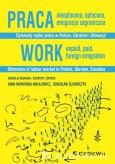
Monografia poświęcona jest współczesnym przeobrażeniom na rynku pracy. Zawiera interesujące spektrum różnorodnych zagadnień ekonomii pracy w zakresie niedoskonałości funkcjonowania rynków pracy, związanych z problemami dotyczącymi aktywności zawodowej kobiet wychowujących dzieci, pracy nieopłaconej w gospodarstwach domowych, jak również zjawisk emigracji zagranicznej. Publikacja została przygotowana przez zespół badawczy składający się z siedemnastu Autorów pochodzących z ośrodków naukowych trzech państw: Polski, Słowacji i Ukrainy.
Autorzy wskazali na konieczne kierunki zmian podejścia ekonomistów w zakresie postrzegania i traktowania nieodpłatnej pracy w gospodarstwie domowym, na ograniczenia i możliwości rozwiązań w zakresie gromadzenia danych w systemach statystycznych oraz na potrzebę zmian w makroekonomicznym systemie pomiaru dochodu narodowego.
Przedstawiono także ważne argumenty na rzecz tworzenia elastycznych form zatrudnienia, z których mogą korzystać zwłaszcza kobiety wychowujące dzieci. Formy te sprzyjają z jednej strony wypełnianiu przez kobietę jej roli w rodzinie, z drugiej zaś wspierają samorealizację zawodową kobiety, jej potrzebę rozwoju i spełnienia zawodowego.
Kolejny istotny problem podjęty w monografii dotyczy imigracji pracowników z Ukrainy do Polski. Autorzy zjawisko imigracji postrzegają pozytywnie, zarówno z perspektywy Ukrainy, jak i Polski, bowiem imigranci z Ukrainy przyczyniają się do zwiększenia podaży siły roboczej na polskim rynku pracy oraz wzrostu udziału czynnika pracy w tworzeniu produktu narodowego. Procesy migracji przyspieszają dynamizację procesów cywilizacyjnych, jak również generują możliwości uzyskania większej swobody i bezpieczeństwa socjalnego, wolności politycznej oraz sprzyjają procesom samorealizacji jednostek i grup społecznych. Ponadto wskazano na wątek o charakterze ponadnarodowym, dotyczący wypalenia zawodowego pracowników, stres oraz zmęczenie związane ze zjawiskiem sezonowości w turystyce.
Ostatnia część monografii poświęcona jest kompetencjom zawodowym. Przy wykorzystaniu mapy kompetencji zaprezentowano grupy cech preferowanych przez pracodawców. Jest to ważny tekst dla środowiska akademickiego ze względu na obowiązujące ramy kwalifikacji zawodowych związane z efektami kształcenia, wiedzy i umiejętności.
Autorzy mają nadzieję, że monografia stanowić będzie ważny impuls edukacyjny w procesie budowania świadomego społeczeństwa.
Książka pt. „Ryzyko (zagrożenia i szanse) zatrudnienia Milenialsów. HRM „po nowemu"", autorstwa Anny Lipki (z Uniwersytetu Ekonomicznego w Katowicach):
• udowadnia, iż Milenialsów charakteryzuje (w porównaniu do Tradycjonalistów, Baby Boomers oraz Generacji X) najwyższa dynamika pokoleniowa (mierzona liczbą zmian/transgresji postaw i wartości) oraz najwyższa oryginalność transgresyjna (mierzona postawami i wartościami o charakterze dyskontynuacyjnym (a nie kontynuacyjnym bądź wahadłowym)), wymuszająca zmiany m.in. w Human Resources Management;
• pokazuje dlaczego i przedstawia w jaki sposób należy mierzyć inteligencję generacyjną oraz zaufanie generacyjne w organizacji;
• charakteryzuje strategie personalne, które są adekwatne oraz nieadekwatne przy pozyskiwaniu i zatrzymywaniu najmłodszych pracowników;
• identyfikuje narzędzia personalne (dotyczące doboru pracowników, ich rozwoju, wynagradzania, kształtowania lojalności, kształtowania czasu i przestrzeni pracy, zarządzania konfliktami), które stosowane wobec Milenialsów zoptymalizują ryzyko personalne związane z ich zatrudnianiem;
• prezentuje w szczegółach, w jaki sposób stosować controlling personalny zorientowany na Milenialsów.
Kiedy można powiedzieć, że kobieta jest dobrą matką? Intuicyjnie jest to możliwe do określenia, ale czy obiektywnie również? Nie-pewność, co do standardów skłania do ich poszukiwania, często w niezbyt właściwym miejscu. I tu na scenie pojawiają się Instamat-ki; boginie jakości opieki nad dzieckiem, które nie tylko ustalają standardy, ale też identyfikują i kształtują kryteria oceny. A w efekcie kreślą linie oddzielające dobre matki od złych. Wobec niemożności określenia jasnych, absolutnych i obiektywnych kryteriów oceny, perfekcyjne kobiety z idyllicznych obrazków, nierzadko stanowią ważny punkt odniesienia w dokonywaniu samooceny. Instamatki są zawsze cierpliwe, wyrozumiałe, łagodne dla swoich dzieci. Gdy maluch nie chce czegoś zrobić, stosują wymyślne strategie przekony-wania, zamiast po prostu je przekupić lub im zagrozić. Swoje dzieci karmią tylko naturalnymi produktami, żadnych fastfoodów, tłusz-czów nasyconych i glutenu. Nie trzeba dodawać, że każdego dnia gotują obiad w domu, który serwują w bajecznie rozświetlonej słoń-cem jadalni. Zawsze mają zrobione pranie. Wyprasowane i poskładane ubrania leżą karnie na półkach, podłoga jest lśniąca, łóżka zaścielone. A wszystko to wygląda tak prosto i naturalnie, a przy tym jest osiągane z łatwością.
(fragment rozdziału: Zazdrość. Porównania)
Książka Piotra Michonia wypełnia pewną istotną lukę na polskim rynku wydawniczym, omawia bowiem kwestie związane z opieką, powołując się głównie na literaturę naukową z zakresu psychologii, filozofii, ekonomii czy socjologii, ale napisana jest z myślą o szerszym odbiorcy.
Lektura obowiązkowa (...) dla osób zajmujących się rozważaniami nad opieką, ale również dla (...) rodziców. Książka ta pozwala bowiem na zweryfikowanie swojej roli, jako opiekuna/opiekunki, ale i na refleksję nad swoimi zachowaniami.
Z recenzji dr hab. Anny Zachorowskiej-Mazurkiewicz, Uniwersytet Jagielloński
On Anarchism is an essential introduction to the Noam Chomsky's political theory.
On Anarchism sheds a much needed light on the foundations of Chomsky's thought, specifically his constant questioning of the legitimacy of entrenched power. The book gathers his essays and interviews to provide a short, accessible introduction to his distinctively optimistic brand of anarchism. Refuting the notion of anarchism as a fixed idea, and disputing the traditional fault lines between anarchism and socialism, this is a book sure to challenge, provoke and inspire. Profoundly relevant to our times, it is a touchstone for political activists and anyone interested in deepening their understanding of anarchism, or of Chomsky's thought.
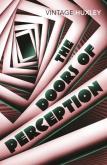
Discover this profound account of Huxley's famous experimentation with mescalin that has influenced writers and artists for decades.
‘Concise, evocative, wise and, above all, humane, The Doors of Perception is a masterpiece’ Sunday Times
In 1953, in the presence of an investigator, Aldous Huxley took four-tenths of a gram of mescalin, sat down and waited to see what would happen. When he opened his eyes everything, from the flowers in a vase to the creases in his trousers, was transformed. Huxley described his experience with breathtaking immediacy in The Doors of Perception.
In its sequel Heaven and Hell, he goes on to explore the history and nature of mysticism. Still bristling with a sense of excitement and discovery, these illuminating and influential writings remain the most fascinating account of the visionary experience ever written.
Socjolog moralności-jeśli ma być wierny swej profesjonalnej roli-nie tworzy żadnych ideałów moralnych ani nie buduje systemów etycznych z pominięciem historycznych warunków miejsca i czasu. Ale sprzeniewierzeniem postawie obiektywnego badacza faktów moralnych staje się nie tylko popadnięcie w absolutyzm (dogmatyzm etyczny), lecz także postawa, którą można nazwać błędem socjologizmu, prezentyzmu lub też socjologizmem moralnym [...], sprowadzająca się do udzielenia mocy obowiązującej aktualnie przeważającym w danej zbiorowości praktykom czy sądom moralnym. Te dwie postawy-w różny wprawdzie sposób, ale równie nieuprawniony-zamazujące granicę między sferą stwierdzanych faktów a wypowiedziami o charakterze normatywnym, stanowią pułapki, których uniknięcie staje się największym wyzwaniem socjologa moralności, gdy chce uprawiać swoją subdyscyplinę jako naukę empiryczną.Andrzej Tarczyński
Migracje i ich konsekwencje są jednymi z najbardziej aktualnych problemów, przed którymi stają dziś służby społeczne. To także wyzwania zarówno dla migrantów, bo wymagają oni adaptacji do nowych sytuacji, jak i osób z nimi pracujących. Charakteryzujące szok kulturowy poczucie zagubienia i niepewności w kontakcie z obcym kulturowo światem i jego przedstawicielami dotyka nie tylko przybyszów, ale także osoby podejmujące z nimi pracę. Do skutecznego radzenia sobie z tymi problemami potrzebne są wiedza, umiejętności, predyspozycje i doświadczenia, składające się na kompetencję międzykulturową, a ponieważ w relacji migrant–pracownik służb społecznych ten pierwszy jest stroną potrzebującą wsparcia i pokierowania, to kwestią szczególnie istotną jest, aby zatrudniona do działania z nim osoba była międzykulturowo kompetentna. Stąd narodził się pomysł podjęcia badań dotyczących kompetencji międzykulturowej pracowników służb społecznych pracujących z migrantami. Dla realizacji tego tematu wybrano koncepcję kompetencji międzykulturowej według Jurgena Boltena, co wynika z tego, że składające się na ten model kompetencje i kategorie znajdują zastosowanie w pracy polskich pracowników służb społecznych z migrantami. Ponadto model ten jest otwarty na uwarunkowania zawodowe i kulturowe wykonywania pracy, a to pozwoliło na dostosowanie go do kontekstu pracy polskich pracowników służb społecznych zajmujących się migrantami.
Z wprowadzenia
Książka składa się z dwóch części. Pierwsza poświęcona jest nieoczywistym relacjom nowych mediów z domeną sztuki oraz porusza kwestie ich oddziaływania na życie społeczne. Teksty zawarte w części drugiej w szczególnym stopniu koncentrują się na dokonywanej poprzez aktywność twórczą zmianie – czy to bardziej utopijnej i ekskluzyjnej (tekst Joanny Szczepanik), czy tej oddziałującej na życie codzienne zwykłych użytkowników miast, podejmowanej we współpracy z samorządowcami, działaczami pozarządowymi, niekiedy też samymi mieszkańcami (teksty pozostałe).
[…]Autorzy kolejnych tekstów zawartych w książce zastanawiają się między innymi, jak przebiegają procesy recyklingu określonych przestrzeni w miastach: Łodzi, Gdańsku, Poznaniu i Szczecinie oraz jaką rolę odgrywa sztuka w kreowaniu, przetwarzaniu i odzyskiwaniu miejsc. Pokazują również, w jaki sposób artyści bezpośrednio lub pośrednio starają się włączać w swoje działania różnorodne społeczności, jak przebiega dialog pola sztuki z innymi polami, głównie rynkiem i polityką miejską, a wreszcie z życiem codziennym mieszkańców, oraz jakie są efekty zastosowanych interwencji artystycznych.
Ze wstępu
Toksyczna relacja może się przytrafić każdemu. Początki związku z osobą o zaburzonej osobowości zwykle są piękne, jednak później nieuchronnie przychodzi katastrofa. Wyjście z takiej matni bywa skrajnie trudne i nie zawsze oznacza koniec problemów. Wiele osób po wydostaniu się ze związku z psychopatą nie potrafi pokonać traumy. Objawy są różne, od odrętwienia lub poczucia pustki po depresję, perfekcjonizm czy nadużywanie różnych substancji. Łączy je to, że odbierają radość życia i nie pozwalają poprawnie funkcjonować. Przełamanie tej bariery, zrozumienie, co właściwie się stało, uleczenie ran swojej duszy, wreszcie ponowne otwarcie się na miłość i szczęście bywa niezwykle trudne!Oto wyjątkowy poradnik, dzięki któremu o wiele łatwiej ozdrowiejesz po doznanej przemocy emocjonalnej ze strony psychopaty, odnajdziesz w sobie akceptację i przebaczenie dla siebie i innych, aby w końcu otworzyć się na nową, bezpieczną miłość. Zrozumiesz, na czym polega błędne koło toksycznej relacji i jak dochodzi do uzależnienia ofiary. Nauczysz się rozpoznawać objawy zespołu stresu pourazowego, dowiesz się, w jaki sposób funkcjonują ludzie o osobowości unikającej, współzależnej czy typu borderline. A przede wszystkim dostaniesz do ręki narzędzia - praktyki, dzięki którym znów staniesz się wolnym człowiekiem. Jest to potężny, płynący od serca program samouzdrowienia, odnalezienia siebie i odzyskania swojego życia!W tej książce:praktyki mindfulness, introspekcji oraz przydatne ćwiczeniaradzenie sobie z zespołem stresu pourazowego, ze współzależnością i z toksycznym wstydemidentyfikowanie swojego ochronnego jaodkrywanie swojego rdzennego japonowne, bezpieczne otwarcie się na miłośćOdzyskaj wolność. Odzyskaj siebie. Dokonaj zmiany!O autorzeJackson MacKenzie jest współzałożycielem serwisu PsychopathFree.com, gdzie funkcjonuje społeczność oferująca pomoc osobom, które przetrwały toksyczny związek. Napisał kilka cenionych książek o tej tematyce. Na co dzień współpracuje z firmą techniczną w Nowej Anglii. MacKenzie kocha koty, Boże Narodzenie, dalekie wędrówki i... jacuzzi.
Trudności z utrzymaniem dyscypliny na lekcjach, uczniowskie prowokacje, próby sił i testowane wyznaczonych granic - to twoja codzienność? Jak zbudować właściwe relacje z uczniami?
Książka kiedy pozwolić, kiedy zabronić w klasie podpowiada, jak ustalać jasne reguły i konsekwentnie egzekwować ich przestrzeganie. Wprowadzenie proponowanych w niej rozwiązań pozwala skutecznie powstrzymać niewłaściwe zachowanie uczniów i nakłonić ich do współpracy, a take zapewnia obustronną satysfakcję z efektywnej nauki. Autor nieustannie podkreśla, że metody, z których korzystają nauczyciele, są przyswajane i stosowane potem przez ich uczniów. Z tego powodu działania nauczycieli powinny mieć solidne fundamenty, na których ich podopieczni będą mogli budować swoją przyszłość.
Jak to jest, że niektórzy potrafią stworzyć stabilny i zdrowy związek, a inni w relacji z bliską osobą walczą o każdy dzień?Angażujesz się nadmiernie w każdy związek i martwisz się, że nikt nie zdoła cię pokochać? A może bycie w związku kojarzy ci się z utratą siły i niezależności?Są dziedziny nauki, które na podstawie rozmaitych analiz mówią nam, co mamy jeść, jak ćwiczyć i jak długo spać. Dlaczego by więc nie wykorzystać badań naukowych w celu naprawy bądź ulepszenia naszych związków? W swojej przełomowej książce psychiatra i neurolog Amir Levine wraz z psycholożką Rachel Heller wskazują, jak znaleźć i pielęgnować romantyczną relację, korzystając z teorii więzi nauki o relacjach. Teoria ta pokazuje, jaki wpływ na dorosłego człowieka miały jego wczesne relacje z rodzicami lub opiekunami (ale nie tylko) oraz że ludzka potrzeba bycia w bliskim kontakcie z drugim człowiekiem jest zapisana w naszych genach. Relacja z bliską osobą jest nam niezbędna do przetrwania.Dzięki tej książce rozpoznasz swój styl przywiązania i zyskasz szósty zmysł, który podpowie ci, jakiego partnera wybrać, a jeśli już jesteś w związku, dowiesz się, jak pozytywnie wpłynąć na swoją relację. Zrozumiesz, jakie myśli i uczucia blokują cię przed bliskością bądź do niej skłaniają. Nauczysz się budować silne i zdrowe relacje dające satysfakcję i poczucie szczęścia tobie i partnerowi/partnerce, a partnerstwo bliskości stanie się twoim atlasem drogowym.
„Projektowanie komunikacji vol. 2” to kolejny tom z serii Projektowanie komunikacji Instytutu Dziennikarstwa i Komunikacji Społecznej Uniwersytetu Wrocławskiego.
Wewnątrz – między innymi – o zmianach w designie oraz roli projektanta i projektowania, o tym, jak projektować materiały edukacyjne, o reklamie społecznej w kontekście profilaktyki raka piersi, o tym, jak projektować komunikację o polityce, ponadto analiza dziejów i zawartości pisma „A-tak. Anarchistyczna Gazeta Uliczna”, a także o tym, czy kamienie mówią i czy są tekstem, który można czytać.
Przystępując do pracy nad tą książką, wiedzieliśmy, czego się spodziewać: dobrze znamy literaturę przedmiotu i na co dzień obserwujemy polską mediasferę. Chcieliśmy tylko pokazać, jak można badać nienawiść w mediach za pomocą narzędzi analitycznych nauki o komunikowaniu i mediach. A jednak wiele rzeczy zaskoczyło nas i zdziwiło. (…) Najbardziej dotknęły nas dwie sprawy.
Pierwsza – że nie musieliśmy specjalnie szukać przypadków skrajnej nienawiści, długo i mozolnie kolekcjonować przykładów. Po prostu sięgnęliśmy do mediów w dniu, w którym postanowiliśmy napisać tę książkę, i bez problemu znaleźliśmy mnóstwo materiału do badań.
Druga to nieodpowiedzialność mediów. Redakcje mają do dyspozycji różne mechanizmy służące temu, żeby nie wpuszczać nienawiści na swoje łamy. Tymczasem nie tylko same ją generują, ale też dają pole do jej niemal nieskrępowanej ekspresji. Chowają się przy tym za plecami odbiorców, mówią: to nie my, to czytelnicy. Skrywają się też za wolnością wypowiedzi – przecież nie będą cenzurować własnych forów dyskusyjnych. Wymówkę znajdują w domniemanych życzeniach czytelników i widzów – przecież tego chce ich grupa docelowa. Podnoszą w ten sposób temperaturę w garnku, w którym gotujemy się jak żaba z anegdoty, i nie wiadomo, czy już nie jest za późno. (…)
Mamy nadzieję, że przedstawione w niniejszym opracowaniu sposoby systematycznej obserwacji nienawiści w mediach staną się przyczynkiem do szerszych badań tego zjawiska i podjęcia prób jego eliminacji. Liczymy na to, że ta książka będzie przydatna nie tylko przedstawicielom akademii, ale również redakcjom, które mogą wykorzystywać zaprezentowane metody analizy własnych działań w mediach.
Od Autorów
Zestaw dwóch książek:
"Kosmos. To, o czym dorośli Ci nie mówią"
Fascynująca historia kosmosu i planet, czarnych dziur, ciemnej materii i czerwonych karłów, opowiedziana w prosty i zabawny sposób, zrozumiały dla każdego (od 9 do 113 lat).
14 miliardów 820 milionów lat temu. Nicość. Nicość, o której nie wiemy nic. Nicość, która jest Niczym. Nicość absolutna.
Nagle, z nieznanych nam przyczyn Nicość zaczyna zmieniać się w Coś. Czy następuje jakiś wybuch, rozbłysk, huk? Nie, to raczej Wielkie Gorące Szybkie Puff. Narodził się Wszechświat. Powstała przestrzeń, czas, energia. Pojawiła się masa i atomy, potem pierwsze gwiazdy. Tworzą się galaktyki, w tym Droga Mleczna, Układ Słoneczny i nasza Ziemia.
"Kosmos to lekko napisana i świetnie zilustrowana podróż przez wszechświat – od Wielkiego Wybuchu i podstaw fizyki aż po życie codzienne gwiazd i planet. W przeciwieństwie do wielu tego typu książek ta traktuje młodych czytelników naprawdę poważnie. Autorzy przedstawili w niej również takie zaawansowane zagadnienia, jak powłoki elektronowe, powstawanie galaktyk eliptycznych czy mechanizm uwalniania energii jądrowej w Słońcu. Co istotne, są one przy tym naprawdę wytłumaczone – cierpliwie i mądrze. Polecam z całego serca!"
Łukasz Lamża
"Mózg. To, o czym dorośli Ci nie mówią"
Najbardziej skomplikowany obiekt we wszechświecie – mózg – oraz procesy, które w nim zachodzą, omówione w prosty i zabawny sposób, zrozumiały dla każdego (od 9 do 113 lat).
Humor i ilustracje, które zapadają w pamięć.
Skąd się wzięło myślenie i czy nam się opłaciło?
Czy myślenie ma swoje granice?
Kiedy nasz mózg nie daje rady, a kiedy działa znakomicie?
Dlaczego tak często myślimy na skróty?
Twój mózg a ty - kto tu właściwe rządzi?
Dlaczego nastolatki myślą inaczej?
Sztuczna inteligencja - nowy przyjaciel czy groźny wróg?
Złość to naturalne uczucie, które towarzyszy każdemu z nas. Tego, jak nad nią panować, uczymy się przez całe życie. Autorzy wnikliwie omawiają proces pojawiania i uzewnętrzniania się złości – już od momentu narodzin. Przekonują przy tym, że najważniejsze jest to, by poznać jej prawdziwe powody. A może być ich dużo, miedzy innymi niezaspokojone potrzeby, pojawienie się młodszego rodzeństwa, zła atmosfera między rodzicami czy napięcia wśród rówieśników. Ten napisany z humorem poradnik doskonale uczy, jak zrozumieć gniew swojego dziecka i jak sobie z nim poradzić.
Dzięki tej książce dowiesz się:
•jakie są przyczyny wybuchów gniewu u dziecka,
•dlaczegotwoje dziecko reaguje w taki, a nie inny sposób,
•jakradzić sobie z agresją najmłodszych,
•jaknauczyć dziecko rozładowywać złość,
•jakwspomagać dziecko w pokonywaniu czekających je wyzwań,
•jakpanować nad gniewem w codziennych sytuacjach.
Ten produkt jest zapowiedzią. Realizacja Twojego zamówienia ulegnie przez to wydłużeniu do czasu premiery tej pozycji. Czy chcesz dodać ten produkt do koszyka?