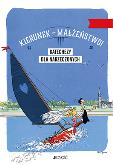
"Małżeństwo to poważna sprawa, ponieważ jest miłosnym zaangażowaniem na całe życie i tak wzniosły ideał może przerażać, a przecież związek małżeński jest czymś najbardziej naturalnym, bowiem zostaliśmy stworzeni do miłości!" – piszą we wstępie do swojej książki B. Luccerau i o. C. Burgun, znani specjaliści w zakresie poradnictwa małżeńskiego i rodzinnego – po czym dodają, że to ""Bóg daje łaskę małżeństwa, gdyż chce nas widzieć szczęśliwymi"".
Niniejsza publikacja, bardzo pomocna w pracy duszpasterskiej, składa sie z trzech głównych części – miłość i małżeństwo, filary małżeństwa, duchowość małżeńska – i prowadzi narzeczonych (bez względu na ich wiedzę religijną) przez kolejne etapy przygotowania do sakramentu małżeństwa. Przedstawiono tu dwanaście katechez, które pomagają w refleksji nad zbudowaniem harmonijnej i silnej wspólnoty małżeńskiej, owocującej w przyszłości założeniem rodziny. Autorzy używają jasnego, prostego języka ułatwiającego zrozumienie sensu małżeństwa i znaczenia tej ważnej drogi życia. Każdy etap został opracowany na tekstach biblijnych, fragmentach nauczania papieża Franciszka, a także rozważaniach odpowiednich do tematyki danego rozdziału, które można czytać pojedynczo lub razem, oraz na pytaniach podsumowujących prezentowane treści. Nie brakuje też propozycji działań pogłębiających sens spotkań we dwoje i wprowadzających do bliskości małżeńskiej. W książce znalazły się ponadto wzory oświadczenia woli zawarcia małżeństwa, w tym dla małżeństw mieszanych.
Bénédicte Lucereau jest żoną i matką w wielodzietnej rodzinie. Pracuje jako terapeutka małżeństwa i rodziny w Lombardii (Francja). Pisze książki oraz wygłasza konferencje na temat roli rodziny i znaczenia małżeństwa we współczesnym społeczeństwie.
o. Cédric Burgun jest kapłanem w diecezji Metz, członkiem wspólnoty Emmanuel, sędzią kościelnym. Wykłada prawo kanoniczne w Instytucie Katolickim w Paryżu. Zajmuje się również doradztwem małżeńskim i prowadzi kursy przedmałżeńskie dla narzeczonych.
Książka Oczami dziecka przedstawia historie z życia codziennego z perspektywy dzieci: niemowląt, przedszkolaków, młodzieży, ale także dorosłych. Opiera się na założeniu, że nigdy nie przestajemy być dziećmi, a wydarzenia z dzieciństwa wpływają na całe nasze życie.
Na codzień nie zdajemy sobie sprawy, jaki dzieciństwo ma na nas wpływ. Myślimy: dziecko jest małe, zapomni. Nic bardziej mylnego.
Książka, którą trzymasz w rękach, jest dedykowana dzieciom: tym, które pojawiły się na świecie wczoraj, 3 lata temu, 10 lub 40; oraz ich rodzicom.
Dzieciom, by łatwiej było im zrozumieć swoje emocje. By upewnić je, że to, z czym się mierzą, nie spotyka tylko ich. Aby pokazać, że można reagować, prosić o pomoc i dostawać ją.
Dorosłym, by łatwiej było im wrócić do swoich emocji z dzieciństwa, rozliczyć się z przeszłością. By mogli pracować nad sobą i dać sobie oraz swoim dzieciom to, co najlepsze.
Wszystkim. By zrozumieć siebie i innych.
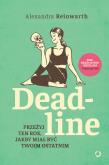
Jak przeżyć najbardziej zajebisty rok w życiu?
To proste.
Wyznacz datę swojej śmierci: za rok.
Brzmi kontrowersyjnie? Zaufaj Alexandrze Reinwarth, autorce bestsellerowej książki "Pieprzyć to!". Czeka cię nowe wyzwanie - jeśli je podejmiesz, całkowicie zmienisz swoje nastawienie do życia.
Jak tego dokonać?
Żyj tak, jakby to był ostatni rok twojego życia! Rób wszystko, na co do tej pory nie starczyło ci czasu ani odwagi. Dbaj o relacje z bliskimi. Spełniaj swoje marzenia. Wybaczaj. Mów otwarcie o swoich uczuciach.
Autorka poprowadzi cię przez twój "ostatni rok", a ty poczujesz wielką ulgę, satysfakcję i dumę, budząc się… dzień po swojej śmierci.
Masz tylko dwa życia. Drugie zaczyna się w chwili, gdy odkrywasz, że masz tylko jedno
Akrobatyka małżeńska to książka, w której ojciec Adam Szustak OP próbuje udowodnić, że małżeństwo to najprostsza rzecz na świecie, ponieważ potrzeba do niej tylko dwóch elementów prawdziwego mężczyzny i prawdziwej kobiety, nic więcej. Posługując się wybranymi fragmentami z Biblii, Autor opowiada o pierwotnym pomyśle Pana Boga na ludzi, a dokładniej wyjaśnia, czym jest tożsamość kobiety i mężczyzny, jakie są ich największe pragnienia, jakie role powinni pełnić w związku, jak mogą budować i rozwijać miłość, a także jak naprawiać to, co już popsuło się między nimi.
Książka powstała na podstawie cyklu konferencji, które ojciec Adam wygłosił w 2015 roku w ramach pierwszego z cyklicznych spotkań dla narzeczonych, małżonków i rodziców organizowanych przez Fundację Malak.
Dzisiaj niemal wszyscy chorujemy na brak czasu. Śpieszy nam się tak bardzo, że każda osoba i każda rzecz, która nas spowalnia, staje się naszym wrogiem.
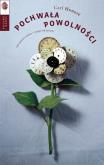
Takie są właśnie konsekwencje naszej obsesji szybkości i oszczędzania czasu – wściekłość na drodze, wściekłość w samolocie, wściekłość na zakupach, wściekłość w związku, wściekłość w biurze, wściekłość na wakacjach, wściekłość na siłowni. Szybkość sprawia, że żyjemy we wściekłych czasach – pisze w Pochwale powolności Carl Honoré i poszukuje lekarstwa na tę przypadłość, wędrując od warsztatów seksu tantrycznego w Londynie, przez nowojorskie studio ćwiczeń metodą SuperSlow, po Włochy, ojczyznę Slow Food oraz ruchu Powolnych Miast.
Zabawnie i zajmująco pokazuje, jak dzięki filozofii Powolności możemy wieść życie pełniejsze i bogatsze, ani w tempie geparda, ani w tempie żółwia, lecz w swoim własnym.
Pochwała powolności przedstawia nam różne metody wyzwolenia się od tego, co Baudelaire nazywał „straszliwym ciężarem czasu”, od złudzenia w stylu Matrixa, które przekonuje, że nie mamy wyboru.
„Washington Post”
To No Logo swojej epoki. Ta osobliwie wciągająca książka będzie objawieniem dla wszystkich, którzy zapomnieli, jak to jest oczekiwać na coś, a później cieszyć się, gdy to coś nadejdzie.
„Glasgow Herald”
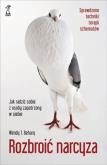
Narcyz to osoba zapatrzona w siebie i sobą zachwycona. Takich ludzi możemy spotkać wszędzie: w szkole, w pracy, w domuAutorka książki pokazuje, jak sobie z nimi radzić. Wyjaśnia, gdzie leżą źródła narcyzmu, dlaczego ulegamy urokowi narcyzów i jak zadbać o siebie, gdy nasz partner lub rodzic jest narcyzem. Odwołuje się przy tym do nowatorskiej koncepcji terapii schematów i do zasad neurobiologii interpersonalnej. To doskonały przewodnik przetrwania dla osób będących w relacji z narcyzem, a także nieocenione źródło wiedzy dla terapeutów prowadzących terapię osób narcystycznych.
Jak radzimy sobie z tym, że życie potrafi nas nagle potwornie zaskoczyć? Co dzieje się, gdy zdarzy się coś absolutnie nie do pomyślenia? Jak ludzie dotknięci tragedią radzą sobie po niej? Czy jako społeczeństwo odpowiadamy za tych, którzy bezwiednie znaleźli się w centrum wydarzeń i o których reszta ludzi chce się czegoś więcej dowiedzieć?A kiedy już sobie uświadomimy, że nie jesteśmy wcale wyjątkowi, lecz tak samo bezbronni jak inni, jak zmienia to nasze podejście do życia?Ciepły, szczery i empatyczny zbiór opowieści o ludziach, którzy nagle musieli znaleźć w sobie siłę, by przetrwać najgorszy czas w swoim życiu.Australijska dziennikarka, Leigh Sales, wciąż spotyka w swojej pracy osoby, które niespodziewanie dla siebie przeżywają wyjątkowo trudne chwile w pełnym blasku fleszy. Zresztą nawet ona, mimo że zawsze zachowywała się ostrożnie, pewnego dnia doznała całkiem niespodziewanej tragedii. Z czasem przerażające doświadczenia zmusiły ją do poszukiwania odpowiedzi na pytania: jak my, zwykli ludzie, radzimy sobie w obliczu niebywałych nieszczęść? Jakie są nasze szanse na przetrwanie? Czego najbardziej się boimy i dlaczego? A kiedy wydarzy się najgorsze co dzieje się potem?Autorka, łącząc empatię z pełnym taktu poczuciem humoru, przeprowadza intymne rozmowy z ludźmi, którzy zmierzyli się z niewyobrażalnym od terroryzmu, przez klęski żywiołowe po zwykłe przebywanie w niewłaściwym miejscu i w niewłaściwym czasie. Z tych wyjątkowych rozmów wypływają też wskazówki, jak przetrwać, kiedy nadejdzie najtrudniejszy czas w naszym życiu.Bo za którymś razem zdanie to mogłem być ja może nabrać realnych kształtów...
Główną zaletą monografii jest wieloaspektowe podejście do zależności występujących między objawami ADHD i wykolejenia społecznego. Pod tym względem różni się ona na korzyść od innych opracowań podejmujących tę problematykę, które najczęściej koncentrują się jedynie na roli wybranych czynników determinujących rozwój tej kategorii zaburzeń zachowania.Wysoką wartość poznawczą książki zapewniają empirycznie zweryfikowane dane oparte na wynikach badań przeprowadzonych w kraju i za granicą. Należy podkreślić, że Autor nie ukrywa tych wyników, które ujawniają niedostatki obecnego modelu resocjalizacji nieletnich oraz niską skuteczność oddziaływań stosowanych przez Młodzieżowe Ośrodki Wychowawcze.Monografia ukazuje się w okresie dużego zainteresowania problematyką skuteczności działania wymiaru sprawiedliwości, systemu prewencji oraz resocjalizacji przestępców, w tym nieletnich. Wynika to z wielu powodów, do których należy zaliczyć także utrzymywanie się wysokiego wskaźnika przestępczości młodzieży i dorosłych. Z tych względów należy oczekiwać, iż niniejsza książka spotka się z zainteresowaniem szerokiego grona czytelników, m.in. pracowników naukowych i studentów uczelni wyższych, psychologów, pedagogów, prawników i pracowników socjalnych.
Wśród wielu wymagań współczesnej kultury żądanie otwartości należy do najważniejszych. Jest ono tak ważne, że pojawia się nawet jako istotna prośba Modlitwy Eucharystycznej (V Modlitwa Eucharystyczna), w której prosi się: „uczyń nas otwartymi”. Przyzwyczajani jesteśmy do uznawania, że jest to zaleta ludzi i pożądany stan kultur, w których relacje wykluczania zastępowane są pluralizmem i tolerancją. Rzadko dostrzega się również zagrożenia związane z bezkrytyczną otwartością, w której może ujawniać się zaburzenie tożsamości, nierespektowanie żadnych granic, aż po egoistyczną samowolę. Taka nieuporządkowana otwartość wydaje się umniejszać tendencje do trwania i utrwalania dotychczas obowiązujących (dobrych) wzorców życia i kultury, uwypuklając zmienność i nietrwałość wszystkiego, i skłaniając też ku relatywizmowi i konformizmowi. Jednak korzystna (ubogacająca i poszukująca) otwartość rzeczywiście służy zarówno indywidualnemu rozwojowi, jak i udoskonaleniu relacji międzyludzkich i międzykulturowych. Dlatego w kontekście tak rozumianej otwartości nie ma usprawiedliwienia dla ograniczenia i zamknięcia nawet wtedy, gdy w danej chwili wydaje się ona zagrażać schematycznemu porządkowi, skostniałej hierarchii i złudnej niezmienności. W kontekście tym chodzi bowiem o otwartość na prawdę, dobro, piękno, czyli na to wszystko co ubogaca świat, nasze życie i nas samych, co jest cenne i o co warto zabiegać. Nie chodzi zaś ani o rezygnację z siebie, ani też o skierowanie (otwartość) na to, co niszczy i burzy, a nie tworzy i buduje. Stąd modlitwa „uczyń nas otwartymi” jest tak ważna: uczyń nas otwartymi, nie ku naszej destrukcji, lecz ku spełnieniu.
•Chciałabym po prostu zrobić sobie wolne i mieć święty spokój. Przytłacza mnie to, że wciąż jestem potrzebna.
•Za każdym razem, gdy ona zachowuje się niegrzecznie w sklepie, mam ochotę stamtąd uciec.
•Dzieci mnie wykańczają. Nie prosiłem się o to. Nie miałem pojęcia, że rodzicielstwo będzie tak wyglądać.
•Tak bardzo się na niego złoszczę, że czuję, iż tracę kontrolę nad sobą.
Czy zdarzyło wam się czuć i myśleć podobnie, ale nigdy nie odważyliście się wyrazić tego na głos? Takie odczucia i myśli są całkiem naturalne, a jednak nauczyliśmy się je ukrywać z obawy przed oceną. Wpojono nam, że są niewłaściwe i świadczą o tym, iż nie radzimy sobie z wyzwaniem rodzicielstwa. Przyznanie się do nich uważamy za równoznaczne ze stwierdzeniem, że jesteśmy złymi rodzicami. Nie pomaga i to, że rodzice prezentowani w mediach są perfekcyjni: zawsze opanowani, uśmiechnięci, mający czas dla dzieci i wręcz niespożytą energię. Chcąc nie chcąc, zaczynamy się porównywać z takim ideałem i czujemy, że zawodzimy… Wszelkie wady, wpadki, błędy i słabości urastają w naszych oczach do niewyobrażalnych rozmiarów, a każde nieodpowiednie zachowanie dzieci postrzegamy jako swoją rodzicielską porażkę.
Nic dziwnego, że wielu z nas zatraciło radość rodzicielstwa i widzi je jako pasmo uciążliwych obowiązków, stresu i trudności. Czy można to zmienić?
Książka ta pomoże wam stać się lepszymi rodzicami. Autorki podpowiadają, jak skutecznie radzić sobie w różnych sytuacjach wychowawczych oraz lepiej poznać swoje wartości, myśli i uczucia. Terapia akceptacji i zaangażowania, na której zasadach opiera się poradnik, pomaga dostrzec, zrozumieć i zaakceptować własne emocje, niepokoje czy niedociągnięcia – jednak bez ulegania im. Dzięki temu będziecie postępować w zgodzie ze sobą i swoimi wartościami zamiast działać impulsywnie i automatycznie reagować na to, co podsuwa umysł.
Dostajemy różne instrukcje obsługi, robimy kurs na prawo jazdy, szkolimy się, aby móc wykonywać wybrany zawód... A kiedy i gdzie uczymy się bycia rodzicem? I to takim, który jest świadom różnic w etapach rozwojowych, który potrafi wesprzeć, nie krzywdząc, oraz wysłuchać, rozumiejąc. I który przy tym wszystkim po prostu czerpie radość z rodzicielstwa. Całe szczęście, że z pomocą przychodzą nam autorki książki, wyjaśniając te kwestie.
Joanna Gutral i Arletta Szulwic
www.ZdrowaGlowa.pl
To zadziwiające, jak bardzo wszyscy pragniemy być dobrymi rodzicami, równocześnie pozwalając umysłowi, by bezpardonowo nam w tym przeszkadzał. „Radość rodzicielstwa” to lektura dla tych, którzy są gotowi zawrzeć pokój z samym sobą (i ze swoim dzieckiem) oraz pozwolić sobie na rodzicielski rozkwit. Jak również dla tych, którzy chcą oprzeć swoje rodzicielstwo na tym, co według nauki rzeczywiście działa, a nie na tym, czego latami błędnie uczyli się o wychowaniu dziecka.
Sabina Sadecka
psychoterapeutka ACT, współzałożycielka portalu Opsychologii.pl
Przychodząc na świat, dziecko rozpoczyna długą i pełną zawirowań wędrówkę ku dorosłości. Rolą rodzica jest uważne towarzyszenie dziecku i wspieranie go w tej wędrówce. Wychowywanie młodego człowieka to przywilej, a zarazem wielka odpowiedzialność. Większość z nas napotyka w rodzicielstwie mniejsze lub większe trudności. Kiedy jednak frustracja doprowadza nas na skraj wytrzymałości i przesłania wartości, którymi chcieliśmy się kierować, powinniśmy zacząć działać. „Radość rodzicielstwa” to kompas dla wszystkich, którzy utknęli na mieliźnie rodzicielstwa.
Kaja Wolnicka
psycholożka, autorka bloga www.Moi-Mili.pl
Przemiany paradygmatyczne, zarówno na gruncie pedagogiki specjalnej, psychologii rehabilitacji, jak i w obrębie psychologii stresu i radzenia sobie z nim, a także odzwierciedlone w powstaniu i rozwoju psychologii pozytywnej wyznaczyły nowe podłoże wyjaśniania konsekwencji nabycia trwałej niepełnosprawności ruchowej. Uwypuklona została kategoria „pozytywności”, odnosząca się do konstruktywnych, rozwojowych przeobrażeń, pozytywnych doświadczeń, aspektów sprzyjających prowadzeniu dobrego, sensownego i satysfakcjonującego życia, mimo posiadanych ograniczeń […] W ramach nowych ustaleń badawczych, wskazujących na możliwości zaradcze i transformacyjne człowieka doznającego zdarzeń traumatycznych, szczególnie nieszczęśliwych okoliczności, analizie poddawane są skutki nabycia niepełnosprawności ruchowej, z uwzględnieniem przeobrażeń pozytywnych oraz funkcjonowanie osoby ich doświadczającej, obejmujące poczucie szczęścia, spełnienia, odnajdywanie znaczenia itp. Zarysowany nowy trend badań, dostarczający interesujących informacji, nie pozwala na obecnym etapie rozwoju sformułować wystarczającego opisu i wyjaśnienia dla pozytywnych konsekwencji nabycia trwałej niepełnosprawności ruchowej. Dokonywane wstępne eksploracje w tym zakresie dowodzą wprawdzie występowania różnorodnych pozytywnych doświadczeń u osób z tego typu niepełnosprawnością, jednakże w niewielkim jeszcze stopniu tłumaczą ich strukturalne i funkcjonalne właściwości. Uzasadnia to potrzebę podejmowania szeroko zakrojonych przedsięwzięć badawczych, zorientowanych na ustalenie natury konsekwencji pozytywnych, jej uwarunkowań i powiązań z innymi zjawiskami wpisującymi się w funkcjonowanie osób z nabytymi ograniczeniami ruchowymi.
fragment Wstępu
Jak wychowywać dziecko o silnym charakterze?Czy czasami odnosisz wrażenie, że Twoje dziecko to mały terrorysta? Czy martwisz się, że nikogo nie słucha, i czujesz się bezsilny? Pora zastosować jasne zasady, które pomogą Ci wprowadzić zdrową dyscyplinę. Robert J. MacKenzie wyjaśnia, że powodem trudnych zachowań mogą być nie tylko złe nawyki rodziców, ale także (po prostu) trudny charakter dziecka. Jednocześnie przekonuje, że konkretność i opanowanie sprawdzą się o wiele lepiej w konfliktowych sytuacjach, niż krzyki, groźby czy próba sił.Dzięki tej książce:- zaczniesz współpracować zamiast walczyć,- zbudujesz lepsze relacje z dzieckiem,- stworzysz pozytywną atmosferę w domu.
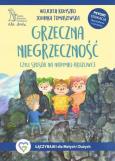
Fiszka mieszka w fantastycznym świecie Filajków, który pod wieloma względami przypomina nasz. Dziewczynka pierwszy raz jedzie do Kumulurado, na co czekała od lat. Bardzo chciałaby być grzeczna, ale jeszcze bardziej marzy o tym, żeby dosiąść niebezpiecznego ptaszora-buldożera. Czy uda jej się spełnić któreś z tych pragnień? Co ma do tego tajemniczy Grzecznich? I jaką rolę w całej historii odegra jej niezwykle grzeczny kuzyn Gzyms? W książce zamieszczono pomocne ćwiczenia, a na Stronach dla Małych oraz Stronach dla Dużych wiele pożytecznych informacji oraz sugestie, jak zdobytą wiedzę wykorzystać we własnym życiu. „Grzeczna niegrzeczność” podejmuje dwa ważne tematy: grzeczności i asertywności. Co to właściwie znaczy, że dziecko jest „grzeczne”? Czy grzeczność oznacza tylko posłuszeństwo? Czy posłuszne dzieci będą dobrze radzić sobie w życiu? Czy asertywność może być grzeczna? Czy jest potrzebna dzieciom, czy tylko dorosłym? Książka pomoże odpowiedzieć na te i wiele innych pytań.
Usystematyzowanie i wielopłaszczyznowe przedstawienie aktualnej wiedzy z zakresu zaburzeń psychicznych u kobiet, w tym:
- omówienie podłoża zaburzeń psychicznych kobiet ze szczególnym uwzględnieniem przemian hormonalnych, sprzyjających ich rozwojowi
- omówienie metod leczenia zaburzeń psychicznych u ciężarnych
- opis specyficznego wzorca uzależnień oraz zachowań suicydalnych u kobiet
- przedstawienie zaburzeń psychicznych i możliwości terapii u ofiar przemocy seksualnej.
Medytacja to niczym niezakłócony relaks. Twoje sam na sam ze sobą. Ale co zrobić, kiedy w ciągu dnia masz niewiele wolnego czasu? Z tego wyjątkowego przewodnika po technikach medytacji, dowiesz się, jak wykorzystać nawet te kilka minut w ciągu dnia do osiągnięcia spokoju i zredukowania stresu. Dzięki tej książce zaśniesz tak, że następnego dnia obudzisz się z uczuciem przespanej nocy. Medytacja może odmienić Twoje życie, jeśli na to pozwolisz. Odkryj taką medytację, jaką najbardziej lubisz i powtarzaj ją tak często, jak zechcesz. Możesz też za każdym razem wybierać inną, aż znajdziesz taki sposób medytowania, jaki Ci najbardziej odpowiada. Zanurz się w relaksacyjnej medytacji.
"Drogi Czytelniku! Trzymasz w rękach pierwszą w Polsce książkę wydaną przez grupę wsparcia DDA. Mamy nadzieję, że ta wcale niełatwa lektura przekona Cię do zrobienia kroku w kierunku zmiany, która może przynieść same korzyści. Znamy to uczucie blokujące nas przed podjęciem jakiegokolwiek działania oraz jakiejkolwiek decyzji. Znamy to uczucie z autopsji, ponieważ każda z nas stała przed dylematem zapisania się lub nie na terapię dla Dorosłych Dzieci Alkoholików. Oczywiste jest, że nie mamy wpływu na to, w jakiej rodzinie dane było nam się wychowywać i dorastać, jednak mamy absolutną moc i możliwości, by robić to od momentu, w którym postanowimy zmieniać nasze życie. Takim dniem może być pierwsze spotkanie z grupą DDA. Wybór należy wyłącznie do Ciebie".
Treści zawarte w monografii pozwalają poznać i zrozumieć rzeczywistość (w tym rzeczywistość świata wirtualnego), w której żyją dorastający oraz wpływy społeczno-kulturowe determinujące ich codzienne funkcjonowanie i w znacznym stopniu wpływające na proces socjalizacji młodego pokolenia. Istotnym elementem opracowania jest ukazanie problemów zdrowia fizycznego i psychospołecznego dotykających współczesną młodzież, a w znacznym stopniu wynikających ze stylu życia i warunków szeroko rozumianego środowiska ich życia, w tym dominacji aktualnych trendów (pop)kulturowych. Stąd też tak podkreślana w monografii potrzeba realizacji edukacji zdrowotnej, która wydaje się koniecznością wobec wielu nowych zagrożeń zdrowia i bezpieczeństwa dzieci i młodzieży.
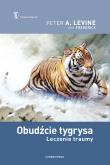
Obudźcie tygrysa proponuje nową i pełną nadziei wizję traumy. Postrzega człowiecze zwierzę jako unikalną istotę, wyposażoną zarówno w instynktowną zdolność do uzdrawiania siebie, jak i intelektualnego ducha, który potrafi ten wewnętrzny potencjał wykorzystać. Zadaje intrygujące pytanie: dlaczego zwierzęta żyjące w naturze, na wolności, chociaż wciąż doświadczają rozmaitych zagrożeń, nie cierpią na skutki traumy? I na nie odpowiada. Zrozumienie dynamiki, która sprawia, iż dzikie zwierzęta nie mają praktycznie objawów traumy prowadzi do odsłonięcia tajemnicy, dlaczego podlega im człowiek.Obudźcie tygrysa objaśnia objawy traumy i kroki niezbędne do ich wyleczenia. Po urazie ludzie często cierpią na symptomy nerwicowe z powodu pozornie zwyczajnych wydarzeń. Czytelnikowi tej książki ofiarowuje się wycieczkę z przewodnikiem po subtelnych, acz potężnych impulsach, które władają naszymi reakcjami na przygniatające życiowe sytuacje. Aby tego dokonać, trzeba zrobić serię ćwiczeń, które pomogą skupić się na odczuciach z ciała. Traumę można uzdrowić poprzez zwiększoną świadomość tych wrażeń.
Ten produkt jest zapowiedzią. Realizacja Twojego zamówienia ulegnie przez to wydłużeniu do czasu premiery tej pozycji. Czy chcesz dodać ten produkt do koszyka?