Emocje towarzyszą nam na każdym etapie naszego życia. Czym jest złość, niezadowolenie, zazdrość? Skąd się biorą, jak nauczyć się je rozpoznawać? Osho uczy, jak radzić sobie z nimi w praktyczny i dojrzały sposób by nie ranić innych, jednocześnie nie krzywdząc siebie. Nie daje gotowych rozwiązań lecz narzędzia do pracy nad sobą. Nie udziela prostych odpowiedzi jak zapanować nad negatywnymi emocjami, daje jedynie wskazówki, jak poznając siebie, możemy wydostać się z pułapki uwarunkowań, jak zamiast tworzyć problemy, tłumić niezadowolenie i złość poszukiwać pozytywnych rozwiązań.
Książka prezentuje wieloaspektowe podejście do człowieka, zawiera analizy na styku refleksji filozoficznej i teologicznej. Autor szkicuje optymistyczną wizję człowieka jako osoby, ukazuje go jako istotę zdumiewającą się, szukającą prawdy, dialogiczną, wewnętrznie zintegrowaną. Rozwój człowieka nie zatrzymuje się na poziomie natury ludzkiej, ale idzie „w górę”. Człowiek to istota zbawiona, zbawiająca się i odkupiona. Śledząc tok tych rozważań, czytelnik odkrywa głębszy obraz siebie, jest zachęcany do rozmowy z samym sobą.
„Autor od wielu lat zajmuje się tą tematyką, wpisując się tym samym w nurt filozofii personalistycznej, która choć żywo obecna jest w środowiskach filozoficznych, teologicznych a także psychologicznych, to jednak wciąż potrzebuje nowych ujęć, nowych kontekstów, nowych badań, nawet badań interdyscyplinarnych.
Wątki podejmowane przez Kozłowskiego ukazują go jako myśliciela, który potrafi łączyć filozofię z teologią. Wychodząc od Prawdy, kończy na ocaleniu − nie ma ocalenia człowieka bez Prawdy, Prawda jest właśnie tym, co człowieka ocala, wyzwala, podprowadza do źródła sensu, a może i jest samym sensem egzystencji”.
Prof. dr hab. Halina Romanowska-Łakomy
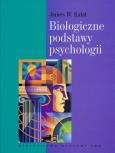
To jedna z najbardziej znanych i polecanych publikacji akademickich na świecie,
W sposób przystępny i całościowy omawia, fizjologiczne, ewolucyjne i rozwojowe mechanizmy zachowań i przeżyć psychicznych,
Napisana barwnym językiem, z doskonale dobranym materiałem ilustracyjnym,
Wprowadza w świat na styku biologii i psychologii, wskazując na niezwykłą przydatność wiedzy z zakresu biologii w pracy przyszłego psychologa.
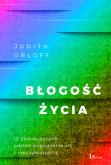
Czasem za bardzo się wysilasz lub nadmiernie zamartwiasz? Zadręczasz myślami o dawnej miłości lub nieprzystępnych ludziach? Wolałbyś bardziej pozytywnie myśleć o własnym ciele i rozbudzić w sobie zmysły? A może zmagasz się z chorobą bądź śmiercią bliskiej osoby? Pogodzenie się z rzeczywistością czasem może kojarzyć się z kapitulacją. Dla doktor Orloff jest to raczej zaskakujący brakujący element układanki stanowiącej klucz do szczęścia, dobrobytu i życia pełnego treści. Jednak by to osiągnąć, trzeba nauczyć się ów rzeczywistość akceptować. W przeciwnym razie narażamy na szwank nie tylko swoją karierę zawodową, ale i relacje z innymi, własną seksualność, duchowość, a nawet zdrowie. Doktor Orloff przekonuje, że chociaż co chwila rozpraszają nas różne wiadomości, i żyjemy w ciągłym pośpiechu, każdy z nas może tę wiedzę posiąść. To z kolei usunie z naszej drogi liczne przeszkody i pozwoli uwolnić się od wyczerpania, na które sami się skazujemy, nadmiernie się starając. A w rezultacie pomoże w osiągnięciu celów. Doktor Judith Orloff w tej książce przedstawia wyjątkowo skuteczne metody obniżania poziomu stresu, odprężania się i osiągania niesamowitej lekkości bytu. Łącząc mądrość neurobiologii, psychiatrii i medycyny intuicyjnej, przedstawia dwanaście konkretnych strategii, dzięki którym można zaakceptować rzeczywistość w dziedzinie pracy zawodowej, finansów, relacji i zdrowia. Dowiesz się również, jak interpretować zachowania innych ludzi, także jak starzeć się promiennie i bez strachu. „Chętnie zostanę twoim przewodnikiem w tej podróży – pisze doktor Orloff. – W tej książce chciałabym podzielić się z czytelnikami tym, czego się dowiedziałam na temat pogodzenia się z rzeczywistością. Chciałabym ci przekazać moje tajemnice. Nie jestem w stanie przewidzieć, jak się potoczą twoje losy i czego będziesz się musiał wyrzec, wiem natomiast, że zaznasz dzięki temu czegoś czystego, dobrego i słusznego, co przekroczy twoje najśmielsze oczekiwania”. *** Codzienność to małe kawałeczki naszych spraw: pośpiechu, radości, smutku, żalu, wesela, żałoby, złości itd. Nasze życie można porównać do puzzli — aby ujrzeć w nich najpiękniejszy obraz, musimy je uważnie i sensownie poukładać. Książka autorstwa Judith Orloff pt. Błogość życia ułatwia to zadanie i robi to w sposób doskonały. - Adam Górczyński, redaktor naczelny miesięcznika „Moda na Zdrowie””. Judith Orloff napisała błyskotliwą książkę Błogość życia, w której łączy duchową mądrość, współczesną wiedzę medyczną i swoje nadzwyczajne zdolności intuicyjne. Ta książka pozwala przezwyciężyć przeszkody, które stoją nam na drodze do wewnętrznego spokoju, szczęścia i zdrowia. Gorąco ją polecam! - Brian L. Weiss, M.D., autor książki Many Lives, Many Masters Tylko pogodzenie się z rzeczywistością może nam przynieść prawdziwy spokój, szczęście i radość. Ta książka przekona rozum, że mądrze jest sobie odpuścić. - Christiane Northrup, M.D., autorka książki Ciało kobiety, mądrość kobiety *** Judith Orloff pracuje w klinice psychiatrii UCLA i od ponad dwudziestu lat pomaga swoim pacjentom opanować sztukę pogodzenia się z rzeczywistością, aby mogli dzięki temu zaznać emocjonalnej wolności. Jest autorką bestsellerowych książek Wolność emocjonalna, Pozytywna energia, Uzdrawianie intuicyjne oraz Oczami intuicji. Występowała w programach The Dr. Oz Show i Today, a także na antenach PBS, CNN, NPR. Debiutanckie wystąpienie podczas konferencji TED, poświęcone niniejszej książce, zostało wyświetlone w serwisie YouTube ponad pół miliona razy.
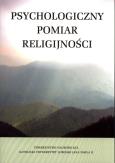
Psychologiczny pomiar religijności jest próbą zmierzenia się z naukowym podejściem do badań nad religijnością w psychologii. Na polskim rynku wydawniczym od wielu lat jest obserwowany deficyt opracowań, które prezentują dorobek badawczy w zakresie konstrukcji narzędzi służących do pomiaru tego fenomenu. Niniejsza publikacja wychodzi naprzeciw tym potrzebom i prezentuje narzędzia służące do pomiaru różnych aspektów religijności. Czytelnik znajdzie w niej podstawy teoretyczne oraz właściwości psychometryczne kilkunastu skal. Ich powstanie lub adaptacja to owoc wieloletnich badań psychologów, którzy wywodzą się z lubelskiej szkoły psychologii religii w Katolickim Uniwersytecie Lubelskim Jana Pawła II. Książka ta nie tylko jest pomocna w badaniach z zakresu psychologii religii, ale również może stać się cennym źródłem wiedzy dla różnych przedstawicieli nauk społecznych zajmujących się badaniem religijności.
Publikacja powstała w ramach badań realizowanych w Katedrze Psychologii Różnic Indywidualnych w Instytucie Psychologii KUL. Prezentuje wyniki analiz dotyczących psychologicznych uwarunkowań poczucia jakości życia artystów plastyków. Podjęta problematyka odnosi się do osób w wieku średniej dorosłości wyróżniających się ponadprzeciętnymi zdolnościami plastycznymi wyrażonymi w postaci wybitnych osiągnięć w dziedzinie sztuk plastycznych. Podejmowane zagadnienie stanowi atrakcyjną przestrzeń do stawiania nowatorskich pytań badawczych, których głównym celem jest poznanie specyfiki funkcjonowania osób dorosłych uzdolnionych plastycznie. Zarówno w polskiej, jak i w światowej literaturze psychologicznej wciąż brakuje analiz odnoszących się do tej grupy wiekowej. Wnioski z badań mogą być pomocne w efektywnym wspieraniu rozwoju artystów plastyków. Zastosowana w projektowaniu badań, a następnie w analizie i interpretacji uzyskanych wyników, koncepcja godności człowieka, jako drogi wzrastania ku wyższemu poczuciu jakości życia, stanowi nowatorski i inspirujący nurt we współczesnych badaniach z zakresu psychologii zdolności i psychologii pozytywnej. Książka jest adresowana do profesjonalistów: psychologów, pedagogów, artystów, kulturoznawców, a także do szerszego grona czytelników.
Nowe wydanie 7 nawyków skutecznego nastolatka, uaktualnione na potrzeby ery Internetu.Chodzisz do szkoły, grasz w piłkę, spotykasz się z przyjaciółmi, bawisz się na koncertachRobisz to, co zazwyczaj robią nastolatki na całym świecie. Jednak nie wszystko jest takie proste. Czasami wali się cały twój świat i nie wiesz, co robić dalej.Ale nie przejmuj się! Książka Seana Coveya przedstawia najważniejsze problemy, z jakimi musisz sobie poradzić, oraz siedem nawyków, dzięki którym będziesz mógł przezwyciężyć wszelkie trudności.Dowiesz się, jak być asertywnym, by oprzeć się presji otoczenia, jak zaprzyjaźnić się z rodzicami, nawiązywać nowe przyjaźnie, osiągać stawiane sobie cele. Autor rzeczowo, a zarazem z dużym humorem radzi i podpowiada, jak w prosty sposób, wykorzystując swoje możliwości, poprawić relacje z rówieśnikami, podnieść jakość swego życia i zyskać akceptację otoczenia.
Wielu z nas ma problemy z okazywaniem dobroci sobie, a jej brak jest często powodem problemów zdrowotnych i emocjonalnych. Czas z tym skończyć. Autor studiował najnowsze badania z zakresu chemii mózgu i poznawał techniki psychoterapeutyczne oraz narzędzia do rozwoju osobistego. Dowiódł, że miłość do siebie mamy w genach, ale tracimy ją w wieku sześciu lat pod wpływem otoczenia. Dr Hamilton udowadnia, że mózg można przeprogramować i podaje proste techniki, jak to zrobić. Proponuje praktyki, dzięki którym nauczysz się zmieniać i tworzyć pozytywne nawyki myślowe. Poznasz 27 ćwiczeń, które pomogą Ci odkryć swoje prawdziwe ja i poprawić samoocenę. Szybko zmienisz nastawienie do siebie i wybaczysz wszelkie niepowodzenia. Odkryj i pokochaj siebie bezwarunkowo!
Rafael Santandreu autorytet w dziedzinie zdrowia psychicznego wyjaśnia, jak pracować, żeby czerpać z tego przyjemność, w jaki sposób radykalnie wyzbyć się kompleksów i dlaczego warto postrzegać stratę jako szansę. Poradnik zawiera praktyczne ćwiczenia, które nie tylko pomagają nauczyć się, jak wzorowo dawać sobie radę z trudnymi osobami, być w stanie przebaczać i umieć zapominać, ale też w jaki sposób stworzyć dobrą relację partnerską i czuć się szczęśliwym, niezależnie od sytuacji.Zmienianie siebie wymaga pracy i wysiłku, ale jest to najważniejsza praktyka w życiu człowieka przepustka do dużo lepszego, szczęśliwszego i pełniejszego życia, to potężne narzędzie pomagające dokonać osobistej przemiany, to także kompletny podręcznik autoterapii.
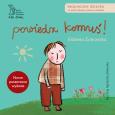
Oto książka o bezpieczeństwie dziecka.
Jej zadaniem jest ostrzegać dzieci przed zagrożeniami w taki sposób, by nie straszyć ich otaczającym światem.
Dziecko jest bezpieczne, gdy potrafi rozpoznać niedopuszczalne zachowanie i nawet zachęcane do milczenia – umie zareagować: natychmiast POWIEDZIEĆ O NIM KOMUŚ, komu ufa, by otrzymać potrzebną ochronę.
Dzięki lekturze tej książki mali czytelnicy nauczą się – na konkretnych przykładach – czym jest szacunek do świata, do ludzi, dzieci i własnego ciała. Dowiedzą się, jak wolno postępować, a jak nie należy. W trakcie wspólnego czytania dzieci w magiczny sposób się otwierają i zaczynają mówić na tematy, których dotąd nie poruszały. Może się okazać, że ich błędne poglądy wymagają sprostowania lub że w ich otoczeniu są kłopoty, którym można jeszcze zapobiec.
Zabawy / scenariusze lekcji zawarte przed każdą z 4 części książki i na jej końcu pomagają dziecku odkrywać własną wartość, uważność na ludzi i dobro w otaczającym je świecie. Ugruntowują pozytywny stosunek do siebie, innych ludzi, świata i przyszłości, a to podstawa rozwoju szczęśliwego dziecka.
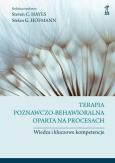
Dwaj wybitni badacze – Steven C. Hayes i Stefan G. Hofmann – stworzyli książkę przełomową, która łączy korzyści płynące z różnych modeli w ramach terapii poznawczo-behawioralnej, w tym nurtów tak zwanej trzeciej fali. Jest to pierwsza tak wszechstronna publikacja – zawiera przegląd najważniejszych założeń, dziedzin i obszarów stanowiących teoretyczne fundamenty tytułowego podejścia jako zbioru empirycznie zweryfikowanych terapii, a także szczegółowe omówienie podstawowych kompetencji klinicznych w zakresie interwencji behawioralnych, poznawczych, doświadczeniowych oraz opartych na akceptacji i uważności.
Pozwala dogłębnie zrozumieć podstawowe procesy zmiany w ramach wdrażanych interwencji, które powinien znać każdy klinicysta. Stanowi olbrzymi krok naprzód w rozwoju przedmiotowej dziedziny, wyznaczając nowe standardy psychoterapii opartej na dowodach.
Czytelnik uzyskuje obowiązkową dla każdego psychoterapeuty lekturę – aktualne kompendium wiedzy o podstawowych procesach i interwencjach terapeutycznych. Książka stanowi zamknięcie debaty trzeciej fali z poprzednimi, nie wskazując zwycięzcy, za to pokazując, jak fałszywa była to antynomia oraz jak ważne jest właściwe odczytanie idei autorów – idei empirycznego ugruntowania psychoterapii i nieustawania w jej doskonaleniu.
dr n.med. Agnieszka Popiel
psychiatra, psychoterapeuta i superwizor PTTPB, Uniwersytet SWPS
Na przestrzeni lat wypracowano wiele różnorodnych sposobów postępowania z trudnościami natury emocjonalnej. Zgromadzenie i usystematyzowanie aktualnej wiedzy na temat skutecznych metod psychoterapeutycznych, ich mechanizmów działania oraz poprawnego stosowania to zadanie niezwykle ważne dla kształcenia i rozwijania kompetencji terapeutów. Tego zadania, z sukcesem, podjęli się Steven Hayes i Stefan Hofmann w wydanej pod ich redakcją książce „Terapia poznawczo-behawioralna oparta na procesach”.
dr Maria Cyniak-Cieciura
certyfikowany psychoterapeuta poznawczo-behawioralny,
adiunkt na Uniwersytecie SWPS
To jest rewelacyjna i niezwykle potrzebna książka. Zawiera solidną dawkę najnowszej, rzetelnej wiedzy z bezpośrednimi przykładami jej praktycznego wykorzystania. Zaznajamia ze wszystkimi nurtami współczesnej terapii poznawczo-behawioralnej: od teorii i procedur behawioralnych przez poznawcze po oparte na uważności i akceptacji. Modeluje postawy ukierunkowane na otwartość wobec tej różnorodności, której efektem może być jeszcze skuteczniejsze niesienie pomocy psychologicznej cierpiącemu człowiekowi.
prof. dr hab. Paweł Ostaszewski, Uniwersytet SWPS
wiceprezes Polskiego Towarzystwa Psychologii Behawioralnej
Ciekawie i na temat
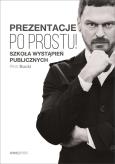
Prezentacja. Wartość, narracja, sposób podania. Fakty, liczby, kluczowe słowa - esencja wypowiedzi wsparta kilkoma trafnymi grafikami. Główna myśl uchwycona w zgrabne, łatwo zapadające w pamięć zdanie. Żart, ale na temat. Celne zestawienie danych. Porównanie, które daje do myślenia. Wstęp, rozwinięcie, podsumowanie. Wnioski. Ukłon, oklaski, poczucie dobrze wykonanego obowiązku oraz satysfakcja z tego, że oto dotarło się nie tylko do umysłów, ale i serc słuchaczy. Że się ich przekonało. Tego wszystkiego brakuje większości oficjalnych wypowiedzi prezesów, menedżerów, a także pracowników, których wyrok przełożonego skazał na przygotowanie prezentacji i występ przed licznie zgromadzoną publiką.
Niestety, nader często wystąpienia wyglądają zgoła odmiennie: na środku sali stoi nieszczęsny mówca, który albo duka coś pod nosem, albo owszem, przemawia głośno, za to nudno, do tego przydługo i nie do końca na temat. Jego podstawową bronią jest pilot, dzięki któremu zmienia kolejne źle przygotowane, niewiele mówiące slajdy prezentacji. Naprzeciw siebie ma publiczność, myślącą o wszystkim, tylko nie o omawianym zagadnieniu. Wszyscy razem ? prelegent i słuchający ? marzą o tym, żeby ten koszmar się już skończył... Znasz to? Autor tego poradnika także. A ponieważ zmęczyło go tkwienie w dusznych salach konferencyjnych w towarzystwie ludzi, którzy co prawda wiedzą, o czym mówią, ale swoją wiedzą nie potrafią się podzielić, napisał książkę. Udowadnia w niej, że każdy może tworzyć dobre, ciekawe prezentacje i wygłaszać porywające mowy.
TO JEST PROSTE!
Wystarczy trzymać się kilku zasad.
Znajdziesz je w tej książce.
O autorze
Piotr Bucki - architekt, który zamiast budynków woli projektować zdania. Aktor, który scenę teatralną zamienił na sale szkoleniowe i spotkania z widownią na konferencjach. Psycholog, który lubi badać i ciągle zadaje sobie pytanie „Skąd wiem to, co wiem?”. Od 17 lat uczy sztuki komunikacji. Pracował z firmami w Australii, Austrii, Słowenii, Chile, Mołdawii, Polsce i we Włoszech. Napisał książki: Porozmawiajmy o komunikacji, Złap równowagę oraz Viral. Współpracował z „Malemenem”, „Charakterami”, „Dolce Vita” i „The Mother Mag”. Jego wystąpienie na TEDx SGH obejrzano w sieci ponad 95 tysięcy razy. Od ponad ośmiu lat jest związany z WSB, gdzie projektuje kierunki oraz uczy brandingu, marketingu i komunikacji. Wykłada także na USWPS, w SGH i Akademii Leona Koźmińskiego. Szkoli pracowników Allegro, Dynatrace, Santandera, Nordea IT. W ramach współpracy z Europejską Agencją Kosmiczną i GNSSA współtworzy programy szkoleniowe dla start-upów i konsultantów.
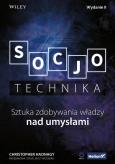
Inżynieria społeczna określa sposoby wpływania na drugiego człowieka w celu nakłonienia go do działania, które może być niezgodne z jego osobistym interesem. Koszt użycia socjotechnik jest bardzo niski, ryzyko - akceptowalne, a korzyści bywają ogromne. Uważa się, że socjotechniki są nieodzownym narzędziem hakerów, przestępców czy służb specjalnych. Oczywiście, nie zawsze intencje towarzyszące stosowaniu inżynierii społecznej zasługują na potępienie: tego rodzaju działanie przy kampaniach edukacyjnych, akcjach charytatywnych czy w marketingu trudno jednoznacznie nazywać nieetycznym. Niemniej wiedza o socjotechnikach staje się obecnie bardzo ważna, choćby po to, aby skutecznie bronić się przed atakami tego typu.
To drugie, przejrzane i gruntownie zaktualizowane wydanie znakomitego przewodnika po różnych technikach inżynierii społecznej, od klasycznych po najnowocześniejsze. Przedstawiono tu naukowe podwaliny socjotechnik, a poszczególne metody, takie jak tworzenie pretekstu, modelowanie komunikacji, tailgating czy phishing, opisano z przywołaniem rzeczywistych zdarzeń. Książka pozwala zrozumieć, jak łatwo jest skłonić ludzi do podjęcia szkodliwych decyzji, a równocześnie podpowiada, jak można skutecznie bronić się przed socjotechnikami. Są one coraz powszechniejsze: w ciągu ostatnich kilku lat ich zastosowanie bardzo się rozpowszechniło - i dotyczy to zarówno przestępców, jak i najzupełniej legalnie działających profesjonalistów.
W tej książce między innymi:
najnowsze osiągnięcia zawodowej socjotechniki
stosowanie białego wywiadu, manipulacja relacjami, praca na emocjach
testy penetracyjne, phishing, vishing, podszywanie się
budowanie systemu obrony przed atakami socjotechnicznymi
wykorzystanie umiejętności miękkich w inżynierii społecznej
Inżynieria społeczna: najważniejsze narzędzie hakerów, polityków i... aktywistów!
Książka stanowi zbiór usystematyzowanych rozważań na temat możliwości i ograniczeń rozwoju człowieka w różnych aspektach i kontekstach współczesnego świata. W pracy wyodrębniono dwa główne wymiary zamian rozwojowych: zawodowe oraz osobiste. Z kolei zmiany rozwojowe osobiste podzielono na normatywne oraz nienormatywne. Autorzy poszczególnych artykułów opisują zjawiska, procesy albo przyczyny określonych zmian rozwojowych. Ukazują różnorodność i wielopłaszczyznowość życia zawodowego i osobistego jednostek.
"Jestem Świadomością. O zawansowanych stanach świadomości"to książka opisująca subiektywnie doświadczane stany najwyższej duchowej świadomości. Wprowadza ona Czytelnika w Rzeczywistość opisywaną przez mistyków, z jednoczesnym skorelowaniem tej Rzeczywistości w codziennym funkcjonowaniu ówczesnego świata Zachodu. Autorka, zgłębiając tajemnice naszego istnienia, podejmuje próbę opisania samej Natury Świadomości i tego, co jest trudne do zdefiniowania.
To publikacja porusza głęboko trzon naszej Istoty. Daje impuls do szerokiego wglądu w naszą prawdziwą Tożsamość.
Jest nie tylko kluczem, ale też otwartą bramą, by Czytelnik dostrzegł najgłębszą prawdę o samych sobie. Skierowana do tych, którzy są gotowi na doświadczanie stanów duchowego oświecenia i którymi kieruje ciekawość innej rzeczywistości.
Świat i całą Rzeczywistość możemy zmieniać tylko poprzez siebie samych, a ta książka wskazuje, dlaczego tak jest.
Brygida Pietraszek
Wieloletni holistyczny konsultant, pracujący nad pogłębianiem własnej samoświadomości. Autorskie techniki pracy opiera na samopoznaniu wewnętrznej prawdy, kompleksowym podejściu do człowieka i jego życia.
Swoje działania dedykuje podnoszeniu ludzkiej świadomości i poprawie życia na każdej jego płaszczyźnie poprzez osiągnięcie równowagi.
Nie jest związana z jakąkolwiek religią.
The present monograph is an academic endeavour to delineate a variety of depictions in relation to the universal and all-encompassing notion of identity which defines who we are and what qualities we possess. At the same time these properties which determine who we are help us distinguish from each other.
Jakie są trzy warunki konieczne do tego, by nauczyć się kochać?Czy empatii możesz się nauczyć?Jak wymyślić kreatywną randkę po wielu latach małżeństwa i nie zaliczyć przy tym żadnej wpadki?I czy są inne sposoby na zbudowanie bliskości niż seks?Jeśli pragniesz nawiązać trwałą relację z bliską ci osobą ta książka została napisana z myślą o tobie. Jeśli właśnie planujesz związek na całe życie tu znajdziesz wskazówki, które pozwolą ci przygotować się do najważniejszej decyzji w życiu. Jeśli masz już obrączkę na dłoni, ale zastanawiasz się, jak najlepiej przeżyć kolejne lata poznaj świadectwo kobiety, której trudno jest wstać nieco wcześniej, i mężczyzny, który nie zawsze wie, kiedy powinien pomóc. Oni naprawdę zbudowali trwały i szczęśliwy związek!
Książka jest dedykowana każdej osobie, która pragnie zdobyć wiedzę na temat zarządzania swoim czasem. Autorka systematyzuje informacje z zakresu zarządzania czasem, porusza zagadnienia motywacji, procesu decyzyjnego i sukcesu.
Ten produkt jest zapowiedzią. Realizacja Twojego zamówienia ulegnie przez to wydłużeniu do czasu premiery tej pozycji. Czy chcesz dodać ten produkt do koszyka?