W tej strefie zapraszamy do nabycia książek z szeroko pojętej dziedziny jaką jest psychologia. Posiadamy podręczniki i poradniki kierowane do specjalistów psychiatrii i psychologii, a także uczniów i studentów. Poprzez poradniki z zakresu problemów emocjonalnych u dzieci i młodzieży czy okresu dojrzewania. Proponujemy poradniki dla ludzi biznesu, polityków, nauczycieli, dzieci i modzieży. Garść rozmaitych porad i rewolucyjnych technik, które pomogą otworzyć drzwi umysłu. Polecamy dobre książki psychologiczne. W ofercie psychologia społeczna, kliniczna, biznesu, rozwoju, zdrowia, sportu, psychologia umysłu, relacje międzyludzkie i wiele innych poradników.
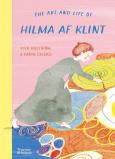
The first children’s picture book on Hilma af Klint and her pioneering work.
Hilma af Klint (1862–1944) began painting her abstract and highly symbolic images as early as 1906, long before Kandinsky and Malevich arrived at what has generally been regarded as the birth of modern abstract art. She was heavily influenced by spiritual ideologies and claimed that she painted on instruction from the spirit world, for the future. Until recently overlooked by art historians, she is now lauded around the world, and was the subject of the highest-attended single exhibition in the Guggenheim’s history, Hilma af Klint: Paintings for the Future.
This book is not only about Hilma af Klint’s art, but also about the magic that surrounded her. Brimming with quality reproductions of the artist’s work and with illustrations by Karin Eklund, it will appeal to all children wanting to learn more about the enchanting life and work of this groundbreaking artist.
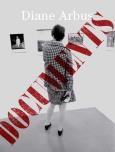
Known for her evocative portraits, Diane Arbus is a pivotal figure in American postwar photography. Undeniably striking, Arbus’s black-and-white photographs capture a unique gaze. Criticized as well as lauded for her photographs of people deemed “outsiders,” Arbus continues to attract a diversity of opinions surrounding her subjects and practice.
Critics and writers have described her work as “sinister” and “appalling” as well as “revelatory,” “sincere,” and “compassionate.” In the absence of Arbus’s own voice, art criticism and cultural shifts have shaped the language attributed to her work. Organized in eleven sections that focus on major exhibitions and significant events in Arbus’s life, as well as on her practice and her subjects, the seventy facsimiles of articles and essays––an archive by all accounts––trace the discourse on Diane Arbus, contextualizing her hugely successful oeuvre. Also with an annotated bibliography of more than six hundred entries and a comprehensive exhibition history, Documents serves as an important resource for photographers, researchers, art historians, and art critics, in addition to students of art criticism and the interested reader alike.
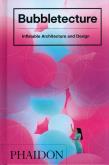
Following in the footsteps of Nanotecture, Mobitecture, and Pet-tecture, a fascinating and fun guide to everything inflatable Although inflatable objects have been around for more than 200 years, architects, artists, and designers keep rediscovering this deceptively simple - often playful, and occasionally bizarre - technology. Bubbletecture brings together inflatables in every conceivable size, shape, and hue across the realms of architecture, design, art, and fashion. From inflatable dresses and hats to buildings employing cutting-edge technologies, from ingenious chairs, lights, bowls, and even egg cups to children's toys and provocative art installations, Bubbletecture demonstrates that inflatable design is simply irresistible.
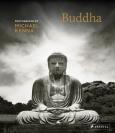
The celebrated contemporary photographer Michael Kenna presents a gorgeous new collection of images, all photographed with plastic Holga cameras. Michael Kenna is internationally renowned for producing evocative black-and-white images of nature and the urban environment. Often photographing at night or in the early morning hours, the majority of his photographs involve long time exposures with the camera on a tripod.
However, some of Kenna's more quirky, whimsical, and unpredictable images have been photographed with inexpensive, hand-held, plastic Holga cameras. These cameras generally produce relatively lowfidelity images, with marked vignetting. Precisely because of these attributes and its portability, Kenna often carries a Holga camera, even when he is not specifically photographing.
For this beautifully produced book, Kenna has chosen his favorite Holga images, many never seen before, from his vast archive of negatives. Despite their low-tech origin, these refined and artful photographs bear the hallmarks of Kenna's brilliant work.
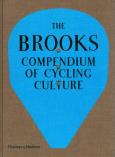
Saddle manufacturer Brooks England have been a British household name and an international cycling icon for 150 years. What continues to motivate and inspire this classic marque? With the help of a variety of writers, artists, journalists, designers, photographers and illustrators, this eclectic compendium of cycling's joys depicts Brooks's unique and idiosyncratic view of the wide-ranging impact of the bicycle and its place in the world, alongside their dedication to function, quality and style. While Brooks is, at its heart, a British company, the team explore the bicycle as a worldwide phenomenon that has connected people - the Tour de France luring professional cyclists of all nationalities to the continental countryside - and continues to provide lone travellers with a gateway to all corners of the earth, celebrating journeys undertaken in some of the planet's most extreme environments, from South America's Atrato Swamp to Siberia.
Alongside these ambitious projects, the simple joy of cycling to work, the sense of freedom and adventure afforded to all those who cycle for leisure, and the satisfaction gleaned from crafting the bicycle itself are exalted. The result isn't a book about a saddle maker, but a collection of fascinating contributions from leading creatives from a broad cultural spectrum who are as passionate about their work as they are about their cycling.
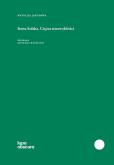
Solska jako przedmiot erotyczny i podmiot erotyczny, Solska i mężczyźni, Solska jako egeria Młodej Polski, fascynująca aktorka i demoniczna bohaterka kilku skandali obyczajowych – wszystko to, co buduje dziś rozpowszechnione wyobrażenie o Irenie Solskiej, zawiera się w obrębie tematu jej kobiecości, specyficznej, przesyconej erotyzmem, skomplikowanej – zgodnie z manierą epoki, w której było o niej najgłośniej. Natalija Jakubova zaczyna więc przekornie: od przypomnienia spektaklu zrealizowanego przez Pawła Passiniego na podstawie scenariusza Patrycji Dołowy w 2014 roku, od Kryjówki: wizerunek starzejącej się, schorowanej Karoliny (takie było metrykalne imię Solskiej, o czym nie zawsze się pamięta), utrzymującej się podczas wojny z nielegalnego przędzenia wełny; kobiety, która z heroicznym samozaparciem przechowuje kilka żydowskich dziewcząt w swoim warszawskim mieszkaniu. Autorka monografii wczytuje się we wszystko – listy, recenzje, wspomnienia, dramaty, materiały ikonograficzne, powieści powstałe pod wrażeniem obcowania z Solską, naukowe opracowania – na nowo, uważnie, wprowadzając znamienne przeakcentowania i pogłębienia interpretacyjne, stawiając hipotezy, zawsze jednak przekonująco uzasadnione. Zmierza ku temu, by jak najlepiej zrozumieć tę szczególną kobietę i oddać jej sprawiedliwość, rozprawiając się z jej uschematyzowanym wizerunkiem kobiety demonicznej i aktorki, którą wiąże się niemal wyłącznie z teatrem początków XX wieku.
Ze "Wstępu" Agnieszki Marszałek
Natalija Jakubova – PhD, jest historyczką teatru i literatury. Przez wiele lat zajmowała się S.I. Witkiewiczem (w serii „Badania Polonistyczne za Granicą” Wydawnictwa IBL ukazała się jej książka O Witkacym, 2010). Od 1995 r. współpracuje z czasopismem „Didaskalia. Gazeta Teatralna”; publikowała też w czasopismach „Teatr”, „Dialog”, „Pamiętnik Literacki”. W latach 2013–2015 jako Marie Curie Fellow realizowała poświęcony Irenie Solskiej projekt badawczy w Archiwum Kobiet Instytutu Badań Literackich PAN. Od 2016 r. mieszka w Austrii, gdzie dzięki Lise Meitner Fellowship Austriackiego Funduszu Nauki przeprowadziła badanie „Female Performers of the Work of Hugo von Hofmannsthal” (2018–2020). Obecnie związana jest z Instytutem Teatru i Filmu Słowackiej Akademii Nauk, w którym prowadzi badania nad historią słowackiego teatru po 1989 roku.
W książce tej poszukujemy genealogii współczesnych laboratoriów humanistycznych. Interesuje nas zwłaszcza to, co świadczy o ich specyfice i odróżnia je od przyrodniczych krewnych. Czy o laboratoriach humanistycznych i przyrodniczych można myśleć w kategoriach pokrewieństwa? A może relacje między nimi widzieć trzeba transwersalnie – poza opozycją między humanistyką a naukami przyrodniczymi i ścisłymi? Jeśli wraz z rozwojem nowoczesnej nauki laboratorium zostało zawłaszczone przez przyrodoznawstwo, to czy da się odzyskać je dla humanistyki w sposób respektujący jej autonomię? Czy laboratorium może stanowić remedium na jej problemy w sytuacji, gdy musi ona walczyć o swoje miejsce w neoliberalnej akademii i zabiegać o społeczną atencję? Z naszego punktu widzenia laboratorium humanistyczne nie powinno naśladować przyrodniczego, lecz raczej działać na zasadzie mimikry, podważając autorytet, na którym się opiera. Tylko tak humanistyka może realizować swą (auto)krytyczną funkcję – kwestionować własne reguły, afirmować niepewność i prawo do błądzenia, zdewaluowane w kapitalistycznym, nastawionym na sukces porządku wiedzy.
Aleksandra Kil-Matlak, Jacek Małczyński, Dorota Wolska
Tom rozwija refleksję nad propozycją laboratoryzacji humanistyki, odsłaniając z niej coraz więcej, nie tylko quasi-utopijne założenia, realia „kolektywu myślowego”, ukrytą na co dzień przed nami samymi infrastrukturę „humanistyki analogowej” i „humanistyki cyfrowej”, ale także – coraz mocniej, z tekstu na tekst, archeologię i ontologię „naszego teraz” w wymiarze faktycznych ram poznawania.
Z recenzji dr hab. Tomasza Majewskiego, prof. UJ
Archiwalna wrażliwość sprawia, że wyjściowy błąd – omyłkowa atrybucja zapisów codziennych – przynosi twórcze inspiracje i otwiera spuściznę w nowym wymiarze. Marlena Wilczak dokonuje wzorcowej, wieloaspektowej analizy archiwum Boznańskiej, uruchamiając pokłady cierpliwości, afirmacji i podejrzliwości.
Z laudacji dr hab. Lucyny Marzec
Moją historię zaczynam w miejscu, gdzie inni biografowie zwykli kończyć swoją opowieść. Książka dotyczy fragmentu spuścizny pozostawionej przez Olgę Boznańską, który po jej śmierci trafił do Biblioteki Polskiej w Paryżu. Nie piszę jednak kolejnej biografii, lecz raczej szkic losów i statusu wybranych przedmiotów z przestrzeni tworzenia malarki.
Dzieje archiwum Boznańskiej warto opracować z trzech powodów. Po pierwsze, dzięki nim możemy zobaczyć, jak rzeczy codziennego użytku wpłynęły na powstanie legendy biograficznej. Po drugie, dzieje te dają wgląd w metody nadawania znaczenia przedmiotom materialnym oraz tekstom we współczesnych instytucjach pamięci (praktyki segregowania, katalogowania i inwentaryzowania, a także wyboru przedmiotów na ekspozycje). Po trzecie wreszcie, pokazują, jak kształtuje się pamięć kulturowa.
Na archiwum malarki chciałabym spojrzeć pod kątem materialności pamięci i historii przedmiotów znajdujących się w przestrzeni tworzenia oraz – w przypadku zapisów codziennych – zwrócić uwagę na ich warstwę nie tylko tekstową, lecz także materialną. Historię kulturową archiwum Boznańskiej zaczynam od próby nakreślenia, czym była pracownia malarki, gdy istniała jako przestrzeń tworzenia i pierwotny kontekst funkcjonowania rzeczy znajdujących się w niej. Następnie opisuję historię pracowni po śmierci Boznańskiej w 1940 roku. Ostatni etap to analiza rekonstrukcji pracowni zrealizowanej z okazji ekspozycji dzieł Boznańskiej w Muzeum Narodowym w Warszawie w 2015 roku. Nawiązuję do pojęcia społecznej biografii rzeczy, opisuję strategie wykorzystania spuścizny Boznańskiej w muzeum. Konstruuję biografię jej spuścizny, analizując przeplatanie się trzech aspektów kulturowego funkcjonowania rzeczy: ich formy, funkcji i znaczenia. Proponuję przyjrzeć się praktykom pisma Boznańskiej, dla której tworzywem wyrazu artystycznego nie było słowo, ale której archiwum zawiera wiele piśmiennych nośników znaczenia. Chodzi tu o pracę z materiałem historycznym, wybrakowanym, nieożywionym przez codzienne użycie pisma w działaniu. Korzystam ze sposobów badania twórczości artystycznej wypracowanych w obrębie dwóch dyscyplin: genetyki sztuki, która w prostej linii wywodzi się z krytyki genetycznej tekstów, oraz z antropologii, zwłaszcza w tym jej dziale, który bada użycia pisma, jego sprawczość i praktyki językowe.
Ze Wstępu
Książka "Piosenki i rytmy' czasu została skomponowana tak, by – mimo oczywistych ograniczeń – dać poczucie możliwie pełnego oglądu prezentowanego zjawiska, stąd dwie wyraźnie wyznaczone części. Pierwsza ukazuje narodziny i rozwój piosenki jako nowoczesnego zjawiska w obrębie rodzącej się kultury popularnej w Europie i w Polsce. Druga koncentruje się natomiast na poszczególnych przypadkach i składa się ze studiów na temat najbardziej wyrazistych i znaczących postaci polskiej piosenki autorskiej. Podział ten uwzględnia także historyczność zjawisk – pierwsza część koncentruje się na wydarzeniach z wieku XIX i prowadzi nas ku XX stuleciu, druga analizuje przypadki z drugiej połowy ubiegłego wieku i dociera niemalże do współczesności. W ten sposób, poznając piosenki, pieśni, autorów i ich postawy na tle społecznych problemów i historycznych wydarzeń, uświadamiamy sobie znaczenie twórczości, która jakże często jest lekceważona i pomijana w humanistycznym dyskursie. (…) Książka ta łączy naukowy i eseistyczny temperament Autorki, co czyni lekturę bardziej atrakcyjną. Ewa Paczoska z godną podkreślenia pasją badawczą oprowadza nas po meandrach piosenek i twórczości artystów, którzy nieczęsto czytani są z taką żarliwością i pieczołowitością w polskim środowisku badawczym. To przyjemność podążać w lekturze odnalezionymi przez Autorkę tropami, które odkrywa, tłumacząc poszczególne poziomy intertekstualnych zależności.
Z recenzji wydawniczej prof. Krzysztofa Gajdy
Kiedy kończyłam pisać i składać tę książkę, wydawało mi się, że większość jej rozdziałów traktuje o zjawiskach już niewystępujących albo słabo obecnych w dzisiejszej kulturze. Tymczasem w marcu 2025 roku przeczytałam następującą wiadomość: jeden z warszawskich teatrów, Pijana Sypialnia, wystawia spektakl "Wodewil warszawski" oparty na "Podróży po Warszawie" Feliksa Szobera. Kolejni młodzi wykonawcy występują z piosenkami Kaczmarskiego (m.in. zespół Habakuk, Mateusz Nagórski), Cohena (Kuba Blokesz), a nawet, co trudne ze względu na obecną sytuację polityczną, bardów rosyjskich (zespól Piramidy). Filip Łobodziński z kolei odbywa trasę koncertową z utworami Boba Dylana we własnych interesujących tłumaczeniach. Opisywane przeze mnie historie piosenek toczą się dalej…
Ewa Paczoska
Ewa Paczoska – profesor Wydziału Polonistyki Uniwersytetu Warszawskiego, historyczka literatury polskiej drugiej połowy XIX w., badaczka kultury modernizmu. Opublikowała 5 książek autorskich (m.in. "Lalka, czyli rozpad świata", 1996, II wyd. 2008; "Prawdziwy koniec XIX wieku. Śladami nowoczesności", 2010;" Lekcje uważności. Moderniści i realizm", 2018) i wiele studiów szczegółowych. Redagowała i współredagowała kilkanaście tomów prac zbiorowych, m.in. "Przerabianie XIX wieku" (2011), "Wiktorianie nad Tamizą i nad Wisłą" (2016), "Problemy literatury i kultury modernizmu w Europie Środkowo-Wschodniej" (1867–1918) (2017). Jest też autorką podręczników licealnych (literatura pozytywizmu i Młodej Polski). Świadectwem jej badawczych zainteresowań piosenką są m.in. współredagowane przez nią tomy studiów: "Bardowie" (2001) oraz "Piosenki prawdziwe w kulturze PRL-u" (2013). Pod nazwiskiem Ewa Gaworska publikuje wiersze i śpiewa.
Glasgow Style
The life and work of Glasgow School pioneer Charles Rennie Mackintosh
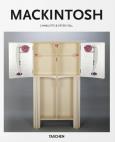
Scottish architect, designer, and painter Charles Rennie Mackintosh (1868–1928) was one of the earliest pioneers of modern architecture and design. While he did not receive much recognition in his hometown of Glasgow during his lifetime, his bold new blend of simplicity and poetic detail inspired modernists across Europe.
Mackintosh’s avant-garde approach embraced a variety of media as well as fresh stylistic devices. His multi-faceted oeuvre incorporated architecture, furniture, graphic design, landscapes, and flower studies. He embraced strong lines, elegant proportions, and natural motifs, combining an adventurous dose of japonisme with a modernist sensibility for function. He preferred bold black typography, restrained shapes, and tall, generous windows suffusing rooms with light.
Much of his work was collaborative practice with his wife, fellow artist Margaret Macdonald. The couple made up half of the loose Glasgow collective known as “The Four”; the other two were Margaret’s sister, Frances, and her husband, Herbert MacNair. On the continent, the “Glasgow Style” was met with delight. In Italy, Germany, and, in particular, Austria, artists of the Viennese Secession and Art Nouveau drew much from its rectilinear yet lyrical forms.
In this introductory book, we take in Mackintosh’s practice across art, architecture, and design to explore his particular combination of the statuesque and sensual and its vital influence on modernist expression across Europe. Featured projects include his complete scheme for the Willow Tea Rooms and the Mackintosh Building at the Glasgow School of Art, widely considered Mackintosh’s masterwork.
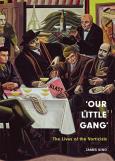
The bold lives and revolutionary art of England’s early 20th-century Vorticists.
The Vorticists, a rebellious cohort of young artists in early twentieth-century England, defied the conventions of the art world with their distinctive abstract creations. Despite the brevity of their existence, from 1911 to 1914, their startling innovations left an indelible mark on English art history. In this book James King explores the personalities and lives of these colourful individuals, capturing the tumultuous environment in which they thrived. The narrative presents biographies of the group’s members – ‘our little gang’, as Ezra Pound called them – highlighting personal conflicts and providing a concise, highly readable history of the movement. This book is ideal for art enthusiasts, historians and anyone intrigued by avant-garde movements of the early twentieth century.
What do you want when no one is watching?
What do you want, when the lights are off?
What do you want, when you are anonymous?
When we talk about sex, we talk about womanhood and motherhood, infidelity and exploitation, consent and respect, fairness and egalitarianism, love and hate, pleasure and pain. And yet so many of us don't talk about it at all.
In this groundbreaking book, Gillian Anderson collects and introduces the anonymous sexual fantasies of women from around the world (along with her own anonymous submission). They are all extraordinary: full of desire, fear, intimacy, shame, satisfaction and, ultimately, liberation. From dreaming about someone off-limits to conjuring a scene with multiple partners, from sex that is gentle and tender to passionate and playful, from women who have never had sex to women who have had more sex than they can remember, these fantasies provide a window into the most secret part of our minds.
Want reveals how women feel about sex when they have the freedom to be totally themselves.
The authoritative presentation of Eye Movement Desensitization and Reprocessing (EMDR) therapy, this groundbreaking book--now revised and expanded--has been translated into 10 languages. Originally developed for treatment of posttraumatic stress disorder (PTSD), this evidence-based approach is now also used to treat adults and children with complex trauma, anxiety disorders, depression, addictive behavior problems, and other clinical problems. EMDR originator Francine Shapiro reviews the therapy's theoretical and empirical underpinnings, details the eight phases of treatment, and provides training materials and resources. Vivid vignettes, transcripts, and reproducible forms are included. Purchasers get access to a webpage where they can download and print the reproducible materials in a convenient 8 1/2" x 11" size.
New to This Edition
Over 15 years of important advances in therapy and research, including findings from clinical and neurophysiological studies.
New and revised protocols and procedures.
Discusses additional applications, including the treatment of complex trauma, addictions, pain, depression, and moral injury, as well as post-disaster response.
Appendices with session transcripts, clinical aids, and tools for assessing treatment fidelity and outcomes.
EMDR therapy is recognized as a best practice for the treatment of PTSD by the U.S. Departments of Veterans Affairs and Defense, the International Society for Traumatic Stress Studies, the World Health Organization, the U.K. National Institute for Health and Care Excellence (NICE), the Australian National Health and Medical Research Council, the Association of the Scientific Medical Societies in Germany, and other health care associations/institutes around the world.
The authoritative presentation of cognitive processing therapy (CPT) for posttraumatic stress disorder (PTSD) is now in a revised and updated second edition, with an easier-to-use format and a new chapter on conceptualizing treatment. From CPT's developers, the manual includes session-by-session implementation guidelines and extensive sample dialogues. Shaded index tabs in the margins help clinicians quickly navigate to each session. The authors explain the theoretical and empirical underpinnings of CPT and discuss ways to work effectively with specific populations, such as combat veterans, sexual assault survivors, and culturally diverse and LGBTQIA+ clients. Forty-eight reproducible handouts can be photocopied from the large-size book or downloaded from the companion webpage.
New to This Edition
Each session now has its own chapter, printed with shaded tabs for easy reference.
Reflects a wealth of new treatment research, conceptual refinements, and feedback from trainings of thousands of clinicians.
Chapter on cognitive case conceptualization.
Discusses additional treatment variations (telehealth, intensive CPT) and client populations (first responders).
CPT is endorsed as a best practice for the treatment of PTSD by the U.S. Departments of Veterans Affairs and Defense, the International Society for Traumatic Stress Studies, and the U.K. National Institute for Health and Care Excellence (NICE).
See also Getting Unstuck from PTSD, by Patricia A. Resick, Shannon Wiltsey Stirman, and Stefanie T. LoSavio, which presents CPT in a guided self-help format for trauma survivors.
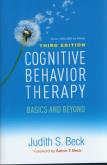
Hundreds of thousands of clinicians and graduate students have relied on this text--now significantly revised with more than 50% new material--to learn the fundamentals of cognitive behavior therapy (CBT). Leading expert Judith S. Beck demonstrates how to engage patients, develop a sound case conceptualization, plan individualized treatment, structure sessions, and implement core cognitive, behavioral, and experiential techniques. Throughout the book, extended cases of one client with severe depression and another with depression, anxiety, and borderline personality traits illustrate how a skilled therapist delivers CBT and troubleshoots common difficulties. Adding to the third edition's utility, the companion website features downloadable worksheets and videos of therapy sessions.
New to This Edition
Chapter on the therapeutic relationship.
Chapter on integrating mindfulness into treatment.
Presents recovery-oriented cognitive therapy (CT-R)--which emphasizes clients’ aspirations, values, and positive adaptation--alongside traditional CBT.
Pedagogical features: clinical tips, reflection questions, practice exercises, and videos at the companion website.
New case examples featuring clients with more complex problems.
Demonstrates how to integrate strategies from other modalities, such as acceptance and commitment therapy, dialectical behavior therapy, and mindfulness-based cognitive therapy.
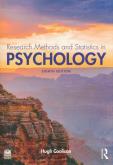
Research Methods and Statistics in Psychology provides students with the most readable and comprehensive survey of research methods, statistical concepts and procedures in psychology today. Assuming no prior knowledge, this bestselling text takes you through every stage of your research project, giving advice on planning and conducting studies, analysing data and writing up reports, both quantitative and qualitative. It incorporates diversity and includes a large section on cross-cultural psychology methods and issues.
The book continues its long tradition of integrating qualitative issues into methods chapters as well as providing two chapters dedicated to qualitative methods. It provides clear coverage of experimental, interviewing and observational methods; psychological testing; and statistical procedures which include nominal-level tests, ordinal and interval two-condition tests, simple and multi-factorial ANOVA designs, correlation, multiple regression, log linear analysis, factor analysis and, new with this edition, logistic regression. It features detailed and illustrated SPSS instructions for all these and other procedures, eliminating the need for an extra SPSS textbook.
New edition features include:
Logistic regression
Greater detail of online research methods
Expanded coverage of report writing guidelines
Concepts illustrated with up-to-date published research examples
Instructor and Student Resource website signposted throughout the book to improve student usability
Each chapter contains a glossary, key terms and newly integrated exercises, ensuring that key concepts are understood.
This book is extended and enhanced by a fully updated and refreshed Instructor and Student Resource website, which includes:
A collection of interactive multiple-choice questions with detailed feedback, providing the opportunity to test understanding at different levels
Practical exercises that give students the opportunity to put their learning into practice
Links to further reading and sources to expand knowledge
Test banks for each chapter to save instructors time
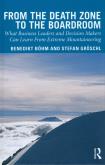
This book explores experiences and reflections of an extreme sports athlete within the context of business, the latest scholarly works and research on topics that are relevant and timely for today’s managers and business leaders, and the daily challenges they face.
Conviction, discipline, managing fear in high stakes situations, leading, working with teams and making decisions in extreme conditions - what will help you in extreme sports can also get you to your goals in business. In From the Death Zone to the Boardroom, speed ski mountaineer Benedikt Boehm tells gripping and inspirational stories about his fears, pain, suffering and facing death during his expeditions to some of the world's highest mountains. Throughout, his co-author and professor of leadership and management, Stefan Gröschl integrates scholarly ideas and works beyond traditional business boundaries providing you with unusual insights and thought-provoking alternatives for managing your business.
The combination of extreme athlete, company leader, and business school scholar is unique, and ensures the relevance and timeliness of the selected themes, and the pellucidity of the conceptual context to a readership beyond academic boundaries. The result is advice that is both highly personal and empirically tested; a combination that makes for an absorbing read and unparalleled advice for you and your career.
Is it possible to learn something without being aware of it? How does emotion influence the way we think? How can we improve our memory?
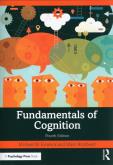
Fundamentals of Cognition, Fourth Edition, provides a basic, reader-friendly introduction to the key cognitive processes we use to interact successfully with the world around us. Our abilities in attention, perception, learning, memory, language, problem solving, thinking, and reasoning are all vitally important in enabling us to cope with everyday life. Understanding these processes through the study of cognitive psychology is essential for understanding human behaviour.
This edition has been thoroughly updated and revised with an emphasis on making it even more accessible to introductory-level students. This new edition includes:
updated references for readers who are looking for more detailed information;
checks to make sure that statements made in the previous version are still valid, given recent findings on replication issues;
extended research activities and "In the Real World" case studies to make it easy for students to engage with the material;
real-world topics such as discussions of attention-deficit/hyperactivity disorder, the reading problems of individuals with dyslexia, why magic tricks work, and why we cannot remember the Apple logo accurately;
an extensive set of "Key term" definitions;
supporting Instructor and Student Resources containing multiple choice questions, flashcards, simulations of key experiments, and instructor resources.
The book provides a perfect balance between traditional approaches to cognition and cutting-edge cognitive neuroscience and cognitive neuropsychology. Covering all the key topics within cognition, this comprehensive overview is essential reading for all students interested in psychology.
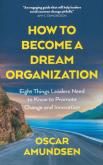
It is entirely possible to develop organizations that excel at change and innovation, while also being attractive workplaces. What is typical of such an organization? The Dream Organization is characterized by eight features, each presented in its own chapter. The purpose of the book is to show how and why these features improve the ability to change and innovate.
The insights presented in the book are rock-solid, while being free of unnecessary technical terms or complicated language. Numerous concrete examples are provided to illustrate and explain the subject matter. These case-examples make it easy for the reader to remember and use key insights in their everyday work.
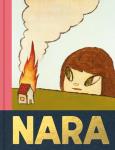
More than a mere survey of Nara's signature children and animals, this clothbound publication features the artist's newest works, personal photographs and pictures of his studio
Spanning four decades of work, this book offers readers the opportunity to immerse themselves in the personal and creative world of the Japanese artist Yoshitomo Nara, best known for his bold images of children with large heads and wide eyes that challenge viewers with their direct gaze and defiant stance. These captivating yet ominous characters are part of a wider visual vocabulary established by Nara to explore and communicate themes of home, isolation, resilience, belonging, regeneration, hope and freedom. Organized thematically, the book provides a comprehensive overview of the evolution and breadth of Nara's artistic expression. Yeewan Koon explores how Nara's singular aesthetic is drawn from his formative experiences in Japan, as well as his ongoing environmental and societal concerns, which are deeply rooted in nature and the communities of Japan's northern Tohoku region, where he grew up. Barry Schwabsky's essay, illustrated with details of the artworks, focuses in depth on Nara as a painter. Josh Kun discusses the inspiration Nara takes from popular music--folk songs by American singer-songwriters featuring anti-war messages, melancholic blues and, later, glam rock, punk and new wave. The book also features an in-depth chronology illustrated with childhood photographs and pictures of Nara's studio, offering a deep dive into Nara's life and art. The corresponding exhibition is co-organized by Guggenheim Bilbao, Museum Frieder Burda, Baden-Baden, and the Hayward Gallery.
Yoshitomo Nara was born in 1959 in Aomori, Japan, and graduated with a master's degree from Aichi Prefectural University of Fine Arts and Music and later studied at Kunstakademie Düsseldorf. His drawings and paintings are informed by a range of influences, from manga and anime to punk rock. He has also worked in sculpture, ceramic and large-scale installation.
Ten produkt jest zapowiedzią. Realizacja Twojego zamówienia ulegnie przez to wydłużeniu do czasu premiery tej pozycji. Czy chcesz dodać ten produkt do koszyka?