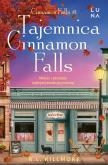
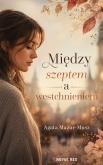
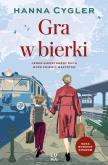
Ta kategoria dedykowana jest współczesnym czytelniczkom literatury kobiecej. Bardzo szeroki wybór romansów, kryminałów, powieści obyczajowe, poruszająca literatura kobieca, erotyki, harlequiny polskich i zagranicznych autorów. Każda lubiąca czytać kobieta znajdzie coś szczególnego dla siebie.
Polecamy literaturę Sergiusza Piaseckiego, Stanisława Srokowskiego, Diany Palmer czy w końcu Blanki Lipińskiej.
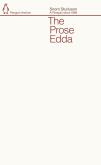
Composed in Iceland in the 13th Century, The Prose Edda is the most renowned of all works of Scandinavian literature, taking readers on a voyage through an enthralling world of gods, giants, dwarfs and monsters. From the beginning of the universe to the dreaded Twilight of the Gods, this is the most extensive source of Norse mythology surviving today.
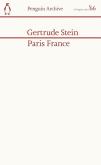
All Frenchmen know you have to become civilised between eighteen and twenty-three and that civilisation comes upon you by contact with an older woman, by revolution, by army discipline, by any escape or any subjection, and then you are civilised and life goes on normally in a latin way.'
Gertrude Stein’s Paris France, published in 1940 on the day Paris fell to Nazi Germany, is a witty account of Stein’s life in France, and the perfect introduction to her work.
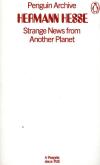
Of course, very few people go through the gate and abandon the beautiful phenomenon of the outside world for the interior reality that they intuit…
A visitor to a zoo discovers he can understand the animals talking, a young man turns into a mountain and a bird guides a boy to another planet in this selection of dream-like and visionary fairy tales from the great German-Swiss master.
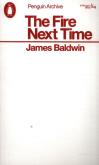
‘It demands great spiritual resilience not to hate the hater whose foot is on your neck, and an even greater miracle of perception and charity not to teach your child to hate’
Told in the form of two intensely personal 'letters', The Fire Next Time is an excoriating condemnation of the terrible legacy of racial injustice, drawn from Baldwin's early life in Harlem and his experience as a prominent cultural figure of the civil rights movement.
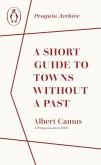
Best known for his existentialist novel The Outsider, set in French-occupied Algeria, Albert Camus was profoundly influenced by the landscapes, towns and traditions of his youth. Selected here are some of his finest personal essays about Algeria and its environs, including the luminous ‘Nuptials at Tipasa’, one of his earliest works where he developed the themes that would inform his later philosophy: to thrive now, without hope for paradise, as mortal life alone can be worthwhile.
‘I’m not the sort of husband you dream of when you’re walking alone along the avenue in the evening, am I? And it would be a disaster, wouldn’t it?’
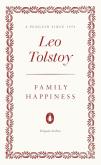
How does love die? This question lies at the heart of Tolstoy’s desperately sad novella. It tells the story of seventeen-year-old Masha who, despite their differences, falls passionately in love with an older man, and marries him. Soon, however, the gap between them becomes unbridgeable.
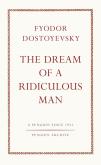
A delusional man whose strange dream changes his life; a self-justifying husband who causes his wife’s suicide; a witness to a young girl’s ruin; a writer who stretches out on a gravestone and listens to the gossip of the dead … the narrators of these four confessional tales show how little we understand ourselves.
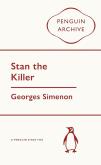
‘Maigret moved slowly, edging his bulky frame through the throng in Rue Saint-Antoine, which burst into life every morning, the sunshine streaming down from a clear sky on to the little barrows piled high with fruit and vegetables’
In these three tales of deception, set in and around Paris, Simenon's celebrated detective uncovers chilling truths about the depths of the human instinct for self-preservation.
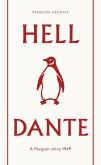
Through the gates of Hell, past whirling hurricanes, leering devils and rivers of blood, lies the ultimate evil: Satan himself. Masterfully translated by Dorothy L. Sayers, this first instalment of The Divine Comedy tells the captivating tale of Dante and Virgil’s arduous journey through the nine circles of the underworld, and remains one of the most influential works in literary history.
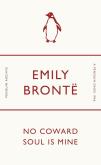
In this new selection of Emily Brontë’s heart-rending poems, we uncover a soul unafraid to confront mortality, tragedy and the wild cruelty – and beauty – of nature. These verses capture her profound passion and indomitable spirit, plumbing the depths of the human heart and revealing the raw power of Brontë’s poetic genius.
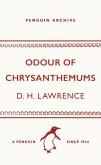
This small group of stories by D. H. Lawrence show him in a number of moods. The hope is that in such a limited number of pages, the reader will come away with a compressed, rich sense of Lawrence’s wonderful prose style, precision of language and expansive vision of the human struggle and how it can be transcended. Is ‘Odour of Chrysanthemums’ perhaps the greatest of all English short stories?
In these exquisite stories from the genius of English modernism, everyday objects acquire profound significance: a lump of buried green glass leads to a lifetime of obsession; a mark on the wall prompts a questioning of reality itself; a pale-yellow silk dress provokes a painful self-reckoning. Beautiful, strange and pioneering, each piece is a small precious stone to be held to the light and savoured.
Edgar Allen Poe’s short stories have lost none of their power to horrify. He remains a destabilizingly terse sketcher out of ideas, a writer who allows the reader to fill in the many ghastly blanks in his narratives of violence, retribution and animalism. It is hard to recommend Hop-Frog wholeheartedly (its original subtitle was: Or, The Eight Chained Ourang-Outangs) as it is such an affront to decency, but you will certainly never forget it.
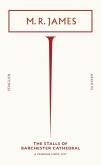
There are many great English ghost stories, but they appear flimsy and emotionally spectral compared to the works of M.R. James. This selection gives the reader a flavour of his strange gifts. Often, the ghost is barely glimpsed and yet somehow sticks with the reader for years, making ordinary rooms or gardens or churches uncanny and threatening. Is that the kitchen cat? And what is it that terrible thing stalking about in the dolls’ house?
These poems of radical love, urgency and global consciousness reach across borders to break open the silence of oppression and the taboo, liberating both body and soul.
Lively and enigmatic, Passion is June Jordan’s most accomplished and animated collection. Her virtuosic, resolute words have inspired generations of readers and activists across the world, from Nobel Laureates to US Presidents.
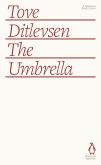
Longing shimmers from these spare but profoundly moving short stories by one of Denmark’s most fearless and sharp-eyed authors. In these tales of inarticulate desire and repression, Ditlevsen pulls to the surface our deepest interiorities in devastating, exacting prose.
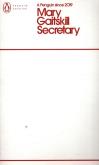
A writer engulfed by a new obsession, an occasional sex-worker, a runaway, a teenager entering the workplace: these four tales of desire and dislocation explore the rough edges of relationships and the inner lives of women negotiating their precarious place in the world. In these coolly compelling and quietly devastating stories, Gaitskill evokes with razor-sharp precision the pleasure, pain, fear and longing that haunt modern life.
‘I am Black because I come from the earth’s inside
now take my word for jewel in the open light.’
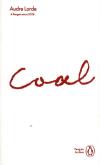
Impassioned and profound, the poems in Coal showcase Audre Lorde in all her dazzling elegance and multiplicity. Mournful, celebratory, politically conscious, this early collection is a testament to Lorde’s beloved and hugely influential lyric voice, which faithfully captures the complex interiority of the self. These timeless poems resonate down the years.
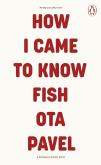
Through tender, vivid, and often humorous recollections – from magical fishing trips to the rivers and ponds of Bustehrad to his charismatic father’s eccentric business ventures - this bittersweet memoir tells the story of a childhood in Czechoslovakia, against the backdrop of World War II.
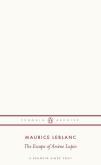
In this thrilling collection, we meet Arsène Lupin, a brilliant, alluring master of disguise – or, as some would have it, a notorious criminal. We follow him on a series of high-stakes adventures, from ingenious heists of invaluable paintings to daring escapes, each one showcasing his intellect, charm, and extraordinary ability to stay one step ahead of the law.
Ten produkt jest zapowiedzią. Realizacja Twojego zamówienia ulegnie przez to wydłużeniu do czasu premiery tej pozycji. Czy chcesz dodać ten produkt do koszyka?