Radość picia to jedna z tych książek, które zabiera się ze sobą na bezludną wyspę. Oczywiście pod warunkiem, że nie jest ona tak zupełnie bezludna, to znaczy znajduje się na niej przynajmniej jeden sprawny barman i dobrze zaopatrzony barek.Radość picia to także jedna z tych książek, które odbiera się wszystkimi sześcioma zmysłami. Czytając opis chińskich naczyń do produkcji alkoholu, niemal czujemy pod palcami ich fakturę. Widzimy i słyszymy Pigmejów z Konga, rozochoconych po spożyciu słusznej porcji niezwykłego miodu, nie wymagającego nawet fermentacji. Wierci nas w nosie od fajkowego (i czasem opiumowego) dym, wypełniającego całkiem i niezupełnie legalne tawerny, gospody, puby i kawiarnie na całym świecie. Nawet język ma nieodparte złudzenie, że kosztuje nigeryjskiego burukutu lub brzoskwiniówki, którą pędzą w północnej Wirginii. A szósty zmysł? Cóż, nasze poczucie humoru będzie także usatysfakcjonowane w najwyższym stopniu:
Kiedy królowa Saba odwiedziła króla Salomona, była doprawdy zdumiona niesłychaną ilością podczaszych. Paradowali oni przed nim w równym szeregu, podczas gdy wychylał jeden kielich za drugim, a wszystkie „naczynia, z których pił król Salomon, były złote”. Mało prawdopodobne, że tak kosztowne sprzęty służyły do picia soku pomarańczowego.
(fragment)
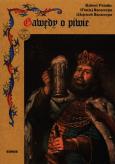
Gawędy o piwie - to opowieść o najbardziej slowiańskim z napojów. Autorzy przedstawiają technologię produkcji oraz zasady dystrybucji złocistego trunku. Prezentują patronów piwowarstwa - świętych opiekujących się tajemniczą sztuką warzenia piwa. Omawiaja najwazniejsze konflikty związane z produkcją i sprzedażą piwa - tak zwane wojny piwne. Zapoznają Czytelnika ze specyficzną atmosfera średniowiecznych karczem i gospód.""
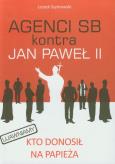
"Z prawa do prawdy w wymiarze narodowym i społecznym skorzystał Leszek Szymowski, opisując w oparciu o źródła agenturę wokół bł. Jana Pawła II."Ksiądz Stanisław Małkowski (fragment wstępu)"Materiały SB ujawnione w tej książce wywołają trzęsienie ziemi nie tylko w Polsce, ale również w Watykanie."Jan Piński, były szef Agencji Informacyjnej TVPZ tej książki dowiesz się:Jak mocna była sieć agentury komunistycznej wokół Jana Pawła II.Kto donosił na papieża Polaka.Kto oparł się naciskom i nie zgodził się donosić.Którzy dziennikarze, na zlecenie SB, zakłamywali prawdę o zamachu na Jana Pawła II.Poznasz treść tajnych donosów i sposób werbowania agentów przeciwko papieżowi.Jak bronią się ci, których SB zarejestrowała jako swoich agentów.
To pierwsza książka zawierająca materiały dotyczące działalności Służby Bezpieczeństwa w Watykanie za czasów Jana Pawła II (dokumenty operacyjne, donosy, zobowiązania do współpracy). Pokazuje mechanizmy werbunku księży i świeckich. Odsłania kulisy wielu zbrodni bezpieki PRL. Pokazuje jakie szkody wyrządzali Kościołowi i Polakom agenci donoszący do SB. Książka pokazuje również przykłady bohaterskiego oporu, ludzi, którzy szantażowani i straszeni potrafili powiedzieć "nie".
Wstęp polecający książkę napisał ks. Stanisław Małkowski, znany z działalności opozycyjnej w PRL.Leszek Szymowski, znany dziennikarz śledczy, napisał książkę, która nie jest zwykłym wyliczeniem agentów. To książka pokazująca mechanizmy działalności tajnych służb w państwie totalitarnym.
Kościoły są świadkami wiary, ale w Rzymie wydają się przede wszystkim świadkami czasu. Ze względu na otoczenie, które zachowało pamięć o wiekach, jak nakładające się warstwy geologiczne - i ze względu na życie każdego z nich, na którym odcisnęły się kolejne epoki. Dlatego spacer po tych kościołach jest kluczem do Rzymu i do historii Europy.
Felietony Antoniego Słonimskiego, poety grupy Skamandra, dramatopisarza i krytyka teatralnego, są jedyną w swoim rodzaju kroniką polskiej rzeczywistości lat 1927-1939. Lekkość pióra Słonimskiego, jego poczucie humoru, zjadliwa ironia, persyflaż i kalambur, którymi znakomicie się posługiwał, sprawiają, że jego Kroniki tygodniowe bawią, traktując o sprawach poważnych, które w wielu wypadkach nadal pozostają aktualne.
W skład kompletu wchodzą wszystkie 3 tomy Kronik tygodniowych.
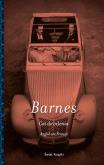
Długi i pełen namiętności związek Juliana Barnesa z Francją zaczął się ponad czterdzieści lat temu. Jeden z największych współczesnych brytyjskich prozaików i eseistów najpierw był sceptycznym obserwatorem podczas rodzinnych wypraw samochodowych do Francji, potem nauczycielem w szkole w Bretanii, a w końcu studentem języków i literatury, który przemierzył wzdłuż i wszerz Francję, doskonale poznając jej kulturę. Zebrane w tomie ,,Coś do oclenia"" eseje, pisane w ciągu ponad dwudziestu lat, świadczą o pełnym przenikliwości uwielbieniu, jakie Barnes żywi wobec ,,kraju bez brukselki"". Zakres jego obserwacji jest szeroki. Z łatwością przechodzi od krajobrazu do literatury, od kuchni do książek Flauberta, od filmu i piosenki do Tour de France. Humor, wyczucie chwili i inteligencja nigdy go nie zawodzą. ,,Coś do oclenia"" to wspaniała literacka uczta. ,,Wydaje się, że Julian Barnes zrobił dla brytyjsko-francuskich stosunków więcej niż ktokolwiek od czasów Edwarda VII"" - Daily Telegraph,,Ktoś, kto pisze tak dobrze o literaturze francuskiej, o Flaubercie i o Francji, naprawdę zasługuje na Legię Honorową"" - Bernard Pivot, Apostrophes
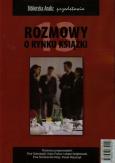
Bohaterami rozmów są przedstawiciele wydawnictw i księgarń, firm dystrybucyjnych oraz instytucji kultury, a także sektora poligraficznego i papierniczego. Firm małych i dużych, osoby z dużym doświadczeniem w branży, których głos jest dla środowiska ważny, ale i nowicjusze, którzy często borykają się z zupełnie innymi problemami, próbując stawiać swoje pierwsze kroki na rynku książki.
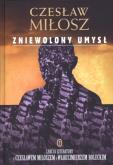
Dzieło Czesława Miłosza to nie tylko znakomita rozprawa z dziedziny politologii i badań nad komunizmem, to literacki traktat albo swoista powieść z kluczem, zawierająca ponadczasową refleksję o kondycji ludzkiej, etyce, wolności i zniewoleniu, wyrastająca jednak z konkretnego i przez to wiarygodnego doświadczenia świadka i uczestnika. Edycja niniejsza jest przedsięwzięciem wyjątkowym: wydawcy udało się namówić autora do skomentowania utworu, do ponownego spojrzenia na wypadki sprzed półwiecza i podzielenia się refleksjami z czytelnikiem.
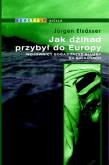
- pasjonująca historia narodzin i rozkwitu nowoczesnego fundamentalizmu muzułmańskiego na Bałkanach - wnikliwa analiza wpływu polityki międzynarodowej, zwłaszcza amerykańskiej, na umocnienie się bojówek muzułmańskich na terenach dawnej Jugosławii
Autor jest niemieckim dziennikarzem, publicystą zajmującym się problematyką geopolityczną i znawcą Bałkanów. Jego książka to efekt wnikliwej analizy źródeł historycznych, licznych rozmów przeprowadzonych z ekspertami służb specjalnych i przedstawicielami misji ONZ w Bośni oraz własnych doświadczeń z pobytu na Bałkanach. Paktem z diabłem nazywa on współpracę służb specjalnych USA z mudżahedinami, których Pentagon w latach 90-tych wspierał w walce na terenach dawnej Jugosławii. Mezalians ten okazał się fatalny w skutkach, bo wyszkoleni w Bośni bojownicy dżihadu brali udział w zamachach z 11 września, a bałkańscy przyjaciele Osamy bin Ladena figurowali na liście płac CIA. To przystępnie napisana, demaskatorska, przenikliwa, rzetelna i ważna pozycja, znakomita lektura.
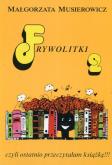
Książka zawiera teksty z ostatnich lat, miesięcy, a nawet tygodni. Felietony te, poświęcone książkom i przyjemności czytania, mówią też o sztuce i życiu, o miłości i przyjaźni, o ogrodach i gotowaniu, o radościach i smutkach. ""Frywolitki"" przeznaczone są dla młodzieży, lecz zyskały też bardzo liczne grono czytelników dorosłych.
Rodzimy się „między łajnem a uryną” (Święty Augustyn) i tym samym całe nasze istnienie zostaje określone przez stosunek do ekskrementów. Nasza kultura, tożsamość, zdrowie, pojęcie piękna czy dowcip w niemałym stopniu zależą od naszego stosunku do wydzielin ludzkiego ciała. W nauce, sztuce, ekonomii czy architekturze gówno ma ważną rolę do odegrania. Florian Werner zaprasza w pełną humoru, inteligentną i zajmującą podróż w głąb historii tej fascynującej materii.
"Autor „Ciemnej materii” wywodzi się z kręgu kultury germańskiej, kojarzonej przez nas z silnie rozwiniętym skatologicznym poczuciem humoru i obecnością „szajsu” w codziennych zachowaniach językowych odwrotnie proporcjonalną do marki niemieckich produktów. Wbrew pozorom Florian Werner musi jednak włożyć ogromny wysiłek w przełamanie uniwersalnego europejskiego tabu kulturowego, od którego bynajmniej nie są wolni także profesorowie, publicyści, krytycy artystyczni. I nie jest to – co z całą mocą pragnę podkreślić – wysiłek jałowy, dający efekt krotochwilny, zwłaszcza że tłumaczka znakomicie dotrzymała kroku autorowi. To bardzo lekkie, lecz przy tym najpoważniejsze ujęcie zagadnienia od czasów Dominika Laporte’a. Operując bogactwem odniesień materiałowych i poruszając się sprawnie tak w polu fizjologii, jak literatury, Werner wydobywa na światło dzienne to „niechciane dziecko” cywilizacji, zepchnięte do piwnic czy też w czeluście kanalizacji spławnej, aby pokazać dowodnie, że materie fekalne stanowią pełnoprawne tworzywo kultury. Widać wszyscyśmy z guana. Do wszystkich, którzy analny aspekt życia ludzkiego wypierają starannie i gotowi są z niesmakiem odłożyć niniejszą książeczkę, apeluję: tylko nie mówcie, że tego nie robicie."
Włodzimierz Karol Pessel
"Znaczenie danej materii jest dziełem przypadku. Jaśniej nie można tego wyrazić: nawet gówno to kwestia kontekstu."
Urs Willmann, „Die Zeit”
"Oryginalne, solidne, wciągające studium. [...] W dwunastu błyskotliwych rozdziałach autor bierze pod lupę korzenie humoru fekalnego, opisuje, jak wraz z rozwojem nowoczesnego społeczeństwa zaostrzały się zasady higieny. Wyjaśnia zależności między gównem a sztuką, pieniędzmi, a nawet religią [...] Czy ekskrementy mogą stać się relikwiami? Mogą. [...] To książka uświadamiająca w najlepszym tego słowa znaczeniu."
Jan Oberländer, „Der Tagesspiegel”
"Nawet bez gruntownej znajomości literatury sekundarnej można stwierdzić, że o tym najbardziej nikczemnym (tak, użyjmy tego słowa!) dobru kultury nigdy nie pisano w sposób bardziej kompetentny, mądrzejszy i kompleksowy."
Georg Howahl, „Westdeutschen Allgemeinen Zeitung”
Willigis Jager, benedyktyn, a zarazem mistrz zen, posiadacz niezwykle szerokiego widnokręgu umysłowego, rozważa fundamentalne kwestie ludzkiej egzystencji: Czy poza tym, co widzialne i przemijające istnieje coś trwałego, wiecznego? Czy możliwe jest nowe rozumienie choroby, starości i śmierci, zmartwychwstania i ponownych narodzin? Ojciec Willigis pragnie obudzić w nas ""rozumienie"", którego nie da się przekazać słowami, jest bowiem niewyrażalne.
Książka Zapatrzenie ma przedstawić większość eseistycznej twórczości zmarłej w roku 2002 autorki. Jej zainteresowania, z początku skupiające się głownie na malarstwie dwudziestowiecznym, stopniowo przesuwały się ku epokom wcześniejszym, zwłaszcza ku sztuce epoki odrodzenia. Pisząc o obrazach i malarzach, Pollakówna nie ograniczała się nigdy do prostego, informacyjnego opisu, lecz zawsze przedstawiała własne, oryginalne, niekiedy zaskakujące interpretacje.
Było jasne, że nie możemy się ograniczyć do myśli powojennej i do filozofii. Poza wszystkim bowiem dzieliliśmy przekonanie, że myśl i myślenie rodzą się w obszarach znacznie oddalonych od wąsko pojętej refleksji...?
Zbiór wypowiedzi i zapisków Kapuścińskiego na temat historii, globalizacji i poszczególnych regionów świata: Afryki, Ameryki Łacińskiej, Europy i Rosji. Wybór i układ rozdziałów został zaakceptowany przez Ryszarda Kapuścińskiego. Książka jest uzupełnieniem jego znakomitych dzieł reporterskich i punktem wyjścia do rozważań o współczesnym świecie, bogatym i wielowymiarowym. To, co w jego książkach stanowi fundament – solidny, lecz niewidoczny – w wywiadach i wykładach płynie szerokim strumieniem: komentarze polityczno-społeczne, nazwiska, daty, dane statystyczne. Ale nie jest to li tylko erudycyjny popis. Kapuściński przywołuje fakty po to, by je zinterpretować, wskazać paralele historyczne i kulturowe, by prognozować. Jest więc Ryszard Kapuściński kronikarzem współczesności, który trzyma zawsze rękę na pulsie historii… ze Wstępu Krystyny Strączek
Eseje o współczesnych ideach politycznych, kulturze i filozofii: Śmierć i polityka… Anty-Kundera… Co nam zostało z antykomunizmu… Koniec świata westernu… Niebezpieczne związki liberałów… Refleksje o kontrkulturze… Stalinizm jako przygoda literacka… Trzy konserwatyzmy… Społeczeństwo jako dom towarowy… Przednowoczesność, post-nowoczesność i ład liberalny… Miłosz i magnetyzm Nowej Wiary.
Najlepsze eseje z książek "Bez gniewu i uprzedzenia" i "Etyka absolutna i społeczeństwo otwarte".
Tom z dwiema książkami, należącymi do najbardziej prowokujących dzieł w dziejach polskiej myśli, które jej autora - słynnego dziewiętnastowiecznego pisarza i publicystę - uczyniły obiektem niewybrednych ataków i zajadłych polemik. Przedstawia on konserwatywną wizję polityki i kultury, która do dziś inspiruje swym rozmachem i erudycją.
Książka o polskiej polityce lat 2005-2010, ukazująca rządzące nią mechanizmy, gry interesów, medialne manipulacje, personalne rozgrywki i kulturowe spory. To zbiór tekstów, w których Autor bezkompromisowo analizuje rzeczywistość III RP, rozważa, czym mogła być i czym się nie stała IV RP i zastanawia się, co przesądziło o niepowodzeniu tego projektu. Przedstawia również zjawisko „postpolityki” – uprawianej przez rządzących po 2007 r., a oznaczającej rezygnację z prób reform, w ogóle z poważnej polityki oraz skoncentrowanie się wyłącznie na „wizerunku” i umiejętnym propagandowym opanowaniu umysłów Polaków, ich „od-obywatelnianiu” przez granie nastrojami i tani populizm.
Kryzys finansowy z końcówki pierwszej dekady nowego wieku nie przebrzmiał jeszcze na dobre i nie ma pełnej zgody co do jego natury i przyczyn oraz właściwych sposobów wychodzenia na prostą. Autor książki, finansista działający w obszarze wealth management, mający wieloletnie doświadczenie rynkowe i czynnie uczestniczący w kształtowaniu nowego prawa kształtującego system finansowy w USA, zyskał pewność, że najważniejszą jego wartością powinna być szeroko rozumiana odpowiedzialność. W angielszczyźnie, jego rodzimym języku, wyrazić to można jednym słowem: stewardship , które w dosłownym znaczeniu mówi o odpowiedzialnym strzeżeniu powierzonych komuś cudzych pieniędzy, o służbie jaką pracownik rynku finansowego pełni wobec swego klienta. John G. Taft to finansista, szef RBC Wealth Managment, należącej do Royal Bank of Canada firmy zarządzającej majątkiem zamożnych Amerykanów. Sprawuje pieczę nad aktywami wartymi ponad 235 mld dolarów. Z branżą usług finansowych związany od roku 1981. Był menedżerem w wielu funduszach inwestycyjnych. W 2010 i 2011 roku pełnił funkcję przewodniczącego rady Stowarzyszenia Podmiotów Rynku Finansowego (SIMFA), a obecnie jest członkiem rady tej istotnej dla amerykańskiego rynku finansowego i papierów wartościowych organizacji. Jest prawnukiem Williama Howarda Tafta, dwudziestego siódmego prezydenta USA. Działa w wielu instytucjach pozarządowych oraz jest aktywnym komentatorem procesów zachodzących na rynku finansowym. Absolwent Uniwersytetu Yale.
Rekomendacja: Aktualne, świetnie uargumentowane i głęboko humanistyczne przesłanie. Taft jest takim właśnie liderem, jakich potrzebuje rynek finansowy wyłaniający się z kryzysu - The Economist
Rekomendacja: Taft podkreśla, że dobra gospodarka nie składa się z samych kolosów. Pisze, że "zachowanie różnorodności i zmniejszenie poziomu ryzyka w naszym systemie finansowym oraz w całej gospodarce wymaga uznania i uszanowania znaczenia oraz roli małych firm i biznesów". Trzeba zatem stale pamiętać o tych, którzy są "zbyt mali, aby warci byli ratunku" - dr Iwona Sroka, prezes zarządu Krajowego Depozytu Papierów Wartościowych i KDPW_CCP
Partner wydania: Krajowy Depozyt Papierów Wartościowych, KDPW_CCP
Patroni medialni: Wyborcza.biz, Think Tank
Bestseller i klasyczna pozycja z zakresu myśli feministycznej, która redefiniuje nasze dzisiejsze spojrzenie na relacje między pięknem a kobiecą tożsamością. W dzisiejszym świecie kobiety mają coraz więcej władzy, cieszą się prawnym szacunkiem, uznaniem i sukcesami zawodowymi jak nigdy wcześniej. Dzieje się to wraz z oczywistym rozwojem ruchu kobiecego. Mimo to jednak, Naomi Wolf, pisarka i dziennikarka, jest głęboko zaniepokojona nowym rodzajem społecznej kontroli, który, jak wskazuje autorka, może się okazać niestety równie ograniczający jak tradycyjny wizerunek kobiety jako gospodyni domowej i żony. To mit piękna, obsesja cielesnej perfekcji, więzi współczesną kobietę w nieskończonej spirali nadziei, samoświadomości i nienawiści do samej siebie, gdy stara się ona spełnić to, co niemożliwe: społeczną definicję „nieskazitelnego piękna”. „Mocne… żadna inna książka nie przedstawiła w tak bezpośredni sposób dezorientacji świetnie wykształconych kobiet, które czują się emocjonalnie i fizycznie torturowane przez konieczność wyglądania jak gwiazda filmowa”. – New York Times.
Ten produkt jest zapowiedzią. Realizacja Twojego zamówienia ulegnie przez to wydłużeniu do czasu premiery tej pozycji. Czy chcesz dodać ten produkt do koszyka?