W tej strefie proponujemy bardzo szeroką ofertę z dziedziny psychologii oraz dziedzin powiązanych: astronomii i astrofizyki, ekologii, filozofii, kultury, podróżnictwa, religii, socjologii, sztuki. Szczególnie polecamy z tej kategorii bestseller pt. Księga Urantii. Księga Urantii podaje jasną i zwięzłą integracją nauki, filozofii i religii. Ci, którzy ją czytali i zgłębiali, wierzą, że Księga Urantii może wnieść bardzo wiele wartości do religijnej i filozoficznej myśli ludzi tego świata.
„Z wewnętrznego rozdarcia pomiędzy tym co powszechne i indywidualne, konieczne i zmienne rodzi się komunikacja, której celem jest pojednanie pozwalające wydobyć to, co przedpojęciowe. […] Tyle że proces komunikacji wymaga środków pośredniczących, wymaga mediacji […] Gdzie zatem miejsce na bezpośredniość i obietnicę prawdy o bycie? Nadzieje te pokładamy w presemiotyce, której ślady tropimy od początków kształtowania się ludzkiej kultury. […] Bo o cóż innego chodzi uczestnikom komunikacji, jak o osiągnięcie poczucia skomunikowania a ono zostaje powołane do istnienia w przestrzeni między mną, tobą i światem tworząc jedno. Presemiotyka stanowi zatem cenne dopełnienie w rozumieniu tego, czym jest komunikacja oraz tego, jak jest ona możliwa, niezależnie od ostatecznie niejasnego statusu ontologicznego bezpośredniości. Bo zaczynamy rozumieć, że kiedy chcemy w pełni odsłonić istotę komunikacji musimy ujmować ją całościowo, jak mowę dopełnia cisza, znaczenie obrazu towarzyszące mu passpartout, tak konieczne dla komunikacji zmediowanie musi być uzupełniane o co najmniej wyobrażone poczucie jedności w bezpośredniości”. (Fragment recenzji)
Autorzy: Łukasz Przybylski, Łukasz Barszczewski, Marcin Klotz, Anna Mielecka, Ewelina Anna Turko CMBBPrezentowane karty pracy są częścią pakietu edukacyjnego dla uczniów o specjalnych potrzebach edukacyjnych, opracowanego jako pomoc w przygotowaniu ich do spowiedzi oraz Pierwszej Komunii Świętej. Materiały te mogą być stosowane w specjalnych szkołach podstawowych, ośrodkach szkolno-wychowawczych oraz w klasach integracyjnych i edukacji włączającej. Tematy poszczególnych jednostek lekcyjnych korespondują z podręcznikiem i ćwiczeniami "Poznaję Jezusa" Wydawnictwa Jedność. Karty pracy i zeszyt ucznia zostały tak przygotowane, aby mógł z nich korzystać zarówno uczeń komunikujący się w sposób klasyczny, jak i uczeń niewerbalny. Dodatkowym atutem tych materiałów jest wykorzystanie symboli komunikacji alternatywnej.Karty pracy dzięki różnorodnym zadaniom i krótkim tekstom umożliwiają nauczycielowi prowadzenie ucznia z niepełnosprawnością intelektualną do głębszego zrozumienia, czym jest Eucharystia oraz sakrament pokuty i pojednania. Można z nich korzystać nie tylko podczas katechezy szkolnej, lecz także parafialnej i domowej. Zastosowanie symboli PCS i zróżnicowanie poziomu trudności zadań pozwala na stosowanie ich w pracy z dziećmi i młodzieżą z różnym stopniem niepełnosprawności, o różnych potrzebach i umiejętnościach.
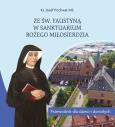
Osoby z niepełnosprawnością intelektualną mogą uczestniczyć we Mszy Świętej aktywnie i świadomie, jeśli tylko stworzy im się taką możliwość. Mogą dobrze przeżywać osobiste spotkanie z Jezusem, który daje się nam w swoim słowie i Ciele. Ten przewodnik został opracowany z myślą o wszystkich, którzy w jakikolwiek sposób są zaangażowani w przygotowanie dzieci ze specjalnymi potrzebami edukacyjnymi do pełnego uczestnictwa we Mszy Świętej. Zawiera zdjęcia ukazujące celebransa oraz wiernych podczas Eucharystii. Towarzyszą im krótkie komentarze, które mają w prosty sposób przybliżyć to, co dzieje się w danym momencie liturgii. Uzupełnieniem komentarzy są symbole PCS, dzięki którym osobom z trudnościami w rozumieniu języka łatwiej jest rozpoznawać poszczególne elementy Mszy Świętej. Znakami wskazana jest również postawa, jaką przyjmują wierni w kolejnych częściach liturgii. Z książki tej można korzystać nie tylko na zajęciach katechetycznych w trakcie przygotowań do Pierwszej Komunii Świętej. Może się też ona stać poręczną pomocą w czasie każdej Mszy, w której będzie uczestniczyć osoba z niepełnosprawnością intelektualną. Sprzyja temu wygodna forma publikacji, a odpowiednio opracowane treści umożliwiają sięganie po nią także osobom bez specjalistycznego przygotowania teologicznego i pedagogicznego. Do korzystania z przewodnika zachęcamy szczególnie rodziców i opiekunów osób z niepełnosprawnością, by mogły one coraz pełniej brać udział we Mszy Świętej.
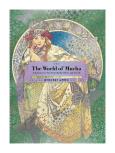
A collection of Mucha’s romantic art, including 370 decorative paintings and his masterpiece, the 'Slav Epic'
Alphonse Mucha (1860-1939) was a Czech graphic designer and decorative artist best known for his distinctive Art Nouveau style. He produced many illustrations, advertisements, postcards, packages and paintings throughout his life. The popularity of Mucha’s distinctive style and demand for his beautiful works has continued to grow since the strong revival of interest in Art Nouveau during the 1960s.
This book is the very best collection of Mucha’s characteristic works, covering his entire career, from his beginnings in Paris to his final days in Czech after four years in the United States. His most representative works are featured, not only in the field of fine art but also in editorial design and graphic design. As a special feature, this book introduces more typography and package design works compared to other publications on Mucha’s work. And, of course, Mucha’s masterpiece the 'Slav Epic’ is also covered in detail, along with an interpretation and its historical background.
This beautifully-designed book will be a valuable reference for graphic designers and illustrators alike, and is sure to become a must-have book for Mucha’s fans around the world to treasure.
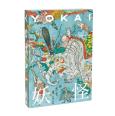
Immerse yourself in the yokai images and their mesmerizing detail showcased over more than 500 pages in this epic collection!
Lurking beneath the global obsession with manga and anime, there is a world of Japan’s yokai monsters, mutants, and vengeful mononoke spirits, which have long held people’s imaginations in their terrifying grip ever since the Edo period (16th-19th centuries). These fearsome creatures are now gathered together in this gorgeous new release that, for the first time ever, shows many enlargements of these masterpieces! Selections include over 60 works chosen from the collection at the Yumoto Koichi Memorial Japan Yokai Museum (Miyoshi Mononoke Museum), Japan’s – and, in fact, the world’s – only museum specializing in Japanese yokai monsters, each reproduced in high-resolution images with explanations. This compilation provides readers with the rare experience of seeing the brushwork of Edo-era painters like Tsukioka Yoshitoshi in detail firsthand. This is a must-have book for those who love strange worlds and mutant creatures, and for anyone wanting to know more about Japanese yokai monsters.
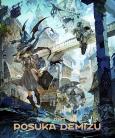
The long-awaited debut collection of illustrations by Posuka Demizu, the up-and-coming manga artist
Posuka Demizu is a rising star among manga artists whose new title, The Promised Neverland, created with co-author Kaiu Shirai, is currently running in the manga magazine Weekly Shonen Jump in Japan. The Promised Neverland Volume 1 will be released by Viz Media in October 2017 (Digital), and December 2017 (Print).
This first collection of Posuka’s work features outstanding artworks from the career so far, along with new illustrations created especially for this edition.
Readers will appreciate seeing Posuka's vibrant characters and compositions rendered in the characteristically precise style gathered together for the first time in a single volume.
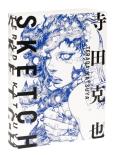
A GIANT 512-page collection of Katsuya Terada’s RAKUGAKI sketches and illustrations.
The one and only legendary illustrator Katsuya Terada, a.k.a RAKUGAKING (The Sketch King) and well known as a pioneer who is always seeking new ideas and motifs for his drawings, has finally revealed his RAKUGAKI sketches and illustrations, long kept in his sketch book. Although most illustrations in this collection have appeared in Terada’s previous international exhibitions (e.g., Giant Robot in Los Angeles), never before has any book collected so many of his RAKUGAKI. This is the best and most comprehensive collection of Katsuya Terada’s pencil sketches, making it a must-have book for both his hardcore fans and also to illustrators in general.
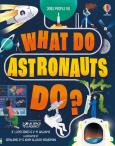
Explore different careers as you blast off into space with a crew of astronauts. Find out about their incredible jobs and the work of the huge teams who support them, from medics to technicians. Discover how astronauts are chosen and trained for space missions, what it's like in space, and what they do once they return to Earth - as well as the work of Mission Control and those on the ground. With missions planned to the Moon, Mars and beyond, this is a timely and fascinating read.
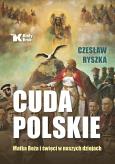
Na historię naszego kraju należy patrzeć z punktu widzenia człowieka wierzącego, chrześcijanina, jeśli chce się dzieje Polski interpretować uczciwie. Ta książka nie jest suchym dziełem naukowym, lecz zawiera solidną porcję wiedzy o minionych wiekach. Jest napisana barwnie i żywo. Prezentuje autentyczne wydarzenia, konkretne osoby oraz sprawdzone opinie. Obejmuje okres od Mieszka I po współczesność. Znany publicysta i pisarz Czesław Ryszka śledzi dzieje Polski pod kątem znaków z Nieba, które zostały uznane za cudowne - w szerokim rozumieniu tego słowa. Nie chodzi tylko o cuda potwierdzone oficjalnie przez Kościół, ale także o wydarzenia, które miały (mają) charakter zjawisk cudownych, a w przypadku osób - chodzi o ukazanie ich specjalnej misji jako Bożych posłańców do naszej Ojczyzny. Autor opisuje tylko historyczne fakty, pomija fantazje czy domniemania. Wcale bowiem nie trzeba fantazjować, by zobaczyć w ponad tysiącletnich dziejach Rzeczypospolitej wiele zjawisk niezwykłych, trudnych do uwierzenia i niewytłumaczalnych. Interwencje świętych patronów kształtowały i nadal kształtują naszą wspólną i lokalną historię - pisze Czesław Ryszka - a pierwszą z nich jest obecność w naszych dziejach Matki Bożej Królowej Polski. O cudach donoszą liczne dokumenty, w tym prowadzone od wieków kroniki w ponad 1200 polskich sanktuariach maryjnych oraz poświęconych poszczególnym świętym i błogosławionym, którzy zostali nam posłani na trudne czasy, wielokroć przynosząc ratunek i zawsze budząc nadzieję. Szczególnie spektakularna jest pomoc Matki Bożej w bitwach, ocalająca nasz narodowy i państwowy byt. Autor przywołuje także konkretne cudowne wydarzenia dotyczące nawróceń czy uzdrowień z nieuleczalnych chorób bądź uratowania życia w sytuacji jego absolutnego zagrożenia. Rysuje się w tym dziele przepiękny i budujący obraz naszej Ojczyzny na przestrzeni ponad tysiąca lat. Niewątpliwie jest to książka ku pokrzepieniu serc. A przecież wymagają one naprawdę silnego pokrzepienia w obecnej sytuacji, gdy cywilizacja chrześcijaństwa, która przez wieki wysyłała misjonarzy na cały świat, przemienia się z wolna w jałową ziemię dla Ewangelii - pisze Autor. Nowoczesne miasta stają się jak wieże Babel, a opustoszałe kościoły i seminaria duchowne zamieniają się w hotele i dyskoteki; w konsekwencji ludzie żyją jakby Boga nie było. Temu trzeba przeciwdziałać, a publikacje takie jak "Cuda polskie" są mocnym odporem danym dechrystianizacji naszego życia oraz świetnym narzędziem do walki z głębokim i niebezpiecznym kryzysem duchowym Europy. Słowo pisane kapitalnie uzupełniają i wzmacniają w tym dziele (także sztuki edytorskiej) 192 unikatowe ilustracje.
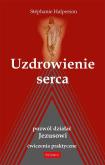
Zranienia, wewnętrzne "strefy cienia", wszelkie ograniczenia wpływające na całe ludzkie życie wydobyte na światło dzienne w modlitwie mogą zostać nawiedzone przez Tego, który jest miłością i pocieszeniem. Uzdrowienia dokonane przez Jezusa w Ewangeliach są głównie fizyczne, choć niektóre mogą też być interpretowane na poziomie psychicznym, jak we fragmencie o sadzawce Betesda, ale Bóg zbawia człowieka we wszystkich jego wymiarach: ciało, duszę i ducha. Medytacje zawarte w tej książce są propozycją łagodnego odsłonięcia naszych zranień przed Tym, który został posłany, aby nieść dobrą nowinę ubogim, więźniom głosić wolność, a niewidomym przejrzenie, i uciśnionych odsyłać wolnymi (zob. Łk 4, 18).
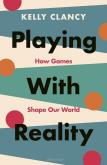
A sweeping intellectual history of games and their importance to human progress.
We play games to learn about the world, to understand our minds and the minds of others, and to practice making predictions about the future. Games are thought to be older than written language, and have now become the dominant cultural media―bigger than movies, TV, music, and literature combined. They are also fun. But as neuroscientist and physicist Kelly Clancy argues, it’s time we started taking them more seriously.
In Playing With Reality, she chronicles the riveting and hidden history of games since the Enlightenment, weaving an unexpected path through military theory, biology, artificial intelligence, neuroscience, cognitive psychology, and the future of democracy. Games, Clancy shows us, have been deeply intertwined with the arc of history. War games shaped the outcomes of real wars in nineteenth and twentieth century Europe. Game theory warped our understanding of human behaviour and brought us to the brink of annihilation―yet still underlies basic assumptions in economics, politics, and technology. We used games to teach computers how to learn for themselves, and now we are designing games that will determine the shape of society and future of democracy. Games also inform the basic systems that govern our daily lives: the social media and technology that can warp our preferences, polarise us, and manufacture our desires.
Lucid, thought-provoking, and masterfully told, Playing With Reality makes the bold argument that the human fascination with games is the key to understanding our nature.
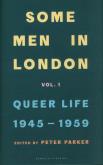
In the 1940s, it was believed that homosexuality had been becoming more widespread in the aftermath of war. A moral panic ensued, centred around London as the place to which gay men gravitated.
In a major new anthology, Peter Parker explores what it was actually like for queer men in London in this period, whether they were well-known figures such as John Gielgud, ‘Chips’ Channon and E.M. Forster, or living lives of quiet – or occasionally rowdy – anonymity in pubs, clubs, more public places of assignation, or at home. It is rich with letters, diaries, psychological textbooks, novels, films, plays and police records, covering a wide range of viewpoints, from those who deplored homosexuality to those who campaigned for its decriminalisation.
This first volume, from 1945 to 1959, details a community forced to live at constant risk of blackmail or prison. Yet it also shows a thriving and joyous subculture, one that enriched a mainstream culture often ignorant of its debt to gay creators. Some Men In London is a testament to queer life, which was always much more complex than newspapers, governments and the Metropolitan Police Force imagined.
Boisz się? Boisz się o siebie i bliskich? Doniesienia medialne napawają Cię jeszcze większym lękiem i frustracją? Skorzystaj z orędownictwa Czcigodnego Sługi Bożego o. Wenantego Katarzyńca. On naprawdę skutecznie wspiera w czasie niepokoju i lęku. Przekonali się o tym jeszcze za jego życia mieszkańcy Czyszek w obliczu zagrożenia zbliżającego się frontu. Modlił się z nimi i wygłosił do nich kazanie, które tchnęło w nich pokój i zaufanie do Boga. Dlatego i nas zalęknionych jego słowa, które przywołujemy, mogą uspokoić. W tym duchu proponujemy Psalmy pełne ufności, specjalne modlitwy na trudne chwile, egzorcyzm św. Antoniego i litanię za wstawiennictwem o. Wenantego. Czas epidemii minie, ale trudne chwile niepewności i lęku zawsze będą się pojawiać. Zawsze jednak pośród naszych obaw i lęków Jezus przychodzi do nas i mówi: Pokój wam! (Łk 24,36). Nie bójcie się! (Mk 16,6). A oto Ja jestem z wami przez wszystkie dni, aż do skończenia świata (Mt 28,20).
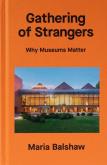
Written by Director of Tate Maria Balshaw, this book is a powerful, timely and thought-provoking exploration of the transformative role of the museum – and of art – in society today.
As the world adapts to the consequences of a global pandemic, museums continue to experience unprecedented disruption and change. At the same time, there is a growing debate and dissent over what museums are for, who they speak to and what the histories, objects and ideas they are tasked with holding reflect – all taking place within a public sphere that feels increasingly dynamic and volatile.
’Public institutions do not sit “outside” society, they are the barometer of time and place. How museums and galleries open themselves up to change and engage dissenting voices is not obvious or easy, but as a recent visitor said, “Art is an invitation to a conversation” – so perhaps our role might be to unlock that conversation.’ – Maria Balshaw Taking a wide-ranging and thought-provoking look at the roles and responsibilities of some of our most well-known and best-loved public institutions, Gathering of Strangers: Why Museums Matter explores the critical challenges and opportunities for the museum at this point in the twenty-first century. Moving from the historical origins of the gallery to important current debates taking place around art and public engagement, the climate emergency, race equality and decolonisation, and the value of the arts in education, this book sets out the role of art and artists in imagining and shaping our collective future.
It is also a love letter to museums, from a sector leader who is at the forefront of the cultural conversation today.
‘Ambitious, generous and packed with ideas, this is a thrilling, thought-provoking invitation into the museum of the future, where both art and people are made welcome.’ – Olivia Laing Maria Balshaw is Director of Tate. Previously, she was Director of the Whitworth, University of Manchester; Director of Manchester City Galleries; and Director of Culture for Manchester City Council. She is also a member of the Women Leaders in Museums Network and a member of the Bizot group of leading global museums.
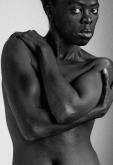
Created to accompany one of the most exciting exhibitions of 2020, this stunning paperback catalogue presents the full breadth of Muholi’s photographic and activist practice.
Richly illustrated, it includes images from the key series Muholi has produced over the past twenty years, as well as never-before-published and recent works. The exhibition book also features six newly commissioned essays exploring their work, as well as a full glossary and chronology.
Born in South Africa, Zanele Muholi came to prominence in the early 2000s with photographs that sought to envision black lesbian, gay, bisexual, trans, queer and intersex lives beyond deviance or victimhood. Muholi’s work challenges hetero-patriarchal ideologies and representations, presenting the participants in their photographs as confident and beautiful individuals bravely existing in the face of prejudice, intolerance and, frequently, violence. While Muholi’s intimate photographs of others launched their international career, their intense self-portraits solidified it.
Sarah Allen is Assistant Curator at Tate Modern.
Yasufumi Nakamori is Senior Curator, International Art at Tate Modern.
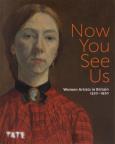
From Tudor times to the First World War, this paperback exhibition book accompanying Now You See Us: Women Artists in Britain 1520–1920 charts these women’s journeys to becoming professional artists.
From Levina Teerlinc, a miniaturist at the court of Elizabeth I, to Laura Knight, the first woman to be elected a member of the Royal Academy after a gap of more than 150 years, women have been a constant presence in the art world, conducting commercially successful careers and exhibiting in public exhibitions.
Against society’s expectations of wives, mothers and daughters, limited to the private domestic sphere, they dared to pursue public careers, and to paint history pieces, battle scenes and the nude, usually regarded as the preserve of men. An examination of figures such as Mary Beale, Angelica Kauffman, Elizabeth, Lady Butler and many more reveals careers very far from the stereotypical view of women as amateur watercolourists, pursuing art as a ladylike accomplishment. Instead, in this exhibition catalogue. they are revealed as professionals who navigated the art world despite being excluded from academy training and art institution membership, and who were determined to succeed despite the obstacles they faced.
In English Female Artists, 1876, Ellen Creathorne Clayton wrote that women artists had ‘left only but faintly impressed footprints on the sands of time’. By looking at what women painted, how their work was received by exhibition critics, what women said themselves about their status in the art world, including their links to campaigns for women’s rights, Women Artists in Britain shines a spotlight on their true legacy and place in art history.
Tabitha Barber is Curator of British Art, 1500–1750 at Tate Britain.
Tim Batchelor is an Assistant Curator at Tate Britain.
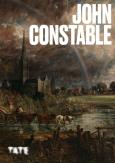
A fascinating introduction to the life and work of John Constable, this book highlights key aspects of his innovative practice and the ways in which he brought a new vivacity to the observation of nature in nineteenth century art.
John Constable (1776–1837) was one of the greatest landscape painters of all time. Inspired by nature and the ever-changing British weather, he dedicated his career to capturing the beauty of the natural world, often painting in the open air and, rather radically, making expressive sketches in oil on the spot. His idyllic, nostalgic depictions of nineteenth-century rural life are iconic: attentive to detail, spontaneous in gesture and bold in their use of colour, they are imbued with a sense of drama and narrative, conveying feelings of happiness and sorrow, love and friendship. But they also have a clarity of expression borne of familiarity: preferring to paint the places he knew and loved, Constable’s landscapes demonstrate an emotional connection, and a true sense of place.
Charting Constable’s remarkable trajectory from his childhood and adolescence in rural Suffolk to his death in London at the age of sixty, this book is the perfect introduction to the life and work of the acclaimed artist. Bringing together a selection of paintings, drawings, sketchbooks and prints from across his career, the introduction book spotlights the influences that shaped his artistic vision, revealing a masterful use of light and colour, and his immense contribution to the landscape tradition.
Gillian Forrester is an independent art historian, curator and writer. She was formerly Senior Curator of Prints and Drawings at the Yale Centre for British Art and specialises in British print culture, with a particular focus on John Constable and J.M.W. Turner.
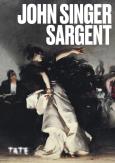
This book is an engaging introduction to the life and work of John Singer Sargent, the most accomplished portrait painter of the late-nineteenth and early-twentieth century.
John Singer Sargent (1856–1925) is one of the most famous painters of his time. The masterful portraits for which he is best known capture not only a remarkable likeness to his sitters, but a sense of identity and personality, an energy and intimacy. Conveyed with deft and fluid brushwork, these portraits are testament to Sargent’s exceptional attention to detail and adept characterisation. But Sargent was much more than a portraitist, as revealed by the beautifully evocative scenes of the places that he visited and the people that he encountered on his extensive travels.
This fascinating book explores the life and work of Sargent, contextualising his practice within the times he lived. Beginning with his cosmopolitan childhood in Europe and studio training in Paris, it charts his rise to fame and establishment as a leading portraitist internationally, up until his final works during the outbreak of the First World War. Touching on his travels, his friendships and the personal connections that influenced his practice, this a true celebration of an extraordinary artist and his paintings, which continue to captivate today.
Elizabeth Prettejohn is a writer, independent curator and Professor of History of Art at the University of York.
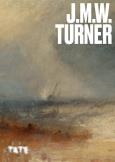
An essential introduction to the life and work of JMW Turner, this book examines his pioneering explorations into oil and watercolours transformed landscape painting.
JMW Turner (1775–1851) is arguably Britain’s greatest painter. An extraordinary and prolific artist of incredible range, his pioneering explorations in oils and watercolours, his innovative use of colour and the proliferation of his work through print media enabled him to forge a stellar reputation in his own time. Yet, his dramatic landscapes, marine paintings and revelatory scenes of industry, war and contemporary life are as captivating to audiences today as they were then.
This book is an essential introduction to the life and work of this influential artist. Tracing Turner’s journey from his modest beginnings and formative years, through to his tours and engagement with the British and Continental landscape, alongside pioneering historical, biblical and classical narrative paintings, it highlights his breathtaking technical skill and deep engagement with his own times. Showcasing an impressive selection of iconic and significant works from across his career, it reveals the enduring power of Turner’s work and the true extent of his artistic genius.
Andrew Loukes is Curator of the Egremont Collection at Petworth House, having previously worked at Tate Britain and Manchester Art Gallery. He is a specialist in British art of the Romantic period and has curated several exhibitions on J.M.W. Turner, along with others on John Constable and William Blake. Andrew is also a former Trustee of Turner’s House.
Ten produkt jest zapowiedzią. Realizacja Twojego zamówienia ulegnie przez to wydłużeniu do czasu premiery tej pozycji. Czy chcesz dodać ten produkt do koszyka?