W tej strefie proponujemy bardzo szeroką ofertę z dziedziny psychologii oraz dziedzin powiązanych: astronomii i astrofizyki, ekologii, filozofii, kultury, podróżnictwa, religii, socjologii, sztuki. Szczególnie polecamy z tej kategorii bestseller pt. Księga Urantii. Księga Urantii podaje jasną i zwięzłą integracją nauki, filozofii i religii. Ci, którzy ją czytali i zgłębiali, wierzą, że Księga Urantii może wnieść bardzo wiele wartości do religijnej i filozoficznej myśli ludzi tego świata.
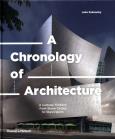
A Chronology of Architecture presents a fresh perspective on the medium by taking a purely chronological approach to its history, tracing the complex links between structural innovations, social changes and artistic interventions. Organized around a central timeline that charts the development of architecture from the earliest structures to present-day skyscrapers and global cities, it features key buildings, together with commentaries and contextual information about the social, political and cultural events of the period in which they were built. Special feature spreads highlight important movements, construction methods and key practitioners.
Covering a wide selection of genres, styles and architects, it is invaluable as a comprehensive guide to architecture in all its different forms.
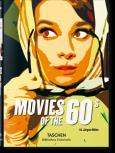
Positioned precariously between the uptight ’50s and the freewheeling ’70s, the 1960s marked a transitional decade in the film industry. As art, mass market, and pop culture merged and collided in true pop art style, cinema swirled with psychedelic energy. This handbook gathers the best films of the era, exploring the making and the mastery of such cinematic star turns as The Leopard, The Birds, Belle de Jour, A Fistful of Dollars, and Doctor Zhivago.
With audiences ever more glued to their TV sets and the loosened rules about what was “permissible” in cinema with the abolition of the Production Code, filmmakers embraced the freedom to explore the possibilities of film as an art form. As was often the case, the Europeans led the way, the French with Nouvelle Vague directors like Godard and Truffaut, and the Italians with such innovative films as Fellini’s 8 1/2 and Antonioni’s Eclipse.
By the mid-’60s the United States also began to exercise greater creative liberties, especially in films from young underground directors such as Russ Meyer, John Frankenheimer, and Sam Peckinpah. Meanwhile, Mary Poppins and The Sound of Music ushered out the grandiose Hollywood musical era with a bang while the Spaghetti Western became an instant phenomenon. Bond, James Bond, first appeared on-screen and Kubrick set new standards for sci-fi with 2001: A Space Odyssey.
Though the term “feminism” may not have been ready for prime time, the decade was also one of major advances in female characterization. From Jane Fonda’s Barbarella to Holly Golightly of Breakfast at Tiffany’s to Bonnie Parker of Bonnie and Clyde, it was the 1960s that saw women on-screen graduate from decorative accessories to complex, kick-ass personas.
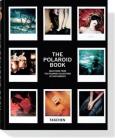
In existence for over 50 years, the Polaroid Corporation's photography collection is the greatest portfolio of Polaroid images in the world. Begun by Polaroid founder Edwin Land and photographer Ansel Adams, the collection now includes images by hundreds of photographers throughout the world and contains important pieces by artists such as David Hockney, Helmut Newton, Jeanloup Sieff, and Robert Rauschenberg. The Polaroid Book, a survey of this remarkable collection, pays tribute to a medium that defies the digital age and remains a favorite among artists for its quirky look and instantly gratifying, one-of-a-kind images.
In the beginning was the word, and in the Middle Ages were kings, princes, and high-ranking religious members whose wealth and influence produced illustrated bibles of extraordinary craftsmanship.
This Bibliotheca Universalis edition brings together 50 of the finest medieval bible manuscripts from the Austrian National Library. With examples from every epoch of the Middle Ages, the collection explores visualizations of the bible in various theological and historical contexts. In impeccable reproduction quality, these stunning images may be appreciated as much as art historical treasures as they are important religious artifacts.
Texts by Andreas Fingernagel, Stephan Füssel, Christian Gastgeber, and a team of 15 scientific authors describe each manuscript in detail, exploring both the evolution of the Bible and the medieval understanding of history. A glossary of important terms is also included so that those not versed in bible history can enjoy the texts as well.
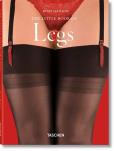
Many loved The Big Book of Legs but some found it just too darn big, weighing in at nearly seven pounds. True, it was packed with shapely legs spanning six decades, from the first shy emergence of the ankle in the 1910s, through the rolled stockings and rouged knees of the 1920s, to the Betty Grable ’40s, the stockinged and stilettoed ’50s, on into the sexually liberated ’60s and ’70s, but it could still put a dent in your own thighs if you sat reading for too long.
Fortunately here at TASCHEN we listen to your groans of agony as well as your moans of ecstasy; thus, the light and portable Little Book of Legs, packing over 100 of the choicest photos from the original volume, as well as 38 new photos, into a compact (and frankly adorable) package. From Betty Grable to Bettie Page, the greatest legs of the 20th Century can be found within, shot by Irving Klaw, Bunny Yeager, and the incomparable Elmer Batters, father of leg art. There are silk and nylon stockings, high heels in abundance, curvy calves, taut thighs, playful toes and towering arches―with no bothersome text to get in the way. Could leg love get any sweeter?
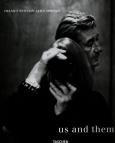
Us and Them is an ode to partnership and art. First published in 1999, it gathers photographs by Helmut Newton and his wife, the actress and photographer June Newton, who worked under the pseudonym Alice Springs. The collection is arranged into five sections, alternating the gaze between Newton and Spring’s own tender internal world of “Us,” and the glamorous encounters of their social and professional milieu—“Them.”
The “Us” sections of the book reveal the pair’s portraits of each other and themselves, as startling in their moments of vulnerability as they are infectious in their episodes of joy. We see the pair pensive, weary, or roaring with laughter. Alice photographs Helmut on set with his models, in the shower, and in stilettos. Helmut captures Alice in the kitchen, in costume, and hanging up the washing in the nude. Along the way, we are alerted to the frailties and intimacies that make up a long-term partnership, which coexisted with the high-voltage glamour for which Newton is renowned. The particular power of the pictures is to locate as much magnetism and beauty in an aging, ailing partner (Helmut in the hospital, Alice adjusting her spectacles), as in the pristine physiques of a Newton fashion shoot.
Ten produkt jest zapowiedzią. Realizacja Twojego zamówienia ulegnie przez to wydłużeniu do czasu premiery tej pozycji. Czy chcesz dodać ten produkt do koszyka?