W tej strefie proponujemy bardzo szeroką ofertę z dziedziny psychologii oraz dziedzin powiązanych: astronomii i astrofizyki, ekologii, filozofii, kultury, podróżnictwa, religii, socjologii, sztuki. Szczególnie polecamy z tej kategorii bestseller pt. Księga Urantii. Księga Urantii podaje jasną i zwięzłą integracją nauki, filozofii i religii. Ci, którzy ją czytali i zgłębiali, wierzą, że Księga Urantii może wnieść bardzo wiele wartości do religijnej i filozoficznej myśli ludzi tego świata.
Rama, legendarny Awatar na zawsze byby tylko literack postaci, bohaterem wielkiego eposu Ramajana, gdyby nie źywa obecno Sathya Sai Baby - Awatara naszych czasłw.Historia Ramy - ""źadna inna opowie nie miaa w historii ludzkoci tak przemoźnego wpywu na umys czowieka"". W niniejszej ksiźce opisane s dramatyczne losy Ramy i jego maźonki Sity. W symboliczny sposłb historia powtarza si dzisiaj, bitwa o przywrłcenie Dharmy czyli prawoci ludzkiego rodu trwa...
Rama, legendarny Awatar na zawsze byby tylko literack postaci, bohaterem wielkiego eposu Ramajana, gdyby nie źywa obecno Sathya Sai Baby - Awatara naszych czasłw.Historia Ramy - ""źadna inna opowie nie miaa w historii ludzkoci tak przemoźnego wpywu na umys czowieka"". W niniejszej ksiźce opisane s dramatyczne losy Ramy i jego maźonki Sity. W symboliczny sposłb historia powtarza si dzisiaj, bitwa o przywrłcenie Dharmy czyli prawoci ludzkiego rodu trwa...
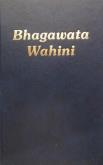
ri Sathya Sai Baba jest autorem siedemnastu ksiźek z serii Wahini, pisanych pierwotnie jako cykl artykułw do czasopisma Sanathana Sarathi (Odwieczny Wonica). Wahini zawieraj esencj nauk Bhagawana Sathya Sai Baby, istot duchowej spucizny Hindusłw, bdc zarazem sednem wszystkich religii i duchowych cieźek.Bhagawata Wahini to Purana Bhagawata, wita ksiga hinduizmu, opowiedziana sowami Sathya Sai Baby. Pena sodyczy i przepojona duchem oddania jest lektur obowizkow dla kaźdego wielbiciela Boga.
ri Sathya Sai Baba jest autorem siedemnastu ksiźek z serii Wahini, pisanych pierwotnie jako cykl artykułw do czasopisma Sanathana Sarathi (Odwieczny Wonica). Wahini zawieraj esencj nauk Bhagawana Sathya Sai Baby, istot duchowej spucizny Hindusłw, bdc zarazem sednem wszystkich religii i duchowych cieźek.
Warszawa. Architektoniczne spacery z dziećmi to książka dla wszystkich, którzy pragną lepiej poznać Warszawę i chcieliby zwiedzić ją z dziećmi.Agata Marchwińska pokazuje, jak planować spacery, żeby w rodzinnym gronie obejrzeć piękne, ciekawe, historyczne albo też nowo powstałe miejsca w mieście, a jednocześnie umiejętnie połączyć to z atrakcjami dla dzieci, takimi jak place zabaw, trampoliny, lodziarnie itd.Stanowiąc zachętę do podziwiania architektury Warszawy rodzinnie i bez ograniczeń wiekowych, książka umiejętnie łączy wiedzę historyczną, architektoniczną i przewodnikową. Mocną stroną publikacji jest przystępny charakter tekstów, a przede wszystkim oryginalny pomysł płynący z pasji autorki oraz jej męża, z zawodu architekta: jak planować ciekawe spacery śladami wspaniałej architektury Warszawy tak, żeby każdy członek rodziny mógł czerpać z nich zarówno wiedzę, jak i przyjemność. Książka jest bogato ilustrowana zdjęciami ukazującymi opisywane miejsca.
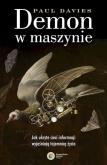
Z tej książki dowiesz się:
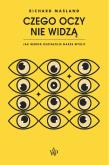
• Czego komputery mogłyby nauczyć się od ptaków?
• Czy świat, który widzimy, istnieje naprawdę?
• Dlaczego w ciągu milisekundy jesteśmy w stanie rozpoznać w tłumie znajomą twarz?
• Czy świat widzimy oczami, czy mózgiem?
Mózg wydaje się najbardziej skomplikowaną strukturą na świecie. Od stuleci ludzie próbują go poznać, zdefiniować, odkryć mechanizmy jego działania. Richard Masland postanowił przyjrzeć mu się pod kątem zmysłu wzroku. I już we wstępie pisze: „świat, który widzicie, wcale nie jest identyczny z tym, który nas otacza!”.
Na pierwszy rzut oka mogłoby się wydawać, że proces widzenia nie jest niczym skomplikowanym. Bodziec wpada do oka, do siatkówki, i uruchamia mózg, a ten przetwarza to na obraz, który widzimy w głowie. Prawda wygląda jednak zupełnie inaczej. Percepcja, sieci neuronowe, przesyłanie informacji pomiędzy poszczególnymi neuronami, różnice między zmysłami wzroku, dotyku, słuchu – to wszystko składa się na fascynującą podróż w głąb ludzkiego umysłu. Przekonaj się, czego oczy nie widzą!
Książki dobre nie tylko w teorii!
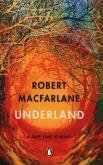
In Underland, Robert Macfarlane takes us on a journey into the worlds beneath our feet. From the ice-blue depths of Greenland's glaciers, to the underground networks by which trees communicate, from Bronze Age burial chambers to the rock art of remote Arctic sea-caves, this is a deep-time voyage into the planet's past and future. Global in its geography, gripping in its voice and haunting in its implications, Underland is a work of huge range and power, and a remarkable new chapter in Macfarlane's long-term exploration of landscape and the human heart.
Ikona polskiej sceny po raz pierwszy o swoim życiu!
Po miażdżącej recenzji w "Przekroju" szesnastoletnia zwyciężczyni opolskich Debiutów prawie zakończyła estradową karierę. Wyrzucona z liceum odnalazła się w studium teatralnym, by już po kilku latach dotrzeć na sam szczyt – jako piosenkarka i jako aktorka. Wróciła do Opola w 1980 roku, aby spektakularnym wykonaniem Wszystko, czego dziś chcę (wraz z Budką Suflera) zapisać się na zawsze w historii polskiej piosenki.
Do dziś pozostaje niekwestionowanym symbolem seksu, choć nigdy nie zgodziła się wystąpić nago przed kamerą – nie zadziałał nawet urok Romana Wilhelmiego w Karierze Nikodema Dyzmy. Jeszcze w szarej PRL-owskiej rzeczywistości stała się ikoną mody i symbolem emancypacji. Po wyjeździe na Zachód, gdy Służba Bezpieczeństwa chętnie rozpowszechniała plotki, że gra tam w filmach pornograficznych, artystka z sukcesem obroniła swoje dobre imię. Po powrocie do kraju przypomniała o sobie milionom Polaków rolą Moniki Ross w serialu Klan.
Rozmowa Leszka Gnoińskiego z Izabelą Trojanowską to nie tylko intrygujący portret fascynującej kobiety, czułej matki i wspaniałej, oddanej fanom artystki, ale także barwna, pełna zakulisowych anegdot oraz towarzyskich skandali opowieść o polskiej piosence, teatrze, filmie, telewizji i modzie, nie tylko z czasów PRL. Książkę uzupełniają nigdy nie publikowane zdjęcia z prywatnego archiwum.
W bogato ilustrowanym albumie opisano wszystkie polskie pasma górskie, zarówno należące do Sudetów, jak i do Karpat, a także usytuowane w centralnej Polsce Góry Świętokrzyskie. Obok wiadomości o geologii, przyrodzie i historii tych terenów zawarto charakterystykę niemal każdego nazwanego zakątka gór od przełęczy przez doliny aż po najwyższe szczyty a także opis najciekawszych okolicznych miejscowości i tras. Wszystkie poszczególne pasma mają inny charakter, odmienny krajobraz, a ich różnorodność sprawia, że każdy znajdzie dla siebie najodpowiedniejszy szlak. Pomagają w tym zamieszczone w opisie proponowanych tras informacje o ich długości, czasie przejścia i przewyższeniu.
Malarka, arystokratka, femme fatale.Tamara Łempicka artystka w pracy i w życiu. Niepokorna, skandalizująca, zafascynowana pięknem ludzkiego ciała. Orędowniczka wolnej miłości i przyjemności życia. Budowała swoją legendę konsekwentnie i bezkompromisowo.Ważniejsza od prawdy była dla niej opowieść tych kilka dodanych szczegółów, które zmieniały to, co nudne, w to, co niepowtarzalne. W końcu żyć to wyróżniać się na tle innych.Czy da się dotrzeć do prawdziwej historii, przedzierając się przez misternie stworzoną legendę? Małgorzacie Czyńskiej udało się uchwycić Tamarę kobietę z krwi i kości, która kochała, pracowała i zmagała się z losem, by trwale zapisać swoje miejsce w historii.Małgorzata Czyńska - pisarka i dziennikarka, historyczka sztuki, kuratorka wystaw. Autorka Metafizycznego haremu i Kobiet z obrazów oraz biografii, m.in. Katarzyny Kobro i Mai Berezowskiej.
Jak tworzyć intrygujące treści? Jak przyciągać uwagę konsumentów do produktu czy współpracowników do pomysłu? Co można zrobić, by budować prawdziwe więzi z ludźmi w kulturze braku cierpliwości i wyobcowania? Twitter pozwala na wpisy o maksymalnej długości 140 znaków. Snapchat daje maksymalnie osiem sekund. Prezentacje TED to osiemnaście minut. Wpisy na blogu Setha Godina, guru marketingu, niemal nigdy nie są dłuższe niż 200 słów. Według magazynu „Fast Company” jedna osoba na cztery rezygnuje z przeglądania strony internetowej, jeśli jej treść ładuje się dłużej niż cztery sekundy. Mamy do czynienia z prawdziwą epidemią braku cierpliwości, a jednocześnie cierpimy na alienację i niedobór uwagi. Na szczęście są sposoby pozwalające pokonać chroniczne rozproszenie uwagi odbiorców. Znajdziesz je w tej książce. Sam Horn, specjalistka z zakresu komunikacji i autorka wielu bestsellerowych książek, przedstawia konkretne techniki pozwalające zainteresować twoich odbiorców i skłonić ich, by odłożyli wszystko na bok i skoncentrowali swoją uwagę na tobie i twoich słowach. Jej ośmioetapowy proces INTRIGUE pokazuje, w jaki sposób przekształcić nudne i przeładowane treścią przekazy w spójną, przekonującą i skuteczną komunikację dwustronną. Horn na bazie konkretnych case studies omawia m.in. innowacyjne sposoby inicjowania konwersacji podczas spotkań networkingowych, wyjaśnia, jak zbudować atmosferę zaciekawienia podczas wystąpienia na scenie czy jak skupić uwagę inwestorów za pomocą krótkiej prezentacji. Jeżeli chcesz skutecznie dotrzeć do kogoś ze swoim przekazem, musisz przygotować interesującą treść, która ZAINTRYGUJE twojego rozmówcę. I (Intro) Wprowadzenie. Zacznij od wstępu, który przykuwa uwagę. Spraw, by ludzie podnieśli brwi ze zdziwienia. N (New) Nowe. Nie wystarczy, by była to prawda – to jeszcze musi być coś NOWEGO. Zadbaj o aktualność informacji. T (Time-Efficient) Właściwe wykorzystanie czasu. Zdobądź zaufanie dzięki efektywnemu gospodarowaniu czasem. Ogranicz długość swoich wypowiedzi. R (Repeatable) Łatwe do powtórzenia. Utwórz hasło, które zapadnie im w pamięć. Chwila przerwy i… uderzenie. Wezwanie do działania ma zawierać rytm, aliterację i rym. I (Interact) Interakcja. Nie ograniczaj się do informowania, wchodź w interakcję. Zbuduj scenariusze, aby ludzie mogli współuczestniczyć i współtworzyć. G (Give) Dawanie. Słuchaj tak, jak chcesz, by ciebie słuchano. Wyjdź ze swojej głowy. Używaj ich języka, zaspokajaj ich potrzeby. U (Useful) Przydatne. Pokaż realne korzyści. Dawaj możliwości, nie rozkazy. E (Examples) Przykłady. Nie opowiadaj historyjek, dziel się przykładami z życia. Spraw, by odbiorcy przejęli się problemem dzięki teleskopowi empatii. Narzędzia modelu INTRIGUE pozwolą ci skutecznie przykuć i utrzymać uwagę odbiorcy: widza, słuchacza, czytelnika. *** Bez względu na to, czy prezentujesz jakiś nowy produkt, prowadzisz prezentację, promocję, czy chcesz kogoś do czegoś przekonać, Sam Horn nauczy cię, w jaki sposób zdobyć uwagę ludzi – i ją utrzymać. Daniel H. Pink, autor książek Drive. Kompletnie nowe spojrzenie na motywację oraz Jak być dobrym sprzedawcą Nawet nie próbuj przygotowywać oferty, propozycji handlowej albo prezentacji bez uprzedniego przeczytania tej książki. Kay Koplovitz, założycielka USA Networks, prezes Springboard Enterprises W dzisiejszym świecie biznesu, w którym obserwujemy coraz mniej zaangażowania, techniki zwiększania zaangażowania pracowników i klientów poprzez koncentrację na ich potrzebach i priorytetach w pierwszej kolejności (…) to obowiązkowe narzędzia każdego lidera. Marshall Goldsmith, autor książki Pozytywne nastawienie, jeden z 50 największych myślicieli biznesowych świata wg magazynu „Thinkers” Wystarczyło dziesięć sekund przeglądania tej książki, bym dał się wciągnąć przykuwającym uwagę historiom opowiadanym przez Sam. To najbardziej praktyczna, inspirująca i dająca się wykorzystać w życiu(!)
"Maria Skłodowska-Curie. Zakochana w nauce” to nowa biografia noblistki. Tomasz Pospieszny sportretował uczoną i jej odkrycia w oparciu o najnowsze badania oraz zupełnie zapomniane lub dotychczas nieznane źródła.
Publikacja zawiera 100 przepięknych, często unikatowych zdjęć. Część z nich dotychczas nie była publikowana.
Autor przeprowadził poszukiwania archiwalne w Warszawie, Krakowie, Katowicach, Wiedniu, Genewie, Sevres, Haarlemie, Londynie, Paryżu, Sztokholmie, Nowym Yorku, Waszyngtonie, Filadelfii, Pasadenie, Marylandzie i Chicago.
Kim jest fanatyk? Komu służy? Kogo nienawidzi?W 1951 roku doker i filozof samouk z San Francisco zadziwił świat, publikując przenikliwą analizę zjawiska ruchów masowych i fanatyzmu politycznego, która prędko zyskała szeroki rozgłos i uznanie środowiska akademickiego oraz trwale wpisała się do kanonu filozofii społecznej. Prawdziwy wyznawca Erica Hoffera po dziś dzień nie stracił na aktualności to dzieło nieodzowne dla rozumienia naszej epoki galopującego populizmu i wojen plemiennych targających życiem społecznym.***Dla większości z nas rzeczą nieodzowną jest dziś uzyskanie pewnego wglądu w motywy i reakcje prawdziwego wyznawcy. Choć bowiem nasz wiek jest wiekiem bezbożnym, jest on radykalnym zaprzeczeniem areligijności. Prawdziwy wyznawca wszędzie jest w natarciu, nawracając zaś i antagonizując innych, kształtuje oblicze świata na swoje podobieństwo. Niezależnie od tego, czy zamierzamy stanąć w szeregu razem z nim, czy przeciwko niemu, powinniśmy poznać wszystko, co poznać zdołamy, w kwestii jego natury i tkwiących w nim możliwości.Eric Hoffer
Odkryj kulisy polskiego Kościoła Za kulisami Kościoła to publikacja, która przenosi czytelnika w fascynujący świat religii i historii. Autor, Szymański Kostka Stanisław, przez lata zgłębiał tajniki życia biskupa Zakrzewskiego, który w czasie II wojny światowej przebywał w Ostrowi Mazowieckiej. Dzięki licznych badaniom, niepublikowanym źródłom oraz relacjom osób z bliskiego otoczenia biskupa, autor odkrywa nieznane dotąd aspekty jego działalności oraz wpływ, jaki wywarł na polski Kościół katolicki.Intrygujące wątki i nieznane fakty W tej książce znajdziesz: Interesujące historie z życia biskupa Zakrzewskiego, które sięgają aż do Watykanu. Analizę sytuacji polskiego Kościoła katolickiego w trudnych czasach II wojny światowej. Wgląd w publikacje akademickie związane z religioznawstwem oraz naukami humanistycznymi. Za kulisami Kościoła to nie tylko literatura religijna, ale również ważny głos w dyskusji o chrześcijaństwie w Polsce. Autor z niezwykłą precyzją i pasją odsłania kulisy, które sprawiają, że obraz Kościoła staje się bardziej złożony i interesujący.O autorze: Szymański Kostka Stanisław Szymański Kostka Stanisław to uznany autor publikacji akademickich, specjalizujący się w naukach humanistycznych oraz religioznawstwie. Jego prace są cenione za rzetelność i głębokość analizy, a także umiejętność łączenia faktów z interesującymi narracjami. W Za kulisami Kościoła autor w sposób przystępny i wciągający ukazuje złożoność życia duchowego w Polsce. Nie czekaj! Przekonaj się, jak wiele tajemnic kryje polski Kościół katolicki i jakie historie ożywają w rękach Szymańskiego Kostki Stanisława. Ta książka to obowiązkowa lektura dla wszystkich zainteresowanych chrześcijaństwem oraz historią Kościoła w Polsce.
Celem niniejszej publikacji jest przybliżenie aktualności przesłania Sekretarki Bożego Miłosierdzia. Siostra Faustyna, sama będąc świętą, ukazała błogosławioną i jedyną drogę do miłosiernego Boga, która prowadzi poprzez zaufanie Jego dobroci. Kluczowym elementem jest zaufanie! Siostra Faustyna pouczyła, że zaufanie zdobywa się czasem powoli, że może ono przychodzić po przysłowiowej grudzie. Zaufać Chrystusowi, który jest Przewodnikiem! Trzeba się zdecydować na pójście za Nim. Życiem człowieka kieruje Bóg, dlatego trzeba się otwierać na Jego zarządzenia. Kiedy człowiek zaufa Panu Jezusowi, zaczyna się dla niego nowe życie. Ufność, o której pisze Faustyna, to była ufność dziecięca, szczera i bezwarunkowa. Faustyna miała świadomość swojej kruchości, dlatego umocnienia szukała u źródła u Jezusa Chrystusa. Jego chciała naśladować, Jemu chciała służyć, Jemu powierzyć całe swoje życie.Jezu ufam Tobie!
Poszukiwanie „brakującego ogniwa”, które może łączyć formy żywe i nieożywione w jednolitą strukturę, doprowadziło do pojawienia się zupełnie nowej dziedziny nauki mieszczącej się na styku biologii, fizyki, informatyki i matematyki. Jest to dyscyplina niosącą w sobie obietnicę nie tylko ostatecznego wyjaśnienia zjawiska życia, ale także otwarcia drogi do zastosowań, które nadadzą nowy kierunek nanotechnologii i doprowadzą do ogromnych postępów w medycynie. Wspólnym pojęciem leżącym u podstaw tej transformacji jest informacja, lecz nie w prozaicznym codziennym rozumieniu znaczenia tego słowa, ale jako abstrakcyjna wielkość, która podobnie jak energia ma zdolność do ożywiania materii. Przeczytaj to, jeśli chcesz zrozumieć, jak zmienia się koncepcja życia - prof. Andrew Briggs, University of Oxford Demon w maszynie to najlepsza książka o fizyce Wielkiej Brytanii w 2019 roku! – Phys.org Paul Davis – brytyjski fizyk, pisarz i publicysta, profesor w Arizona State University w Tempe, dyrektor BEYOND: Centrum Fundamentalnych Idei w Nauceest, laureat Nagrody Templetona. Autor wielu książek, m.in.Kosmiczny projekt (CCPres 2013) i Ostatnie trzy minuty (CCPress 2016)
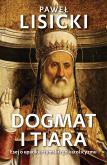
Autorytet Kościoła przejawiał się w tym, że pilnował, zachowywał, przekazywał i chronił Bożą prawdę, i w tym, że potępiał, zwalczał, i skutecznie gromił przeciwne Bożej prawdzie błędy.
Kościół w historii był Kościołem walczącym. Żyć - znaczyło głosić z mocą dogmat i potępiać przeciwne mu argumenty. Jeśli to potępienie miało być realne, a nie abstrakcyjne, musiało też wskazywać z całą mocą na ludzi, którzy te błędy przyjmowali i wyznawali.
Władza, która miała formalne umocowanie w urzędzie papieskim, władza piętnowania błędów stała się pierwszą ofiarą soboru. Jeśli władza nie działa, nie wskazuje, kto jest, a kto nie może być nauczycielem katolickim, zanika autorytet Kościoła i autorytet papieża.
Papieże mogą pozostać medialnymi celebrytami, ale gubią autorytet. Prawda, której byli strażnikami, została zmuszona do milczenia. Dogmat już nie wiąże. Dogmat stał się opinią i poglądem. Nie otwiera bram do Nieba. Nie przenosi poza czas. Zamiast podlegać władzy Boga, świat ulega tyranii doczesności i włącza się w budowę globalnej, lepszej przyszłości.
Dogmat i tiara to książka o porzuceniu dogmatu, o paraliżu zasady dogmatycznej.
O zjawisku, które widać gołym okiem, kiedy jawni heretycy nie tylko są tolerowani,
ale wręcz robią kościelne kariery, kiedy wielu biskupów chce błogosławić czynnych homoseksualistów, a siostry zakonne - bronić aborcji.
Nie da się głosić prawdy wiary bez potępienia jej przeciwieństwa. To relatywizacja aktu wiary. To w istocie subtelna i łagodna forma uśmiercenia dogmatu, coś jak eutanazja.
Nie wystarczy powiedzieć, że Chrystus jest Synem Bożym, zawsze trzeba dodać, że każdy, kto tak nie uważa, jeśli tylko nie znajduje się w stanie nieprzezwyciężonej niewiedzy, błądzi, okazuje Bogu nieposłuszeństwo, lekceważy Boży nakaz. Powiedzieć to pierwsze bez dodania tego drugiego, to nic nie powiedzieć.
Historia obrazów rozpoczęła się w jaskini i tymczasem kończy się na iPadzie. Kto wie, w jakim kierunku pójdzie? - David Hockney.Wyrusz wraz z Davidem Hockneyem i Martinem Gayfordem oraz ilustratorką Rose Blake w podróż po historii obrazów. Wspólnie z nimi odkryjesz dzieła sztuki w zadziwiająco różnych miejscach: na ścianach jaskiń, w laptopach, telefonach, czasopismach, gazetach, grach wideo i książkach. Poznasz także artystów, którzy je stworzyli, na przykład Vincenta van Gogha. Ta książka otworzy ci oczy na świat pełen obrazów.Historia obrazów dla dzieci zabiera czytelników w podróż po historii sztuki, która zaczyna się od pierwszych rysunków na ścianach jaskiń i prowadzi do obrazów tworzonych dzisiaj na ekranie komputera i smartfona. W swobodnej rozmowie wybitny artysta David Hockney i krytyk sztuki Martin Gayford opowiadają o sztuce z porywającą prostotą i jasnością. Ilustracje Rose Blake uzupełniają ich słowa i zachęcają młodych odbiorców do zgłębiania dziejów sztuki.Historia obrazów dla dzieci oparta jest na bestsellerowej Historii obrazów w wersji dla dorosłych.
Ten produkt jest zapowiedzią. Realizacja Twojego zamówienia ulegnie przez to wydłużeniu do czasu premiery tej pozycji. Czy chcesz dodać ten produkt do koszyka?