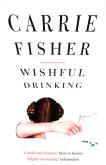
Wishful Drinking is a touching and incisive account of bipolarity, addiction and motherhood.' Independent 'No motive is pure. No one is good or bad - but a hearty mix of both. And sometimes life actually gives to you by taking away.' Carrie Fisher in Wishful DrinkingIn Wishful Drinking, Carrie Fisher told the true and intoxicating story of her life with inimitable wit.
Born to celebrity parents, she was picked to play a princess in a little movie called Star Wars when only 19 years old. "But it isn't all sweetness and light sabres." Alas, aside from a demanding career and her role as a single mother (not to mention the hyperspace hairdo), Carrie also spends her free time battling addiction and weathering the wild ride of manic depression. It's an incredible tale: from having Elizabeth Taylor as a stepmother, to marrying (and divorcing) Paul Simon, and from having the father of her daughter leave her for a man, to ultimately waking up one morning and finding a friend dead beside her in bed.
Carrie Fisher's star-studded career included roles in numerous films such as The Blues Brothers and When Harry Met Sally. She was the author of four bestselling novels, Surrender in the Pink, Delusions of Grandma, The Best Awful and Postcards from the Edge, which was made into a hit film starring Shirley MacLaine and Meryl Streep. Carrie's experience with addiction and mental illness - and her willingness to talk honestly about them - made her a sought-after speaker and respected advocate.
She was truly one of the most magical people to walk among us. Further praise for Carrie Fisher:-[Shockaholic] is the finest, funniest chronicler of the maddest celebrity mores.' Sunday Times'Fisher has a talent for lacerating insight that masquerades as carefree self-deprecation' Los Angeles Times'She is one of the rare inhabitants of La-La Land who can actually write' New York Times
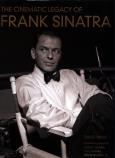
In a film career spanning more than five decades, Frank Sinatra proved to be a roulette wheel of constantly spinning talent, the likes of which Hollywood has rarely seen. Film history is filled with stars created by the studio system. Occasionally, however, a performer emerged who, against all preconceived odds of what a star should be or look like, knocked down the walls of convention by becoming nothing other than what they already were. Frank Sinatra was the embodiment of this fundamental truth. The legacy of his work stands apart from many of his contemporaries, who essentially based their performances on an extension of a core character type. Sinatra, however, was able to take his signature persona and translate it successfully into many film genres-first as the comedic song-and-dance man, then as the dramatic actor and romantic lead, and finally as the tough guy and action hero. Sinatra also respectfully challenged contemporary ideals of acting technique. While being humble enough to learn from his peers, he kept his acting style fresh and instinctual, and earned an Oscar at a time when many actors were either classically trained or coached in the "Method."
In The Cinematic Legacy of Frank Sinatra, author David Wills presents a stunning collection highlighting the work of one of Hollywood's greatest stars in roles as varied as those in the classics Anchors Aweigh, From Here to Eternity, Suddenly, Guys and Dolls, The Man With the Golden Arm, Ocean's 11, The Manchurian Candidate, Von Ryan's Express, and The Detective. Pairing more than two hundred first-generation photos with reflections on Sinatra from costars and work associates, and including contributing essays by his children Nancy Sinatra, Tina Sinatra, and Frank Sinatra, Jr., it is an unforgettable showcase of the actor's transformation from world-famous singer, to movie star, to Academy Award winner, and finally to one of the most enduring icons in cinema history.
The most comprehensive and definitive biography of Muhammad Ali that has ever been published, based on more than 500 interviews with those who knew him best, with many dramatic new discoveries about his life and career.
Nieplanowane to nie jest zwykły film. To iskra, która na naszych oczach staje się zarzewiem buntu przeciwko kulturze śmierci. Iskra, która burzy spokój ludzi zachodniego świata. Iskra, która pali sumienie. Czy ta iskra wznieci rewolucję dla życia? Wiele zależy od nas. Czy będziemy chcieli ją rozniecić? Do tego zachęca ta książka... Autorzy pragną przybliżyć i odkryć czytelnikom historię Nieplanowanych, by mogli jeszcze skuteczniej korzystać z dobra, które niesie film i historia Abby Johnson. Pozwoli to bardziej emocjonalnie podejść do tego dzieła i poruszanej przez niego tematyki, uwierzyć w jego siłę i przekonać się, że warto nieść go dalej: do rodzin, przyjaciół, znajomych, szkół, wspólnot, by w rezultacie wywalczyć zmianę myślenia co do wartości życia. Wśród autorów książki znaleźli się między innymi bohaterowie Nieplanowanych: Abby Johnson oraz Shawn Carney, szef organizacji pro-life, który mówi, jak ta historia była widziana zza płotu kliniki aborcyjnej. Szczególną opowieścią dzieli się także Cary Solomon, scenarzysta i reżyser filmu. Przedstawiamy kulisy produkcji i wprowadzenia jej na polski rynek. Pokazujemy „od kuchni”, na jakie trudności napotkali twórcy i dystrybutorzy. Odsłaniamy motywy i postawy bohaterów. Prezentujemy również poruszające świadectwa widzów, których film wyrwał z wygodnej bierności i zachęcił do zaangażowania się po stronie życia.
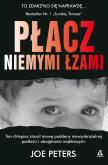
ROZDZIERAJĄCA SERCE, PRZERAŻAJĄCA PRAWDZIWA HISTORIA
Chłopiec jest torturowany przez matkę, braci i otoczenie. A świat pozostaje niemy…
Kiedy Joe był mały, tata chronił go przed okrucieństwem matki, która biła go, wyzywała, raz przytknęła mu gorące żelazko do ręki, raz chciała wyrzucić go przez okno…Kiedy Joe miał pięć lat, ukochany ojciec zginął w płomieniach na jego oczach. I Joe stracił mowę.Odtąd matka mogła już być bezkarna... Kazała mu spać na podłodze w pokoju sadystycznych braci, jeść pod stołem resztki z podłogi.Niebawem wtrąciła go do ciemnej, zimnej, cuchnącej piwnicy. Głodny, niemyty i codziennie bity przez matkę spędził tam trzy lata…Kiedy Joe miał siedem lat, pojawił się przyjaciel matki. Mężczyzna gwałcił chłopca na oczach matki. Chłopiec krwawił, cierpiał, ale nie mógł nie tylko mówić, ale nawet krzyczeć.Ale najgorsze miało dopiero nastąpić…
Ta wstrząsająca historia niesie pomimo wszystko nadzieję: katowany, molestowany chłopiec znalazł siłę, by przezwyciężyć niemożliwą wręcz podłość i obojętność ludzi i odzyskał mowę. Teraz mówi w imieniu dzieci wykorzystywanych seksualnie, prowadząc własną fundację.
Historia jego dzieciństwa Płacz niemymi łzami pozostawała przez wiele tygodni w Anglii bestsellerem numer 1.
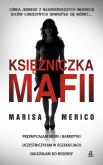
Szokująca historia życia w mafijnej rodzinie.Przemycałam broń i narkotyki. Uczestniczyłam w egzekucjach. Należałam do Rodziny. Córka jednego z najgroźniejszych włoskich ojców chrzestnych odważyła się mówić Choć wiedziała, że wydaje na siebie wyrok śmierciJest córką Emilio Di Giovine skazanego za 100 popełnionych na całym świecie najcięższych przestępstw, byłą żoną Bruno Merico, prawej ręki Emilio, odpowiedzialnego za krwawe wojny gangów z Sycylii, Kalabrii i Mediolanu. Przez kilkanaście lat przemycała pieniądze, broń i narkotyki warte miliony. Widziała mafijne egzekucje. Ale pewnego dnia zrozumiała, że jeśli sama chce przeżyć, musi uciekać.W tej książce złamała najświętszą zasadę Cosa Nostry zasadę milczenia, żeby opowiedzieć swoją niezwykłą historię: dziewczyny z angielskiego miasteczka, która została księżniczką mafii. Kiedy trzynastoletnia Marisa poznała swojego ojca, była nim zachwycona. Dla niej Emilio DiGiovine był wspaniały, czarujący i kochający. Dla reszty świata brutalny i bezwzględny. Wiedziała, że zrobi dla niej wszystko, ale nie spodziewała się, jak wiele zażąda w zamian... Porzuciła spokojne życie w Blackpool, gdzie mieszkała z matką Angielką, żeby wrócić do ojca, do Mediolanu. Nie miała pojęcia, że wkracza do najpotężniejszego imperium narkotyków, broni i prania brudnych pieniędzy. Kiedy zakochała się w najbardziej zaufanym żołnierzu ojca, Emilio uznał, że jest gotowa poznać prawdę o rodzinnym biznesie. Wkrótce wciągnęła ją brutalna i mroczna machina przestępczej działalności rodziny... Dziś Merissa Merico mieszka w Anglii z dwojgiem swoich dzieci i patrząc na nią, trudno uwierzyć, że zasłużyła sobie wśród policji na przydomek Bankier mafii. Że kiedy posypały się aresztowania w rodzinie, odmówiła zeznań i została skazana na cztery lata więzienia. I że kiedy zdecydowała się mówić, wydano na nią wyrok
Wielokrotnie w polskim życiu publicznym pojawiała się postać zaangażowanego twórcy kultury, wkraczającego na scenę polityczną z autorytetem wywodzącym się ze świata symboli, idei i intelektu. Występując - najczęściej w gronie sobie podobnych - upominał się on o charakterystyczne dla tego świata wartości, łącząc tym samym dwa przeciwstawne sobie wymiary, konstytuujące tożsamość intelektualisty: polityczną czystość i zaangażowanie, tj. kulturę i politykę. Sygnowany zbiorowo list otwarty, jako narzędzie kolektywnej interwencji politycznej, autor tej pracy uznaje za najbardziej specyficzny sposób "wyrażania siebie" czyniony przez intelektualistów, jako świadectwo ich zaangażowania. Listy te jednak są nie tylko zwykłymi protestami, apelami w obronie określonych osób czy instytucji, manifestami dopominającymi się o prawa obywateli lub o wykonywanie obowiązków przez władze, ale są narzędziami walki o idee, o uprawomocnienie określonych wizji świata. Intelektualiści nie tworzą jednorodnej grupy walczącej o wartości uniwersalne. Ta uniwersalność, o którą walczą, okazuje się mieć bardzo różne odcienie. Krytycyzm zaś i symboliczny sprzeciw stają się czasem nie tyle lub nie tylko świadectwem odwagi cywilnej, ale i aktem lojalności towarzyskiej tych (nie)pokornych twórców.
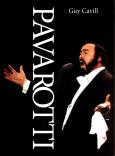
Luciano Pavarotti odwiedził większość wielkich miast świata. Znaczną część roku spędzał z dala od ukochanych Włoch, występując jako solista w operach, dając charytatywne koncerty bądź recitale lub biorąc udział w trasach promujących nowe płyty. Podczas każdej z takich wypraw z tęsknotą myślał o rodzinnej Modenie, mieście, które nigdy nie straciło dla niego uroku i którego nigdy nie przestał uważać za swój dom. Czy chodziło o okoliczny pejzaż, lokalne jedzenie, wino, a może przyjaciół z dzieciństwa? Tak czy inaczej, Modena stanowiła integralną część jego życia, a myśl o wyprowadzce była równie mało prawdopodobna, jak zrzeczenie się włoskiego obywatelstwa.
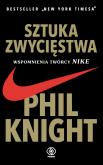
Bestsellerowe wspomnienia twórcy NIKE.Firmy Nike nie trzeba nikomu przedstawiać - to jeden z najpotężniejszych graczy na rynku odzieży, obuwia i sprzętu sportowego, z roczną sprzedażą rzędu 30 miliardów dolarów. Nie każdy jednak wie, kim jest Phil Knight - człowiek, który stworzył tę markę za garść dolarów pożyczonych od ojca, a potem przez dziesięciolecia kształtował jej potęgę. Jego wspomnienia są fascynującą podróżą w czasie i zaskakująco szczerą, intymną opowieścią o tym, jak realizować marzenia. Knightowi dopisało szczęście: jak większość młodych ludzi, krótko po studiach nie miał szczegółowego planu na życie, ale miał swój Szalony Pomysł. Kochał bieganie i czuł, że nie będzie szczęśliwy, jeśli nie zwiąże kariery zawodowej z pasją. I właśnie o tym, jak zmienić zamiłowanie do sportu w niewyobrażalny sukces komercyjny, opowiada ten pamiętnik - zaskakujący, skromny, niefiltrowany, zabawny i pięknie napisany.To wspaniała, amerykańska opowieść o szczęściu, determinacji, znajomości rzeczy oraz magicznej alchemii, która połączyła grupkę ekscentryków, twórców sukcesu Nike. To, że odnieśli sukces, jest cudem, bo - jak dowiedziałem się z tej książki - choć jako naród cenimy sobie wolność gospodarczą, to jednocześnie jesteśmy niezrównani w jej tłamszeniu. To, co Phil Knight ma do powiedzenia na temat przedsiębiorczości oraz przeszkód, które trzeba pokonać na drodze do sukcesu, jest wręcz bezcenne. Trudno zliczyć zakładki, które zostawiłem między stronicami tej książki. - Abraham Verghese, autor Powrotu do Missing, bestsellera z listy New York TimesaByłem jeszcze dzieciakiem, gdy po raz pierwszy spotkałem Phila Knighta, ale tak naprawdę poznałem go dopiero teraz, gdy przeczytałem tę piękną, przejmującą, intymną opowieść. To samo mogę powiedzieć o Nike - z dumą nosiłem stroje tej firmy, ale nie miałem pojęcia, że za popularnym symbolem zwanym swoosh kryje się tak niezwykła historia ludzkiej pomysłowości, woli przetrwania oraz triumfu. Szczery, zabawny, trzymający w napięciu, prawdziwie literacki - oto pamiętnik dla ludzi, którzy kochają sport, lecz nade wszystko dla tych, którzy kochają pamiętniki. - Andre Agassi, tenisista, jego autobiografia Open stała się bestsellerem New York Timesa
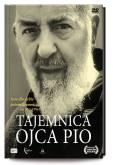
Sam dla siebie jestem tajemnicą. św. Ojciec PioŚwięty Ojciec Pio, jeden z największych świętych w historii Kościoła, na wielkim ekranie.O św. Ojcu Pio wiele już napisano i powiedziano. Czy są jeszcze fakty, które powinny ujrzeć światło dzienne? Taką tematykę porusza/Tajemnica Ojca Pio. /W filmie nakręconym w konwencji dziennikarskiego śledztwa widz towarzyszy głównemu bohaterowi krok w krok.Reżyser Jose Maria Zavala w swoim obrazie zebrał niepublikowane dotąd dokumenty, zeznania świadków życia świętego, jego duchowych dzieci oraz osób, które doświadczyły nawrócenia i uzdrowienia, oraz zdjęcia, nagrania i wypowiedzi współbraci z San Giovanni Rotondo. Podąża śladami Ojca Pio od dzieciństwa aż do śmierci i kanonizacji. W filmie usłyszymy autentyczny głos świętego i zobaczymy wiele nagrań z jego codziennego życia w klasztorze, a nawet z ekshumacji.Ten znany z surowości zakonnik był pełen radości, poczucia humoru, a przede wszystkim wypełniony miłością do Boga i ludzi. Po obejrzeniu tego materiału nikt już nie będzie miał wątpliwości, że najwyższą wartością dla niego była miłość i dla niej był gotów wiele wycierpieć. Wypowiedzi świadków ukazują ogrom prób, jakim święty został poddany: oszczerstwa i poddawanie w wątpliwość stygmatów, podsłuchy zakładane nawet w konfesjonale, posądzanie o kontakty z kobietami; ogromne prześladowania nawet ze strony osób związanych z Kościołem.Piękna muzyka, unikatowe zdjęcia i nagrania, świadectwa nawróceń i niewytłumaczalnych medycznie uzdrowień oraz autentyczny głos Ojca Pio sprawia, że widz dotyka świętości.
"Bez Boga da się żyć. Życie bez Boga jest możliwe i bardzo wielu ludzi żyje bez Boga. Tylko, że to jest życie nieszczęśliwe, to jest życie umarłego."
Rekolekcje wygłoszone przez dwóch ewangelizatorów, a zarazem Misjonarzy Miłosierdzia w czasie jednego z kilku zaplanowanych spotkań w ramach nowego projektu Grupy Profeto. Dialogując w sposób lekki, ale nie powierzchowny, prowadzą do spotkania słuchaczy z Bożym Miłosierdziem w sakramencie spowiedzi. Opowiadając ewangeliczne historie, odkrywają niesamowity dar Bożego przebaczenia, który prowadzi do nawrócenia serca i uzdrowienia wewnętrznego.
ks. Michał Olszewski - sercanin, rekolekcjonista, ewangelizator. Autor wielu książek, inicjator założenia Grupy Profeto.
o. Michał Legan - paulin z Jasnej Góry, kierownik Katedry Teologii mediów Uniwersytetu Papieskiego JPII w Krakowie, autor książek, rekolekcjonista
W 1968 r. dziewięciu żeglarzy wyruszyło w najbardziej w szalony wyścig mieli okrążyć kulę ziemską w pojedynkę, bez przerwy w czasach, w których nie istniały jeszcze telefony komórkowe i łączność satelitarna. To był pierwszy taki wyczyn w historii żeglarstwa. Zawodom Golden Globe Race patronował brytyjski dziennik Sunday Times, który na bieżąco opisywał zmagania zawodników. Po dziesięciu miesiącach tylko jeden z nich przekroczył linię mety, zdobywając sławę i bogactwo. Dla innych nagrodą było szaleństwo, porażka, a nawet śmierć. Ta książka opowiada o ludziach kierowanych własnymi marzeniami i ich demonach, o przerażających burzach na Oceanie Południowym oraz o tych porywających momentach, w których podejmowana w ułamku sekundy decyzja oznaczała życie lub śmierć.
To po raz pierwszy publikowane rozmowy bliskich przyjaciół i znajomych Agnieszki Osieckiej, z których wyłania się niezwykły obraz jej nietuzinkowej osobowości. O jednej z najwybitniejszych polskich artystek opowiadają m.in. Olga Lipińska, Hanna Bakuła, Maryla Rodowicz, Magda Umer, Krystyna Janda, Daniel Passent i Jerzy Satanowski. Każda z tych osób tworzy osobisty portret genialnej przyjaciółki. Z rozmów na temat Osieckiej wyłania się postać pełna sprzeczności: delikatna i okrutna, namiętna i nieczuła, bujająca w obłokach i materialistka, radosna i popadająca w stany depresyjne. Każdy z przyjaciół zapamiętał ją trochę inaczej. Dla każdego miała inną twarz. „Była jak lustro, w którym odbija się świat ze wszystkimi jego barwami i emocjami. Kiedy po jej śmierci to lustro rozpadło się na tysiące kawałeczków, każdy z nas zachował swój kawałek i widzi Agnieszkę w taki sposób, w jaki sam postrzega świat. Każdy z nas opowie inną historię”.
Zbeletryzowana biografia jednego z najbardziej znanych artystów stworzona przez mistrza pióra.Żaden artysta nie zapłacił tak wysokiej ceny za swój niezwykły dar, żadnego też pasja tworzenia nie pozbawiła tak bezlitośnie możliwości zaznania zwykłego ludzkiego szczęścia. Vincent van Gogh. Malarz geniusz, którego krótkie życie było nieustanną walką z ubóstwem, niemocą, szaleństwem i rozpaczą, wkrótce po śmierci został uznany za jednego z największych artystów w historii.Ekscytujący Paryż postimpresjonistów i wnikliwa rekonstrukcja drogi twórczej van Gogha.
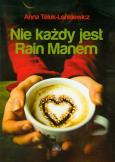
Prawdziwa historia matki, wychowującej autystycznego syna, której los nie szczędzi wyzwań. Niepewna rola rodziny, związki z mężczyznami, dla których codzienność okazuje się zbyt wielkim ciężarem, szkoła, na której wsparcie nie można liczyć i przyjaciele, którzy z czasem zmieniają się w dalekich znajomych.
Bohaterka zmaga się z chorobą syna, samotnością, depresją, problemami finansowymi... Syn pochłania wiele energii, a ją dręczą wyrzuty sumienia, że nie poświęca dość czasu i uwagi pozostałym trojgu dzieciom, których potrzeby i problemy - dopóki nie osiągną punktu krytycznego - zdają się blednąć przy otchłani lęków autystycznego Kamila.
Nie każdy jest Rain Manem to wzruszająca opowieść o potędze matczynej miłości, która trwa wbrew wszystkim i wszystkiemu. To również wnikliwe i pełne zrozumienia spojrzenie na pozornie niezrozumiały świat autyzmu, w którym uwięziona jest bliska osoba.
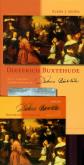
Książka dzieli się na trzy części: pierwsza zajmuje się życiem Buxtehudego, jego młodością w Danii i życiem w Lubece; druga - prezentuje jego dzieła muzyczne: wokalno-instrumentalne, na instrumenty klawiszowe oraz sonaty na instrumenty smyczkowe. Część trzecia poświęcona jest źródłom, możliwym datom powstania poszczególnych utworów oraz praktyce wykonawczej.
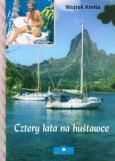
Jak odwiedzić dziesiątki tropikalnych wysepek, zamieszkiwać na ostatnich już bezludnych wyspach, docierać do niemalże każdego miejsca globu, o jakim się zamarzyło, przyzwyczaić się do towarzystwa rekinów podczas kąpieli i wielorybów w czasie popołudniowej herbatki we dwoje, a delfiny traktować jak najlepszych towarzyszy podróży?
Jak znaleźć przyjaciół, którzy nie opuszczą Cię w biedzie, choć pochodzą z różnych kontynentów, odrębnych kultur, a czasem nawet z innych epok historycznych? Jak korzystać z uroków najatrakcyjniejszych miejsc na świecie, na których odwiedzanie stać tylko najbogatszych i spędzić długie wakacje w pięknych, nietkniętych cywilizacją zakątkach, do których nawet im trudno jest dotrzeć? I jak to wszystko osiągnąć, nie będąc milionerem? Ba, jak żyjąc w ten sposób całymi latami, wydawać śmiesznie małe pieniądze, które w normalnych warunkach wystarczają na zaspokojenie wyłącznie najbardziej podstawowych potrzeb? Odpowiedź jest prosta: trzeba żyć na huśtawce!
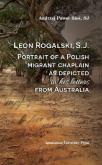
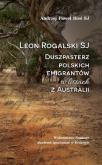
One hundred and fifty years ago, on 20 March 1870, a 40-year-old Polish priest set foot on Australian soil in Melbourne, marking the end of the period of his dynamic life devoted to pastoral care in continental Europe and the beginning of a new period in pioneering conditions of the still impenetrable Southern Land, a period filled with hope, unpredictable challenges, and unexpected difficulties. He came to the remotest – from a central European perspective – corner of the globe not because of a mid-life crisis, nor in search of exciting adventures among exotic landscapes and animals, nor even because of the curiosity of a researcher exploring new territories on the edges of the known world. He came to Australia perfectly aware that he would never leave, with a clearly defined purpose: to provide pastoral care to Australian migrants who spoke Polish and prayed in Polish. Fortunately, some of the letters he wrote to his religious superiors and relatives in Poland survived. This correspondence gives us a unique opportunity to glimpse the beginnings of pastoral care offered to Australian migrants through the eyes of its pioneer, initiator and executor.
From Introduction to the book
Fr. Leon Rogalski, S.J. He was born on 8 April 1830 in the district of Ternopil (Poland), became ordained in 1855, and joined the Jesuit Order in 1861. In 1869 he was sent on a mission to South Australia to provide pastoral care to the Poles who settled there. After his arrival, he offered his pastoral services not only to Polish but also German and Irish settlers living in the Clare Valley and the surrounding areas. He passed away on 3 June 1906 and was buried in the crypt at St. Aloysius' Church in Sevenhill.
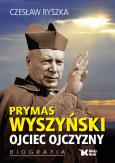
W czasach komunistycznego sztormu stanął za sterem łodzi polskiego Kościoła. Bohatera tej książki, Prymasa Tysiąclecia, wyróżniały siła moralna, odwaga i upór, co pozwalało mu nawet w więzieniu trwać niezłomnie w decyzjach głęboko przemodlonych i przemyślanych. Żył i posługiwał w czasach dwóch totalitaryzmów – najpierw niemieckiego narodowego socjalizmu, a potem sowieckiego komunizmu, które zaciekle zwalczały Boga i katolicką wiarę. Wobec inwigilacji, prowokacji, przesłuchań i uwięzienia, Prymas Tysiąclecia pozostał nieugięty w służbie Bogu i Ojczyźnie. Wzór ojcostwa otrzymał najpierw ze szczęśliwego rodzicielskiego domu, a potem starał się naśladować ojcostwo samego Stwórcy – wobec braci kapłanów, biskupów, wszystkich rodaków. Wziął też niewątpliwie wzór ze swego poprzednika na prymasowskiej stolicy, o którym z podziwem mówił: „Tak często radowałem się myślą, że w niezwykle trudnej sytuacji Kościoła w Polsce błogosławieństwem jego jest Sternik, pewną dłonią prowadzący poprzez męki. Człowiek czuł się dziwnie spokojny w pobliżu prymasa Hlonda”. Dziś można powiedzieć: „Człowiek czuł się dziwnie spokojny w pobliżu Prymasa Polski Stefana Wyszyńskiego”. Nauczał „tak, tak; nie, nie”, wychowywał nie tylko do miłości Boga i bliźniego, ale także do patriotyzmu. Swoim postępowaniem dawał przykład, troszczył się, prowadził i bronił. Brał na siebie odpowiedzialność, której się nie bał. W tej bardzo bogatej biografii znakomity pisarz (autor przeszło 80 książek!) Czesław Ryszka ukazuje nam fascynującą postać Sternika Kościoła w przeróżnych aspektach, od nauczyciela po męża stanu. Od narodzin do dnia śmierci, ale i po niej, bo opisuje przejawy kultu, który doprowadził tego wielkiego pasterza i Polaka ku chwale ołtarzy. W tle opowieści mamy cały czas współczesną historię i wielkie jej postaci ze św. Janem Pawłem II na czele. Nie brak opisów wydarzeń mało znanych a dramatycznych. Książka „Prymas Wyszyński. Ojciec Ojczyzny” to kompendium wiedzy tak o bohaterze książki, jak i jego epoce, wzbogacone 189 dokumentalnymi zdjęciami; prawdziwy niezbędnik w obliczu beatyfikacji Prymasa Tysiąclecia.
Przed 150 laty, 20 marca 1870 roku polski kapłan i zakonnik Leon Rogalski stanął na australijskiej ziemi w Melbourne, zamykając blisko czterdziestoletni etap swego dotychczasowego, dynamicznego i oddanego posłudze wiernym życia na "starym kontynencie", aby rozpocząć nowy okres, pełen nadziei, nieprzewidywalnych wyzwań, zaskakujących trudności, w pionierskich warunkach wciąż jeszcze nieprzeniknionych antypodów... Udał się w najodleglejszy – z perspektywy środkowej Europy – zakątek globu nie z powodu kryzysu wieku średniego, ani w poszukiwaniu ekscytujących przygód wśród egzotycznych plenerów i zwierząt, ani nawet kierowany ciekawością badacza eksplorującego nowe tereny na granicach poznanego świata. Przypłynął do Australii ze świadomością, że już jej nie opuści, w jasnym, ściśle określonym celu – aby otoczyć duszpasterską opieką przybywających tu migrantów, mówiących i modlących się w języku polskim. Szczęśliwie przetrwały niektóre jego listy pisane do przełożonych zakonnych i bliskich pozostałych w kraju. To dzięki tej korespondencji mamy dziś wyjątkową możliwość spojrzenia na początki etnicznego duszpasterstwa emigracyjnego w Australii oczami jego prekursora – inicjatora i realizatora.
Ze Wstępu do książki
Leon Rogalski SJ – urodzony 8 IV 1830 r. w powiecie tarnopolskim, w 1855 r. przyjął święcenia kapłańskie, a w 1861 r. wstąpił do Towarzystwa Jezusowego. W 1869 r. został wysłany do Australii, gdzie otoczył opieką duszpasterską polskich, niemieckich i irlandzkich osadników w Clare Valley i okolicach. Zmarł 3 VI 1906 r. i pochowany został w krypcie kościoła św. Alojzego w Sevenhill.
Ten produkt jest zapowiedzią. Realizacja Twojego zamówienia ulegnie przez to wydłużeniu do czasu premiery tej pozycji. Czy chcesz dodać ten produkt do koszyka?





![Okładka książki Prezydent. Aleksander Kwaśniewski w rozmowie z Aleksandrem Kaczorowskim [wydanie 2025]](https://dobreksiazki.pl/Photos/7/SMALL/000080/prezydent-aleksander-kwasniewski-w-rozmowie-z-aleksandrem-kaczorowskim-wydanie-2025.jpg "Prezydent. Aleksander Kwaśniewski w rozmowie z Aleksandrem Kaczorowskim [wydanie 2025]. Autor: Aleksander Kwaśniewski, Kaczorowski Aleksander. Dobreksiazki.pl")


