Do tego działu zapraszamy wszystkich czytelników bo zdrowie ważne jest dla każdego z nas. Polecamy szeroki wachlarz publikacji, poradników, podręczników znanych autorów, którzy cenią sobie zdrowy styl życia i dbają o siebie. Proponujemy mnóstwo poradników i książek kulinarnych, z których dowiemy się jak przygotować smaczne i zdrowe posiłki, pełne zdrowych warzyw i błonnika. Dowiemy się jak prawidłowo się odżywiać z zachowaniem zasad zdrowej diety. Porady naturoterapeutów, różne terapie, diety, ćwiczenia oraz system leczenia dietą bezśluzową, ogólnie szkoła zdrowia. Diety oczysczające, głodówki, posty i diety surowe, warzywne, sokoterapie. Znani i cenieni autorzy zdrowotnych książek: Mariusz Budrowski i Agnieszka Juncewicz, Hulda Clark, Matthias Rath, Magdalena makarowska, Arnold Ehret, Anna Ciesielska, Michał Tombak, Walter Last, Borys |Bołotow, Iwan Nieumywakin, Andreas Moritz i wielu innych.
Proste triki i rytuały!Dziesiątki słoiczków z kremami, niezliczone kosmetyki do makijażu, kolejne kosztowne zabiegi w salonach piękności czy naprawdę potrzebujesz tego wszystkiego, by wyglądać olśniewająco?Autorki mówią: sprawdzam i z pomocą ekspertów oceniają, na co nie tracić pieniędzy ani czasu.Ile kremów do twarzy naprawdę potrzebujesz?Jak maksymalnie uprościć codziennie rytuały pielęgnacyjne?Jak ekspresowo zadbać o cerę?Jak stworzyć mądrą strategię anti-aging?Kiedy i dlaczego zdecydować się na zabiegi medycyny estetycznej?Jak dbać o włosy i co zrobić, gdy trafi ci się bad hair day?Jak kupować i nie marnować?Jakie kosmetyki wybierać, by dbać nie tylko o siebie, lecz także o środowisko?Wyskoczyła ci krostka na czole?Masz 3 minuty?Dodaj odrobinę wody do rozgniecionej tabletki aspiryny i nałóż na krostkę.Masz 15 minut?Zrób sobie maseczkę oczyszczającą, np. z wyciągiem z korzenia lukrecji.Masz wolne popołudnie?Wybierz się do gabinetu na zabieg mikrodermabrazji korundowej, który doskonale oczyści skórę twarzy.
Głodziłam się. Potem jadłam bez umiaru. Wymiotowałam. Ćwiczyłam ponad siły. I coraz bardziej siebie nienawidziłamZachorowałam na bulimię jako młoda dziewczyna. Ta choroba długo panowała nade mną, a próby zmiany życia kończyły się przegraną. Dopiero po dziesięciu latach udało mi się wyzdrowieć. Dziś dzielę się osobistym doświadczeniem i pomagam jako terapeutka osobom z zaburzeniami odżywianiaJak rozpoznać pierwsze symptomy niechęci do własnego ciała?Jak nie pozwolić, by przekształciła się w nienawiść?Jak przestać się oszukiwać i ukrywać objawy choroby przed sobą i innymi?Jak sobie pomóc?Jak pracować nad wewnętrzną siłą i poczuciem własnej wartości?Po czym poznać, że ktoś cierpi na bulimię?Ta książka to wyjątkowe połączenie szczerego, chwilami bezlitosnego dziennika bulimiczki z głęboką wiedzą na temat choroby i skutecznymi ćwiczeniami. Przeczytaj, by pomóc bliskiej osobie. Lub sobie samej. Zamień autodestrukcję na zdrowe sposoby dbania o swoją psychikę i ciało.Książka, z którą powinien się zapoznać rodzic każdej nastolatki!
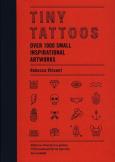
‘Rebecca Vincent is a genius. I’ll be tattooed by no one else.’ – Sali Hughes
Tiny tattoos are big news. With celebrities showcasing them on social media (step forward Kendall Jenner, Hailey Baldwin and Bella Hadid), micro tattoos are a major trend.
This sourcebook of 1000 mini works of art, in a range of styles and carefully-organized subjects, is curated by talented tattooist and insta-star Rebecca Vincent.
A source of inspiration for tattoo artists or for anyone browsing for a foray into ink.
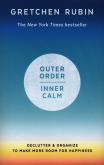
In the context of a happy life, a messy desk or a crowded wardrobe is a trivial problem - yet Gretchen Rubin found that getting control of our stuff makes us feel more in control of our lives.
Ask yourself: DO I NEED IT? DO I LOVE IT? DO I USE IT?
With 150 concrete clutter-clearing ideas, insights, strategies, and sometimes surprising tips, Gretchen tackles the key challenges of creating outer order by explaining how to 'make choices', 'create order', 'know yourself', 'cultivate useful habits' and, of course, how to 'add beauty'.
At home, at work, and in life, when we get our possessions under control, we can create a more serene environment. With a sense of fun, and a clear idea of what's realistic for most people, Gretchen suggests dozens of manageable steps to help us achieve the lives we yearn for.
Druga część trzyczęściowego podręcznika do nauki gry w szachy przeznaczona dla tych adeptów, którzy już opanowali zasady gry i umieją rozegrać partię szachową. Autorzy, wykorzystując swoje wieloletnie doświadczenie w pracy z dziećmi i młodzieżą, stopniowo wprowadzają czytelnika w tajniki strategii i taktyki oraz w sposób rozgrywania debiutów i końcówek szachowych. Książka ma układ 36 lekcji kończących się zadaniami do samodzielnego rozwiązania. Dzieci w wieku przedszkolnym i wczesnoszkolnym w przyswojeniu materiału będą potrzebować pomocy nauczyciela lub rodzica.
Trawienie to jeden z cudów, jakie codziennie dzieją się w ludzkim organizmie. Jak przebiega ten proces? EJ, żółtodzioby! Z GŁOWY DO BRZUCHA PROWADZI SZLAK! Mała Wielka Kupa był na początku kęsem jedzenia. Potem dał z siebie wszystko, co najlepsze, a na koniec został wydalony w dobrze znanej, niezbyt przyjemnej i nielubianej postaci. Nasza książka to opis jego podróży i przygód. Pełno tu pali totemicznych, kojotów, tipi i tomahawków, komiksów, powiedzonek, map, rytuałów i cudów. Żądny przygód czytelnik na każdej stronie poczuje dreszczyk emocji! Kładźcie dłonie na brzuchach, żółtodzioby, i wyruszajmy ku nowym przygodom! Milada Rezková – autorka książek, współpracuje z czeskim magazynem dla dzieci „Raketa”. Jest organizatorką wystaw, w tym ilustracji dziecięcej, i warsztatów literackich dla najmłodszych. Tworzy autorskie trio z Lukášem Urbánkiem i Jakubem Kašem. Ich wspólne książki to m.in. seria o Doktorze Mewie, „Nie bój się! Wielka księga strachu (nie tylko) dla cykorków” oraz „Książka o kupie. Epicka podróż przez układ pokarmowy”. Uczy się żonglować, a zimą jeździ na nartach w złotej spódnicy. Lukáš Urbánek – animator w telewizji oraz ilustrator wielu czeskich wydawnictw. Za komiks „Adamův deník” został nagrodzony w konkursie na Najpiękniejszą Książkę Roku w 2007 r. Tworzy autorskie trio z Miladą Rezkovą i Jakubem Kašem. Ich wspólne książki to m.in. seria o Doktorze Mewie, „Nie bój się! Wielka księga strachu (nie tylko) dla cykorków” oraz „Książka o kupie. Epicka podróż przez układ pokarmowy”. Regularnie prowadzi warsztaty komiksowe. Mieszka w Pradze, jeździ na longboardzie, ma czwórkę dzieci. Jakub Kaše – projektant graficzny w czasopismach i wydawnictwach, także tych dziecięcych. Jego projekty są nagradzane (m.in. Golden Ribbon) w prestiżowych konkursach (Najpiękniejsza Książka Roku). Tworzy autorskie trio z Miladą Rezkovą i Lukášem Urbánkiem. Ich wspólne książki to m.in. seria o Doktorze Mewie, „Nie bój się! Wielka księga strachu (nie tylko) dla cykorków” oraz „Książka o kupie. Epicka podróż przez układ pokarmowy”. Ojciec trzech synów, kocha morze, kotwice i łodzie. Gra w zespole The Tchendos.
Niezwykle interesująca książka z zakresu psychologii prokreacji. Przedstawia nowatorskie, oparte o dorobek psychologii pozytywnej, ujęcie problematyki ciąży i tworzącego się rodzicielstwa, przy uwzględnieniu dwóch perspektyw: ciąży prawidłowej oraz ciąży wysokiego ryzyka. Książka jest adresowana do szerokiego kręgu osób zainteresowanych zagadnieniami ciąży i kształtującego się rodzicielstwa, w tym do specjalistów pracujących z kobietami ciężarnymi oraz ich partnerami (psychologów, terapeutów, położnych, lekarzy-położników, neonatologów, fizjoterapeutów, pediatrów), jak i samych kobiet zmagających się z różnymi trudnościami w czasie ciąży.
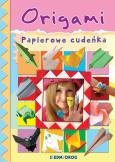
To doprawdy niesamowite, co można stworzyć, składając kartkę papieru! Origami. Papierowe cudeńka proponuje 50 twórczych pomysłów na oryginalne a proste do wykonania modele.Wzory ulubionych przez dzieci modeli pogrupowane są tematycznie: dekoracje (np. motyl, który porusza skrzydełkami, lub wianki), ozdoby (jak pudełko z papieru, jakże praktyczne do opakowania prezentu, czy róże, którymi można udekorować kapelusz), samoloty (najróżniejsze modele samolotów, które naprawdę latają), zabawki (np. pacynki lub kula wodna, która sama się napełnia), zwierzęta (np. żaba, która skacze, kiedy naciśnie się ją palcem). Każda z 50 propozycji omówiona jest na kilku stronach książki (od dwóch do czterech).
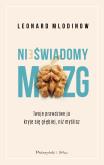
Sądzisz, że świadomie kierujesz swoim życiem, podejmujesz racjonalne decyzje i z rozwagą kształtujesz swoje relacje z innymi? Jeśli tak, jesteś w błędzie. Dzięki zaawansowanym badaniom mózgu wiemy dziś z całą pewnością, że nasze wszystkie doświadczenia, sposób, w jaki poznajemy rzeczywistość, a także zachowania są w ogromnym stopniu zdeterminowane przez procesy przebiegające poza granicami naszej świadomości.
Słynny naukowiec, Leonard Mlodinow odkrywa przed czytelnikami zaskakujące i egzotyczne siły działające pod powierzchnią naszych umysłów oraz pokazuje, jak działają instynkty powstałe w nieświadomości, które zazwyczaj mamy za w pełni świadome i racjonalne przyczyny zachowań. Wyjaśnia, że jeśli chcemy naprawdę zrozumieć świat, a także pokonać przeszkody, które uniemożliwiają nam cieszenie się pełnią życia, musimy zrozumieć, jaki wpływ ma na nasze działania ten skryty przed naszymi oczyma, podprogowy świat.
Leonard Mlodinow nigdy nie traci okazji, by uczynić naukę nie tylko przystępną, ale i rozrywkową.
Stephen Hawking
Leonard Mlodinow uzyskał doktorat z fizyki teoretycznej na Uniwersytecie Kalifornijskim w Berkeley, był stypendystą Fundacji Humboldta w Instytucie Maxa Plancka, pracował w California Institute of Technology. Autor i współautor (ze Stephenem Hawkingiem) książek popularnonaukowych, m.in. "Krótkiej historii rozumu".
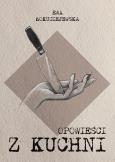
Nie ma drugiego takiego miejsca w domu jak kuchnia. Właśnie tu za kulisami codzienności, w intymnej atmosferze, wśród smaków i zapachów toczą się najważniejsze rozmowy, podejmują najistotniejsze decyzje, rozgrywają zabawne lub przełomowe sceny. Kuchnie w opowieściach Ewy Łokuciejewskiej ukazują bohaterów podczas pozornie zwykłych czynności i zdarzeń. Pod powierzchnią prostych smaków, szarych dni i zatartych wspomnień kryje się jednak głębia dramatycznych, śmiesznych lub refleksyjnych przypraw ukazująca alchemię ludzkiej duszy. W tym jednogarnkowym daniu znajdziecie 38 składników pełnych pikanterii, słodyczy albo goryczy. To właśnie one tworzą niezapomniany, intymny smak wszystkich rozmów i wspomnień, które wynieśliście kiedykolwiek z kuchni.
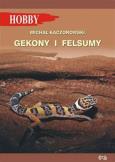
Poradnik dla miłośników gekonów. W książce m.in. omówiono: wygląd gekonów, systematykę, zakup i hodowlę gekonów, żywienie, zdrowie oraz opisano wybrane gatunki.
W tej książce znajduje się aż 65 smakowitych przepisów, dzięki którym dowiesz się, co zrobić z najpopularniejszym wegańskim produktem – bogatym w żelazo, lekkostrawnym i łatwym w przygotowaniu. Coraz większa dostępność tofu w sklepach sprawia, że przestało być ono traktowane w kuchni jako wymyślny dodatek, a na stałe zagościło w naszych jadłospisach jako fantastyczny zamiennik mięsa.
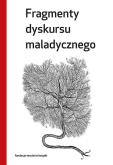
Choroba nie jest czyimś upadkiem, agresją, przed którą się ustępuje, ale pierwotnym, makromolekularnym defektem. Jeśli organizacja jest pierwotnie rodzajem języka, to genetycznie uwarunkowana choroba (maladie) nie jest przekleństwem (malédiction), lecz nieporozumieniem (malentendu). Można źle odczytać hemoglobinę, tak jak można źle odczytać rękopis. Tutaj jednak chodzi o słowo, które nie wyszło z czyichkolwiek ust, o pismo, które nie wyszło spod czyjejkolwiek ręki. Za wadą (malfaçon) nie kryje się żadna zła wola (malveillance). Być chorym znaczy być złym, jednak nie w znaczeniu, w jakim o chłopcu mówi się, że jest zły, ale w takim, w jakim mówi się, że jest zła o ziemi. Choroba nie ma już niczego wspólnego z indywidualną odpowiedzialnością.
Georges Canguilhem
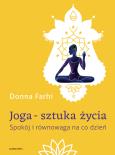
To książka, która przenosi praktykę jogi poza matę, do codziennego życia, oraz tworzy z niej powszechną filozofię.Donna Farhi, opierając się na jogasutrach Patańdżalego, prezentuje transformującą moc jogi. Czyni z niej kompletną życiową praktykę znacznie wykraczającą poza rutynowe ćwiczenie asan. Pokazuje jogę jako drogę do głębszej samoświadomości i wskazuje wszelkie pułapki i obietnice poruszania się po duchowej praktyce.Książka napisana jest w przystępny i wciągający sposób, a dzięki wieloletnim doświadczeniu autorki w pracy własnej i z uczniami jest odpowiednia zarówno dla początkujących, jak i zaawansowanych praktyków jogi.Poznaj wnikliwe podejście do jogi i uczyń z niej duchowe przewodnictwo w codziennym życiu.Praktyka jogi nie kończy się wraz z zakończeniem sesji na macie, praktyka jogi w życiu codziennym pozwala z radością, wrażliwością, świadomością i jasnością przejść przez to życie () w sposób najpełniejszy z możliwych.Fragment książki
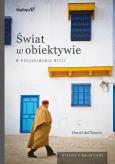
Aby zrobić zdjęcie, które porusza najgłębsze emocje i przykuwa uwagę na dłużej, nie potrzebujesz kosztownego sprzętu. Owszem, profesjonalizm narzędzi jest ważny, jednak dużo istotniejsze są wizja, empatia, szacunek i niezaspokojona ciekawość. Najlepsze zdjęcia powstają dzięki intuicji, są wynikiem znanego fotografom wewnętrznego konfliktu między artystą i technikiem. Tylko połączenie rzemiosła i sztuki umożliwi stworzenie zdjęć, które opowiadają prawdziwe historie, ukazują piękno i godność, przenoszą widza wprost na ulicę, do świątyni, do czyjegoś ogrodu czy domu. Odnalezienie w sobie tej subtelnej równowagi, wizji i intuicji nie jest proste.
Ta książka mówi o sztuce fotografowania. Choć nie brakuje tu wskazówek odnoszących się do technicznej strony robienia zdjęć, opowiada przede wszystkim o pasji fotografowania: o tym, że uchwycenie ludzi, miejsc czy kultur na obrazie udaje się tylko tym, którzy znaleźli swoją wizję i odkryli w sobie palące pragnienie pokazania własnego sposobu odbierania świata. Zainspiruje Cię do opowiedzenia swoich historii z takim zaangażowaniem i tak przekonująco, jak to jest tylko możliwe dzięki fascynującej sile fotografii. Dowiesz się, jak robić naprawdę dobre zdjęcia - dobre, czyli takie, które są wspólnym dziełem serca i umysłu, emocji i rozumu. Ale to nie wszystko, co znajdziesz w tej książce. Jest pełna barw, światła, ciepła i uczy wizualnej wrażliwości - to cechy doskonałych zdjęć!
W tej książce znajdziesz wskazówki i inspiracje do fotografowania:
w kolorze oraz w czerni i bieli
ludzi na pełnych wyrazu portretach
miejsc zwyczajnych i niezwyczajnych
krajobrazów i detali
sprzętem najprostszym i profesjonalnym
Zdjęcie z duszą: fotografuj to, co kochasz!
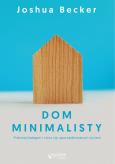
Zabałaganione mieszkanie to często efekt braku czasu na cotygodniowe porządki. Jednak przebywanie w zagraconych pomieszczeniach zwiększa stres i wywołuje uczucie przytłoczenia. Przywrócenie ładu w swoim domu i życiu kosztuje sporo wysiłku. Rozwiązaniem jest zdrowy minimalizm. Dzięki temu podejściu uwolnisz swoje mieszkanie od zbędnych przedmiotów, a czyste i uporządkowane szafy, łazienka, kuchnia i sypialnia będą cieszyć Twoje oczy. Dostaniesz również coś więcej: poczucie uwolnienia, spokój, poprawę Twoich relacji z najbliższymi - a przede wszystkim zostanie Ci więcej czasu i pieniędzy na przyjemności. Zacznij już teraz, bo droga do minimalizmu w domu wcale nie jest łatwa!
Ta książka jest praktycznym poradnikiem domowego i życiowego minimalisty. Znajdziesz tu wskazówki, od czego zacząć i jak uprościć wygląd mieszkania. Oczyścisz przestrzeń we wszystkich pomieszczeniach w swoim domu. Zajrzysz do każdej szuflady, szafy i schowka. Zlikwidujesz "łapacze kurzu" i wieczny bałagan na biurku. Nauczysz się oceniać, co należy zostawić, a czego lepiej się pozbyć. Prędko się przekonasz, że usunięcie nadmiaru rzeczy nie tylko uwalnia od bałaganu, ale również pomaga otworzyć się na życie i czerpać z niego radość - skupić się na tym, co jest dla Ciebie najistotniejsze!
Dzięki tej książce dowiesz się:
dlaczego bałagan i nadmiar przedmiotów wywołują stres i niepokój
jak przygotować siebie i domowników na minimalistyczną metamorfozę
w jaki sposób uporządkować szafy, kuchnię, sypialnię, ogród i garaż
kiedy i dlaczego przeprowadzić się do mniejszego domu
jak przejść od minimalizacji domu do maksymalizacji życia
Zatrzymaj tylko to, co ważne. Uporządkuj przestrzeń i przejmij kontrolę!
O autorze
Joshua Becker prowadzi serwis Becoming Minimalist, w ramach którego inspiruje do poprawy jakości życia dzięki pozbywaniu się niepotrzebnych rzeczy. Jest również współzałożycielem popularnego portalu internetowego Simplify oraz autorem kilku bestsellerów „Wall Street Journal”, „USA Today” i „Publishers Weekly”. Stale współpracuje z „Forbesem”. Wspólnie z żoną założył organizację non profit Hope Effect, która pomaga sierotom w różnych częściach świata.
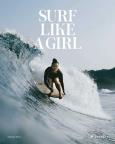
If you thought surfing was a male-dominated sport, think again. The thirty women surfers profiled in this thrilling collection can rip a wave with the best of them. Hailing from all over the world, each surfer is featured in spectacular photography and with their own inspirational words. There's American professional surfer Lindsay Steinriede on how her father's death has inspired her career; French board shaper Valerie Duprat on how she got her start "sculpting foam"; Conchita Rossler, founder of Mooana Retreat in Portugal, on connecting mind, body, and spirit; and Australian photographer Cait Miers on empowering women. You'll also meet surfers who are over sixty, who surf while pregnant, who captain boats, teach yoga, and make movies. Breathtaking photography captures these women from every angle, on and off the waves, in some of the world's most visually stunning locations. The perfect gift for surfing enthusiasts, this unique compilation of stunning pictures and hard-won wisdom proves that the thrill of catching a wave, riding it, and kicking out belongs to everyone.
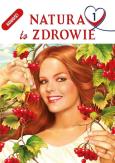
Seria skierowana jest przede wszystkim do kobiet w średnim wieku, zamieszczone felietony opracowane są przez dietetyków, lekarzy, fitoterapeutów i innych specjalistów. W pierwszym numerze znajdziemy takie tematy, jak: Dzika róża- przyjaciel diabetyka, Profilaktyka przeciwnowotworowa, Natura przeciw miażdżycy, Leczenie piwem, Karczochy w diecie i odchudzaniu, Olejek czosnkowy, Nalewki lecznicze, B17 - niezwykła witamina przeciwnowotworowa i inne. Wkrótce kolejny numer. Polecamy!
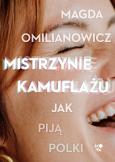
Piją z radości. Piją z rozpaczy. Piją, bo lubią lub same do końca nie wiedzą dlaczego. Przecież wszyscy wokół piją tak samo.
Magda Omilianowicz rozmawia z kobietami, których życiem zawładnął alkohol, oraz z osobami z ich otoczenia: terapeutami i dorosłymi już dziećmi (DDA). Z tych wstrząsających wywiadów i opowieści wyłania się prawdziwy obraz Polki w szponach nałogu.
Reporterka szuka odpowiedzi na to, dlaczego kobiety coraz częściej sięgają po alkohol oraz jak są postrzegane przez innych i przez same siebie. Przedstawia historie osób, których życie jest podszyte fałszywym poczuciem bezpieczeństwa, lękiem i wstydem. Jednocześnie skłania do przemyśleń: kiedy picie staje się chorobą? Gdzie leży granica między świadomym i kontrolowanym spożywaniem alkoholu a uzależnieniem? Czy to może dotyczyć także mnie lub moich bliskich?
____
Od Autorki
„Tu nie ma wyjątków. Piją prawniczki, policjantki, lekarki i celebrytki. Pije się od nizin po wyżyny. Od kobiet, które odkurzają cudze mieszkania, po doktorantki. Od salowych po serialowe aktorki. Zwyczajność i pospolitość nałogu przeraża. Nie liczą się habilitacje ani platynowe karty. Tu panuje pełna demokracja, jak w każdej chorobie – bo alkoholizm jest przewleką chorobą, z czego jeszcze nie wszyscy zdają sobie sprawę. Chorobą, którą można leczyć. O ile chce się o siebie zawalczyć i podjąć leczenie.”
Ten produkt jest zapowiedzią. Realizacja Twojego zamówienia ulegnie przez to wydłużeniu do czasu premiery tej pozycji. Czy chcesz dodać ten produkt do koszyka?