W tej strefie zapraszamy czytelników tak zwane artystyczne dusze po książki z kategorii Sztuka. Polecamy szereg publikacji o sztuce i jej historii,ciekawostki i portfolia artystów, eseje, albumy, książki o malarstwie, rzeźbiarstwie, architekturze oraz histoii fotografii. Biografie ciekawych artystów, książki i powieści przedstawiające fascynujące losy malarzy i osób uwiecznianych na obrazach. W tym dziale tylko ksiązki ze sztuka w tle.
Johann Jakob Froberger (1616-1667) was one of the most famous and
influential composers of the early Baroque. Born in Stuttgart he travelled
in Europe extensively, thus absorbing all national styles, and influencing
other composers with his own musical inventions.
Although Froberger wrote a large number of vocal works he is mainly
known for his keyboard works, for both organ and harpsichord. He is the
”inventor” of the Baroque Suite, a number of varied dances, with the
basis of Allemande, Courante, Sarabande and Gigue. His keyboard style is
free, fanciful and highly expressive, sometimes describing extra-musical
features or events, thus creating the first “program music” in history.
With this magnificent Opus Italian keyboardist Simone Stella adds
another gem to his series of recordings of Pre-Bachian keyboard
composers, his recordings of works by Böhm, Buxtehude, Reincken and
Walther have met with great critical acclaim in the international press.
Other information:
- Brand new recordings
- Contains extensive liner notes on the
composer and the works.
- Contains organ specifications for each
organ.
Le Nuove Musiche - Madrigali Libro 1 (Madrigalbuch
Ch'ami La Vita Mia Nel Tuo Bel Nome
Se Per Avervi Ohime Donato Il Core
A Che Tormi Il Ben Mio
Amor, Per Tua Merce Vatten'a Quella
Baci Soavi E Cari
Se Pur Non Mi Consenti
Filli Cara Et Amata
Poi Che Del Mio Dolore
Fumia La Pastorella
Almo Divino Raggio
Allora I Pastor Tutti
Se Nel Partir Da Voi, Vita Mia, Sento
Tra Mille Fiamme E Tra Mille Catene
Usciam, Ninfe, Omai Fuor Di Questi Boschi
Questa Ordi Il Laccio
La Vaga Pastorella
Amor, S'il Tuo Ferire
Donna, S'io Miro Voi Giaccio Divengo
Ardo, Si, Ma Non T'amo
Ardi O Gela A Tua Voglia
Arsi Et Alsi A Mia Voglia
Płyta 2.
Le Nuove Musiche - Madrigali Libro 2 (Madrigalbuch
Non Si Levav'ancor L'alba Novella
E Dicea L'una Sospirando Allora
Bevea Fillide Mia
Dolcissimi Legami
Non Giacinti O Narcisi
Intorno A Due Vermiglie E Vaghe Labbra
Non Sono In Queste Rive
Tutte Le Bocche Belle
Donna, Nel Mio Ritorno
Quell'ombr'esser Vorrei
S'andasse Amor A Caccia
Mentr'io Miravo Fiso
Se Tu Mi Lassi, Perfida, Tuo Danno
Ecco Mormorar L'onde
La Bocca Onde L'asprissime Parole
Dolcemente Dormiva La Mia Clori
Crudel, Perche Mi Fuggi
Questo Specchio Ti Dono
Non M'e Grave Il Morire
Ti Sponto L'ali, Amor, La Donna Mia
Cantai Un Tempo, E Se Fu Dolce Il Canto
Testori, Marco - Grande Sonate Concertante Op. 34
1. Allegro Moderato
2. Andante Doloroso - Un Poco Piu Mosso -
3. Allegro Molto
Testori, Marco - Grande Sonate G-moll Op. 125 (Fue
1. Grave - Allegro
2. Larghetto Con Moto
3. Rondo: Allegretto
Testori, Marco - Grande Sonate A-dur Op. 104 (Fuer
1. Allegro Amabile E Grazioso
2. Un Poco Adagio E Con Espressione
3. Rondo: Allegro Vivace Un Poco
A delightful programme of Early-Romantic cello sonatas by Ries,
Moscheles and Hummel.
? Ferdinand Ries, Ignaz Moscheles and Johann Nepomuk Hummel are
contemporaries, active in a period of transition from Classical to
Romantic style, all three strongly influenced by the musical giant Ludwig
van Beethoven, virtuoso pianists and all three “Minor Masters”.
? Their cello sonatas follow classical style principles, spiced with
interruptions of romantic outpouring of drama and emotions: highly
enjoyable!
? Played on period instruments by cellist Marco Testori and Costantino
Mastroprimiano, playing an early 19th century fortepiano.
Attademo, Luigi - Sonatina Fuer Gitarre
Largo - Allegro
Attademo, Luigi - Rossiniana Nr.1 Op. 119 (Fuer Gi
Nr. 1 Introduzione: Andantino
Nr. 2 Andante Grazioso
Nr. 3 Maestoso
Nr. 4 Moderato
Nr. 5 Allegro Vivace
Attademo, Luigi - Capricci Op. 290 (Auszug)
Nr. 2 Allegro
Nr. 4 Allegretto
Nr. 7 Prestissimo
Nr. 15 Allegro
Nr. 19 Allegretto Grazioso
Nr. 22 Adagio
Nr. 24 Allegro Molto
Nr. 29 Prestissimo
Attademo, Luigi - Variationen Ueber Das Klinget So
Introduktion - Thema
Variation 1
Variation 2: Mineur
Variation 3
Variation 4: Piu Mosso
Variation 5: Piu Mosso
Attademo, Luigi - Fantasie Fuer Gitarre Nr. 6 Op.
Andante - Allegretto
Attademo, Luigi - Le Fandango Varie Op. 16 (Fuer G
1. Adagio
2. Allegro Vivace
3. Allegro
Attademo, Luigi - Fantasie Chevaleresque Op. 15 L
Introduction
Allegro Maestoso
? In the beginning of the 19th century the guitar gained a widespread
popularity. The technical developments of the instrument led composers
to take it seriously and compositions began to appear regularly.
? This CD offers a survey of the most important guitar composers of the 19th
century: Mauro Giuliani, Napoleon Coste, Giuseppe Anelli, Luigi Legnani
and Fernando Sor: music of classical Viennese background, spiced up by
the colouristic possibilities of the instrument, charming, witty and pleasing
to the salon audiences.
? Guitarist Luigi Attademo, one of the most important guitarists of his
generation, adds an authentic flavour to the recording by playing several
19th century historical guitars.
Gesualdi, Francesco - Libro Di Toccate, Canzoni...
Toccata Nr. 1
Toccata Nr. 2
Toccata Nr. 3 (Da Sonarsi Alla Levatione)
Toccata Nr. 4 (Da Sonarsi Alla Levatione)
Toccata Nr. 8 (Di Durezze E Ligature)
Gesualdi, Francesco - Libro Di Toccate E Partite..
Partita Ueber L'aria Della Romanesca
Gesualdi, Francesco - Canzon Francese Del Principe
Gesualdi, Francesco - Trittico (Auszug)
2. Da Gesualdo Per Gesualdi
A substantial anthology of piano music written by Italian composers in the 20th century.
In an era dominated by opera several Italian composers chose a radically different path, concentrating on purely instrumental music, influenced by widely varying sources such as Wagner, Impressionism, Neo-Classicism and Dodecaphony.
This set offers a fascinating overview of piano works by Martucci, Cilea, Busoni, Sinigaglia, Caetani, Fano, Respighi, Pizzetti, Casella, Castelnuovo-Tedesco, Dallapiccola, Rota, Malipiero, Castiglioni and Einaudi.
Performances by leading Italian pianists such as Sandro Ivo Bartoli, Michelangelo Carbonara, Pietro de Maria, Alessandra Ammara, Michele d’Ambrosio and others.
A set which will surprise and delight many collectors and piano lovers!
Svetoslav Obretenov Choir - Robert Le Diable (Robe
Accourez Au-devant D'elle
Thebault, Hjordis - L'africaine (Die Afrikanerin,
Adamastor, Roi Des Vagues Profondes
Svetoslav Obretenov Choir - Le Prophete (Der Proph
La Brise Est Muette
Thebault, Hjordis - Les Huguenots (Die Hugenotten,
Je Suis Seule Chez Moi - Parmi Les Pleurs
Thebault, Hjordis - L'etoile Du Nord (Der Nordster
A La Finlande, Buvez!
De Quelle Ville Es-tu?
Thebault, Hjordis - Dinorah (Oper In 3 Akten) (Aus
O Puissante, Puissante Magie
Svetoslav Obretenov Choir - Le Prophete (Der Proph
Voici Les Fermieres
Valse Des Patineurs
Thebault, Hjordis - Robert Le Diable (Robert Der T
Robert, Toi Que J'aime
Svetoslav Obretenov Choir - Le Prophete (Der Proph
Par Toi Muenster Nous Fut Promis
Thebault, Hjordis - Dinorah (Oper In 3 Akten) (Aus
Mon Remords Te Venge
Thebault, Hjordis - L'africaine (Die Afrikanerin,
Emmenez Cette Femme
D'ici Je Vois La Mer Immense
O Riante Couleur
Partis, Partis!
Miodini, Alberto - Stuecke Fuer Klavier Nr. 1-6 Op
Nr. 1 Capriccio: Allegro Risoluto
Nr. 2 Pezzo Fantastico: Allegro
Nr. 3 Colore Orientale: Tempo Di Marcia - Poco Piu
Nr. 4 Barcarola: Andantino Con Moto - Animato
Nr. 5 Notturno: Moderato, Ma Non Troppo - Animato
Nr. 6 Tarantella: Allegro Molto
Miodini, Alberto - Novella (Fuer Klavier) Op. 50
Miodini, Alberto - Fantasia Op. 51
Miodini, Alberto - Notturni Nr. 1-2 Op. 70
Nr. 1 Ges-dur: Moderato
Nr. 2 Fis-moll: Andantino
The music by Alessandro Stradella (1639-1682) is gaining rapidly in
recognition and popularity. The composer’s extremely adventurous life
(he was an aristocratic lady-killer, who himself was murdered in the end by
a revengeful rival) and his equally adventurous music presents a forceful
image of a fascinating and important figure of the Italian Baroque.
? Stradella is one of the most important composers of dramatic sacred
works in 17-th century Italy. San Giovanni Crisostomo is a large scale
oratorio, in lyrical vocal style: long and florid cantabile phrases,
uninterrupted by frequent cadences and a subtle characterisation of the
psychology of the dramatis personae.
? Excellent performances by Harmonices Mundi conducted by Claudio
Astronio, who already recorded three Stradella CD’s for Brilliant classics:
the oratorio La Susanna (BC94345), Duets (with Emma Kirkby and Susanne
Rydén, BC94343) and Italian Arias (BC94258).
? The booklet contains extensive liner notes written by a scholar, and the
full libretto in the original language.
Gaggini, Marco - Kammersinfonie Nr. 1 E-dur Op. 9
Gaggini, Marco - Stuecke Fuer Orchester Op. 16 Nr.
Nr. 1 Vorgefuehle
Nr. 2 Vergangenes
Nr. 3 Farben
Nr. 4 Peripetie
Nr. 5 Das Obligate Rezitativ
Gaggini, Marco - Kammersinfonie Nr. 2 Es-moll Op.
1. Adagio
2. Con Fuoco
This is the first complete recording of Wilhelm Friedemann’s keyboard works on 6 CD’s, a tour de force by Italian Claudio Astronio, conductor, organist, harpsichordist, musicologist, an amazing artist with an open mind, pioneer in Early Music with a fondness of pop and jazz as well. “Astronio’s ability to convey the character and emotional dynamic of a vocal line is incredibly beautiful, sensitive and deeply touching” wrote Fanfare, America’s classical magazine.
Recorded in Italy in 2015–2017.
Features previously unpublished scores from the Vilnius manuscript.
Contains liner notes and a biography of the artist.
Mckenzie, Siphiwe - Weep You No More, Sad Fountain
Bini, Riccardo - Galliard H-moll
Bini, Riccardo - Lord Strang's March
Mckenzie, Siphiwe - What If I Never Speed? (Fuer S
Bini, Riccardo - Sir John Smith, His Almaine
Bini, Riccardo - The Frog Galliard
Mckenzie, Siphiwe - Flow My Tears (Fuer Singstimme
Bini, Riccardo - Mr. Dowland's Midnight
Bini, Riccardo - Mrs. White's Nothinge
Mckenzie, Siphiwe - Come Again (Fuer Singstimme Un
Bini, Riccardo - Galliard E-moll
Bini, Riccardo - Lady Laiton's Almaine
Mckenzie, Siphiwe - Go Crystal Tears (Fuer Singsti
Bini, Riccardo - The Right Honourable The Lady Ric
Sebastiani, Adriano - Lady Hunsdon's Puffe Almaine
Mckenzie, Siphiwe - Now, O Now, I Needs Must Part
Sebastiani, Adriano - Mrs. Winter's Jump
Sebastiani, Adriano - Tarleton's Riserrectione
Mckenzie, Siphiwe - If My Complaints Could Passion
Sebastiani, Adriano - Orlando Sleepeth
Sebastiani, Adriano - A Galliard A-dur
Mckenzie, Siphiwe - My Thoughts Are Wing'd With Ho
Sebastiani, Adriano - My Lord Chamberlain, His Gal
Sebastiani, Adriano - My Lord Willoughby's Wlcome
Katalog zachowanych elementów i detali architektonicznych, przygotowany przez Romualdę Uziembło, poprzedza autorskie studium historyczno-architektoniczne założenia zamkowego pióra [...] Zbigniewa Nawrockiego, które jak klamrą, spina zarówno jego własne badania, jak i ustalenia kastellologów i historiografów zakonu, podejmujących [...] pasjonujące, polemiczne dyskusje na temat genezy rozwiązań architektonicznych [...] zamków wzniesionych na terytorium państwa zakonnego w Prusach [...] wyniki badań technologicznych składu sztucznego kamienia i ceglanego, glazurowanego materiału, użytych do budowy zamku, autorstwa Jadwigi Łukaszewicz, podnosza znaczenie publikacji dla porównawczych badan konserwatorskich.
Książka dotyczy dwóch kwestii społecznych -starości i aborcji -omawianych z perspektywy artystycznej (filmowej) i socjologicznej. Autorka ukazała oba zjawiska, odwołując się do współczesnego kina amerykańskiego, europejskiego i polskiego, zwracając uwagę na subiektywny, kulturowo uwarunkowany przekaz filmowy w odniesieniu do rzeczywistości. Przedstawiła także wyniki badań własnych na temat recepcji wybranych filmów o starości i aborcji. Publikacja jest skierowana do szerokiego grona humanistów, miłośników kina, w tym szczególnie do studentów socjologii, kulturoznawstwa, dziennikarstwa i kierunków filmoznawczych.
„Oryginalność książki polega na łączeniu kompetencji socjologa z zainteresowaniami współczesnym filmem oraz wiedzą o filmie. Pojęcia socjologiczne i relacje o badaniach społecznych odnoszone są do materii artystycznej. Badanie ma charakter krytycznej analizy wybranych filmów z perspektywy socjologii. Kiedy filmoznawstwo uprawia socjolog, spotyka się z krytyką ze strony filmoznawców, a jeśli filmoznawcy analizują problemy społeczne w filmie, ujawnia się brak znajomości badań społecznych w danej kwestii. Praca jest oryginalna i – jak każde badanie z pogranicza dyscyplin – wiąże się z podjęciem pewnego ryzyka.”
Z recenzji prof. dr. hab. Bogusława Sułkowskiego
Publikacja przybliża sylwetki artystów, pedagogów oraz ich uczniów, którzy pedagogikę artystyczną łączyli z praktyką wykonawczą. Przypomnienie sylwetek, dokonań, opinii i refleksji pedagogów związanych nie tylko z polskim szkolnictwem artystycznym wskazuje, jak ważnym dla rozwoju młodego artysty jest ciągłe konfrontowanie działań pedagogicznych nauczycieli i mistrzów z ich działaniami artystycznymi. Największym szczęściem dla ucznia jest, gdy może oglądać i podziwiać swoich pedagogów w ich działaniach artystycznych i konfrontować swoje wrażenia, przeżycia i doznania z tym, czym uczniowie wraz z mistrzem zajmują się na zajęciach. Podstawy i zasady, które zostają wpojone przez pierwszych pedagogów dla wielu późniejszych artystów stają się filarem całego życia i wartością niepodważalną. A środowisko, w którym się wyrasta i czerpie wzorce, kształtuje gust i uczy kultury odbioru, buduje płaszczyznę odniesienia wartości nie tylko artystycznych. I właśnie o sensie wartości i doświadczeniach przekazywanych z pokolenia na pokolenie i szacunku do nich jest ta książka.
Przeczytajcie tę książkę, by przekonać się, że słuchanie jest fascynującą przygodą, a w muzyce współczesnej wszystko może się zdarzyć. Oto nowy, szósty tom przebojowej serii edukacyjnej zapoczątkowanej przez D.O.M.E.K.
Kompozytor z innej planety i silniki grające na instrumentach. Muzyka z wnętrza butelki i z serca tropikalnej dżungli. Koncert na zabawkowe bączki i symfonia na syreny fabryczne. Spacery dźwiękowe, mosty słuchowe i tapeta do słuchania…
Czym jest muzyka? Gdzie jej szukać? Jak ją tworzyć? Muzycy i kompozytorzy zadają sobie te pytania od wieków. Ale w ciągu ostatnich 100 lat wielu z nich znalazło odpowiedzi, o jakich wcześniej nikomu się nie śniło. W muzyce współczesnej wszystko może się zdarzyć! I właśnie o tym opowiada ta książka.
W 44 zwięzłych i przystępnych rozdziałach autorzy przedstawiają wybranych kompozytorów, muzyków i ich dzieła, ukazując na ich przykładach różnorodne sposoby myślenia o dźwięku, muzyce, komponowaniu oraz byciu muzykiem. Wśród bohaterów znajdziecie m.in. Johna Cage’a, Steve’a Reicha, Arnolda Schönberga, Karlheinza Stockhausena, Pawła Szymańskiego i Iannisa Xenakisa, a także The Beatles, Briana Eno, Einstürzende Neubauten, Kraftwerk czy Madonnę.
Książce towarzyszyć będzie strona internetowa umożliwiająca odsłuchanie większości opisanych utworów.
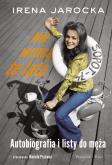
Niepublikowana autobiografia oraz nieznane listy Ireny Jarockiej!
Irenę Jarocką jako gwiazdę estrady poznały i pokochały miliony, ale tylko nieliczni mogli ją poznać prywatnie.
I tylko najbliżsi wiedzieli, że miała potrzebę zapisywania swoich myśli. Pod koniec lat dziewięćdziesiątych zaczęła pisać autobiografię. Skończyła ją w 2007 roku. Przez całą dekadę zapiski przeleżały w szufladzie i dopiero teraz trafiają do rąk czytelników.
Książkę dopełniają listy Ireny Jarockiej do męża, Michała Sobolewskiego. Intymna opowieść o miłości przez przyjaźń, pasję i codzienność.
Tę szczerą, wielobarwną opowieść ilustrują po raz pierwszy publikowane zdjęcia z prywatnego archiwum Ireny Jarockiej.
Ta książka wzbogaciła mnie nie tylko o wiedzę o mnie samej, ale również o ludziach, którzy szli ze mną przez życie i którzy w jakiś sposób wpływali na to, że było ono takie, a nie inne.
Irena Jarocka
Dla mnie Irena nie była szalikiem, którym można się owinąć, lecz ciepłem, które ogrzewa. Ten wzajemny nasz dar z początkowej fascynacji przerodził się w wielką miłość i radość życia. Unikałem jej imienia „Irena”, które kojarzyło się z piosenkarką, stąd czasami podpisywała się w listach jako „Bezimienna”. Gdy zdałem sobie sprawę, że Irena staje się centrum mojego świata, napisałem wiersz zatytułowany SEWN. Tytuł wiersza Irena przyjęła jako swoje imię, tak też podpisywała się później w listach do mnie. W wierszu pisałem, że gdziekolwiek nie pójdę – na południe (ang. South), wschód (East), zachód (West), północ (North) – tam jesteś Ty – Sewn – środek mojego świata.
Michał Sobolewski
Irena Jarocka (1946–2012) – piosenkarka i aktorka. Zadebiutowała w 1965 roku. W latach 1968–1972 przebywała na stypendium w Paryżu, gdzie doskonaliła swój warsztat w konserwatorium przy Olimpii. Współpracowała z największymi nazwiskami tamtego okresu, koncertując w kraju i za granicą. W 1990 roku wyjechała z córką do Stanów Zjednoczonych, aby dołączyć do pracującego tam męża. Nadal jednak nagrywała płyty i koncertowała. W 2007 roku wróciła na stałe do Polski. Zmarła 21 stycznia 2012 roku. W 2015 roku powołano do życia Fundację Ireny Jarockiej.
Mariola Pryzwan (1963) – urodziła się w Ostrowi Mazowieckiej. Nauczyciel-bibliotekarz, publicystka, biografistka. Ukończyła filologię polską na Uniwersytecie Warszawskim, a następnie studia podyplomowe z bibliotekoznawstwa w Wyższej Szkole Społeczno–Ekonomicznej w Gdańsku. Od 1987 roku pracuje w Pedagogicznej Bibliotece Wojewódzkiej im. Komisji Edukacji Narodowej w Warszawie. Do czerwca 2005 roku była kierowniczką Filii Mokotów tejże biblioteki. Od 1994 roku jest działaczką Towarzystwa Nauczycieli Bibliotekarzy Szkół Polskich, a od 2001 roku Stowarzyszeniu a Bibliotekarzy Polskich. Od 2001 roku należy do Związku Literatów Polskich.
Ze wspomnień złożyła biografie m.in. Ireny Jarockiej, Anny German, Zbigniewa Cybulskiego, Haliny Poświatowskiej, Marii Pawlikowskiej-Jasnorzewskiej, Władysława Broniewskiego, Marii Dąbrowskiej, Marii Kownackiej, Anny Jantar; z wypowiedzi samych bohaterów książki: "Anna German o sobie" i "Cybulski o sobie".
Ten produkt jest zapowiedzią. Realizacja Twojego zamówienia ulegnie przez to wydłużeniu do czasu premiery tej pozycji. Czy chcesz dodać ten produkt do koszyka?