W tej strefie zapraszamy czytelników tak zwane artystyczne dusze po książki z kategorii Sztuka. Polecamy szereg publikacji o sztuce i jej historii,ciekawostki i portfolia artystów, eseje, albumy, książki o malarstwie, rzeźbiarstwie, architekturze oraz histoii fotografii. Biografie ciekawych artystów, książki i powieści przedstawiające fascynujące losy malarzy i osób uwiecznianych na obrazach. W tym dziale tylko ksiązki ze sztuka w tle.
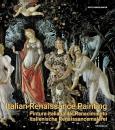
Malarstwo renesansowe narodziło się we Włoszech. To tam Michał Anioł, Rafael Santi, Leonardo da Vinci, Tycjan i wielu innych artystów tworząc sprawili, że sztuka europejska odrodziła się i rozwinęła.Na ponad 250 stronach zaprezentowano najważniejsze dzieła tego fascynującego okresu
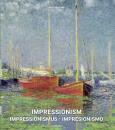
Kiedy myślimy o impresjonizmie, przywołujemy w pamięci nastrojowe pejzaże, piękne portrety oraz tętniące życiem sceny miejskie pędzla Moneta, Renoire`a, Degasa i Cezanne`a. Artyści ci chętnie tworzyli w plenerze, malując szybkimi, niedokładnymi pociągnięciami pędzla, dzięki czemu byli w stanie uchwycić zmienną kolorystykę wody i powietrza w jednej konkretnej chwili.300 zaprezentowanych w albumie reprodukcji ilustruje pełną panoramę malarstwa impresjonistów.Anglojęzyczne wydanie znanego w Polsce albumu Hajo Düchtinga pt. Impresjonizm, w nowym mniejszym poręcznym formacie.
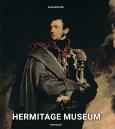
Ermitaż jedno z największych i najważniejszych muzeów świata. Ogromne zbiory gromadzone przez stulecia i wspaniała architektura budynków, w których sztuka jest prezentowana sprawiają, że muzeum w Sankt Petersburgu co roku odwiedza ponad 4 miliony turystów.Na ponad 300 stronach znalazły się perły europejskiego malarstwa zgromadzone w tej kolekcji.
Malarstwo flamandzkie i holenderskie rozkwitło w okresie baroku. Zainteresowanie sztuką arystokracji i bogacących się mieszczan pozwoliło tworzyć wielu niezwykłym artystom. Prócz najbardziej znanych - Breughla, Rembrandta, Rubensa, Vermeera, album prezentuje także prace ponad 100 malarzy, którzy współtworzyli tę niezwykłą epokę i których dzieła przeszły do historii malarstwa.
Compact Houses to synteza tego, co najlepsze we współczesnej architekturze. Album prezentuje 40 nowatorskich, doskonale zaprojektowanych i funkcjonalnych domów, które odzwierciedlają filozofię Miesa van der Rohe "mniej znaczy więcej".Miasta na całym świecie rozrastają się. Ciągły napływ ludzi i kapitału do miast prowadzi do wzrostu cen mieszkań i działek, a zmiany społeczne i indywidualizm powodują, że domy kompaktowe stają się nowym ważnym i poszukiwanym elementem w tkance aglomeracji. Miasto nie daje nam wiele przestrzeni do życia, ale jeśli przestrzeń jest dobrze zaprojektowana, możemy w pełni wykorzystać to, co miasto nam daje.
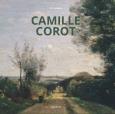
Jean-Baptiste Camille Corot należy do grona najwybitniejszych malarzy francuskich. Jego twórczość jest znana na całym świecie, choć do tej pory pozostaje nieodkryta dla części publiczności. Camille Corot jest uważany za jednego z najważniejszych pejzażystów francuskich. Tworzył gdy w sztuce XIX wieku kształtowały się klasycyzm, realizm, romantyzm. Ale nie definicje były dla niego ważne. Uwielbiał podróżować, by szukać optymalnego światła i nowych doznań, które potem zabierał ze sobą do pracowni malarskiej.
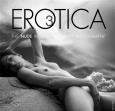
Album poświęcony jednemu z najpiękniejszych i najbardziej fascynujących tworów natury - ciału człowieka. Przez tysiąclecia ludzkie ciało było uniwersalnym motywem każdej sztuki człowieka. EROTICA III zawiera wybór najpiękniejszych i najciekawszych nagich fotografii stworzonych przez współczesnych artystów. Na 360 stronach zaprezentowano prace ponad 40 artystów fotografików z całego świata.stron: 360format: 24x24 cmoprawa twarda
Art Nouveau miała niejedno oblicze. W latach 1890-1910 artyści rozwijali różne style od roślinnych form belgijsko-francuskiego Art Noveau po ornamenty Secesji Wiedeńskiej. Wszyscy oni dążyli do stworzenia nowego, nowoczesnego stylu i odnowy sztuki.W albumie omówiono dzieła artystów z Austro-Węgier i Niemiec, Belgii i Francji, Katalonii, Szkocji i innych regionów.
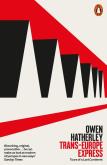
Over the past twenty years European cities have become the envy of the world: a Kraftwerk Utopia of historic centres, supermodernist concert halls, imaginative public spaces and futuristic egalitarian housing estates which, interconnected by high-speed trains traversing open borders, have a combination of order and pleasure which is exceptionally unusual elsewhere.
In Trans-Europe Express, Owen Hatherley sets out to explore the European city across the entire continent, to see what exactly makes it so different to the Anglo-Saxon norm - the unplanned, car-centred, developer-oriented spaces common to the US, Ireland, UK and Australia. Attempting to define the European city, Hatherley finds a continent divided both within the EU and outside it.
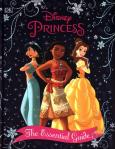
Prepare to be inspired! Experience the magic of Disney with this fully updated guide to the best-loved fairy-tale princesses of all time. The beautiful cover with silver foil adds extra sparkle and makes this book the perfect gift for fans of Disney's much-loved Princess movies. See inside Aurora's secret forest hideaway.
Find out just how long Rapunzel's hair is. Discover the secret identity of Moana's most dangerous foe. Enter the magical worlds of Snow White, Cinderella, Sleeping Beauty, Ariel, Belle, Jasmine, Pocahontas, Mulan, Tiana, Rapunzel, Merida and Moana and find out everything you ever wanted to know about the lives, loyal friends and fiercest enemies of your favourite Disney Princesses.
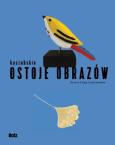
Kaszubskie ostoje obrazów, autorstwa Doroty Folgi-Januszewskiej, to bogato ilustrowany album poświęcony twórczości dwóch artystów ojca i syna Włodzimierza i Błażeja Ostoja Lniskich.Rozpoczynające książkę omówienie najważniejszych tendencji artystycznych dominujących na Kaszubach umożliwi szczegółowe poznanie specyfiki tamtejszej kultury. Kolejne rozdziały książki, w pełni skoncentrowane na dorobku artystycznym Ostoja Lniskich, dowodzą, jak te same motywy są różnorodnie odzwierciedlane i interpretowane przez bliskich sobie twórców: ojca, zakorzenionego w rodzimej, kaszubskiej tradycji, specjalizującego się w rzeźbie, drzeworytach i obrazach na szkle, oraz syna, profesora akademickiego, autora litografii, grafik, rysunków i projektów książek.Zgromadzony zbiór reprodukcji prezentuje bogatą twórczość obydwu artystów, podkreślając z jednej strony ich indywidualność, z drugiej zaś wpływ miejsca, z którego się wywodzą, a zwłaszcza niezaprzeczalną siłę dziedziczenia idei.
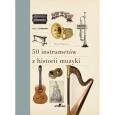
Od najdawniejszych czasów ludzie gromadzili się z różnorodnymi instrumentami i grali muzykę, ale dopiero kilkaset lat temu uległo to formalizacji i powstało coś, co uważamy za orkiestrę. Kompozytorzy od lat piszą muzykę z myślą o konkretnych instrumentach, a orkiestra stopniowo ewoluowała wraz z muzyką klasyczną. Książka 50 instrumentów z historii muzyki pozwala prześledzić tę ewolucję, przedstawiając instrumenty, które dołączały do orkiestry od epoki baroku aż po współczesność. Opisano tu historię i rozwój każdego z instrumentów, a załączone ilustracje obrazują ich dzieje. Omówiono całe spektrum orkiestrowych dźwięków, od skrzypiec po flet piccolo, nie zapominając o instrumentach rzadko wykorzystywanych w orkiestrze, jak syntezator. Pojawiają się budowniczowie instrumentów, którym zawdzięczamy ich istnienie, słynni kompozytorzy, którzy pisali utwory na nie.
Książka Sztuka Jana Wałacha na tle działalności i piśmiennictwa Jerzego Warchałowskiego łączy biografię mało znanego, śląskiego artysty z aktywnością jego mecenasa - gorliwego propagatora sztuki stosowanej. W przypadku obu postaci silnie zaznaczył się charakter ich odmiennej działalności. Jan Wałach (1884-1979) tworzył w różnych technikach plastycznych: malarstwo olejne, drzeworyt, rysunek, akwarela itd., z kolei Jerzy Warchałowski (1874-1939) w konsekwentny sposób budował program sztuki użytkowej, pozostawiając po sobie m.in. duży zbiór piśmienniczy. J. Warchałowski działał w centrach artystycznych kraju (Kraków, Warszawa), J. Wałach przeciwnie - po powrocie ze studiów cały czas przebywał na prowincji (Istebna). Mecenas odwiedzał go przy okazji wypoczynkowych pobytów w prywatnej willi Koliba w Wiśle. Dzięki zachowanej korespondencji w ich wzajemnej relacji można zauważyć dużą zależność artysty od mecenasa, w kierunku zaś odwrotnym - bezinteresowną pomoc. Wspólne losy obu postaci poprzedza analiza głównych zagadnień w piśmiennictwie J. Warchałowskiego.
Rola, jaką dzięki wyjątkowym walorom metodyczno-dydaktycznym odegrała Sztuka retoryczna Hermogenesa w kształtowaniu kultury mówionego i pisanego słowa najpierw w okresie II Sofistyki, a następnie w Cesarstwie Bizantyjskim oraz w okresie Odrodzenia i Klasycyzmu europejskiego, i odkryta obecnie na nowo nieprzemijająca aktualność jej retorycznej problematyki w zakresie inwencji i stylu oraz wysoki poziom naukowego opracowania tego dzieła w polskiej szacie przez Henryka Podbielskiego, znakomitego polskiego hellenisty, pozwala zaliczyć tę książkę do najcenniejszych pozycji obecnie wydawanych w Polsce.
Z recenzji prof. dra hab. Roberta R. Chodkowskiego
Książka stanie się z pewnością wielkim wydarzeniem wydawniczym. Jej Autor, najlepszy u nas znawca retoryki greckiej, znany szerokim kręgom humanistów m.in. jako znakomity tłumacz i komentator Poetyki i Retoryki Arystotelesa, przedstawia Czytelnikom swoje nowe dzieło, radykalnie rozszerzające nasz obraz antycznej sztuki słowa: naukowe opracowanie i pierwszy w Polsce (a drugi na świecie, po Francji) całościowy przekład pięciu traktatów retorycznych, funkcjonujących przez ponad tysiąc lat w Cesarstwie Bizantyjskim (V-XV wiek) jako Sztuka retoryczna Hermogenesa z Tarsu. [...] Pragnę podkreślić nieczęsto spotykaną właściwość, cechującą twórczość Profesora Podbielskiego. Łączy on najwyższej próby klasę naukową z umiejętnością jasnego, zrozumiałego nie tylko dla wąskiego grona specjalistów, przedstawienia najbardziej nawet zawiłych i skomplikowanych problemów.
Z recenzji prof. dra hab. Jerzego Danielewicza
Książka dotyczy zastosowania modelowania komputerowego do badań krajobrazowych. W pierwszej części przedstawiono podstawowe założenia metodologiczne modelowania komputerowego. Autorzy wprowadzają Czytelnika w problematykę modelowania, prezentując trzy modele: (1) Model bilansowy ekosystemu lądowego; (2) Model sukcesji systemu leśnego, który umożliwia symulacje składu gatunkowego, liczby i biomasy drzew na przestrzeni wielu lat w różnych scenariuszach zmian klimatycznych i gospodarczych; (3) Model krajobrazowy oparty na teorii automatów komórkowych, zastosowany do symulacji dynamiki krajobrazów dużych regionów. Druga część książki opisuje technikę konstruowania modeli. Są to uproszczone przykłady szkoleniowe, pokazujące "od kuchni" proces modelowania i pomagające Czytelnikowi tworzyć własne modele krajobrazowe.
Skąd się wzięła opera? Czy pierwotnie była ona sztuką dworską, czy rozrywką gawiedzi? W jakich opałach znajdowali się najwybitniejsi kompozytorzy? Czy nuty można zapisać w testamencie? Kto mógł zarzucić Mozartowi nadmiar nut w kompozycji? Skąd się wziął reżyser w operze? Kto zarzucił Mozartowi zbyt dużą liczbę nut? Jak brzmiał anielski głos trzeciej płci? Kiedy na scenie pojawiła się nagość? Czym jest opera w świecie współczesnej polityki? Na te i wiele innych pytań znajdziecie odpowiedzi w tej książce. Jacek Marczyński snuje pasjonującą opowieść o historii opery, prezentując temat w popularny, przystępny sposób. Całość składa się z gawęd o wybitnych kompozytorach, artystach, o narodzinach opery i przełomach w tym gatunku muzyki. O jego fenomenie i niesłabnącej popularności.
Bohaterami poszczególnych rozdziałów są przede wszystkim najważniejsi kompozytorzy w historii opery. Sylwetki wielkich ludzi opery ukazano na tle obyczajowo-politycznym: wydarzeń epoki, zainteresowań publiczności itd. Poznajemy ich pasje, miłości, przyjaźnie, słabości, rozterki. Opowieść uzupełniają wątki poświęcone najciekawszym współczesnym zjawiskom i artystom operowym: reżyserom, dyrygentom, śpiewakom.
Książka jest przeznaczona dla miłośników muzyki klasycznej: zarówno znawców, jak i osób, które chciałyby zbliżyć się do fascynującego świata opery.
„Francesca Cuzzoni, znana z pięknego głosu, ale i z trudnego charakteru, przyjechała do Londynu w pierwszych dniach 1723 r., zaproszona przez Georga Friedricha Händla, który skomponował nową operę Ottone, król Germanii. Niestety, kapryśnej Włoszce nie spodobała się aria jej bohaterki, bo przypominała zwykłą piosenkę, nie dawała pola do popisu efektownymi trylami. Stanowczo odmówiła więc jej zaśpiewania, ale Händel nie znosił sprzeciwu. Otworzył okno, chwycił wiotką Francescę i krzyknął, że jeśli natychmiast nie zaśpiewa tego, co skomponował, wyrzuci ją na ulicę. Przestraszona Cuzzoni uległa i więcej się nie sprzeciwiała. Przynajmniej do premiery, potem znów stała się gwiazdą”.
Fragment tekstu
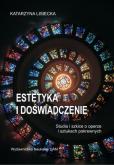
Celem książki jest próba odpowiedzi na pytanie, w jaki sposób poprzez działania artystyczne dokonuje się specyficzny paradoks uobecnienia tego, co stanowi istotną wartość i jakość procesu mimetycznego jako formy doświadczania świata. Autorka przedstawia rozważania analityczno-interpretacyjne o dziełach sztuki operowej, dramatycznej i filmowej w kolejnych, mocno zróżnicowanych tematycznie szkicach, łącząc co najmniej kilka wątków i motywów przewodnich zagadki estetycznego odbioru, a także pytań o rolę oraz sens sztuki, rozpatrywanej w kontekście historycznym, jak i społeczno-kulturowym w odniesieniu do otaczającej rzeczywistości.
W polskiej literaturze naukowej brakuje kompleksowych opracowań poświęconych teoretycznym zagadnieniom planowania przestrzennego – przeważają prace poświęcone aspektom formalnoprawnym bądź z zakresu urbanistyki. Prezentowana książka w pewnym stopniu wypełnia tę lukę, ujmując problematykę planowania przestrzennego w aspekcie współczesnego paradygmatu rozwoju sustensywnego. W monografii podjęto problematykę planowania w kilku ujęciach: teoretycznym – pokazując jego osadzenie w teoriach ekonomicznych opisujących takie zjawiska, jak: efekty zewnętrzne, dobra publiczne, renta gruntowa, teoria praw własności i teoria wyboru publicznego; konceptualnym – charakteryzując system planowania przestrzennego przez pryzmat jego celów, zasad, pożądanych cech i instrumentów; praktycznym – dokonując oceny skuteczności systemu planowania przestrzennego w Polsce w świetle paradygmatu rozwoju sustensywnego. Publikacja kończy się zestawieniem rekomendacji adresowanych do podmiotów planowania, wskazujących pożądane kierunki zmian systemowych.
Ze względu na zainteresowania autora, w szczególny sposób został zaakcentowany wątek przydatności planowania przestrzennego w ochronie przyrodniczych i krajobrazowych walorów przestrzeni. Zagadnienie to stanowi współcześnie jeden z najistotniejszych problemów wiążących się z użytkowaniem przestrzeni przez człowieka.
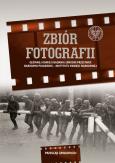
Książka zawiera omówienie serii i podserii albumów oraz pojedynczych fotografii wykonanych przede wszystkim przez żołnierzy Wehrmachtu i funkcjonariuszy SS, dokumentujące ogrom zbrodni popełnionych przez wojska niemieckie na terenach Polski.
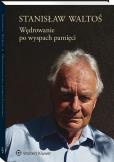
Wspomnienia jednej z najbardziej znanych postaci świata nauki. Prof. Waltoś to niezwykła osobowość - prawdziwy erudyta, człowiek renesansu. Autorytet z zakresu postępowania karnego i historii sztuki. Na jego podręczniku ""Proces karny. Zarys systemu"" wychowały się pokolenia prawników. A Muzeum Collegium Maius, którego był dyrektorem w latach 19772011, odwiedziły miliony turystów. Na książkę składa się 9 esejów, w których ze swadą i humorem opisuje swoje wspomnienia z różnych obszarów życia prywatnego i naukowego
Ten produkt jest zapowiedzią. Realizacja Twojego zamówienia ulegnie przez to wydłużeniu do czasu premiery tej pozycji. Czy chcesz dodać ten produkt do koszyka?