W tej strefie zapraszamy czytelników tak zwane artystyczne dusze po książki z kategorii Sztuka. Polecamy szereg publikacji o sztuce i jej historii,ciekawostki i portfolia artystów, eseje, albumy, książki o malarstwie, rzeźbiarstwie, architekturze oraz histoii fotografii. Biografie ciekawych artystów, książki i powieści przedstawiające fascynujące losy malarzy i osób uwiecznianych na obrazach. W tym dziale tylko ksiązki ze sztuka w tle.
Publikacja przygotowana w ramach obchodów Roku Stanisława Moniuszki 2019.
Monografia pt. „Życie – Twórczość – Konteksty. Eseje o Stanisławie Moniuszce” zawiera artykuły uznanych muzykologów, historyków, kulturoznawców i filologów stanowiące dopełnienie wizerunku Stanisława Moniuszki o wątki dotąd niepodejmowane oraz analizę recepcji jego muzyki i jej funkcji we współczesnej kulturze. Społeczno-kulturowe tło twórczości Moniuszki poszerzone zostało o tezy na temat dorobku kompozytora z perspektywy polskiej i europejskiej sztuki muzycznej i teatralnej oraz studia na temat wybranych aspektów jego spuścizny.
Wydanie poprawione i uzupełnione książki Szelest kart, z 2011 roku. Publikacja jest hołdem złożonym sztuce drukarskiej i typograficznej. Przedstawia książki stojące na półkach u Andrzeja Tomaszewskiego i które miały istotne znaczenie w kształtowaniu jego świadomości zawodowej. Komentarze są preludium dla nowicjuszy oraz skarbnicą wiedzy dla bibliofilów, wydawców czy typografów. »Szelest kart« to niezwykła bibliografia, skatalogowana jak na bibliotekarza przystało. To cenny dokument, odkrywający sieć powiązań, zależności i szczegółów z życia artystów i rzemieślników, którzy stworzyli stylistykę i estetykę współczesnej książki. Czytelnik znajdzie tam anegdoty z życia bibliofilów, krytyków literackich, grafików, publicystów, bibliotekarzy, wykładowców akademickich, typografów i samouków zakochanych w książce. To również przewodnik po najnowszej historii typografii, gdyż wiele wymienionych w tym katalogu pozycji to branżowe podręczniki-arcydzieła, które wpłynęły na formę i estetykę dzisiejszych książek.
Publikacja prezentuje sylwetki dziesięciorga wybitnych ludzi kultury i nauki. Oprócz reprodukcji prac Beaty Stankiewicz zawiera obszerne biogramy sportretowanych osób i wyimki z ich tekstów. Ponadto w książce znalazł się między innymi wywiad z artystką, przybliżający ideę cyklu.
Publikacja zawiera wypowiedzi Michaela Großa, Norberta Lammerta, Marii Anny Potockiej, Christiny Rossi i Michała Rusinka, a także obszerną rozmowę z artystką, przeprowadzoną przez Delfinę Jałowik i Jürgena Kaumköttera. W części albumowej prezentujemy ponad 80 kolaży Herty Müller wraz z ich tłumaczeniami na język polski i angielski.
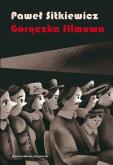
Wyjściu do kina w przedwojennej Polsce towarzyszyła szeroka skala emocji – od łez wzruszenia po strach o zdrowie i życie. Rytuały publiczności tworzyły często spektakl ciekawszy od filmu. Pełen niespodzianek i zwrotów akcji. Z kolei kino odgrywało więcej ról niż obecnie. Było parkiem rozrywki, ale jednocześnie świątynią sztuki, szkołą życia, trybuną polityczną, oknem na świat, miejscem spotkań towarzyskich i erotycznych, laboratorium przemian obyczajowych, symulatorem doznań niedostępnych w codziennej egzystencji, gabinetem lekarskim dla ludzi zmęczonych Wielkim Kryzysem, lecz również domem publicznym, areną przestępstw i tragedii. Kinomania nie była niewinną formą spędzania wolnego czasu. Po skończonej projekcji widzowie wracali bowiem do domu zarażeni gorączką filmową. Chorobą, która odmieniła XX wiek.
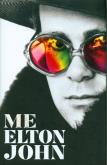
In his first and only official autobiography, music icon Elton John reveals the truth about his extraordinary life, which is also the subject of the film Rocketman. The result is Me - the joyously funny, honest and moving story of the most enduringly successful singer/songwriter of all time.
Christened Reginald Dwight, he was a shy boy with Buddy Holly glasses who grew up in the London suburb of Pinner and dreamed of becoming a pop star. By the age of twenty-three, he was on his first tour of America, facing an astonished audience in his tight silver hotpants, bare legs and a T-shirt with ROCK AND ROLL emblazoned across it in sequins. Elton John had arrived and the music world would never be the same again.
His life has been full of drama, from the early rejection of his work with song-writing partner Bernie Taupin to spinning out of control as a chart-topping superstar; from half-heartedly trying to drown himself in his LA swimming pool to disco-dancing with the Queen; from friendships with John Lennon, Freddie Mercury and George Michael to setting up his AIDS Foundation. All the while, Elton was hiding a drug addiction that would grip him for over a decade.
In Me Elton also writes powerfully about getting clean and changing his life, about finding love with David Furnish and becoming a father. In a voice that is warm, humble and open, this is Elton on his music and his relationships, his passions and his mistakes. This is a story that will stay with you, by a living legend.
Disco polo obciach czy fenomen? Marcin Miller szczęściarz czy pracoholik?Marcin Miller. Nie wszyscy go lubią. W wywiadach zbyt szczery, trudny do zaszufladkowania. Krytyczny. Samowystarczalny. Skromny król show-biznesu, czołowy wokalista muzyki disco polo w kraju. Który prostolinijnie wyznaje: takiej muzyki nie da się słuchać dłużej niż przez dwadzieścia minut. Tymczasem bez Szalonej czy Niech żyje wolność trudno wyobrazić sobie koncert sylwestrowy czy jakąkolwiek imprezę w Polsce.Łobuz czy drań?Zaczynał od gry na cymbałkach, potem były wiejskie zabawy, dożynki i gra w remizie strażackiej. Sprzęt? Keyboard od cioci ze Szwecji, statyw z dziecięcego wózka, własnoręcznie zrobiony mikser. Aż życie postawiło go przed dylematem ? zwykły los ełckiego urzędnika czy muzyka? Wybrał to drugie. Czy to mu się opłaciło?Twórca zespołu Boys. Lider i wokalista. Autor tekstów i kompozytor. Biznesmen. Projektant mody. Współtwórca i ambasador marki modowej MillerTulipan. Niezmiennie od blisko 30 lat na scenie. Gra ponad 200 koncertów rocznie.Niech żyje wolność,wolność i swoboda.Niech żyje zabawai dziewczyna młoda.
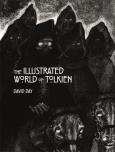
Tolkien's works have inspired artists for generations and have given rise to myriad interpretations of the rich and magical worlds he created. The Illustrated World of Tolkien gathers together artworks and essays from expert illustrators, painters and etchers, and fascinating and scholarly writing from renowned Tolkien expert David Day, and is an exquisite reference guide for any fan of Tolkien's work, Tolkien's world and the imaginative brilliance his vision inspired.
A Chronology of Architecture presents a fresh perspective on the medium by taking a purely chronological approach to its history, tracing the complex links between structural innovations, social changes and artistic interventions. Organized around a central timeline that charts the development of architecture from the earliest structures to present-day skyscrapers and global cities, it features key buildings, together with commentaries and contextual information about the social, political and cultural events of the period in which they were built. Special feature spreads highlight important movements, construction methods and key practitioners.
Covering a wide selection of genres, styles and architects, it is invaluable as a comprehensive guide to architecture in all its different forms.
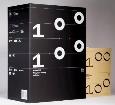
Following up on the best-selling Bibliotheca Universalis logo manual, this second volume focuses on corporate identity. In a globalized world, more and more symbols convey values such as trust, quality, or reliability. This catalog comprehensively breaks down how texts, images, and ideas are condensed into distinctive brands.
From airlines and groceries, sportswear and computers, museums, and magazines, to car brands, music labels, pharmaceuticals, and internet portals, this band offers around 4,500 brand logos including complete background information about designers, year of origin, and country, as well as brands and companies. A great reference book for anyone interested in the ideas and concepts that branding is based on.
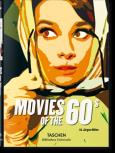
Positioned precariously between the uptight ’50s and the freewheeling ’70s, the 1960s marked a transitional decade in the film industry. As art, mass market, and pop culture merged and collided in true pop art style, cinema swirled with psychedelic energy. This handbook gathers the best films of the era, exploring the making and the mastery of such cinematic star turns as The Leopard, The Birds, Belle de Jour, A Fistful of Dollars, and Doctor Zhivago.
With audiences ever more glued to their TV sets and the loosened rules about what was “permissible” in cinema with the abolition of the Production Code, filmmakers embraced the freedom to explore the possibilities of film as an art form. As was often the case, the Europeans led the way, the French with Nouvelle Vague directors like Godard and Truffaut, and the Italians with such innovative films as Fellini’s 8 1/2 and Antonioni’s Eclipse.
By the mid-’60s the United States also began to exercise greater creative liberties, especially in films from young underground directors such as Russ Meyer, John Frankenheimer, and Sam Peckinpah. Meanwhile, Mary Poppins and The Sound of Music ushered out the grandiose Hollywood musical era with a bang while the Spaghetti Western became an instant phenomenon. Bond, James Bond, first appeared on-screen and Kubrick set new standards for sci-fi with 2001: A Space Odyssey.
Though the term “feminism” may not have been ready for prime time, the decade was also one of major advances in female characterization. From Jane Fonda’s Barbarella to Holly Golightly of Breakfast at Tiffany’s to Bonnie Parker of Bonnie and Clyde, it was the 1960s that saw women on-screen graduate from decorative accessories to complex, kick-ass personas.
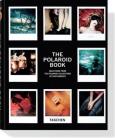
In existence for over 50 years, the Polaroid Corporation's photography collection is the greatest portfolio of Polaroid images in the world. Begun by Polaroid founder Edwin Land and photographer Ansel Adams, the collection now includes images by hundreds of photographers throughout the world and contains important pieces by artists such as David Hockney, Helmut Newton, Jeanloup Sieff, and Robert Rauschenberg. The Polaroid Book, a survey of this remarkable collection, pays tribute to a medium that defies the digital age and remains a favorite among artists for its quirky look and instantly gratifying, one-of-a-kind images.
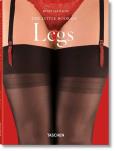
Many loved The Big Book of Legs but some found it just too darn big, weighing in at nearly seven pounds. True, it was packed with shapely legs spanning six decades, from the first shy emergence of the ankle in the 1910s, through the rolled stockings and rouged knees of the 1920s, to the Betty Grable ’40s, the stockinged and stilettoed ’50s, on into the sexually liberated ’60s and ’70s, but it could still put a dent in your own thighs if you sat reading for too long.
Fortunately here at TASCHEN we listen to your groans of agony as well as your moans of ecstasy; thus, the light and portable Little Book of Legs, packing over 100 of the choicest photos from the original volume, as well as 38 new photos, into a compact (and frankly adorable) package. From Betty Grable to Bettie Page, the greatest legs of the 20th Century can be found within, shot by Irving Klaw, Bunny Yeager, and the incomparable Elmer Batters, father of leg art. There are silk and nylon stockings, high heels in abundance, curvy calves, taut thighs, playful toes and towering arches―with no bothersome text to get in the way. Could leg love get any sweeter?
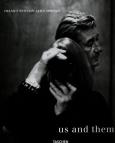
Us and Them is an ode to partnership and art. First published in 1999, it gathers photographs by Helmut Newton and his wife, the actress and photographer June Newton, who worked under the pseudonym Alice Springs. The collection is arranged into five sections, alternating the gaze between Newton and Spring’s own tender internal world of “Us,” and the glamorous encounters of their social and professional milieu—“Them.”
The “Us” sections of the book reveal the pair’s portraits of each other and themselves, as startling in their moments of vulnerability as they are infectious in their episodes of joy. We see the pair pensive, weary, or roaring with laughter. Alice photographs Helmut on set with his models, in the shower, and in stilettos. Helmut captures Alice in the kitchen, in costume, and hanging up the washing in the nude. Along the way, we are alerted to the frailties and intimacies that make up a long-term partnership, which coexisted with the high-voltage glamour for which Newton is renowned. The particular power of the pictures is to locate as much magnetism and beauty in an aging, ailing partner (Helmut in the hospital, Alice adjusting her spectacles), as in the pristine physiques of a Newton fashion shoot.
Ten produkt jest zapowiedzią. Realizacja Twojego zamówienia ulegnie przez to wydłużeniu do czasu premiery tej pozycji. Czy chcesz dodać ten produkt do koszyka?