W tej strefie zapraszamy czytelników tak zwane artystyczne dusze po książki z kategorii Sztuka. Polecamy szereg publikacji o sztuce i jej historii,ciekawostki i portfolia artystów, eseje, albumy, książki o malarstwie, rzeźbiarstwie, architekturze oraz histoii fotografii. Biografie ciekawych artystów, książki i powieści przedstawiające fascynujące losy malarzy i osób uwiecznianych na obrazach. W tym dziale tylko ksiązki ze sztuka w tle.
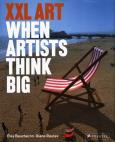
From countryside to desert, city streets to museum and gallery spaces, the oversize artworks featured in this volume present the dazzling variety of large-scale art throughout the world.
When artists think big, big things happen. In Chicago’s Millennium Park, thousands of visitors flock daily to Anish Kapoor’s Cloud Gate to see their wondrously distorted reflections. Christo’s The Gates mesmerized the citizens of New York City with its bright orange fabric draped throughout Central Park. In Prague, artist David Cerny’s Gesture either infuriated or delighted its many viewers during the city’s recent elections, while Stuart Murdoch’s Pimms Deckchair brilliantly celebrated the traditional English seaside. Political or whimsical, permanent or fleeting, magical or disturbing—each of these monumental works surprises the viewer by its sheer scale. Captured in double-page spreads with brief introductions, these works are organized by location: outdoors, in the streets, indoor, and museum installations. From Niki de Saint-Phalle’s magical Tarot Garden to Robert Smithson’s intermittently visible Spiral Jetty; from Daniel Firman’s enormous stuffed elephant displayed at the Fontainebleau Palace to Doris Salcedo’s Shibboleth, an enormous fissure she built in Tate Modern’s Turbine Hall—each of the works featured in this unique book reminds viewers of the immense power of art.
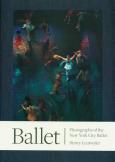
After four years of collaboration with choreographer Peter Martins and the New York City Ballet, Swiss portrait photographer Henry Leutwyler was granted unprecedented backstage access to the Company during the winter of 2012. The resulting book, Ballet, reflects 30 years of his passion for the art form, realized in 30 days of photographing. Leutwyler inhabited the shadows of the stage and became "invisible," recording images of the dancers using nothing more than his 35mm Leica. He was able to explore the performers' immediate space, affording a more abstract portrait of their frenzied existence in an art form predicated on perfection. This clothbound masterpiece is an homage to the gritty world behind the curtain. With impresario Lincoln Kirstein, George Balanchine co-created the New York City Ballet in 1948. What followed is arguably one the most revolutionary periods in ballet history as he redefined the art form, introducing abstract works performed with a signature speed, musicality and precision. Under the leadership of Peter Martins, these are the hallmarks of the Company to this day.
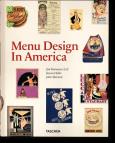
Gastronomy meets graphics, in this irresistible collection of American menus from the mid-19th century to the 1980s. Not only an excellent insight into our evolving eating habits, this lineup of some 800 designs also serves as a history of graphic styles, designed to entice, excite, and titillate our palates over the years.
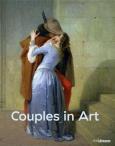
This book tells the story of romantic companionship in one hundred works of art. Chronologically arranged and emotionally driven, this study of couples runs through many cultures, civilizations, and epochs. With examples from across the globe, it portrays iconic and lesser-known (yet fascinating) couples immortalized in the history of art. Whether affectionately embracing, engaged in flirtatious exchanges, seducing one another, or simply enjoying each other's company, readers are invited into their complex world of passion, lust, and love. This celebration of these romantic relationships is expressed through sculptures, paintings, photographs, tapestries, stained glass, and illustrations.
Gathered together are representations of couples from ancient cultures (Amenophis IV and Nefertiti), the Middle Ages (Tristan and Isolde), and the Renaissance (Paolo and Francesca). The book also covers contemporary pairs such as John Lennon and Yoko Ono or Gilbert and George, and artists such as Manet, Gainsborough, Renoir, Metsys, Rembrandt, Rubens, Blake, Moore, and Munch, to name but a few. The artists offer us an extensive selection of couples: from history, folklore, and legend, to pairs of a purely fictional nature. This variety of artistic means and vision results in a charming and irresistible collection.
Art historian Agata Toromanoff has written several books on design. After running a contemporary art gallery and participating in the launch of a fashion brand, she founded a book packaging agency, Fancy Books. She also curates photography shows across Europe.
They were inspirational, controversial, talismanic and innovative. They lead lives full of myth, scandal, sex, drugs and some of the most glorious music that has ever heard. Though each of their lives were cut tragically short at the age of 27, they would all leave the world having changed it irrevocably.
Chris Salewicz tells, in intimate detail, the stories behind these compelling figures. From Robert Johnson and his legendary deal with the devil, to Jimi Hendrix appearing like a psychedelic comet on the London scene, through to Amy Winehouse's blazing talent and her savage appetite for self-destruction.
Wybór szkiców znanego prozaika, dramaturga i filmowca, profesora Państwowej Wyższej Szkoły Filmowej, Telewizyjnej i Teatralnej w Łodzi, których tematem jest współczesny stan polskiej kultury, zarówno wysokiej, jak i masowej, zwłaszcza tej upowszechnianej przez media elektroniczne. Autor zadaje pytanie o kondycję człowieka i obywatela, w kilkanaście lat po upadku komunizmu i pełnym otwarciu się Polski na kulturowe prądy i zjawiska cywilizacji zachodniej. Przejmująca diagnoza różnorodnych zagrożeń i dehumanizacji świata, niepozbawiona jednak nadziei, jaką daje poszukiwanie prawdy, dobra i piękna.
Kraków przez uchylone drzwi to podróż do zaginionego miasta, które w postaci ukazanej na zamieszczonych fotografiach nigdy nie istniało. Fotografia jest iluzją. Nigdy, czytelniku, nie wierz w to, co zobaczysz na zdjęciach. Ktoś chce Ci przekazać swoją wizję i każe w nią uwierzyć... Fotografia stereoskopowa miała być prawdziwym wizerunkiem świata – powstała w połowie XIX w., przez sto lat gościła w mieszczańskich salonach. Molierowski pan Jourdain odkrył, że od 40 lat mówi prozą, podobne odkrycie zrobili fotografowie: zapragnęli zostać prozaikami. Swymi stereoskopowymi zdjęciami chcieli okiełznać otaczającą ich przestrzeń i pokazać prawdę. Jak im się to udało, oceń sam.
W książce, prócz zawartego we wstępie wprowadzenia w istotę tworzenia obrazów przestrzennych, ukazano wybór zdjęć stereoskopowych Krakowa, zrobionych zarówno przez uznanych fotografów, jak i, często bezimiennych, amatorów. Widzimy tu prowincjonalne XIX-wieczne miasto, jak i rozwijającą się w początkach XX w. metropolię. Ale najważniejsi są na zdjęciach ludzie. Oni przemijają.
Jerzy Przybyło – krakus, geolog górniczy, zawodowo związany z Kopalnią Soli „Wieliczka”. Pasjonat fotografii w odmianie street photo, które to zdjęcia przyniosły mu nagrody w krakowskich konkursach: „Ocalić od zapomnienia”, „Portret miasta”, „Jeden dzień z życia miasta” i in. Wykonał tysiące zdjęć dokumentujących podziemia kopalni; autor lub współautor ponad 30 artykułów traktujących o tajnikach wielickiego złoża soli. Fotografuje głównie w manierze czarno-białej, ale też od początku towarzyszy krakowskiemu Festiwalowi Teatrów Ulicznych, który jednak wymaga koloru. Kolekcjoner dawnej fotografii – od XIX-wiecznych dagerotypów po współczesne zdjęcia typu polaroid.
Sławomir Mikrut – adiunkt w Akademii Górniczo-Hutniczej im. Stanisława Staszica w Krakowie, absolwent Wydziału Geodezji Górniczej i Inżynierii Środowiska tamże. Stopień doktora uzyskał w 2003 r., habilitację – w 2016 r. Od 20 lat związany z Katedrą Geoinformacji, Fotogrametrii i Teledetekcji Środowiska AGH. Autor ponad 70 monografii i artykułów naukowych z zakresu fotogrametrii i teledetekcji, przetwarzania obrazów oraz GIS, publikowanych w czasopismach krajowych i zagranicznych. W latach 2012–2016 członek Senatu AGH. Kierownik i wykonawca kilkunastu projektów naukowo-badawczych tak krajowych, jak i zagranicznych. Założyciel i prezes start-upu HyperLab Solution. Wieloletni członek zarządu w firmach geodezyjnych i fotogrametrycznych.
The issues raised in this study concern the contemporary specifics of the Polish territory as well as the historical context, especially legal provisions, economic changes and the political transformation which took place after the Second World War. All these issues are illustrated by numerous local examples from the Gdańsk agglomeration and the Pomerania region. However, the research presented is also based on the analysis of the utilitarian approach of regimes observed not only in Poland but all around the world. The Polish case serves merely as a background for further discussion.
Ostatni weekend września 2018 roku miał stanowić jedynie przygrywkę do cyklu rozmów planowanego na całą jesień. […] Byliśmy umówieni na telefon, by ustalić termin następnego spotkania. Były więc kolejne daty i coraz więcej zmęczenia w głosie pana Kazimierza, między jednym szpitalem a drugim. Do spotkań w cztery oczy już więcej nie doszło. Pozostało kilka godzin nagrań, tym cenniejszych, że okazały się rejestracją rozmów ostatnich.
Andrzej Gwóźdź
Ksia?żka Rafała Solewskiego przynosi bardzo wiele szczego´łowych, nieznanych i dobrze udokumentowanych informacji o z˙yciu i two´rczos´ci Janusza Orbitowskiego, a jednoczes´nie w sposo´b subtelny wia?że te? problematykę z szeroka? erudycja? teoretyczna?. Budowa opracowania jest w pełni klasyczna. Jednak wypełnienie tres´cia? układu tematycznego jest bogate i powiedziałbym „smakowite”...
Grzegorz Sztabiński
Ze znawstwem prowadzone opisy prac, z sugestiami podejmowanych przez Orbitowskiego dialogo´w z mistrzami abstrakcji, pozwalaja? Autorowi na porza?dkowanie materiału woko´ł obranych zagadnien´. Zaproponowana ro´z˙norodnos´c´ perspektyw badanych fenomeno´w opar- ta jest na dobrym warsztacie historyka sztuki. I trudno nie przyznac´ racji Autorowi, gdy konkluduje: „W rzeczywistos´ci włas´nie niemal detaliczny opis, kto´ry zmusza do przybliżenia sie? do dzieła, poda?z˙ania za liniami, s´ledzenia zmian kierunko´w, oddawania sie? rytmom, odkrywania jakos´ci materiału i sposobo´w jego wykorzystania, pozwala pojmowac´ wysiłek two´rczy artysty i zbliz˙ac´ do zrozumienia, dlaczego jego dzieła tak zatrzymuja? uwage?.”
Maria Hussakowska-Szyszko
This retrospective of Albert Watson's (*1942) best photos from the past four decades reflects a history of an era, capturing cultural aspects such as design, fashion and beauty as well as their protagonists. Through his carreer that has lastet more than 40 years, the scottish photographer portrayed various moviestars, musicians or politicians for magazines and made more than 250 covers for Vogue magazine. Although graphically constructed, his pictures still reveal the soul of the person or object portrayed, while seeming like sculptures at the same time. One of his special abilities is to find the defining difference in his motives. For the catalogue "UFO - Unified Fashion Objectives", a special selection was compiled to present Watson's special abilities as a photographer, chosen from a huge archive.
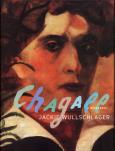
“When Matisse dies,” Pablo Picasso remarked in the 1950s, “Chagall will be the only painter left who understands what color really is.” As a pioneer of modernism and one of the greatest figurative artists of the twentieth century, Marc Chagall achieved fame and fortune, and over the course of a long career created some of the best-known and most-loved paintings of our time. Yet behind this triumph lay struggle, heartbreak, bitterness, frustration, lost love, exile—and above all the miracle of survival.
Born into near poverty in Russia in 1887, the son of a Jewish herring merchant, Chagall fled the repressive “potato-colored” tsarist empire in 1911 for Paris. There he worked alongside Modigliani and Léger in the tumbledown tenement called La Ruche, where “one either died or came out famous.” But turmoil lay ahead—war and revolution; a period as an improbable artistic commissar in the young Soviet Union; a difficult existence in Weimar Germany, occupied France, and eventually the United States. Throughout, as Jackie Wullschlager makes plain in this groundbreaking biography, he never ceased giving form on canvas to his dreams, longings, and memories.
His subject, more often than not, was the shtetl life of his childhood, the wooden huts and synagogues, the goatherds, rabbis, and violinists—the whole lost world of Eastern European Jewry. Wullschlager brilliantly describes this world and evokes the characters who peopled it: Chagall’s passionate, energetic mother, Feiga-Ita; his eccentric fellow painter and teacher Bakst; his clever, intense first wife, Bella; their glamorous daughter, Ida; his tough-minded final companion and wife, Vava; and the colorful, tragic array of artist, actor, and writer friends who perished under the Stalinist regime.
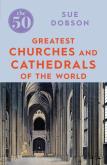
Cathedrals and great churches are among the most iconic sights of the world’s towns and cities. Visible from miles around, the cathedrals of Canterbury, St Paul’s, Chartres and St Stephen’s in Vienna dominate their skylines. Others surprise by their statistics: Salisbury has Britain’s tallest spire, Wells the largest display of medieval sculptures in the world, while King’s College Chapel in Cambridge boasts the largest fan vaulting in existence. Not all are ancient: Dresden’s reconstructed Frauenkirche opened in 2005 and Gaudi’s masterpiece in Barcelona is still under construction. Award-winning travel writer Sue Dobson gives us a highly personal tour of their highlights.
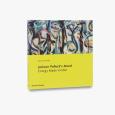
Jackson Pollock’s Mural, created early in his career in 1943, is a vast panorama spanning a 6-metre-long canvas – the largest painting he ever made. Mural marked a watershed for Pollock: a presentiment of the epic scale, complexity, energy and ambition of the work ahead. This monumental painting is one of the most influential yet little-seen works of the last century. This book sheds new light on its place in the artist’s meteoric career and the evolution of modern American art.
David Anfam considers the many influences on Pollock that led to this landmark achievement – including the context of the American West, his little-known relationship with Clyfford Still and the importance of wartime action photography. He also traces the explosive magnetism Mural exerted over the emergent Abstract Expressionists and its legacy for painters and sculptors as diverse as Mark Rothko, Robert Motherwell, David Smith, Richard Serra and Brice Marden.
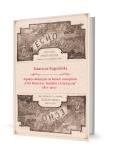
Podejmowanie badań związanych z czasopiśmiennictwem dziewiętnastego i początku dwudziestego wieku stanowi cenną inicjatywę. Przedstawione przez dr Katarzynę Rogozińską opracowanie dotyczące periodyku „Echo Muzyczne, Teatralne i Artystyczne”, wychodzącego w Warszawie w latach 1877–1907 (…), doskonale wpisuje się w nurt wydanych dotychczas drukiem publikacji różnych autorów. Dokonywano już opracowań poszczególnych zagadnień na łamach różnych pism – politycznych, społecznych, kobiecych, abstynenckich czy uzdrowiskowych. (…) Periodyk będący przedmiotem opracowania nie miał z definicji charakteru oświatowego, pedagogicznego czy wychowawczego, ale poprzez publikowane w nim artykuły odgrywał rolę kształcącą. (…) Na łamach omawianego przez Autorkę czasopisma widać ukierunkowanie na edukację szeroko pojętą – artystyczną i teatralną, a także wyraźnie w zakresie muzyki.
Z recenzji dr hab. Ewy Danowskiej
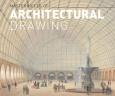
This book highlights architectural drawings from the Albertina’s superb collection and offers new insights into the genre.
Since the medium began, artists have used architectural drawings to document the urban and rural past and to envision the future. Covering a period that runs from the 16th-century to the 1930s, this collection of 140 architectural drawings presents a panoply of styles and perspectives from some of the leading artists of their day, including Durer, Bernini, Hansen, Loos and others. From delicately colored Baroque vedute and magnificent Renaissance buildings to Hapsburg palaces and Art Deco structures, these works both document and reflect upon the architects and the artists’ visions and hopes for our built environments. With detailed sketches and painters’ compositions, this book will fascinate architectural enthusiasts and art lovers alike.
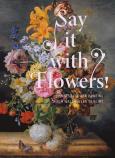
With radiant color and lavish detail, this collection of 19th and early 20th-century Viennese floral paintings tells a captivating story of artistic transformation.
In this breathtaking book, richly illustrated chapters explore different artists’ takes on floral paintings. Outstanding Viennese artists, from Ferdinand Georg Waldmüller to Gustav Klimt, tested their skills by painting opulent floral works. Readers will learn how the depiction of flowers in this period echoed the evolution of painting styles as artists liberated themselves from formal techniques, how women, excluded from painting academies, turned to flowers as a means of expression and emancipation, and how modern artists are influenced today by floral masterpieces of the past. Additional chapters examine the role of the sunflower in particular and the role of orientalism in the Biedermeier period, while brief essays on porcelain painting and botany provide additional perspectives. Generously illustrated, this wide-ranging and informative history offers a veritable bounty of floral delights.
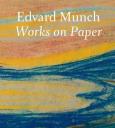
A celebratory homage to Edvard Munch on the 150th anniversary of his birth
This superb book is dedicated to Edvard Munch’s vast and fascinating oeuvre of works on paper. Featured in beautiful color reproductions are key images related to well-known prints and drawings, as well as lesser known works, such as childhood drawings and caricatures. Essays by critically acclaimed art historians examine, among other things, the various techniques that Munch used for his prints and drawings; charming examples of childhood drawings featuring his family and their daily life; his interaction with contemporary artists and the intellectual milieu of the so-called “Kristiania Bohemia” and Oslo’s night life; and the impact of his volatile romantic relationship with Tulla Larsen. In sum, this invaluable book reveals many new insights into the life and work of one of the world’s best-known yet enigmatic artists.
The first comprehensive study of the development of solar house design in the United States and around the world. The Solar House explores the development of solar residential architecture over the course of the twentieth century and up to the latest designs today. The solar house is often understood as a product of the 1970s, and few people are aware of the influential experimental solar houses which were constructed during the previous four decades, beginning with the work of masters of twentieth-century architecture such as Richard Neutra, Le Corbusier, Frank Lloyd Wright, Paolo Soleri, Louis Kahn, Pietro Belluschi, Edward Durell Stone, and Harwell Hamilton Harris, and continuing with more recent innovations like the German Passivhaus movement and the Heliotrope, the first house to produce more energy than it consumed, and the U.S.-based Solar Decathlon, conceived as a living demonstration laboratory and recently expanded to include contests in Europe and China. Not only are these innovative projects the models for architects exploring environmentally conscious design today, they hold the imagination of the wider public, beginning with the idealism of the 1960s, the pragmatism that accompanied the energy crisis of the 1970s, and continuing into the twenty-first century with the demand for environmentally sustainable living. The first complete study of solar house design through the decades, this volume is a must-have resource for designers today.
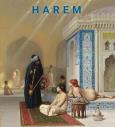
In the wake of Bonaparte's Egyptian Campaign, artists of the nineteenth century became fascinated by Orient and, most particularly, the harems which were so remote from western culture. These places rapidly provided a pretext for drawing the languid bodies of naked women, whose depiction in any other context would have been intolerable. This assembly of numerous works by Orientalist painters constitutes a sublime testimony to an imagined fantasy Orient, located between eroticism and sensuality.
Ten produkt jest zapowiedzią. Realizacja Twojego zamówienia ulegnie przez to wydłużeniu do czasu premiery tej pozycji. Czy chcesz dodać ten produkt do koszyka?