W tej strefie zapraszamy czytelników tak zwane artystyczne dusze po książki z kategorii Sztuka. Polecamy szereg publikacji o sztuce i jej historii,ciekawostki i portfolia artystów, eseje, albumy, książki o malarstwie, rzeźbiarstwie, architekturze oraz histoii fotografii. Biografie ciekawych artystów, książki i powieści przedstawiające fascynujące losy malarzy i osób uwiecznianych na obrazach. W tym dziale tylko ksiązki ze sztuka w tle.
Od 2005 roku – wraz z powstaniem Polskiego Instytutu Sztuki Filmowej – nastąpił w polskim kinie renesans historii. Rodzime kino o historii stało się podstawą nowej narracji tożsamościowej i jednym z najważniejszych narzędzi odpowiedzialnych za budowę określonego obrazu przeszłości. Filmy nierzadko stanowią nie tylko reprezentację przeszłych wydarzeń, ale również – za ich pośrednictwem – komentarz do aktualnej sytuacji społecznej czy politycznej, a ich produkcja jest motywowana ideologicznym zapotrzebowaniem. Mają przez to zarówno kulturową, jak i polityczną nośność. Wychodząc z założenia, że wszelkie pozafilmowe okoliczności mają wpływ na całościowy obraz kina, w Filmowym zarządzaniu pamięcią korzenie poszczególnych wątków filmowych sięgają realnych państwowych działań, wydarzeń, debat i dyskusji, a także czasem trudnego do ujęcia „ducha czasów”. Z takiej analizy wyłania się obraz historii podatnej na polityczne aktualizacje oraz będącej poważną stawką w grze o pamięć zbiorową.
Za znakomity uważam już sam pomysł Magdaleny Urbańskiej, aby przyjrzeć się Filmowemu zarządzaniu pamięcią. Należy podkreślić, że było to zadanie niezwykle trudne, ponieważ wymagało namysłu nad zjawiskami znajdującymi się w gruncie rzeczy in statu nascendi, budzącymi silne emocje, uwarunkowanymi kwestiami politycznymi i tożsamościowymi. Autorka wywiązała się z niego świetnie, oferując czytelnikom oryginalne, zajmujące i efektywne ujęcie interesującego ją zagadnienia, ale także przybliżając i pogłębiając wiedzę o szeroko rozumianych relacjach kina, historii i polityki, polskiej kinematografii czy społecznym imaginarium. Magdalena Urbańska napisała książkę interesującą, oryginalną, posiadającą dużą wartość poznawczą, poruszającą problematykę o fundamentalnym znaczeniu dla polskiej kultury, oferującą czytelniczą przyjemność na różnych poziomach.
[z recenzji prof. Dr. hab. Piotra Zwierzchowskiego]
Magdalena Urbańska – absolwentka wiedzy o teatrze, filmoznawstwa oraz studiów doktoranckich w zakresie nauk o sztuce na Uniwersytecie Jagiellońskim. Menedżerka kultury, producentka wydarzeń artystycznych, koordynatorka projektów kulturalnych. Laureatka Stypendium Twórczego Miasta Krakowa. Zajmuje się współczesnym kinem polskim.
Przedsięwzięcie jest realizowane ze środków pochodzących ze „Stypendium Twórczego Miasta Krakowa”.
Waging Heavy Peace is the remarkable memoir of rock icon Neil YoungNeil Young is a singular figure in the history of rock and pop culture in the last four decades, inducted not once but twice into the Rock and Roll Hall of Fame. Reflective, insightful and disarmingly honest, Waging Heavy Peace is his long-awaited memoir. From his youth in Canada to his crazy journey out to California, through Buffalo Springfield and Crosby, Stills & Nash, to his massively successful solo career and his re-emergence as the patron saint of grunge on to his role today as one of the last uncompromised and uncompromising survivors of rock 'n' roll - this is Neil's story told in his own words.
Young presents a kaleidoscopic view of personal life and musical creativity; it's a journey that spans the snows of Ontario to the LSD-laden boulevards of 1966 Los Angeles to the contemplative paradise of Hawaii today. Along the way he writes about the music, the victims, the girls and the drugs; about his happy family life but also about the health problems he and his children have experienced; about guitars, cars and sound systems; about Canada and California and Hawaii. Candid, witty and revealing, this book takes its place beside the classic memoirs of Bob Dylan and Keith Richards.
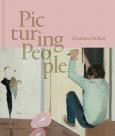
Figurative art is currently riding high. Contemporary works depicting the human form grace the walls of public institutions and commercial galleries alike. Champions of paint, such as Katherine Bernhardt and Adrian Ghenie; photographic artists, such as Gillian Wearing and Cindy Sherman; Charles Avery's drawings, Grayson Perry's tapestries and Kara Walker's silhouettes – these and many other artists from diverse backgrounds are working in a range of media to explore new ways to depict the human form. Charlotte Mullins explores the reasons behind this resurgence and considers what the figure means to the artists who depict it in their practice. Her accessible yet highly perceptive introduction includes works by 70 artists, all created in the past five years. These artists successfully employ the figure to help make sense of the mercurial, fast-paced and challenging world we live in.
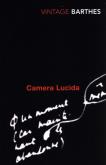
Barthes investigation into the meaning of photographs is a seminal work of twentieth-century critical theory. This is a special Vintage Design Edition, with fold-out cover and stunning photography throughout. Examining themes of presence and absence, these reflections on photography begin as an investigation into the nature of photographs - their content, their pull on the viewer, their intimacy. Then, as Barthes contemplates a photograph of his mother as a child, the book becomes an exposition of his own mind. He was grieving for his mother at the time of writing. Strikingly personal, yet one of the most important early academic works on photography, Camera Lucida remains essential reading for anyone interested in the power of images. 'Effortlessly, as if in passing, his reflections on photography raise questions and doubts which will permanently affect the vision of the reader' Guardian
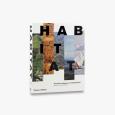
Climate change is the biggest challenge facing our planet. There has never been a more important time to understand how to make the best use of local natural resources and to produce buildings that do not rely on stripping the environment or transporting materials across the globe.
The culmination of years of specialist research, this once-in-a-generation publication gathers together an international team of over one hundred leading experts across a diverse range of disciplines to examine what the traditions of vernacular architecture and its regional craftspeople around the world can teach us about creating a more sustainable future. Organized by the five major climate zones, covering polar, temperate, tropical, desert and continental, and more than 80 countries worldwide, it reveals how people and cultures have adapted to their environment to make the best use of indigenous materials and construction techniques, and stresses the importance of preserving disappearing craftsmanship and local knowledge before it is too late.
Including contextual essays on issues ranging from climatology, to anthropology and economics; detailed reference section; specially commissioned maps and infographics; and a wealth of illustrations, this landmark publication is a celebration of humankind's resilience and ingenuity in a rapidly changing world, and an invaluable resource document for the future generation who will shape our built environment.
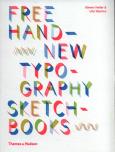
Steven Heller, the world's foremost graphic-design commentator, and Lita Talarico, design educator, open up designers' personal sketchbooks to provide an intimate look at the creative processes behind typefaces, word-images and logos. Arranged alphabetically by name, the world's most exciting designers and typographers, including Philippe Apeloig, Ed Benguiat, Hoefler Type Foundry, Henrik Kubel, Toshi Omagari and Francesco Zorzi, present a staggering range of unique and exciting ways to communicate through letters and words. Sketchbook pages reveal the designers' creative processes across diverse briefs, concepts, languages and alphabets, from Roman to Cyrillic to Arabic.
Aimed at all those who engage creatively with type, whether by hand or on screen, this rich compendium of typographic ideas stresses the importance of typographic thinking at a time when reading habits are evolving, while celebrating the varied and innovative ways that designers practise this time-honoured craft.
Presenting work from the earliest through to the most contemporary of photographers, Making It Up: Photographic Fictions challenges the idea that ‘the camera never lies’. With over 130 photographs supported by extended commentaries and an introduction, the book illustrates that, though we often recognize the staged, constructed or the tableau as a feature of contemporary art photography, this way of working is almost as old as the practice itself. Remarkable in themselves, these photographic fictions, whether created by such early practitioners as Lewis Carroll or Roger Fenton, internationally renowned artists such as Cindy Sherman and Jeff Wall, or contemporary figures such as Hannah Starkey and Bridget Smith, find new and intriguing relevance in our so-called ‘post-truth’ age.
Signifying Rappers is a fun and quirky discovery for any fan of David Foster Wallace or Hip-hop.
Signifying Rappers is an old-school classic from David Foster Wallace and his friend and room-mate Mark Costello, first published in 1990, long out of print, and previously unavailable outside the USA.
A paean to the golden age of Hip-Hop and the first book to consider seriously its position as a vital force in American culture, Signifying Rappers is a must-read for fans of both Wallace and hip-hop. Set against the legendary 1980s scene, it maps the bipolarities of rap and pop, rebellion and acceptance, glitz and gangsterdom, with an energy and exuberance which is as fresh today as when it was written.
'Costello and Wallace's pioneering study is a dazzling performance: informative, provocative, funny, brilliantly written . . . great wit, insight and in-your-face energy' Review of Contemporary Fiction
'Both a cogent explication of rap and a cutting, revealing parody of overinflated, pseudointellectual rap criticism' Seattle Weekly
David Foster Wallace, who died in 2008, was the author of the acclaimed novels Infinite Jest and The Broom of the System. His final novel, The Pale King, was published posthumously in 2011. He is also the author of the short-story collections Oblivion, Brief Interviews with Hideous Men and Girl with Curious Hair. His non-fiction includes several essay collections, including Both Flesh and Not, which was published in 2012, and the the full-length work Everything and More.
Mark Costello is the author of two novels, including the National Book Award Finalist Big If. He lives in New York City.
Suitable for designers unfamiliar with Arabic script. Using visual examples and case studies, this book takes the reader through the entire range of graphic design applications - newspaper and television news typefaces, book jacket designs, corporate and brand identity, logotype conversions, advertising, design for print and fine art.
Nakład limitowany - wydrukowano tylko 100 egzemplarzy.Opracowanie przedstawia fotografów zawodowych i amatorów w latach 1839-1944 związanych ze Śląskiem Opolskim (tu w rozumieniu jako obszar tożsamy z woj. opolskim).Podstawą źródłową tego katalogu są zdjęcia. Pokazują one warsztat fotografa, sprzęt, stosowaną technikę, winiety i materiały jakich używał, sposób ustawiania modela, osoby najczęściej fotografowane, mówią też wiele o zmieniających się zwyczajach i obowiązującej modzie. Dodatkowym źródłem, z którego czerpano, były pocztówki, ogłoszenia w gazetach, dane z ksiąg adresowych, parafialnych, telefonicznych i urzędów stanu cywilnego. Są też nazwiska fotografów, do których autor dotarł i zamieścił tylko na podstawie znanej mu literatury innych autorów. Praca ta nie zawiera obszernych biografii, gdyż te można znaleźć w opracowaniach innych autorów.W kolejno wydawanych zeszytach znajdzie się ponad 500 alfabetycznie ułożonych nazwisk fotografów, miejsce, w którym przebywali, data lub daty pobytu, a także nowe, nieznane dotychczas informacje.
Nakład limitowany - wydrukowano tylko 100 egzemplarzy.Opracowanie przedstawia fotografów zawodowych i amatorów w latach 1839-1944 związanych ze Śląskiem Opolskim (tu w rozumieniu jako obszar tożsamy z woj. opolskim).Podstawą źródłową tego katalogu są zdjęcia. Pokazują one warsztat fotografa, sprzęt, stosowaną technikę, winiety i materiały jakich używał, sposób ustawiania modela, osoby najczęściej fotografowane, mówią też wiele o zmieniających się zwyczajach i obowiązującej modzie. Dodatkowym źródłem, z którego czerpano, były pocztówki, ogłoszenia w gazetach, dane z ksiąg adresowych, parafialnych, telefonicznych i urzędów stanu cywilnego. Są też nazwiska fotografów, do których autor dotarł i zamieścił tylko na podstawie znanej mu literatury innych autorów. Praca ta nie zawiera obszernych biografii, gdyż te można znaleźć w opracowaniach innych autorów.W kolejno wydawanych zeszytach znajdzie się ponad 500 alfabetycznie ułożonych nazwisk fotografów, miejsce, w którym przebywali, data lub daty pobytu, a także nowe, nieznane dotychczas informacje.
Nakład limitowany - wydrukowano tylko 100 egzemplarzy.Opracowanie przedstawia fotografów zawodowych i amatorów w latach 1839-1944 związanych ze Śląskiem Opolskim (tu w rozumieniu jako obszar tożsamy z woj. opolskim). Podstawą źródłową tego katalogu są zdjęcia. Pokazują one warsztat fotografa, sprzęt, stosowaną technikę, winiety i materiały jakich używał, sposób ustawiania modela, osoby najczęściej fotografowane, mówią też wiele o zmieniających się zwyczajach i obowiązującej modzie. Dodatkowym źródłem, z którego czerpano, były pocztówki, ogłoszenia w gazetach, dane z ksiąg adresowych, parafialnych, telefonicznych i urzędów stanu cywilnego. Są też nazwiska fotografów, do których autor dotarł i zamieścił tylko na podstawie znanej mu literatury innych autorów. Praca ta nie zawiera obszernych biografii, gdyż te można znaleźć w opracowaniach innych autorów.W kolejno wydawanych zeszytach znajdzie się ponad 500 alfabetycznie ułożonych nazwisk fotografów, miejsce, w którym przebywali, data lub daty pobytu, a także nowe, nieznane dotychczas informacje.
Gustave Doré, rysownik, słynny ilustrator Biblii, Boskiej komedii Dantego i utworów Rabelais’go, opublikował Dzieje Świętej Rusi, swoją pierwszą samodzielną książkę, gdy miał 22 lata. Był rok 1854. Trwała właśnie wojna krymska, w której Francja i Anglia walczyły po stronie Turcji przeciwko Rosji. Doré wykorzystał (i z młodzieńczą dezynwolturą przekroczył) rejestr obiegowych w tym czasie wyobrażeń Francuzów na temat Rosji, uformowanych w pierwszej połowie XIX wieku pod wpływem doniesień naocznych świadków i podróżników – choćby takich jak Joseph de Maistre czy Adolphe de Custin – którzy szeroko rozpisywali się o rosyjskim życiu i rosyjskim charakterze. W Dziejach Świętej Rusi wyobrażenia te zyskują wyraźnie pamfletowe zabarwienie. Doré utożsamia „rosyjskość” z barbarzyństwem i autorytaryzmem. Rysownikowi udało się przy tym stworzyć serię obrazów Rosji o tak wyrazistej formie, że okazały się one później poręcznymi i podręcznymi rekwizytami rozmaitych ideologicznych przedsięwzięć.
The first and only behind-the-scenes Harry Potter memoir from one of the films' biggest stars, Tom Felton
They called for a break, and Gambon magicked up a cigarette from out of his beard. He and I were often to be found outside the stage door, having 'a breath of fresh air', as we referred to it. There would be painters and plasterers and chippies and sparks, and among them all would be me and Dumbledore having a crafty cigarette.
From Borrower to wizard, Tom Felton's adolescence was anything but ordinary. His early rise to fame saw him catapulted into the limelight aged just twelve when he landed the iconic role of Draco Malfoy in the Harry Potter films.
Speaking with candour and his own trademark humour, Tom shares his experience of growing up on screen and as part of the wizarding world for the very first time. He tells all about his big break, what filming was really like and the lasting friendships he made during ten years as part of the franchise, as well as the highs and lows of fame and the reality of navigating adult life after filming finished.
Prepare to meet a real-life wizard.
Książka poświęcona jest polskim lewicowym intelektualistkom, polityczkom i działaczkom, które po drugiej wojnie światowej współtworzyły projekt socjalistycznej modernizacji kraju i emancypacji kobiet. Jednocześnie dotyczy ona nieobecności komunistek – lub ich specyficznej obecności – w historii kobiet i ruchu kobiecego w Polsce. „Architektki PRL-u” to książka zarazem historyczna – wzbogacająca wiedzę o rzeczywistości PRL i jej współtwórczyniach, jak i teoretyczna – badająca dyskursy historyczne – i w pewnym sensie interwencyjna, proponująca ich zmianę.
„Jedną z najmocniejszych stron książki jest jej świeże spojrzenie na historię feminizmu w Polsce. Autorka komplikuje dominującą definicję feminizmu jakoby wywodzącego się przede wszystkim z zachodniego liberalizmu. Skupiając się na lewicowej tradycji feministycznej, pokazuje, że ruch kobiecy nigdy nie był jednorodny ani w Polsce, ani na świecie”. — prof. Małgorzata Fidelis, University of Illinois at Chicago
„Książka Agnieszki Mrozik wpisuje się w szerszy nurt badań nad komunizmem, który można określić mianem rewizjonistycznego, lecz wbrew krytykom bynajmniej nie apologetycznego”. — dr hab. Michał Kozłowski, Uniwersytet Warszawski
„Agnieszka Mrozik w śmiały i przekonujący sposób rewiduje dotychczasową wiedzę o komunistycznej polityce płciowej i klasowej, a także wielostronnie ukazuje rozproszone i bardzo zróżnicowane pola działalności politycznej, społecznej, kulturalnej »architektek PRL-u«, które nie ograniczały się do bycia widocznymi w strukturach partyjnych”. — dr hab. Monika Świerkosz, Uniwersytet Jagielloński
Agnieszka Mrozik – adiunktka w Instytucie Badań Literackich PAN, gdzie jest związana z Ośrodkiem Studiów Kulturowych i Literackich nad Komunizmem oraz Zespołem „Archiwum Kobiet”. Autorka książki Akuszerki transformacji. Kobiety, literatura i władza w Polsce po 1989 roku (2012). Współredagowała m.in. Reassessing Communism: Concepts, Culture, and Society in Poland, 1944–1989 (2021); Gender, Generations, and Communism in Central and Eastern Europe and Beyond (2020); …czterdzieści i cztery. Figury literackie. Nowy kanon (2016); Encyklopedia gender (2014). Publikowała m.in. w „Tekstach Drugich”, „Praktyce Teoretycznej”, „Aspasii”, „European Journal of Life Writing”. Stypendystka Imre Kertész Kolleg w Jenie (2017), IAS CEU w Budapeszcie (2018/19) oraz Programu DAAD na Uniwersytecie w Hamburgu (2019). Badaczka dyskursów emancypacyjnych, pamięci transformacji, auto/biografii i literatury kobiet w Polsce oraz w Europie Środkowo-Wschodniej.
Czego najbardziej we współpracy z Lady Gagą żałuje szef wytwórni płytowej Island Def Jam?Dlaczego to właśnie ją wybrano do roli Patrizii Reggiani w Domu Gucci?Jaka jest Gaga, gdy schodzi ze sceny?Lady Gaga. Applause odkryje przed tobą nieznane dotąd fakty o ikonie muzyki pop! Dowiesz się, co mówią o Gadze jej współpracownicy i przyjaciele. Zachwycisz się nieznanymi zdjęciami z jej młodości, początków kariery i zza kulis.Annie Zaleski udowadnia, że Lady Gaga to performerka i absolutna indywidualistka, która wciąż stwarza siebie na nowo i nie obawia się ryzykownych decyzji. Nie sposób zapomnieć o jej "mięsnym" stroju na gali MTV Video Music Awards i afery z połykaniem różańca w teledysku do piosenki Alejandro. Dlaczego zdecydowała się na takie prowokacje?Choć wizerunek Gagi jest szokujący i nierzadko bulwersujący, tak naprawdę to szalenie pracowita i wytrwała artystka, która skutecznie realizuje wszystkie swoje wizje i plany. W biografii Lady Gaga. Applause znajdziemy wypowiedzi gwiazdy, w których tłumaczy, kim się inspirowała, jak konsekwentnie budowała swoją legendę i jaką cenę płaci za sukces."Za każdym razem, kiedy ktoś mówił mi, że nie jestem dość dobra [], postanawiałam sobie, że nie dam się złamać. Za każdym razem, kiedy słyszałam nie, była to dla mnie motywacja, żeby pracować jeszcze więcej".PIOSENKARKA. AKTORKA. WIZJONERKA. AKTYWISTKA.IKONALADY GAGA NIE PODĄŻA ZA TRENDAMI.ONA JE KREUJE.Poznaj najpotężniejszą gwiazdę współczesnej muzyki pop i dołącz do grona little monsters!
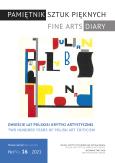
Początek polskiej krytyki artystycznej wiąże się z organizacją pierwszych publicznych wystaw sztuki, które odbyły się w latach 1819-1822 w Warszawie (1819, 1821), Wilnie (1820, 1822) i Krakowie (1822). Poprzedzały je opublikowany w Paryżu przez Stanisława Kostkę Potockiego Lettre d’un étranger sur le Salon de 1787 z analizą wystawionych obrazów oraz wykłady Josepha Saundersa, pierwszego profesora „literatury sztuk pięknych” Uniwersytetu Wileńskiego, w tym Discours sur l’influence et l’utulité des arts imitatifs / O wpływie i użytku sztuk naśladowczych, wygłoszony na otwarcie roku akademickiego w 1810 roku (publikowany w 1816). Pierwsza publiczna wystawa jednego obrazu – Pożegnanie Jana Karola Chodkiewicza z żoną Anną z Ostroga przed wyprawą chocimską Józefa Oleszkiewicza miała miejsce w Wilnie na przełomie 1809 i 1810 roku. Organizowana przez Saundersa pierwsza publiczna wystawa uniwersytecka w 1812 roku nie odbyła się z powodu wejścia do miasta armii francuskiej. Dopiero więc wspomniane duże wystawy z lat 1819-1822 wywołały potrzebę krytyczno-artystycznej refleksji. Nazwiska Ignacego Kochanowskiego w Warszawie i Michała Czarnowskiego w Wilnie otwierają historię polskiej krytyki artystycznej. Także w innych środowiskach na terenie dawnej Rzeczypospolitej geneza krytyki wiąże się z pierwszymi wystawami sztuki, organizowanymi przez Towarzystwa Sztuk Pięknych / Kunstvereiny w Gdańsku (1836) i Poznaniu (1837) oraz wystawę we Lwowie (1837). Założenie polskich Towarzystw Przyjaciół Sztuk Pięknych w Krakowie (1854) i we Lwowie (1866-1867) oraz Towarzystwa Zachęty Sztuk Pięknych w Warszawie (1860), a także szybki rozwój prasy, zwłaszcza w Warszawie i we Lwowie, spowodowały powstanie środowiska krytyków sztuki, w którym obok literatów (jak Józef Ignacy Kraszewski), osób o wykształceniu artystycznym (jak Stanisław Witkiewicz) pojawili się humaniści po studiach filozoficznych (jak Henryk Struve) i dziennikarze. Prezentowana publikacja zawiera studia, poświęcone różnorodnym problemom krytyki artystycznej, postawie krytyków – politycznej, społecznej, narodowej, zagadnieniom estetycznym i warsztatowym, analizom formalnym i stylistycznym dzieł sztuki, wreszcie interpretacjom twórczości artystów. Szczególny nacisk został położony na mało zbadany początek – pierwszą połowę XIX wieku, a także na środowisko lwowskie przełomu XIX i początku XX wieku. Układ tomu jest zasadniczo chronologiczny. Nie było jednak zamierzeniem redaktorów łączyć teksty w syntetyczne ujęcie dziejów krytyki sztuki w Polsce. Pierwotnym zamierzeniem była konferencja. Mogła ona stać się wkładem Polskiego Instytutu Studiów nad Sztuką Świata w szerzej zakreślone obchody rocznicy. Autorami tekstów są jego członkowie i współpracownicy. Jednak pandemia pokrzyżowała plany i publikowany tom pozostanie głównym efektem działań.
Ten produkt jest zapowiedzią. Realizacja Twojego zamówienia ulegnie przez to wydłużeniu do czasu premiery tej pozycji. Czy chcesz dodać ten produkt do koszyka?