Polecamy całą serię najlepszych książek psychologicznych. Znajdziecie tu najciekawsze i najbardziej popularne poradniki i podręczniki. Setki tytułów, do których chętnie się wraca. Polecamy szczególnie książkę psychiatry Viktora Frankla, która opisuje jego traumatyczne przeżycia z obozów koncentracyjnych podczas II wojny światowej oraz podstawy jego metody leczenia zaburzeń psychicznych. To jedna z najbardziej wpływowych książek w literaturze psychiatrycznej. Ponadto proponujemy również słynną książkę autorstwa Cialdini Robert B.To znakomita książka z dziedziny psychologii społecznej, prezentująca techniki wywierania wpływ na ludzi.
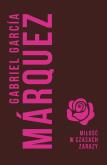
Miłość w czasach zarazy"", napisana przez Gabriela Garcię Marqueza z ogromną czułością, humorem i wyrozumiałością, to niezwykła powieść o miłości, która okazuje się silniejsza od samotności, od fatum i od śmierci. Jest to historia uczucia niewydarzonego bękarta i poety Florentino Arizy oraz trzeźwej, rozsądnej Ferminy Dazy, spełniającego się po półwieczu oczekiwania. Oboje przechodzą przez wszystkie kręgi miłości - młodzieńcze zadurzenie, małżeństwo z rozsądku, szalone namiętności, miłości idealizowane i ulotne pragnienia cielesne. Ta niespotykana w dotychczasowej twórczości Garcii Marqueza tematyka i tonacja przysporzyła pisarzowi miliony nowych czytelników całym świecie.
Bohaterem powieści jest pięćdziesięcioletni pracownik agencji reklamowej, hipochondryk, były opozycjonista. Ma dwójkę dorosłych dzieci, zajmuje się chorą psychicznie matką. Mieszka tylko z kotem. Tempo życia, seksoholizm i samotność wpędzają go w depresję. Wspomnienia z „Solidarnościowej” przeszłości budzą w nim tylko gorycz i frustrację. Nie spodziewał się, że otaczający świat po przemianie ustroju będzie tak rozczarowujący.
Postępująca choroba powoli pozbawia go gruntu pod nogami, rzeczywistość płynnie przeplata się ze wspomnieniami, przemyśleniami i urojeniami.
Jest to studium rozpadu psychicznego człowieka, który przestał nadążać za współczesnością, ale czy autorowi chodziło jedynie o przedstawienie realistycznego rysu psychologicznego osoby cierpiącej na depresję, czy o obraz naszych czasów?
Czyta Włodzimierz Press
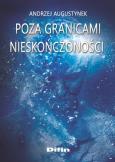
Poza granicami nieskończoności jest dwuwątkową powieścią, w której autor zabiera czytelnika w oniryczną podroż po wszechświecie, rozpadającej się logice zdarzeń na ziemi i psychice człowieka próbującego zrozumieć, czy to, co się wokół niego dzieje jest wirtualną rzeczywistością, ginącym wszechświatem czy też wytworem chorego umysłu.
Gdy naukowiec przekracza granicę dzielącą naukę od literatury pięknej, zdobywa przywilej nieskrępowanego zasadami badań naukowych puszczenia wodzy swojej fantazji i beletrystycznego przedstawienia pasjonujących go zagadnień. W książce Autor wykorzystuje wiedzę oraz najnowsze informacje na temat kosmologii, astrofizyki, fizyki kwantowej i psychologii, poruszając m.in. zagadnienia takie jak: deprywacja sensoryczna, percepcja podprogowa, narkoanaliza, pamięć wszczepiona, kwantowa pożyczka czy splątanie kwantowe.
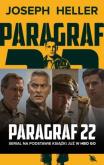
Jedna z najwybitniejszych powieści amerykańskich XX wieku, a zarazem najsłynniejsza powieść o II wojnie światowej.Utrzymana w poetyce czarnego humoru, ukazuje bezsens wojny i armii jako instytucji, wyśmiewa mechanizmy społeczne rządzące się logiką absurdu. Jej bohaterowie to zbiorowisko wariatów, fanatyków, idiotów i oportunistów, ale nade wszystko ludzi, którzy pragną jednego przeżyć.Pilot Yossarian jest przekonany, że wszyscy dybią na jego życie zarówno Niemcy, jak i dowódcy jego jednostki, zmuszający go do udziału w coraz większej liczbie misji bojowych. Udaje wariata, by wykpić się od dalszych lotów. Tymczasem otaczają go sami wariaci.Major Major Major, który przyjmuje podwładnych tylko wtedy, gdy go nie ma, porucznik Scheisskopf, którego działalność ogranicza się do urządzania defilad, porucznik Milo Minderbinder, który traktuje wojnę jako sposób na zbicie majątku i bombarduje własne pozycje, bo dogadał się z nieprzyjacielem. Oficjalnie w amerykańskim wojsku nie ma miejsca dla wariatów, choroba psychiczna stanowi wystarczający powód, by zostać natychmiast odesłanym do domu. Przepisy są w tym względzie bardzo wyraźne. Jest jednak mały kruczek: osławiony paragraf 22...Na podstawie powieści powstał serial, za którego produkcję odpowiedzialny jest George Clooney. Aktor wystąpił również w jednej z głównych ról. W pozostałych bohaterów powieści wcielili się: Kyle Chandler (Wilk z Wall Street, Operacja Argo), Christopher Abbott (Dziewczyny), Hugh Laurie (Doktor House), Giancarlo Giannini, Jay Paulson oraz Julie Ann Emery.
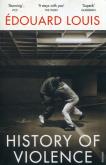
The radical, urgent new novel from the author of The End of Eddy – a personal and powerful story of violence.
I met Reda on Christmas Eve 2012, at around four in the morning. He approached me in the street, and finally I invited him up to my apartment. He told me the story of his childhood and how his father had come to France, having fled Algeria.
We spent the rest of the night together, talking, laughing. At around 6 o'clock, he pulled out a gun and said he was going to kill me. He insulted me, strangled and raped me. The next day, the medical and legal proceedings began.
History of Violence retraces the story of that night, and looks at immigration, class, racism, desire and the effects of trauma in an attempt to understand a history of violence, its origins, its reasons and its causes.
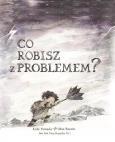
Książka, która powinna znaleźć się w biblioteczce każdego dziecka.
Problemy są nieodłączną częścią życia. Choć nie chcemy ich i często od nich uciekamy, to właśnie one nas zmieniają, rzucają wyzwania, kształtują i popychają naprzód. Dzięki nim odkrywamy, jak silni, odważni i zdolni jesteśmy.
„Co robisz z problemem?” opowiada o dziecku, które nie wie, jak poradzić sobie z uporczywym problemem. Im bardziej go unika, tym większy się on staje. Gdy chłopiec wreszcie znajduje w sobie odwagę, by stawić mu czoła, odkrywa, że jego problem był czymś zupełnie innym, niż się spodziewał. Skrywał w sobie okazję do czegoś dobrego.
„Ta prosta historia pomoże dzieciom, które w obliczu problemu stają się sfrustrowane i zalęknione. Zachęci je, by zrobiły krok wstecz i spojrzały na problem z innej perspektywy.” The Horn Book
Rekomendowana dla dzieci w wieku 6-8 lat.
Nagrody i wyróżnienia:
Bestseller New York Times nr 1!
National Indie Excellence Awards,Children’s Inspirational/Motivational (2017)
Mom’s Choice Awards, Children’s Picture Books (All Ages), Gold (2016)
Moonbeam Children’s Book Awards, Children’s Picture Books (All Ages), Gold (2016)
The Christopher Awards, Book for Young People (2017)
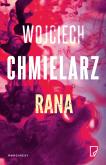
Podobno czas leczy rany. Jednak niektóre nigdy się nie zabliźniają.
Najpierw pod torami pociągu ginie Marysia, uczennica ekskluzywnej prywatnej szkoły na warszawskim Mokotowie. Jej nauczycielka, Elżbieta próbuje odkryć, co się naprawdę stało. Rozpoczyna prywatne śledztwo tylko po to, żeby wkrótce sama zginąć. Ale jej ciało znika, a jedynymi osobami, które cokolwiek widziały, są Gniewomir, nieprzystosowany społecznie chłopak zafascynowany seryjnymi zabójcami, i Klementyna, podstarzała nauczycielka na życiowym zakręcie, której wydaje się, że zdobywszy pracę w poważanej szkole, los wreszcie się do niej uśmiechnął. Nic bardziej mylnego.
Żadne z nich nie chce angażować się w tę sprawę każde z nich ma swoje powody ale żadne z nich nie ma wyjścia. Gdyby wiedzieli, dokąd zaprowadzi ich to śledztwo, nigdy by się na to nie odważyli. Szkoła okazuje się pełna tajemnic. Podobnie jak pracujący w niej nauczyciele
Rana to bezlitosne studium zła uśpionego w zaciszu domowego ogniska. Niepokojące i mroczne, odsłania najgłębiej skrywane tajemnice, o których nikt nie chce mówić. Nowa powieść jednego z najwyżej ocenianych i najchętniej czytanych współczesnych pisarzy odziera z wszelkich złudzeń
To chyba najtrudniejsza książka, jaką kiedykolwiek napisałem. Dotykająca delikatnej materii, relacji pomiędzy rodzicem a dzieckiem i przemocy pojawiającej się w tej relacji.
Hipnotyzujący portret destrukcyjnego idealisty.
Ilekroć zdarzało mi się fantazjować o tym, że z sobą kończę, wyobrażałem sobie uroczysty, rytualny wręcz czyn – w tym list pożegnalny, garnitur i ważne dla mnie miejsce. Dlatego ostatnią moją myślą, która przyszła, gdy w nagłym ataku paniki próbowałem ostro skręcić, było to, że mogłem trochę bardziej się postarać.
Historia Terjego musiała skończyć się samobójstwem. Przez całe życie tłumił swoje uczucia, był ironiczny i szorstki, a naturę rozumiał lepiej niż innych ludzi. Carl Frode Tiller stopniowo cofa się do coraz wcześniejszych wydarzeń i wnika w psychikę swojego bohatera, by stworzyć fascynujący obraz jego dramatu egzystencjalnego i walki z wewnętrznymi demonami.
Początki to przenikliwa diagnoza dysfunkcyjnej rodziny i kryzysu więzi międzyludzkich nominowana do Nagrody Rady Nordyckiej i Nagrody Norweskich Krytyków Literackich.
Fascynująca kompozycja, czarny humor, poruszające sceny, psychologiczna głębia i poetycki sznyt.
„Aftenposten”
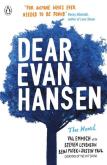
Read the book before you see the musical, coming to the West End Autumn 2019!
'Even in book form, Evan Hansen's story sings. Required reading, especially for anyone who's ever needed to be found' - Becky Albertalli, author of Love Simon
Dear Evan Hansen,
Today's going to be an amazing day and here's why...
When a letter that was never meant to be seen draws high school senior Evan Hansen into the Murphy family's grief over the loss of their son, he is given the chance of a lifetime: to belong.
He just has to stick to a lie he never meant to tell.
That the notoriously troubled Connor Murphy was his secret best friend.
Suddenly, Evan isn't invisible anymore. And Connor's wealthy parents have taken him in like he was their own, desperate to know more about their enigmatic son from his 'closest friend'.
As Evan gets pulled deeper into their family, he knows that what he's doing may not be right, but if he's helping people, how wrong can it be?
No longer tangled in his once-incapacitating anxiety, this new Evan has a purpose.
He's confident. He's a viral phenomenon. Every day is amazing. But when everything is in danger of unravelling, he comes face to face with his greatest obstacle: himself.
A simple lie leads to complicated truths in this big-hearted coming-of-age story of grief, authenticity and the struggle to belong in an age of instant connectivity and profound isolation.
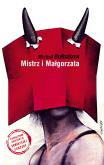
Niniejsza edycja, przygotowana według wydania z 1969 roku w Possev-Verlag, Frankfurt/Main, jest wyjątkowa, ponieważ zaznaczone w niej zostały wszystkie ingerencje sowieckiej cenzury.Michaił Bułhakow zaczął pisać Mistrza i Małgorzatę w 1928 roku, ukończył w roku 1940, na kilkanaście dni przed śmiercią. Książka ukazała się w druku po 40 latach i rzecz niespotykana natychmiast stała się światowym bestsellerem! Do dzisiaj i śmiech, i łzy towarzyszą lekturze Mistrza i Małgorzaty.Bułhakow opisał świat współczesny szyderczo i bez litości, nie pozostawiając czytelnikom szczególnej nadziei, na pociechę zostawił obietnicę, że rękopisy nie płoną, że człowiek jest, a może raczej bywa dobry. Nawet szatan w Mistrzu i Małgorzacie okazuje się w końcu przyzwoitym facetem.W Polsce powieść Bułhakowa niezmiennie cieszy się ogromnym powodzeniem. W rankingu czytelników i ekspertów Rzeczypospolitej w 1999 roku została uznana za najważniejszą powieść XX wieku.
Tytuł zbioru opowiadań Mechanika pękania autorstwa Martina Vlado automatycznie przywodzi na myśl zagadnienia z zakresu materiałoznawstwa. Nic bardziej mylnego. Autor bowiem pod tym tytułem skrywa próbę nakreślenia procesu powolnego pękania stosunków międzyludzkich na płaszczyźnie kraju, rodziny bądź związku dwojga osób.
Trzy przyjaciółki, ich tajemnice, kłamstwa i…zbrodnia
Książka idealna dla czytelników i widzów Wielkich kłamstewek!
Aubrey, Jenny i Kate różni właściwie wszystko – charakter, pochodzenie, ambicje i przyszłość, która je czeka. Mimo to na pierwszym roku college’u szybko stają się nierozłączne i przysięgają sobie, że zawsze będą się wspierać. Wspólnie przeżywają szalone studenckie lata – imprezują, eksperymentują z alkoholem i narkotykami, rywalizują o względy chłopaków i mierzą się z problemami.
Dwadzieścia lat później jedna z nich stoi na krawędzi mostu, a ktoś ponagla ją, by skoczyła…
Czy relacja kobiet rzeczywiście była niewinna i czysta? Co tak naprawdę zaszło między przyjaciółkami? Jaką tajemnicę skrywała każda z nich?
Campbell mistrzowsko odmalowuje złożone kobiece relacje i cienką granicę między przyjaźnią a nienawiścią. Świetne połączenie błyskotliwej powieści obyczajowej z thrillerem psychologicznym trzyma w napięciu aż do ostatniej strony!
Debiutancka powieść Michele Campbell pełna tajemnic, zdolnych niszczyć przyjaźnie, małżeństwa i życia…
„Kirkus Reviews”
Skręty, zakręty i zagadkowa mieszanka podejrzanych sprawiają, że nie sposób oderwać się od tej książki.
„Booklist”
Opowiadania o miłości, samotności, zdobywaniu fortuny, nie zawsze kryształowych interesach i zmienności ludzkich losów
Zbiór opowiadań Jeffreya Archera Ale to nie wszystko to prawdziwy róg obfitości.
Historie te – częściowo oparte na prawdziwych wydarzeniach, częściowo będące wytworem wyobraźni autora – mówią o miłości, samotności, zdobywaniu fortuny, nie zawsze kryształowych interesach i zmienności ludzkich losów. Świetnie napisane, obfitujące w realia i zabarwione ciepłą ironią różnią się tematem, charakterem i miejscem akcji, ale łączy je jedno – zaskakujące, przewrotne zakończenie. W zbiorze Ale to nie wszystko czytelnik znajdzie charakterystyczne dla pisarstwa Archera wartką akcję, precyzyjną konstrukcję, przejrzysty styl oraz paradoksalną, celną pointę.
Lord of the Flies is a thought-provoking novel authored by William Golding in 1954. The book describes in detail the horrific exploits of a band of young children who make a striking transition from civilized to barbaric. Lord of the Flies commands a pessimistic outlook that seems to show that man is inherently tied to society, and without it, we would likely return to savagery.
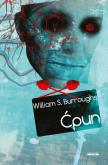
Pierwsza powieść Williama S. Burroughsa (1914-97) jest w zasadzie najbardziej autobiograficznym z jego utworów. Autor – uznawany za jednego z najwybitniejszych amerykańskich pisarzy, a choćby J.G. Ballard nie miał co do tego najmniejszej wątpliwości – słynny z niezwykłej struktury swoich utworów, mieszania wątków, wizji, rzeczywistości, poszczególnych myśli, z łamania klasycznej struktury narracji powieściowej, w wypadku „Ćpuna” nie ekperymentuje jeszcze tak bardzo. Jest to faktycznie niezwykły zapis uzależnienia od opiatów oraz o wychodzeniu/wracania z/do nałogu. Żeby nie było jednak niejasności – Burroughs, o którym mówiono, że próbował chyba wszystkich możliwych narkotyków i to w takich ilościach, że wykończyłoby to „pluton wojska” nie napisał wcale hymnu pochwalnego na cześć narkotyków. Jak pisze Bartek Chaciński: „Trudno napisać podręcznik szkolny odstraszający od narkotyków bardziej niż “Ćpun” – autobiografia Burroughsa z heroinowego okresu. “Opiaty nie są ‘dobrym kopem’” – czytamy w niej. – “W opiatach istotne dla narkomana jest to, że powodują uzależnienie. Nikt nie wie, czym są opiaty, póki nie zazna głodu”.
Żeby nagle zrozumieć świat, trzeba mieć jakiś system.
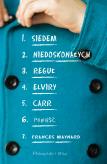
Elvira ma 27 lat i zaburzenia ze spektrum autyzmu, jest więc przez nadopiekuńczych rodziców chowana pod kloszem. Kiedy w tajemniczych okolicznościach umiera ojciec, a matka dostaje udaru, Elvira musi zawalczyć o własną samodzielność.
Opracowuje więc Siedem Reguł, które mają jej pomóc odnaleźć się w świecie "normalnych". Ten przerażający świat wydaje się bardzo skomplikowany, a "neurotypowi" robią różne rzeczy, których Elvira wcale nie chce się uczyć - na przykład kłamią. W dodatku Elvira odkrywa tajemnice rodzinne, o jakich jej się nie śniło.
Okazuje się jednak, że odmienność może być zaletą, a szczerość i dobroć to fajne kompasy w życiu. Zresztą, "wszystko budzi mniejszy lęk, gdy trzymasz w dłoni herbatnika".
Zabawna, ciepła i niezwykle krzepiąca książka; idealna dla tych, którzy są nie całkiem dopasowani - albo wcale nie chcą się dopasować.
Frances Maynard - pisarka, która na co dzień uczy angielskiego dorosłych z zaburzeniami uczenia się, m.in. zespołem Aspergera. "Siedem niedoskonałych reguł Elviry Carr" to jej literacki debiut, nominowany do kilku nagród, m.in. do Mslexia First Novel Competition oraz Lucy Cavendish Prize. W przygotowaniu jest jej druga książka "Maggsie McNaughton’s Second Chance" opowiadająca o dziewczynce z dysleksją.
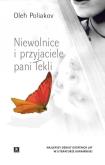
Niewolnice i przyjaciele pani Tekli to wytrawnie napisana, z dużą dawką dobrego humoru i niebanalnymi zwrotami akcji powieść, która jest jednocześnie mieszanką prozy obyczajowej z elementami psychologicznego thrillera (jak w najlepszych filmach Hitchcocka), wiwisekcją obyczajowości współczesnego świata z elementami fantastyki oraz - za ukraińskim Insiderem- wewnętrzną tragedią bohatera i poszukiwaniem siebie. Wielkie idee, kolorowy świat mody, prowincja ze szpitalem psychiatrycznym w tle.
Książka porusza, wprowadza niepokój, daje do myślenia, ale też bawi i zaskakuje.
Oleh Poliakov to nie tylko mistrz słowa, ale i doskonały obserwator.
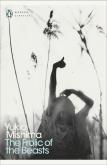
The gripping story of an affair gone horribly wrong, from one of Japan's greatest twentieth-century writers
Koji, a young student, has fallen hopelessly in love with the beautiful, enigmatic Yuko. But she is married to the literary critic and serial philanderer Ippei. Tormented by desire and anger, Koji is driven to an act of violence that will bind this strange, terrible love triangle together for the rest of their lives. A starkly compelling story of lust, guilt and punishment, The Frolic of the Beasts explores the masks we wear in life, and what happens when they slip.
'One of the greatest avant-garde Japanese writers of the twentieth century' New Yorker
Rzeźnik z Niebuszewa to swoista odyseja grozy. Błahy misternie łączy ze sobą literaturę konfesyjną, autobiograficzną oraz filozoficzną i niczym zręczny akrobata żongluje trzema rodzajami literackimi. Faktografia błyskotliwie miesza się tutaj z eseistycznymi talentami autora. Ten nietuzinkowy zbiór tekstów, który jest właściwie minipowieścią, fascynuje, wciąga i skrajnie przeraża. Błahy w sposób bezczelny i prowokacyjny łamie literackie schematy, oferując czytelnikom dużo więcej. W efekcie powstało dzieło wyjątkowo transgresyjne, które odważnie, bez żadnej autocenzury, sięga w głąb mroków ludzkiej duszy oraz pokazuje irracjonalny i niemal nieuchwytny charakter zła. Autor obsesyjnie powraca do szczecińskiej dzielnicy Niebuszewo, miejsca okrytego złą sławą i nieustannie pobudzającego wyobraźnię mieszkańców miasta. W książce nierzadko występują prozaizmy i ostre wulgaryzmy, ale są one konieczne, albowiem tylko w taki sposób można wiarygodnie oddać język ludzi z nizin społecznych oraz bunt wobec patologicznej rzeczywistości. Tytułowy Rzeźnik staje się poręczną metaforą bestii, tkwiącej w każdym z nas. Pojawiające się pod latarnią widmo legendarnego mordercy, odsłania również palimpsestowy charakter słynnej dzielnicy, w której nakładają się naznaczone traumami polska i niemiecka historia. Autor proponuje czytelnikom wstrząsającą podróż przez wewnętrzne piekło, trudny do zniesienia fetor rozkładu i śmierci, jednak na końcu tej budzącej grozę peregrynacji można osiągnąć katharsis.Damian Romaniak
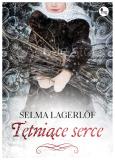
Niezwykła książka o miłości ojcowskiej, o sile więzi ojca z córką, o tęsknocie i próbie uczucia. Oto, nie można przecież uważać za człowieka jak należy tego, którego serce nie bije żywym tętnem, ani z bólu, ani też z radości. Selma Lagerlöf – pierwsza kobieta nagrodzona literacką Nagrodą Nobla – w pełnej emocji książce pokazuje nie tylko niesamowitą relację rodzinną, ale również obraz życia na szwedzkiej wsi XIX-tego wieku. Głównym bohaterem jest Jan, ojciec Klary. Dziewczynka od chwili narodzenia staje się najważniejszą osobą w jego życiu. Przychodzi jednak moment, kiedy ukochana córka musi opuścić dom rodzinny. Jan, przeżywając wyjazd dziecka, tworzy własny mit o jej postaci… Poza bardzo silnym wątkiem emocjonalnym, książka ta niesie interesujący obraz ówczesnych obyczajów Szwecji. Dowiadujemy się na przykład, że poważnym nietaktem jest obecność rodziców w czasie chrztu dziecka… O oddziaływaniu tej powieści na innych twórców świadczyć może fakt, że Tętniące serce aż trzykrotnie zostało sfilmowane.
Ten produkt jest zapowiedzią. Realizacja Twojego zamówienia ulegnie przez to wydłużeniu do czasu premiery tej pozycji. Czy chcesz dodać ten produkt do koszyka?